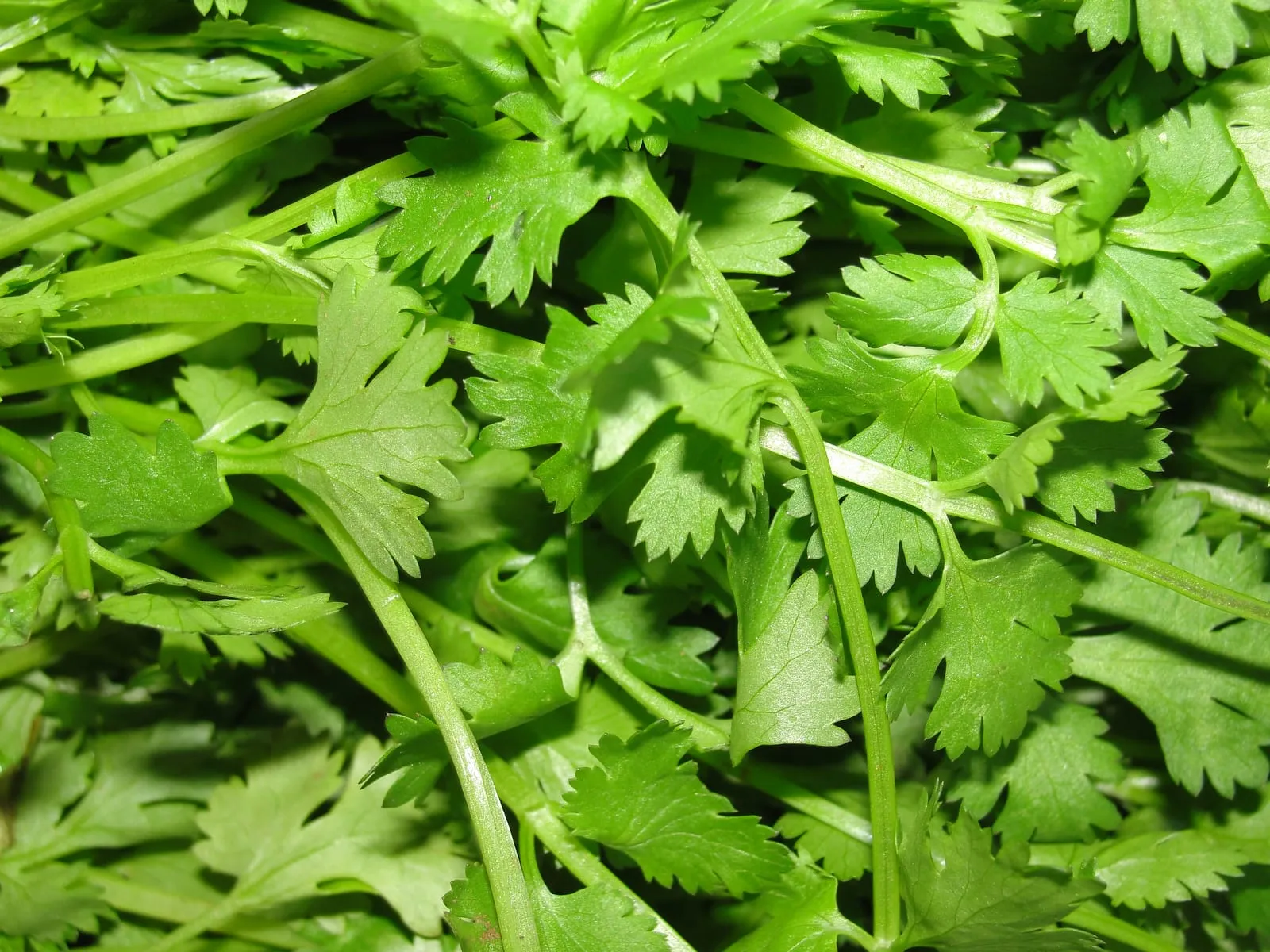
herb in zone 7b
Growing cilantro / coriander in zone 7b
Coriandrum sativum
- Zone
- 7b 5°F to 10°F
- Growing season
- 220 days
- Suitable varieties
- 3
- Days to harvest
- 40 to 60
The verdict
Zone 7b is workable for cilantro, but it is not a sweet spot. The crop is a cool-season annual that bolts aggressively once temperatures climb above roughly 75°F, and zone 7b summers push well past that threshold for three to four months. The 220-day growing season sounds generous, but only the shoulder seasons are actually usable for quality leaf production.
Cilantro has no chill-hour requirement, so the zone's 5 to 10°F winter minimums are irrelevant to performance. What matters is heat accumulation in late spring and early fall. Varieties selected for bolt resistance, particularly Slow Bolt and Calypso, extend the harvest window by several weeks compared to standard types, which is a meaningful advantage in this zone. Growers who treat cilantro as a two-season crop rather than a spring-only planting will get far more out of it here.
Recommended varieties for zone 7b
3 cultivars suited to this zone, with disease-resistance and zone-fit annotations.
| Variety | Notes | Zone fit | Disease resistance |
|---|---|---|---|
| Santo fits zone 7b | Strong, citrusy, classic cilantro flavor; broad green leaves. Salsa, Asian cooking, garnish. Slow-bolting variety bred to delay flowering, the home-garden standard. | | none noted |
| Slow Bolt fits zone 7b | Classic cilantro flavor with a longer leafy phase; broad lush green leaves. Salsa, Mexican cooking. Bred for delayed bolting, holds usable leaves 4-6 weeks longer than older types. | | none noted |
| Calypso fits zone 7b | Strong cilantro flavor; the slowest-to-bolt variety available. Salsa, garnish, Asian cooking. Best variety for hot summers and continuous picking. | | none noted |
Critical timing for zone 7b
In zone 7b, the spring planting window opens as soon as overnight lows are reliably above 25°F, typically late February to early March. Direct-sown seed germinates slowly in cold soil but tolerates light frost. Leaf harvest runs from roughly four weeks after germination until the plant bolts, which in spring plantings usually occurs by late April or early May as temperatures rise.
Fall is the more productive season. Sow from early September through mid-October, before the first hard frost (typically mid-November in most of zone 7b). Days-to-maturity of 45 to 55 days for leaf harvest gives a comfortable window before killing frost ends the season. Seed for coriander spice can be collected from spring-bolted plants in June.
Common challenges in zone 7b
- ▸ Cedar-apple rust pressure heavy in piedmont
- ▸ Japanese beetles
- ▸ Brown marmorated stink bug
- ▸ Late summer disease pressure
Modified care for zone 7b
The primary adjustment in zone 7b is accepting that cilantro is a succession crop. Sow small batches every two to three weeks during the spring window rather than planting all at once, since individual sowings bolt within a narrow span. This keeps a steady supply coming until heat shuts down the season.
Partial afternoon shade (two to three hours) slows bolting noticeably on late-spring plantings. A shade cloth rated at 30 to 40 percent transmission is sufficient. Soil moisture management also matters; drought stress accelerates bolting, so consistent watering during dry spells in April and May is worth the effort.
Zone 7b's listed pest pressures (Japanese beetle, brown marmorated stink bug) rarely cause serious damage to cilantro specifically. Disease pressure is low given the crop's short season, and the lack of identified diseases in this zone's profile is consistent with that. Focus instead on heat management rather than pest or disease intervention.
Frequently asked questions
- Can cilantro survive zone 7b winters?
Cilantro is killed by hard frost, so it does not overwinter in zone 7b. However, fall sowings can persist through light frosts in November, and seeds dropped by bolted plants sometimes self-sow and emerge the following spring.
- Which cilantro variety bolts slowest in zone 7b heat?
Slow Bolt and Calypso are the most heat-tolerant options for this zone. Both extend leaf harvest by two to four weeks compared to standard Santo under warm conditions, though no variety produces well through a zone 7b summer.
- Is fall or spring better for cilantro in zone 7b?
Fall is generally more productive. Temperatures cool steadily through October and November rather than climbing, so plants develop more slowly and hold leaf quality longer before frost ends the season.
- How soon after sowing can cilantro be harvested in zone 7b?
Leaf harvest typically begins 40 to 50 days after direct sowing, depending on soil temperature and variety. Germination is slower in cold soil (below 55°F), so late February sowings may take closer to 55 to 60 days to reach harvestable size.
+−
+−
+−
+−
Cilantro / Coriander in adjacent zones
Image: "A scene of Coriander leaves", by Thamizhpparithi Maari, via Wikimedia Commons, licensed under CC-BY Source.

Related