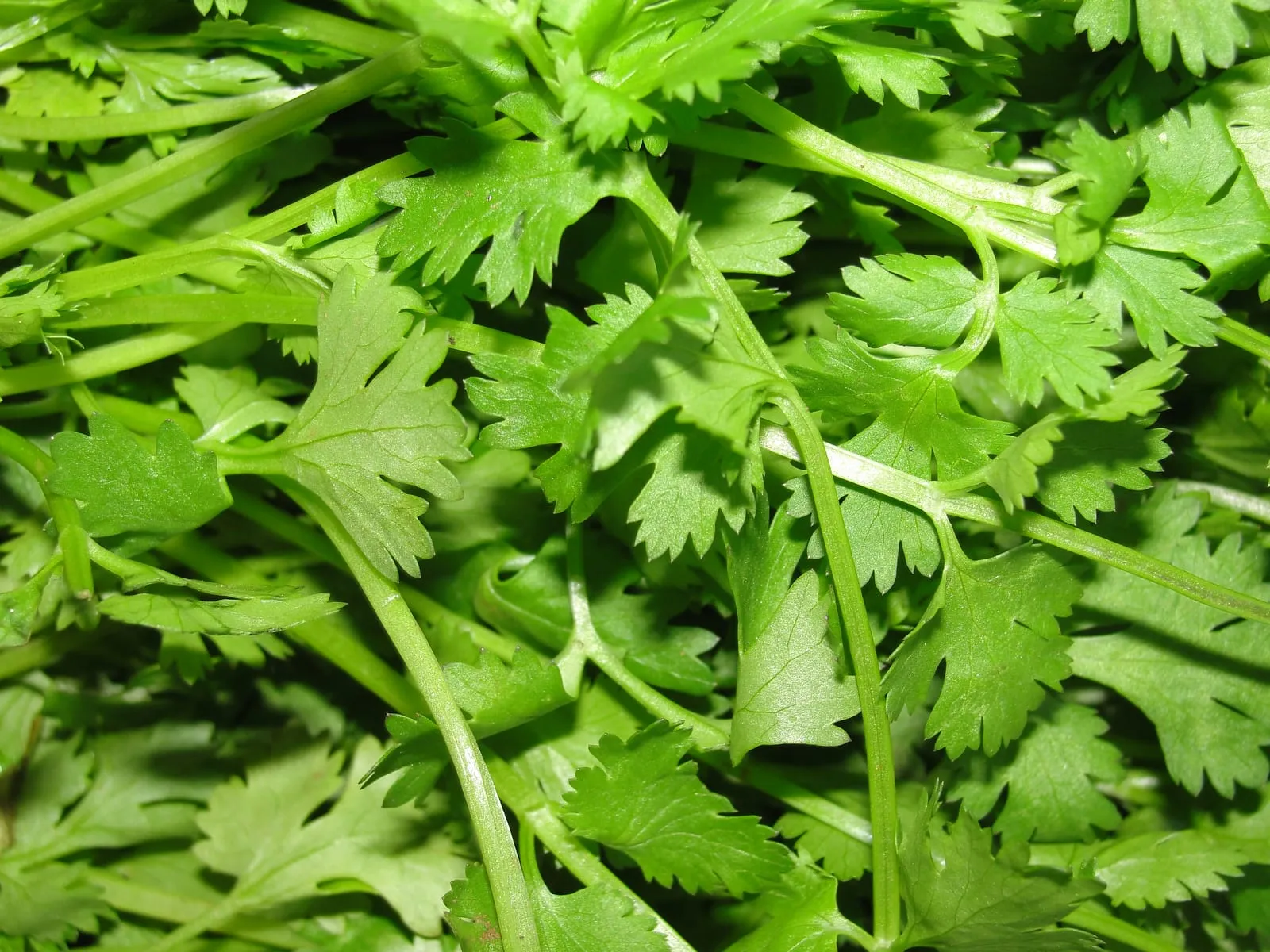
herb in zone 3b
Growing cilantro / coriander in zone 3b
Coriandrum sativum
- Zone
- 3b -35°F to -30°F
- Growing season
- 100 days
- Suitable varieties
- 2
- Days to harvest
- 40 to 60
The verdict
Cilantro is a reasonable fit for zone 3b, with one important caveat: the 100-day growing season leaves little margin for succession planting. Unlike fruit trees, cilantro carries no chill-hour requirement. The crop is driven by temperature and day length, not winter dormancy. Zone 3b's cool summers actually work in cilantro's favor: the herb bolts rapidly when sustained temperatures climb above 75°F, a threshold rarely reached in short-season northern zones. This means leaf harvests can run longer here than in zones 6 or 7, where summer heat triggers bolting within weeks of germination. The challenge is not cold tolerance but calendar compression. A single sowing gets one or two harvests before frost ends the season. Santo and Slow Bolt are the varieties best matched to this zone; both resist premature flowering under the cool, long-day conditions of a northern summer.
Recommended varieties for zone 3b
2 cultivars suited to this zone, with disease-resistance and zone-fit annotations.
| Variety | Notes | Zone fit | Disease resistance |
|---|---|---|---|
| Santo fits zone 3b | Strong, citrusy, classic cilantro flavor; broad green leaves. Salsa, Asian cooking, garnish. Slow-bolting variety bred to delay flowering, the home-garden standard. | | none noted |
| Slow Bolt fits zone 3b | Classic cilantro flavor with a longer leafy phase; broad lush green leaves. Salsa, Mexican cooking. Bred for delayed bolting, holds usable leaves 4-6 weeks longer than older types. | | none noted |
Critical timing for zone 3b
Direct sow after the last frost date, typically late May to early June in zone 3b. Germination takes 7 to 10 days in cool soil; first leaf harvest follows in 3 to 4 weeks. The window between last frost and first fall frost (often mid-August to mid-September in zone 3b) spans roughly 75 to 90 days, enough for two or three succession sowings spaced 2 to 3 weeks apart if the first seed goes in promptly. Growers who want coriander seed rather than leaves need bolting plants to set and dry seed before hard frost. That requires an early June sowing at the latest. A July sowing in zone 3b will produce leaves but rarely matures seed before the season closes.
Common challenges in zone 3b
- ▸ Short season
- ▸ Winter desiccation
- ▸ Site selection critical for fruit trees
Modified care for zone 3b
The primary adjustment in zone 3b is timing discipline: seed goes in as soon as soil reaches 55°F after last frost, with no delay. Every week lost at the front of the season is a week lost at the back. Row cover in early June buys warmth during germination and can push the first sowing forward by 10 to 14 days in a cold spring. At the other end of the season, the same row cover protects maturing plants from light frosts in late August, extending harvest by another week or two. Soil moisture management matters more than in warmer zones because zone 3b soils can dry unevenly during the brief warm spells that occasionally occur mid-summer. Consistent moisture delays bolting and keeps leaves tender. No special disease pressure adjustments are needed; the cool, dry conditions typical of zone 3b are inhospitable to the fungal issues that sometimes appear in humid southern gardens.
Frequently asked questions
- Can cilantro survive winter in zone 3b?
No. Cilantro is a cool-season annual that cannot survive the -30 to -35°F winters of zone 3b. It must be resown each spring after the last frost. Growers who want to save their own seed should let a few plants bolt and dry on the stalk before fall frost arrives.
- Why does my cilantro bolt so quickly?
Bolting is triggered by rising temperatures and lengthening days. In zone 3b, the long summer days (not heat) can still push bolting even when temperatures stay cool. Santo and Slow Bolt varieties are bred to delay this response. Keeping soil consistently moist and harvesting frequently also slows the transition to seed.
- Is zone 3b too cold to grow cilantro for coriander seed?
It is possible but timing is tight. A sowing in the first week of June should mature seed before mid-September frost if the season is average or slightly warm. A late spring or an early fall frost in the same year can prevent seed maturation. Plan for the possibility and sow an early succession for leaves as a fallback.
+−
+−
+−
Cilantro / Coriander in adjacent zones
Image: "A scene of Coriander leaves", by Thamizhpparithi Maari, via Wikimedia Commons, licensed under CC-BY Source.

Related