herb in zone 9a
Growing cilantro / coriander in zone 9a
Coriandrum sativum
- Zone
- 9a 20°F to 25°F
- Growing season
- 290 days
- Suitable varieties
- 1
- Days to harvest
- 40 to 60
The verdict
Cilantro is not a fruit crop and carries no chill-hour requirement, so zone 9a's minimum temperatures of 20 to 25°F are not the limiting factor. The actual constraint is heat. Cilantro is a cool-season annual that bolts to seed rapidly once daytime temperatures push past 75 to 80°F, and zone 9a summers deliver that threshold consistently from late spring through early fall. The 290-day growing season is an asset only because it opens a long, mild window from October through April when cilantro can be grown without constant bolting pressure. Zone 9a is neither marginal nor a sweet spot in the traditional sense: it is inhospitable in summer and genuinely productive in the cool months. Growers who treat cilantro as a fall-through-spring crop rather than a summer herb will have reliable harvests. The Calypso variety, which has been bred for slower bolting, is the most practical choice here and extends the useful window by a few weeks at each end of the season.
Recommended varieties for zone 9a
1 cultivar suited to this zone, with disease-resistance and zone-fit annotations.
| Variety | Notes | Zone fit | Disease resistance |
|---|---|---|---|
| Calypso fits zone 9a | Strong cilantro flavor; the slowest-to-bolt variety available. Salsa, garnish, Asian cooking. Best variety for hot summers and continuous picking. | | none noted |
Critical timing for zone 9a
First plantings in zone 9a can go in the ground in late September or early October, once the worst of summer heat has broken. Germination is quick in soil temperatures between 55 and 68°F, which zone 9a reliably offers through fall and winter. Leaf harvest begins roughly 3 to 4 weeks after germination. Plants started in October will produce through December and January. Winter plantings face the occasional hard frost, but cilantro tolerates brief dips to around 15°F without significant damage, so zone 9a's mild winters rarely cut harvests short. As temperatures rise in March and April, bolting becomes unavoidable. Coriander seed, harvested from those bolting plants, can be collected in late April to May when seed heads turn tan and dry. Summer planting is not productive; expect bolt within days to a couple of weeks.
Common challenges in zone 9a
- ▸ Limited stone fruit options due to insufficient chill
- ▸ Hurricane and tropical storm exposure
- ▸ Citrus disease pressure
Modified care for zone 9a
The primary adjustment in zone 9a is a complete inversion of the growing calendar relative to northern growers. Cilantro is a winter crop here, not a summer one. Succession planting every 2 to 3 weeks from October through February maintains a continuous harvest rather than a single glut. In February and March, situating plants under taller crops or on the east side of a structure provides afternoon shade that can delay bolting by a week or two as temperatures climb. No winter frost protection is typically necessary given zone 9a's minimums, though a light row cover over seedlings during the rare hard freeze is worthwhile insurance. Irrigation should be consistent but moderate; cilantro in cool conditions does not tolerate waterlogged soil, and zone 9a winters can bring significant rainfall depending on the subregion. Soil drainage matters more than watering frequency.
Frequently asked questions
- Can cilantro be grown year-round in zone 9a?
Not practically. Cilantro bolts within days to a few weeks during zone 9a summers when temperatures routinely exceed 80°F. The productive window runs from October through April. Growing outside that range produces almost no usable leaf harvest before the plant flowers.
- Which cilantro variety works best in zone 9a?
Calypso is the most widely recommended slow-bolt variety for warm climates. It does not eliminate bolting, but it extends the leaf harvest window by a meaningful margin at the warm edges of the season, particularly in March and April when temperatures begin climbing.
- Can zone 9a growers harvest coriander seed?
Yes. Plants started in fall will bolt in late winter or spring as temperatures rise. Allowing those plants to flower and set seed yields coriander by late April or May. Let the seed heads dry fully on the plant before harvesting, then store in a cool, dry container.
+−
+−
+−
Cilantro / Coriander in adjacent zones
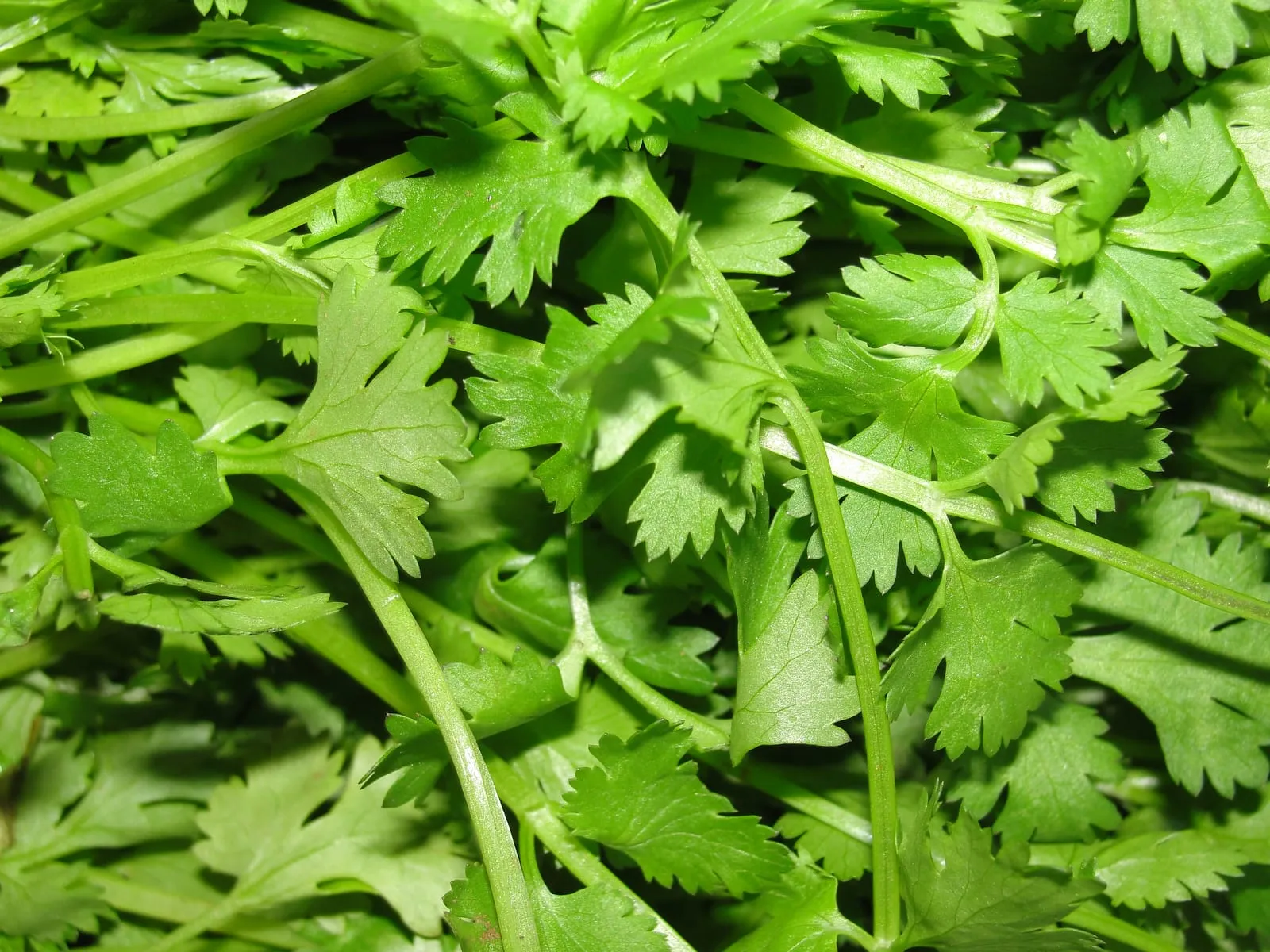
Image: "A scene of Coriander leaves", by Thamizhpparithi Maari, via Wikimedia Commons, licensed under CC-BY Source.

Related