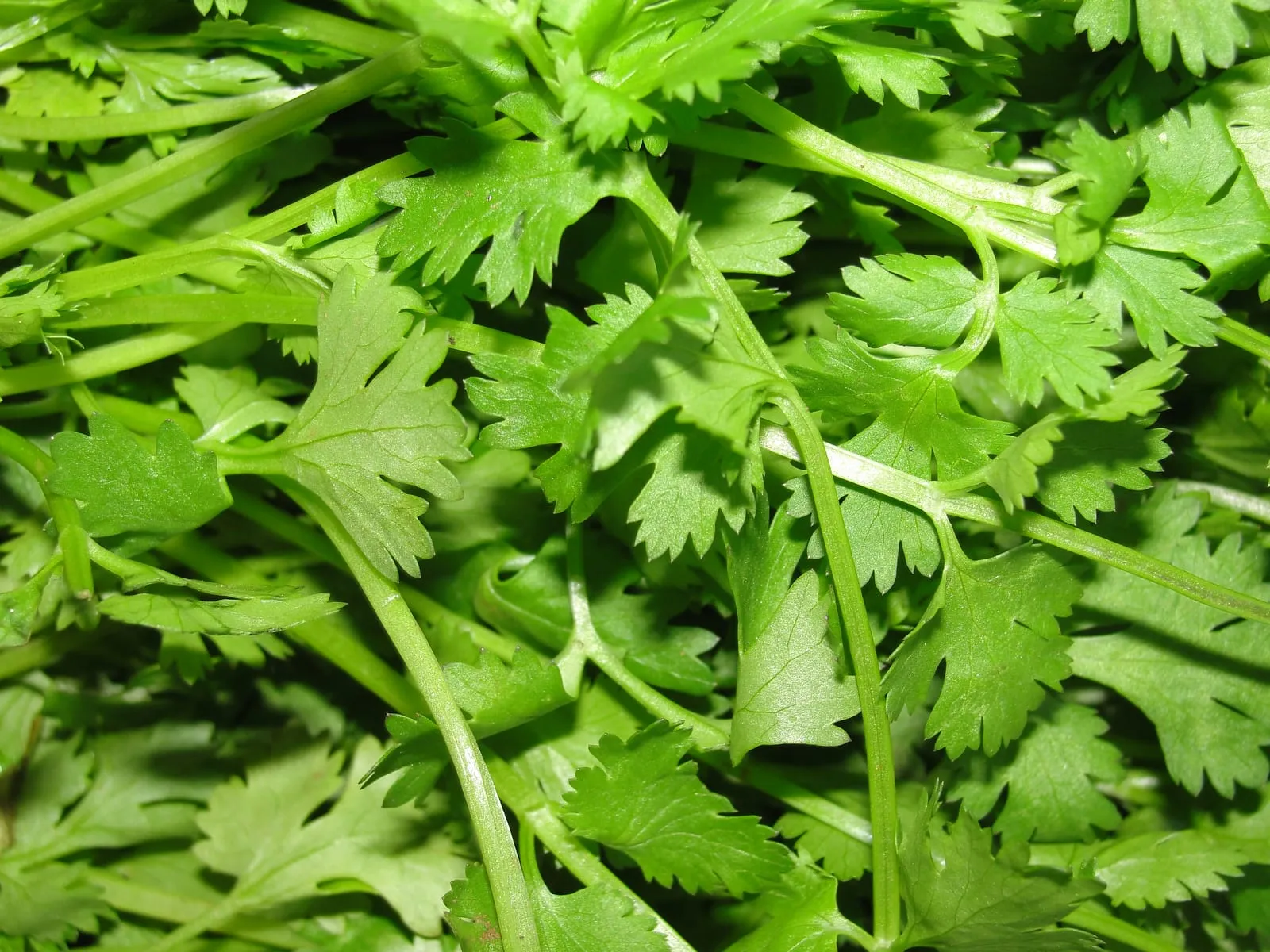
herb in zone 9b
Growing cilantro / coriander in zone 9b
Coriandrum sativum
- Zone
- 9b 25°F to 30°F
- Growing season
- 310 days
- Suitable varieties
- 0
- Days to harvest
- 40 to 60
The verdict
Cilantro is a cool-season annual that performs well in zone 9b, but with an important caveat: the summer heat disqualifies it from year-round production. Minimum winter temperatures of 25 to 30°F are rarely a problem for cilantro, which tolerates light frost and grows vigorously through mild winters. The 310-day growing season is long enough to support multiple successions from fall through spring.
Unlike fruit trees, cilantro has no chill-hour requirement, so that zone constraint is irrelevant here. The real limiting factor is heat. Cilantro bolts rapidly once daytime temperatures consistently exceed 80°F, which in zone 9b typically arrives in May and persists through September. Treated as a cool-season crop rather than a year-round staple, zone 9b is a good fit. Growers who expect summer production will be disappointed.
Critical timing for zone 9b
Sow cilantro from mid-September through early March in zone 9b. Germination takes 7 to 14 days in soil temperatures between 55 and 68°F, conditions that zone 9b reliably provides during fall and winter. Leaf harvest begins roughly 3 to 4 weeks after germination and continues until the plant starts stretching toward flower.
Bolting typically begins in April as days lengthen and temperatures climb. Plants allowed to bolt will flower and set coriander seed by late May or early June. If seed is the goal, a February sowing timed to bolt in warm spring conditions works well. Zone 9b's mild winters mean frost rarely interrupts this window, though a brief dip below 28°F can damage tender seedlings if they coincide with a cold snap in December or January.
Common challenges in zone 9b
- ▸ Heat stress in summer
- ▸ Insufficient chill for most apples
- ▸ Salt spray near coasts
Modified care for zone 9b
The primary adjustment in zone 9b is succession planting every 2 to 3 weeks throughout the cool season rather than a single sowing. No individual planting lasts long before bolting, so continuous small sowings maintain a steady harvest from October through April.
Summer shade cloth (30 to 50% reduction) can extend the season by a few weeks into May, though results are inconsistent. Soil moisture consistency matters more than in cooler zones because drought stress accelerates bolting even before heat does. Drip irrigation or careful hand watering helps.
Winter frost protection is rarely necessary. A brief dip into the upper 20s°F may nip the leaf tips of young seedlings, but established plants typically recover without intervention. Coastal growers should note that salt air can cause marginal leaf burn on already-stressed plants, compounding heat stress during shoulder-season plantings.
Frequently asked questions
- Can cilantro be grown year-round in zone 9b?
Not practically. Cilantro bolts within days to weeks of sustained temperatures above 80°F, which describes most of zone 9b from May through September. Year-round production requires either deep shade in summer (with inconsistent results) or accepting a gap in harvest during the hottest months.
- What is the best month to plant cilantro in zone 9b?
October is often ideal. Soil temperatures have cooled enough for reliable germination, nights are mild, and the plant has the full winter season ahead before spring heat triggers bolting. September sowings are possible but germination can be erratic if heat lingers.
- How do I harvest coriander seed in zone 9b?
Sow in February, allow the plants to bolt naturally in April and May, and harvest seed heads when they turn tan and dry, typically in late May or early June. Cut the stems and hang them upside down over a paper bag to catch seeds as they fall.
- Do bolt-resistant cilantro varieties make a meaningful difference in zone 9b?
Somewhat. Varieties marketed as slow-bolt, such as Leisure or Santo, extend the harvest window by roughly 1 to 2 weeks compared to standard types under the same conditions. They do not eliminate bolting; they delay it. Succession planting remains more reliable than variety selection alone.
+−
+−
+−
+−
Cilantro / Coriander in adjacent zones
Image: "A scene of Coriander leaves", by Thamizhpparithi Maari, via Wikimedia Commons, licensed under CC-BY Source.

Related