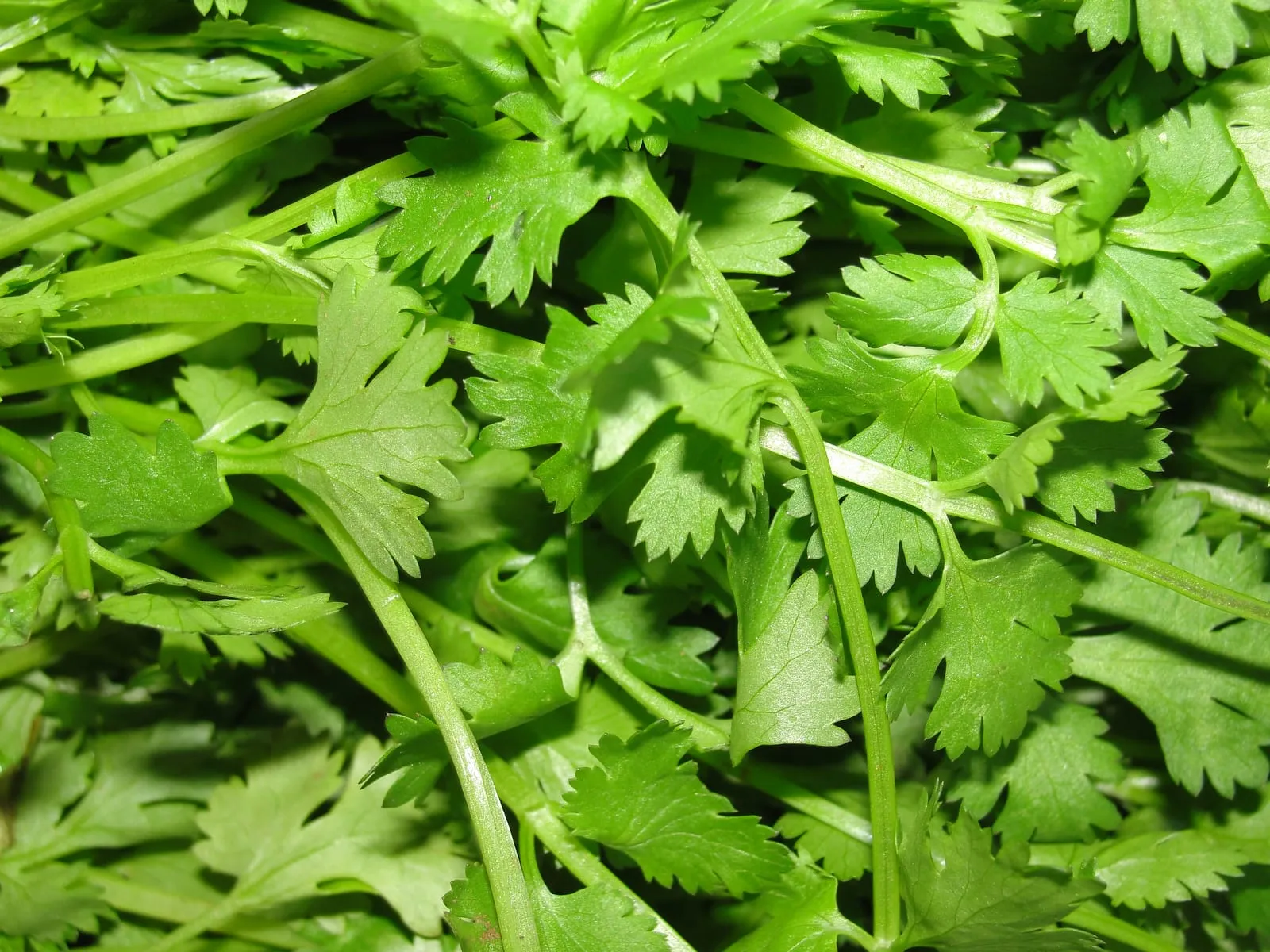
herb in zone 8b
Growing cilantro / coriander in zone 8b
Coriandrum sativum
- Zone
- 8b 15°F to 20°F
- Growing season
- 260 days
- Suitable varieties
- 2
- Days to harvest
- 40 to 60
The verdict
Cilantro performs well in zone 8b, though not as a year-round crop. It is a cool-season annual with no chill-hour requirement, so the zone's mild winters are an asset rather than a constraint. The 260-day growing season provides ample windows in fall, winter, and early spring before summer heat triggers bolting. Temperatures above 75 to 80°F push cilantro into flower quickly, so the zone's long, warm summers are the main limiting factor, not cold.
The varieties listed in the input data, Slow Bolt and Calypso, were bred specifically for heat tolerance and delay bolting by several weeks compared to standard types. In zone 8b, these selections extend the usable harvest window into late spring, when unimproved varieties would already be setting seed. This is a productive zone for cilantro growers willing to work with the seasonal rhythm rather than against it.
Recommended varieties for zone 8b
2 cultivars suited to this zone, with disease-resistance and zone-fit annotations.
| Variety | Notes | Zone fit | Disease resistance |
|---|---|---|---|
| Slow Bolt fits zone 8b | Classic cilantro flavor with a longer leafy phase; broad lush green leaves. Salsa, Mexican cooking. Bred for delayed bolting, holds usable leaves 4-6 weeks longer than older types. | | none noted |
| Calypso fits zone 8b | Strong cilantro flavor; the slowest-to-bolt variety available. Salsa, garnish, Asian cooking. Best variety for hot summers and continuous picking. | | none noted |
Critical timing for zone 8b
Fall planting (late September through October) is the most reliable approach in zone 8b. Seedlings establish during the cooling weeks of October and November, with active leaf harvest running through winter into early spring. Light frosts in the 28 to 32°F range slow growth but rarely kill established plants.
Spring plantings from late February through March can be productive but have a shorter harvest window before heat arrives. Expect bolting to begin in April or May as daytime temperatures climb. Slow Bolt and Calypso varieties may hold through May in a good year. Coriander seed can be harvested from bolted plants roughly 30 to 45 days after flowering, so intentionally letting a planting bolt in late spring yields a usable seed crop before summer fully sets in.
Common challenges in zone 8b
- ▸ Low chill hours limit apple variety selection
- ▸ Citrus greening risk
- ▸ Nematodes in sandy soils
Modified care for zone 8b
The primary adjustment in zone 8b is succession planting rather than any single extended planting. Sowing small amounts every two to three weeks from late September through February maintains a continuous harvest and spreads the bolting risk across the season.
In sandy soils, the nematode pressure common to zone 8b can stunt shallow-rooted annuals like cilantro. Rotating planting locations each season and incorporating organic matter to improve soil structure reduces nematode impact. There is no practical fumigation approach that makes sense for a kitchen herb planting; site rotation is the realistic tool.
Shade cloth (30 to 40 percent shade) applied in March and April can extend spring harvests by a few weeks by moderating soil and leaf temperatures. This is a worthwhile investment only if the harvest window matters; otherwise, simply starting a fall planting the following September is the lower-effort path.
Frequently asked questions
- Can cilantro be grown year-round in zone 8b?
Not practically. Summer heat causes rapid bolting, making July and August essentially unproductive months for leaf cilantro. The workable seasons are fall through spring. A shade structure can push the spring season a few weeks longer, but it cannot overcome sustained summer heat.
- Why does cilantro bolt so fast in zone 8b?
Cilantro is triggered to flower by rising temperatures and lengthening days, both of which arrive quickly in zone 8b by April and May. Slow Bolt and Calypso varieties tolerate heat better than standard types, but no variety is truly heat-proof. Planting in fall and harvesting before late spring is the most reliable strategy.
- Does cilantro need frost protection in zone 8b winters?
Established cilantro plants tolerate light frosts down to about 28°F with no protection. In zone 8b, where hard freezes below 20°F are possible but infrequent, a simple row cover during the coldest nights is usually sufficient. Extended hard freezes can kill plants outright, so having backup seedlings started indoors is a reasonable precaution.
+−
+−
+−
Cilantro / Coriander in adjacent zones
Image: "A scene of Coriander leaves", by Thamizhpparithi Maari, via Wikimedia Commons, licensed under CC-BY Source.

Related