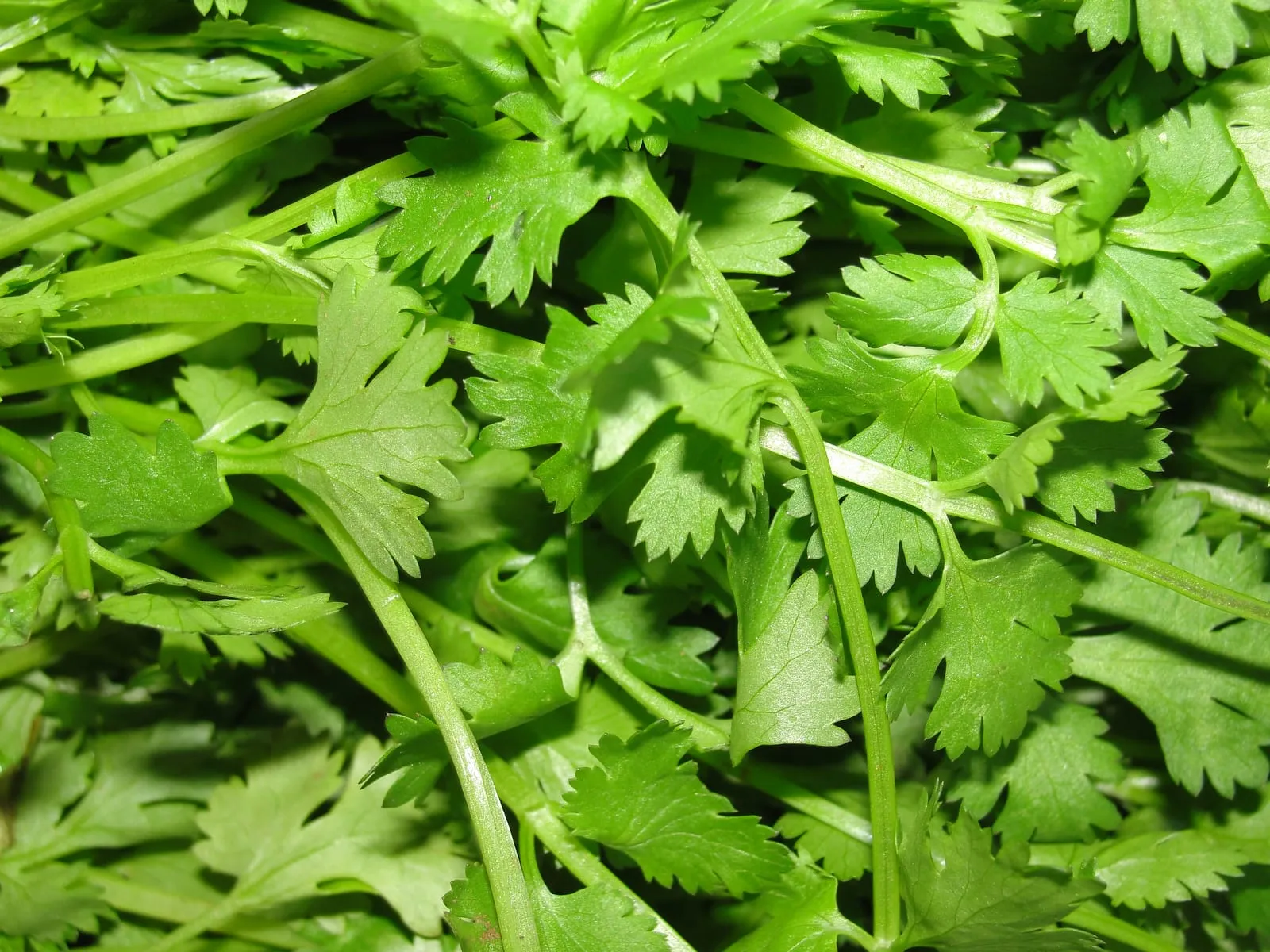
herb in zone 5a
Growing cilantro / coriander in zone 5a
Coriandrum sativum
- Zone
- 5a -20°F to -15°F
- Growing season
- 150 days
- Suitable varieties
- 3
- Days to harvest
- 40 to 60
The verdict
Cilantro is a cool-season annual with no chill-hour requirement, so the zone 5a temperature range of -20 to -15°F is relevant only in the sense that winters reliably kill the plant back to the soil. That is not a drawback. Cilantro's primary enemy is heat, not cold, and zone 5a's relatively short, mild summers are closer to a sweet spot than a marginal environment.
The 150-day growing season is more than enough to run two full successions, one in spring and one in fall, with late-summer plantings often outlasting their warmer-zone counterparts because the cool nights slow the bolting clock. Santo, Slow Bolt, and Calypso are all appropriate here; Slow Bolt earns its name most visibly in zones where summer heat arrives late and leaves early. Expect longer leaf-harvest windows and higher essential-oil concentration in the seed when temperatures stay consistently below 75°F.
Recommended varieties for zone 5a
3 cultivars suited to this zone, with disease-resistance and zone-fit annotations.
| Variety | Notes | Zone fit | Disease resistance |
|---|---|---|---|
| Santo fits zone 5a | Strong, citrusy, classic cilantro flavor; broad green leaves. Salsa, Asian cooking, garnish. Slow-bolting variety bred to delay flowering, the home-garden standard. | | none noted |
| Slow Bolt fits zone 5a | Classic cilantro flavor with a longer leafy phase; broad lush green leaves. Salsa, Mexican cooking. Bred for delayed bolting, holds usable leaves 4-6 weeks longer than older types. | | none noted |
| Calypso fits zone 5a | Strong cilantro flavor; the slowest-to-bolt variety available. Salsa, garnish, Asian cooking. Best variety for hot summers and continuous picking. | | none noted |
Critical timing for zone 5a
In zone 5a, last spring frost typically falls in mid-May, with some locations in northern portions of the zone seeing frost into late May. Cilantro tolerates light frost down to about 28°F, so direct sowing can begin 3 to 4 weeks before the anticipated last frost date, roughly mid-April in most zone 5a locations.
Bolting is triggered by day length and heat rather than a fixed calendar date. When daytime temperatures consistently exceed 75 to 80°F, seed stalks emerge quickly. In zone 5a, that window often runs from late June through August, compressing the productive leaf-harvest period. A fall succession sown in late August benefits from cooling temperatures and typically yields clean, full-sized leaves until the first hard frost, usually late September to early October.
Common challenges in zone 5a
- ▸ Fire blight in pears
- ▸ Cedar-apple rust
- ▸ Late spring frosts
Modified care for zone 5a
The main adjustment for zone 5a is succession timing rather than protection. Sowing every 3 weeks from mid-April through late May captures the spring window before heat triggers bolting. Skipping June and early July plantings is often sensible; germination rates drop and young seedlings bolt before reaching harvestable size.
Late spring frost risk means early sowings should be direct-seeded rather than transplanted, since cilantro develops a taproot quickly and resents disturbance. A light row cover extends the usable spring window by a week or two without much cost. If a hot spell arrives in July, shade cloth rated at 30 to 40% reduction can slow bolting noticeably. No significant disease pressure is documented for this zone, so chemical intervention is rarely warranted. Allow a few plants to go to seed each season; volunteer seedlings in subsequent springs are common and welcome.
Frequently asked questions
- Can cilantro overwinter in zone 5a?
Not as a living plant. Zone 5a winters kill cilantro reliably. However, plants allowed to set seed often self-sow, and those seeds can winter over in the soil and germinate in early spring, sometimes before the last frost date.
- Why does cilantro bolt so fast even in a cool zone like 5a?
Bolting is triggered primarily by increasing day length and temperatures above roughly 75°F. Even in zone 5a, mid-summer days are long and warm enough to push plants toward seed. Choosing Slow Bolt or Calypso varieties and sowing in the cooler shoulder seasons is the most effective response.
- Is it worth growing cilantro for coriander seed in zone 5a?
Yes. The 150-day growing season is sufficient for seeds to mature fully. Allow spring-sown plants to bolt naturally; seeds are ready to harvest when the lower seeds on the umbel begin to turn tan and the stems are still slightly green. Harvest too late and seeds shatter.
+−
+−
+−
Cilantro / Coriander in adjacent zones
Image: "A scene of Coriander leaves", by Thamizhpparithi Maari, via Wikimedia Commons, licensed under CC-BY Source.

Related