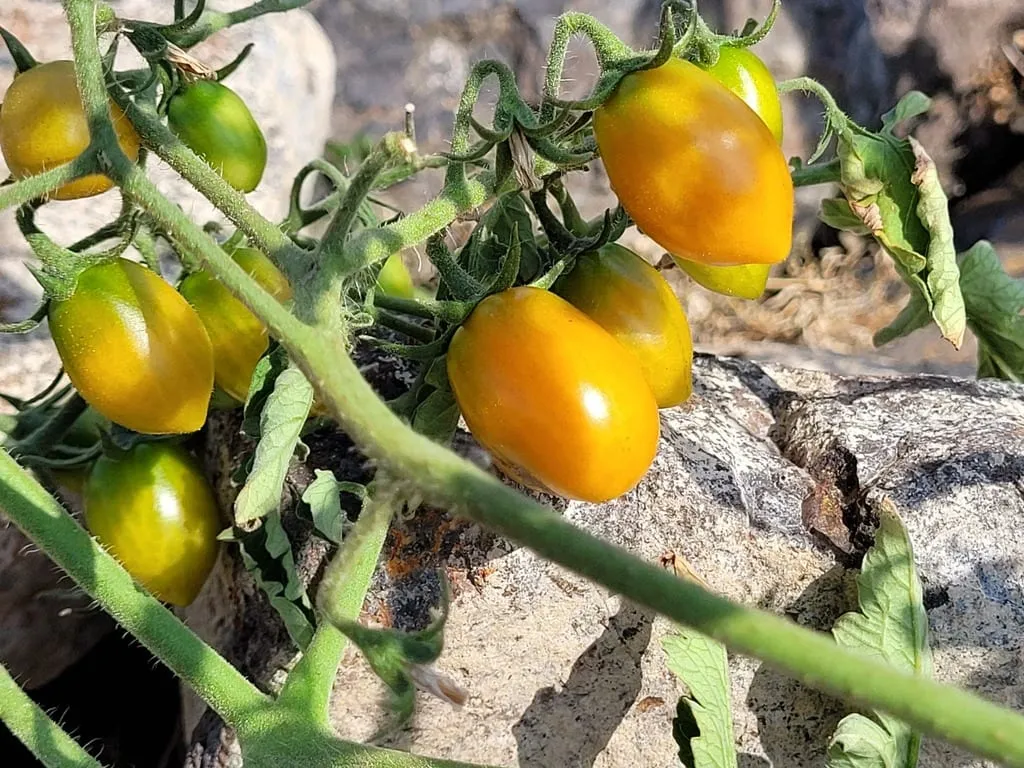
vegetable in zone 10a
Growing tomato in zone 10a
Solanum lycopersicum
- Zone
- 10a 30°F to 35°F
- Growing season
- 340 days
- Suitable varieties
- 0
- Days to harvest
- 55 to 90
The verdict
Zone 10a offers a nearly year-round growing window for tomatoes, but summer heat is the binding constraint, not cold. Tomatoes require no chilling hours, so the subtropical climate is not inherently limiting the way it would be for temperate tree fruits. The practical ceiling is blossom drop: when daytime temperatures consistently exceed 95°F and nighttime temperatures hold above 75°F, pollination fails and fruit set stops. That window typically covers June through September across most zone 10a locations. Outside those months, with a 340-day growing season and minimal frost risk (winter minimums of 30 to 35°F), tomatoes can produce heavily from fall through spring.
The zone is not marginal for tomatoes; it simply shifts production into a cooler seasonal window. Growers who push through summer heat with nominally heat-tolerant cultivars generally see sharply reduced fruit set and elevated disease pressure compared to the fall-through-spring window. Heat-tolerant variety selection matters most at the margins of the productive season, not as a substitute for correct timing.
Critical timing for zone 10a
Zone 10a tomato production centers on two distinct planting windows. The fall planting runs from mid-August through October, with transplants going in while temperatures are still high but beginning to moderate. Fruit set picks up as nighttime temperatures drop below 75°F, typically by October or November, with harvest running from November through January. The spring window opens in January and February, with harvest extending through May before summer heat shuts down pollination again.
Hard frost is rarely a timing concern; the occasional dip to 30°F can damage unprotected transplants but is infrequent and brief. The primary timing risk runs in the other direction: getting plants established and productive before temperatures climb back into the fruit-set failure range in late May and June. Bloom timing in the fall window typically falls October through December; in the spring window, March through May.
Common challenges in zone 10a
- ▸ No chilling for traditional temperate fruit
- ▸ Hurricane exposure
- ▸ Heat-tolerant cultivars only
Disease pressure to watch for
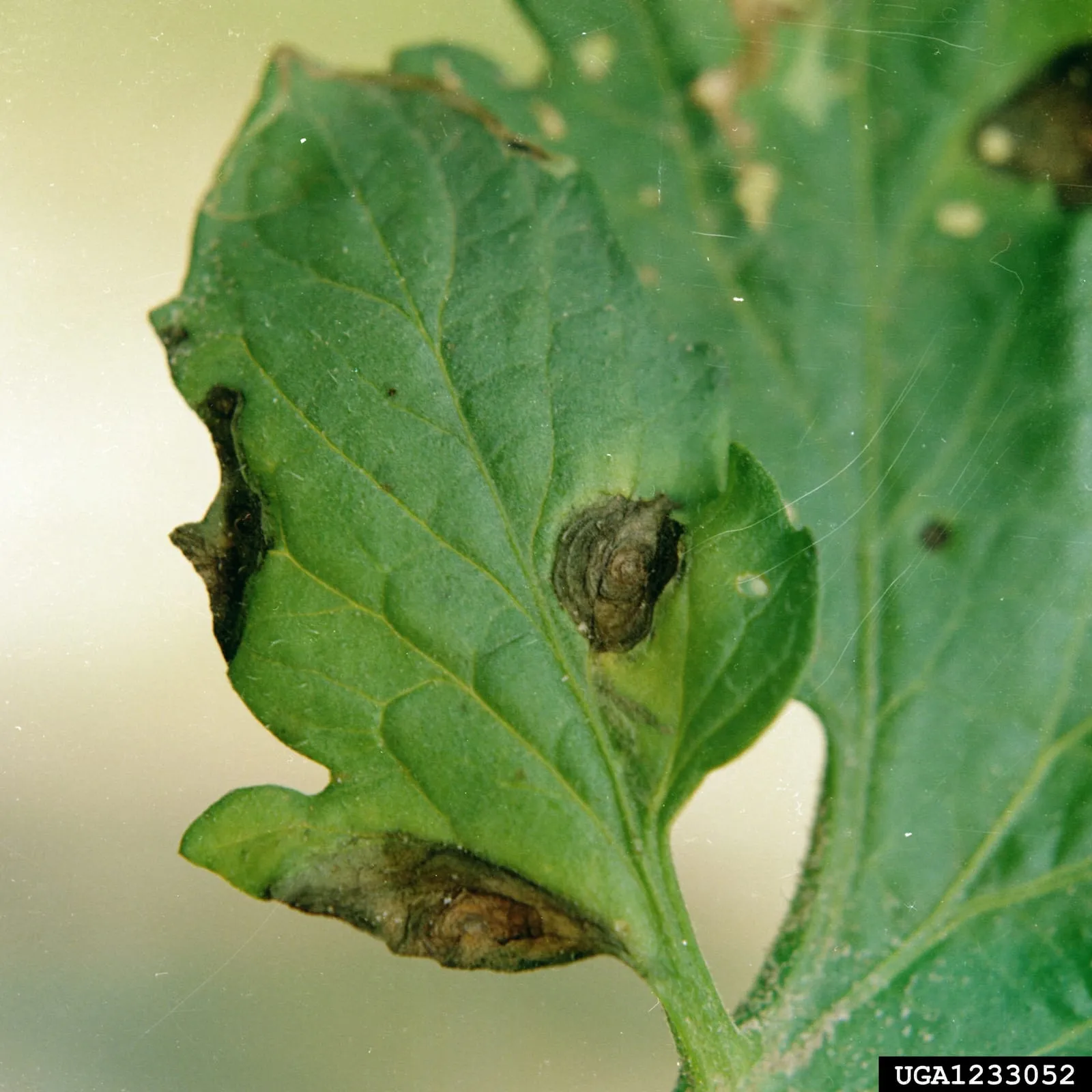
Alternaria solani
Fungal disease starting on lower leaves and progressing upward. The most common tomato and potato leaf disease in the eastern US.
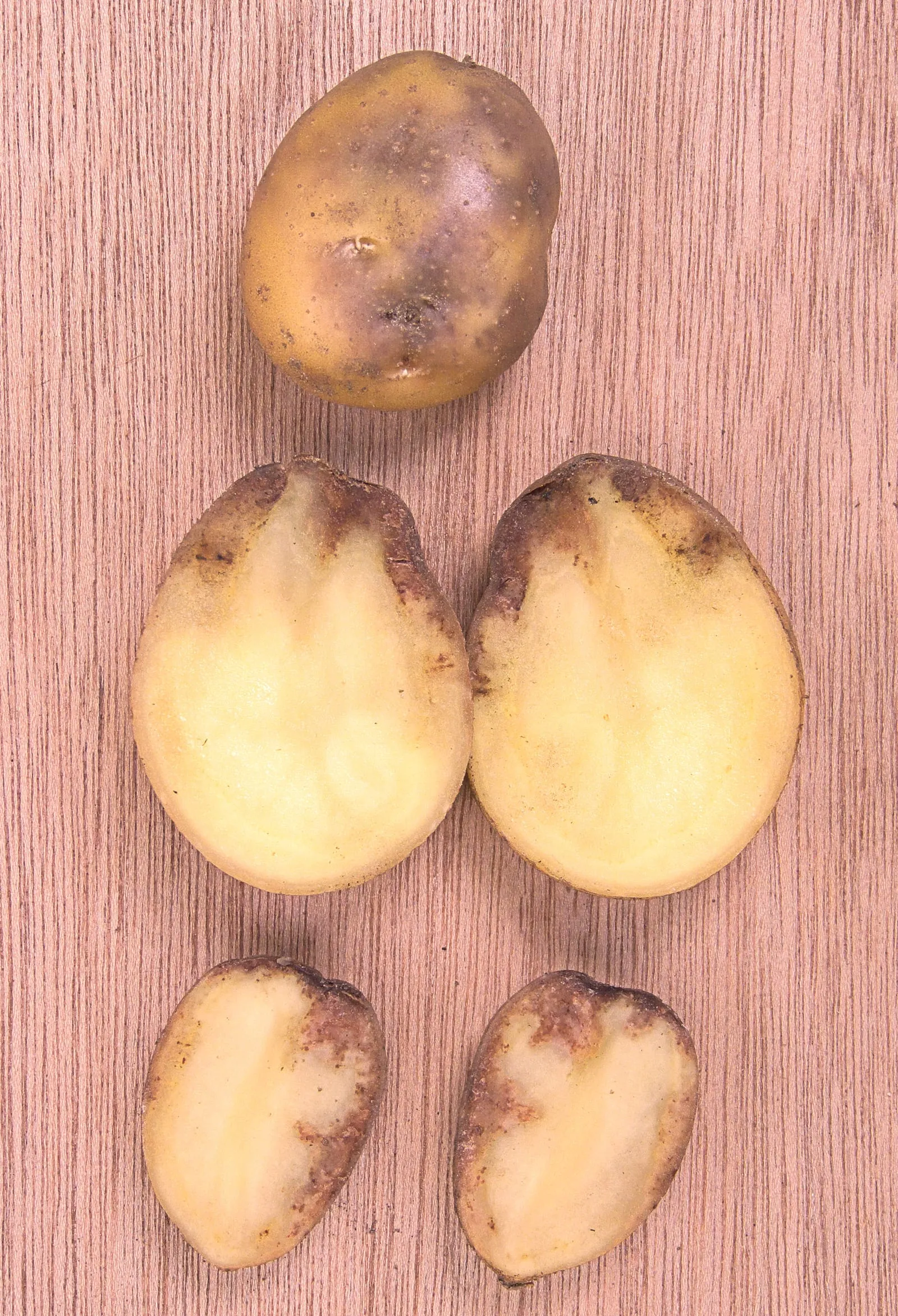
Phytophthora infestans
The pathogen responsible for the Irish Potato Famine. Devastating in cool wet weather; can destroy a tomato planting in days.
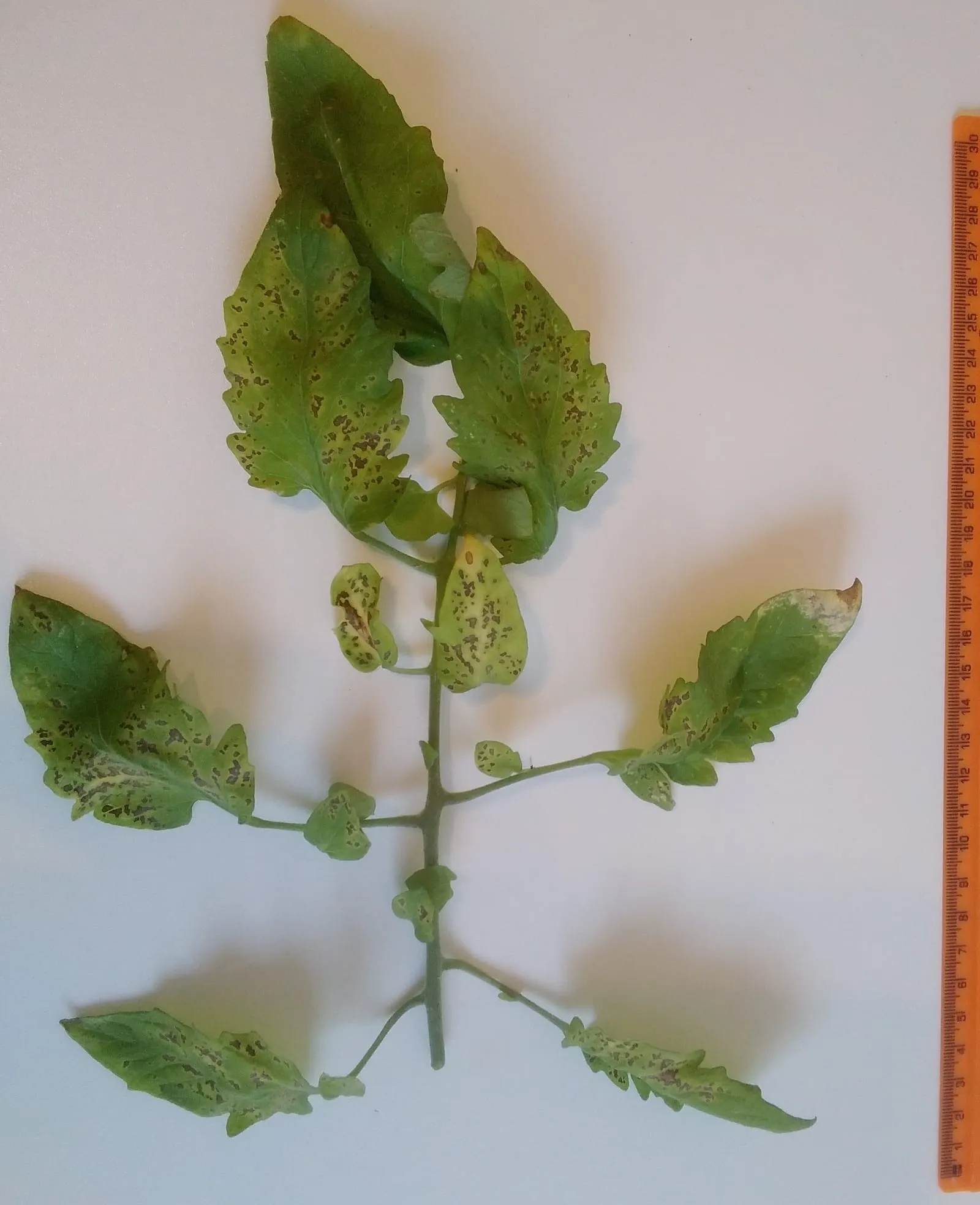
Septoria lycopersici
Fungal disease that defoliates tomato from the bottom up. Doesn't directly affect fruit but reduces yield through loss of leaf area.
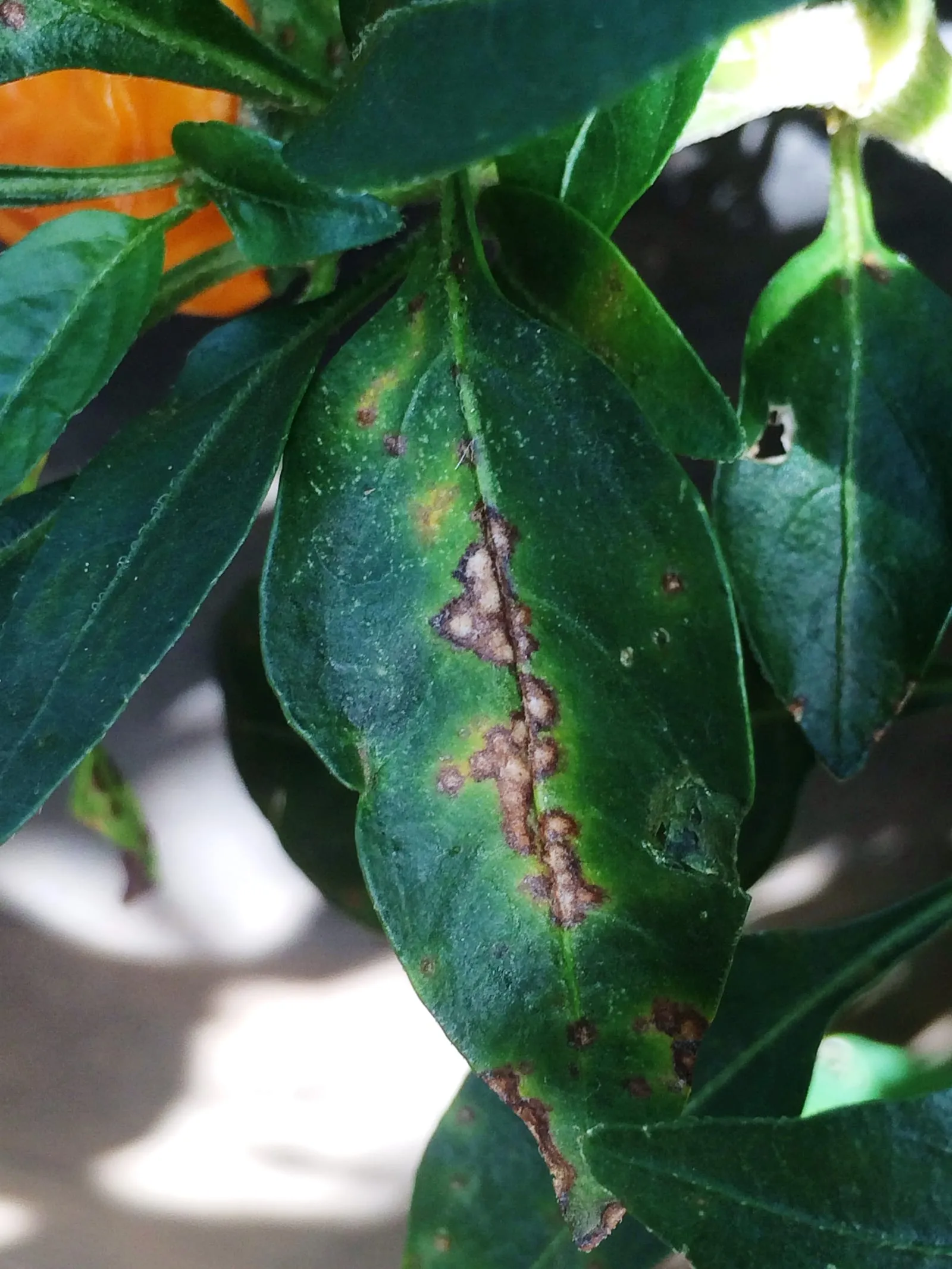
Xanthomonas euvesicatoria and X. perforans
Bacterial disease causing leaf spots and fruit blemishes on pepper and tomato. Severe in warm humid weather, transmitted via splashing water and seed.
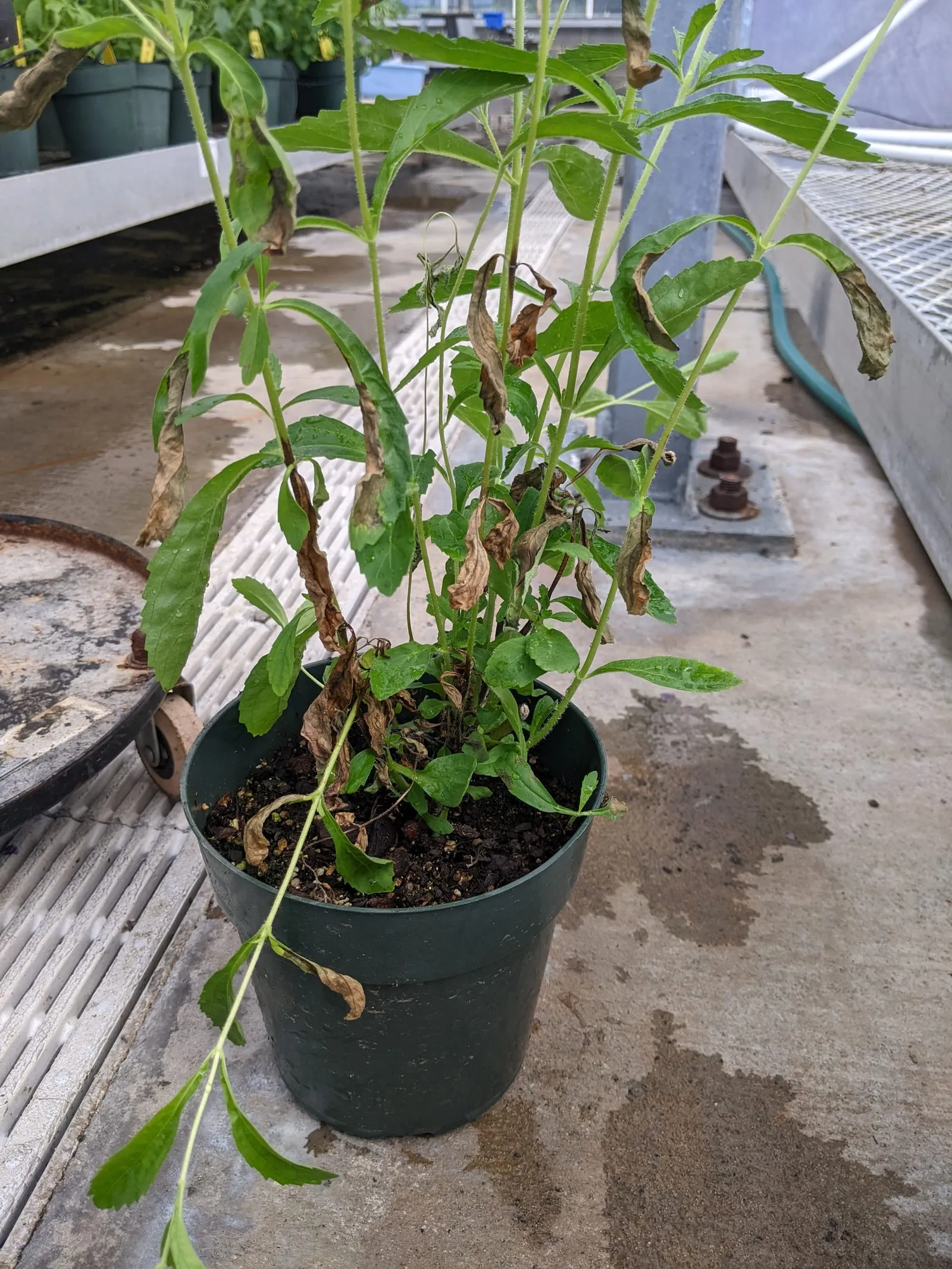
Tomato spotted wilt orthotospovirus (TSWV)
Virus vectored by thrips, particularly western flower thrips. Wide host range and growing global distribution. No cure once infected.
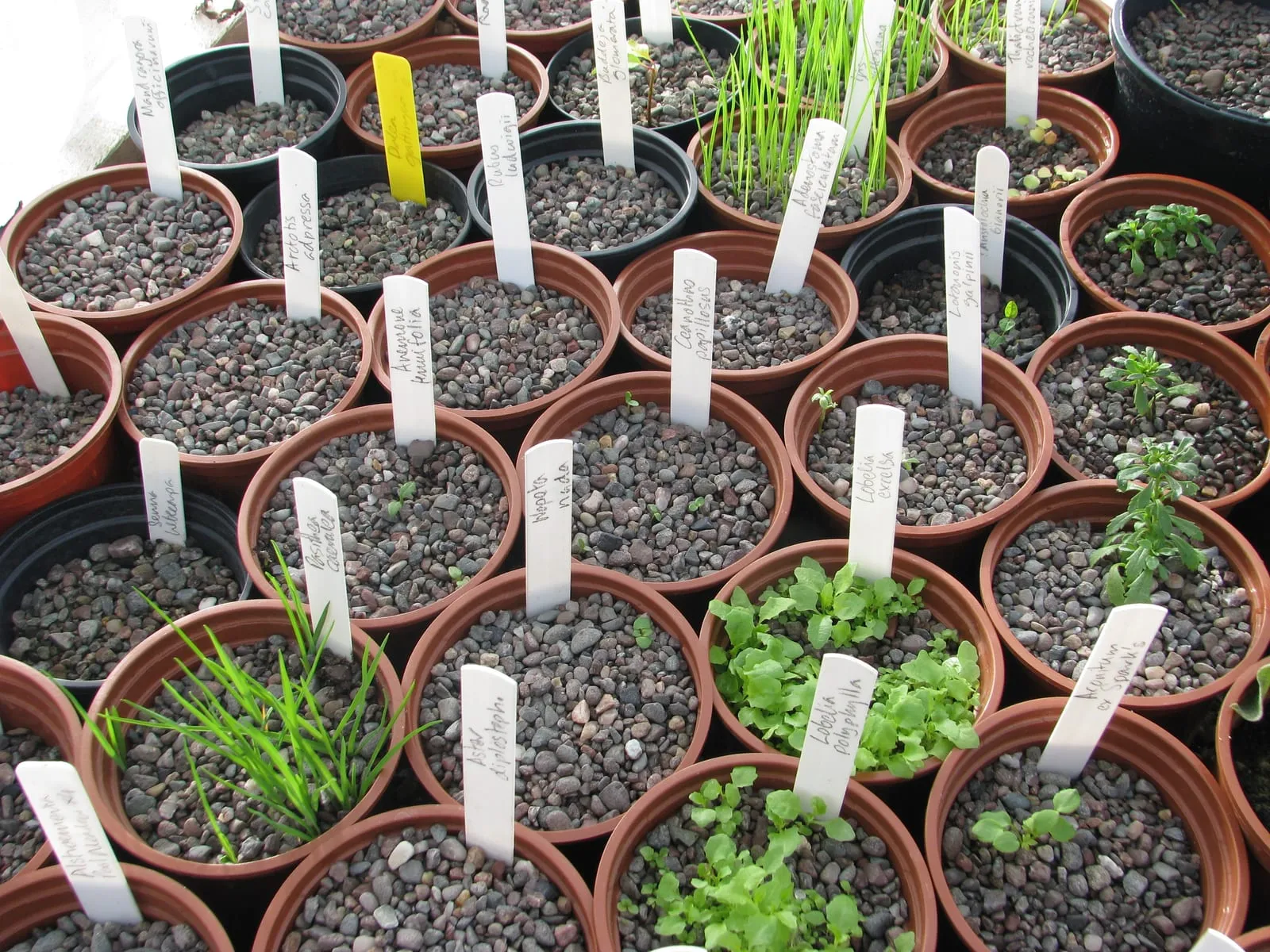
Pythium and Rhizoctonia species
Soil-borne complex of water molds and fungi that kill seedlings before or shortly after emergence. The single most common cause of seed-starting failures.
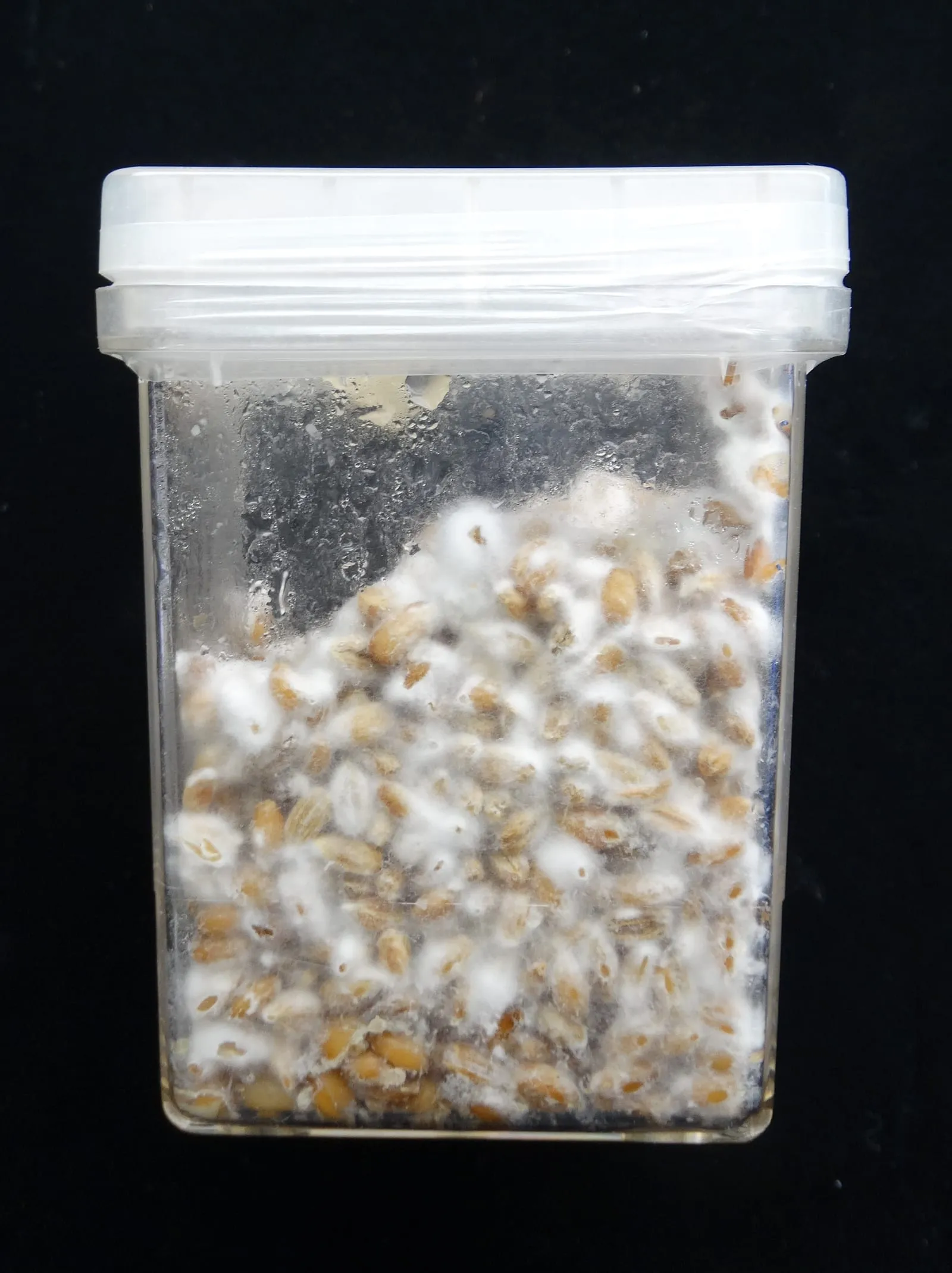
Fusarium oxysporum
Soil-borne fungal disease that plugs vascular tissue and kills affected plants. Persists in soil for many years; impossible to eliminate once established.
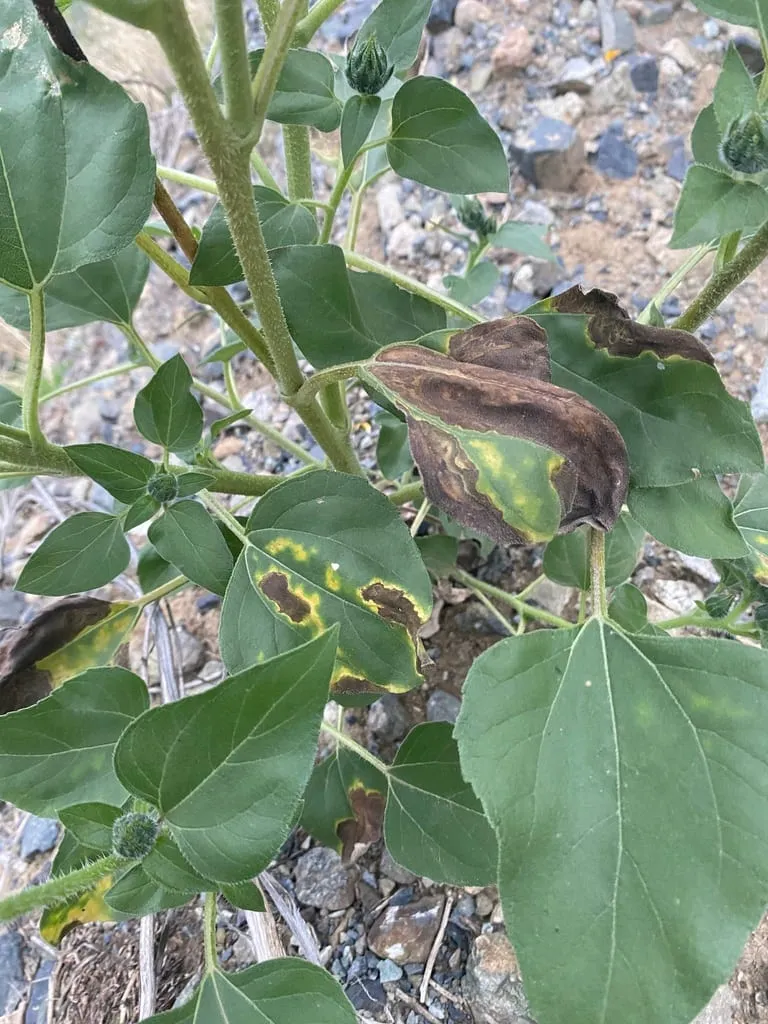
Verticillium dahliae
Soil-borne fungal disease similar to fusarium wilt but with broader host range and cooler temperature optimum. Persists in soil for 10+ years.
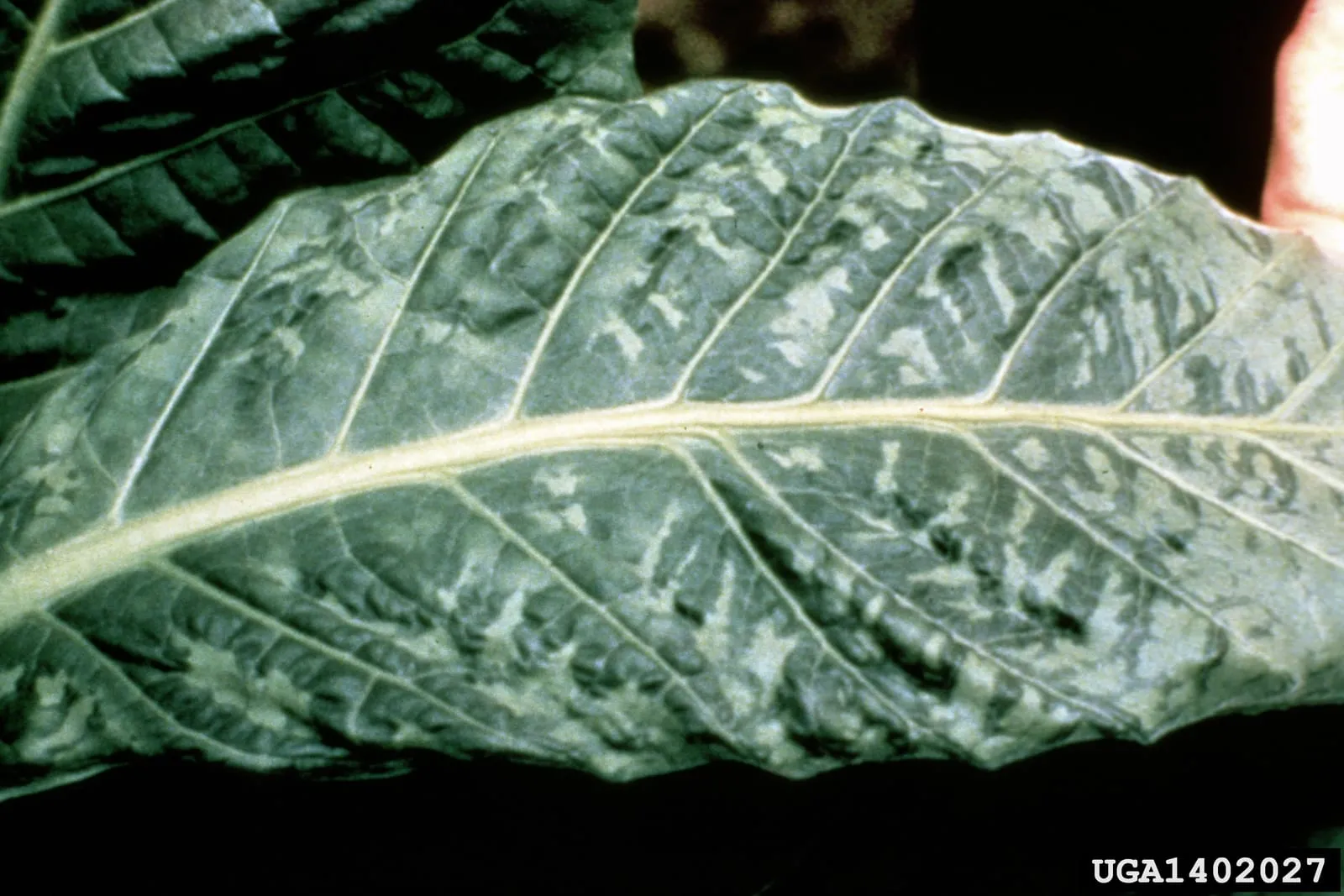
Cucumber mosaic virus, Tobacco mosaic virus, and others
Family of plant viruses producing mottled yellow-and-green leaf patterns. Vectored primarily by aphids; some are seed-transmitted or spread by handling tools and tobacco products.
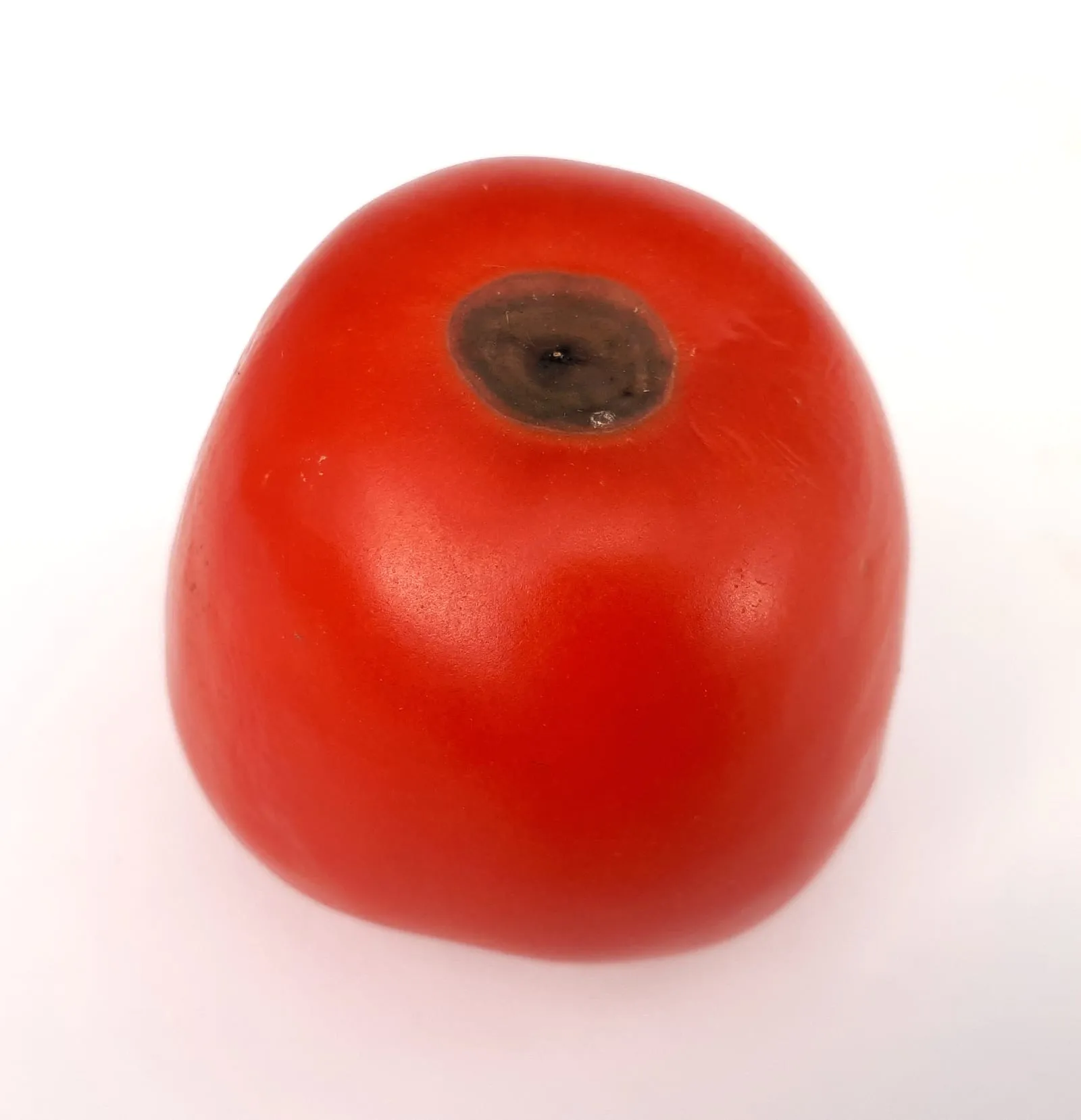
Calcium deficiency physiological disorder
Not a true disease but a calcium-uptake disorder caused by inconsistent soil moisture during fruit development. The dominant cause of damaged first-fruit on home tomato plantings.
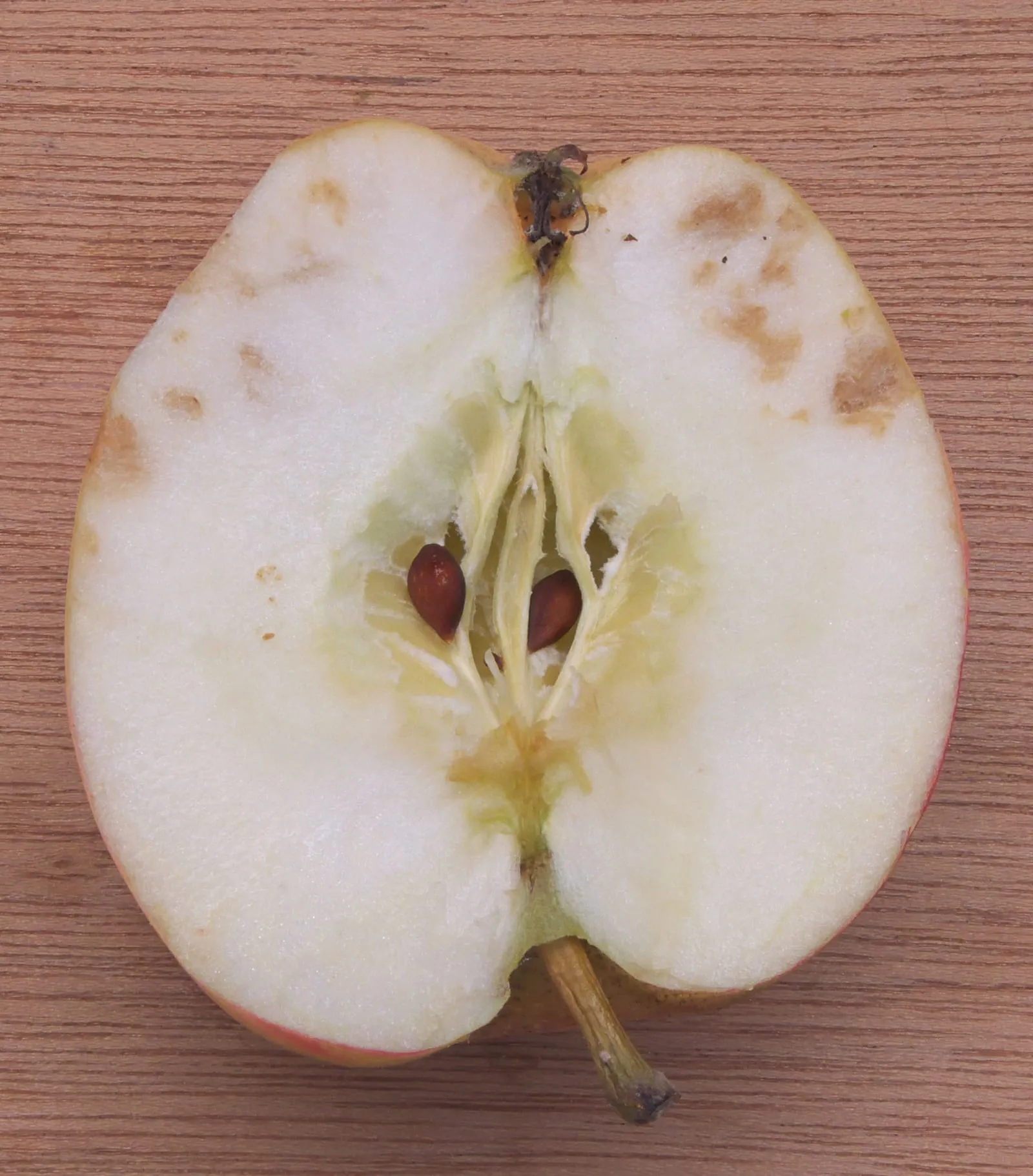
Physiological disorder
Damage from direct intense sun exposure on fruit or bark, particularly on plants suddenly exposed by pruning, defoliation, or hot weather. Distinct from sunburn (which is reversible).
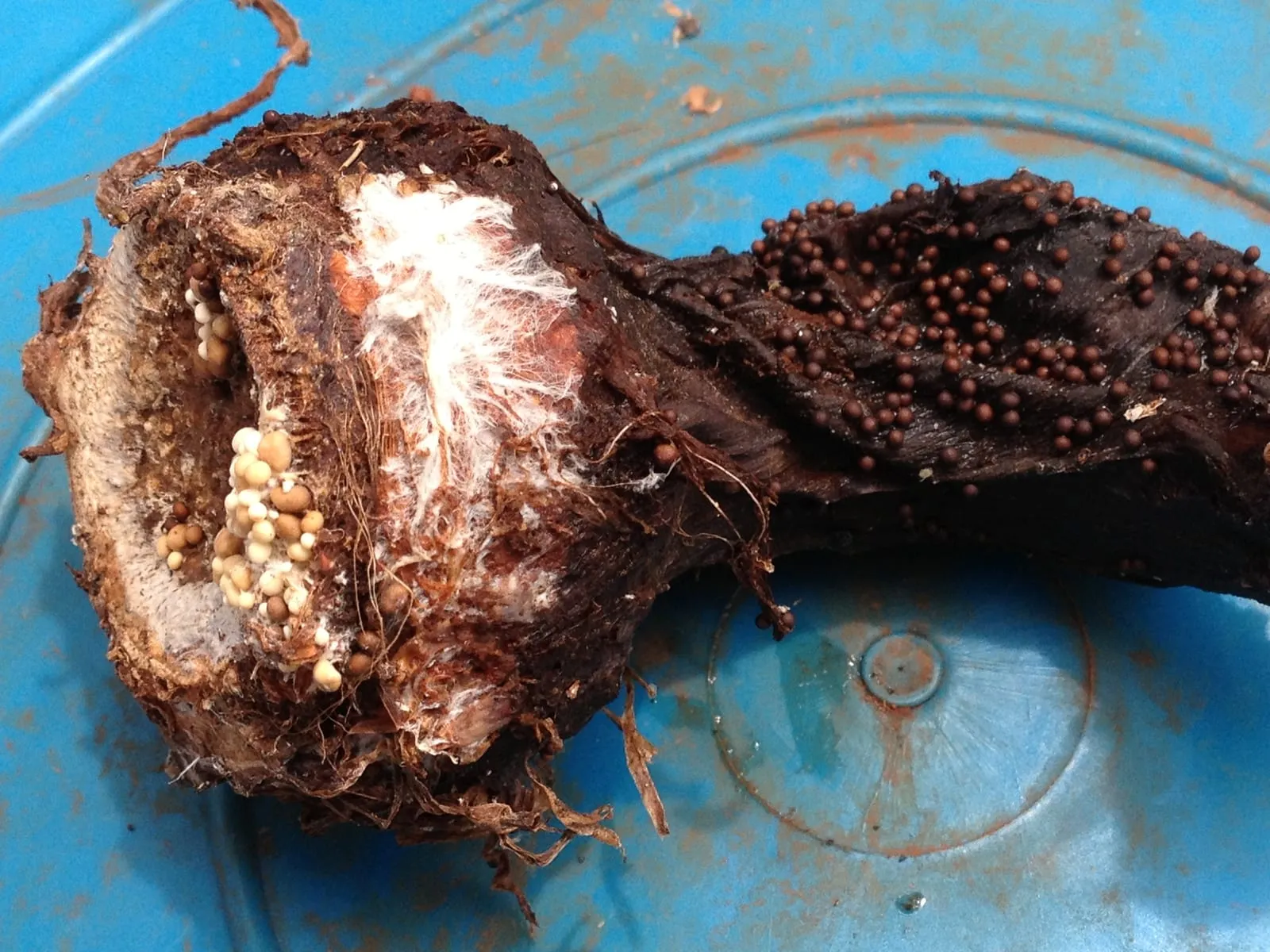
Sclerotium rolfsii
Soil-borne fungal disease most damaging in warm humid Southern conditions. White mycelial fans and small mustard-seed-sized sclerotia at the soil line are diagnostic.
Modified care for zone 10a
Disease pressure in zone 10a runs substantially higher than in drier, cooler parts of the tomato's range. Humid subtropical conditions favor Early Blight, Late Blight, Septoria Leaf Spot, and Fusarium Wilt. Selecting varieties carrying built-in resistance (look for F, V, N designations) reduces the management burden considerably. Tomato Spotted Wilt Virus, transmitted by thrips, is also prevalent; resistant varieties combined with early thrips control in the planting bed are both warranted.
Heavy mulching limits soil splash, which spreads several foliar diseases. Drip or furrow irrigation is preferable to overhead watering; keeping foliage dry during humid periods slows disease progression noticeably. Hurricane season (June through November) overlaps with the fall planting establishment period, so staking and caging should be more substantial than the minimum. In the hottest weeks at the edges of the productive season, 30% shade cloth can extend viable growing conditions slightly, though with some corresponding yield reduction.
Frequently asked questions
- Can tomatoes grow year-round in zone 10a?
Not reliably. Summer heat above 95°F causes blossom drop and stops fruit set. Most zone 10a growers work two windows: a fall planting (August to October) and a spring planting (January to February), with harvests running through the mild winter and spring months.
- Which tomato diseases are most problematic in zone 10a?
Early Blight, Septoria Leaf Spot, Fusarium Wilt, and Tomato Spotted Wilt Virus are the most consistently damaging. Selecting varieties with published resistance ratings and keeping foliage dry through drip irrigation reduces pressure. Late Blight can appear during cooler, wetter periods.
- Do tomatoes need cold temperatures or chilling hours to produce fruit?
No. Unlike many tree fruits, tomatoes have no chilling requirement. Zone 10a's warm winters are not limiting; the challenge is avoiding excessive summer heat during the bloom and pollination window.
+−
+−
+−
Tomato in adjacent zones
Image: "Tomate", by Andrea, via iNaturalist, licensed under CC-BY Source.
Related