vegetable in zone 3b
Growing tomato in zone 3b
Solanum lycopersicum
- Zone
- 3b -35°F to -30°F
- Growing season
- 100 days
- Suitable varieties
- 2
- Days to harvest
- 55 to 90
The verdict
Zone 3b is marginal for tomatoes, not a natural fit. The limiting factor is not cold hardiness (tomatoes are frost-tender annuals, not overwintering plants) but the compressed frost-free window. With a growing season of approximately 100 days and last spring frosts often falling in late May to early June, the calendar pressure is relentless.
Most tomato varieties need 60 to 80 days of consistently warm weather to produce a meaningful harvest. In zone 3b, first fall frosts can arrive as early as late August, leaving a working harvest window of 75 to 90 days in favorable years and less in cold ones. Soil temperature is a further constraint: tomatoes stall below 60°F root zone, and zone 3b soils warm slowly after snowmelt.
The varieties listed here, Sungold and Early Girl, were selected because their days-to-maturity (roughly 52 to 57 days) fit inside the realistic zone 3b window when transplants go in on schedule. Longer-season varieties, anything over 70 days to maturity, carry genuine risk of frost catching fruit before it ripens.
Recommended varieties for zone 3b
2 cultivars suited to this zone, with disease-resistance and zone-fit annotations.
| Variety | Notes | Zone fit | Disease resistance |
|---|---|---|---|
| Sungold fits zone 3b | Intensely sweet, candy-like, tropical-fruit notes; small orange cherry tomato. Fresh snacking, salads. Indeterminate, very productive, splits if irrigation is uneven. | | none noted |
| Early Girl fits zone 3b | Tart-sweet, classic balanced tomato flavor; medium-size red slicer. Fresh, salads, sandwiches. Determinate, ripens early (55 days), reliable in short seasons. | | none noted |
Critical timing for zone 3b
Seed starting indoors is not optional in zone 3b. Count back 6 to 8 weeks from the local last frost date, which typically falls between late May and the first week of June depending on elevation and specific location. That puts indoor seed starting in mid-to-late March.
Transplants go out after last frost, once nighttime temperatures stay consistently above 50°F. Tomatoes bloom primarily through June and July. For Sungold and Early Girl, fruit set begins roughly 7 to 8 weeks after transplanting, concentrating harvest into August.
The tight end of the window is August frost risk. In the coldest parts of zone 3b, first fall frosts have occurred in late August in some years. Monitoring short-range forecasts through August and having frost cloth ready is a practical necessity, not a precaution for edge cases.
Common challenges in zone 3b
- ▸ Short season
- ▸ Winter desiccation
- ▸ Site selection critical for fruit trees
Disease pressure to watch for
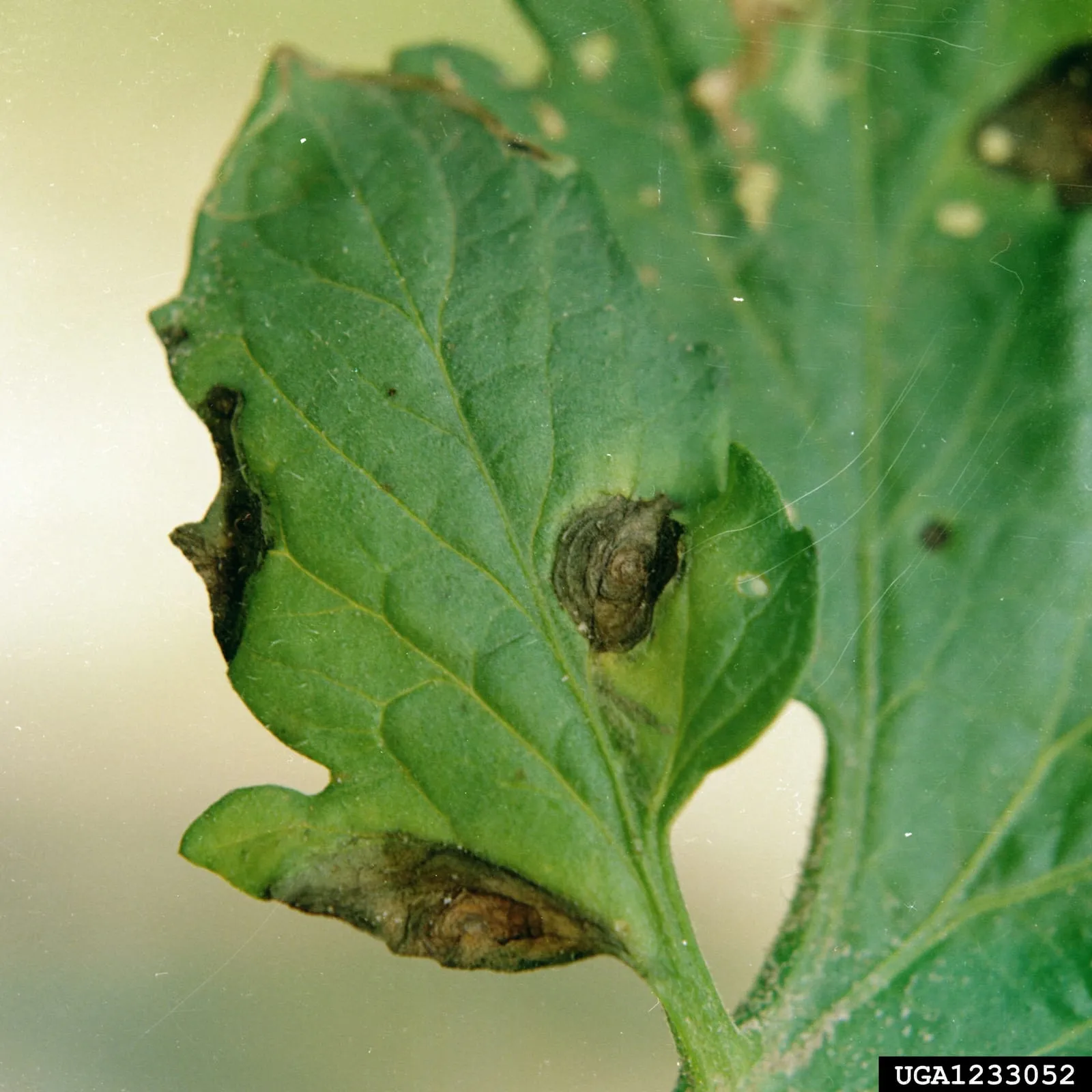
Alternaria solani
Fungal disease starting on lower leaves and progressing upward. The most common tomato and potato leaf disease in the eastern US.
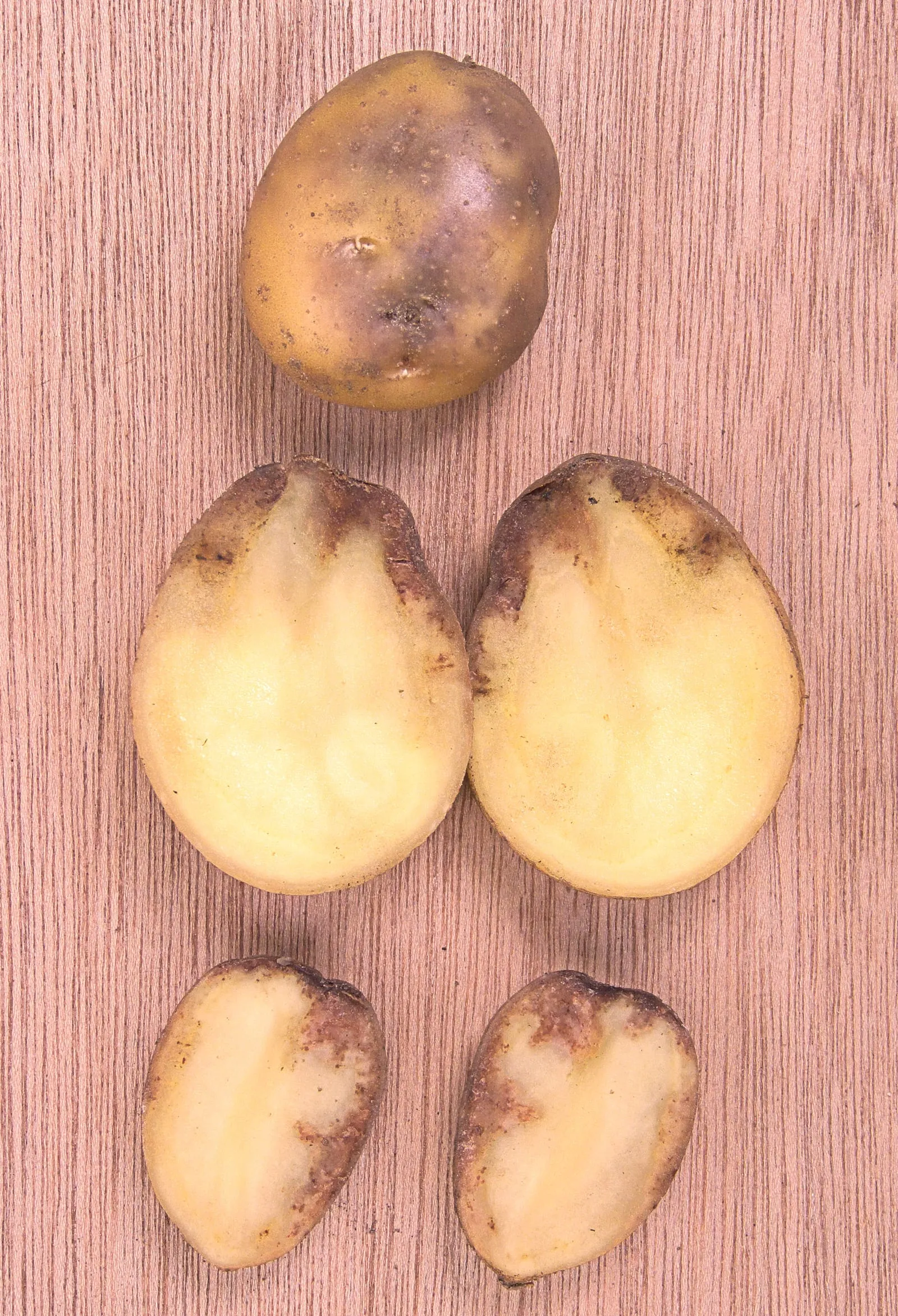
Phytophthora infestans
The pathogen responsible for the Irish Potato Famine. Devastating in cool wet weather; can destroy a tomato planting in days.
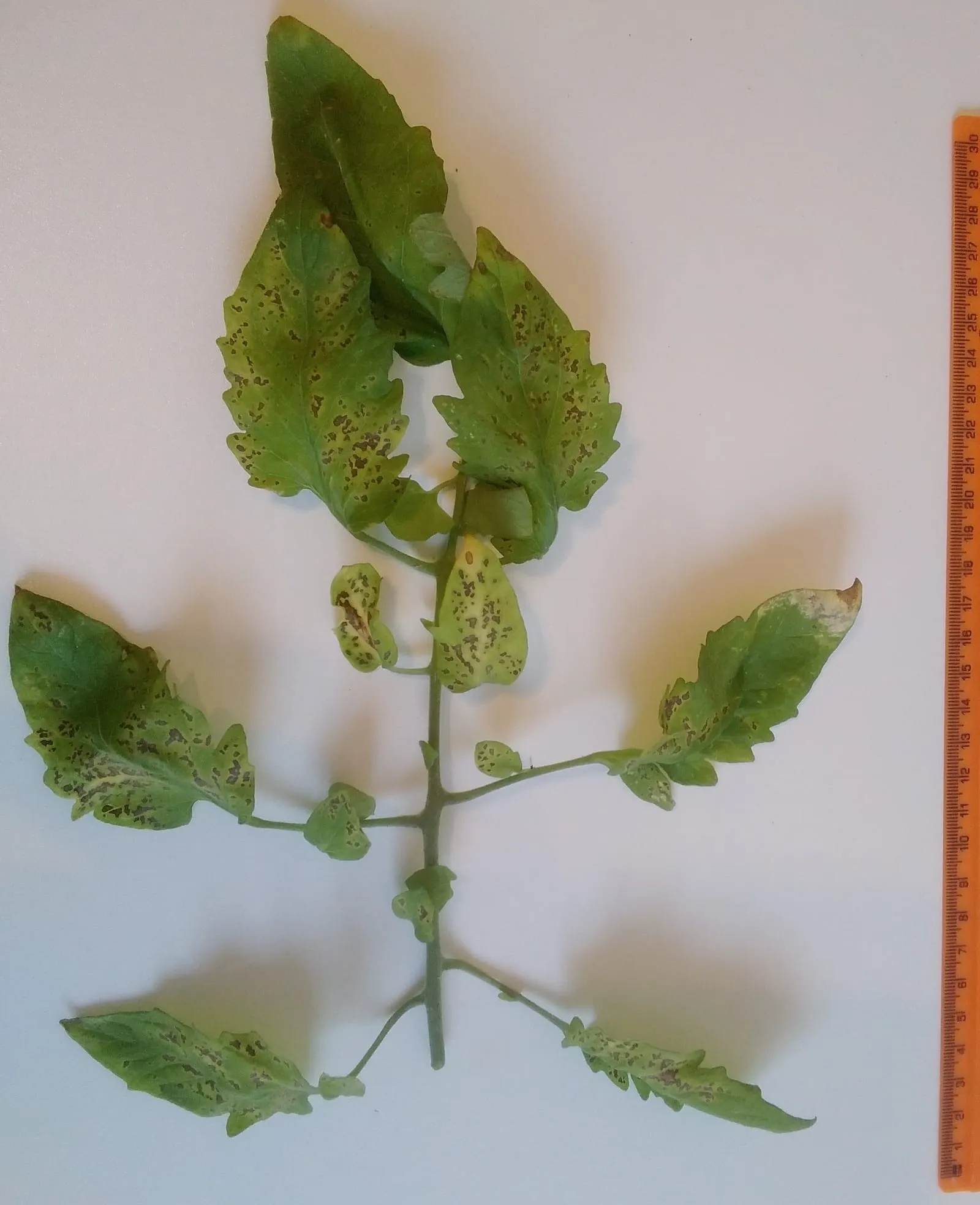
Septoria lycopersici
Fungal disease that defoliates tomato from the bottom up. Doesn't directly affect fruit but reduces yield through loss of leaf area.
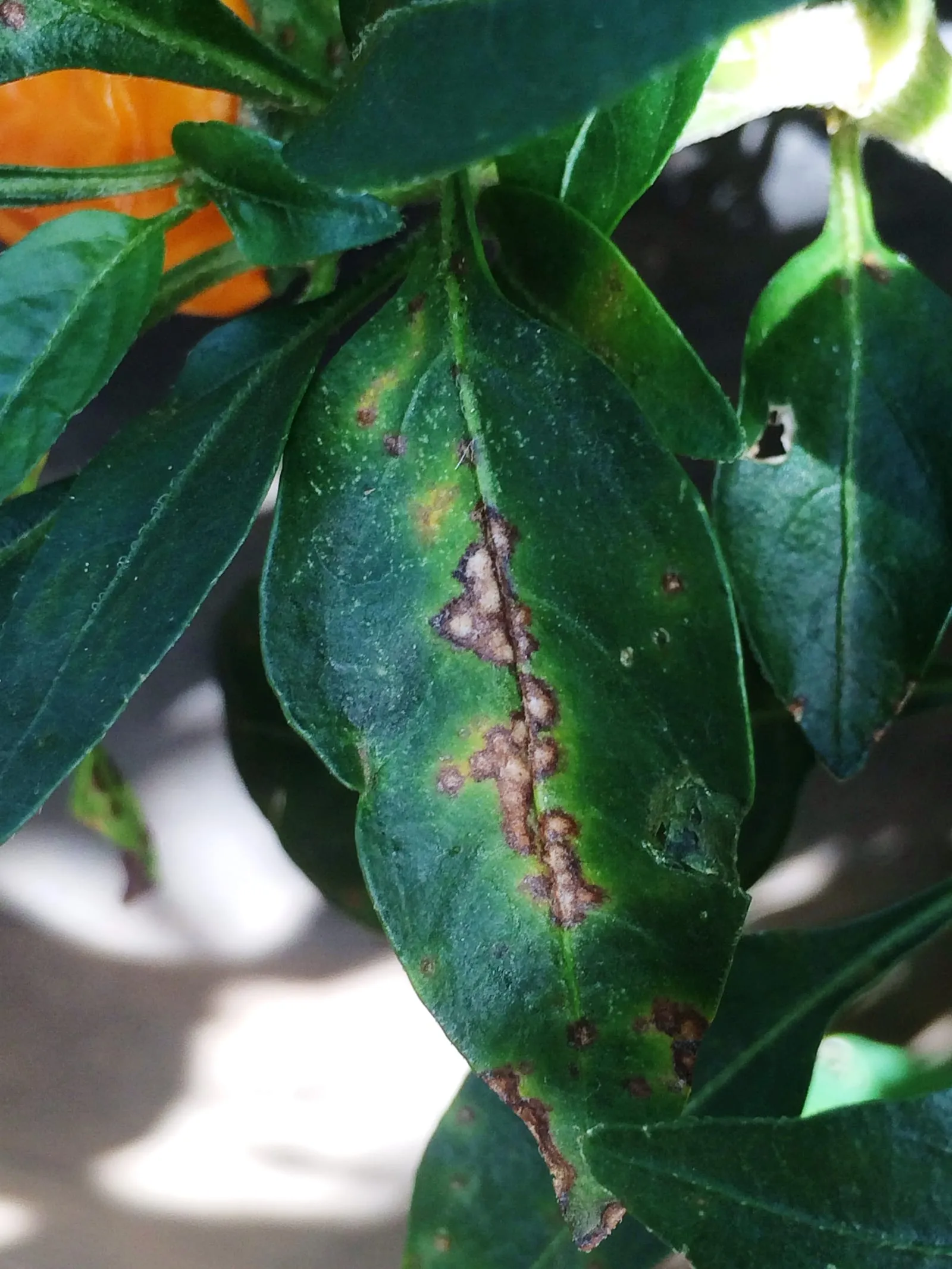
Xanthomonas euvesicatoria and X. perforans
Bacterial disease causing leaf spots and fruit blemishes on pepper and tomato. Severe in warm humid weather, transmitted via splashing water and seed.
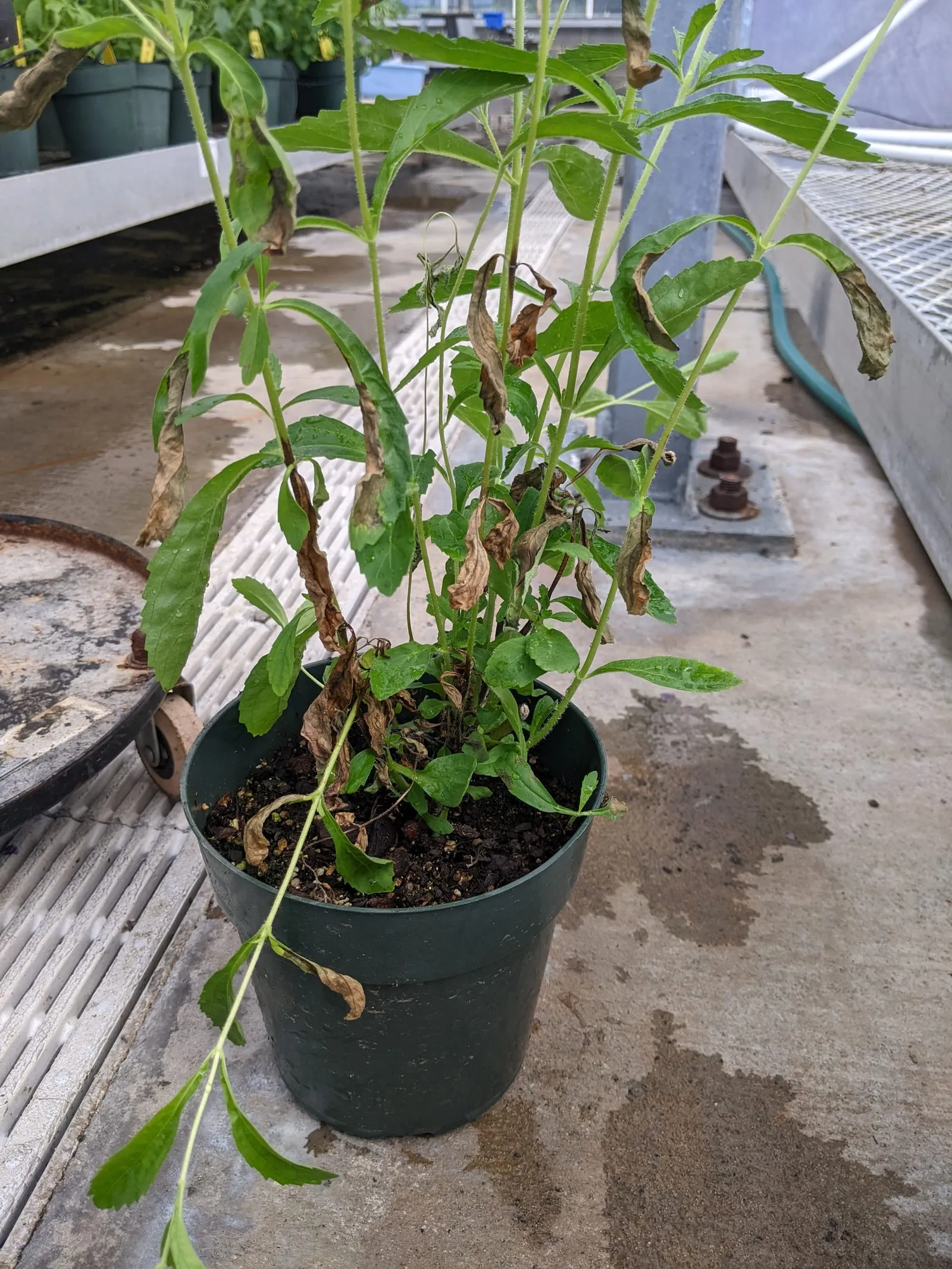
Tomato spotted wilt orthotospovirus (TSWV)
Virus vectored by thrips, particularly western flower thrips. Wide host range and growing global distribution. No cure once infected.
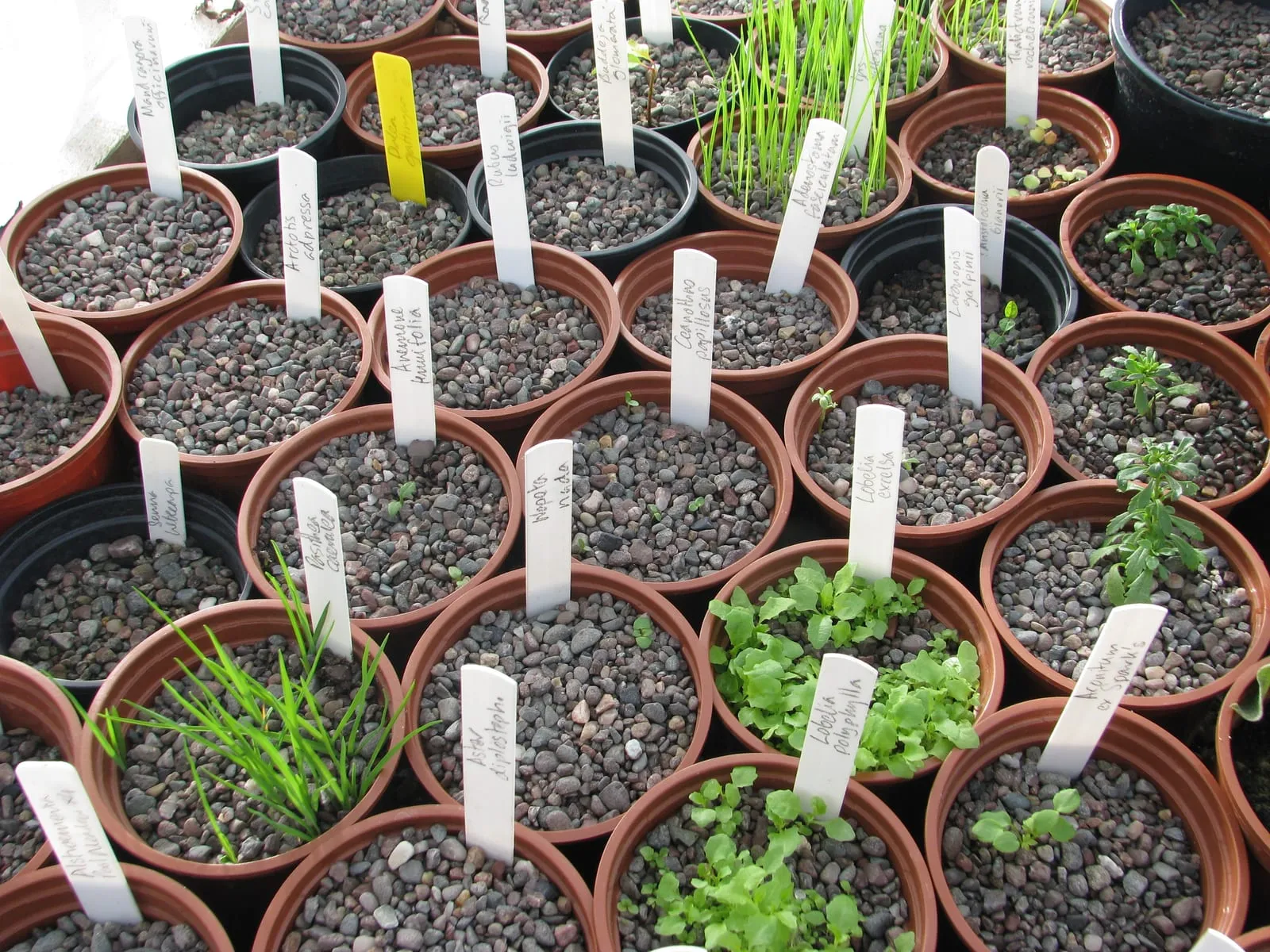
Pythium and Rhizoctonia species
Soil-borne complex of water molds and fungi that kill seedlings before or shortly after emergence. The single most common cause of seed-starting failures.
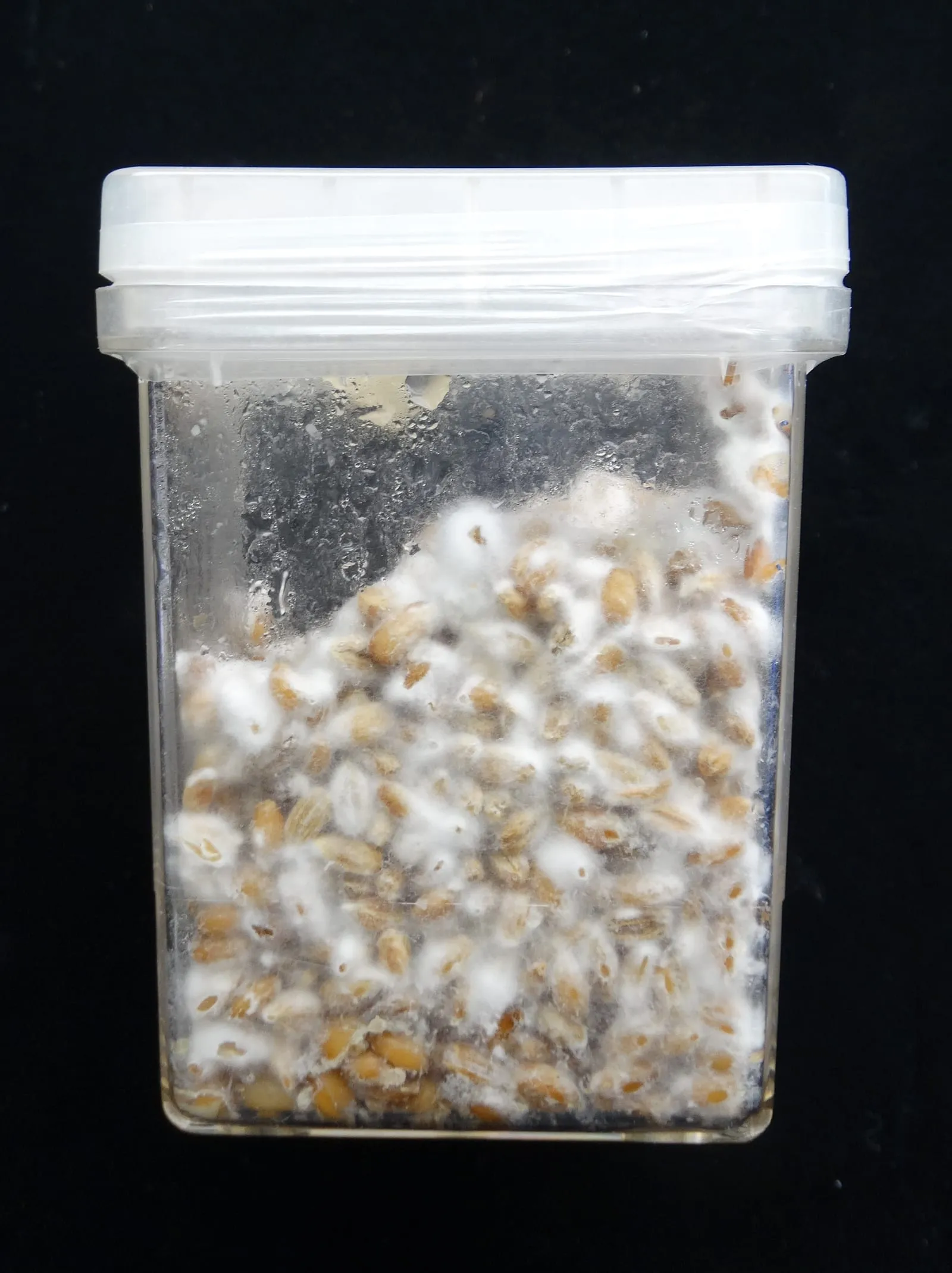
Fusarium oxysporum
Soil-borne fungal disease that plugs vascular tissue and kills affected plants. Persists in soil for many years; impossible to eliminate once established.
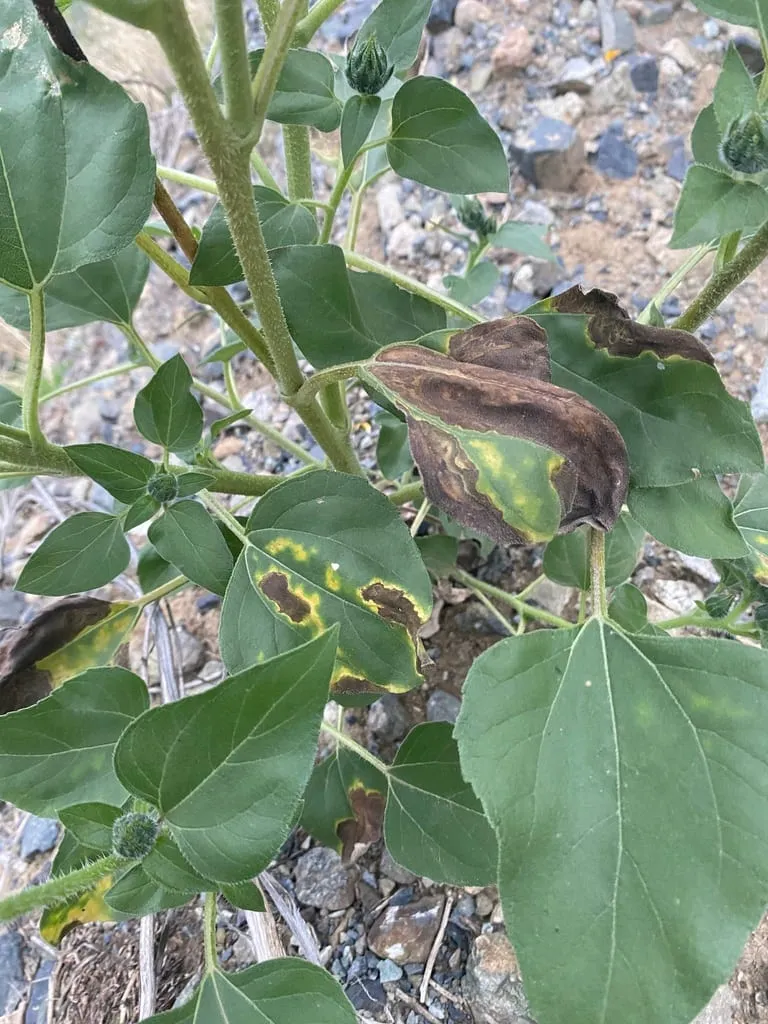
Verticillium dahliae
Soil-borne fungal disease similar to fusarium wilt but with broader host range and cooler temperature optimum. Persists in soil for 10+ years.
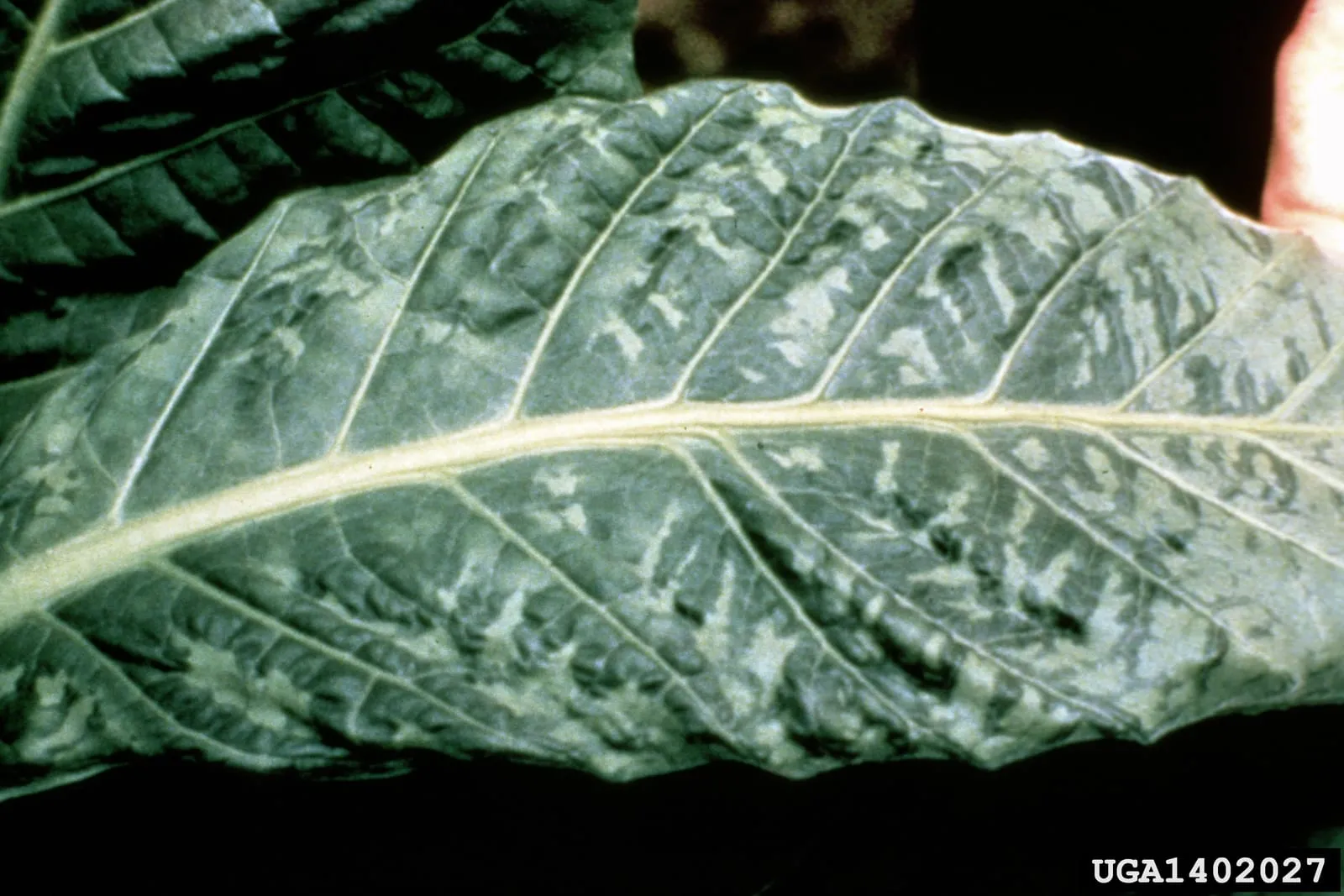
Cucumber mosaic virus, Tobacco mosaic virus, and others
Family of plant viruses producing mottled yellow-and-green leaf patterns. Vectored primarily by aphids; some are seed-transmitted or spread by handling tools and tobacco products.
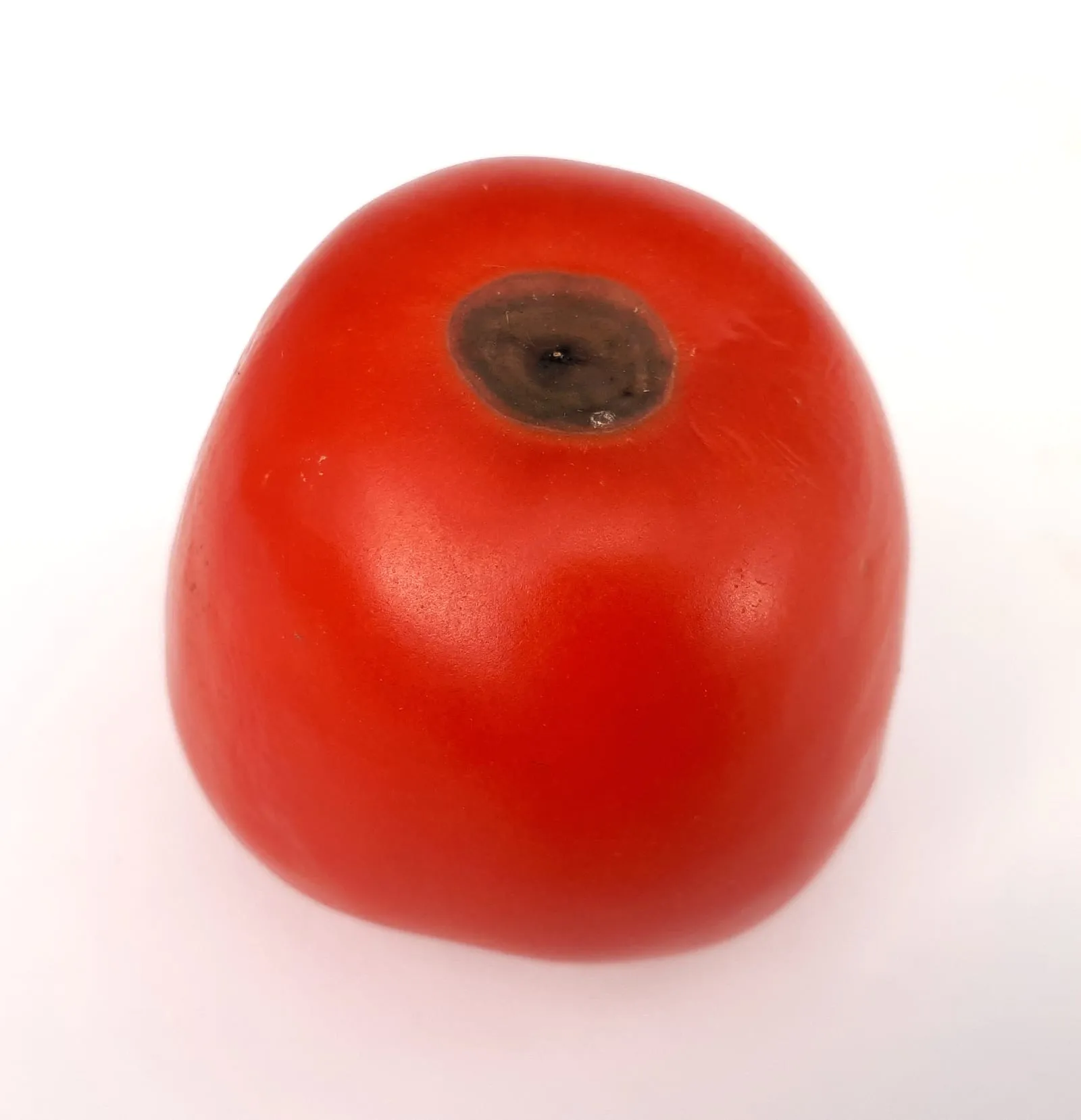
Calcium deficiency physiological disorder
Not a true disease but a calcium-uptake disorder caused by inconsistent soil moisture during fruit development. The dominant cause of damaged first-fruit on home tomato plantings.
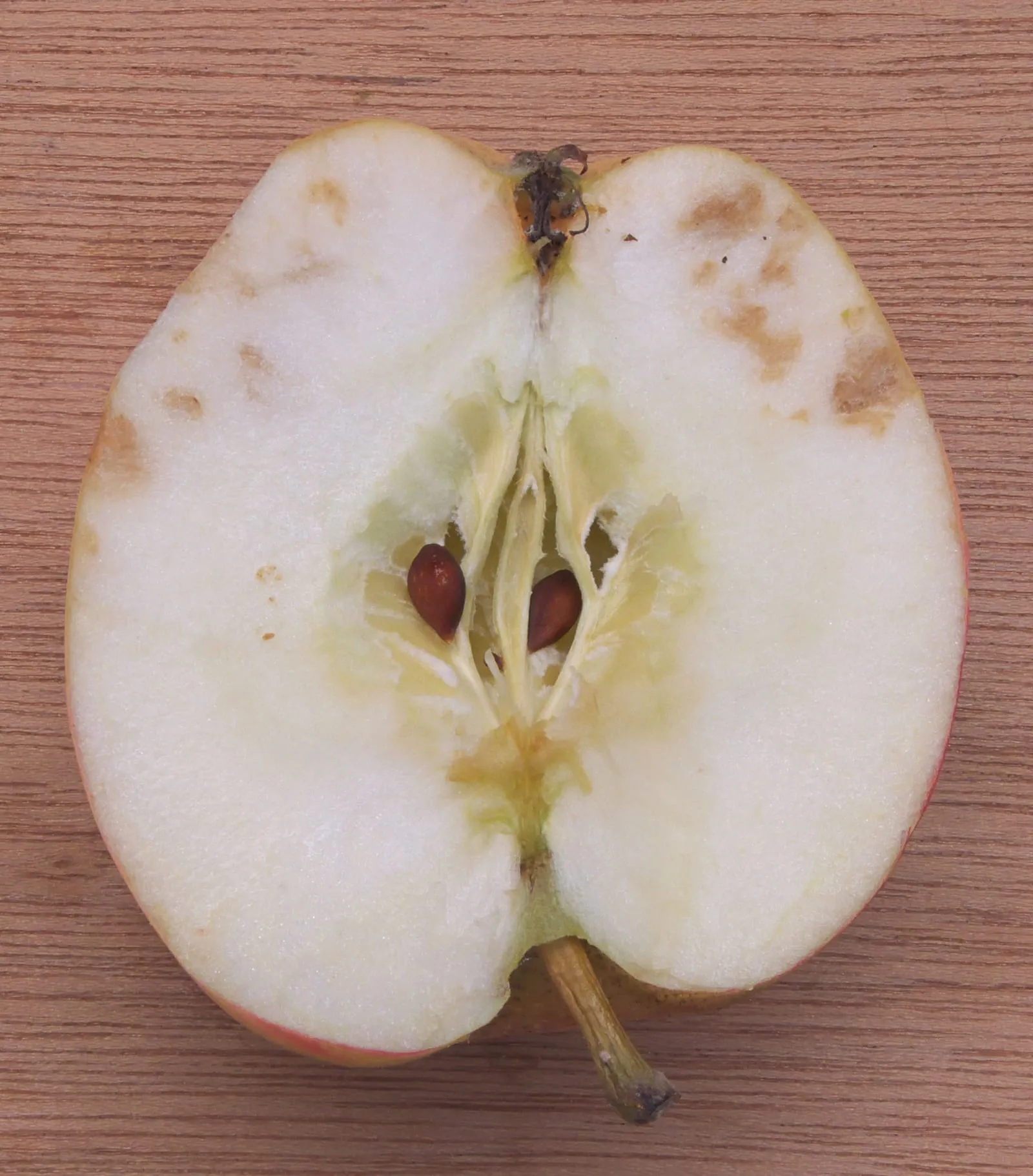
Physiological disorder
Damage from direct intense sun exposure on fruit or bark, particularly on plants suddenly exposed by pruning, defoliation, or hot weather. Distinct from sunburn (which is reversible).
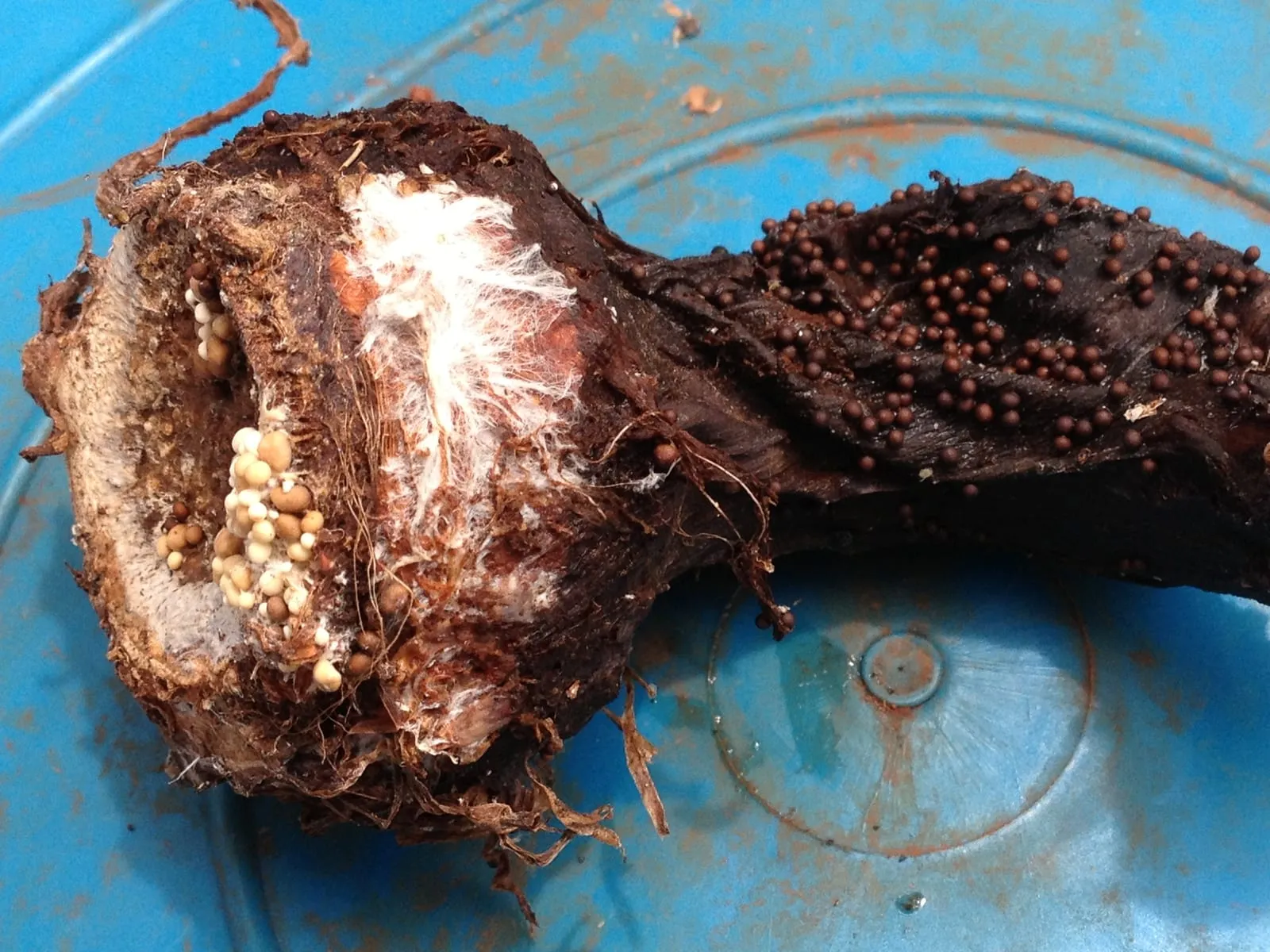
Sclerotium rolfsii
Soil-borne fungal disease most damaging in warm humid Southern conditions. White mycelial fans and small mustard-seed-sized sclerotia at the soil line are diagnostic.
Modified care for zone 3b
Soil warming before transplanting makes a measurable difference in zone 3b. Black plastic mulch laid 2 to 3 weeks ahead of transplant date can raise root zone temperature by 5 to 8°F, compressing the time between transplant and first fruit set. Row covers or Wall-O-Waters allow transplanting 1 to 2 weeks before the last frost date in calm weather, adding meaningful days to a compressed season.
Disease management should lean toward prevention. Early Blight, Late Blight, and Septoria Leaf Spot all thrive in the cool, humid conditions typical of short-season climates. Drip irrigation rather than overhead watering, consistent airflow between plants, and removing lower leaves as they touch soil all reduce inoculum load. Fusarium and Verticillium Wilt pressure is reduced by avoiding root stress and rotating tomato planting sites across years.
Avoid indeterminate varieties that spread fruit production across 12 or more weeks. Compact indeterminate or determinate types that concentrate harvest into 3 to 4 weeks align better with zone 3b's calendar reality.
Frequently asked questions
- Can tomatoes actually produce a harvest in zone 3b?
Yes, with short-season varieties and season extension techniques. The key is choosing varieties with 55 to 65 days to maturity, starting transplants indoors 6 to 8 weeks early, and using plastic mulch or row covers to extend the warm period at both ends of the season. Expect a compressed harvest window rather than the rolling production common in warmer zones.
- What is the biggest risk for tomatoes in zone 3b?
Frost catching fruit before it ripens is the primary risk. A late spring frost can kill transplants set out too early, and an early fall frost in late August can end the season before fruit matures. Monitoring forecasts through August and keeping frost cloth on hand is the practical defense.
- Should I start tomatoes from seed or buy transplants in zone 3b?
Starting from seed gives better variety selection, and in zone 3b the short-season varieties that perform best (under 60 days to maturity) are rarely stocked as transplants at local nurseries. Starting indoors in mid-to-late March for a late May to early June transplant date is the standard approach.
- Does Late Blight pressure differ in zone 3b compared to warmer zones?
Late Blight thrives in cool, moist conditions, which are common in zone 3b summers. The risk is real, and the short season means a serious outbreak can wipe out the crop before harvest. Preventive copper-based sprays applied before conditions favor the pathogen are more reliable than reactive treatment once symptoms appear.
+−
+−
+−
+−
Tomato in adjacent zones
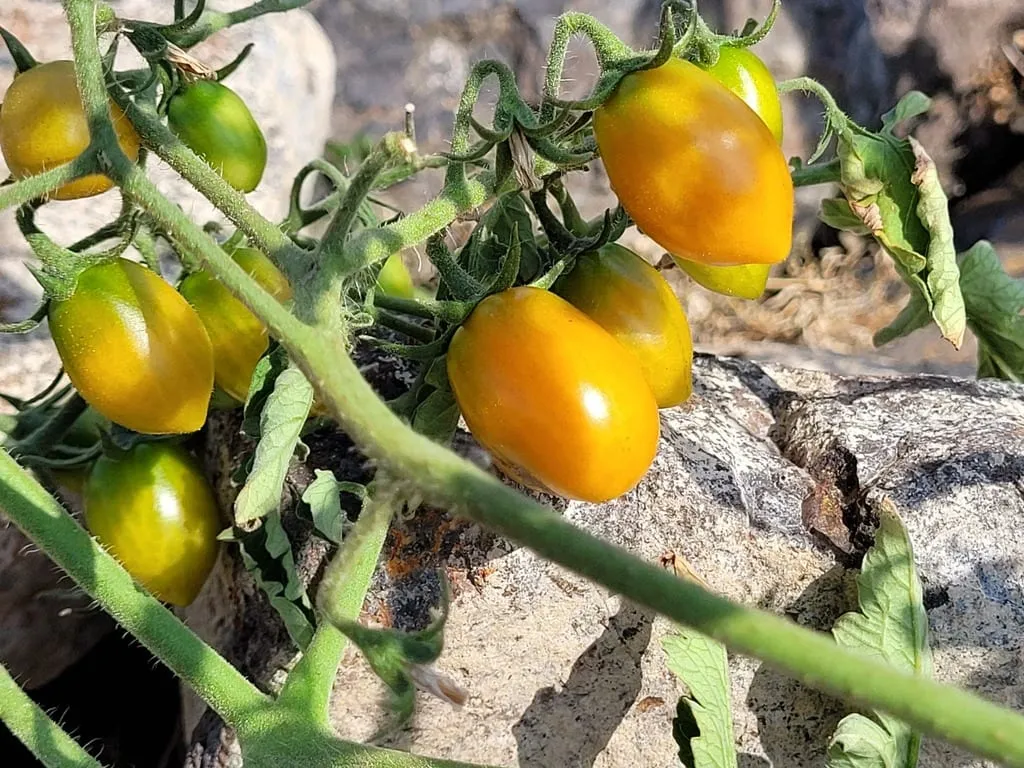
Image: "Tomate", by Andrea, via iNaturalist, licensed under CC-BY Source.
Related