vegetable
Asparagus
Asparagus officinalis
USDA hardiness range
- Zones
- 3b–8b
- Days to harvest
- 730 to 1095
- Sun
- Full
- Water
- Moderate
- Lifespan
- 15 to 25 years
Growing asparagus
Asparagus is one of the few perennial vegetables worth the long establishment period. Once a bed matures, it can produce reliably for 15 to 25 years with minimal annual input. The crop performs well in USDA zones 3b through 8b, where winters are cold enough to push crowns into true dormancy and summers are warm enough to rebuild root reserves through the fern canopy. Below zone 3b, winter temperatures risk killing crowns outright; above zone 8b, winters are often too mild to trigger the deep dormancy asparagus needs to produce consistently the following spring.
The single biggest predictor of a productive planting is patience. Harvesting during years one or two weakens crowns before the root system is established, reducing yield for years afterward. Cornell Asparagus Production consistently recommends withholding harvest until year three, then limiting that first harvest window to two to three weeks. The payoff is a bed that produces prolifically from years four onward.
Choosing an all-male hybrid such as Jersey Knight eliminates the energy the plant wastes on seed set, directing it instead into spear yield. Open-pollinated varieties like Mary Washington produce both male and female plants; female plants set seed and generally yield less per plant than males. For production-focused beds, all-male hybrids offer a better return on a multi-year investment.
Recommended varieties
See all 3 →3 cultivars for home growers, with notes on flavor, ripening, and disease resistance.
| Variety | Notes | Zone fit | Disease resistance |
|---|---|---|---|
| Jersey Knight | Tender, sweet, large green spears; all-male hybrid. Steamed, grilled, roasted, fresh. Productive male hybrid puts energy into spears not seeds. Disease-resistant Rutgers release. | | none noted |
| Purple Passion | Sweet, tender, distinctive deep purple spears that turn green when cooked; higher sugar content than green types. Steamed, grilled, fresh raw on platters. Productive heritage selection. | | none noted |
| Mary Washington | Mild, classic asparagus flavor; thin to medium green spears. Heritage 1949 USDA release. Productive open-pollinated, has both male and female plants (some seed-set reduces yield). | | none noted |
Soil and site requirements
Asparagus crowns persist for decades, so site preparation justifies more effort than for annual crops. The ideal soil is sandy loam or loam with excellent drainage; crowns rot readily in poorly drained clay. Beds that hold standing water after rain are poor candidates regardless of amendment. A raised bed or a site with a slight slope often resolves drainage problems that soil amendments alone cannot.
Target soil pH between 6.5 and 7.5. Asparagus tolerates mild alkalinity better than most vegetables, making it compatible with sites where lime has been applied generously. Conduct a soil test before planting; phosphorus and potassium reserves matter more at establishment than nitrogen, which encourages top growth at the expense of root development.
Full sun is required. Asparagus ferns grow to 5 or 6 feet and shade everything downwind. Locate beds on the north side of the garden to avoid casting afternoon shadow across shorter crops. Space crowns 18 inches apart in rows 4 to 5 feet apart. Planting at 6 to 8 inches deep in a prepared trench produces faster establishment than shallow placement, which leaves crowns more vulnerable to frost heave in zones 3b through 5b.
Common diseases
Common pests
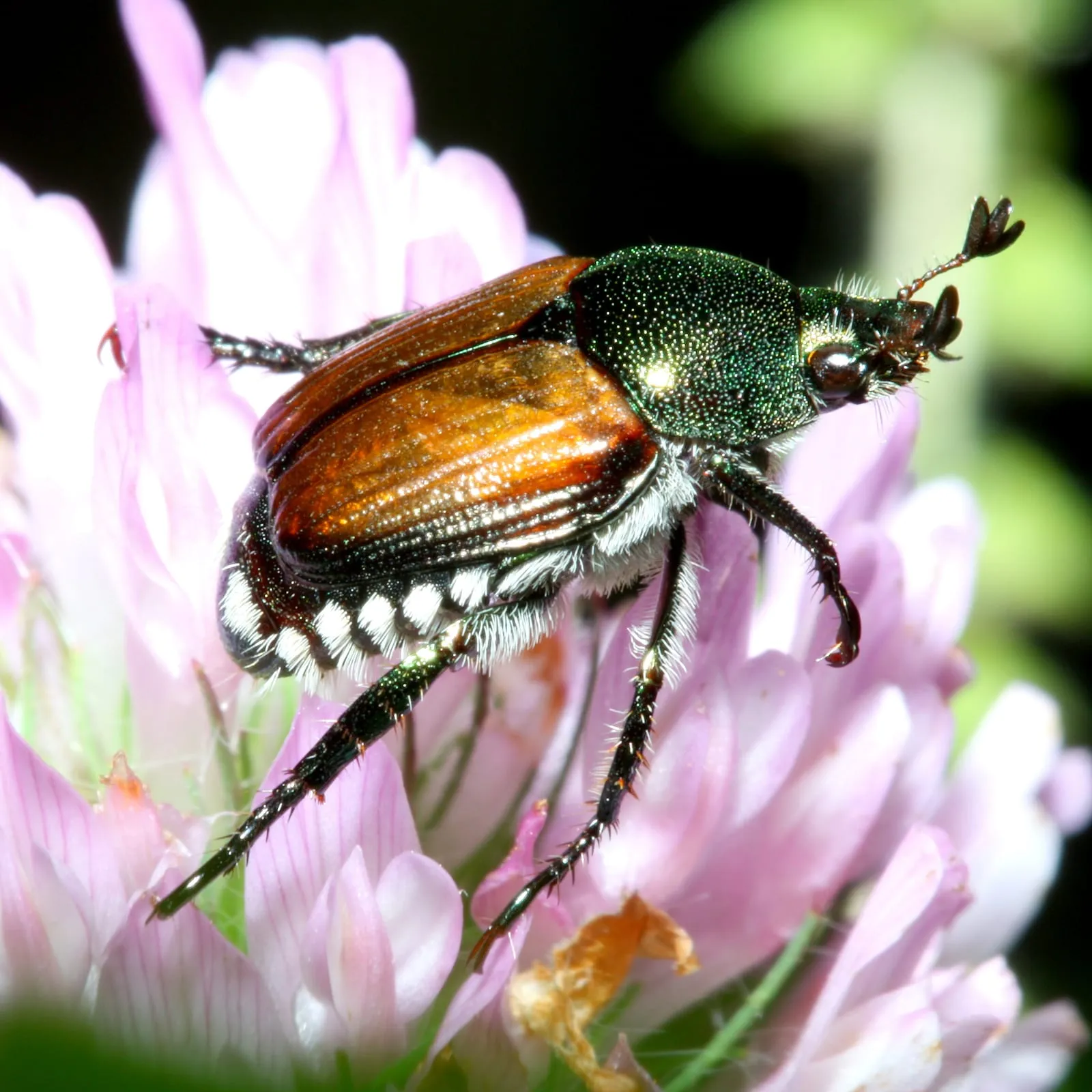
Popillia japonica
Defoliating beetle introduced to North America in 1916. Skeletonizes leaves of many fruit trees, berry canes, and pecan.
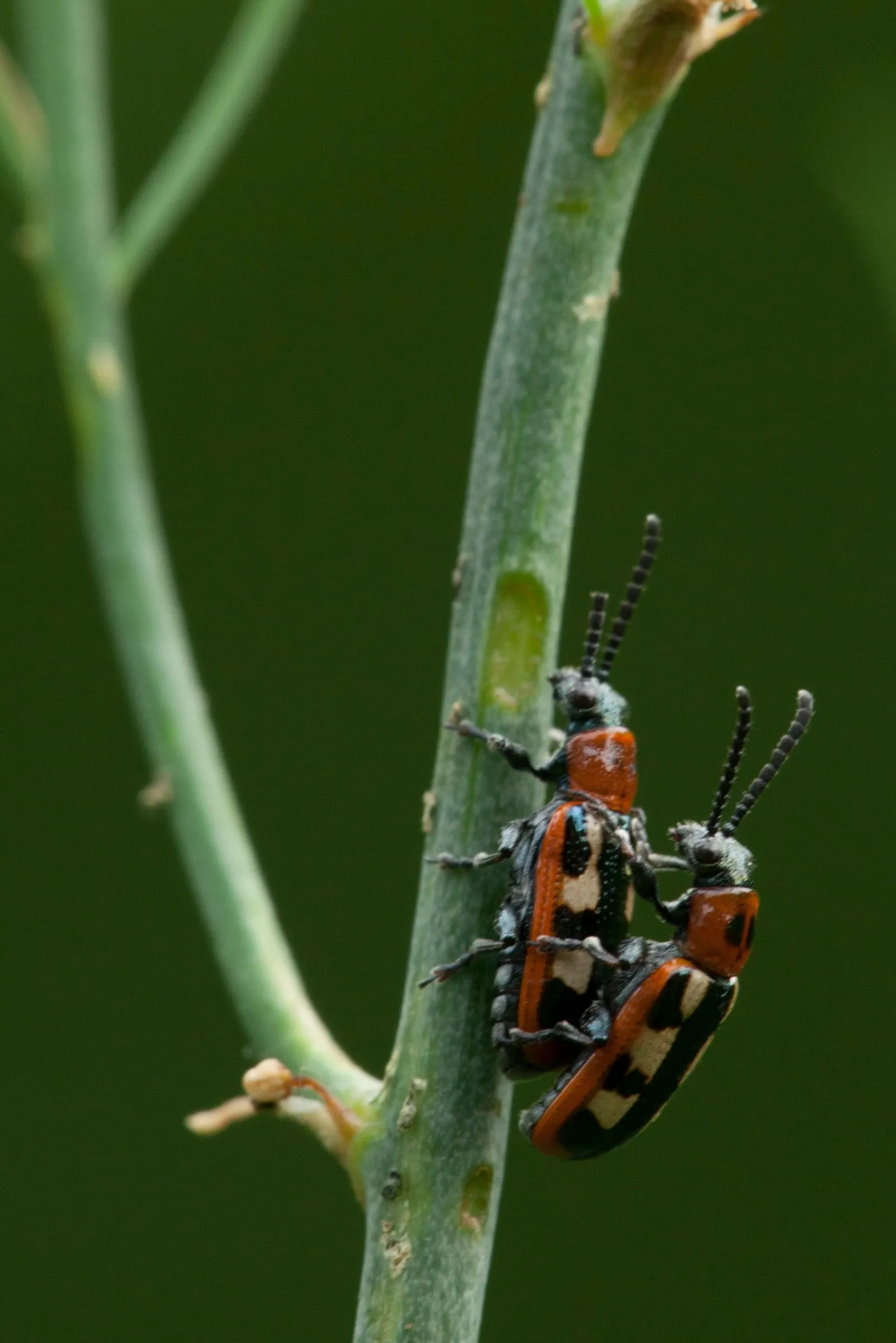
Crioceris asparagi
Blue-black beetle with cream spots that feeds on asparagus spears in spring and ferns in summer. Defoliates ferns reducing crown energy storage for next year.
Common challenges
Three failure modes account for most disappointing asparagus beds: harvesting too early, planting on poorly drained soil, and siting the bed in a location too warm for adequate winter dormancy.
Premature harvest is the most common mistake. Crowns need two to three seasons to build root reserves before any spear is taken. Even a light first-year harvest delays productive maturity by two or more years. The harvest window should not exceed two to three weeks in year three, expanding only as the planting matures into full production.
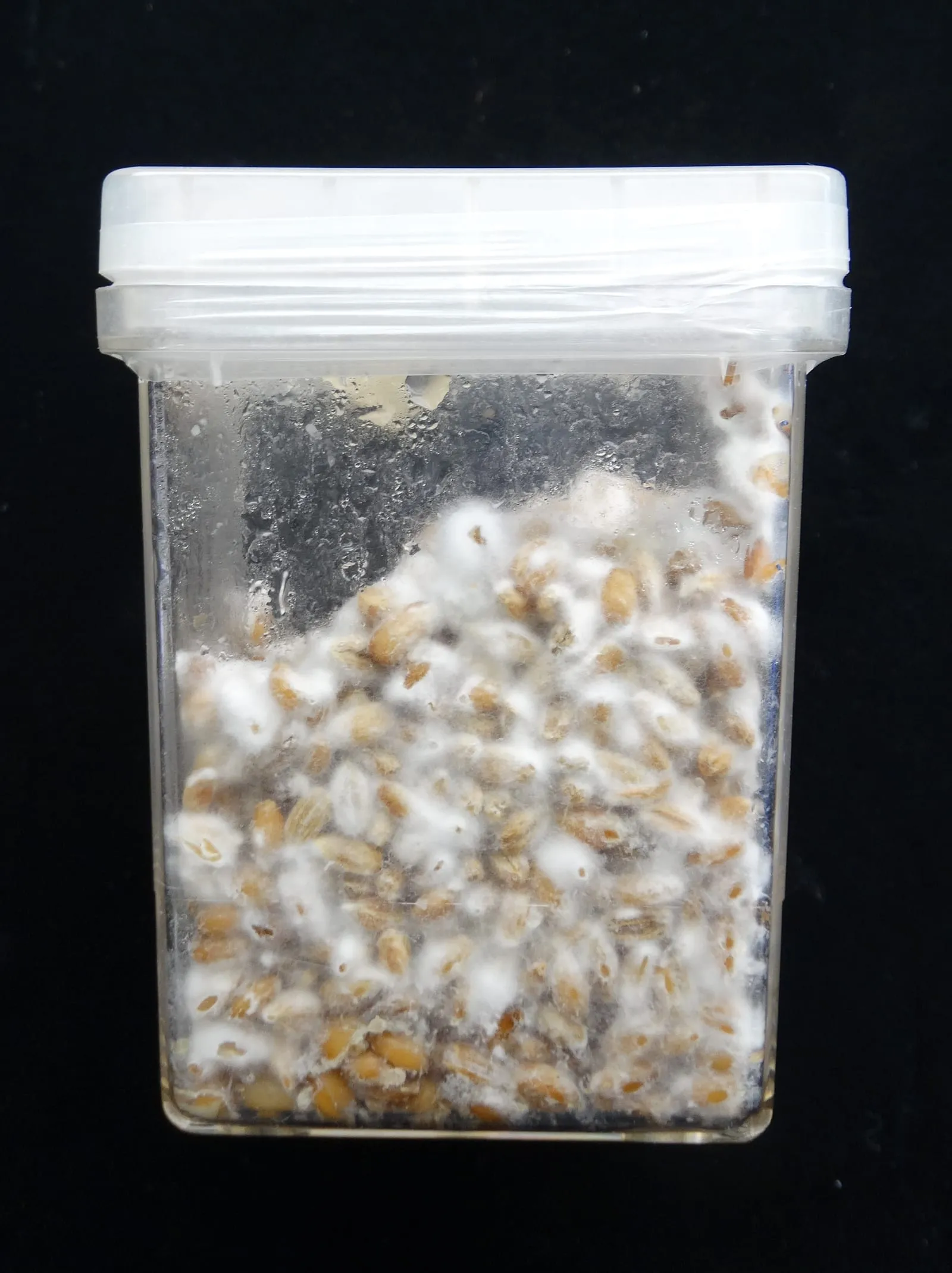
Fusarium wilt, caused by Fusarium oxysporum f. sp. asparagi, enters through crown wounds and persists in soil for years. The disease is most destructive in wet, poorly drained beds; once established, recovery is difficult. Prevention through site selection, avoidance of crown damage at planting, and selection of resistant varieties like Jersey Knight are the practical controls. Mary Washington carries no meaningful Fusarium resistance.
Asparagus beetle (Crioceris asparagi) defoliates the fern canopy after the harvest window closes, reducing photosynthesis at the moment crowns need to replenish root reserves for the following season. Small infestations can be hand-picked; larger populations warrant targeted insecticide at fern emergence. Monitor ferns from late spring through early summer, particularly in beds adjacent to wild asparagus or unmowed field edges.
Companion plants
Frequently asked questions
- Does asparagus require a specific chill-hour count to produce well?
Asparagus does not have a published chill-hour threshold comparable to fruit trees, but it requires a sustained cold winter dormancy to perform reliably. Zones 3b through 8b generally provide sufficient cold. In zone 9 and warmer, crowns often fail to enter full dormancy, producing thin, inconsistent spears in subsequent seasons.
- How long before the first harvest from a new asparagus planting?
Expect 2 to 3 years (730 to 1,095 days) before taking any spears. Crowns planted as one-year stock need this establishment period to build root reserves. The first harvest in year three should be limited to two to three weeks to avoid weakening immature crowns.
- Which USDA zones support asparagus production?
Asparagus is reliable in zones 3b through 8b. Below zone 3b, winter temperatures can kill crowns. Above zone 8b, winters are typically too mild to provide the dormancy period the plant needs for consistent spring spear production.
- Does asparagus need a pollinator plant?
Asparagus is harvested for its shoots, not fruit, so cross-pollination is not a concern for yield. All-male hybrids like Jersey Knight produce no seeds and direct all energy into spears. Open-pollinated varieties like Mary Washington include both male and female plants; female plants set seed and typically yield fewer spears per plant than males in the same bed.
- What is the most common disease affecting asparagus?
Fusarium wilt (Fusarium oxysporum f. sp. asparagi) is the most significant disease threat. It is most destructive in poorly drained soils and persists in the soil for years once established. Planting on well-drained sites and choosing resistant varieties such as Jersey Knight are the most reliable preventive measures.
- How long does an established asparagus bed remain productive?
A well-managed bed produces reliably for 15 to 25 years. Beds that were over-harvested in early years, or that suffer Fusarium wilt, typically decline sooner. Annual top-dressing with compost and avoiding crown disturbance during cultivation extend productive lifespan.
- What is the practical difference between Jersey Knight and Mary Washington?
Jersey Knight is an all-male hybrid released by Rutgers with Fusarium disease resistance and higher per-plant yield. Mary Washington is an open-pollinated heritage variety (USDA release, 1949) with both male and female plants; the female plants set seed, reducing their individual yield compared to males in the same bed. Jersey Knight is the better choice for production; Mary Washington remains widely available and performs adequately on well-drained, disease-free sites.
+−
+−
+−
+−
+−
+−
+−
Sources
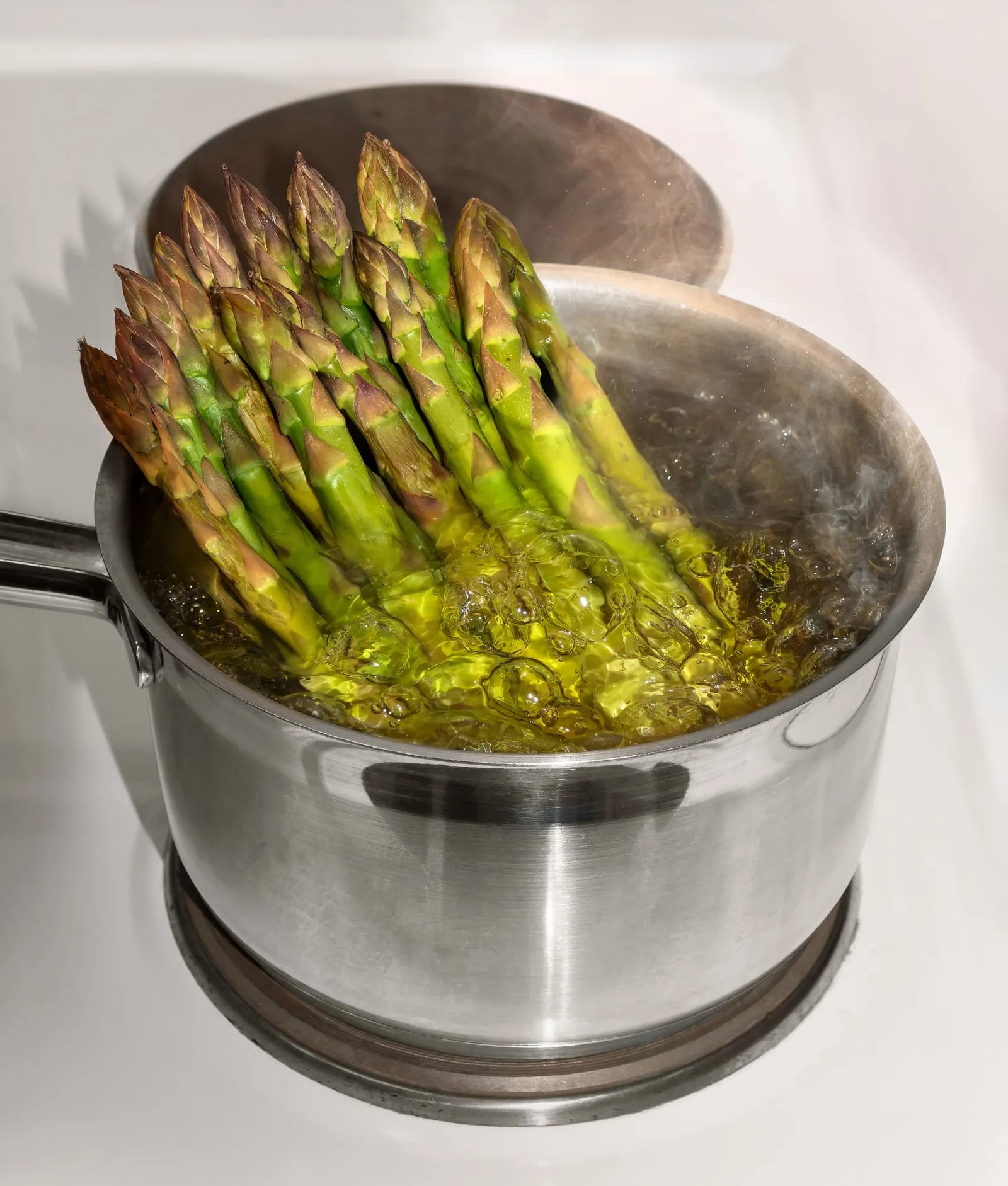
Image: "Steam-boiling green asparagus", by W.carter, via Wikimedia Commons, licensed under CC0. Source.

Asparagus by zone
Related