vegetable in zone 8a
Growing asparagus in zone 8a
Asparagus officinalis
- Zone
- 8a 10°F to 15°F
- Growing season
- 240 days
- Suitable varieties
- 1
- Days to harvest
- 730 to 1095
The verdict
Zone 8a sits on the warmer edge of asparagus's comfortable range. The crop requires a cold dormancy period to reset before each spring flush, and zone 8a winters, while mild (minimum temps of 10 to 15°F), typically provide 4 to 8 weeks below 40°F. That is sufficient but not generous. Beds in zone 8a tend to be productive but may show reduced vigor over time compared to plantings in zones 5 through 7, where cold dormancy is more reliable and sustained.
Among the varieties suited to the zone, Purple Passion performs reasonably well, offering some tolerance to warmer conditions. The 240-day growing season means summers run long and hot, which stresses crowns during the fern growth phase that follows harvest. This is not a marginal zone in the sense that asparagus will fail outright, but growers should expect shorter productive windows and plan for heat management from mid-summer onward.
Recommended varieties for zone 8a
1 cultivar suited to this zone, with disease-resistance and zone-fit annotations.
| Variety | Notes | Zone fit | Disease resistance |
|---|---|---|---|
| Purple Passion fits zone 8a | Sweet, tender, distinctive deep purple spears that turn green when cooked; higher sugar content than green types. Steamed, grilled, fresh raw on platters. Productive heritage selection. | | none noted |
Critical timing for zone 8a
Spear emergence in zone 8a typically begins in late January to mid-February as soil temperatures climb above 50°F. This is several weeks earlier than in zones 6 and 7, which compresses the transition between winter dormancy and active growth. The harvest window for established beds (at least 3 years old) runs roughly 6 to 8 weeks, ending in March or April as rising temperatures push plants into fern production.
The zone's last frost generally falls between late January and mid-February, meaning spring emergence often coincides with, rather than follows, the end of frost risk. Late cold snaps can damage emerging spears. Growers tracking local NOAA frost data for their specific location will get a more accurate emergence window than zone averages alone can provide.
Common challenges in zone 8a
- ▸ Insufficient chill hours for some apple varieties
- ▸ Pierce's disease in grapes
- ▸ Heat stress on cool-season crops
Disease pressure to watch for
Modified care for zone 8a
The primary adjustment in zone 8a is managing heat stress on crowns during the long summer fern phase. After harvest ends in spring, the ferns that feed next year's spears must survive months of heat that can exceed 90°F. Consistent moisture during this period matters more in zone 8a than in cooler zones; mulching to a depth of 3 to 4 inches moderates soil temperature and reduces moisture loss.
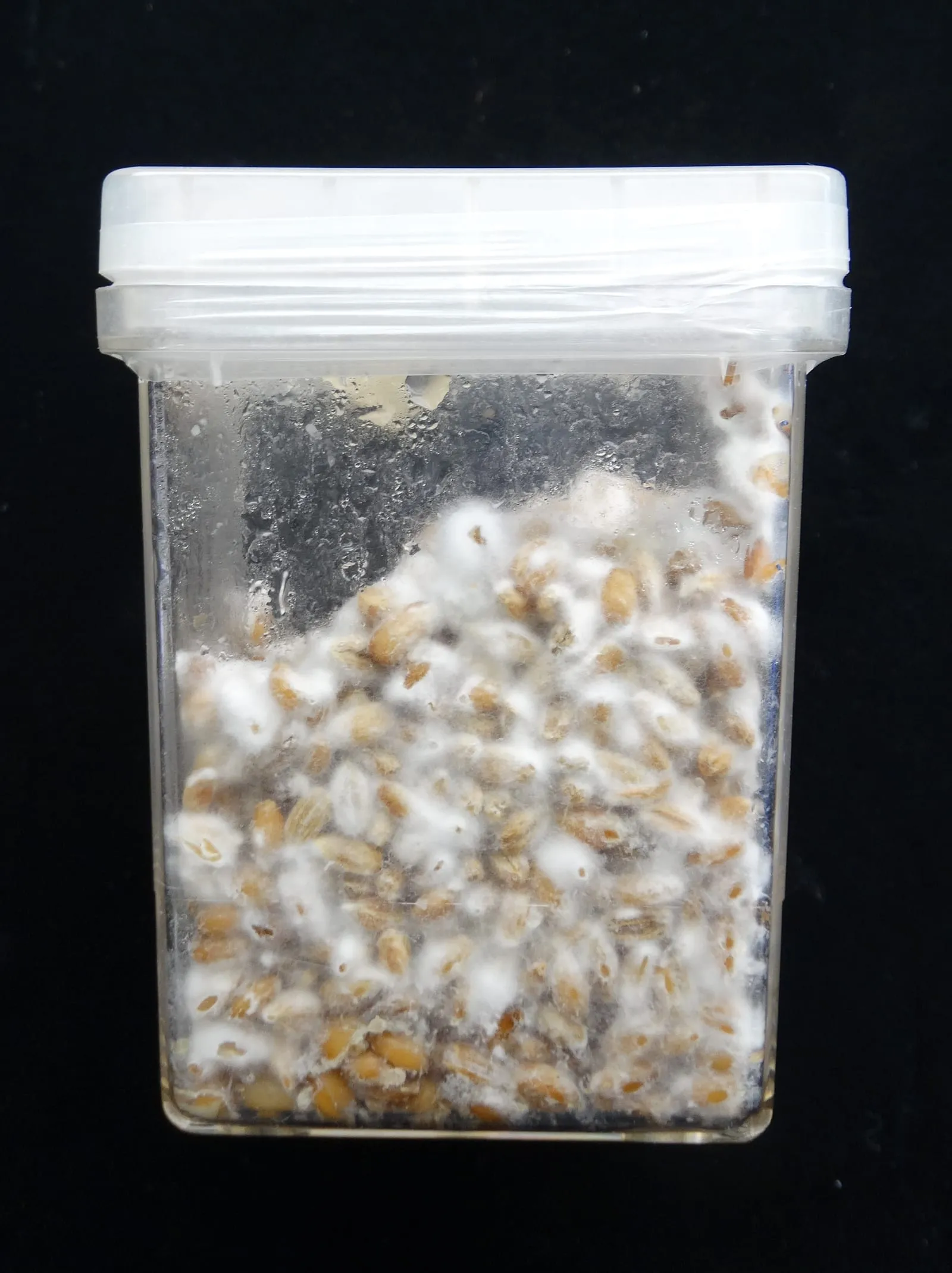
Fusarium Wilt is the disease most likely to limit bed longevity in zone 8a. It thrives in warm, poorly drained soils, which makes raised-bed planting and excellent drainage non-negotiable rather than optional. Rotating out of infested soil and starting with certified disease-free crowns are the standard management steps, as no fungicide options are effective against established Fusarium infection. Once a bed shows symptoms, recovery is rarely possible.
Asparagus in adjacent zones
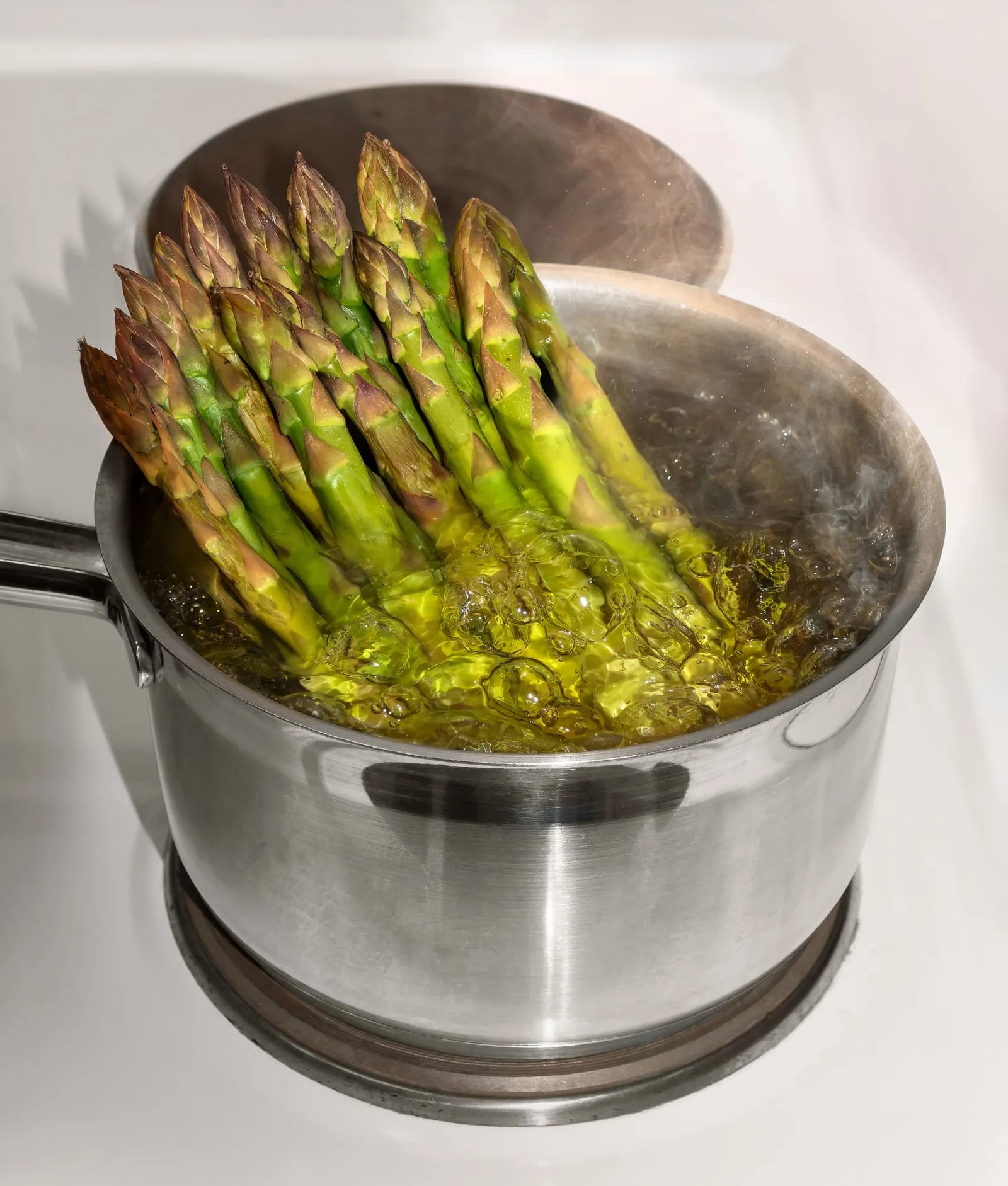
Image: "Steam-boiling green asparagus", by W.carter, via Wikimedia Commons, licensed under CC0 Source.

Related