vegetable in zone 8b
Growing asparagus in zone 8b
Asparagus officinalis
- Zone
- 8b 15°F to 20°F
- Growing season
- 260 days
- Suitable varieties
- 0
- Days to harvest
- 730 to 1095
The verdict
Asparagus is hardy through zone 8 and can persist in zone 8b, but growers should treat this as a warm-weather edge of the crop's comfortable range. The plant depends on a genuine cold dormancy period, typically 6 to 8 weeks of sustained temperatures below 40°F, to reset each season. Zone 8b winters (minimum lows of 15 to 20°F) are cold enough to trigger dormancy in most years, but the 260-day growing season means summers are long and hot, which taxes established crowns and accelerates crown exhaustion compared to cooler zones.
Asparagus beds in zone 8b can remain productive for 10 to 15 years with attentive management, though beds in zones 5 to 7 routinely outlast that. Sandy soils, common in warmer coastal regions within zone 8b, compound the challenge by combining poor moisture retention with elevated nematode pressure. The crop is not a poor fit here, but it rewards growers who site beds carefully and start with nematode-resistant crowns.
Critical timing for zone 8b
In zone 8b, asparagus spears typically emerge in late February to early March, several weeks ahead of mid-Atlantic and Midwest timelines. The last frost in zone 8b generally falls between mid-February and mid-March depending on specific location, so early-emerging spears can face late cold snaps. Light frost (28 to 30°F) damages tender tips and causes the characteristic purple-brown tip scorch growers sometimes mistake for disease.
Harvest runs from mid-March through late April in most zone 8b locations. The harvest window closes when daytime temperatures consistently exceed 80°F and spears begin to fern out quickly. With the long growing season, the fern canopy has ample time to recharge crowns before fall dormancy, which is an advantage over shorter-season zones.
Common challenges in zone 8b
- ▸ Low chill hours limit apple variety selection
- ▸ Citrus greening risk
- ▸ Nematodes in sandy soils
Disease pressure to watch for
Modified care for zone 8b
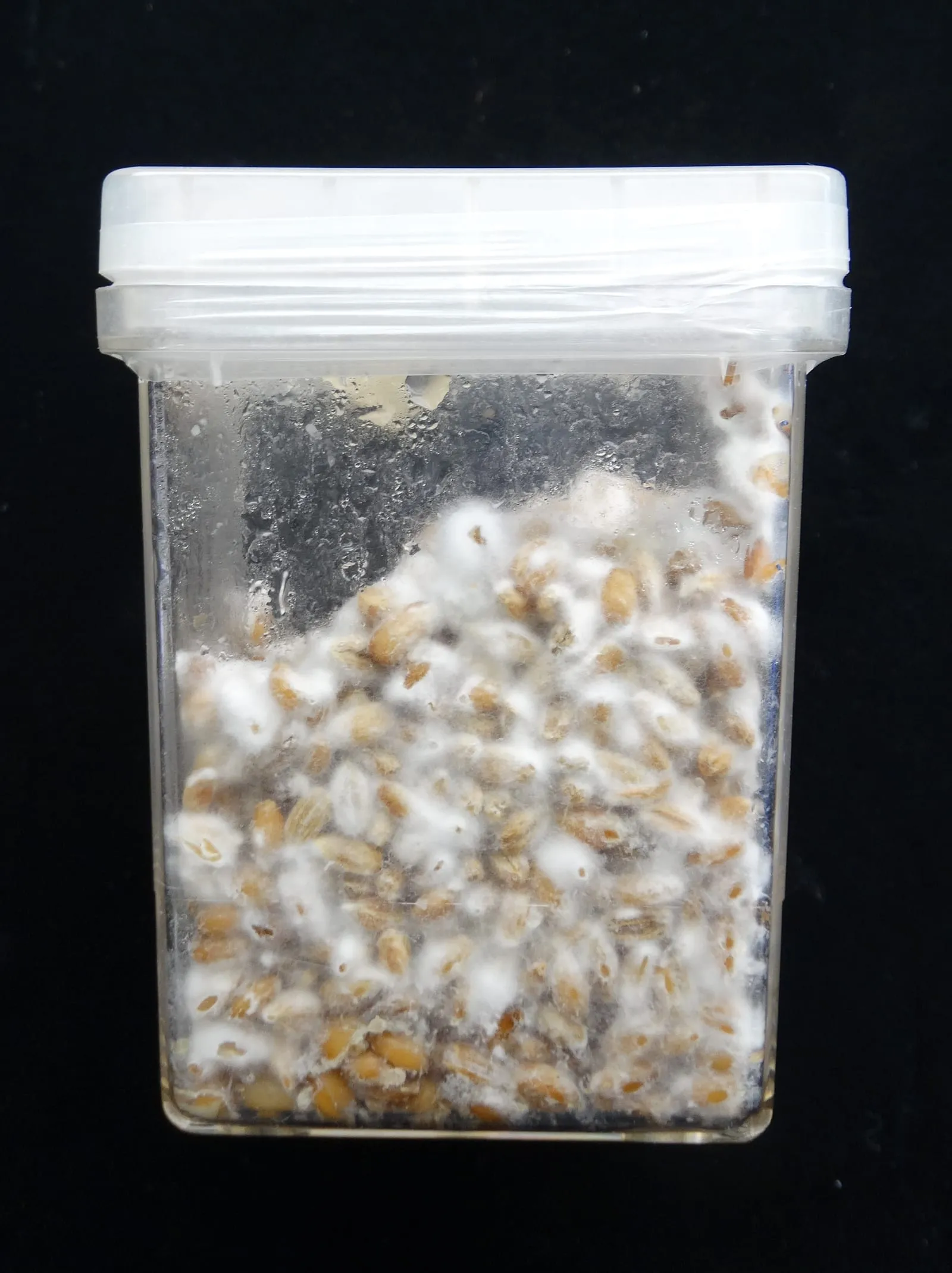
The primary care adjustment in zone 8b is managing Fusarium wilt pressure, which intensifies in warm soils. Fusarium spreads through infested soil and infected crown tissue; once established in a bed it is not practical to eradicate. Starting with certified disease-free crowns and avoiding any soil amendments or tools moved from infected beds is the most effective prevention. Raised or mounded beds with good drainage also reduce Fusarium conditions.
In sandy zone 8b soils, nematodes are a secondary concern; resistant varieties and pre-plant soil solarization (covering beds with clear plastic for 6 to 8 weeks in summer) reduce populations before planting. Supplemental irrigation through the summer fern period is more critical here than in cooler zones, as moisture stress during canopy growth directly reduces the following season's spear yield. Mulching beds in late fall is optional for crown protection since zone 8b winters rarely pose a hard-freeze risk to established roots.
Frequently asked questions
- Can asparagus survive zone 8b winters?
Yes. Zone 8b minimum lows of 15 to 20°F are sufficient to kill back foliage and trigger the dormancy asparagus needs. The risk is not winter kill but rather insufficient cold accumulation in unusually mild winters, which can reduce spear production the following spring.
- Why are my asparagus tips turning purple or brown after emergence?
Tip scorch in late February or early March is usually frost damage. Zone 8b spears emerge early and remain vulnerable to late cold snaps in the 28 to 32°F range. Light frost damage is cosmetic and does not harm the crown; harvest or snap off affected spears and monitor the next flush.
- How do I prevent Fusarium wilt in my asparagus bed?
Start with certified disease-free crowns from a reputable supplier. Plant in well-drained soil, avoid waterlogged conditions, and do not move soil or tools between beds if Fusarium has been identified nearby. Once a bed is infected, removal and replanting in a fresh location is the only reliable remedy.
- How long will an asparagus bed last in zone 8b?
A well-sited bed in zone 8b can produce for 10 to 15 years, though productivity typically declines after year 12 in warm zones. Beds in cooler zones 5 to 7 often outlast zone 8b beds by several years due to less crown stress from summer heat.
+−
+−
+−
+−
Asparagus in adjacent zones
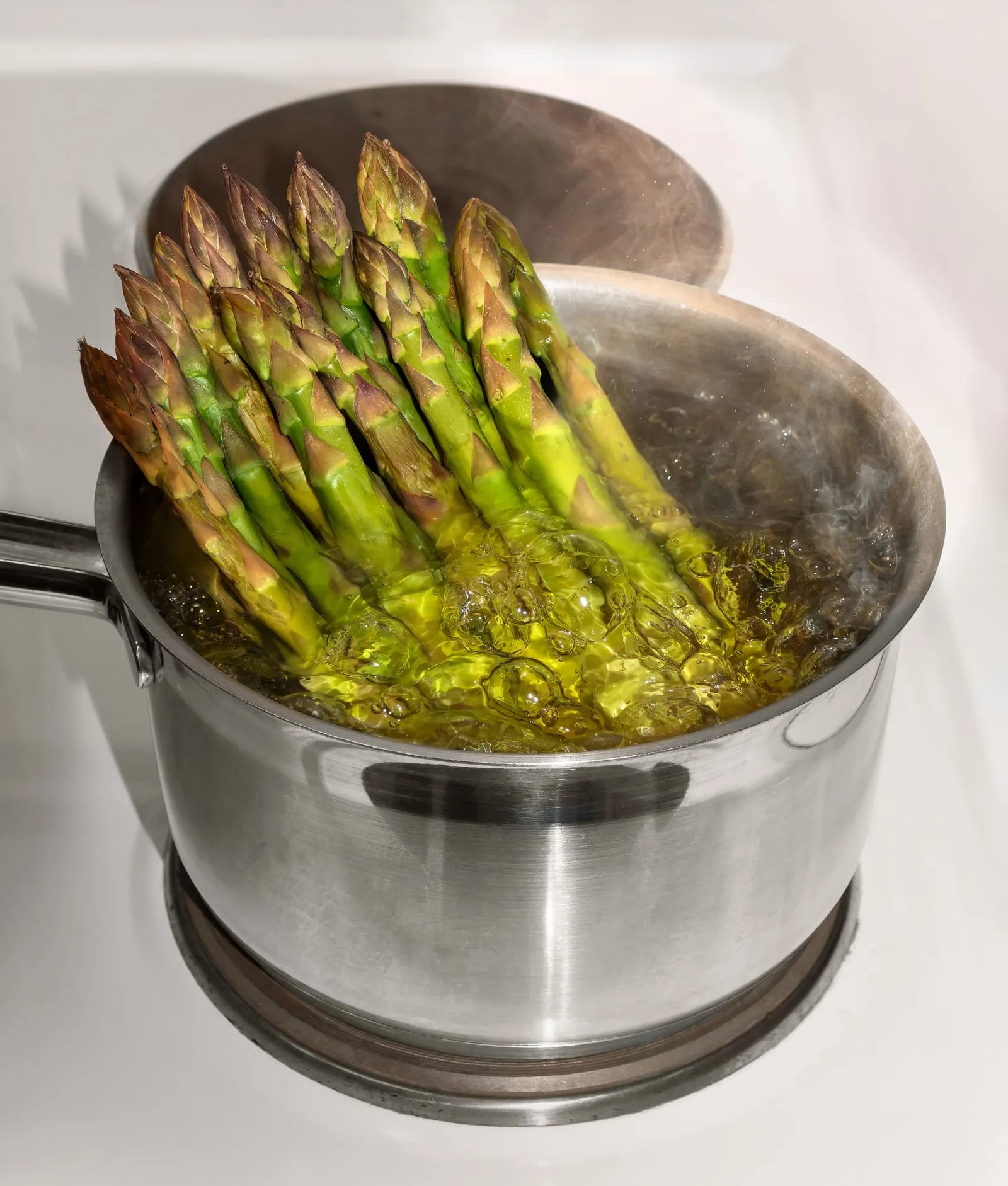
Image: "Steam-boiling green asparagus", by W.carter, via Wikimedia Commons, licensed under CC0 Source.

Related