vegetable in zone 7a
Growing asparagus in zone 7a
Asparagus officinalis
- Zone
- 7a 0°F to 5°F
- Growing season
- 210 days
- Suitable varieties
- 3
- Days to harvest
- 730 to 1095
The verdict
Zone 7a is a reliable sweet spot for asparagus, not a marginal case. Asparagus is a perennial that requires a genuine winter dormancy period to reset annual spear production. With minimum temperatures of 0 to 5°F, zone 7a delivers cold that's deep enough to fully shut down crown activity each year without the extended hard freezes that can heave shallow-planted crowns out of the ground.
The 210-day growing season gives established beds ample time to develop the fern canopy after harvest ends, which is how crowns bank energy for the following year's spears. Cutting the fern too early in the interest of tidiness is the most common way to undermine yield, and zone 7a's long season leaves no excuse for it.
Jersey Knight and Mary Washington are both well-matched to zone 7a's conditions. Jersey Knight, developed through Rutgers University breeding programs, carries meaningful Fusarium resistance, which matters in the humid Southeast. Purple Passion produces earlier in the season and tolerates heat reasonably well, though yields tend to be lighter than the Jersey series.
Recommended varieties for zone 7a
3 cultivars suited to this zone, with disease-resistance and zone-fit annotations.
| Variety | Notes | Zone fit | Disease resistance |
|---|---|---|---|
| Jersey Knight fits zone 7a | Tender, sweet, large green spears; all-male hybrid. Steamed, grilled, roasted, fresh. Productive male hybrid puts energy into spears not seeds. Disease-resistant Rutgers release. | | none noted |
| Purple Passion fits zone 7a | Sweet, tender, distinctive deep purple spears that turn green when cooked; higher sugar content than green types. Steamed, grilled, fresh raw on platters. Productive heritage selection. | | none noted |
| Mary Washington fits zone 7a | Mild, classic asparagus flavor; thin to medium green spears. Heritage 1949 USDA release. Productive open-pollinated, has both male and female plants (some seed-set reduces yield). | | none noted |
Critical timing for zone 7a
In zone 7a, asparagus spears typically emerge in late February through mid-March, depending on soil temperature at crown depth. Soil reaching 50°F consistently is the practical trigger. Harvest runs four to six weeks on established beds (three years or older), usually ending by late April before heat and bolt pressure set in.
The zone's last frost window, generally late March to early April, overlaps with peak harvest. Light frosts at or above 28°F rarely damage emerged spears, but a hard frost following a warm stretch that pushes early emergence can tip and soften spear tips. Monitoring forecasts during the harvest window and considering a light row cover during late cold snaps reduces losses on early-emerging beds.
Common challenges in zone 7a
- ▸ Cedar-apple rust
- ▸ Brown rot
- ▸ Fire blight
- ▸ High humidity disease pressure
Disease pressure to watch for
Modified care for zone 7a
Fusarium wilt is the primary soil-borne threat in zone 7a, and the high humidity of the region accelerates its spread in poorly drained beds. Site selection and bed preparation matter more than any seasonal intervention. Raised or mounded beds in heavy clay soils, with crowns planted 6 to 8 inches deep in well-amended soil, reduce the standing moisture that favors Fusarium infection. Jersey Knight's built-in resistance is meaningful, but drainage is non-negotiable regardless of variety.
Summer fern management in zone 7a differs from cooler zones in one key respect: the extended heat period can stress ferns by late July. A 3-inch mulch layer over the bed moderates soil temperature and reduces moisture stress without creating the persistent wet conditions that invite disease. Avoid overhead irrigation once the ferns are fully established; drip or soaker delivery keeps foliage drier.
Frequently asked questions
- How long before an asparagus bed in zone 7a produces a full harvest?
Most growers take a light harvest in year two and a full four-to-six-week harvest starting in year three. Cutting spears in year one weakens the crown and delays productive output. The 210-day growing season in zone 7a gives crowns a strong establishment window if planting is timed correctly.
- Which asparagus variety performs best in zone 7a?
Jersey Knight is the most consistent performer in zone 7a, particularly where Fusarium wilt has appeared in the soil. Its Rutgers-bred disease resistance and all-male genetics (which redirect energy from seed production to spear production) make it practical for humid mid-Atlantic and upper-South conditions. Mary Washington is widely available but less disease-resistant.
- Can asparagus crowns survive a zone 7a winter without protection?
Yes. Crowns planted at 6 to 8 inches depth handle zone 7a minimums of 0 to 5°F without intervention in most years. A 2-to-3-inch layer of straw or shredded leaves applied after the ferns are cut back in late fall provides insurance against heaving in soils with a freeze-thaw cycle.
- What causes hollow or stringy asparagus spears in zone 7a?
Hollow spears are usually a sign of overly fast growth during warm stretches, common in zone 7a's variable late-winter weather. Stringiness typically indicates spears that were allowed to open too far before cutting. Harvest when tips are still tight and closed, and check beds daily during warm spells in the harvest window.
+−
+−
+−
+−
Asparagus in adjacent zones
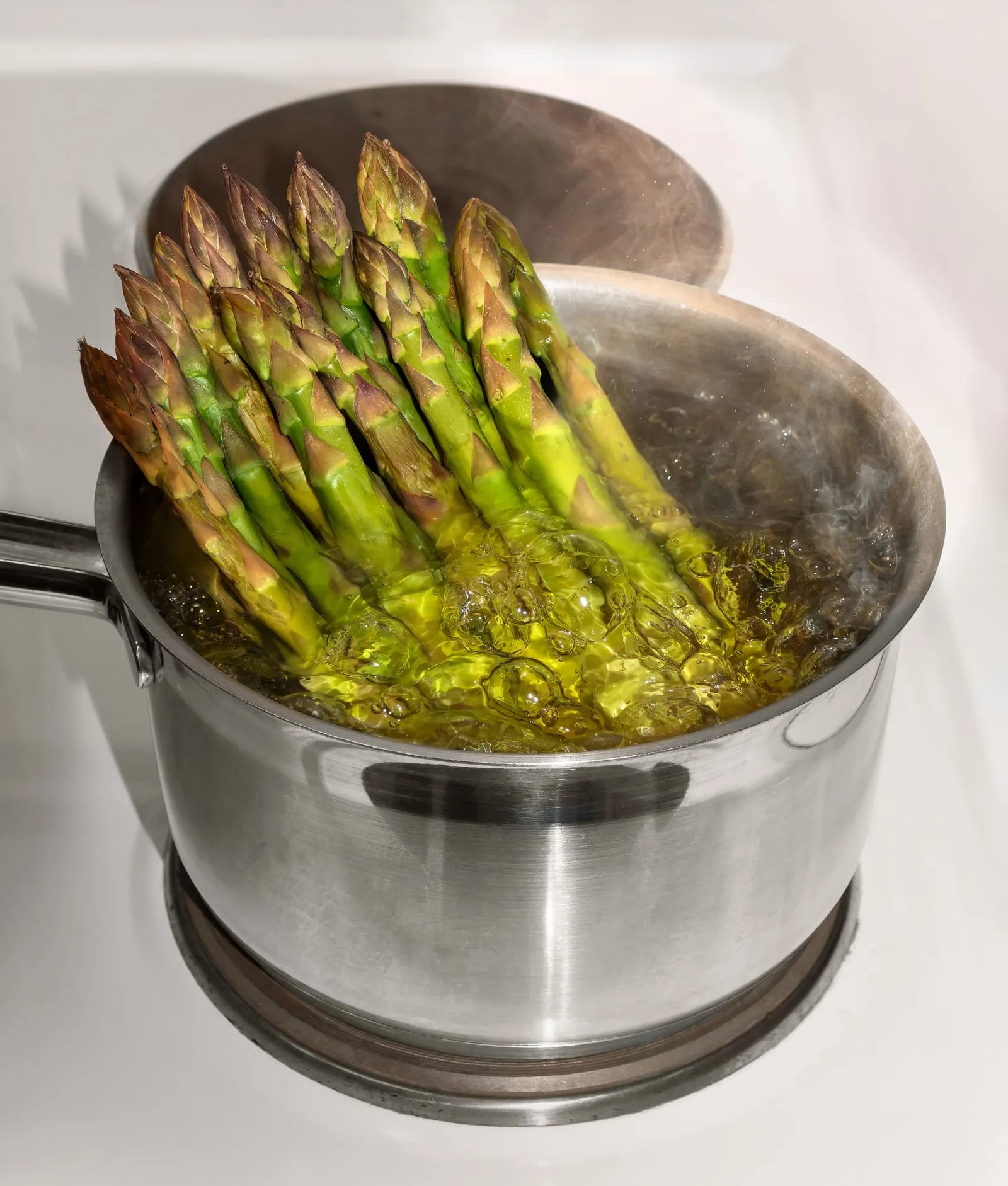
Image: "Steam-boiling green asparagus", by W.carter, via Wikimedia Commons, licensed under CC0 Source.

Related