vegetable in zone 4a
Growing asparagus in zone 4a
Asparagus officinalis
- Zone
- 4a -30°F to -25°F
- Growing season
- 120 days
- Suitable varieties
- 3
- Days to harvest
- 730 to 1095
The verdict
Asparagus is a strong fit for zone 4a. Unlike stone fruit or many perennial crops, asparagus is a cold-hardy perennial that actively requires a hard winter dormancy to perform well. The -30 to -25°F temperature range of zone 4a provides that dormancy reliably, and established crowns handle those lows without special protection once the bed is mature.
The 120-day growing season in zone 4a is workable for asparagus, which does not need a long season for spear production. The limiting factor here is establishment: crowns take two to three years before harvest begins, and a short season means less time each year to build root energy.
Jersey Knight, Purple Passion, and Mary Washington are all documented performers in northern zones. Jersey Knight is the most widely recommended for cold-climate production because of its vigor and disease resistance. Zone 4a is not marginal for this crop; growers with patience for the establishment period can expect productive beds for 15 to 20 years.
Recommended varieties for zone 4a
3 cultivars suited to this zone, with disease-resistance and zone-fit annotations.
| Variety | Notes | Zone fit | Disease resistance |
|---|---|---|---|
| Jersey Knight fits zone 4a | Tender, sweet, large green spears; all-male hybrid. Steamed, grilled, roasted, fresh. Productive male hybrid puts energy into spears not seeds. Disease-resistant Rutgers release. | | none noted |
| Purple Passion fits zone 4a | Sweet, tender, distinctive deep purple spears that turn green when cooked; higher sugar content than green types. Steamed, grilled, fresh raw on platters. Productive heritage selection. | | none noted |
| Mary Washington fits zone 4a | Mild, classic asparagus flavor; thin to medium green spears. Heritage 1949 USDA release. Productive open-pollinated, has both male and female plants (some seed-set reduces yield). | | none noted |
Critical timing for zone 4a
Asparagus spears emerge when soil temperatures at crown depth (6 to 8 inches) reach 50°F consistently. In zone 4a, that typically falls in late April to mid-May, depending on that year's snow cover and spring warm-up pace.
The zone's late-frost risk is the key variable. Last frost dates in zone 4a commonly extend into mid-May, and spears that have pushed several inches above the soil surface can sustain frost damage at temperatures below 30°F. Damage appears as limp, water-soaked tips that later turn brown. Harvesting affected spears promptly limits further loss.
Harvest in an established bed runs roughly four to six weeks, ending by late May or early June. After harvest, fronds are allowed to grow through the summer to rebuild crown energy for the following season.
Common challenges in zone 4a
- ▸ Late frosts damage early bloomers
- ▸ Limited peach varieties
Disease pressure to watch for
Modified care for zone 4a
The primary adjustment in zone 4a is mulching crowns for winter protection during the first two to three years, before the root system is deep and established. A 4 to 6 inch layer of straw or shredded leaves applied after the first hard frost reduces the risk of frost heave and moderates soil temperature swings during freeze-thaw cycles in early spring.
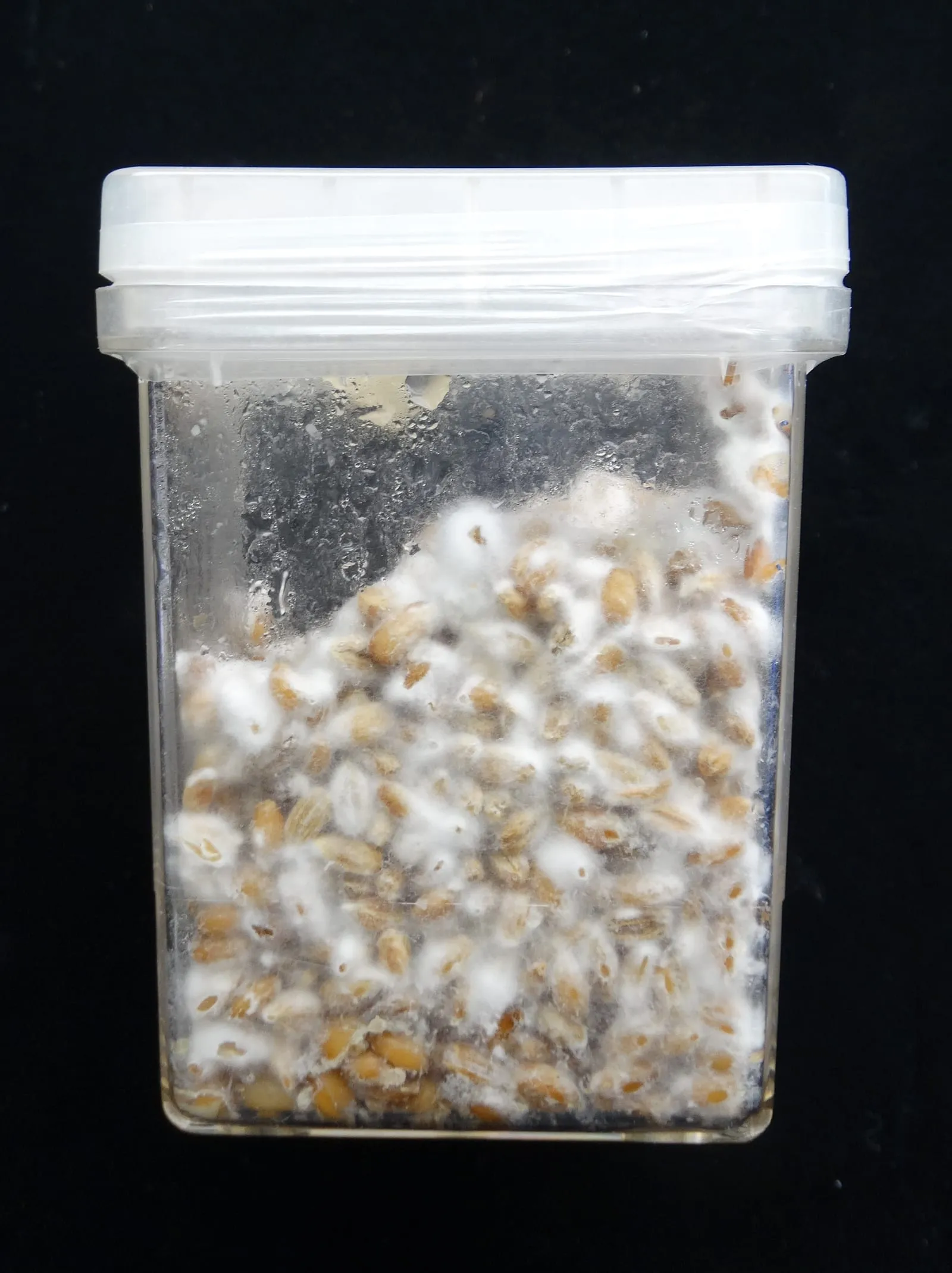
Fusarium Wilt is the most significant disease pressure for asparagus in northern zones. It persists in soil and weakens crowns over time, shortening bed life. Jersey Knight carries better Fusarium tolerance than Mary Washington; in beds with any prior disease history, variety selection matters. Rotating bed location and avoiding waterlogged sites reduces initial infection risk.
In the short growing season of zone 4a, leaving fronds standing until they are cut back in late fall (rather than cutting them green) gives crowns the maximum window to store carbohydrates. Cutting fern too early noticeably reduces the following year's spear output.
Asparagus in adjacent zones
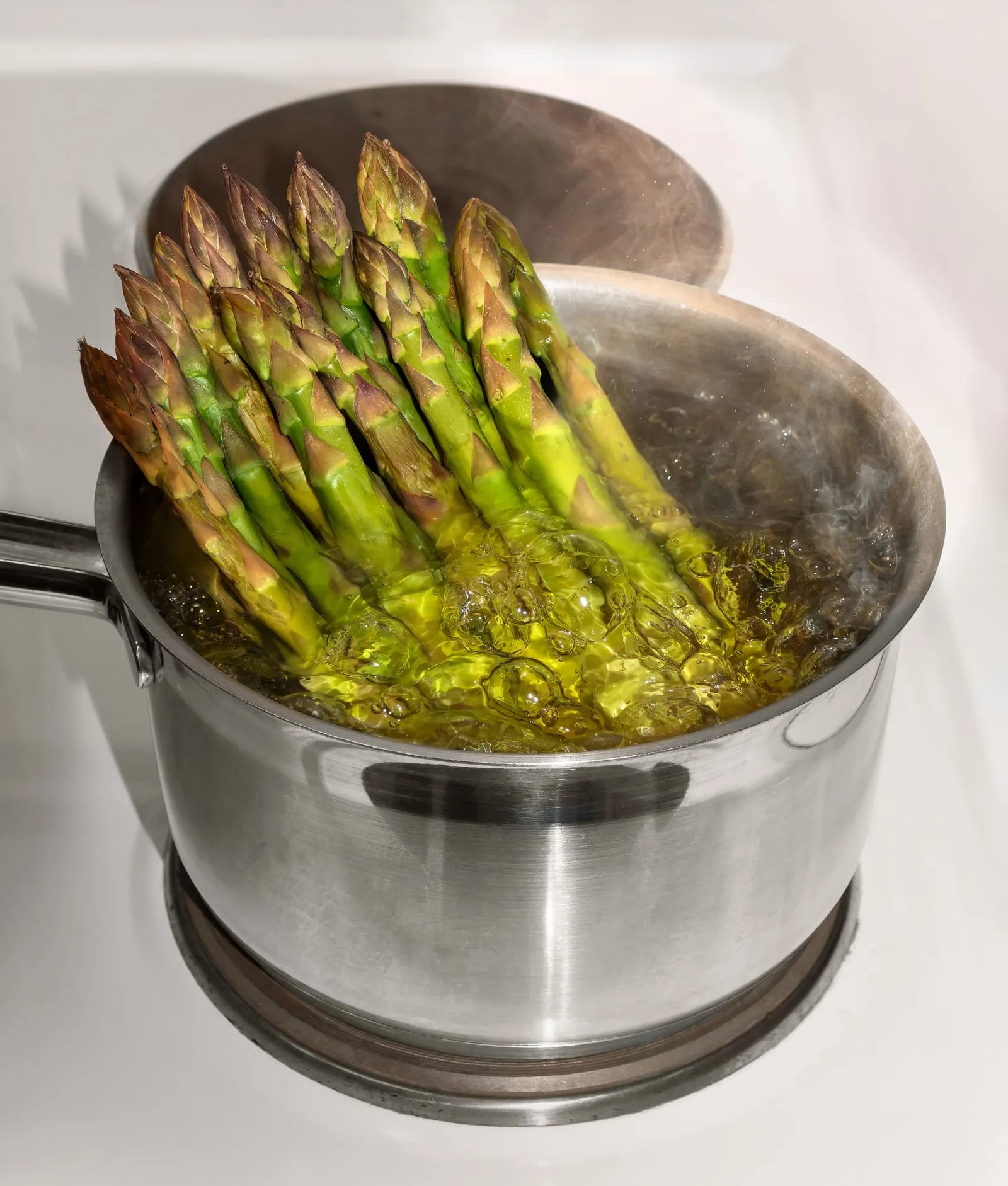
Image: "Steam-boiling green asparagus", by W.carter, via Wikimedia Commons, licensed under CC0 Source.

Related