vegetable in zone 4b
Growing asparagus in zone 4b
Asparagus officinalis
- Zone
- 4b -25°F to -20°F
- Growing season
- 130 days
- Suitable varieties
- 3
- Days to harvest
- 730 to 1095
The verdict
Asparagus is a reliable fit for zone 4b, not a marginal one. The crop is a cool-climate perennial that requires true winter dormancy to perform, and zone 4b winters (-25°F to -20°F) provide that without reservation. Asparagus crowns established at proper depth tolerate temperatures well below zone 4b minimums, so winter cold is not the limiting factor here.
Unlike fruit trees, asparagus has no measurable chill-hour requirement. What it needs is sustained cold followed by a clear spring signal; zone 4b delivers both reliably. The 130-day growing season is more than sufficient: the harvest window runs 6 to 8 weeks in spring, and the fern canopy has ample time to photosynthesize and rebuild crown reserves before fall frost arrives.
Jersey Knight and Mary Washington are both well-documented performers across zones 4 through 7. Purple Passion is cold-tolerant but tends to produce later in cold-spring zones, which narrows the effective harvest window in zone 4b compared to warmer regions.
Recommended varieties for zone 4b
3 cultivars suited to this zone, with disease-resistance and zone-fit annotations.
| Variety | Notes | Zone fit | Disease resistance |
|---|---|---|---|
| Jersey Knight fits zone 4b | Tender, sweet, large green spears; all-male hybrid. Steamed, grilled, roasted, fresh. Productive male hybrid puts energy into spears not seeds. Disease-resistant Rutgers release. | | none noted |
| Purple Passion fits zone 4b | Sweet, tender, distinctive deep purple spears that turn green when cooked; higher sugar content than green types. Steamed, grilled, fresh raw on platters. Productive heritage selection. | | none noted |
| Mary Washington fits zone 4b | Mild, classic asparagus flavor; thin to medium green spears. Heritage 1949 USDA release. Productive open-pollinated, has both male and female plants (some seed-set reduces yield). | | none noted |
Critical timing for zone 4b
Spears emerge when soil temperature at 8-inch depth reaches approximately 50°F, which in zone 4b typically occurs in late May to early June. Spring frost timing is the main intersection point: a late frost arriving after spears have pushed 4 to 6 inches can damage tips and reduce harvestable yield.
Harvest on an established bed in zone 4b generally runs from late May through late June, ending when spear diameter falls below pencil width and the plant redirects energy to fern production. The fern canopy should remain standing through winter, as it provides some insulation to crowns and debris catches snow; cutting should be deferred to early spring when new growth is just beginning to emerge rather than done in late fall.
Common challenges in zone 4b
- ▸ Spring frost timing
- ▸ Apple scab pressure
- ▸ Cane berry winter dieback
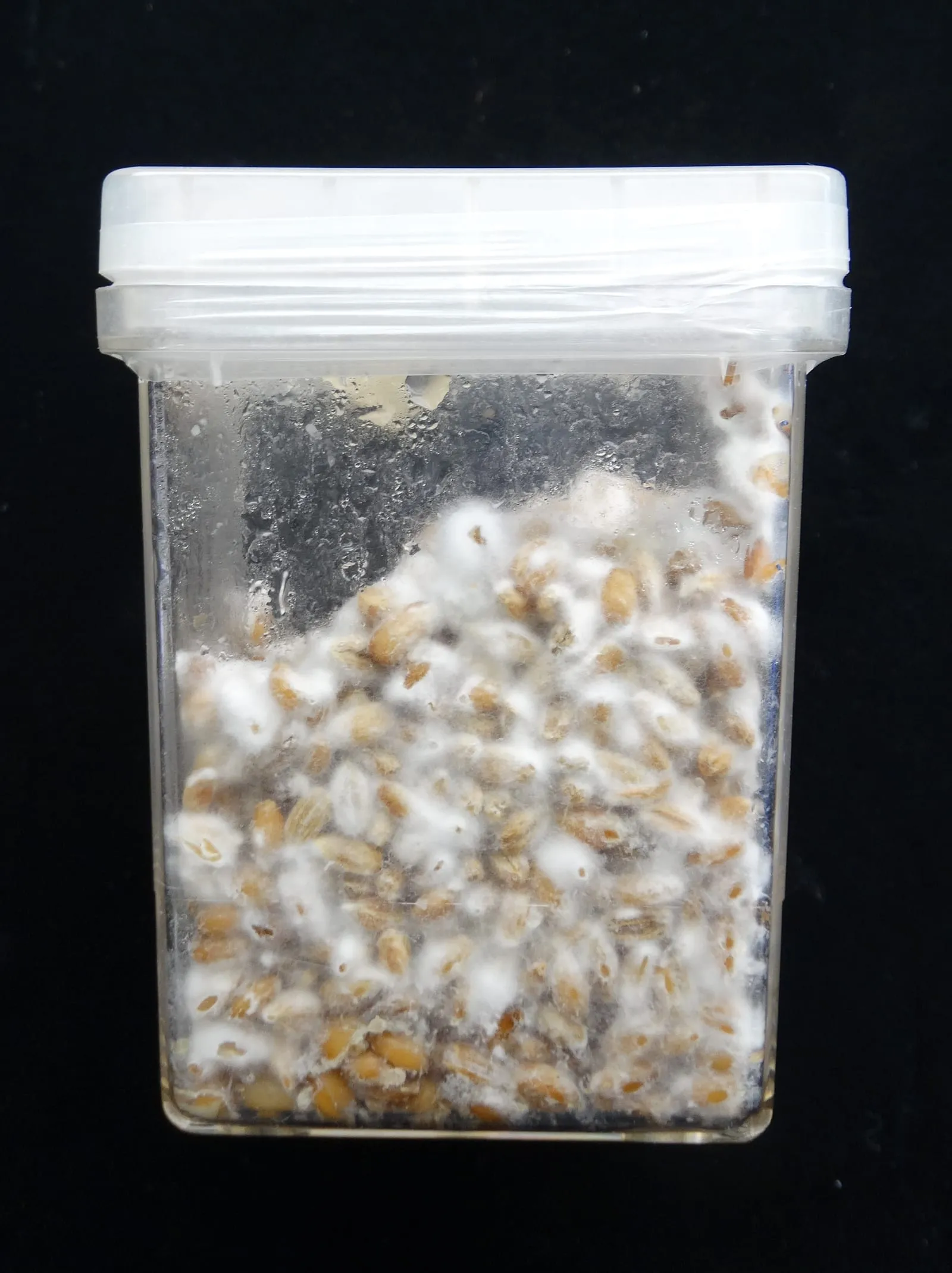
Disease pressure to watch for
Modified care for zone 4b
The primary zone 4b adaptation is mulching. After the first hard frost in fall, 4 to 6 inches of straw or shredded leaves applied over the bed protects crowns through the coldest periods. First- and second-year crowns benefit most, as root mass is still limited. The mulch should be pulled back gradually in spring rather than all at once to avoid delaying emergence.
Planting depth matters more in cold zones: crowns set at 8 inches rather than the commonly cited 6 get meaningful extra soil insulation. Fusarium wilt is the primary disease concern for asparagus in zone 4b; Jersey Knight carries the strongest resistance among the listed varieties and is the practical first choice for new beds. Row fabric over the bed during late frost events through late May limits tip damage during the cold snaps common in zone 4b springs.
Asparagus in adjacent zones
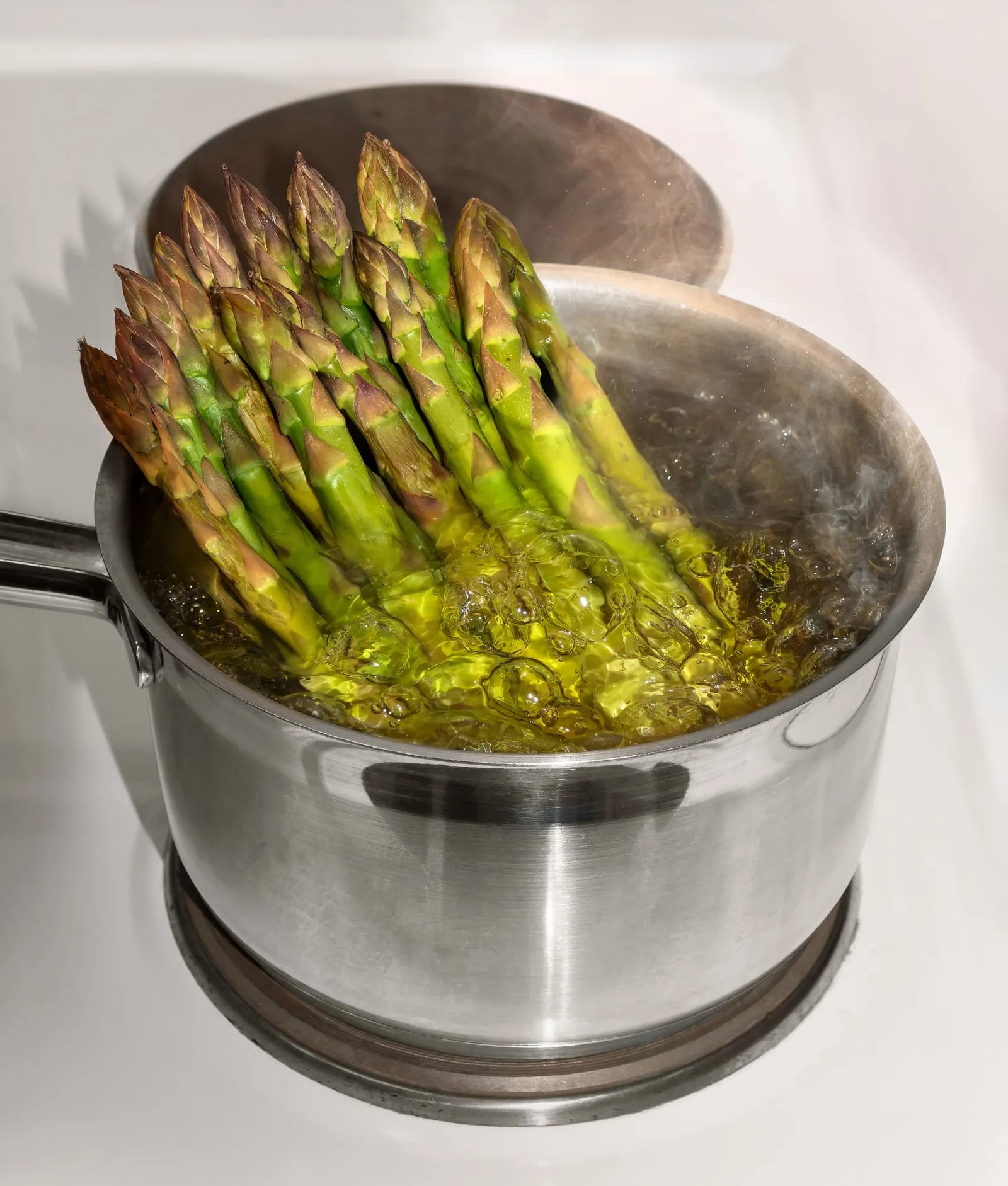
Image: "Steam-boiling green asparagus", by W.carter, via Wikimedia Commons, licensed under CC0 Source.

Related