vegetable in zone 6a
Growing asparagus in zone 6a
Asparagus officinalis
- Zone
- 6a -10°F to -5°F
- Growing season
- 180 days
- Suitable varieties
- 3
- Days to harvest
- 730 to 1095
The verdict
Zone 6a sits comfortably within asparagus's preferred range rather than at its edges. The winter minimum of -10°F to -5°F reliably drives crowns into full dormancy, which asparagus requires to sustain productive yields year after year. Without sufficient cold, ferns remain semi-evergreen, crown energy reserves deplete, and output declines within a few seasons. Zone 6a winters clear that threshold with room to spare.
The 180-day growing season gives ferns adequate time after the harvest window closes to photosynthesize and rebuild crown reserves before the next dormancy. Jersey Knight and Mary Washington, both listed as compatible here, have decades of documented performance in comparable mid-Atlantic and Midwest zones with similar temperature profiles.
Fusarium wilt is the primary long-term threat to bed productivity in zone 6a, not the climate itself. Bed longevity depends more on drainage, variety selection, and rotation discipline than on zone suitability.
Recommended varieties for zone 6a
3 cultivars suited to this zone, with disease-resistance and zone-fit annotations.
| Variety | Notes | Zone fit | Disease resistance |
|---|---|---|---|
| Jersey Knight fits zone 6a | Tender, sweet, large green spears; all-male hybrid. Steamed, grilled, roasted, fresh. Productive male hybrid puts energy into spears not seeds. Disease-resistant Rutgers release. | | none noted |
| Purple Passion fits zone 6a | Sweet, tender, distinctive deep purple spears that turn green when cooked; higher sugar content than green types. Steamed, grilled, fresh raw on platters. Productive heritage selection. | | none noted |
| Mary Washington fits zone 6a | Mild, classic asparagus flavor; thin to medium green spears. Heritage 1949 USDA release. Productive open-pollinated, has both male and female plants (some seed-set reduces yield). | | none noted |
Critical timing for zone 6a
Spears emerge when soil temperature at 6-inch depth reaches approximately 50°F, which typically falls in late March to mid-April in zone 6a. For a well-established bed (three years or older), the harvest window runs 6 to 8 weeks, usually wrapping up by late May before summer heat accelerates fern development and harvesting would weaken crowns.
Late spring frosts are a documented hazard in zone 6a, consistent with the spring frost damage risk noted for the zone. Emerged asparagus spears tolerate light frosts into the mid-20s°F, but a sharp freeze after significant emergence damages tips and reduces usable yield for that flush. Fern growth following harvest proceeds through the full 180-day season, giving crowns ample time to store energy ahead of the following spring.
Common challenges in zone 6a
- ▸ Brown rot in stone fruit
- ▸ Japanese beetles
- ▸ Spring frost damage to peach buds
Disease pressure to watch for
Modified care for zone 6a
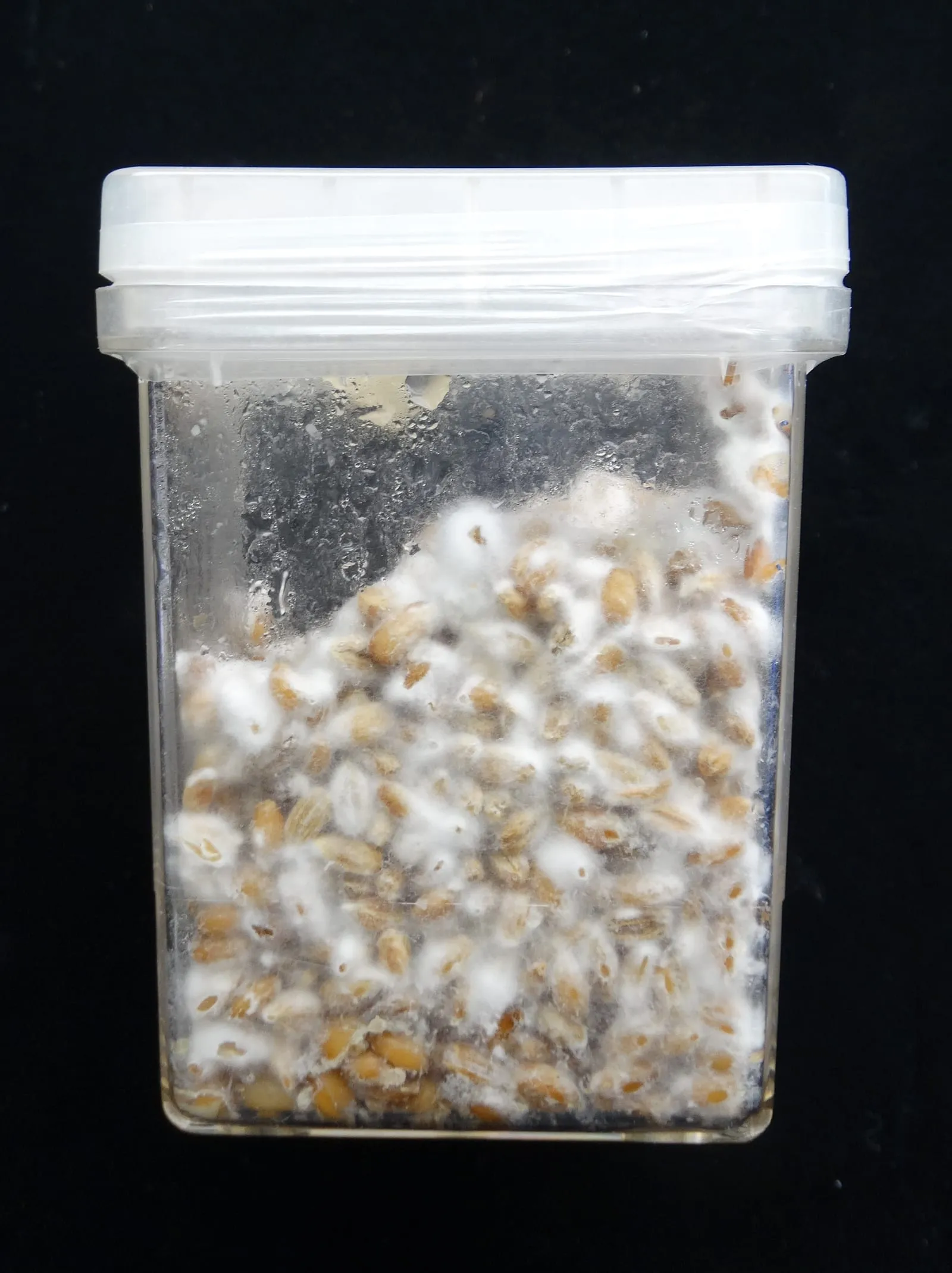
The most important management adjustment in zone 6a is Fusarium wilt prevention. Planting into raised beds with good drainage and choosing Jersey Knight, which carries stronger Fusarium tolerance than Mary Washington, substantially extends bed productive life. Avoid replanting asparagus in any bed with a documented Fusarium history, as the pathogen persists in soil for years.
Japanese beetles are a listed zone challenge and directly affect asparagus. Heavy fern defoliation from late June through August weakens crowns and reduces the following season's spear output. Monitoring and targeted control during peak beetle activity, typically July, help protect fern integrity.
Winter mulching is not required for crown survival given the cold hardiness of established asparagus in zone 6a, but a light straw mulch applied after the first hard freeze moderates soil temperature swings and benefits shallow crowns in sandy or exposed sites.
Frequently asked questions
- Is zone 6a cold enough for asparagus to produce well long-term?
Yes. Asparagus is cold-hardy well below zone 6a minimums and requires a cold dormancy period to sustain productivity. The -10°F to -5°F winter minimum in zone 6a satisfies that requirement reliably, and established crowns survive without special protection.
- Which asparagus variety is most reliable in zone 6a?
Jersey Knight is the strongest choice for zone 6a given its Fusarium wilt tolerance and consistent yield in cold-winter climates. Purple Passion performs well with good flavor, and Mary Washington remains a dependable option, though it is more susceptible to Fusarium in older or replanted beds.
- How does Fusarium wilt affect asparagus longevity in zone 6a?
Fusarium accumulates in soil over time, particularly in poorly drained beds, causing crown rot and declining yields. It is the primary disease threat to asparagus bed longevity in zone 6a. Selecting tolerant varieties and ensuring drainage at planting are the most effective preventive steps.
- Can late spring frosts in zone 6a damage asparagus spears?
Emerged spears tolerate light frosts into the mid-20s°F, but a hard freeze after significant emergence will damage tips and reduce usable yield for that flush. Zone 6a carries documented spring frost risk, so monitoring forecasts during the late-March to April emergence window is worthwhile.
+−
+−
+−
+−
Asparagus in adjacent zones
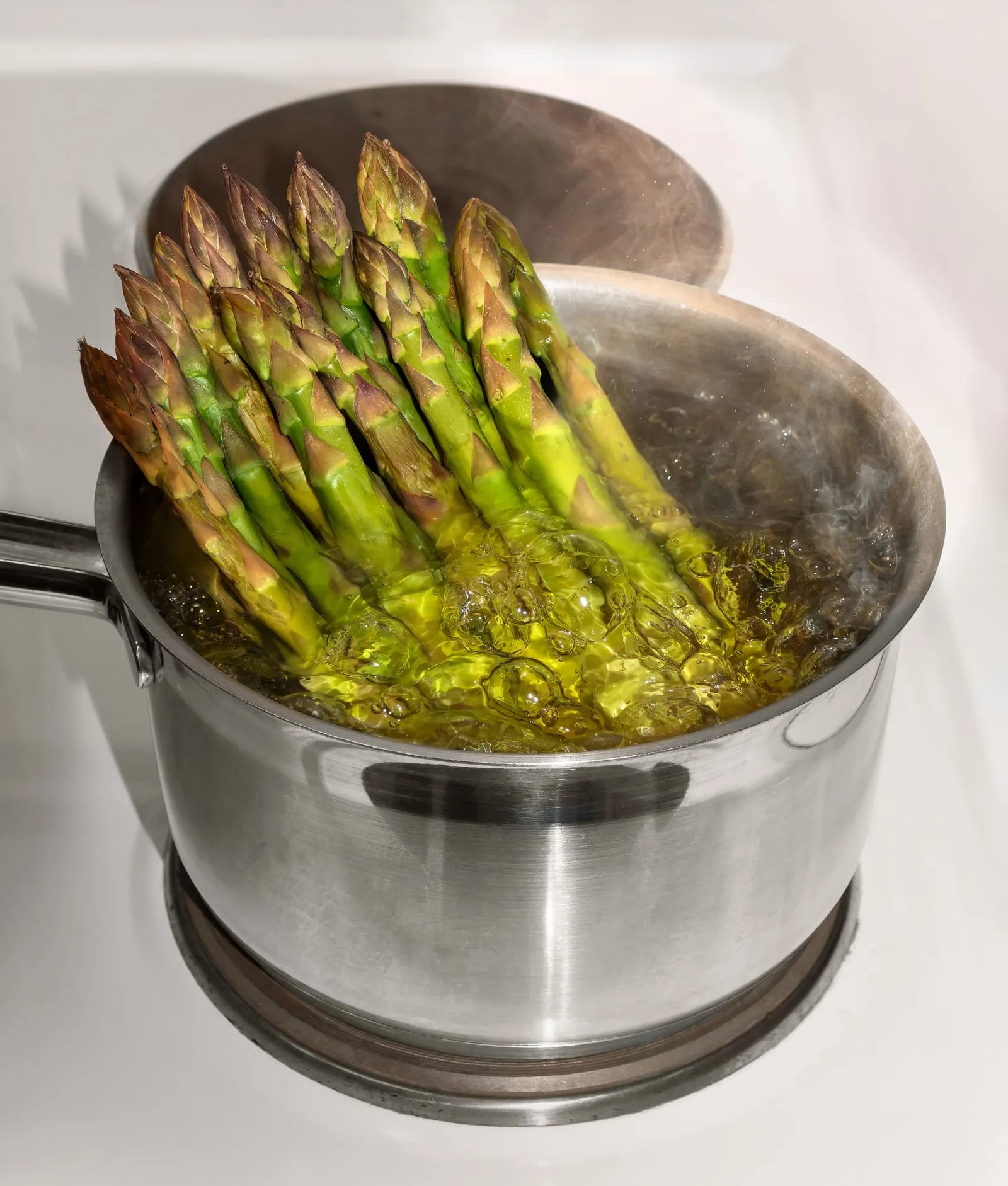
Image: "Steam-boiling green asparagus", by W.carter, via Wikimedia Commons, licensed under CC0 Source.

Related