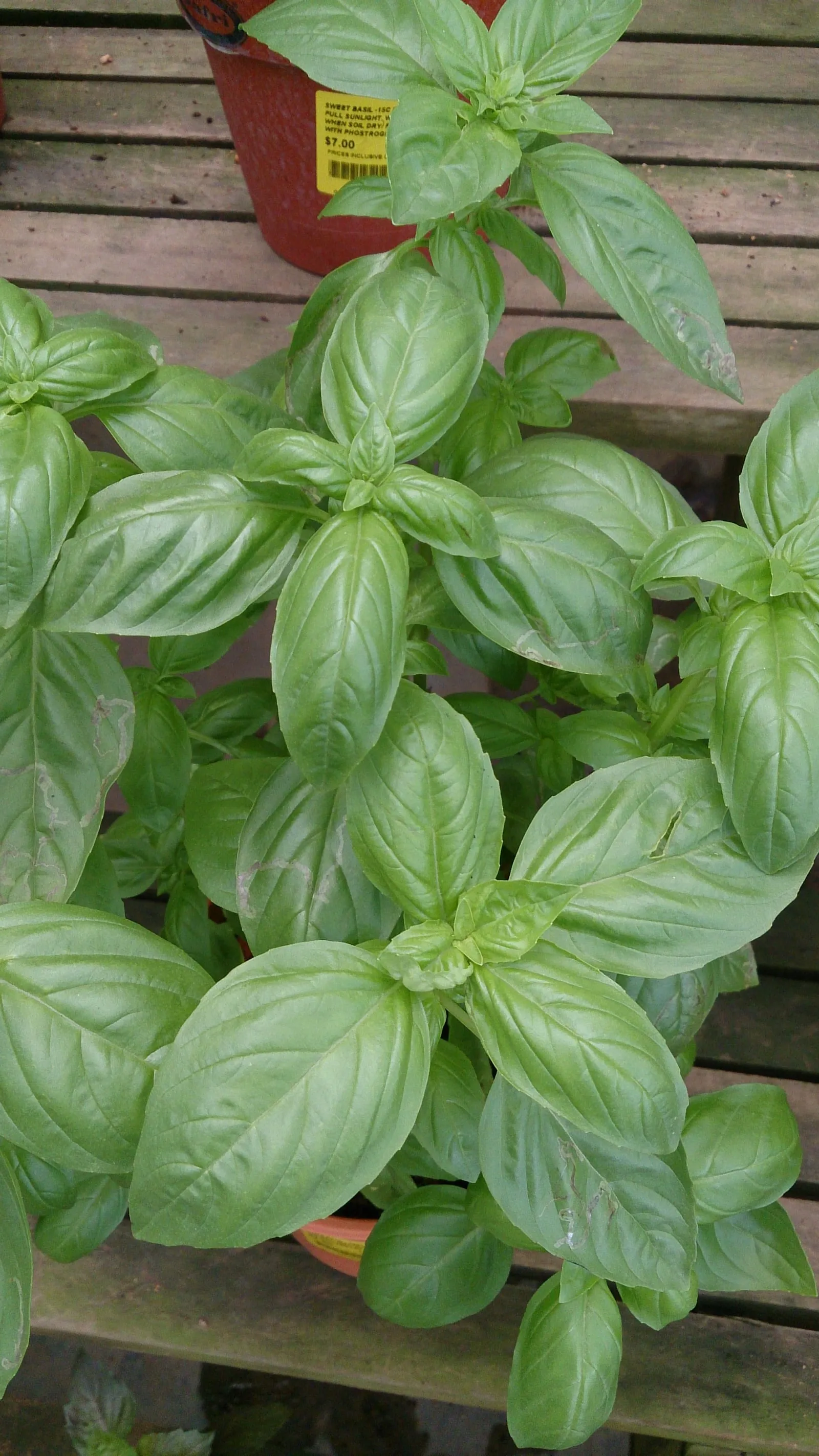
herb
Basil
Ocimum basilicum
USDA hardiness range
- Zones
- 4a–10b
- Days to harvest
- 60 to 80
- Sun
- Full
- Water
- Moderate
- Lifespan
- annual
Growing basil
Basil is a warm-season annual that produces reliably across USDA zones 4a through 10b when timing and heat requirements are met. The plant has no chill-hour requirement; its single non-negotiable demand is frost-free conditions throughout the growing season.
In zones 7 and warmer, the frost-free window is long enough to allow repeated harvests over three to four months. In zones 4 and 5, the season is shorter (roughly 90 to 120 frost-free days in most locations), but basil still produces well if started under cover four to six weeks before the last frost date and transplanted after soil temperatures reach at least 60°F.
Basil struggles where summers are consistently cool and wet. Maritime climates in the Pacific Northwest and northern New England see elevated downy mildew pressure, which can collapse a planting quickly. In those regions, covered growing environments or well-ventilated raised beds with good air circulation make the difference between a productive crop and a diseased one.
The gap between a productive planting and a failed one often comes down to three factors: delaying transplant until the soil is genuinely warm, choosing varieties suited to the available season length, and staying ahead of bolting. Once basil sets flower, essential-oil content in the leaves declines and productivity drops. Pinching flower buds early and often extends the harvest window by several weeks.
Recommended varieties
See all 4 →4 cultivars for home growers, with notes on flavor, ripening, and disease resistance.
| Variety | Notes | Zone fit | Disease resistance |
|---|---|---|---|
| Genovese | Sweet, anise-clove notes, classic Italian basil flavor; large pointed green leaves. Pesto, caprese, fresh on tomatoes, infused oils. The pesto basil standard. | | none noted |
| Thai | Spicy-sweet, anise and licorice notes; narrower leaves with purple stems. Thai curries, pho garnish, stir-fries. Heat-tolerant, more pungent than Italian types. | | none noted |
| Lemon | Bright lemon-citrus notes with classic basil base; small narrow green leaves. Fresh on fish, summer cocktails, fruit salads. Productive, fragrant, kid-friendly. | | none noted |
| Purple Ruffles | Mild basil with peppery clove notes; deep purple ruffled leaves. Fresh, vinegar infusions (color), garnish. AAS winner, ornamental, holds purple in heat. | | none noted |
Soil and site requirements
Basil performs best in loose, well-drained loam with a pH between 6.0 and 7.0. Waterlogged or compacted soil promotes root rot and creates conditions favorable to fusarium wilt. Raised beds and containers offer reliable drainage and tend to warm faster in spring than in-ground beds, which matters in zones 4 through 6 where a delayed transplant can meaningfully shorten the harvest season.
Full sun is not optional. Basil planted in partial shade produces less essential oil, grows more weakly, and is more susceptible to fungal diseases because leaves dry more slowly after rain or irrigation. A minimum of six to eight hours of direct sun daily is standard guidance; more is better in cooler zones.
Spacing at 10 to 12 inches between plants allows adequate air circulation, which is the primary cultural defense against downy mildew. Closer spacing may increase yield per square foot in the short term but creates a microclimate that accelerates disease spread once it arrives.
Warm microclimates (south-facing walls, dark-colored containers, gravel mulch) benefit basil in zones 4 through 6, extending the productive season by a week or two at each end. Avoid low-lying spots where cold air pools on frost-risk nights; even a brief dip to 32°F causes visible foliage damage, and sustained exposure below 50°F stresses plants significantly.
Common diseases
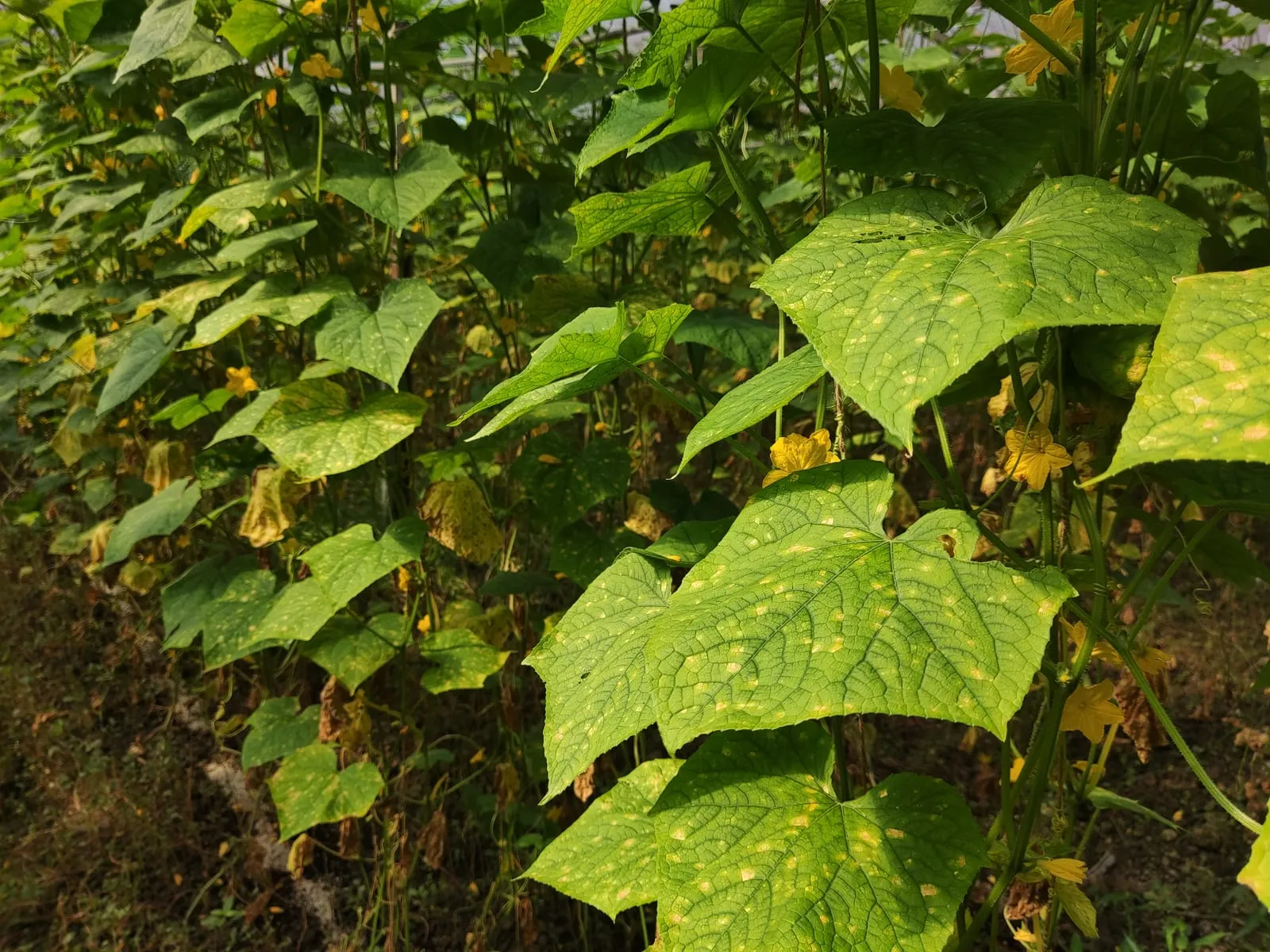
Pseudoperonospora cubensis (cucurbits) and others
Water mold (oomycete, not a true fungus) that thrives in cool damp conditions. Spreads rapidly through cucurbit and brassica plantings on wind-borne spores.
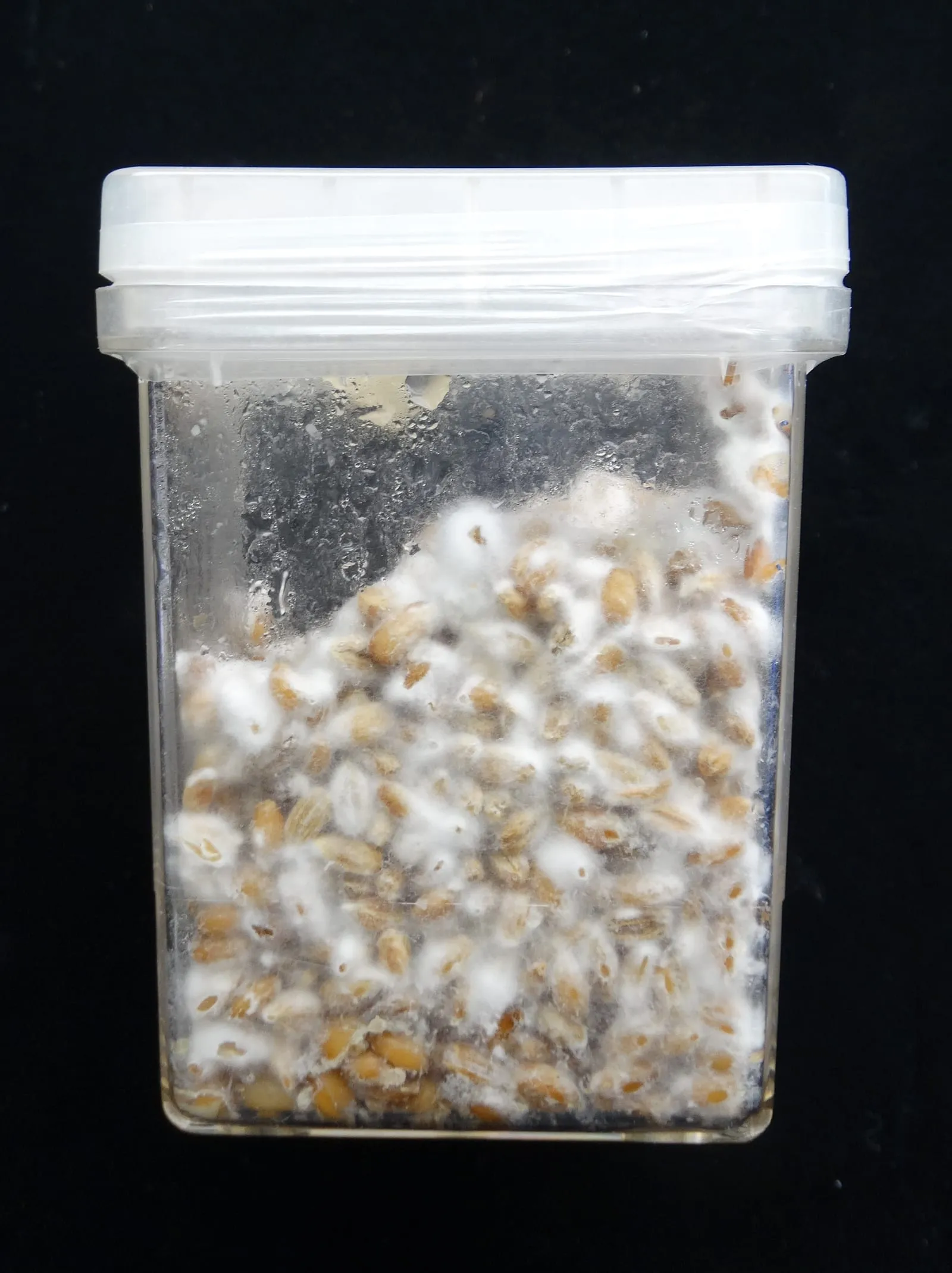
Fusarium oxysporum
Soil-borne fungal disease that plugs vascular tissue and kills affected plants. Persists in soil for many years; impossible to eliminate once established.
Common pests
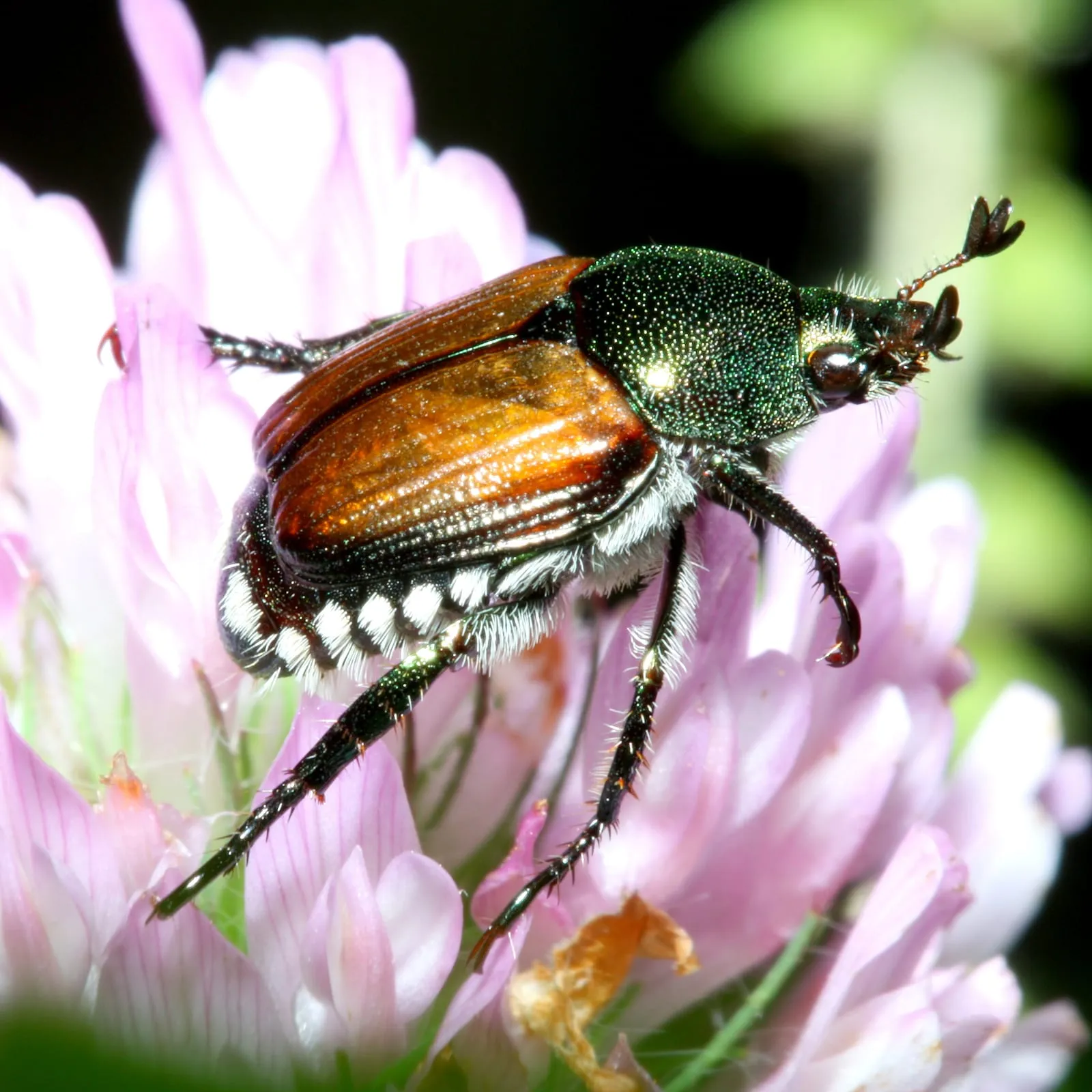
Popillia japonica
Defoliating beetle introduced to North America in 1916. Skeletonizes leaves of many fruit trees, berry canes, and pecan.
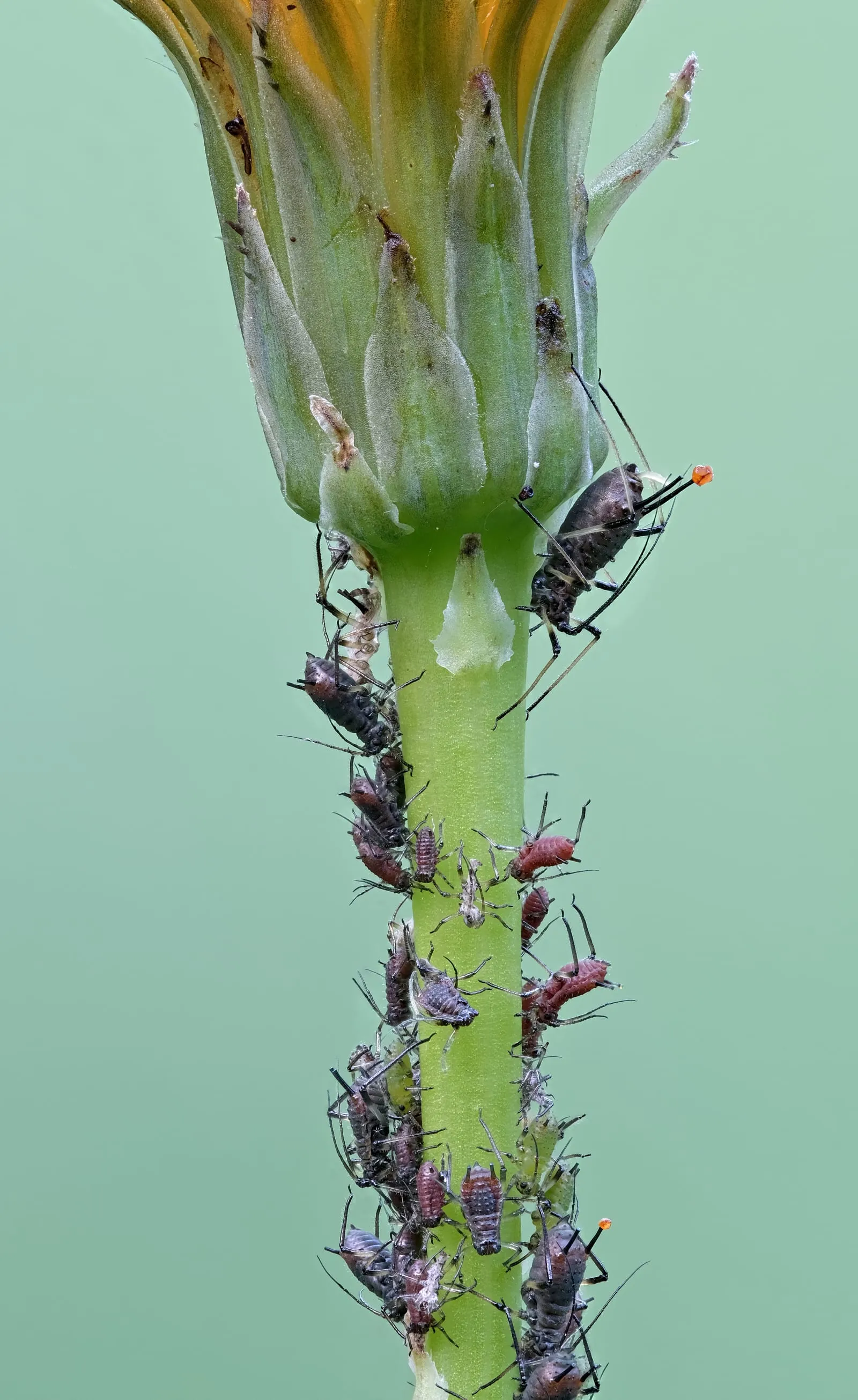
Multiple species (Aphididae)
Small soft-bodied sap-sucking insects that reproduce explosively in spring. Excrete honeydew that supports sooty mold and attracts ants. Transmit viral diseases.
Common challenges
Cold timing errors are the most consistent failure mode in zones 4 through 6. Basil shows damage at 32°F and is stressed by any sustained nighttime temperatures below 50°F. Transplanting into cold soil delays establishment, weakens the root system, and leaves plants vulnerable to secondary problems. Waiting until soil temperatures reach 60°F consistently, and nighttime air temperatures stay reliably above 50°F, eliminates most cold-related losses.
Downy mildew (Peronospora belbahrii) has spread throughout North American basil production since it was first identified in the US in 2007. It appears as yellowing between leaf veins on the upper surface and grayish-purple sporulation on the underside. The disease spreads rapidly in humid, still conditions and can destroy a planting within days once established. Resistant and tolerant varieties exist, including some Genovese types bred specifically for field resistance, and improved air circulation reduces spread. The Cornell Basil Production Guide covers current variety resistance ratings and cultural controls.
Bolting is not a disease but it is the most consistent source of mid-season disappointment. Basil initiates flowering in response to long days and heat stress. Once it bolts, leaf quality and yield decline noticeably. Regular pinching of emerging flower buds, starting when plants reach 6 to 8 inches tall, keeps them in vegetative production and extends the harvest window by several weeks.
Companion plants
Frequently asked questions
- Does basil require chill hours?
No. Basil has no chill-hour requirement. It is a warm-season annual that needs heat, not cold exposure, to perform. The only cold-related consideration is avoiding frost and planting into cold soil below 60°F.
- How many days until first harvest?
Basil typically reaches harvestable size 60 to 80 days from transplant. Pinching the main stem tip once plants reach 6 to 8 inches tall encourages branching and opens a window for ongoing leaf harvest well before the 60-day mark on established plants.
- What zones can grow basil?
Basil grows as an annual across zones 4a through 10b. In zones 9 and 10, mild winters allow plants to persist in sheltered spots, though most growers replant annually. Zones 4 and 5 require earlier indoor starts (four to six weeks before last frost) and careful transplant timing to make full use of the shorter frost-free window.
- Does basil need pollinators to produce?
Basil is self-fertile and requires no pollinators for leaf production. Flowering is actually undesirable for culinary use, as it triggers a decline in leaf quality and essential-oil content. Growers remove flower buds as they appear to extend the vegetative harvest window.
- What is the most common basil disease?
Downy mildew (Peronospora belbahrii) is the most widespread basil disease in North America. It appears as yellowing on leaf upper surfaces with gray-purple sporulation beneath, and spreads rapidly in humid conditions. Resistant varieties and good air circulation are the primary defenses. Fusarium wilt is a secondary concern, most common in poorly drained soils.
- Can basil handle heat and humidity?
Basil tolerates high heat well; it is a Mediterranean crop and performs reliably in zone 9 and 10 summers. Humidity combined with poor air circulation and overhead watering is the real problem, as those conditions drive downy mildew spread. Thai varieties are generally more heat-tolerant and more resistant to disease pressure than Genovese types.
- When should basil be transplanted outdoors?
Transplant after the last frost date when soil temperatures have reached at least 60°F. In zones 4 and 5, this typically falls between mid-May and early June depending on location. Starting seeds indoors four to six weeks before the target transplant date gives plants a useful head start on the short season.
+−
+−
+−
+−
+−
+−
+−
Sources
Image: "Sweet Basil (Ocimum basilicum)", by Mokkie, via Wikimedia Commons, licensed under CC-BY. Source.
.jpg)
Basil by zone
Related