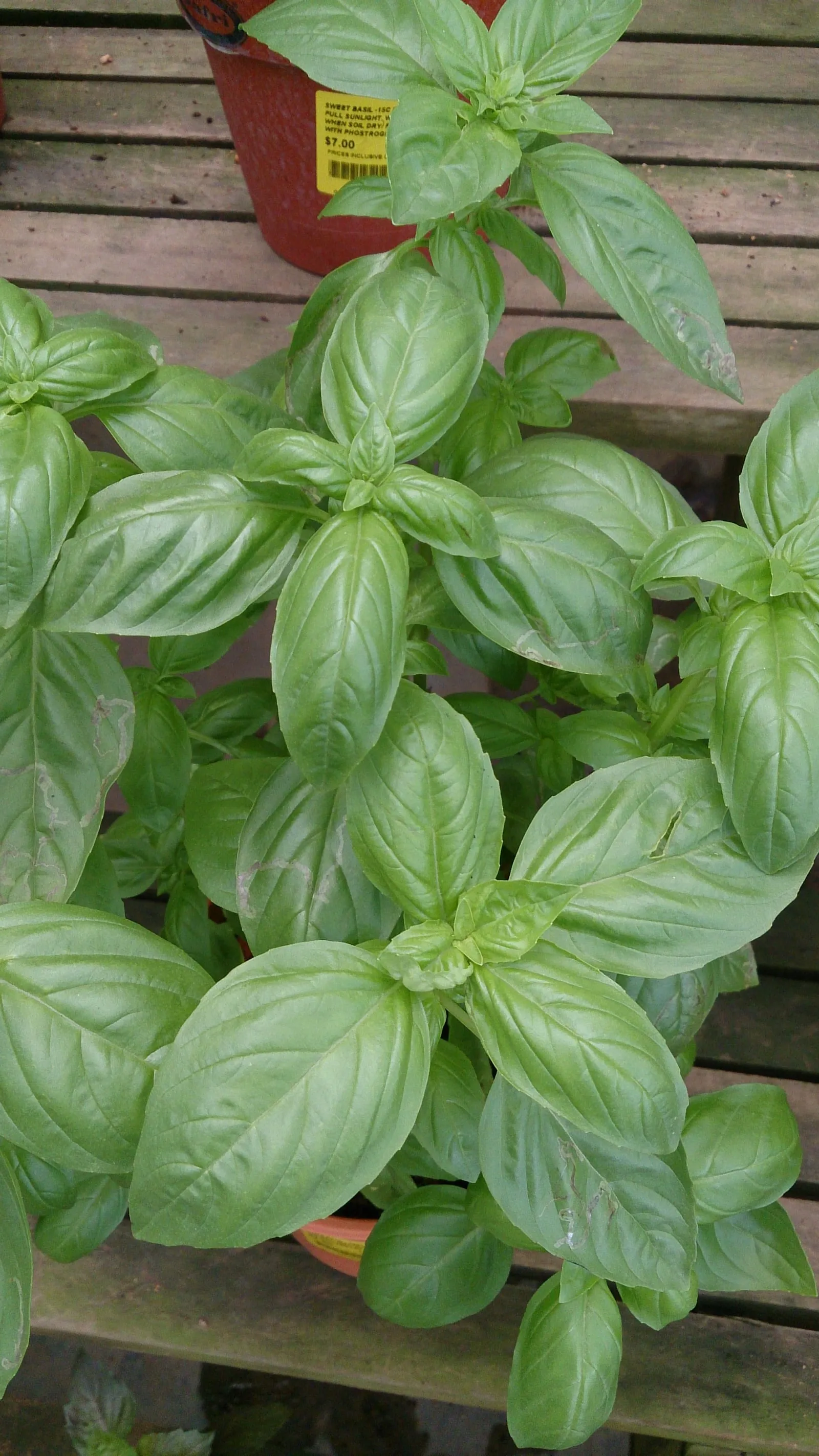
herb in zone 7a
Growing basil in zone 7a
Ocimum basilicum
- Zone
- 7a 0°F to 5°F
- Growing season
- 210 days
- Suitable varieties
- 4
- Days to harvest
- 60 to 80
The verdict
Basil is a warm-season annual, and zone 7a's 210-day growing season gives it ample time to establish, produce, and set seed before frost. Chill-hour requirements, a constraint for perennial fruit trees, are not relevant to basil; what matters is consistent warmth above 50°F and freedom from frost. Zone 7a delivers both reliably from late April through mid-October. This is a sweet spot for basil, not a marginal zone.
The primary limitation is not cold but disease: zone 7a's high humidity creates favorable conditions for downy mildew (Peronospora belbahrii), which has become a persistent threat to basil production across the mid-Atlantic and Southeast. Varieties like Genovese perform well here but need attentive airflow management and regular scouting. Thai and Purple Ruffles show somewhat better field tolerance to downy mildew under humid conditions and are worth considering as a hedge against heavy pressure years.
Recommended varieties for zone 7a
4 cultivars suited to this zone, with disease-resistance and zone-fit annotations.
| Variety | Notes | Zone fit | Disease resistance |
|---|---|---|---|
| Genovese fits zone 7a | Sweet, anise-clove notes, classic Italian basil flavor; large pointed green leaves. Pesto, caprese, fresh on tomatoes, infused oils. The pesto basil standard. | | none noted |
| Thai fits zone 7a | Spicy-sweet, anise and licorice notes; narrower leaves with purple stems. Thai curries, pho garnish, stir-fries. Heat-tolerant, more pungent than Italian types. | | none noted |
| Lemon fits zone 7a | Bright lemon-citrus notes with classic basil base; small narrow green leaves. Fresh on fish, summer cocktails, fruit salads. Productive, fragrant, kid-friendly. | | none noted |
| Purple Ruffles fits zone 7a | Mild basil with peppery clove notes; deep purple ruffled leaves. Fresh, vinegar infusions (color), garnish. AAS winner, ornamental, holds purple in heat. | | none noted |
Critical timing for zone 7a
Basil should not go into the ground until soil temperatures reach at least 60°F, typically mid to late April in zone 7a after the average last frost has passed. Starting seed indoors 4 to 6 weeks before transplant date, roughly early to mid-March, gets plants to usable size sooner.
Bolting begins when heat and day length accumulate in midsummer, usually mid-July through August in this zone. Regular pinching of flower spikes delays but does not prevent the transition. Peak leaf production runs from late May through early July. The first fall frost, typically mid-October in zone 7a, ends the outdoor season abruptly; basil has no cold hardiness and blackens at or near 32°F.
Common challenges in zone 7a
- ▸ Cedar-apple rust
- ▸ Brown rot
- ▸ Fire blight
- ▸ High humidity disease pressure
Disease pressure to watch for
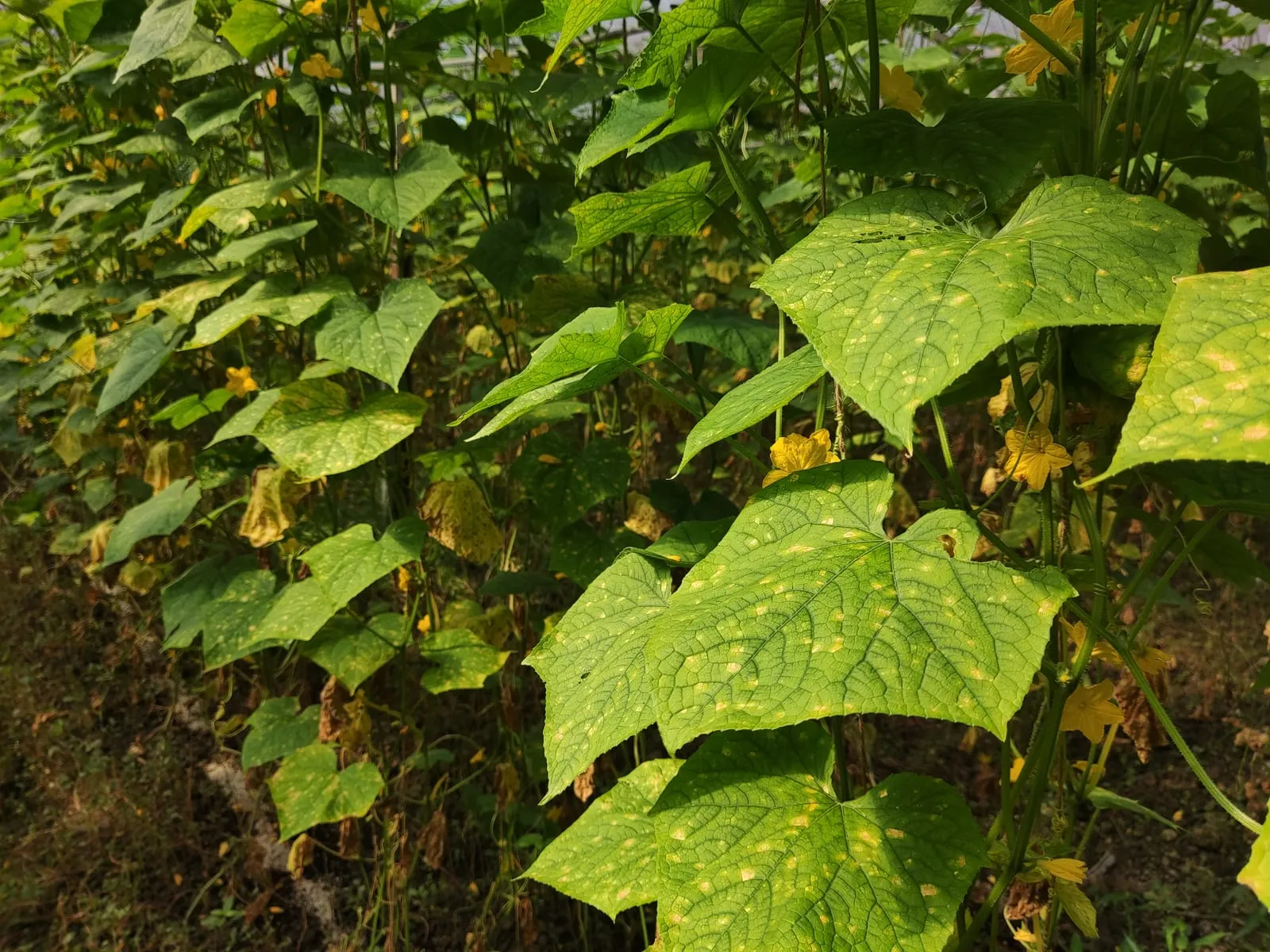
Pseudoperonospora cubensis (cucurbits) and others
Water mold (oomycete, not a true fungus) that thrives in cool damp conditions. Spreads rapidly through cucurbit and brassica plantings on wind-borne spores.
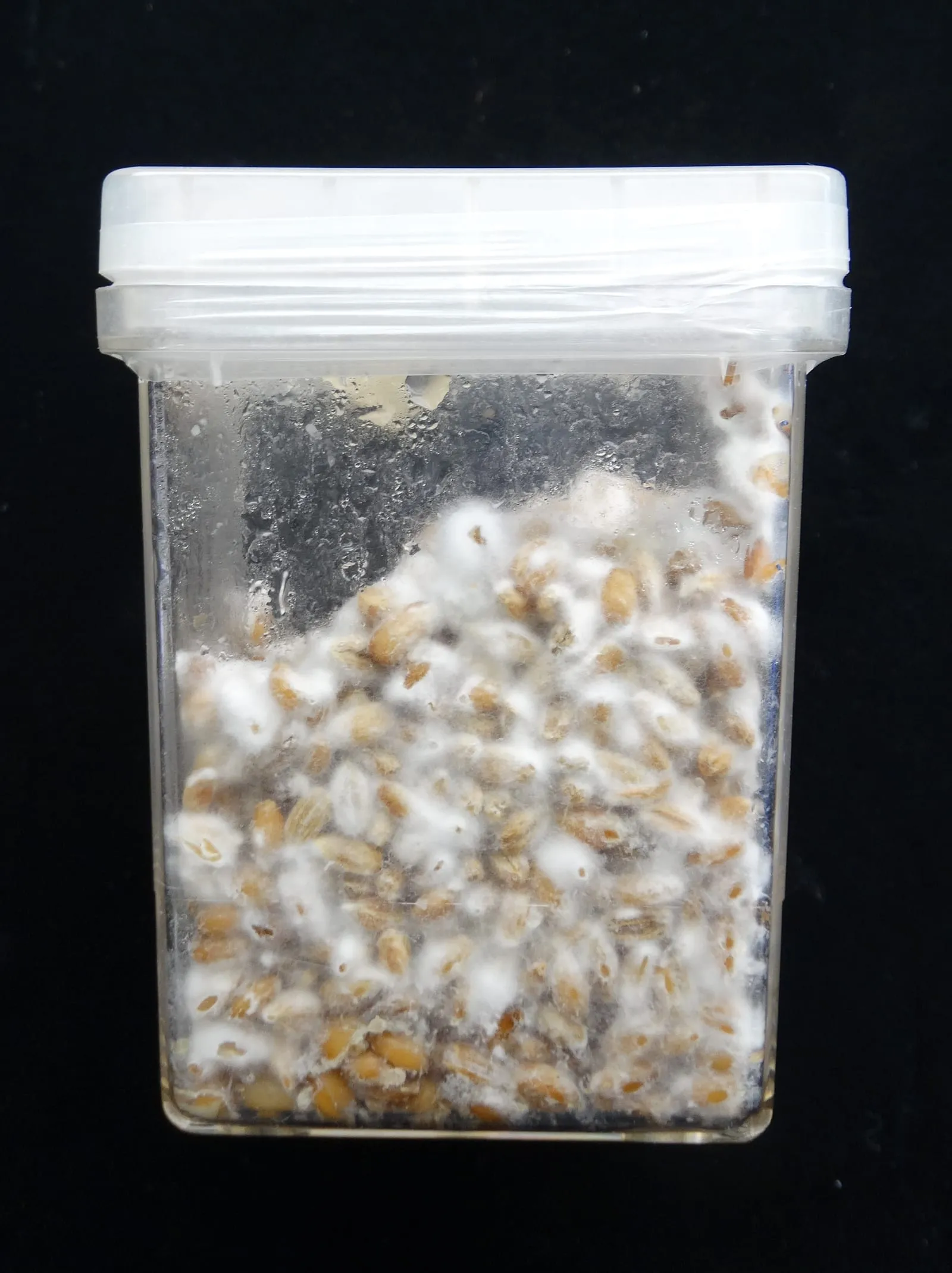
Fusarium oxysporum
Soil-borne fungal disease that plugs vascular tissue and kills affected plants. Persists in soil for many years; impossible to eliminate once established.
Modified care for zone 7a
The most important adaptation in zone 7a is managing downy mildew, which spreads rapidly under the warm, humid summer conditions typical of the region. Space plants at least 12 inches apart to maximize airflow, water at the base rather than overhead, and scout weekly for the gray-purple spore layer on leaf undersides that signals active infection. Remove and dispose of infected material rather than composting it.
Fusarium wilt (Fusarium oxysporum f. sp. basilici) is soil-borne and can persist for several seasons; rotating basil out of beds with a prior infection history for at least three seasons reduces recurrence. Zone 7a summers regularly push daytime temperatures above 90°F in July and August; while basil tolerates heat, some afternoon shade during the hottest weeks reduces stress and slows bolting marginally.
Frequently asked questions
- Can basil survive winter in zone 7a?
Basil is a frost-tender annual with no cold hardiness. Zone 7a winters regularly drop to 0 to 5°F, far below basil's tolerance. Plants blacken and die at the first frost, typically mid-October. Potted plants brought indoors before night temperatures fall below 50°F can continue producing through winter on a sunny windowsill.
- Which basil variety holds up best to downy mildew in zone 7a?
No widely available variety is fully immune, but Thai and Purple Ruffles show better field tolerance than Genovese under humid conditions. Some resistance-focused Genovese selections are available; check current seed catalog disease ratings, as resistant varieties change year to year as breeders respond to pathogen shifts.
- When should basil be transplanted outdoors in zone 7a?
After the average last frost, typically mid to late April. Soil temperature should be at or above 60°F before transplanting; cold soil stunts growth even when air temperatures are frost-free, and chilling injury can set plants back by two to three weeks.
+−
+−
+−
Basil in adjacent zones
Image: "Sweet Basil (Ocimum basilicum)", by Mokkie, via Wikimedia Commons, licensed under CC-BY Source.
.jpg)
Related