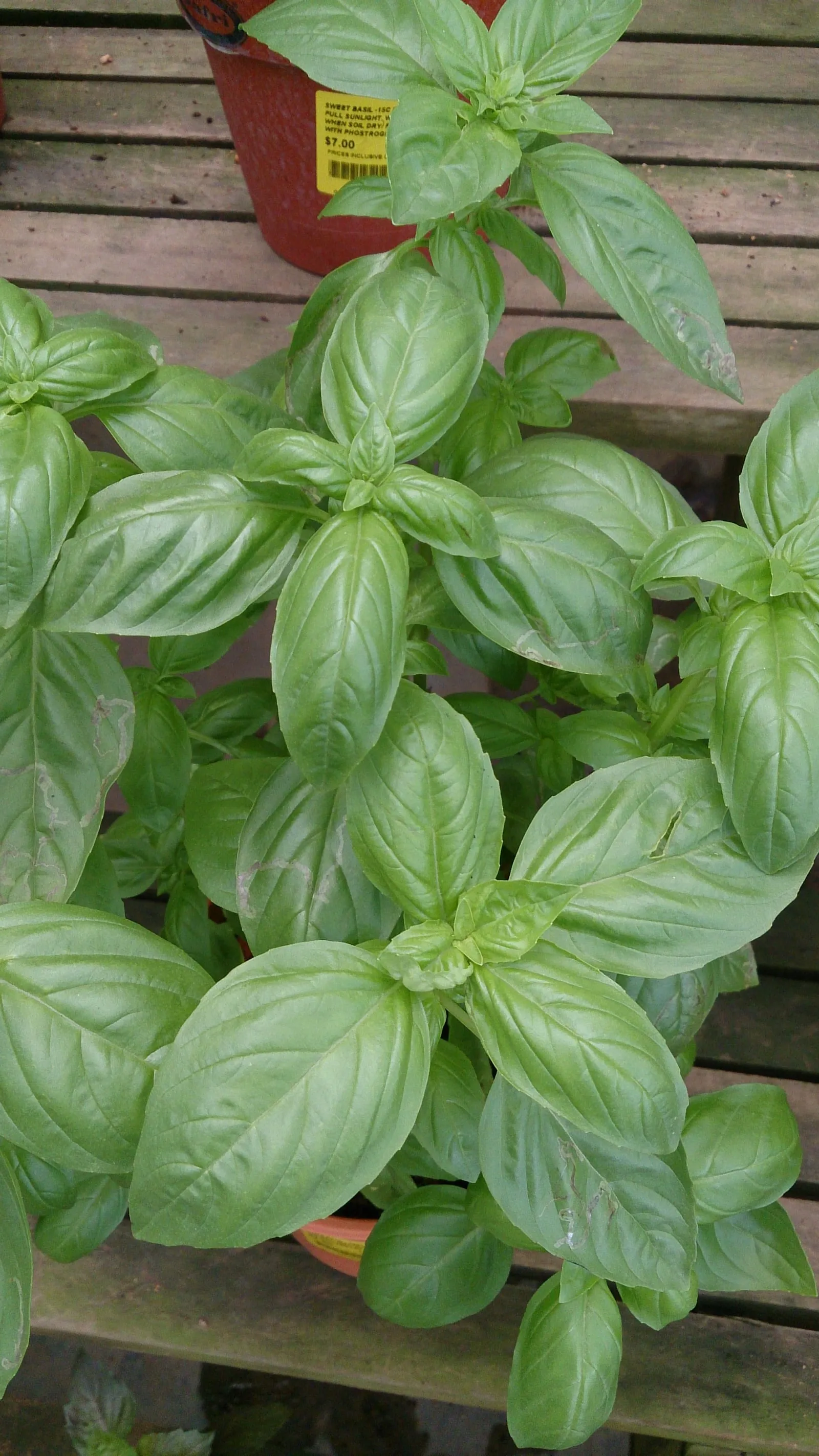
herb in zone 7b
Growing basil in zone 7b
Ocimum basilicum
- Zone
- 7b 5°F to 10°F
- Growing season
- 220 days
- Suitable varieties
- 4
- Days to harvest
- 60 to 80
The verdict
Zone 7b is a reliable growing zone for basil, not a marginal one. Unlike fruit crops, basil carries no chill-hour requirement. It is a frost-tender annual that wants warm soil, high temperatures, and a long frost-free window. Zone 7b's 220-day growing season comfortably exceeds what basil needs, and the piedmont's summer heat, regularly pushing above 90°F, drives the rapid foliar growth that makes multiple succession plantings practical in a single season.
The one genuine limitation is humidity. Zone 7b's wet summer pattern creates favorable conditions for downy mildew (Peronospora belbahrii), which has become the primary disease constraint on basil production in the mid-Atlantic and Southeast since its spread through commercial channels in the 2000s. Growers in drier climates rarely manage this disease aggressively; zone 7b growers need to from the start. That caveat aside, basil thrives here.
Recommended varieties for zone 7b
4 cultivars suited to this zone, with disease-resistance and zone-fit annotations.
| Variety | Notes | Zone fit | Disease resistance |
|---|---|---|---|
| Genovese fits zone 7b | Sweet, anise-clove notes, classic Italian basil flavor; large pointed green leaves. Pesto, caprese, fresh on tomatoes, infused oils. The pesto basil standard. | | none noted |
| Thai fits zone 7b | Spicy-sweet, anise and licorice notes; narrower leaves with purple stems. Thai curries, pho garnish, stir-fries. Heat-tolerant, more pungent than Italian types. | | none noted |
| Lemon fits zone 7b | Bright lemon-citrus notes with classic basil base; small narrow green leaves. Fresh on fish, summer cocktails, fruit salads. Productive, fragrant, kid-friendly. | | none noted |
| Purple Ruffles fits zone 7b | Mild basil with peppery clove notes; deep purple ruffled leaves. Fresh, vinegar infusions (color), garnish. AAS winner, ornamental, holds purple in heat. | | none noted |
Critical timing for zone 7b
Last frost in zone 7b falls between late March and mid-April for most piedmont and coastal plain sites, with higher-elevation or inland locations running slightly later. Basil transplants go out after that window closes. Cold soil below 60°F stalls establishment and pushes plants toward early flowering rather than leaf production.
Direct sowing outdoors is workable from late April onward. Growth accelerates through May and June; leaf harvest begins 3 to 4 weeks after transplanting, once plants reach 6 to 8 inches. Flower stalks emerge in July and August, and pinching them weekly extends productive harvest through the hottest stretch. First frost arrives mid-October to early November across most of zone 7b, which signals the end of the outdoor season. A late-September harvest of remaining stems, before nighttime temperatures drop into the low 40s, captures more usable leaf than waiting for a hard frost.
Common challenges in zone 7b
- ▸ Cedar-apple rust pressure heavy in piedmont
- ▸ Japanese beetles
- ▸ Brown marmorated stink bug
- ▸ Late summer disease pressure
Disease pressure to watch for
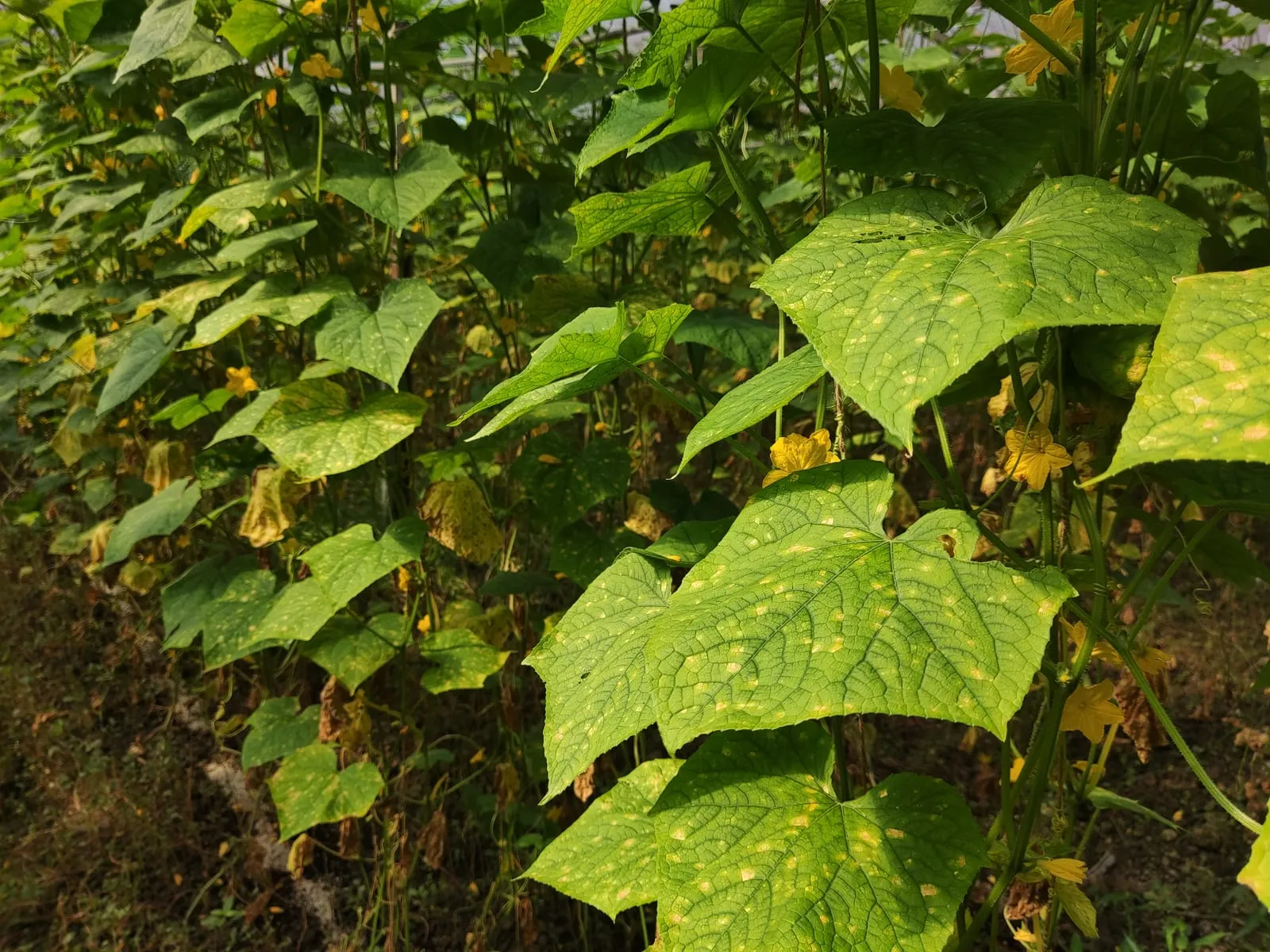
Pseudoperonospora cubensis (cucurbits) and others
Water mold (oomycete, not a true fungus) that thrives in cool damp conditions. Spreads rapidly through cucurbit and brassica plantings on wind-borne spores.
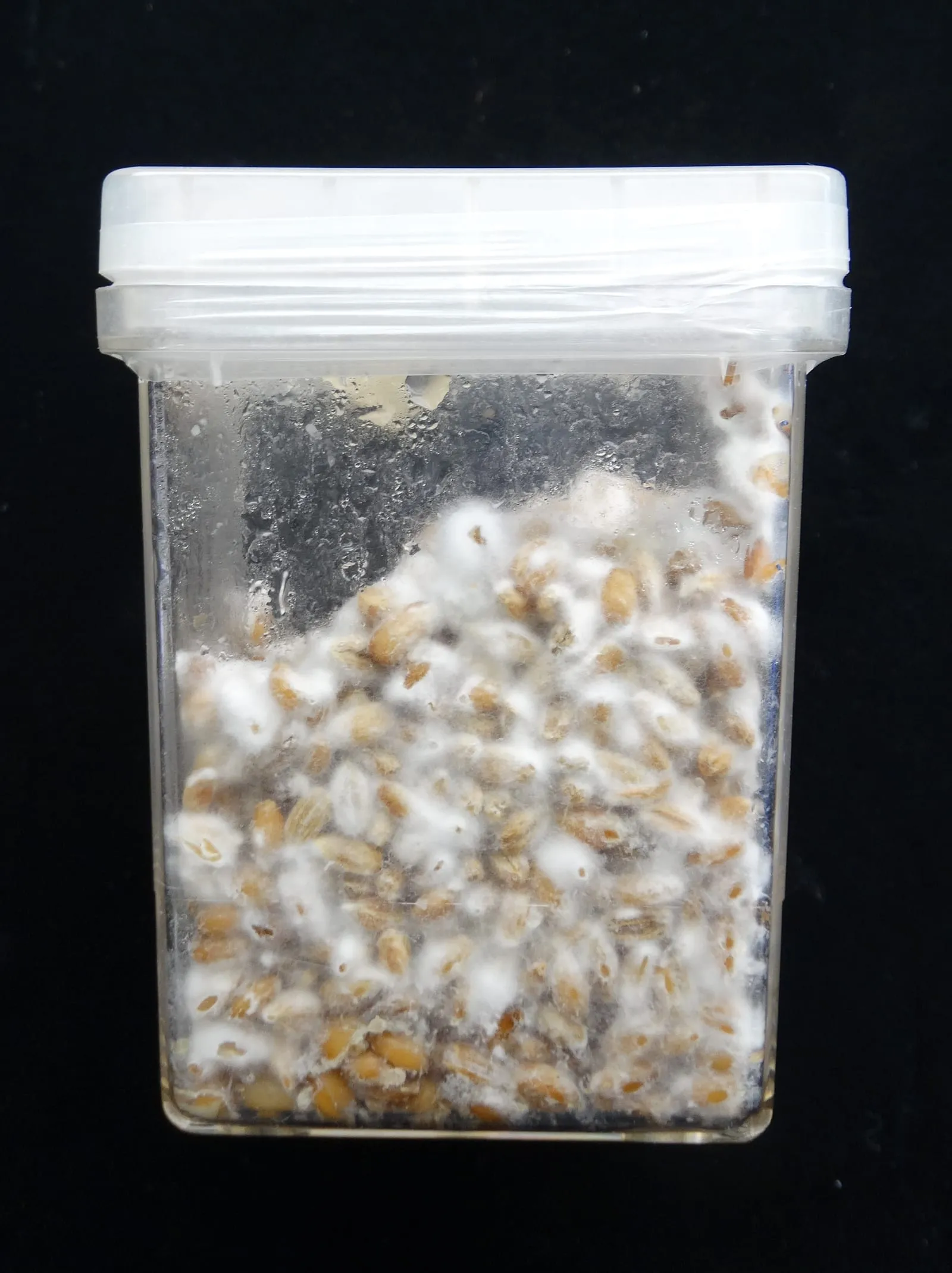
Fusarium oxysporum
Soil-borne fungal disease that plugs vascular tissue and kills affected plants. Persists in soil for many years; impossible to eliminate once established.
Modified care for zone 7b
The most important adjustment for zone 7b is proactive downy mildew management. Overhead watering should be avoided entirely; drip irrigation or hand-watering at the base keeps foliage dry during the evening hours when infection risk is highest. Plant spacing of 18 inches or more promotes airflow and reduces the leaf wetness periods that favor Peronospora belbahrii. Among common varieties, Genovese shows the greatest susceptibility; Lemon and Thai types carry better field tolerance under humid conditions.
Japanese beetles feed on basil foliage from late June through August, and brown marmorated stink bugs cause puncture damage in mid- to late summer. Neither typically causes crop-level losses in a home planting, but weekly scouting keeps numbers manageable. At sites where afternoon temperatures regularly exceed 95°F, a 30% shade cloth installed in July slows bolting and extends the productive harvest window by two to three weeks.
Frequently asked questions
- Does basil overwinter in zone 7b?
No. Basil is a frost-tender annual and will not survive zone 7b winters outdoors. Even a brief dip to 32°F kills the above-ground plant, and the roots do not regenerate in spring. Treat it as a new planting each season, or overwinter rooted cuttings in a warm indoor location.
- When should basil seeds be started indoors in zone 7b?
Starting seeds 4 to 6 weeks before the last frost date puts the indoor start window in mid-February to early March for most zone 7b locations. Bottom heat of 70 to 75°F improves germination speed. Harden transplants for 5 to 7 days before setting them outdoors.
- Why does basil develop yellow leaves in zone 7b summers?
Yellowing on lower leaves during humid stretches is a common early sign of downy mildew (Peronospora belbahrii), which spreads rapidly in zone 7b's wet summer conditions. Fusarium wilt can produce similar symptoms alongside wilting stems. Remove affected growth promptly, improve airflow, and switch to base watering if overhead irrigation is in use.
- Which basil variety performs best in zone 7b's heat and humidity?
Thai and Lemon basil both show better field tolerance to downy mildew than standard Genovese types under humid mid-Atlantic conditions. Purple Ruffles is ornamentally useful but similarly susceptible to mildew. For culinary Genovese types, disease management practices matter more than variety selection.
+−
+−
+−
+−
Basil in adjacent zones
Image: "Sweet Basil (Ocimum basilicum)", by Mokkie, via Wikimedia Commons, licensed under CC-BY Source.
.jpg)
Related