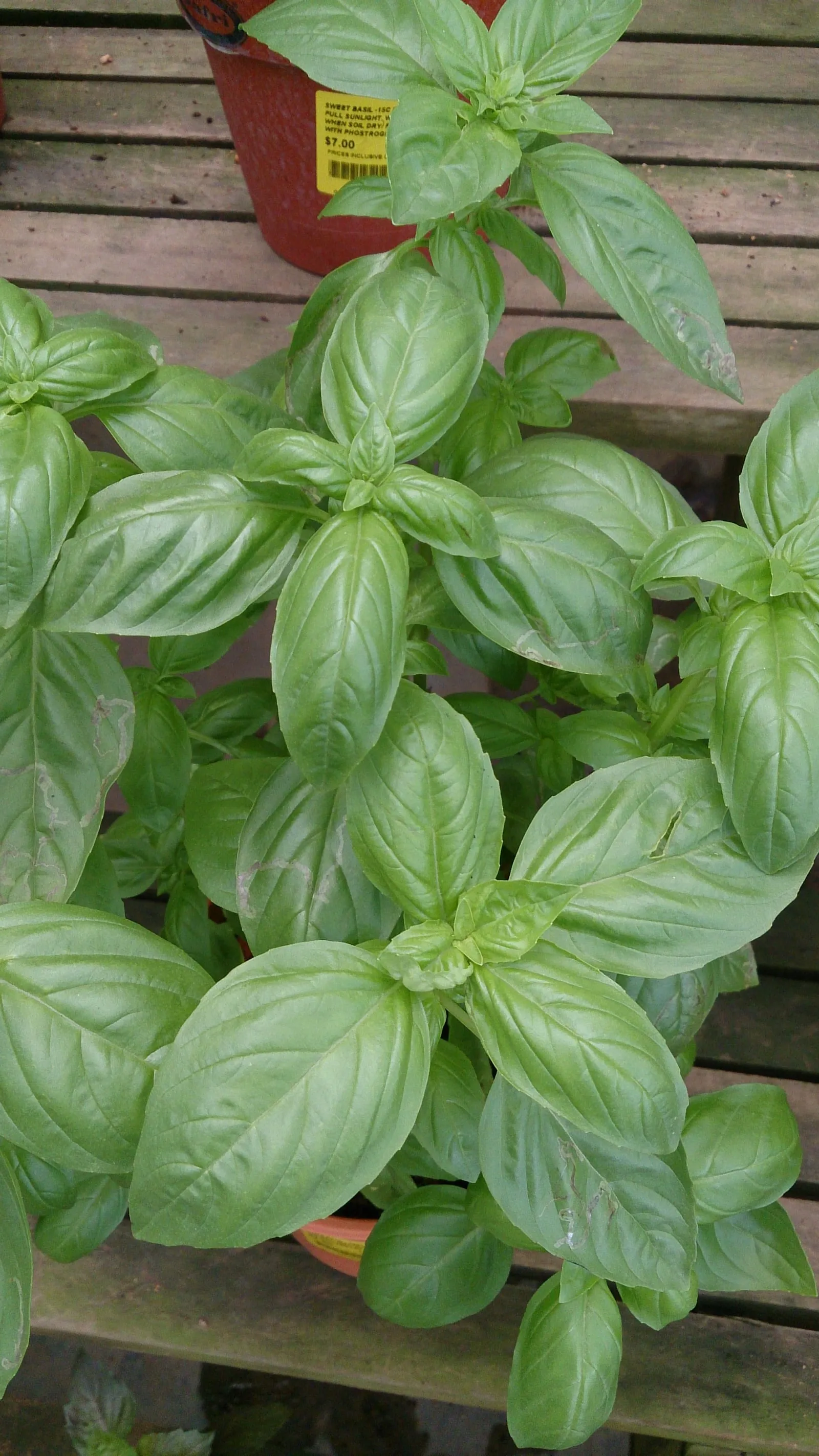
herb in zone 8a
Growing basil in zone 8a
Ocimum basilicum
- Zone
- 8a 10°F to 15°F
- Growing season
- 240 days
- Suitable varieties
- 4
- Days to harvest
- 60 to 80
The verdict
Basil is a warm-season annual with no chill-hour requirement, so zone 8a's 240-day growing season is a genuine advantage rather than a constraint. The crop needs soil temperatures above 60°F to germinate reliably and collapses at the first hard frost, making zone 8a's 10-15°F winter minimum largely irrelevant to its in-season performance. What matters is summer warmth, and zone 8a delivers it reliably.
Genovese, Thai, Lemon, and Purple Ruffles all perform well across the zone. The primary concern runs in the opposite direction from marginal cold: prolonged heat above 90°F accelerates bolting and compresses the harvestable window unless flower heads are managed consistently. Zone 8a sits firmly in basil's preferred climate range. Disease pressure from warm, humid conditions is the more limiting factor than any temperature mismatch.
Recommended varieties for zone 8a
4 cultivars suited to this zone, with disease-resistance and zone-fit annotations.
| Variety | Notes | Zone fit | Disease resistance |
|---|---|---|---|
| Genovese fits zone 8a | Sweet, anise-clove notes, classic Italian basil flavor; large pointed green leaves. Pesto, caprese, fresh on tomatoes, infused oils. The pesto basil standard. | | none noted |
| Thai fits zone 8a | Spicy-sweet, anise and licorice notes; narrower leaves with purple stems. Thai curries, pho garnish, stir-fries. Heat-tolerant, more pungent than Italian types. | | none noted |
| Lemon fits zone 8a | Bright lemon-citrus notes with classic basil base; small narrow green leaves. Fresh on fish, summer cocktails, fruit salads. Productive, fragrant, kid-friendly. | | none noted |
| Purple Ruffles fits zone 8a | Mild basil with peppery clove notes; deep purple ruffled leaves. Fresh, vinegar infusions (color), garnish. AAS winner, ornamental, holds purple in heat. | | none noted |
Critical timing for zone 8a
In zone 8a, the last spring frost typically falls between mid-March and early April. Transplants can go outdoors once soil temperatures reach 60°F, generally early to mid-April depending on the specific location within the zone. Direct-seeded crops germinate in 7 to 14 days under warm soil and catch up to transplants quickly.
Bolting begins as days lengthen and heat intensifies, usually July through August. Consistent pinching of flower heads delays this but does not prevent it. Harvestable windows run roughly May through October, with peak production in late spring and early summer before heat-driven bolting becomes difficult to suppress. A second direct sowing in late June can extend fresh harvest into fall. First fall frost arrives around mid-November in most of zone 8a, ending the season.
Common challenges in zone 8a
- ▸ Insufficient chill hours for some apple varieties
- ▸ Pierce's disease in grapes
- ▸ Heat stress on cool-season crops
Disease pressure to watch for
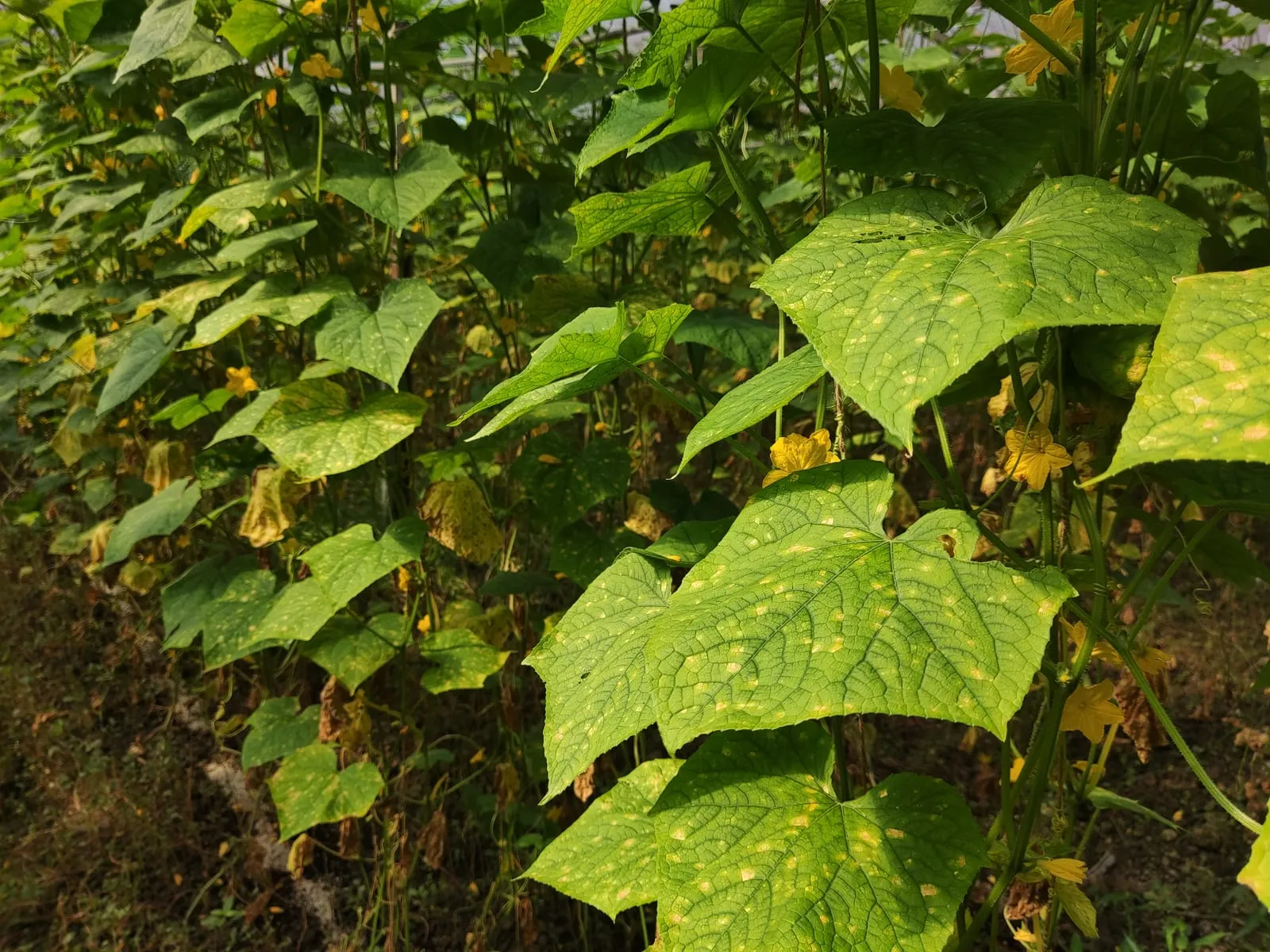
Pseudoperonospora cubensis (cucurbits) and others
Water mold (oomycete, not a true fungus) that thrives in cool damp conditions. Spreads rapidly through cucurbit and brassica plantings on wind-borne spores.
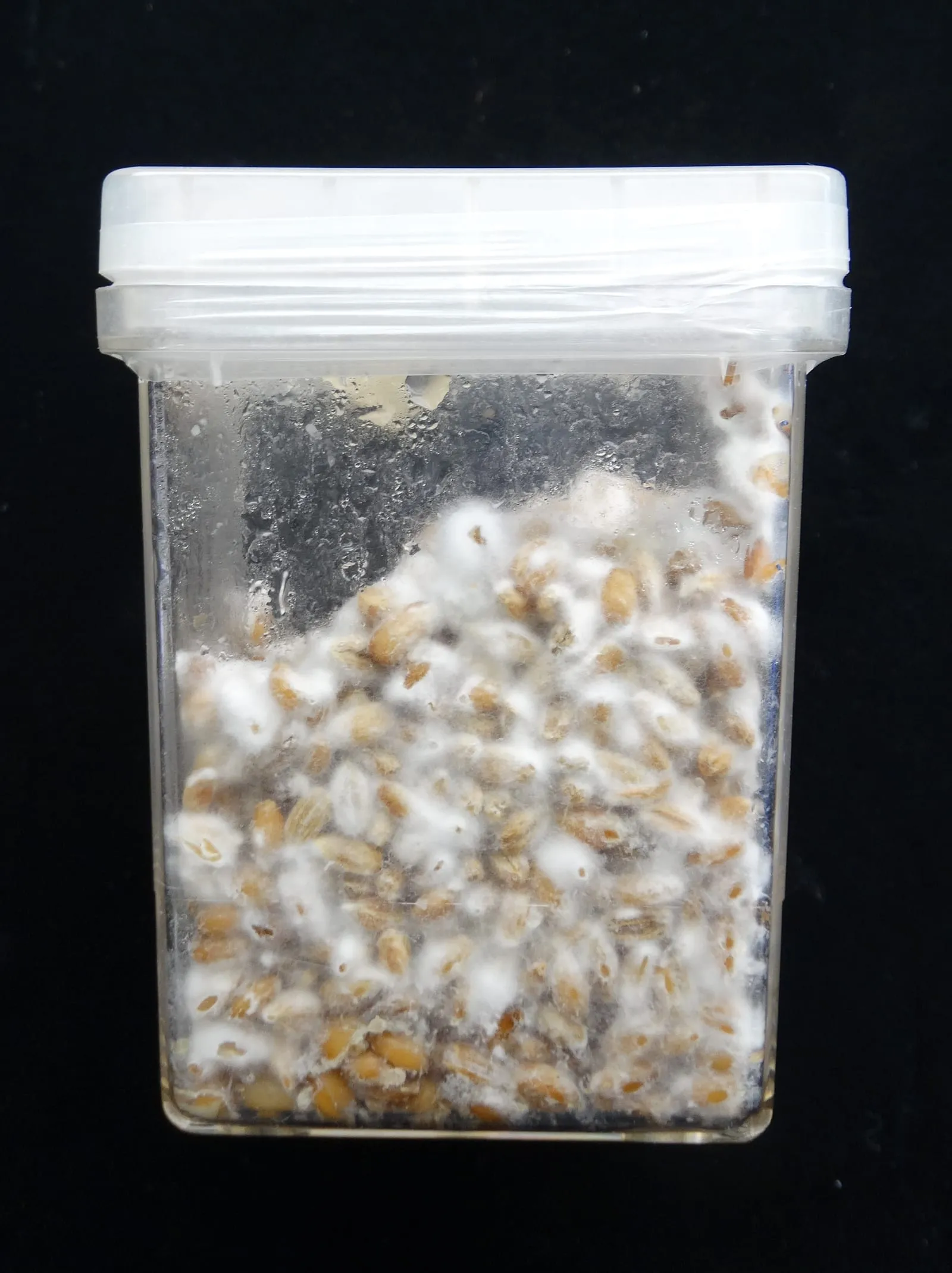
Fusarium oxysporum
Soil-borne fungal disease that plugs vascular tissue and kills affected plants. Persists in soil for many years; impossible to eliminate once established.
Modified care for zone 8a
The primary adjustment in zone 8a is managing heat-driven bolting. Afternoon shade, whether from a taller companion plant or a 30-percent shade cloth, can reduce mid-summer stress and extend the harvest window by two to three weeks. Pinching flower heads every week or two is the main practical lever for longevity through the long growing season.
Downy mildew is the more pressing disease risk in humid zone 8a summers. Spacing plants 12 to 18 inches apart, watering at the base rather than overhead, and maintaining good air circulation provide meaningful control. Fusarium wilt persists in soil, so rotating basil to a new bed each season reduces inoculum buildup over time. Both diseases have partially resistant varieties available; checking current trial results from regional university extension programs before selecting seed is worthwhile, as pathotype distribution shifts and resistant selections evolve.
Basil in adjacent zones
Image: "Sweet Basil (Ocimum basilicum)", by Mokkie, via Wikimedia Commons, licensed under CC-BY Source.
.jpg)
Related