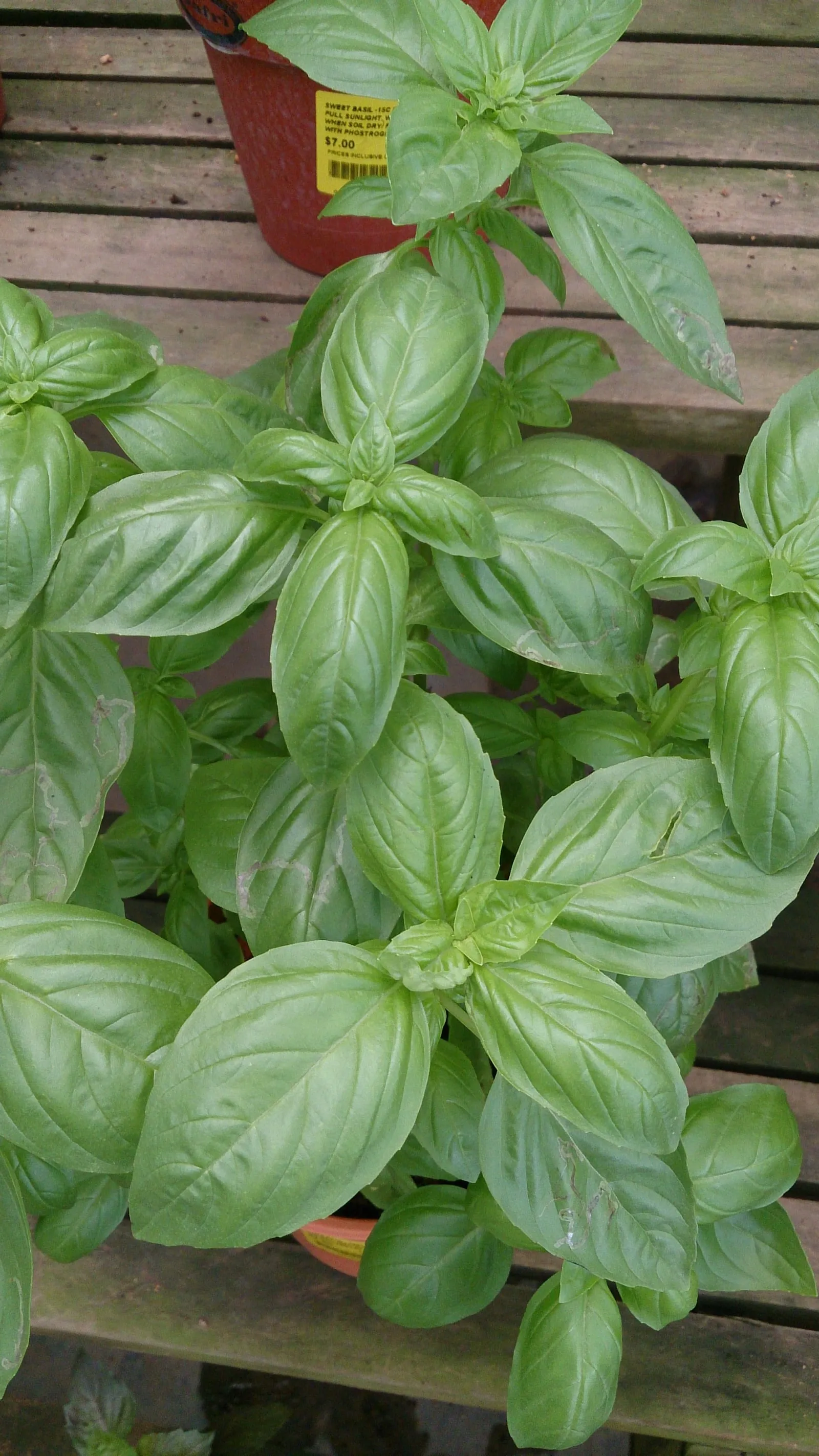
herb in zone 8b
Growing basil in zone 8b
Ocimum basilicum
- Zone
- 8b 15°F to 20°F
- Growing season
- 260 days
- Suitable varieties
- 4
- Days to harvest
- 60 to 80
The verdict
Zone 8b is a reliable sweet spot for basil. As a frost-sensitive tropical annual, basil has no chill-hour requirement, so the zone's 15 to 20°F winter minimum is irrelevant to performance; the crop simply doesn't overwinter. What matters is the other end of the calendar: a 260-day growing season gives basil ample time for multiple successions and generous vegetative growth before fall temperatures trigger senescence.
All four varieties listed for zone 8b, Genovese, Thai, Lemon, and Purple Ruffles, handle the region's prolonged summer heat reasonably well, though Genovese can bolt faster when daytime highs exceed 95°F for extended stretches. The zone's humidity creates more downy mildew pressure than drier climates face, which is the primary reason zone 8b carries any qualification at all. In terms of climate fit, this is not a marginal zone for basil; disease management, not temperature tolerance, is the limiting factor.
Recommended varieties for zone 8b
4 cultivars suited to this zone, with disease-resistance and zone-fit annotations.
| Variety | Notes | Zone fit | Disease resistance |
|---|---|---|---|
| Genovese fits zone 8b | Sweet, anise-clove notes, classic Italian basil flavor; large pointed green leaves. Pesto, caprese, fresh on tomatoes, infused oils. The pesto basil standard. | | none noted |
| Thai fits zone 8b | Spicy-sweet, anise and licorice notes; narrower leaves with purple stems. Thai curries, pho garnish, stir-fries. Heat-tolerant, more pungent than Italian types. | | none noted |
| Lemon fits zone 8b | Bright lemon-citrus notes with classic basil base; small narrow green leaves. Fresh on fish, summer cocktails, fruit salads. Productive, fragrant, kid-friendly. | | none noted |
| Purple Ruffles fits zone 8b | Mild basil with peppery clove notes; deep purple ruffled leaves. Fresh, vinegar infusions (color), garnish. AAS winner, ornamental, holds purple in heat. | | none noted |
Critical timing for zone 8b
In zone 8b, the last spring frost typically falls between mid-February and late March depending on location. Direct sowing outdoors becomes viable once soil temperatures reach 60°F, generally March to early April. Transplants started indoors 4 to 6 weeks before last frost can go out slightly earlier under row cover.
Basil plants begin flowering 6 to 8 weeks after transplant, accelerated by the heat of a zone 8b summer. Flower stalks appear from June onward; regular pinching extends productive leaf harvest into October. The first fall frost in zone 8b arrives roughly in November, giving growers a harvest window of 6 to 7 months from a single spring planting. A second succession sown in late July or early August will produce fresh growth through late fall.
Common challenges in zone 8b
- ▸ Low chill hours limit apple variety selection
- ▸ Citrus greening risk
- ▸ Nematodes in sandy soils
Disease pressure to watch for
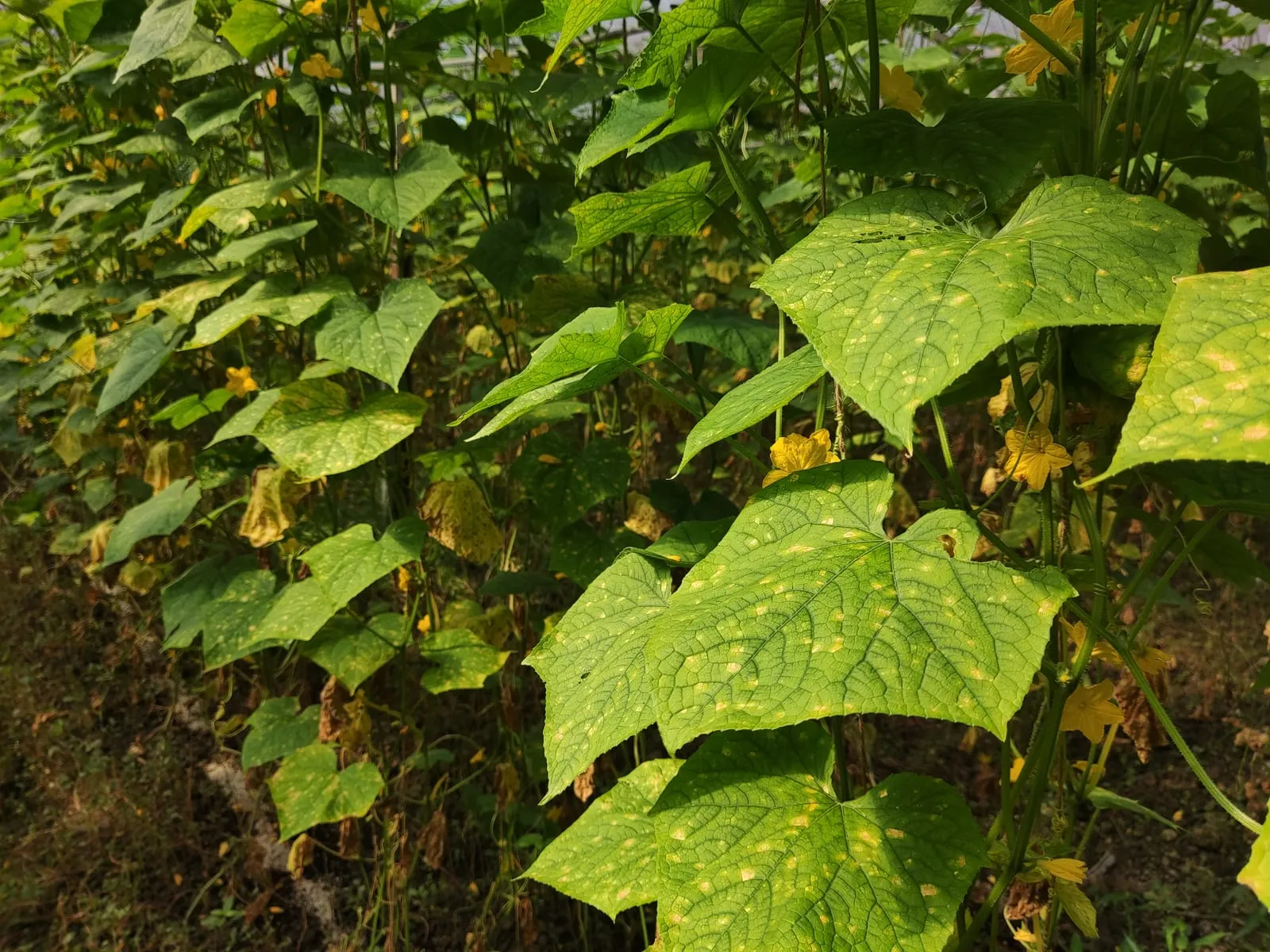
Pseudoperonospora cubensis (cucurbits) and others
Water mold (oomycete, not a true fungus) that thrives in cool damp conditions. Spreads rapidly through cucurbit and brassica plantings on wind-borne spores.
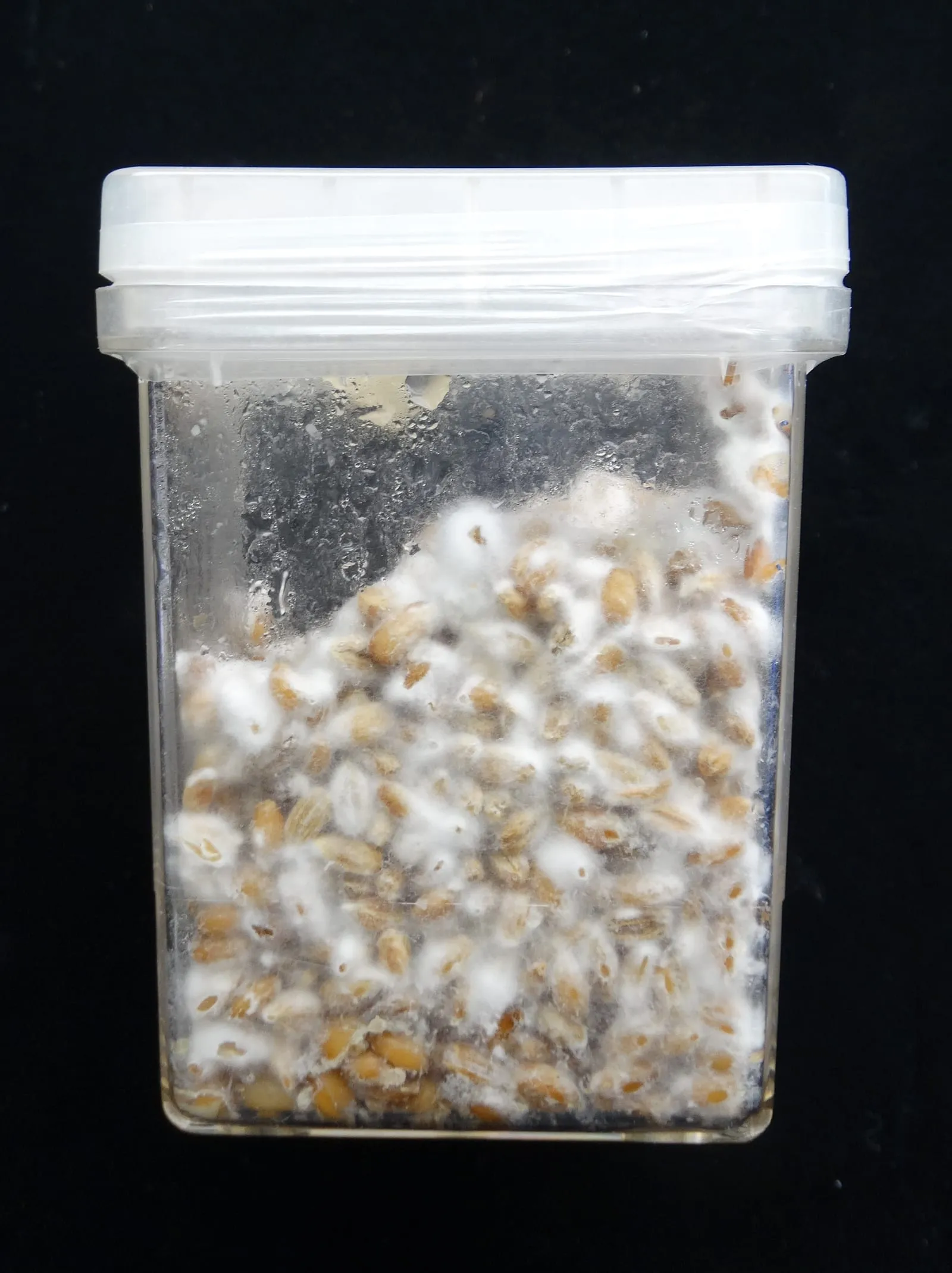
Fusarium oxysporum
Soil-borne fungal disease that plugs vascular tissue and kills affected plants. Persists in soil for many years; impossible to eliminate once established.
Modified care for zone 8b
Downy mildew (Peronospora belbahrii) is the main threat in zone 8b's humid conditions. Overhead irrigation is a significant contributor to infection; switching to drip or soaker-hose watering reduces leaf wetness substantially. Space plants at least 12 inches apart to allow airflow. Remove and dispose of affected leaves promptly rather than composting them.
Nematodes in sandy soils are a documented zone 8b challenge and affect basil root health. Rotating basil away from previous nightshade plantings and incorporating organic matter into sandy beds before planting are practical mitigation steps. Fusarium wilt, which persists in soil, makes multi-year rotation from the same bed important.
Summer shade is not generally necessary, though afternoon shade during prolonged heat above 95°F can slow bolting modestly. Consistent moisture matters more than shade; wilting stress accelerates flower initiation.
Frequently asked questions
- Can basil be grown year-round in zone 8b?
Not outdoors. Basil dies at or near freezing, and zone 8b winters routinely dip below that threshold. However, the 260-day growing season allows two full successions annually, and container-grown plants can be moved indoors during cold snaps to extend the season further.
- Why does basil bolt so quickly in zone 8b summers?
High temperatures above 90°F combined with long day lengths signal the plant to shift energy toward seed production. Pinching flower stalks as soon as they appear delays this transition. Varieties like Lemon and Thai tend to bolt faster than large-leaf Genovese types under the same conditions.
- How do you manage downy mildew on basil in humid climates?
Use drip irrigation instead of overhead watering, space plants generously for airflow, and remove infected leaves immediately. Resistant varieties such as 'Amazel' and 'Devotion' (developed specifically for downy mildew resistance) are worth considering if mildew has been a recurring problem in the planting area.
+−
+−
+−
Basil in adjacent zones
Image: "Sweet Basil (Ocimum basilicum)", by Mokkie, via Wikimedia Commons, licensed under CC-BY Source.
.jpg)
Related