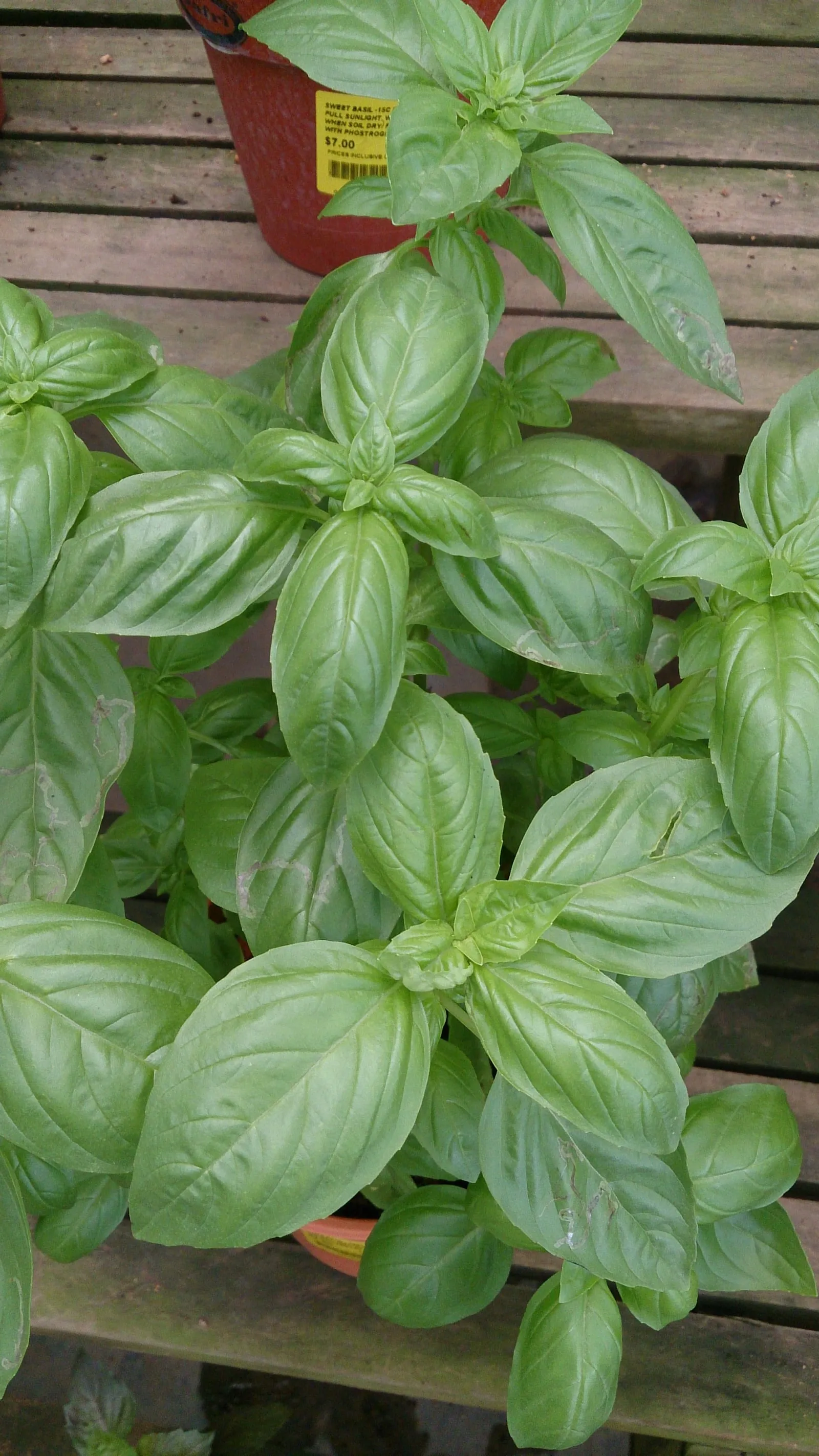
herb in zone 9a
Growing basil in zone 9a
Ocimum basilicum
- Zone
- 9a 20°F to 25°F
- Growing season
- 290 days
- Suitable varieties
- 2
- Days to harvest
- 60 to 80
The verdict
Basil is a warm-season annual with no chill-hour requirement, so zone 9a is not a marginal zone for it. It is, in most respects, a sweet spot. The 290-day growing season gives growers a wide window for multiple successions, and the zone's reliably warm summers drive the kind of growth that produces full-flavored leaves before bolting pressure sets in.
Genovese and Thai are both well-suited to zone 9a conditions. Genovese performs best in the shoulder seasons when temperatures are warm but not extreme. Thai basil handles peak summer heat more reliably, making it the better choice for uninterrupted summer harvests.
The zone's brief cold snaps (minimum temperatures of 20 to 25°F) are the one limitation. Basil is frost-intolerant and will blacken below 50°F in sustained cold. A light freeze wipes a planting entirely, so timing transplants after the last frost date and protecting late-season plants is essential even in this warm zone.
Recommended varieties for zone 9a
2 cultivars suited to this zone, with disease-resistance and zone-fit annotations.
| Variety | Notes | Zone fit | Disease resistance |
|---|---|---|---|
| Genovese fits zone 9a | Sweet, anise-clove notes, classic Italian basil flavor; large pointed green leaves. Pesto, caprese, fresh on tomatoes, infused oils. The pesto basil standard. | | none noted |
| Thai fits zone 9a | Spicy-sweet, anise and licorice notes; narrower leaves with purple stems. Thai curries, pho garnish, stir-fries. Heat-tolerant, more pungent than Italian types. | | none noted |
Critical timing for zone 9a
In zone 9a, basil transplants can go out after the last frost, typically late February through early March depending on location. Direct sowing outdoors becomes reliable by mid-March when soil temperatures hold above 60°F consistently.
Flowering (bolting) accelerates through July and August under intense heat and long days. Plants started in spring often reach peak leaf production from April through June, then shift toward flowering unless regularly pinched. A second succession started in late August can produce a strong fall harvest through October or November before frost risk returns.
Harvest windows are generous. A spring planting can yield cuttings for 12 to 16 weeks before bolting becomes difficult to manage. Fall plantings benefit from cooling temperatures that slow bolt pressure and extend the usable harvest into early winter.
Common challenges in zone 9a
- ▸ Limited stone fruit options due to insufficient chill
- ▸ Hurricane and tropical storm exposure
- ▸ Citrus disease pressure
Disease pressure to watch for
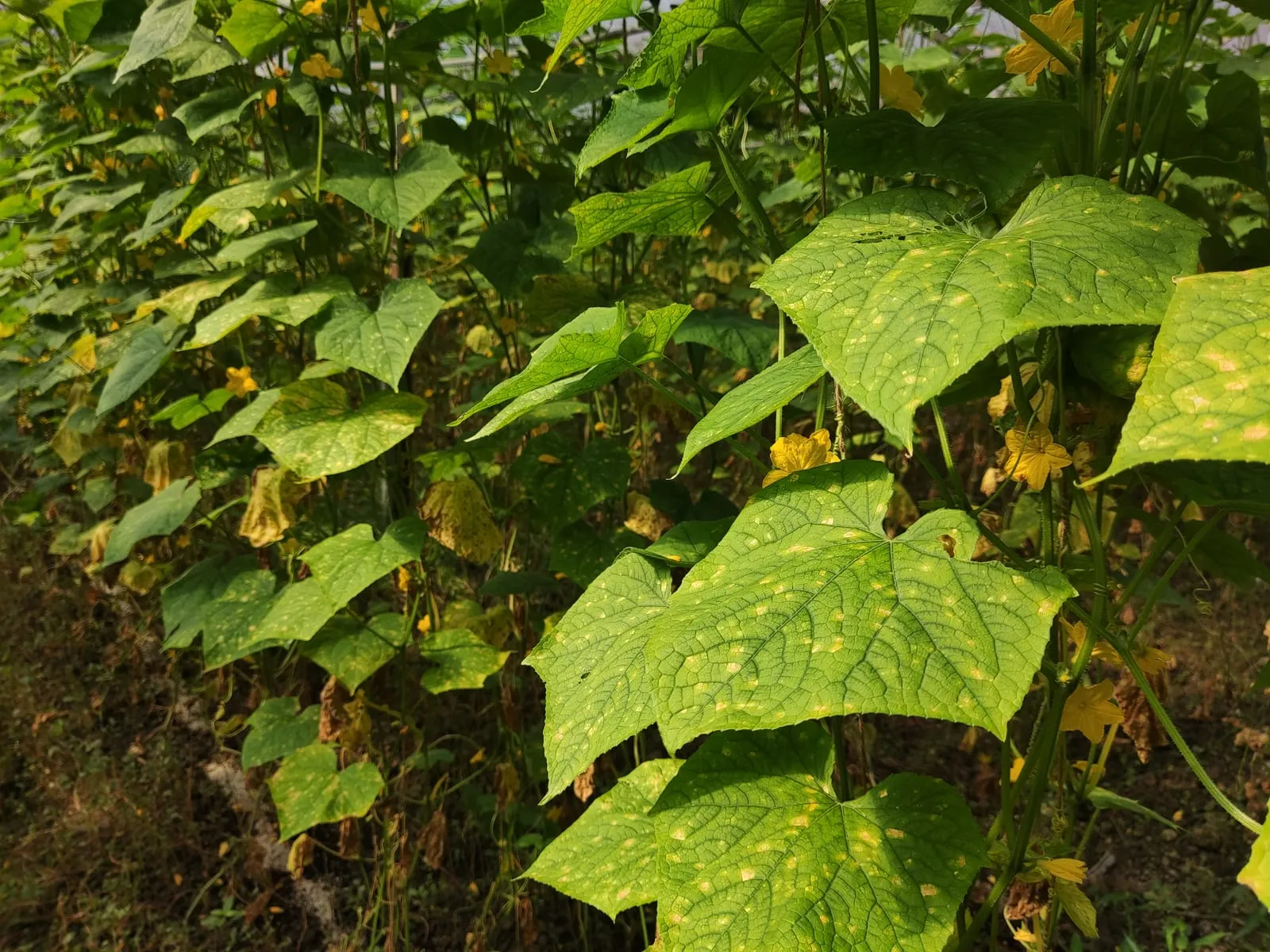
Pseudoperonospora cubensis (cucurbits) and others
Water mold (oomycete, not a true fungus) that thrives in cool damp conditions. Spreads rapidly through cucurbit and brassica plantings on wind-borne spores.
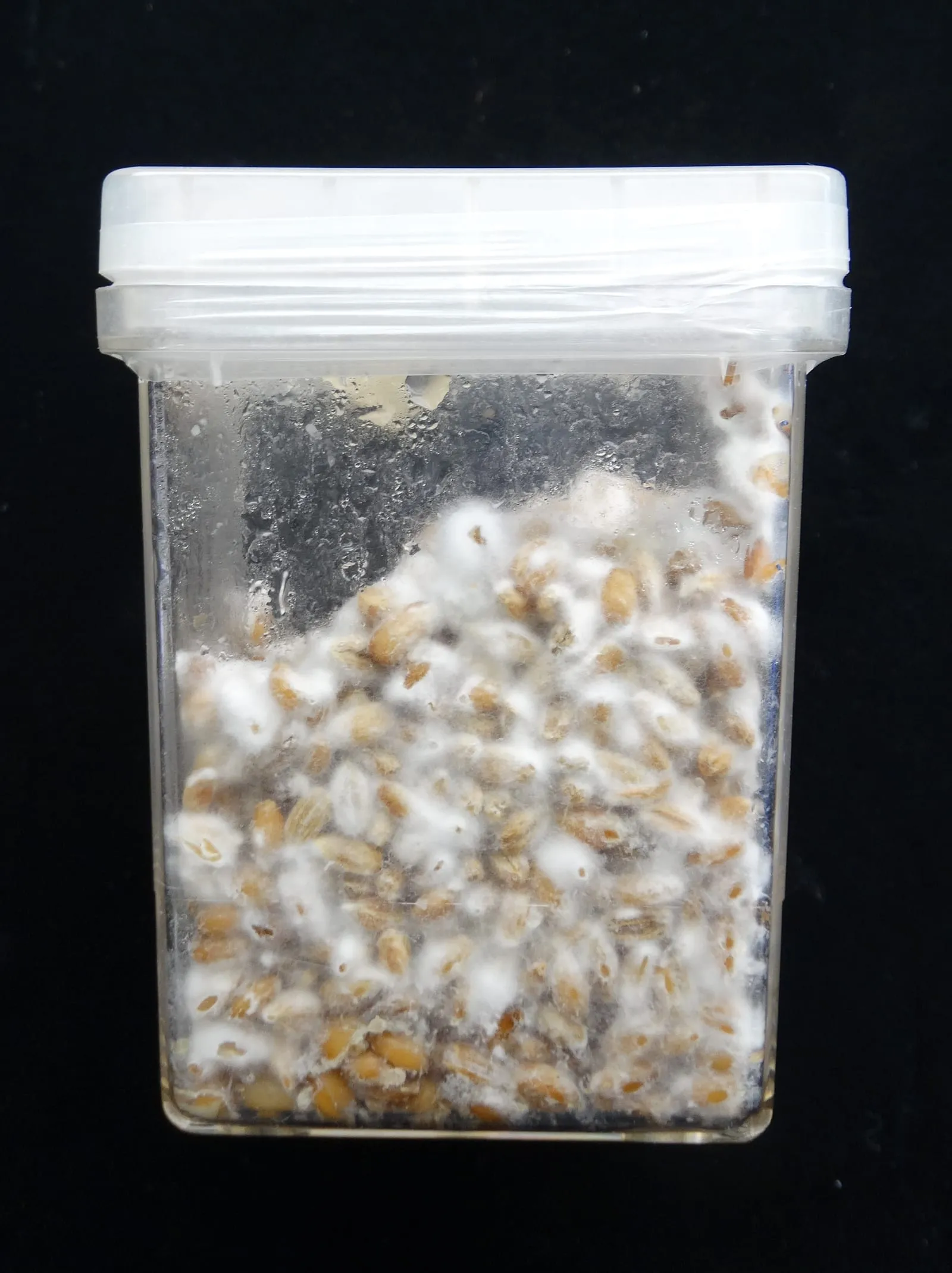
Fusarium oxysporum
Soil-borne fungal disease that plugs vascular tissue and kills affected plants. Persists in soil for many years; impossible to eliminate once established.
Modified care for zone 9a
Downy mildew is the primary disease threat in zone 9a and warrants more attention here than in drier climates. The combination of warm nights and high humidity creates favorable conditions for Peronospora belbahrii, the pathogen responsible. Improving airflow through wider plant spacing and avoiding overhead irrigation in the evening reduces infection pressure. Genovese types are more susceptible than Thai basil; growers who have lost crops to downy mildew should trial disease-tolerant Genovese selections or shift toward Thai basil for summer plantings.
Fusarium wilt, caused by Fusarium oxysporum f. sp. basilici, is soil-borne and persists across seasons. Rotating basil out of affected beds for at least two years and using clean transplants from reputable sources are the practical controls.
Summer afternoon shade is worth considering for Genovese during peak heat. Temperatures above 95°F accelerate bolting and can cause leaf tip scorch. A cloth shade structure at 30 to 40 percent reduction extends productive harvest by slowing the bolt cycle.
Frequently asked questions
- Can basil be grown year-round in zone 9a?
Not quite. Basil is frost-intolerant and will not survive temperatures below 32°F. Zone 9a's minimum temperature range of 20 to 25°F means winter cold snaps will kill unprotected plants. In practice, basil grows reliably from late February through November, with indoor or row-cover protection extending that window modestly on either end.
- Which basil variety performs best in zone 9a summers?
Thai basil is more heat-tolerant and holds better through July and August in zone 9a. Genovese is the better choice for spring and fall harvests when temperatures are more moderate and downy mildew pressure is lower.
- How do I manage downy mildew on basil in a humid climate?
Space plants to improve airflow, water at the base rather than overhead, and water in the morning so foliage dries before nightfall. Remove and dispose of infected leaves promptly. Switching to a downy-mildew-tolerant variety is the most reliable long-term approach if infections recur.
- How many basil successions can a zone 9a grower fit in a season?
Two successions work well: one started in late February or March for spring harvest, and a second started in late August for fall harvest. A summer planting is possible but requires more active bolt management and benefits from afternoon shade.
+−
+−
+−
+−
Basil in adjacent zones
Image: "Sweet Basil (Ocimum basilicum)", by Mokkie, via Wikimedia Commons, licensed under CC-BY Source.
.jpg)
Related