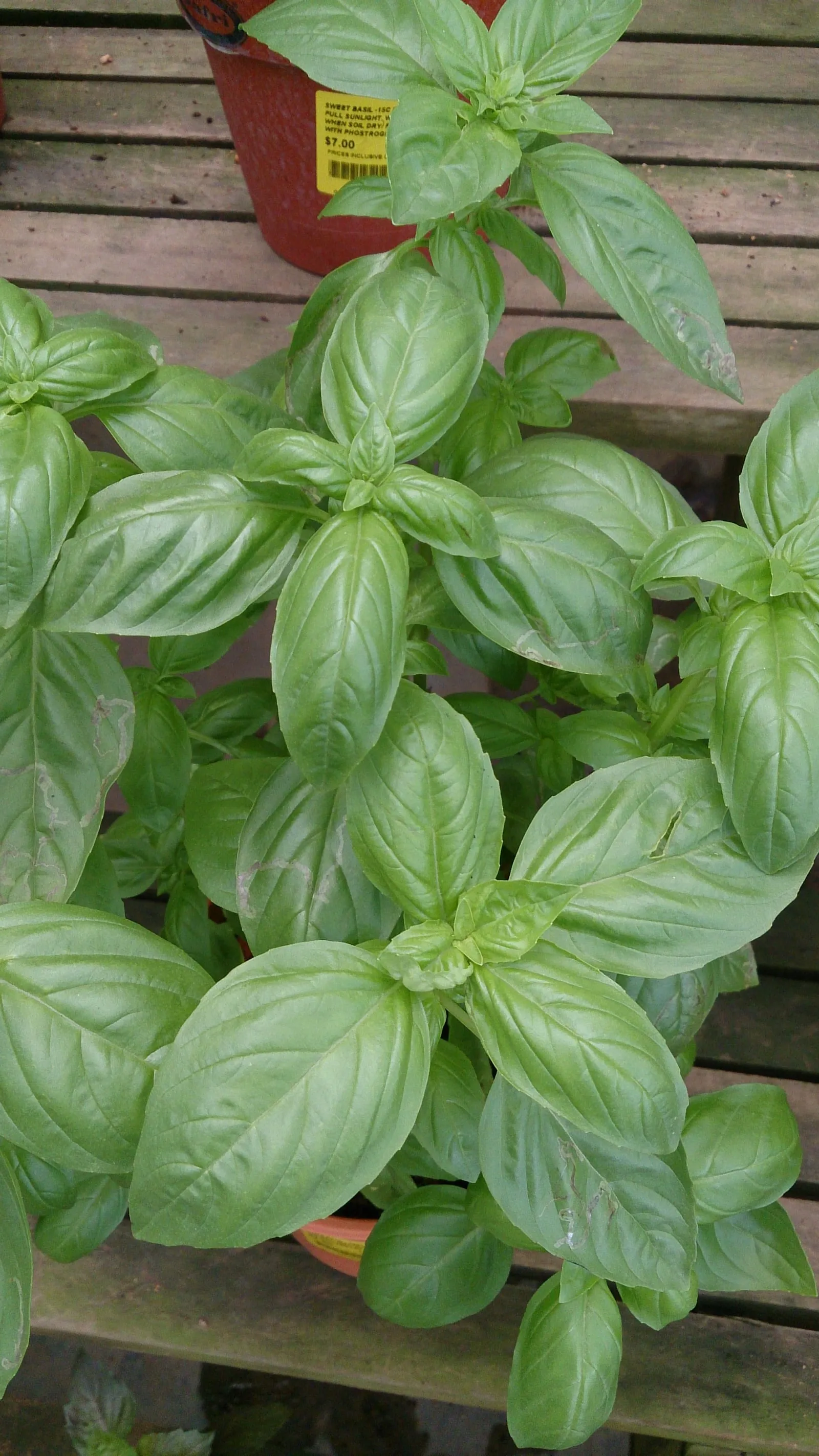
herb in zone 9b
Growing basil in zone 9b
Ocimum basilicum
- Zone
- 9b 25°F to 30°F
- Growing season
- 310 days
- Suitable varieties
- 0
- Days to harvest
- 60 to 80
The verdict
Zone 9b is one of the better zones for basil in the continental United States. The 310-day growing season allows multiple successive plantings from late winter through fall, and the warm nights that frustrate cool-season crops are exactly what basil needs to produce at its best. Chill hours are irrelevant for basil, which is a true annual with no dormancy requirement, so the zone's mild winters are an asset rather than a constraint.
The main concern is not cold but heat. Extended periods above 95°F trigger early bolting and reduce essential-oil concentration in the leaves, which affects flavor quality. Coastal locations with salt spray face an additional stress that basil handles poorly. Overall, 9b is a sweet spot for basil production from October through May; summer growing requires more active management but remains viable with attention to irrigation and airflow.
Critical timing for zone 9b
In zone 9b, basil can be direct-seeded outdoors as early as late February, once overnight temperatures hold reliably above 50°F. Most growers achieve the best germination with a March or early April sowing. The plant reaches harvestable size roughly 50 to 70 days after germination, placing first harvests in May or early June.
Bolting accelerates in July and August as day length peaks alongside summer heat. A fall planting started in late August or September takes advantage of cooling temperatures and extends the harvest window well into November. The first hard frost in 9b typically arrives in late December or January, but basil blackens at temperatures below about 50°F, so the effective outdoor season ends somewhat before the frost date.
Common challenges in zone 9b
- ▸ Heat stress in summer
- ▸ Insufficient chill for most apples
- ▸ Salt spray near coasts
Disease pressure to watch for
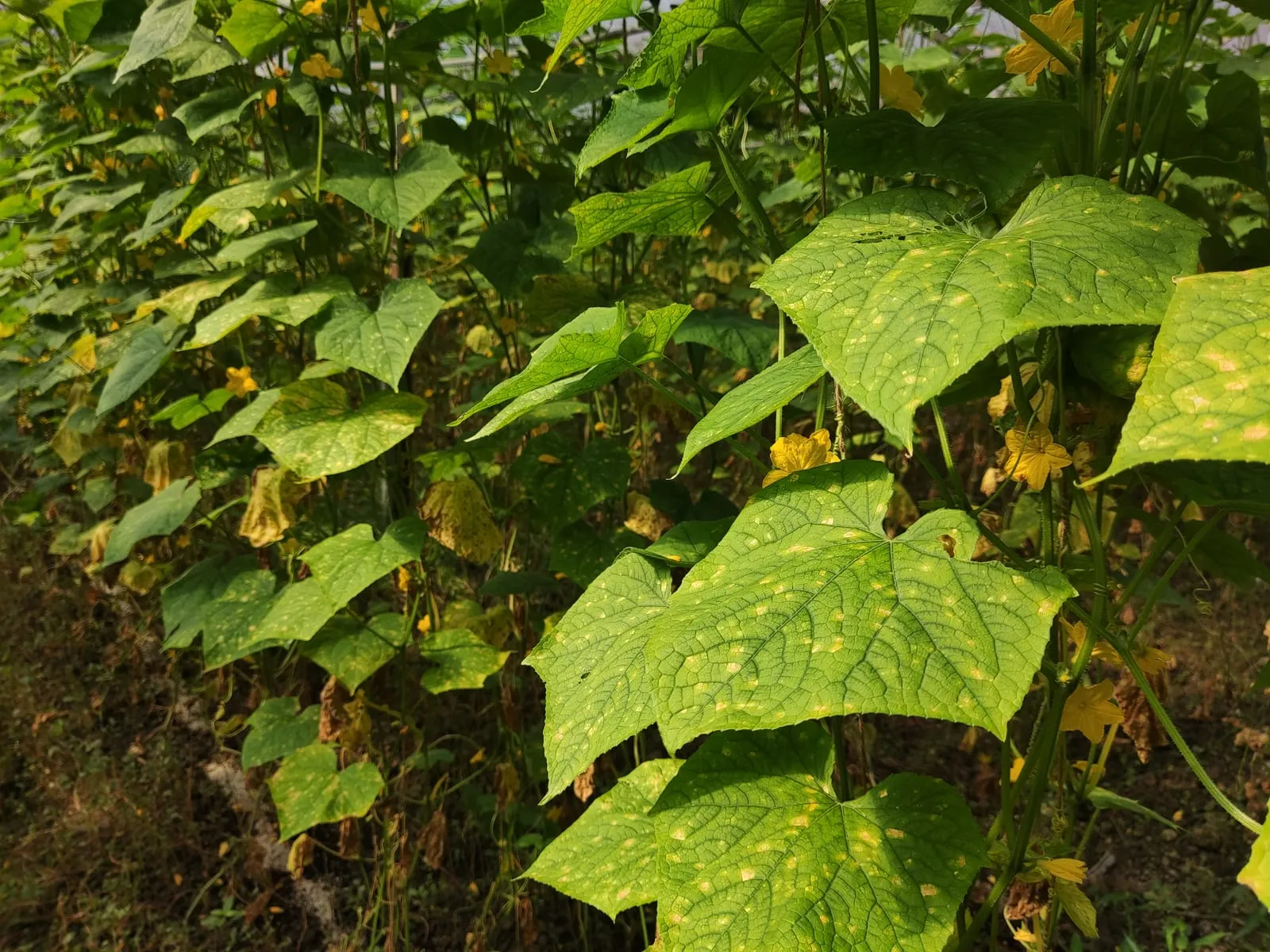
Pseudoperonospora cubensis (cucurbits) and others
Water mold (oomycete, not a true fungus) that thrives in cool damp conditions. Spreads rapidly through cucurbit and brassica plantings on wind-borne spores.
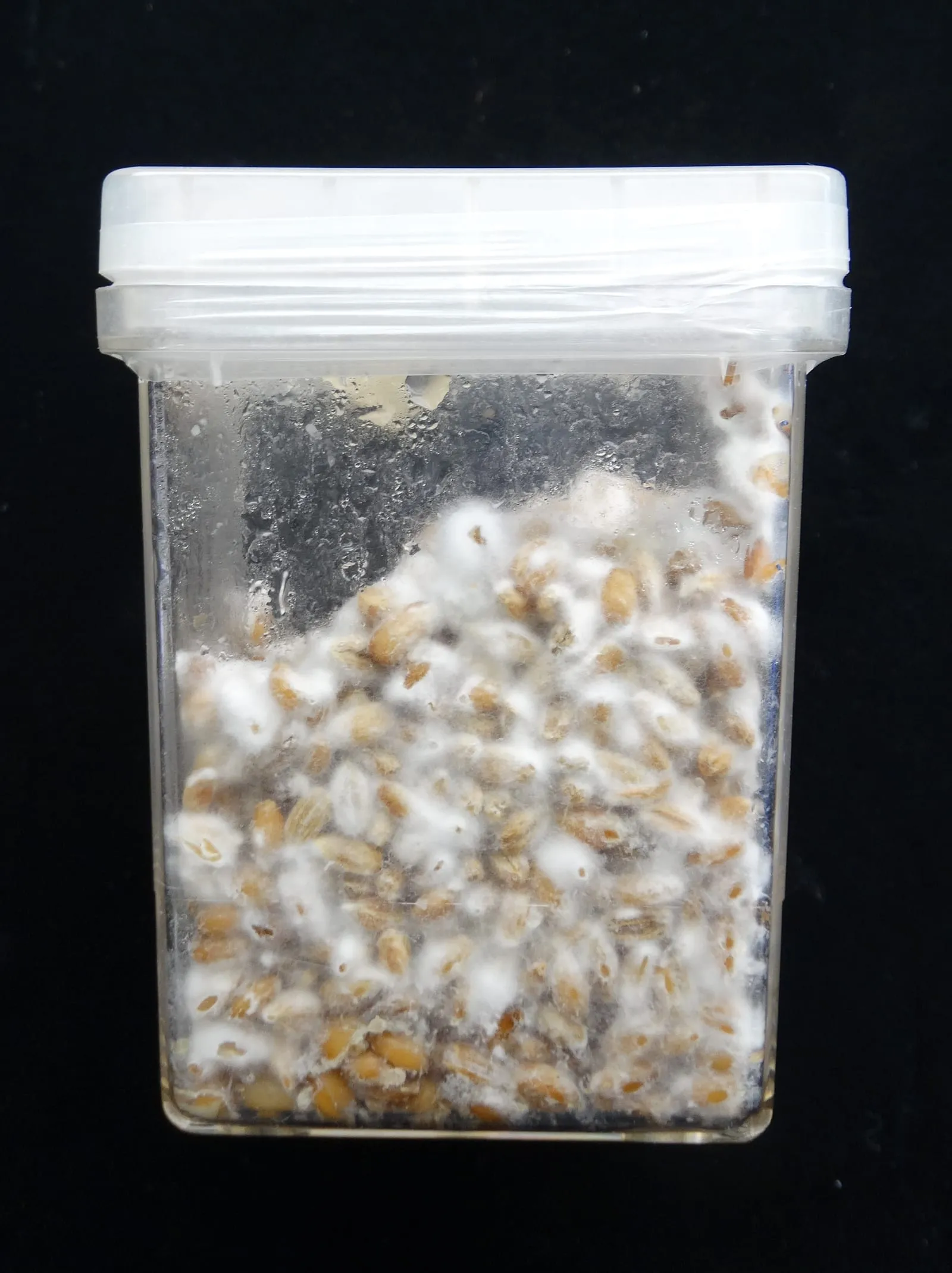
Fusarium oxysporum
Soil-borne fungal disease that plugs vascular tissue and kills affected plants. Persists in soil for many years; impossible to eliminate once established.
Modified care for zone 9b
Summer heat management is the primary adaptation in zone 9b. Afternoon shade from a taller crop or shade cloth rated at 30 to 40 percent significantly reduces bolting pressure and keeps leaf quality higher through June and July. Irrigation consistency matters more than in cooler zones; irregular soil moisture accelerates the transition to flower production.
Downy mildew is the most serious disease risk in warm, humid 9b summers. It spreads rapidly in dense plantings with poor airflow. Spacing plants at least 12 inches apart, avoiding overhead irrigation, and removing infected leaves early are the most reliable controls. Fusarium wilt persists in soil, so rotating planting locations from year to year reduces inoculum buildup. Near the coast, salt spray residue on leaves compounds both heat stress and disease susceptibility; a fresh-water rinse after wind events helps.
Frequently asked questions
- Can basil grow year-round in zone 9b?
Outdoors, basil will die back when temperatures drop below 50°F, which happens at some point most winters in 9b. A frost-free winter allows nearly continuous production, but most years there is a gap from late December through February. Growing in containers that can be moved indoors extends the season.
- Why does basil bolt so quickly in zone 9b summers?
Bolting is triggered by a combination of long days and sustained high temperatures. Zone 9b delivers both from June through August. Once a plant bolts, leaf production slows and flavor sharpens into bitterness. Pinching flower buds as they appear delays but does not prevent this process; a late-summer replanting is often more productive than trying to hold a spring planting through the heat.
- How do you manage downy mildew on basil in a warm climate?
Downy mildew thrives in the warm, humid conditions common to 9b summers. The most practical controls are good airflow through wider plant spacing, drip or ground-level irrigation to keep foliage dry, and early removal of any leaves showing the characteristic grayish-purple sporulation on their undersides. No fully resistant sweet basil varieties are widely available, though some Thai and spice basil types show better tolerance.
+−
+−
+−
Basil in adjacent zones
Image: "Sweet Basil (Ocimum basilicum)", by Mokkie, via Wikimedia Commons, licensed under CC-BY Source.
.jpg)
Related