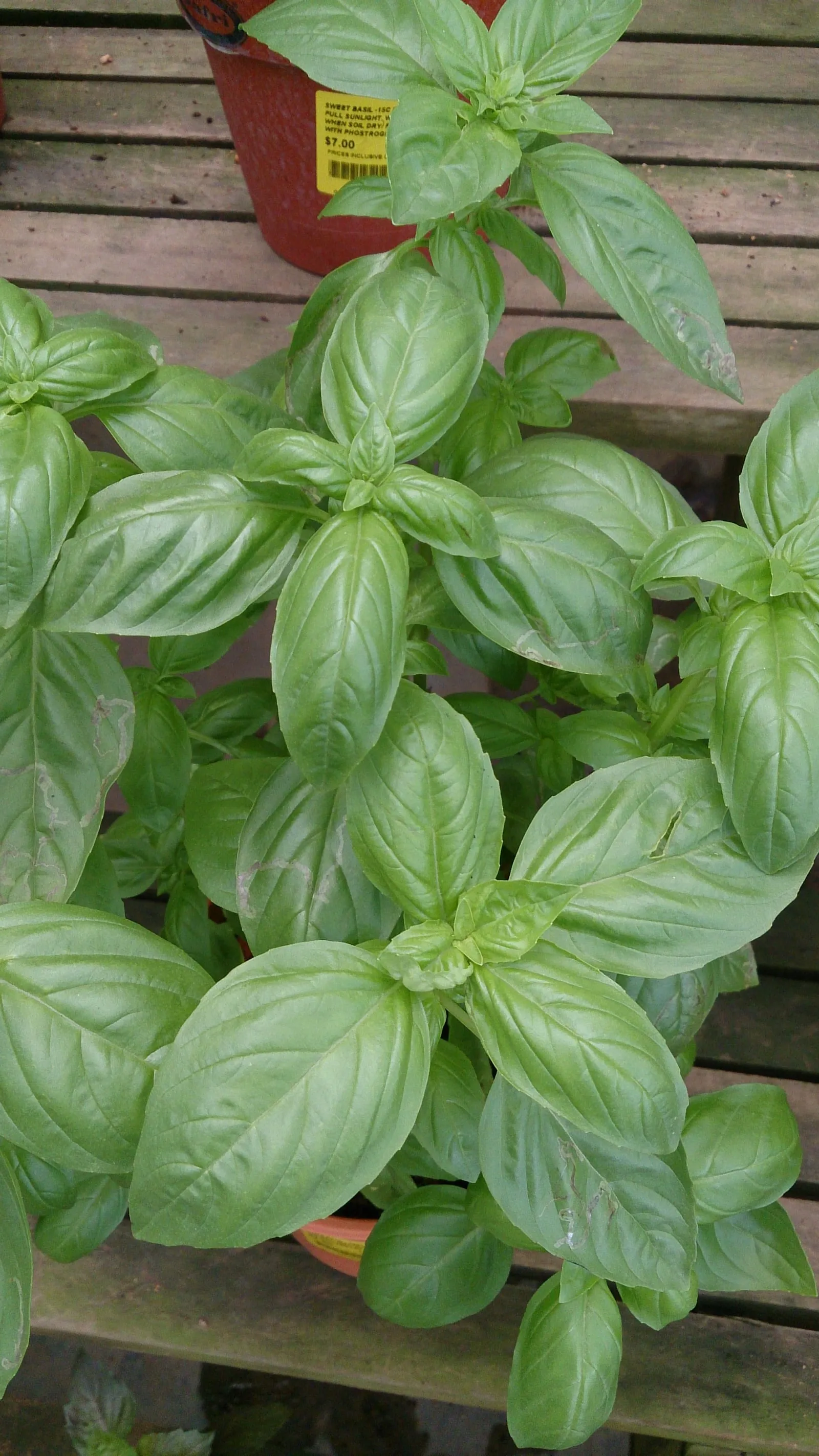
herb in zone 10a
Growing basil in zone 10a
Ocimum basilicum
- Zone
- 10a 30°F to 35°F
- Growing season
- 340 days
- Suitable varieties
- 0
- Days to harvest
- 60 to 80
The verdict
Basil is a warm-season annual with tropical origins, and zone 10a is among the most hospitable climates in the continental United States for it. Unlike temperate fruit crops that require chilling hours, basil demands none. The crop's limiting factor is cold, not warmth: basil suffers cell damage at temperatures below 50°F and dies outright at frost. With minimum temperatures in the 30 to 35°F range, zone 10a sits at the edge of occasional frost risk, but the 340-day growing season means basil can be planted and harvested for the vast majority of the year with minimal interruption.
This is not a marginal zone for basil; it is, by most measures, a sweet spot. The challenge is not getting basil to grow but managing the conditions that come with sustained heat and humidity, particularly disease pressure from downy mildew and Fusarium wilt. Heat-tolerant cultivars perform best and show better resilience against both pathogens.
Critical timing for zone 10a
In zone 10a, basil can be direct-seeded or transplanted outdoors in any month except during the brief window when nighttime temperatures approach freezing, typically December through February in the coldest years. Spring planting from late February onward is standard practice; fall planting through October remains viable as temperatures moderate.
Basil blooms in response to heat and day length, typically producing flower spikes within 6 to 8 weeks of transplanting if left unpinched. Harvest runs continuously from first leaf production through flower set. In zone 10a's long season, successive sowings every 4 to 6 weeks extend productive harvests well into autumn. Frost remains the practical endpoint: a single night below 32°F ends the season for unprotected plants.
Common challenges in zone 10a
- ▸ No chilling for traditional temperate fruit
- ▸ Hurricane exposure
- ▸ Heat-tolerant cultivars only
Disease pressure to watch for
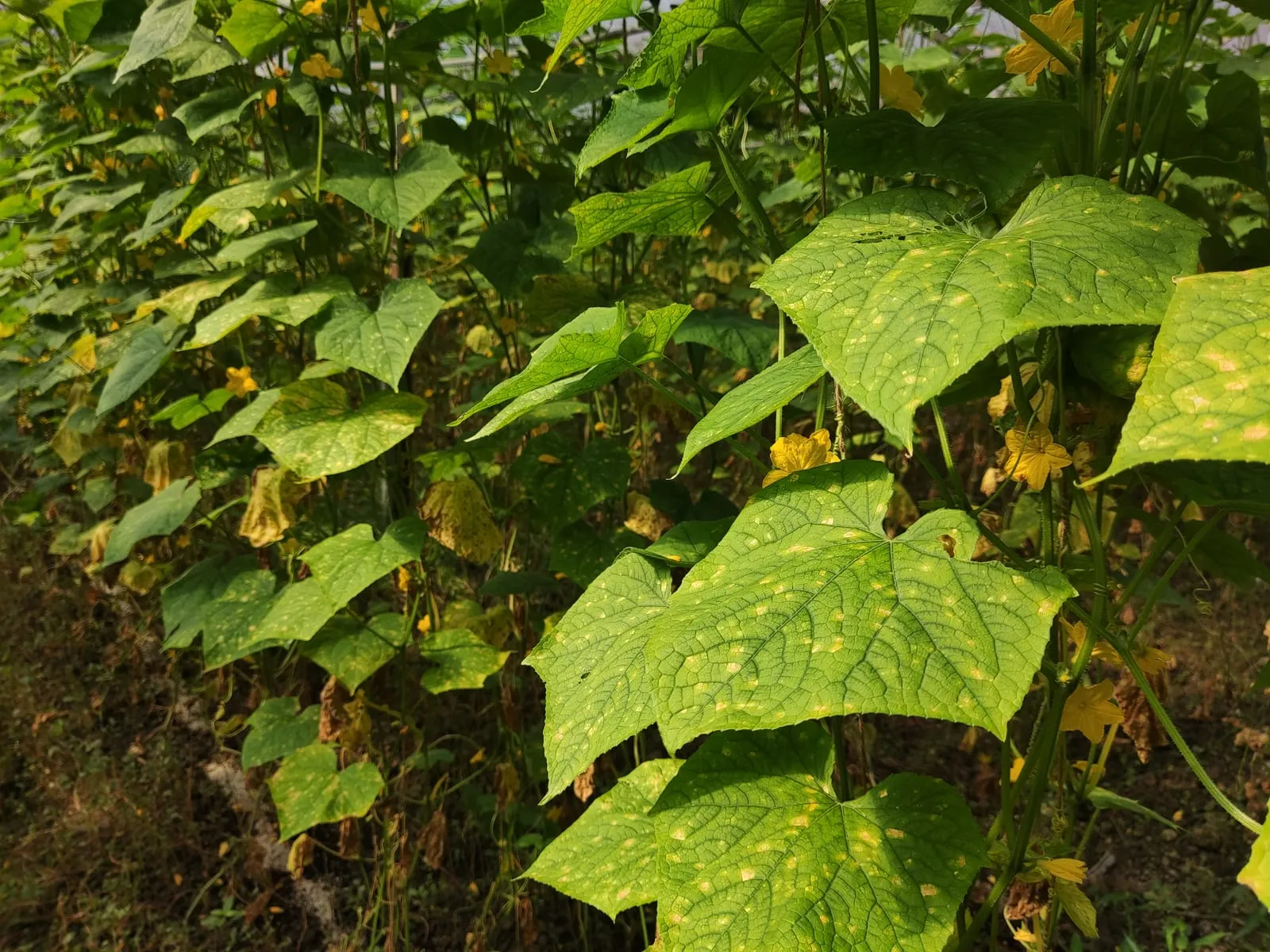
Pseudoperonospora cubensis (cucurbits) and others
Water mold (oomycete, not a true fungus) that thrives in cool damp conditions. Spreads rapidly through cucurbit and brassica plantings on wind-borne spores.
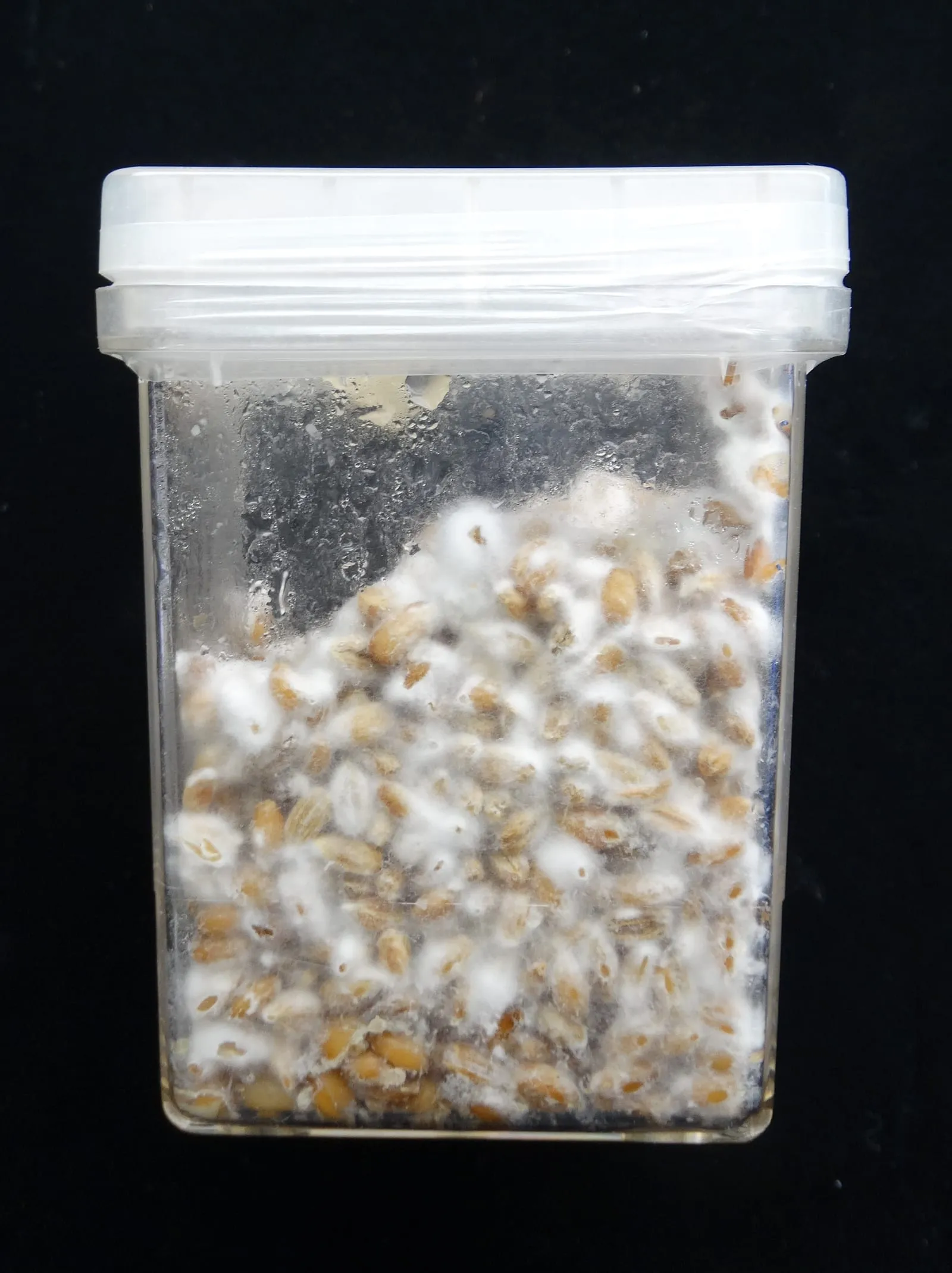
Fusarium oxysporum
Soil-borne fungal disease that plugs vascular tissue and kills affected plants. Persists in soil for many years; impossible to eliminate once established.
Modified care for zone 10a
The primary disease concern in zone 10a is downy mildew (Peronospora belbahrii), which spreads rapidly under the combination of high humidity and warm nights characteristic of this zone. Selecting resistant or tolerant cultivars where available, spacing plants for airflow, and avoiding overhead irrigation reduce pressure significantly. Fusarium wilt, a soilborne pathogen, warrants crop rotation of at least two years between basil plantings in the same bed.
Summer heat above 95°F can cause stress-induced bolting and leaf scorch on darker-leaved varieties. Afternoon shade during peak summer months prolongs productive leaf growth. Hurricane exposure is a realistic concern for coastal areas within zone 10a; growing basil in containers allows growers to move plants indoors during named storms rather than replanting after each event.
Basil in adjacent zones
Image: "Sweet Basil (Ocimum basilicum)", by Mokkie, via Wikimedia Commons, licensed under CC-BY Source.
.jpg)
Related