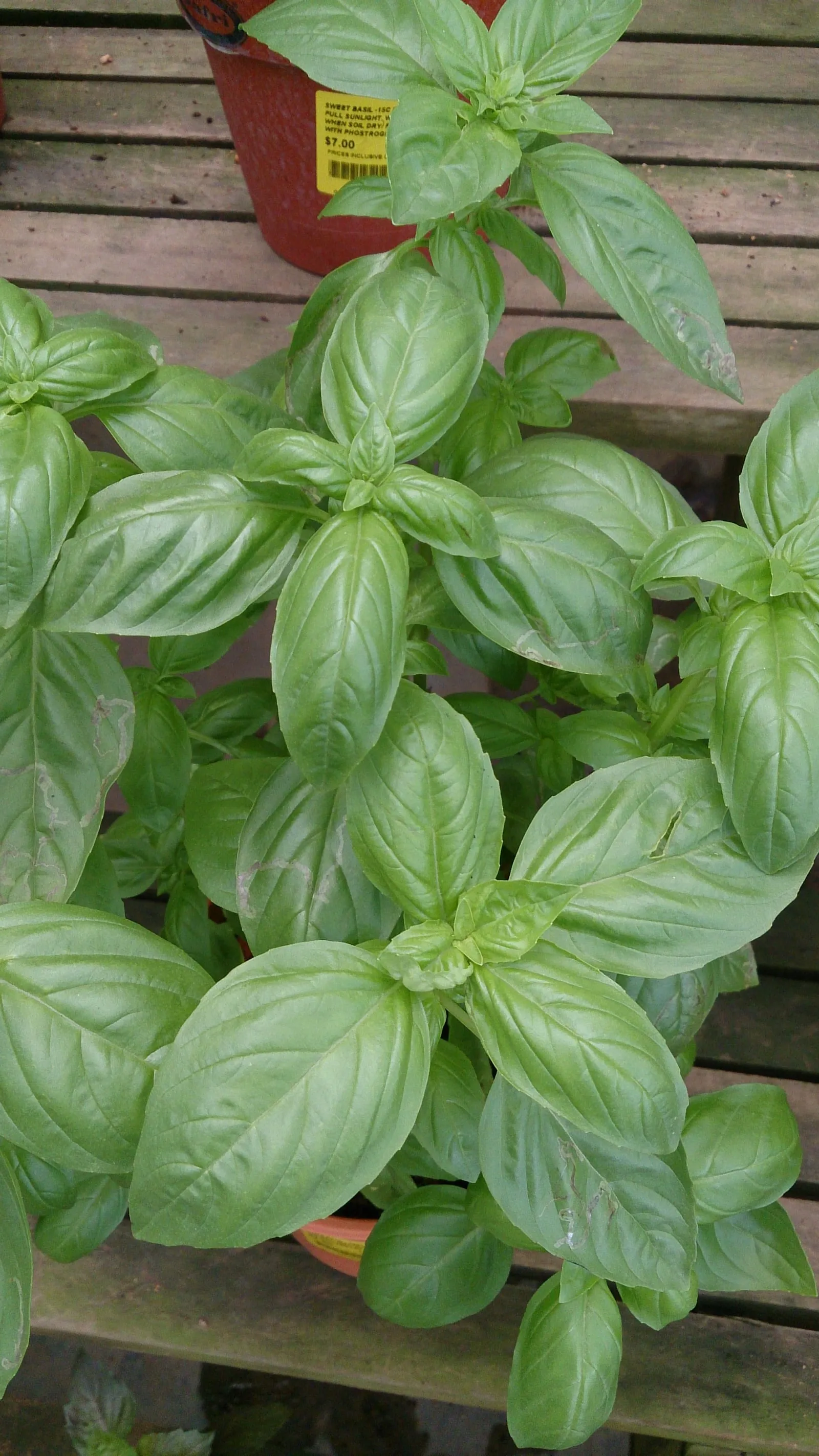
herb in zone 10b
Growing basil in zone 10b
Ocimum basilicum
- Zone
- 10b 35°F to 40°F
- Growing season
- 365 days
- Suitable varieties
- 0
- Days to harvest
- 60 to 80
The verdict
Basil has no chill-hour requirement, which makes zone 10b one of the most favorable climates in the continental United States for this crop. Minimum winter temperatures of 35 to 40°F eliminate meaningful frost risk, allowing year-round production. Unlike fruit crops where a 365-day growing season signals insufficient winter dormancy, basil actively benefits from consistent warmth and long frost-free windows.
The primary constraints in zone 10b are not cold but humidity-driven disease pressure. Downy mildew and fusarium wilt both thrive in the warm, moist conditions that define this zone, and both can devastate a planting quickly. Coastal sites face the additional complication of saltwater intrusion in low-lying soils, which suppresses growth even in an otherwise hospitable climate. Within those limits, zone 10b is a sweet spot rather than a marginal zone for basil.
Critical timing for zone 10b
With no meaningful frost dates to anchor the calendar, basil in zone 10b operates on a different rhythm than in cooler zones. Transplants or direct-sown seed establish well in any month, though the heat of summer (June through August) can accelerate bolting, particularly for smaller-leafed varieties. Harvest begins once plants reach 6 to 8 inches tall and continues indefinitely if flowers are pinched before they fully open.
Flowering is driven primarily by day length and heat stress rather than season. In zone 10b, bolting accelerates during the longest days of the year. Succession plantings every 4 to 6 weeks maintain a steady harvest through periods when individual plants shift toward flower production.
Common challenges in zone 10b
- ▸ No winter chill
- ▸ Tropical pest and disease pressure
- ▸ Saltwater intrusion in coastal soils
Disease pressure to watch for
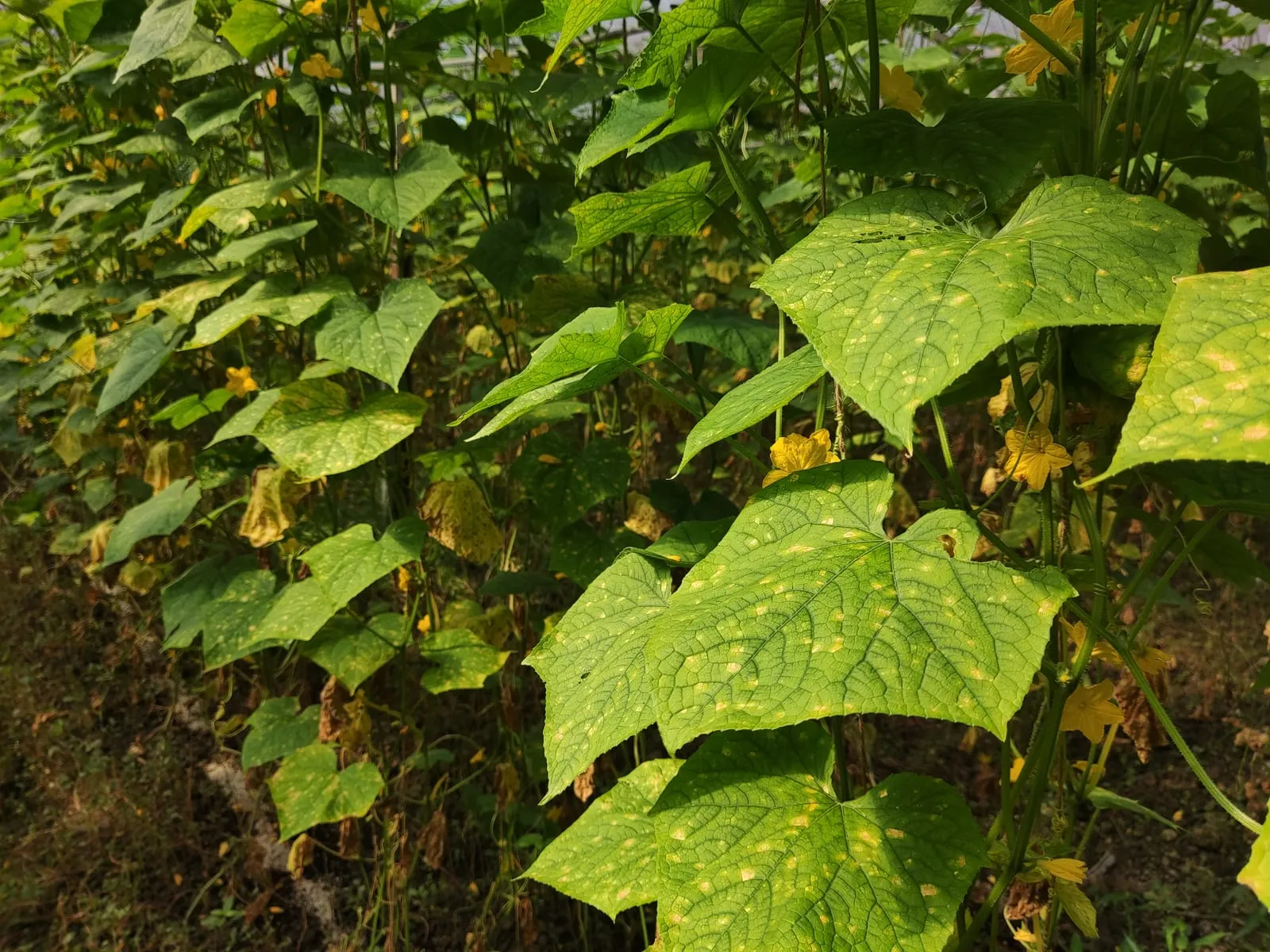
Pseudoperonospora cubensis (cucurbits) and others
Water mold (oomycete, not a true fungus) that thrives in cool damp conditions. Spreads rapidly through cucurbit and brassica plantings on wind-borne spores.
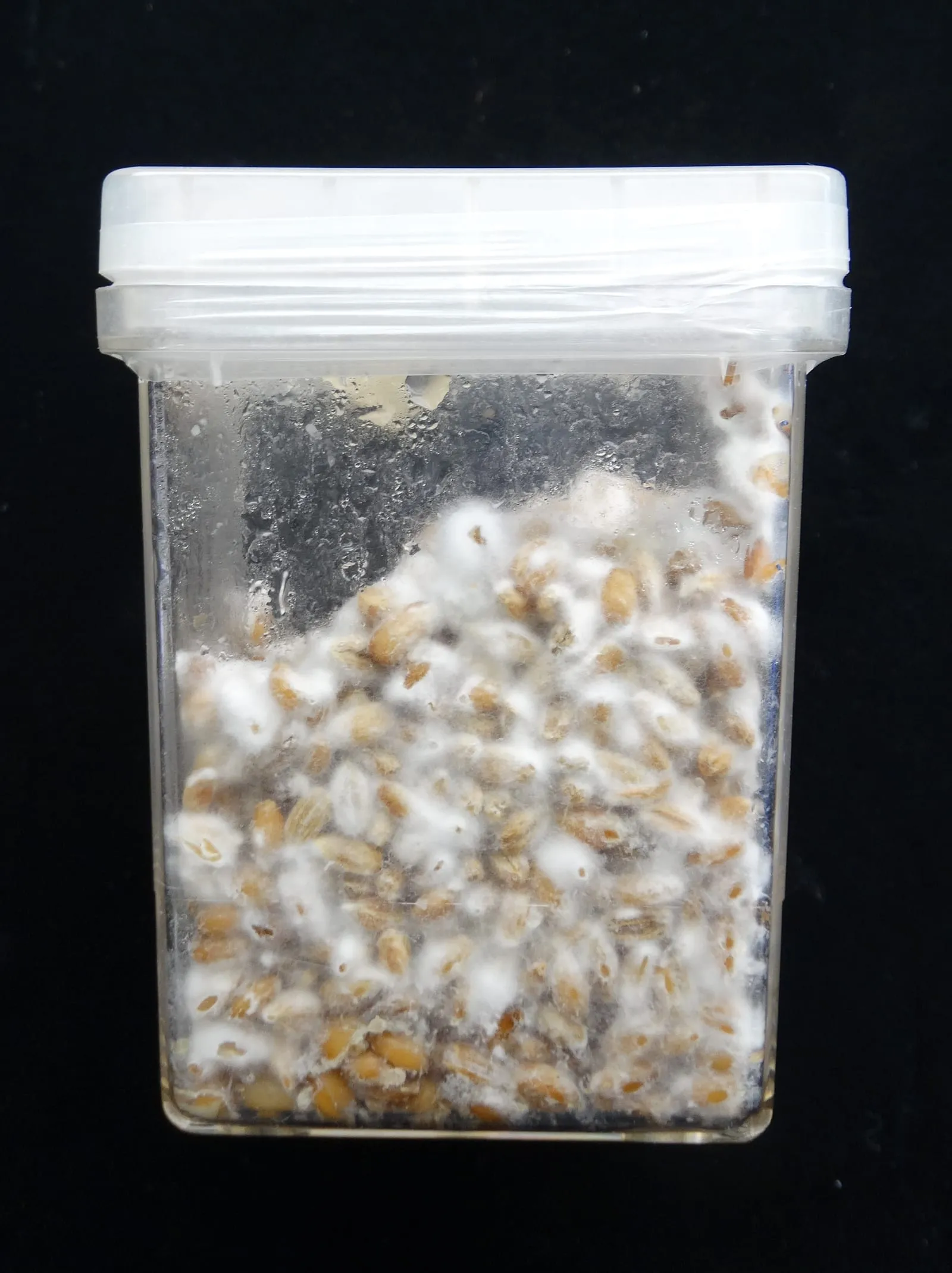
Fusarium oxysporum
Soil-borne fungal disease that plugs vascular tissue and kills affected plants. Persists in soil for many years; impossible to eliminate once established.
Modified care for zone 10b
The main departure from standard basil culture in zone 10b is disease management. Downy mildew spreads rapidly in humid conditions; spacing plants at least 18 inches apart, watering at the base rather than overhead, and ensuring afternoon airflow are baseline practices. Fusarium wilt is soil-borne with no effective chemical control once established, so rotating planting locations annually and starting with clean or soilless mix in raised beds is the practical approach.
In coastal areas with documented saltwater intrusion, raised beds filled with imported topsoil or potting mix sidestep the soil salinity problem entirely. Basil is sensitive to salt stress, which presents first as marginal leaf burn and reduced growth rather than outright plant death. Strong summer heat may also warrant 30 to 40 percent shade cloth in the afternoon to slow bolting and prevent leaf scorch on plants still in active harvest.
Basil in adjacent zones
Image: "Sweet Basil (Ocimum basilicum)", by Mokkie, via Wikimedia Commons, licensed under CC-BY Source.
.jpg)
Related