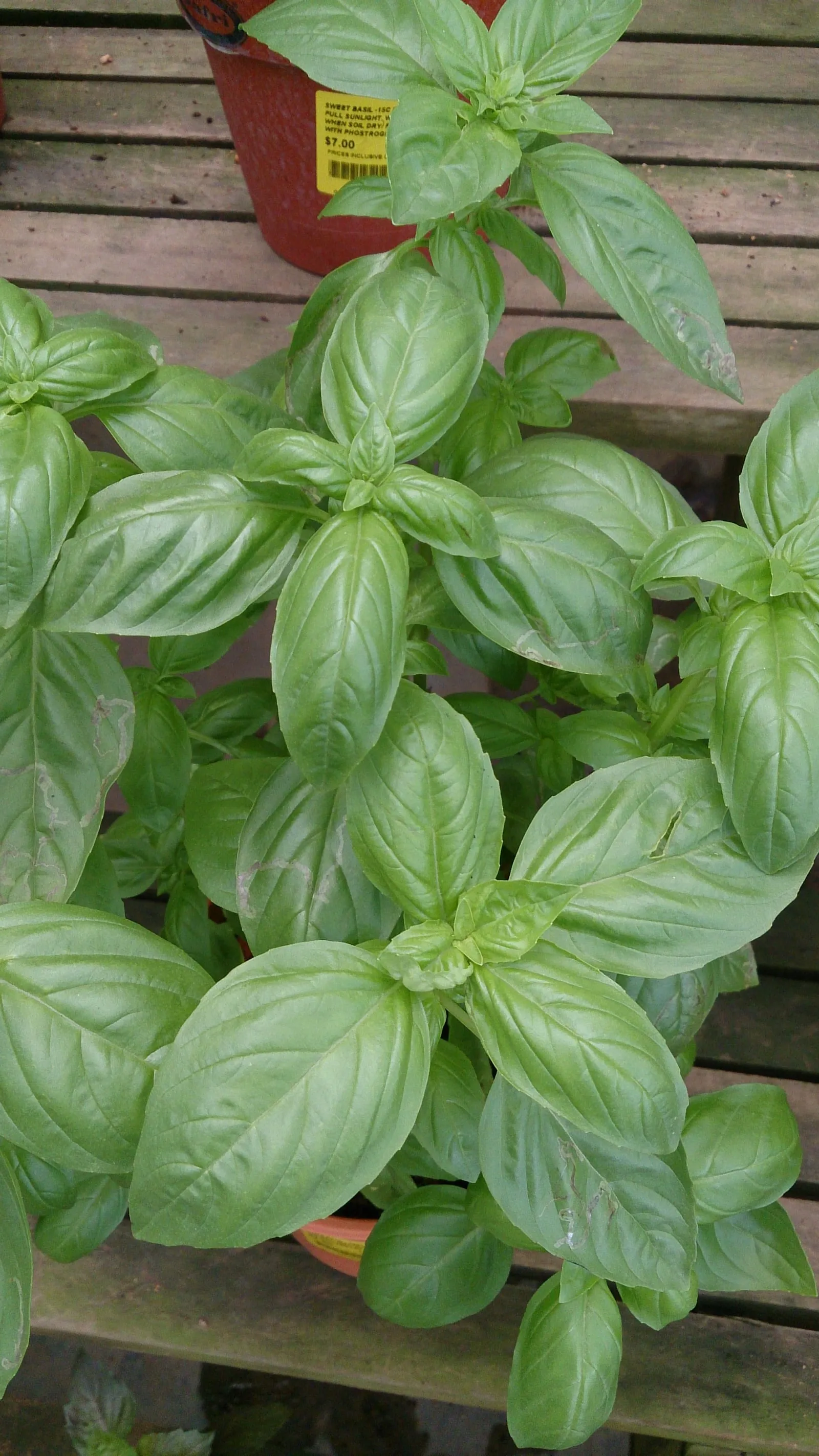
herb in zone 6b
Growing basil in zone 6b
Ocimum basilicum
- Zone
- 6b -5°F to 0°F
- Growing season
- 190 days
- Suitable varieties
- 4
- Days to harvest
- 60 to 80
The verdict
Basil thrives in zone 6b without meaningful limitation, though it requires treatment as a warm-season annual throughout its range. Unlike fruit crops, basil has no chill-hour requirement; the relevant variable is heat accumulation during the growing season. Zone 6b's 190-day frost-free window provides ample time for multiple harvests, and summer temperatures consistently reach the 75 to 90°F range that basil prefers.
The minimum winter temperatures of -5 to 0°F are irrelevant to a crop grown from seed or transplant each spring. Among the varieties compatible with this zone, Genovese and Thai reach full productive maturity well within the season; Purple Ruffles and Lemon basil also perform well given an early indoor start. Zone 6b represents a dependable growing environment for basil, with late-spring frost timing rather than cold extremes being the primary constraint.
Recommended varieties for zone 6b
4 cultivars suited to this zone, with disease-resistance and zone-fit annotations.
| Variety | Notes | Zone fit | Disease resistance |
|---|---|---|---|
| Genovese fits zone 6b | Sweet, anise-clove notes, classic Italian basil flavor; large pointed green leaves. Pesto, caprese, fresh on tomatoes, infused oils. The pesto basil standard. | | none noted |
| Thai fits zone 6b | Spicy-sweet, anise and licorice notes; narrower leaves with purple stems. Thai curries, pho garnish, stir-fries. Heat-tolerant, more pungent than Italian types. | | none noted |
| Lemon fits zone 6b | Bright lemon-citrus notes with classic basil base; small narrow green leaves. Fresh on fish, summer cocktails, fruit salads. Productive, fragrant, kid-friendly. | | none noted |
| Purple Ruffles fits zone 6b | Mild basil with peppery clove notes; deep purple ruffled leaves. Fresh, vinegar infusions (color), garnish. AAS winner, ornamental, holds purple in heat. | | none noted |
Critical timing for zone 6b
Zone 6b's last spring frost typically falls between mid-April and early May, depending on local elevation and landscape position. Basil should not go into the ground until soil temperatures reach 60°F and overnight lows are consistently above 50°F, a threshold usually met in late April to mid-May. Starting seeds indoors 6 to 8 weeks before the anticipated transplant date puts the seed-starting window in late February to mid-March.
Basil enters its bloom phase in July and August as day length shortens; pinching flower buds as they form extends the productive harvest window through September. The first fall frost in zone 6b typically arrives in mid-October, ending the outdoor season. The roughly 160-day window between safe transplant and first fall frost is more than sufficient for Genovese, Thai, Lemon, and Purple Ruffles to reach full harvest.
Common challenges in zone 6b
- ▸ Cedar-apple rust
- ▸ Fire blight
- ▸ Stink bugs
Disease pressure to watch for
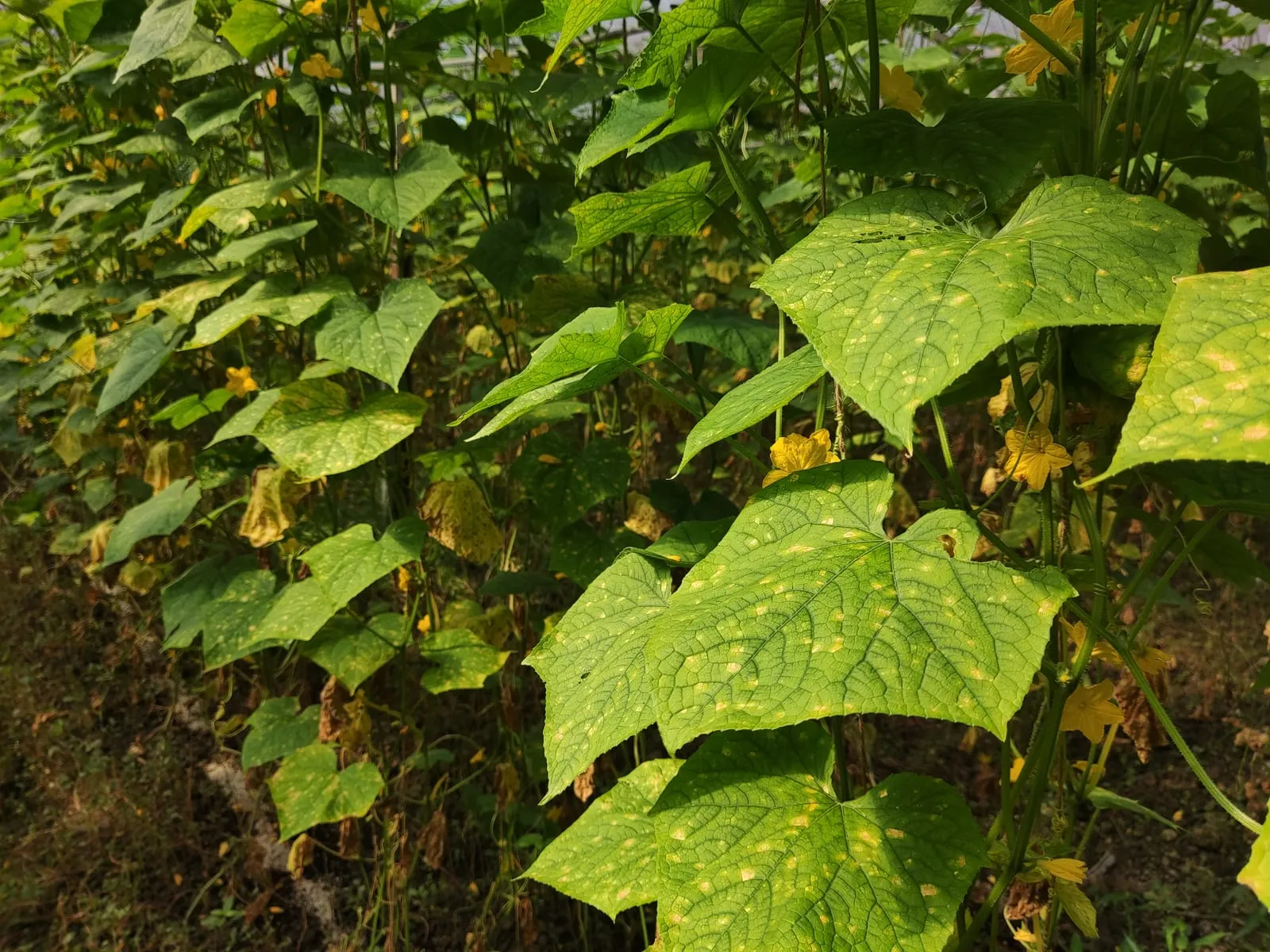
Pseudoperonospora cubensis (cucurbits) and others
Water mold (oomycete, not a true fungus) that thrives in cool damp conditions. Spreads rapidly through cucurbit and brassica plantings on wind-borne spores.
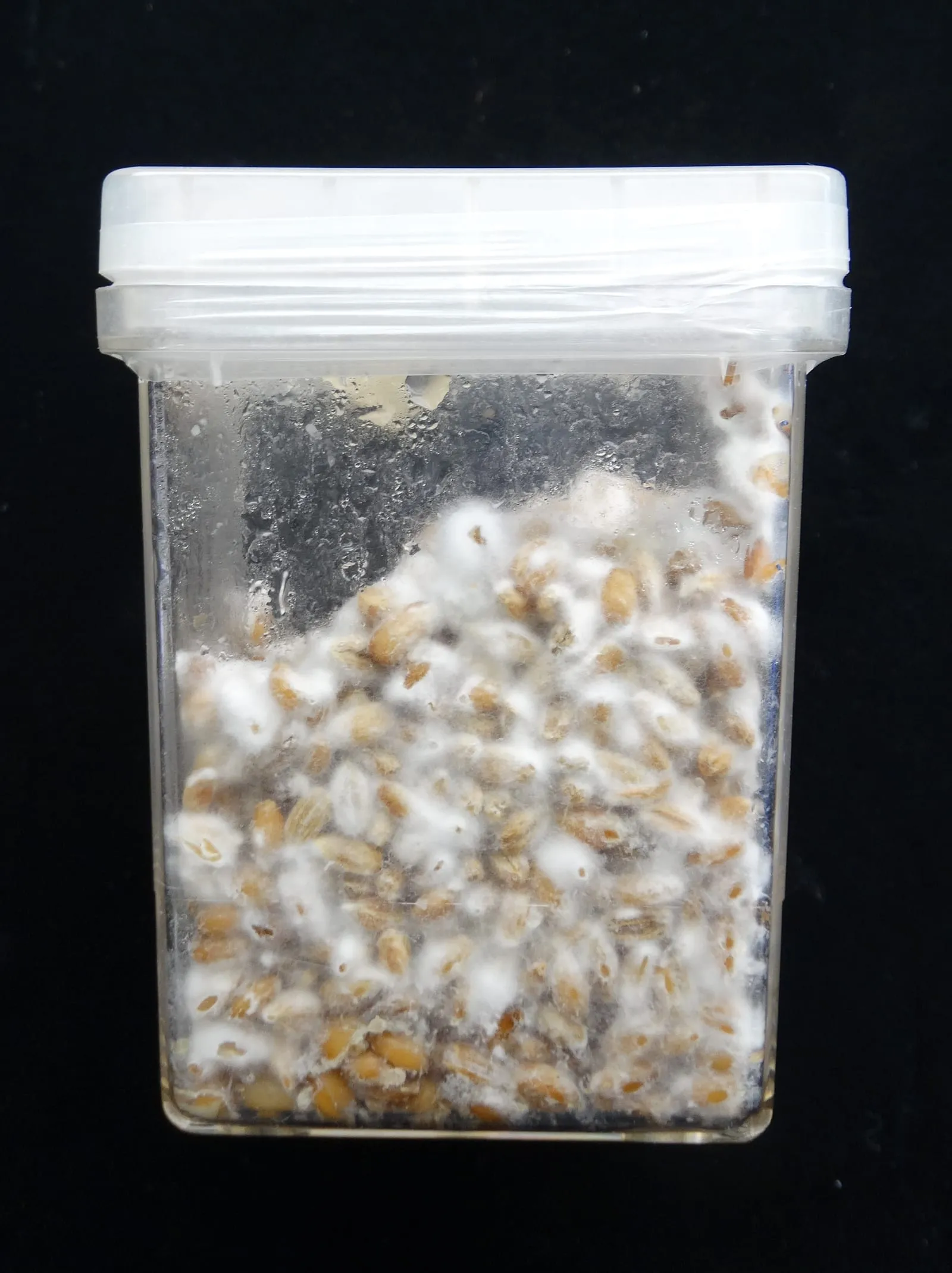
Fusarium oxysporum
Soil-borne fungal disease that plugs vascular tissue and kills affected plants. Persists in soil for many years; impossible to eliminate once established.
Modified care for zone 6b
The primary adjustment in zone 6b is vigilance around late-spring cold snaps. Basil planted in early May can still encounter nights below 50°F, causing chilling injury even without frost; symptoms appear as blackened leaf margins and stunted growth. Row cover or cloches during the first two weeks after transplanting reduces this risk considerably.
Downy mildew is the most significant disease pressure to anticipate in zone 6b's humid spring conditions. Overhead irrigation accelerates spread; drip irrigation and spacing plants for airflow are practical countermeasures. Fusarium wilt is soil-borne and persistent, so rotating basil planting locations by at least two years helps reduce inoculum buildup. Starting seeds indoors rather than direct-sowing is worth the effort in zone 6b, where the shorter effective season compared to zones 8 and above makes maximizing the transplant window important.
Basil in adjacent zones
Image: "Sweet Basil (Ocimum basilicum)", by Mokkie, via Wikimedia Commons, licensed under CC-BY Source.
.jpg)
Related