herb in zone 6a
Growing basil in zone 6a
Ocimum basilicum
- Zone
- 6a -10°F to -5°F
- Growing season
- 180 days
- Suitable varieties
- 4
- Days to harvest
- 60 to 80
The verdict
Basil is a warm-season annual with no chill-hour requirement, so the standard zone-matching calculation that applies to perennial fruit crops does not apply here. In zone 6a, minimum winter temperatures between -10 and -5°F are irrelevant to basil performance because the plant completes its entire life cycle within a single season. The 180-day growing season is sufficient for productive harvests from transplants set out after the last spring frost.
This is not a marginal zone for basil. The four varieties suited to zone 6a, Genovese, Thai, Lemon, and Purple Ruffles, all perform well through zone 6a summers. Thai basil holds better in heat without bolting prematurely, a useful trait in warmer zone 6a summers. The limiting factors are frost dates on both ends of the season, not cold hardiness. Downy mildew pressure, elevated in humid zone 6a climates, is worth accounting for in variety selection before the season begins.
Recommended varieties for zone 6a
4 cultivars suited to this zone, with disease-resistance and zone-fit annotations.
| Variety | Notes | Zone fit | Disease resistance |
|---|---|---|---|
| Genovese fits zone 6a | Sweet, anise-clove notes, classic Italian basil flavor; large pointed green leaves. Pesto, caprese, fresh on tomatoes, infused oils. The pesto basil standard. | | none noted |
| Thai fits zone 6a | Spicy-sweet, anise and licorice notes; narrower leaves with purple stems. Thai curries, pho garnish, stir-fries. Heat-tolerant, more pungent than Italian types. | | none noted |
| Lemon fits zone 6a | Bright lemon-citrus notes with classic basil base; small narrow green leaves. Fresh on fish, summer cocktails, fruit salads. Productive, fragrant, kid-friendly. | | none noted |
| Purple Ruffles fits zone 6a | Mild basil with peppery clove notes; deep purple ruffled leaves. Fresh, vinegar infusions (color), garnish. AAS winner, ornamental, holds purple in heat. | | none noted |
Critical timing for zone 6a
In zone 6a, last spring frost dates typically fall between late April and early May, though local conditions vary. Starting basil seeds indoors 6 to 8 weeks before the expected last frost puts the indoor start window at mid-March to early April. Soil temperatures need to reach at least 60°F before transplanting outdoors; in zone 6a this often means waiting until mid-May even after frost risk has technically passed.
Basil bolts in response to heat and lengthening days, typically in midsummer. Pinching flower heads regularly extends the productive harvest period by several weeks. Plants allowed to go to seed decline quickly. With first fall frost arriving in zone 6a in the mid-October range, the effective outdoor harvest window runs approximately late May through early October, roughly 130 to 140 days under favorable conditions.
Common challenges in zone 6a
- ▸ Brown rot in stone fruit
- ▸ Japanese beetles
- ▸ Spring frost damage to peach buds
Disease pressure to watch for
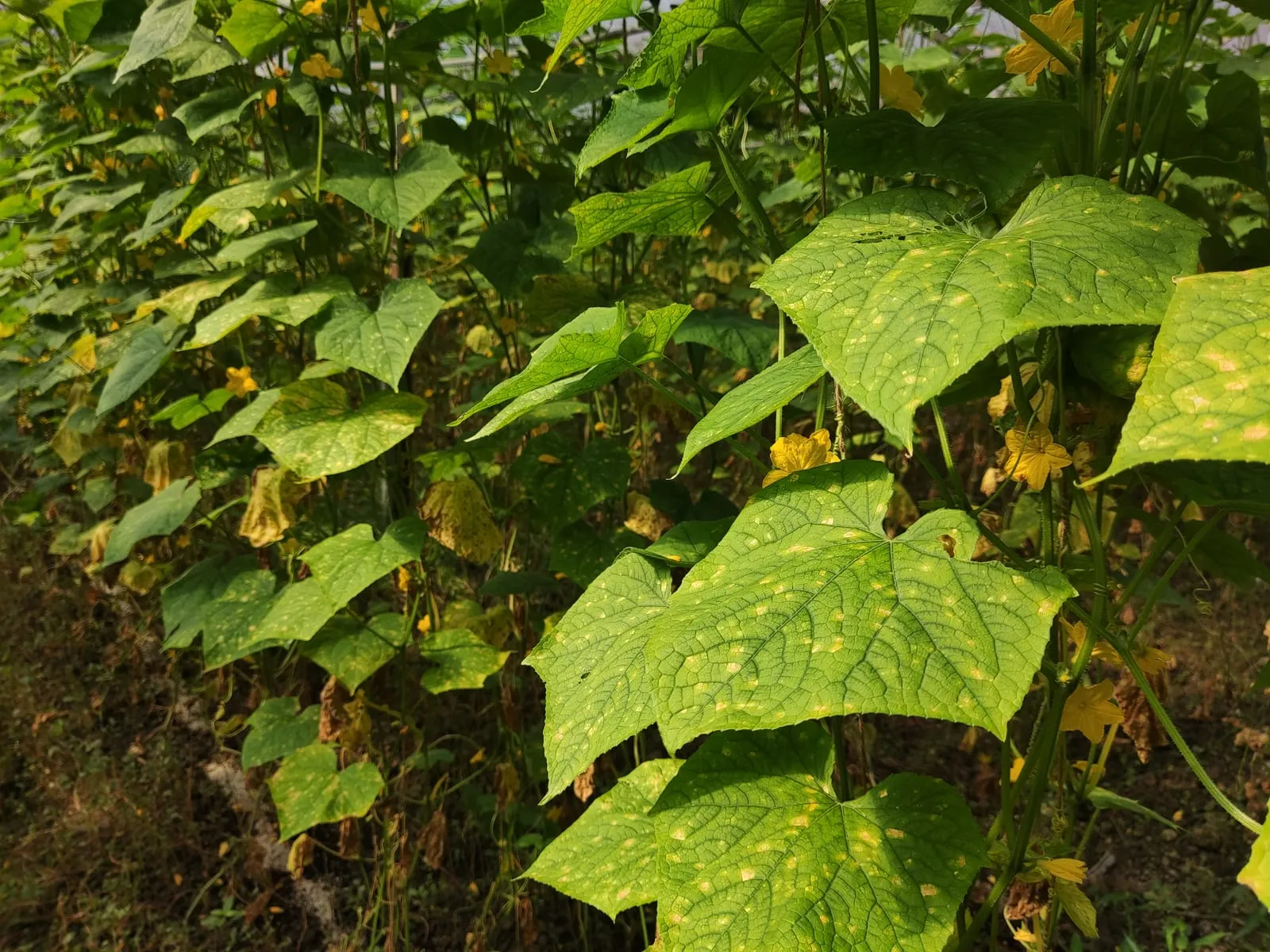
Pseudoperonospora cubensis (cucurbits) and others
Water mold (oomycete, not a true fungus) that thrives in cool damp conditions. Spreads rapidly through cucurbit and brassica plantings on wind-borne spores.
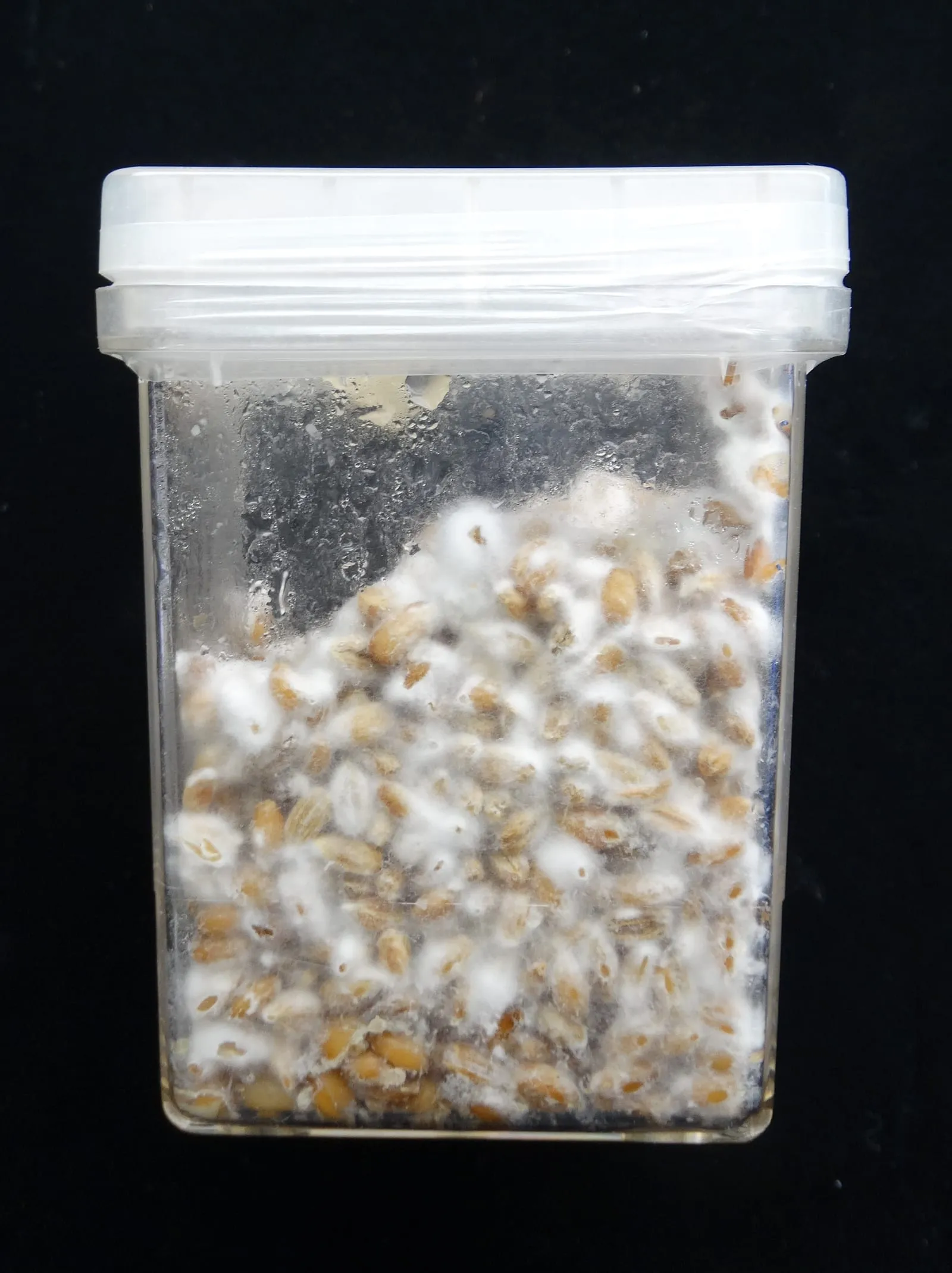
Fusarium oxysporum
Soil-borne fungal disease that plugs vascular tissue and kills affected plants. Persists in soil for many years; impossible to eliminate once established.
Modified care for zone 6a
The primary adjustment in zone 6a is spring transplant timing. Basil set into soil below 60°F stalls and becomes prone to damping off; a soil thermometer is more reliable than the calendar for determining when to transplant.
Downy mildew (caused by Peronospora belbahrii) has become a significant disease threat in humid zone 6a climates, particularly in the eastern part of the zone. It spreads rapidly in wet, warm conditions and can collapse a planting quickly. Resistant varieties exist within the Genovese and sweet basil types and are worth prioritizing where the disease has appeared before. Standard Genovese is susceptible.
Fusarium wilt persists in soil; rotating basil out of affected beds and avoiding overhead watering reduces pressure. Japanese beetles feed on basil foliage in midsummer and warrant monitoring from late June onward.
Basil in adjacent zones
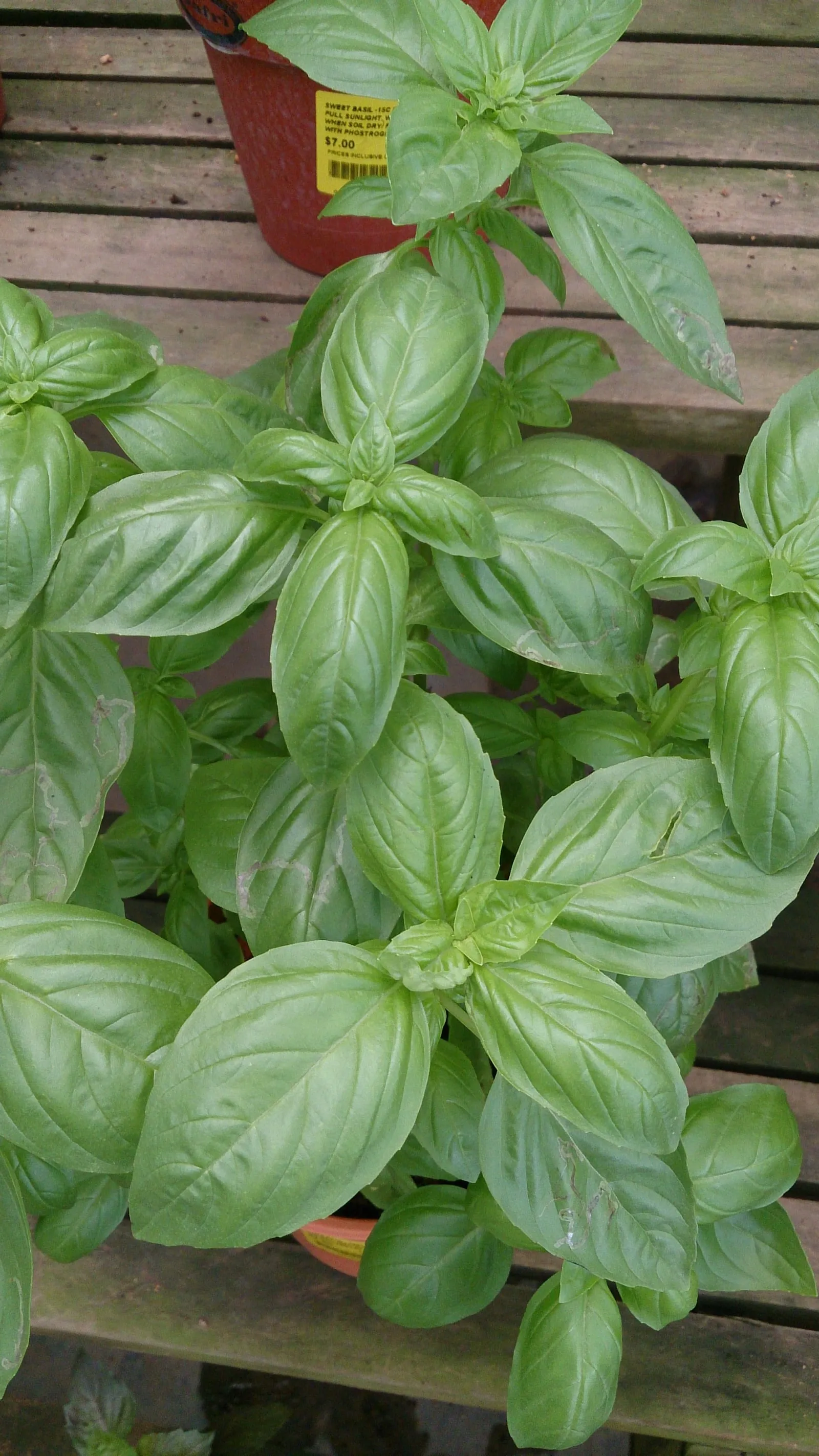
Image: "Sweet Basil (Ocimum basilicum)", by Mokkie, via Wikimedia Commons, licensed under CC-BY Source.
.jpg)
Related