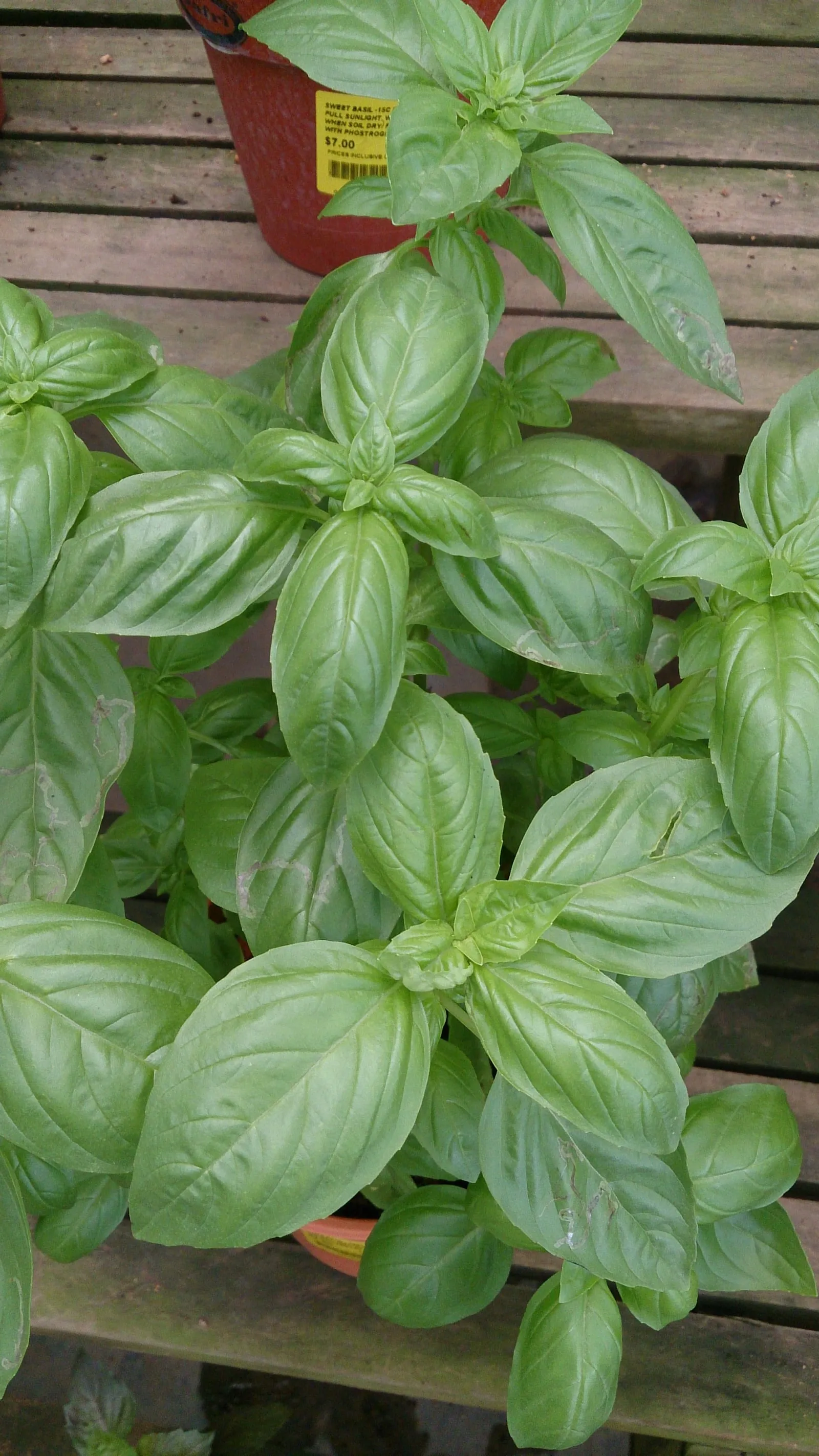
herb in zone 5b
Growing basil in zone 5b
Ocimum basilicum
- Zone
- 5b -15°F to -10°F
- Growing season
- 165 days
- Suitable varieties
- 4
- Days to harvest
- 60 to 80
The verdict
Basil is a heat-loving annual with no chill-hour requirement, which changes the zone 5b calculation considerably. The crop does not overwinter anywhere in the continental US outside protected tropical microclimates, so the zone's winter low of -15 to -10°F is largely irrelevant. What matters is growing-season length and heat accumulation.
Zone 5b's 165-day frost-free window is workable for basil, but not generous. Last frost typically falls in late April to mid-May; first fall frost arrives in mid-September to early October. That leaves roughly 120 to 150 frost-free days depending on location within the zone. Genovese and Lemon varieties mature and produce well within this window when started indoors. Thai basil handles midsummer heat particularly well. Purple Ruffles is more sensitive at the cold margins and benefits from extra care at transplant time.
This is a functional zone for basil, not a sweet spot. Growers who start seeds indoors and manage the season endpoints get reliable harvests. Those who direct-sow outdoors will often find the season too abbreviated for full productivity.
Recommended varieties for zone 5b
4 cultivars suited to this zone, with disease-resistance and zone-fit annotations.
| Variety | Notes | Zone fit | Disease resistance |
|---|---|---|---|
| Genovese fits zone 5b | Sweet, anise-clove notes, classic Italian basil flavor; large pointed green leaves. Pesto, caprese, fresh on tomatoes, infused oils. The pesto basil standard. | | none noted |
| Thai fits zone 5b | Spicy-sweet, anise and licorice notes; narrower leaves with purple stems. Thai curries, pho garnish, stir-fries. Heat-tolerant, more pungent than Italian types. | | none noted |
| Lemon fits zone 5b | Bright lemon-citrus notes with classic basil base; small narrow green leaves. Fresh on fish, summer cocktails, fruit salads. Productive, fragrant, kid-friendly. | | none noted |
| Purple Ruffles fits zone 5b | Mild basil with peppery clove notes; deep purple ruffled leaves. Fresh, vinegar infusions (color), garnish. AAS winner, ornamental, holds purple in heat. | | none noted |
Critical timing for zone 5b
Seeds should be started indoors 6 to 8 weeks before the last expected frost, typically late March to mid-April in zone 5b. Transplant outdoors after the last frost date, once soil temperature has reached 60°F. Soil temperature is often the binding constraint in this zone; air temperatures may clear frost before the ground warms sufficiently for vigorous establishment.
Plants bolt in the heat of July and August. Once flower stalks form, leaf production slows and flavor shifts. Pinching flower heads as they appear extends the productive harvest window through August and into September. The first fall frost, which arrives in mid-September to early October across most of zone 5b, ends the outdoor season abruptly. Basil shows cold damage below 50°F even without a hard freeze, so late-season decline often precedes the killing frost.
Common challenges in zone 5b
- ▸ Plum curculio
- ▸ Codling moth
- ▸ Cedar-apple rust
Disease pressure to watch for
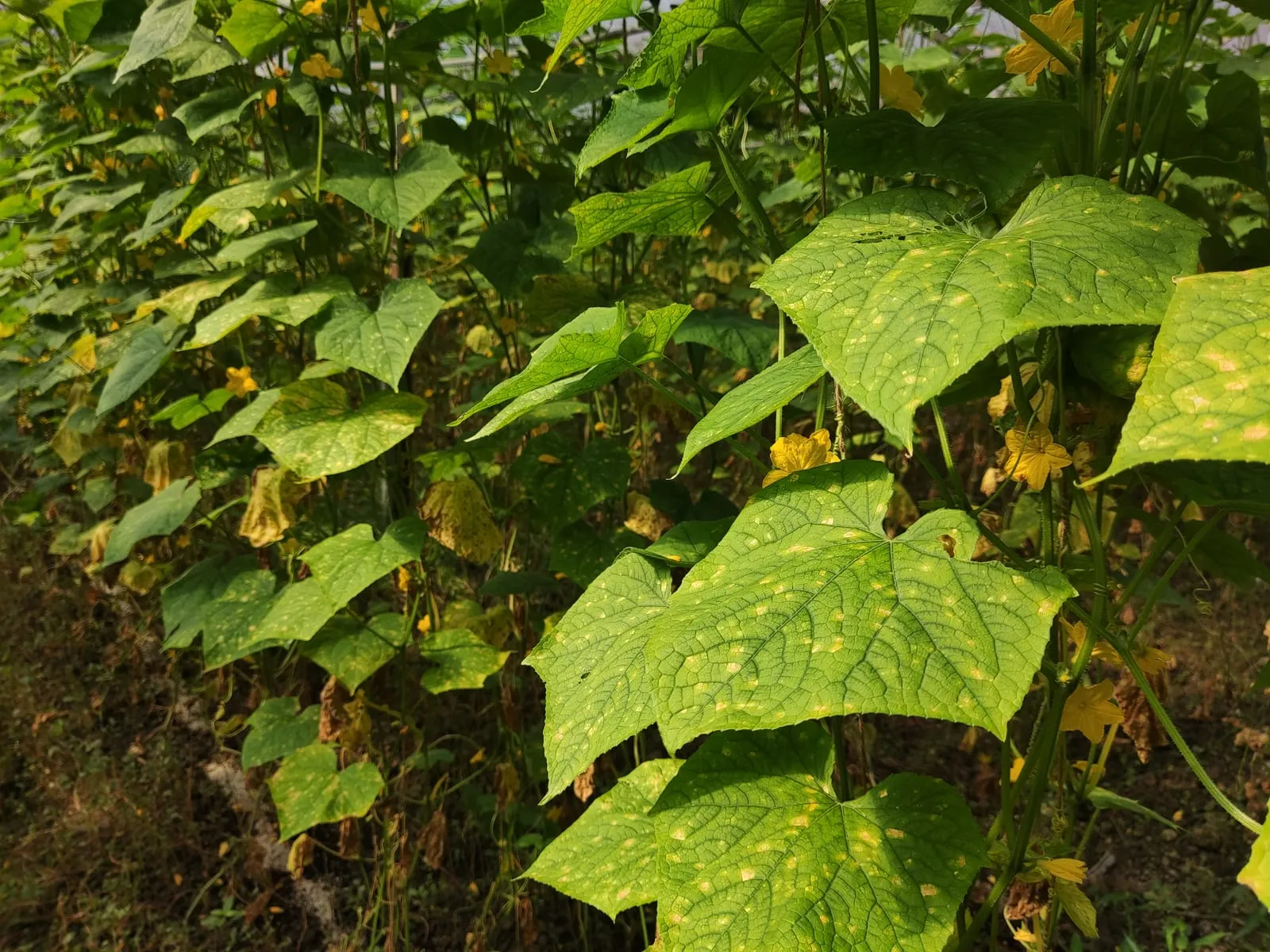
Pseudoperonospora cubensis (cucurbits) and others
Water mold (oomycete, not a true fungus) that thrives in cool damp conditions. Spreads rapidly through cucurbit and brassica plantings on wind-borne spores.
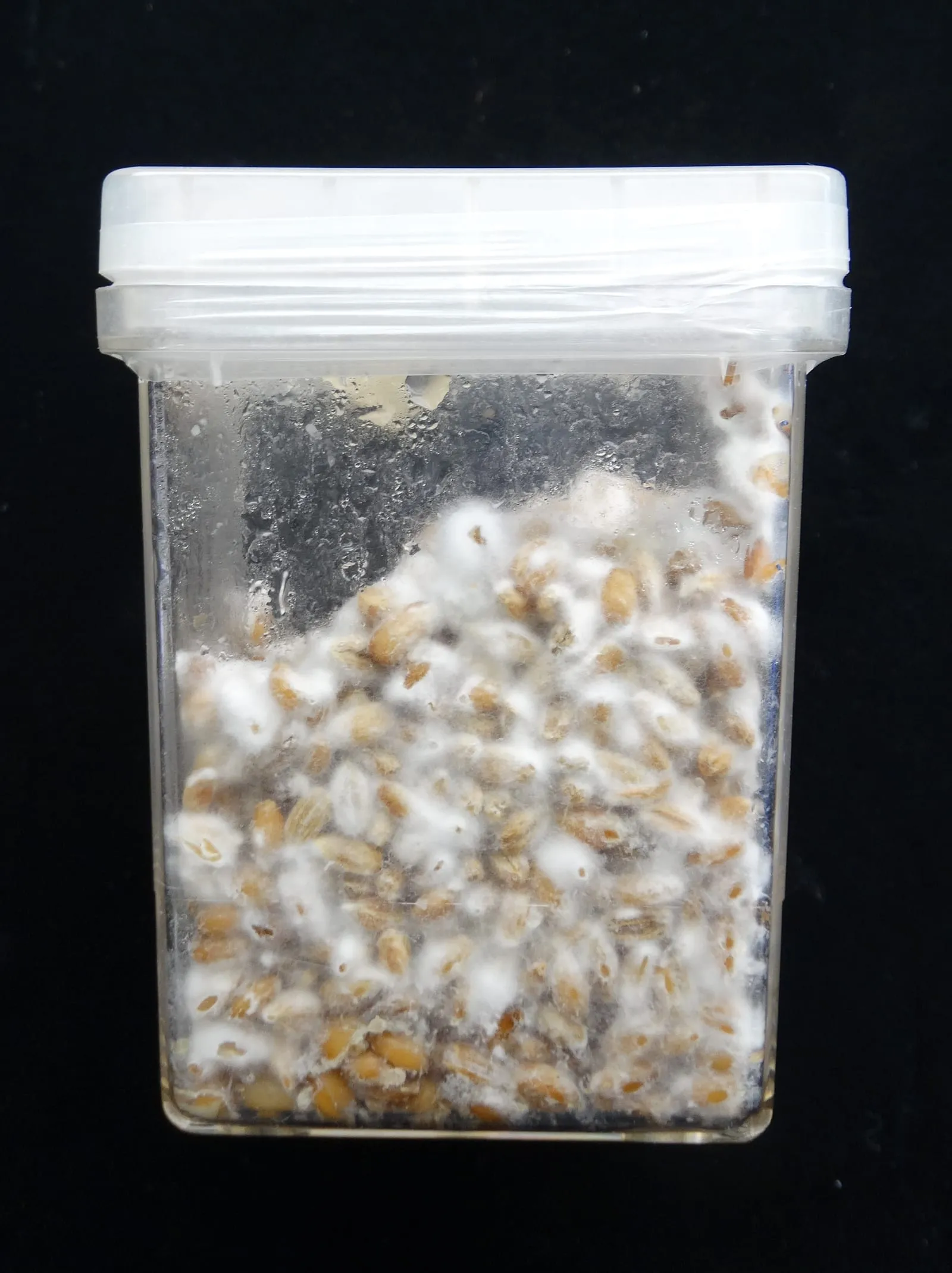
Fusarium oxysporum
Soil-borne fungal disease that plugs vascular tissue and kills affected plants. Persists in soil for many years; impossible to eliminate once established.
Modified care for zone 5b
Indoor seed starting is not optional in zone 5b. The outdoor season is too short for reliable direct-sow harvest, particularly with Genovese and Purple Ruffles, which need adequate time to establish before the heat that triggers bolting.
Soil warming is a practical priority at transplant time. Black plastic mulch raises soil temperature by several degrees, reducing transplant shock and accelerating early growth. Row covers provide insurance against late cold snaps through May; basil shows cold damage at temperatures below 50°F, well above the frost threshold.
Downy mildew (Peronospora belbahrii) is the primary disease concern, especially during wet early-summer periods. Adequate plant spacing and morning watering reduce the duration of leaf wetness. Fusarium wilt persists in soil for several years; rotating basil out of any given planting spot for at least two to three seasons is the most reliable management strategy.
Frequently asked questions
- Can basil survive winter in zone 5b?
No. Basil is a frost-tender annual that dies at the first hard freeze, which arrives by October in zone 5b. Growers who want to carry a productive plant through winter can take stem cuttings in late summer and root them indoors, but outdoor overwintering is not possible in this zone.
- When should basil seeds be started indoors for zone 5b?
Late March to mid-April. This timing puts transplant-ready seedlings at the last frost window (late April to mid-May), with soil temperatures approaching the 60°F minimum basil needs for strong establishment.
- What is the primary disease risk for basil in zone 5b?
Downy mildew (Peronospora belbahrii) is the main concern, appearing as yellow patches on upper leaf surfaces with gray-purple sporulation on the undersides. It spreads rapidly in wet, humid conditions. Good airflow, adequate spacing, and avoiding overhead watering are the most practical preventive measures.
- Which basil varieties perform best in the shorter season of zone 5b?
Genovese is the reliable baseline for this zone when started indoors on schedule. Thai basil tolerates midsummer heat well and holds off bolting longer than most sweet types. Lemon basil matures quickly. Purple Ruffles is the most cold-sensitive of the four and warrants extra attention at transplant time.
+−
+−
+−
+−
Basil in adjacent zones
Image: "Sweet Basil (Ocimum basilicum)", by Mokkie, via Wikimedia Commons, licensed under CC-BY Source.
.jpg)
Related