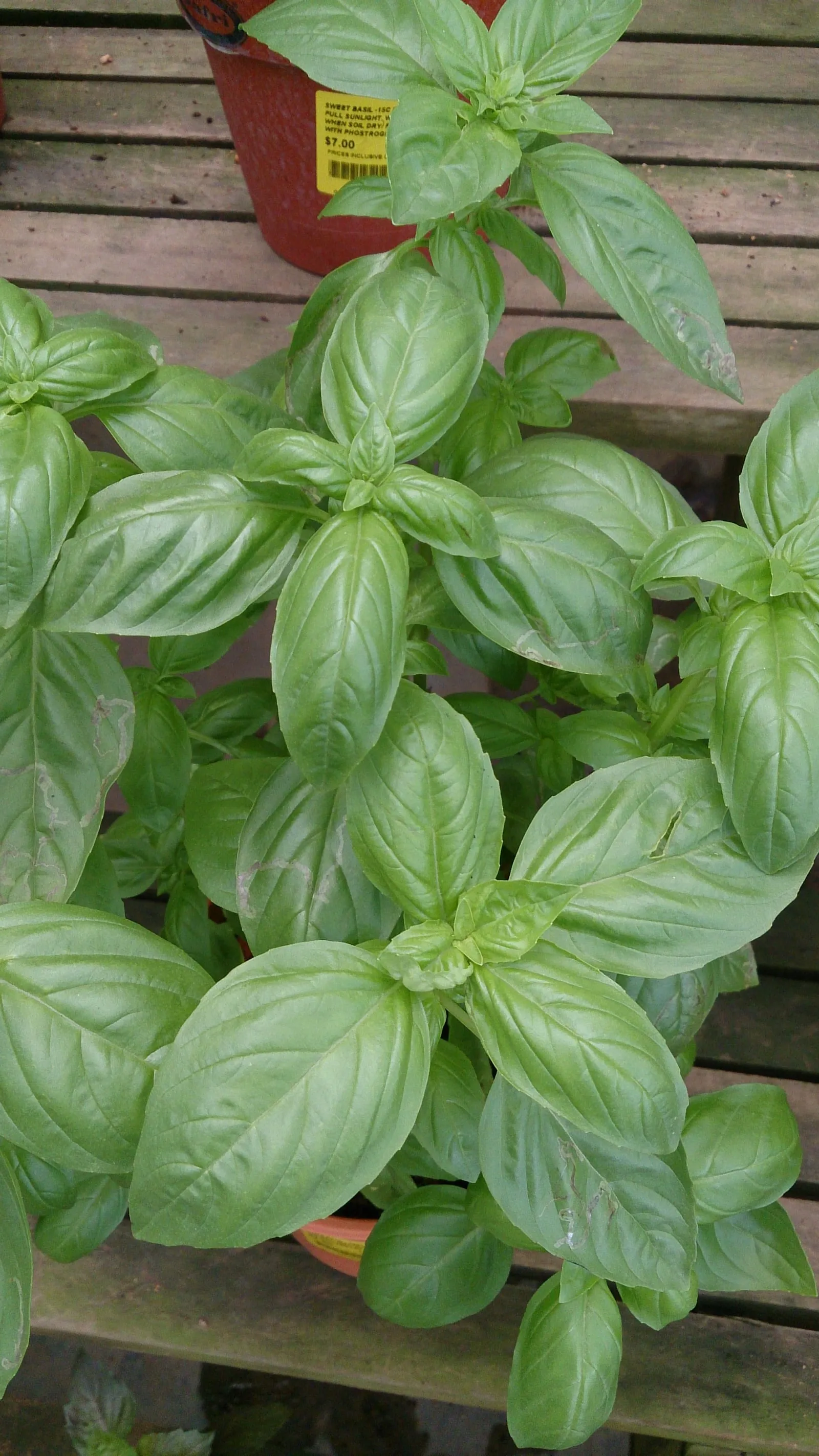
herb in zone 5a
Growing basil in zone 5a
Ocimum basilicum
- Zone
- 5a -20°F to -15°F
- Growing season
- 150 days
- Suitable varieties
- 4
- Days to harvest
- 60 to 80
The verdict
Basil is a warm-season annual with no chill-hour requirement, so zone suitability comes down entirely to heat and frost timing rather than winter cold. Zone 5a's 150-day growing season is workable but leaves little margin. Basil needs soil temperatures above 60°F to germinate reliably and performs best when daytime highs are consistently in the 70s and 80s. Zone 5a can deliver that from roughly late June through August, but the window between last frost and first frost is narrow enough that direct sowing outdoors is rarely worth the gamble. Starting transplants indoors is the standard approach here. Late spring frosts are the primary threat, as even a light frost kills basil outright. Growers willing to manage transplant timing and watch spring weather forecasts will find zone 5a fully capable of producing good harvests. It is not a marginal zone for basil so much as a zone that punishes sloppy timing.
Recommended varieties for zone 5a
4 cultivars suited to this zone, with disease-resistance and zone-fit annotations.
| Variety | Notes | Zone fit | Disease resistance |
|---|---|---|---|
| Genovese fits zone 5a | Sweet, anise-clove notes, classic Italian basil flavor; large pointed green leaves. Pesto, caprese, fresh on tomatoes, infused oils. The pesto basil standard. | | none noted |
| Thai fits zone 5a | Spicy-sweet, anise and licorice notes; narrower leaves with purple stems. Thai curries, pho garnish, stir-fries. Heat-tolerant, more pungent than Italian types. | | none noted |
| Lemon fits zone 5a | Bright lemon-citrus notes with classic basil base; small narrow green leaves. Fresh on fish, summer cocktails, fruit salads. Productive, fragrant, kid-friendly. | | none noted |
| Purple Ruffles fits zone 5a | Mild basil with peppery clove notes; deep purple ruffled leaves. Fresh, vinegar infusions (color), garnish. AAS winner, ornamental, holds purple in heat. | | none noted |
Critical timing for zone 5a
Last frost in zone 5a typically falls between mid-May and late May depending on elevation and local geography. Basil seeds should be started indoors 6 to 8 weeks before that date, putting the start window in late March to early April. Transplants go out after last frost has passed and soil has warmed, usually early to mid-June. Harvest begins once plants are 6 to 8 inches tall, typically by late June or early July. Basil will begin flowering in July and August as day length shortens and heat accumulates. Pinching flower buds extends the leaf harvest through late August. First frost in zone 5a arrives in late September to mid-October, effectively ending the season. The productive harvest window runs approximately 10 to 14 weeks.
Common challenges in zone 5a
- ▸ Fire blight in pears
- ▸ Cedar-apple rust
- ▸ Late spring frosts
Disease pressure to watch for
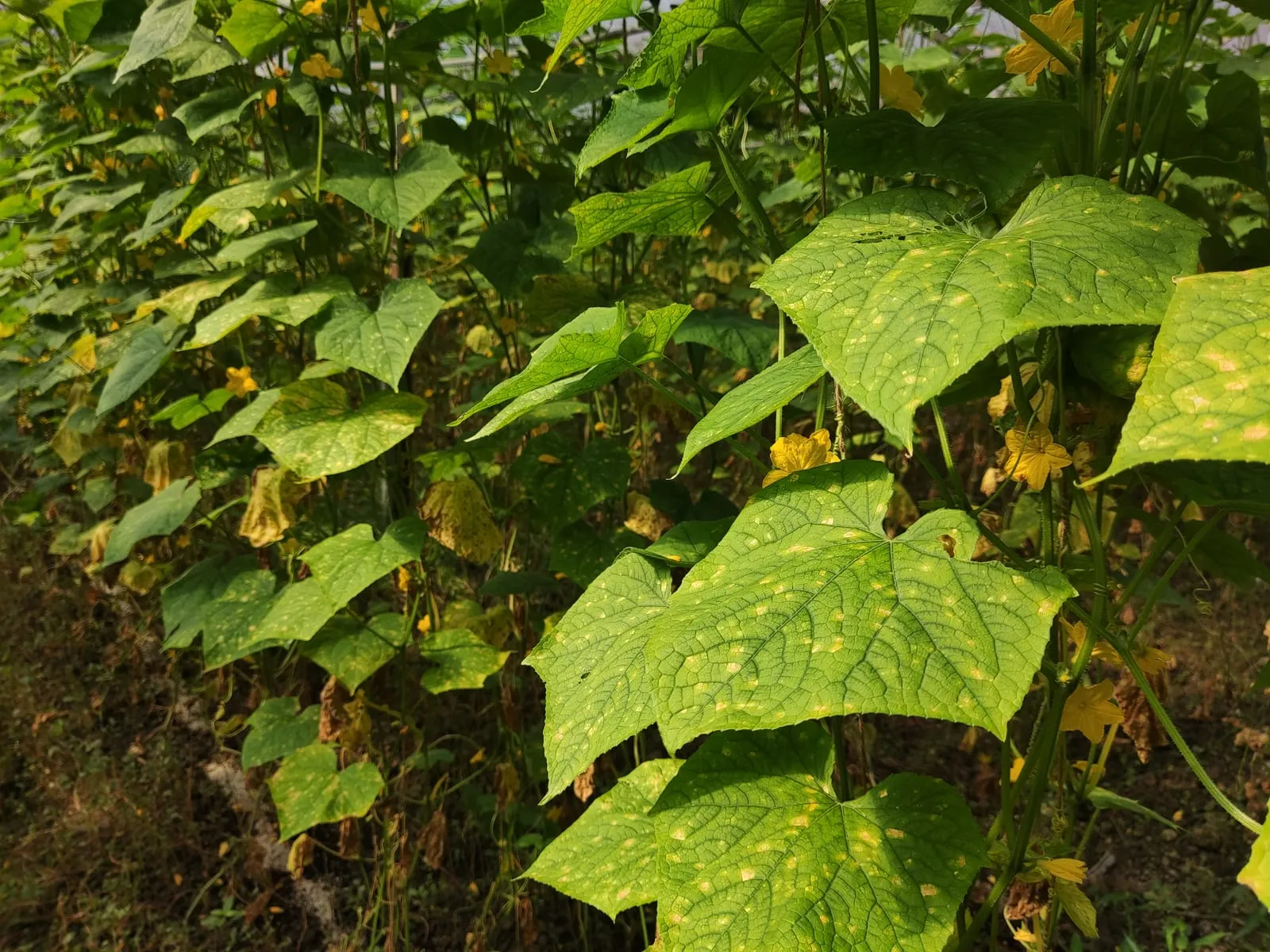
Pseudoperonospora cubensis (cucurbits) and others
Water mold (oomycete, not a true fungus) that thrives in cool damp conditions. Spreads rapidly through cucurbit and brassica plantings on wind-borne spores.
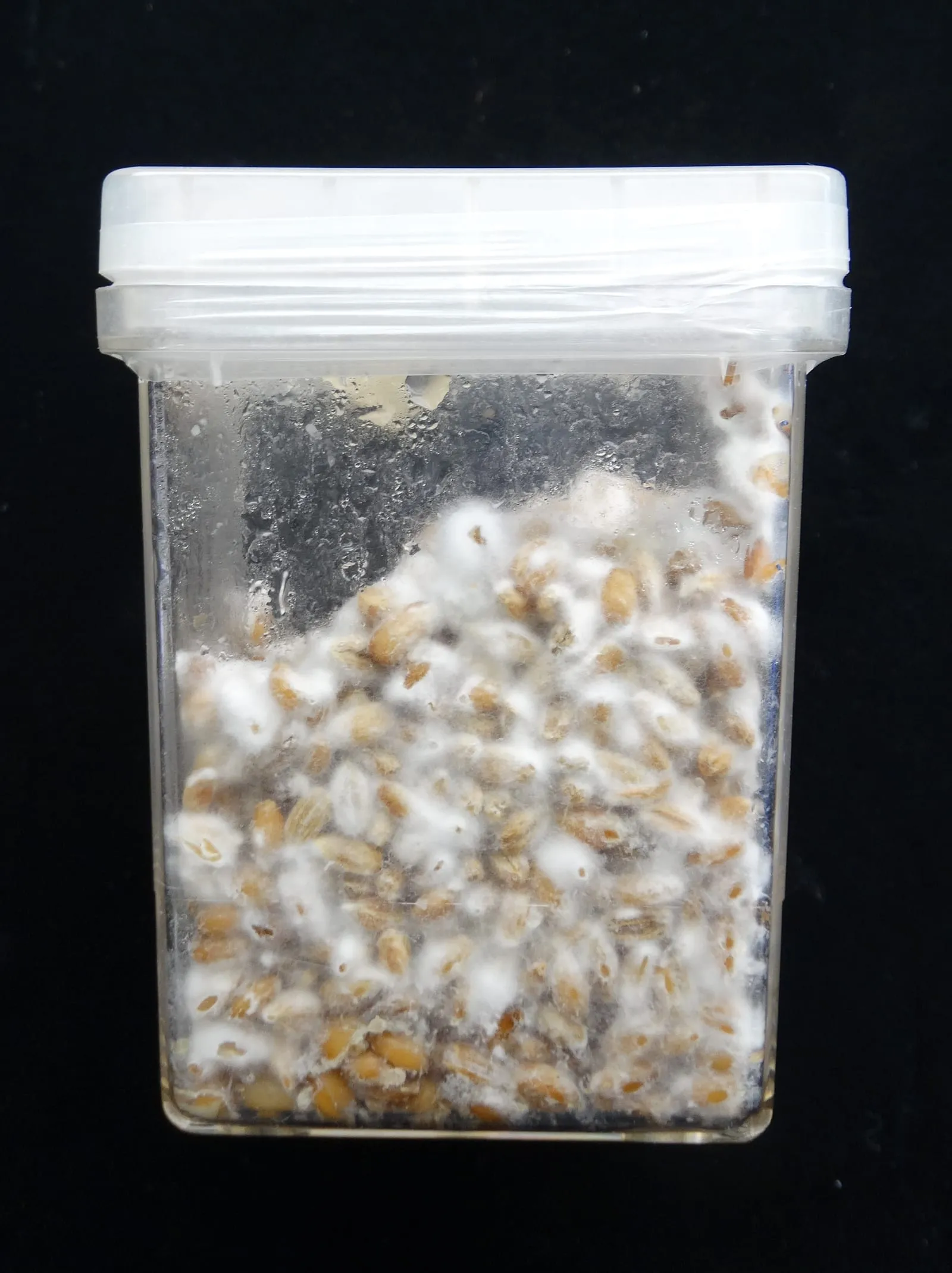
Fusarium oxysporum
Soil-borne fungal disease that plugs vascular tissue and kills affected plants. Persists in soil for many years; impossible to eliminate once established.
Modified care for zone 5a
The most critical adaptation in zone 5a is starting basil indoors and hardening off transplants carefully before outdoor placement. Soil warmth matters as much as air temperature; planting into cold soil stalls growth even when frost risk has passed. Black plastic mulch or row cover over bare soil for a week or two before transplanting meaningfully accelerates soil warming. Downy mildew is the primary disease pressure to monitor in zone 5a. The cool, humid conditions of early summer and late August create favorable conditions for infection. Spacing plants for airflow and avoiding overhead watering reduces risk. Fusarium wilt, a soil-borne pathogen, is best managed through crop rotation rather than treatment. The zone challenges listed for cedar-apple rust and fire blight are specific to tree fruit and have no bearing on basil production.
Frequently asked questions
- Can basil survive outdoors year-round in zone 5a?
No. Basil is a frost-tender annual killed by temperatures at or below 32°F. Zone 5a winters drop well below that threshold. Basil must be replanted each season from transplants or seed, or overwintered as a potted plant kept indoors above 50°F.
- Which basil varieties perform best in zone 5a's short growing season?
Genovese is the standard choice and produces well within the 150-day zone 5a window when started indoors. Lemon basil matures quickly and handles cooler nights with reasonable tolerance. Thai basil is more heat-dependent and benefits from the warmest, most sheltered site available.
- How do I extend the basil season in zone 5a?
Starting transplants indoors in late March adds 6 to 8 weeks of productive growth compared to direct sowing. Row covers or cold frames protect against late-season frosts in September and can extend harvest by two to three weeks. Potting plants and bringing them indoors before first frost is an option for growers who want fresh basil into October.
- What causes basil leaves to turn yellow in zone 5a gardens?
Yellowing in zone 5a is most commonly tied to one of two causes: cold soil stress in early summer when plants were transplanted before soil fully warmed, or the early stages of downy mildew, which presents as yellowing on upper leaf surfaces with gray sporulation underneath. Cold-stress yellowing typically resolves as temperatures rise; downy mildew does not.
+−
+−
+−
+−
Basil in adjacent zones
Image: "Sweet Basil (Ocimum basilicum)", by Mokkie, via Wikimedia Commons, licensed under CC-BY Source.
.jpg)
Related