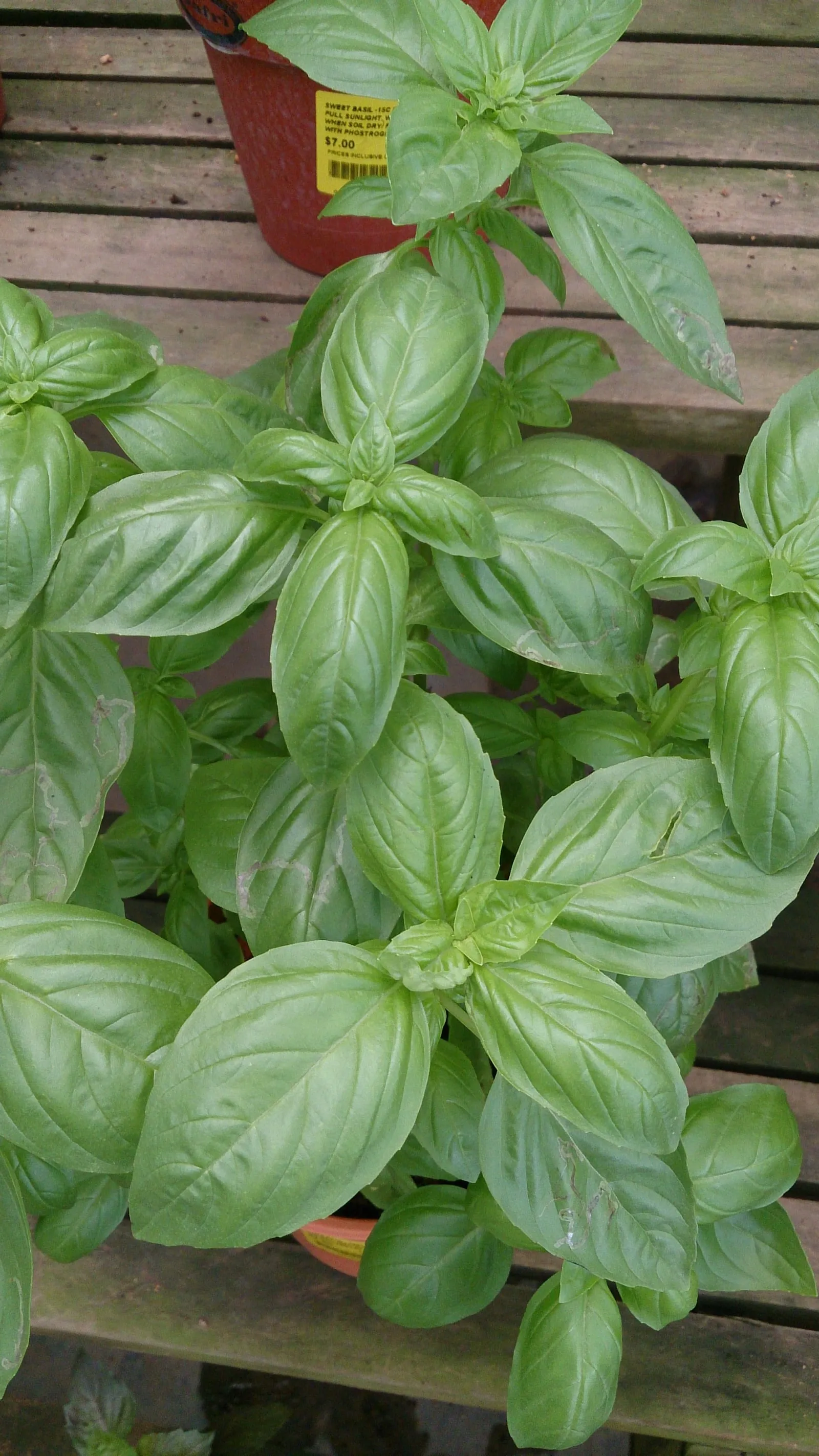
herb in zone 4b
Growing basil in zone 4b
Ocimum basilicum
- Zone
- 4b -25°F to -20°F
- Growing season
- 130 days
- Suitable varieties
- 2
- Days to harvest
- 60 to 80
The verdict
Basil is a marginal crop in zone 4b, and the limiting factor is not chill hours (basil is an annual with no vernalization requirement) but the narrow frost-free window. Zone 4b's growing season of roughly 130 days sounds workable on paper, but basil cannot go into the ground until soil temperatures consistently hold above 60°F, which in zone 4b typically pushes outdoor planting to late May or early June. That leaves approximately 90 to 100 frost-free days before the first fall frost, usually arriving in early September. Genovese and Lemon basil both reach harvestable size in 60 to 70 days from transplant, so the math works, but there is no buffer for a late spring or early fall frost event. Direct sowing outdoors is not practical here. Transplants started indoors are the only reliable path to a full harvest before the season closes.
Recommended varieties for zone 4b
2 cultivars suited to this zone, with disease-resistance and zone-fit annotations.
| Variety | Notes | Zone fit | Disease resistance |
|---|---|---|---|
| Genovese fits zone 4b | Sweet, anise-clove notes, classic Italian basil flavor; large pointed green leaves. Pesto, caprese, fresh on tomatoes, infused oils. The pesto basil standard. | | none noted |
| Lemon fits zone 4b | Bright lemon-citrus notes with classic basil base; small narrow green leaves. Fresh on fish, summer cocktails, fruit salads. Productive, fragrant, kid-friendly. | | none noted |
Critical timing for zone 4b
Start basil seeds indoors 6 to 8 weeks before the last expected frost, placing that start date in late March to early April for most of zone 4b. Soil temperature at transplant time matters more than the calendar date: wait for consistent 60°F at 2-inch depth before moving seedlings outside, typically late May to early June. First harvest begins roughly 60 to 70 days after transplanting. Flowering (bolting) tends to start in August as day length shortens; pinching flower heads back regularly extends the harvest by 2 to 3 weeks. The season ends hard with the first fall frost, generally in early to mid-September in zone 4b, with no gradual slowdown as there would be in warmer zones.
Common challenges in zone 4b
- ▸ Spring frost timing
- ▸ Apple scab pressure
- ▸ Cane berry winter dieback
Disease pressure to watch for
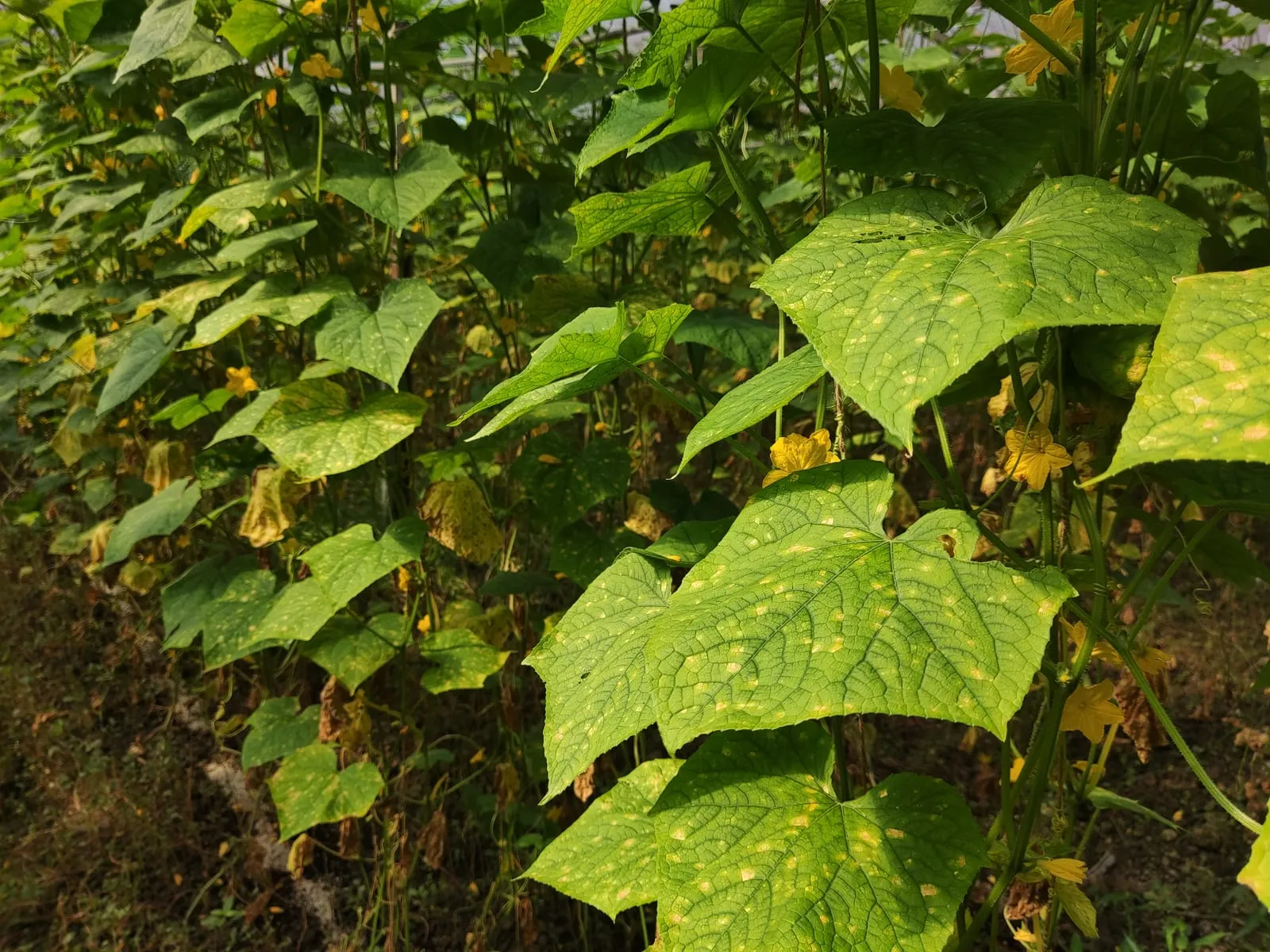
Pseudoperonospora cubensis (cucurbits) and others
Water mold (oomycete, not a true fungus) that thrives in cool damp conditions. Spreads rapidly through cucurbit and brassica plantings on wind-borne spores.
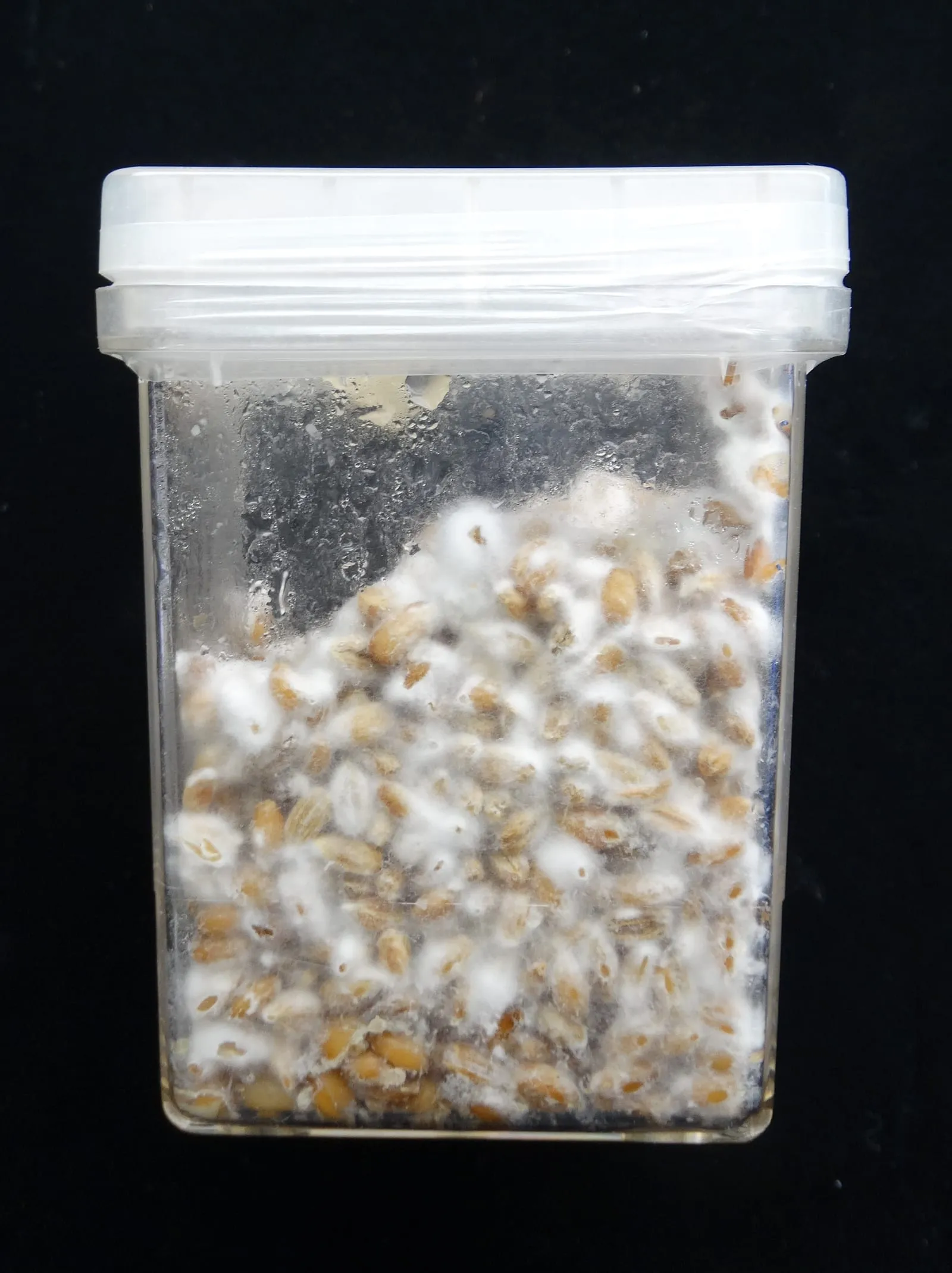
Fusarium oxysporum
Soil-borne fungal disease that plugs vascular tissue and kills affected plants. Persists in soil for many years; impossible to eliminate once established.
Modified care for zone 4b
Zone 4b demands indoor transplant starts, full stop. Cold soil at planting time causes stunted growth that the short season cannot compensate for, so patience on the transplant date is the most important management decision. Row cover or low tunnels can gain 1 to 2 weeks on each end of the season, which meaningfully expands the harvest window. Downy mildew is the primary disease pressure for basil throughout the Northeast and Upper Midwest; space plants at least 12 inches apart, avoid overhead irrigation, and water in the morning so foliage dries before nightfall. Fusarium wilt is soil-borne and has no cure once present; rotate basil to a new location each season and do not replant in an infected bed for at least 3 years. The compressed season leaves little room to restart from a failed planting, so disease prevention rather than treatment is the practical approach.
Frequently asked questions
- Can basil be grown outdoors year-round in zone 4b?
No. Basil is killed by frost and cannot overwinter in zone 4b, where winter lows reach -25 to -20°F. It is grown as a warm-season annual, with the outdoor season running from late May or early June through the first fall frost in early September.
- Which basil varieties perform best in zone 4b's short season?
Genovese and Lemon basil both reach harvestable size within 60 to 70 days from transplant, fitting zone 4b's 90 to 100 frost-free days. Compact varieties that mature quickly are generally better suited to short-season zones than large-leaf Italian types bred for long Mediterranean summers.
- How do you manage downy mildew on basil in cooler, wetter climates?
Downy mildew thrives in the cool, humid conditions common in zone 4b springs and early falls. Improve air circulation by spacing plants at least 12 inches apart, use drip irrigation instead of overhead watering, and avoid working with plants when foliage is wet. Resistant varieties are available but not always easy to source.
- What soil temperature does basil need before transplanting outdoors?
Basil performs best when transplanted into soil that holds at least 60°F consistently at a 2-inch depth. Planting into colder soil causes slow establishment, yellowing, and vulnerability to root disease, and the short zone 4b season offers little time to recover.
+−
+−
+−
+−
Basil in adjacent zones
Image: "Sweet Basil (Ocimum basilicum)", by Mokkie, via Wikimedia Commons, licensed under CC-BY Source.
.jpg)
Related