herb in zone 4a
Growing basil in zone 4a
Ocimum basilicum
- Zone
- 4a -30°F to -25°F
- Growing season
- 120 days
- Suitable varieties
- 1
- Days to harvest
- 60 to 80
The verdict
Basil is a frost-intolerant warm-season annual with no chill-hour requirement, so zone 4a suitability hinges entirely on season length and frost timing rather than winter cold. With roughly 120 frost-free days, zone 4a sits at the marginal end of basil's practical range. The crop can be grown successfully, but it requires starting transplants indoors and precise timing around the last frost date, which in zone 4a typically falls between late May and mid-June depending on elevation and local topography.
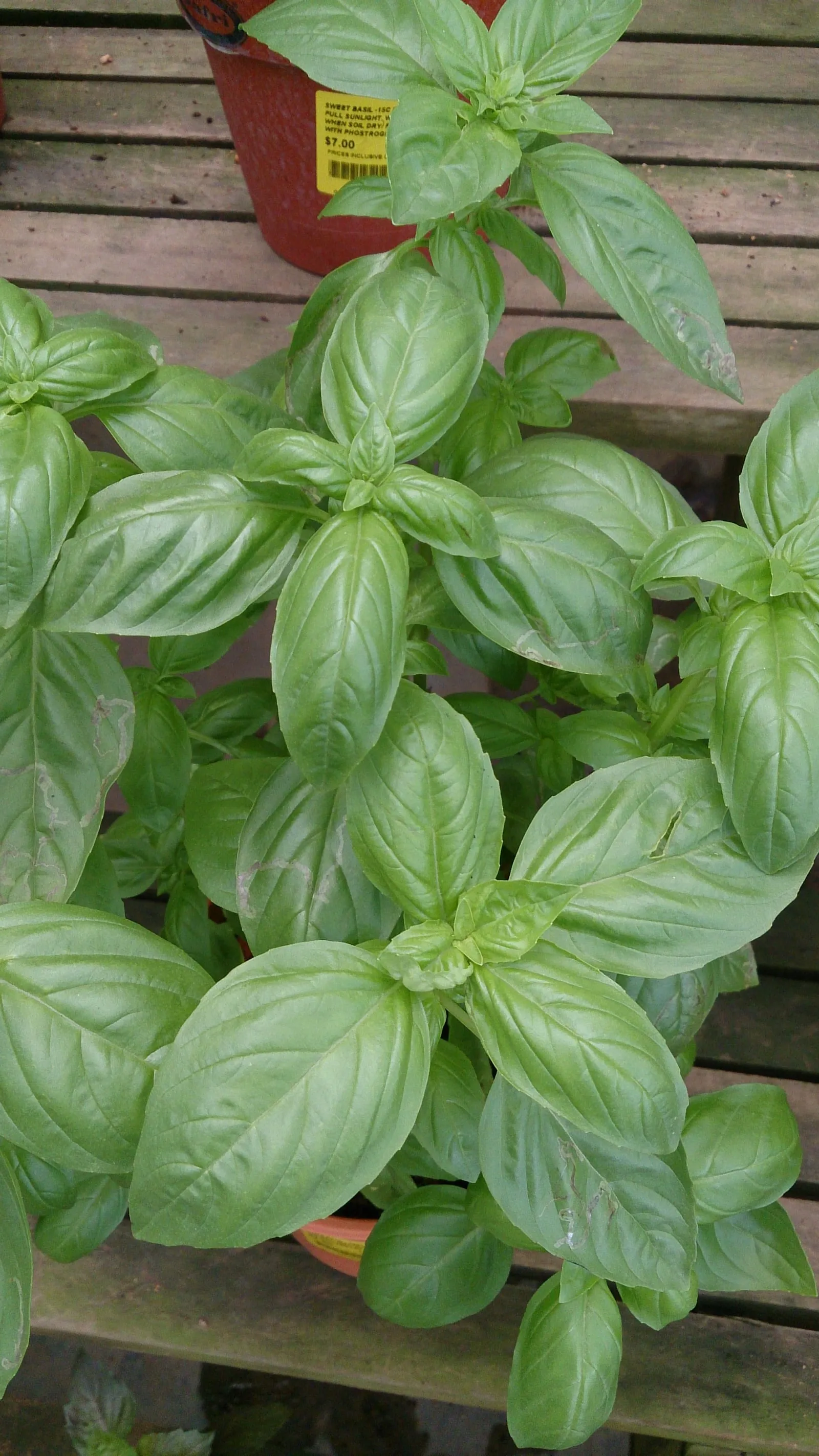
Genovese is the variety best suited to this zone. It establishes quickly and produces a full harvest within the compressed warm window before first fall frost arrives, often as early as late August or early September in colder pockets of zone 4a. Growers at the colder end of the zone (minimum temperatures approaching -30°F) should treat basil as a short-window crop that rewards careful scheduling rather than an easy summer staple.
Recommended varieties for zone 4a
1 cultivar suited to this zone, with disease-resistance and zone-fit annotations.
| Variety | Notes | Zone fit | Disease resistance |
|---|---|---|---|
| Genovese fits zone 4a | Sweet, anise-clove notes, classic Italian basil flavor; large pointed green leaves. Pesto, caprese, fresh on tomatoes, infused oils. The pesto basil standard. | | none noted |
Critical timing for zone 4a
Basil cannot go outdoors until all frost risk has passed. In zone 4a, that threshold typically falls between late May and mid-June. Direct sowing after last frost is possible but wastes precious season; starting transplants indoors 6 to 8 weeks before the projected last frost date gives a meaningful head start.
Harvest begins once plants reach 6 to 8 inches and have several sets of true leaves, generally mid-July in zone 4a. Basil bolts (flowers and loses leaf quality) under long summer days and heat stress, so the usable harvest window runs roughly July through mid-August. The zone's first fall frost, which can arrive before the end of August in colder locations, cuts the season short regardless of plant vigor. Monitoring local frost forecasts in late August is essential.
Common challenges in zone 4a
- ▸ Late frosts damage early bloomers
- ▸ Limited peach varieties
Disease pressure to watch for
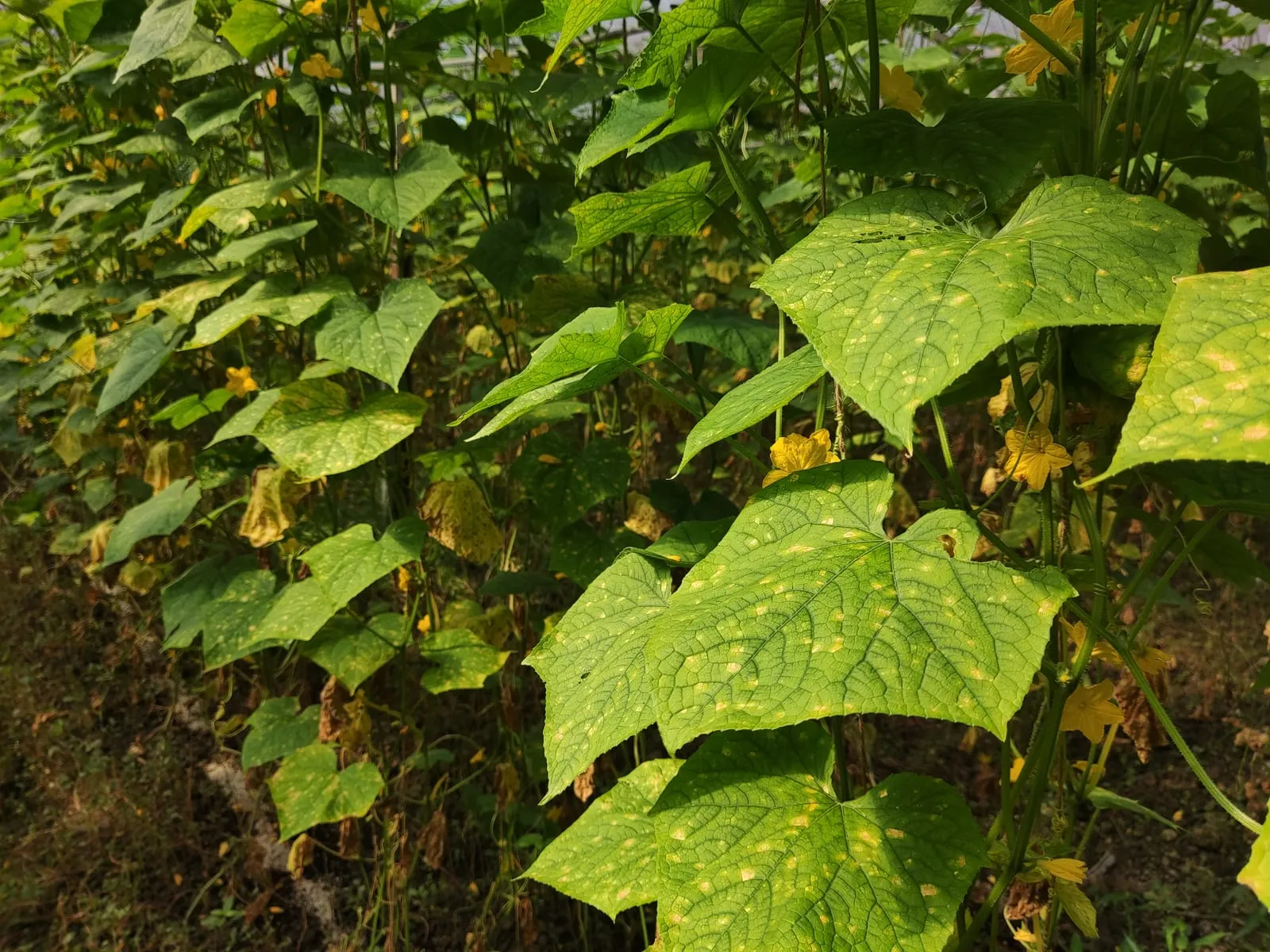
Pseudoperonospora cubensis (cucurbits) and others
Water mold (oomycete, not a true fungus) that thrives in cool damp conditions. Spreads rapidly through cucurbit and brassica plantings on wind-borne spores.
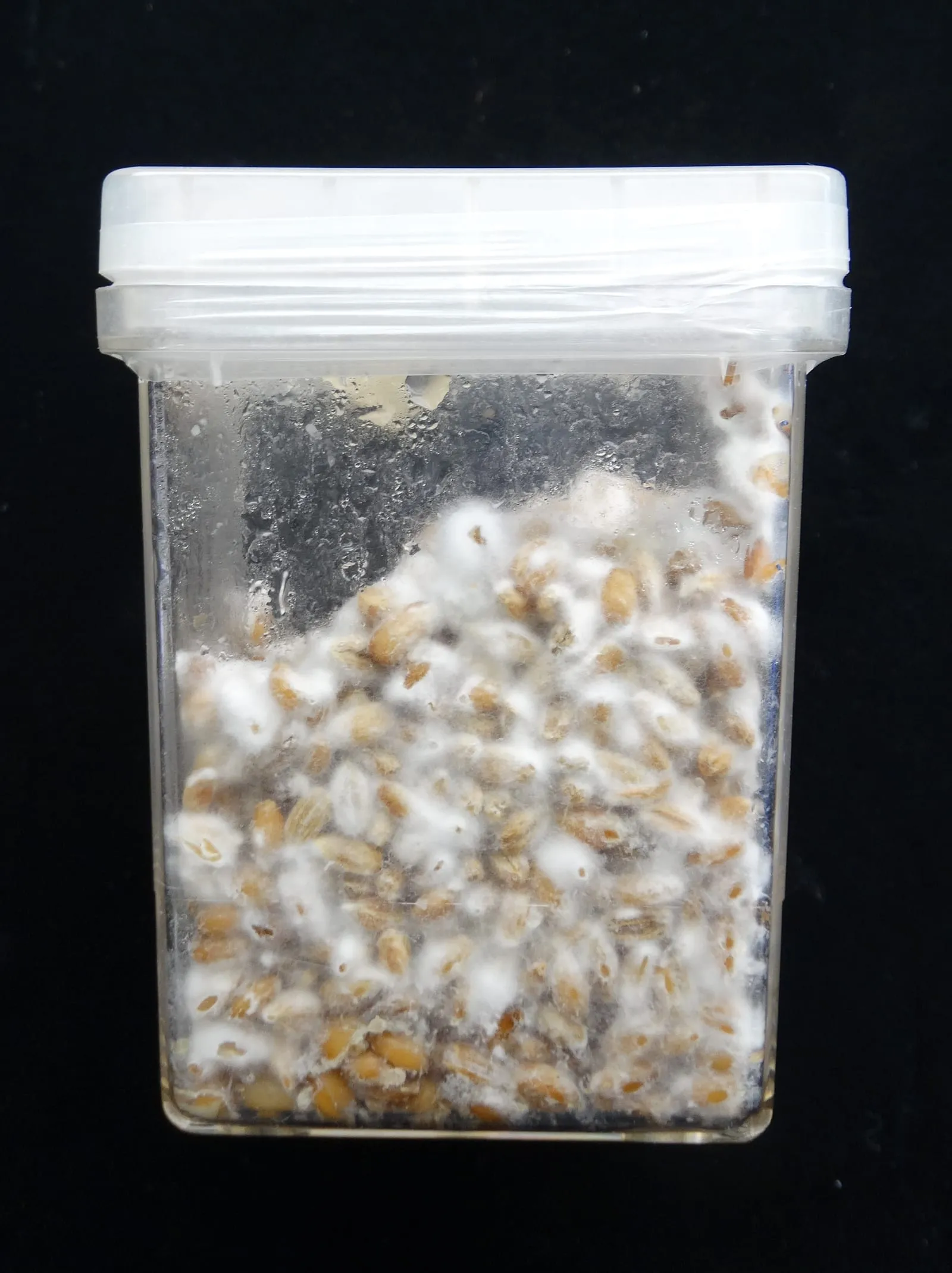
Fusarium oxysporum
Soil-borne fungal disease that plugs vascular tissue and kills affected plants. Persists in soil for many years; impossible to eliminate once established.
Modified care for zone 4a
Zone 4a growers need to extend basil's effective season at both ends. Starting seeds indoors under grow lights 6 to 8 weeks before last frost is standard practice here, not optional. Transplants should be hardened off over 7 to 10 days before outdoor planting; basil is unusually sensitive to cold soil and chilling injury even at temperatures above freezing.
Row cover or cold frames provide insurance against late spring cold snaps, which remain a real risk into early June in zone 4a. Downy mildew pressure increases in cool, humid conditions common at the beginning and end of the growing season; spacing transplants for strong airflow and avoiding overhead watering reduce infection risk. Fusarium wilt, a soil-borne disease, persists across seasons, so rotating basil to a different bed each year limits buildup. Frequent harvesting, pinching flower buds as they form, slows bolting and extends the leaf harvest through the short season.
Frequently asked questions
- Can basil survive a light frost in zone 4a?
No. Basil is one of the most frost-sensitive common herbs and will show tissue damage at 32°F and collapse quickly at lower temperatures. In zone 4a, any outdoor planting must wait until after the last frost date, and plants should be brought in or covered if a late frost is forecast.
- How long is the basil harvest window in zone 4a?
Typically 6 to 10 weeks, running from mid-July through mid-to-late August depending on when last frost occurred and when the first fall frost arrives. Starting transplants indoors maximizes this window.
- Which basil variety works best in zone 4a?
Genovese is the most practical choice for zone 4a. It establishes quickly, tolerates some variability in summer temperatures, and produces a solid leaf harvest within the compressed frost-free window.
- How do zone 4a growers manage downy mildew on basil?
Good airflow is the primary defense. Plant transplants 12 to 18 inches apart, avoid wetting foliage when watering, and harvest outer leaves regularly to keep canopy density low. Downy mildew spreads rapidly in cool, damp conditions, which zone 4a sees in early and late season.
+−
+−
+−
+−
Basil in adjacent zones
Image: "Sweet Basil (Ocimum basilicum)", by Mokkie, via Wikimedia Commons, licensed under CC-BY Source.
.jpg)
Related