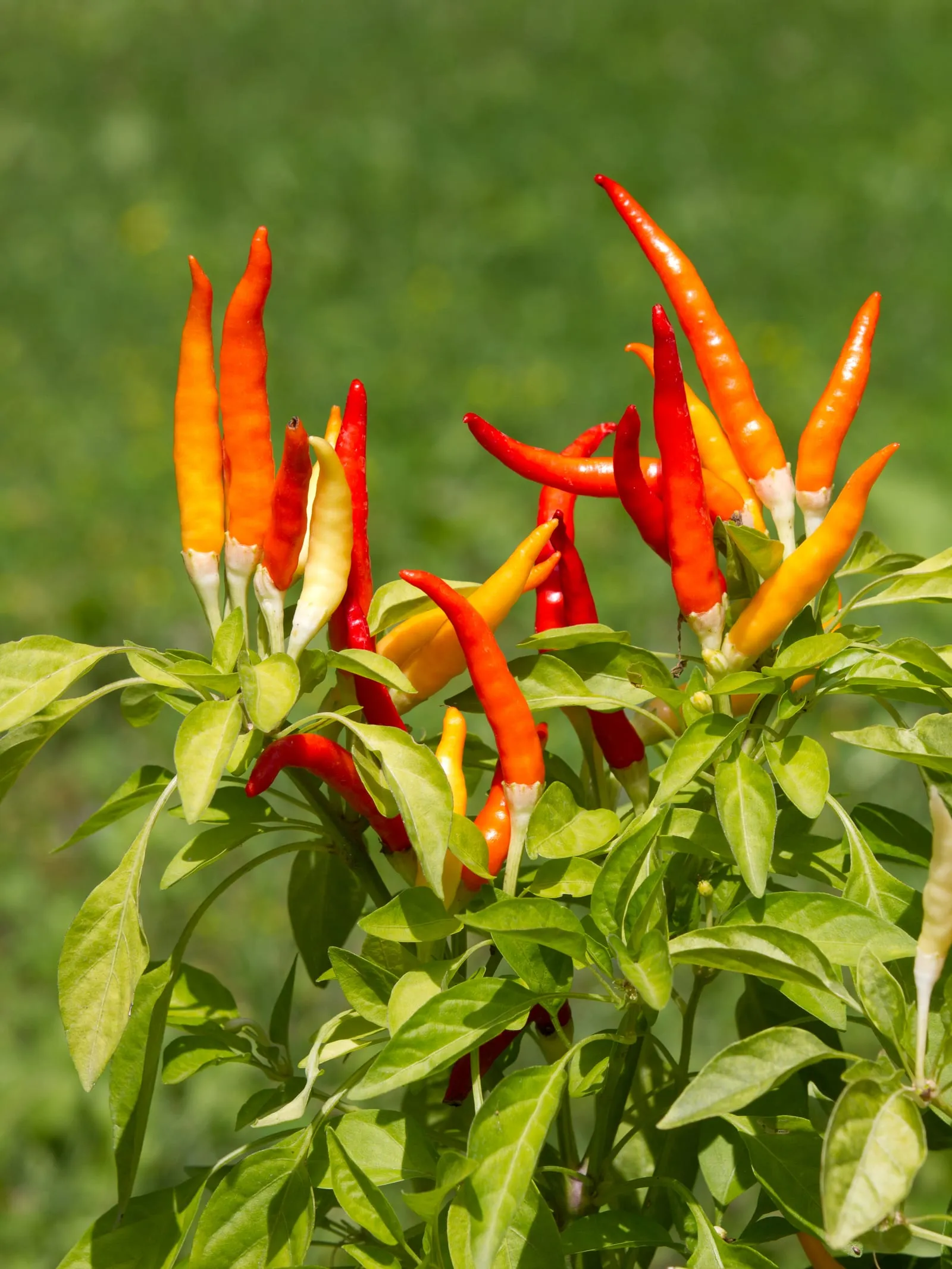
vegetable
Hot Pepper
Capsicum species
USDA hardiness range
- Zones
- 4a–10b
- Days to harvest
- 70 to 110
- Sun
- Full
- Water
- Moderate
- Lifespan
- annual
Growing hot pepper
Hot peppers are heat-hungry annuals that perform best where summers are long, warm, and reliably sunny. The central requirement is accumulated heat: germination stalls below 65°F soil temperature, and fruit set declines when nighttime air temperatures fall below 55°F. In zones 4 through 6, transplant timing is the primary lever. Seeds started 8 to 10 weeks before the last frost date, held under grow lights, and set out only after soil has genuinely warmed give plants the longest possible heat window.
Zones 7b through 10b are the productive core. Plants in these zones can ripen multiple flushes of fruit across a long season, and high-Scoville cultivars like habanero (100,000 to 350,000 SHU), which require sustained warmth to develop full heat and flavor, reach their potential here. In zones 4 through 6, lower-heat, shorter-season varieties such as jalapeño are more consistent; habanero is possible in warm summers but marginal in cool ones.
The listed zone range (4a to 10b) reflects the annual-in-all-zones reality: hot peppers do not overwinter where frost occurs and are grown from transplants everywhere north of zone 10. In zones 9b and 10b, established plants can be kept as perennials, and multi-year woody specimens often produce prolific yields.
What separates productive plantings from failed ones is usually the combination of premature transplanting and slow establishment. Plants set into cold, wet soil develop slowly, fail to size up before peak pest pressure arrives, and become susceptible to bacterial and viral diseases that are difficult to reverse mid-season.
Recommended varieties
See all 5 →5 cultivars for home growers, with notes on flavor, ripening, and disease resistance.
| Variety | Notes | Zone fit | Disease resistance |
|---|---|---|---|
| Jalapeño | Medium heat (2,500-8,000 SHU), grassy-bright flavor; thick-walled green pepper. Fresh, pickled, smoked into chipotle. The benchmark home-garden hot pepper, reliable across most US zones. | | none noted |
| Habanero | Searing heat (100,000-350,000 SHU) with tropical-fruit notes; lantern-shaped orange pepper. Hot sauces, salsas, drying. Slow to ripen, needs full season heat. | | none noted |
| Cayenne | Sharp clean heat (30,000-50,000 SHU), thin red pod; drying, ground powder, sauces. Productive, easy to dry on the plant or strung in ristras. | | none noted |
| Poblano | Mild-medium heat (1,000-2,000 SHU) with rich earthy flavor; large dark green wall. Stuffed (chiles rellenos), roasted, dried as ancho. Productive, large plant. | | none noted |
| Thai Hot | Sharp clean heat (50,000-100,000 SHU), small red upright pods; drying, fresh in stir-fry, infused oils. Compact plant, ornamental as well as productive. | | none noted |
Soil and site requirements
Hot peppers prefer well-drained loam with a pH between 6.0 and 6.8. Heavy clay that holds water after rain is a significant liability: peppers tolerate moderate drought considerably better than waterlogged roots, and consistently wet soil accelerates bacterial spot and root rot pressure regardless of other management practices.
Full sun is non-negotiable. Six hours is the minimum; eight or more is the target. Afternoon shade, particularly in zones 4 through 6 where heat accumulation is already limited, reduces yields and slows fruit maturation in ways that cannot be compensated for later in the season.
Raised beds offer a meaningful advantage in cooler zones by warming earlier in spring and draining more consistently. Six to eight inches of elevation above surrounding soil can add two to three weeks of effective growing season at the margins of the range.
Spacing varies by cultivar. Compact jalapeño plants can be set 12 to 15 inches apart; sprawling cayenne plants benefit from 18 to 24 inches. Crowded plantings increase foliar humidity, promote disease, and impede airflow through the canopy.
Avoid sites with a recent history of tomatoes, eggplant, or potatoes. All are Solanaceae and share common bacterial, fungal, and nematode pressure. A three-year rotation is the practical minimum for reducing bacterial spot inoculum in the soil.
Common diseases
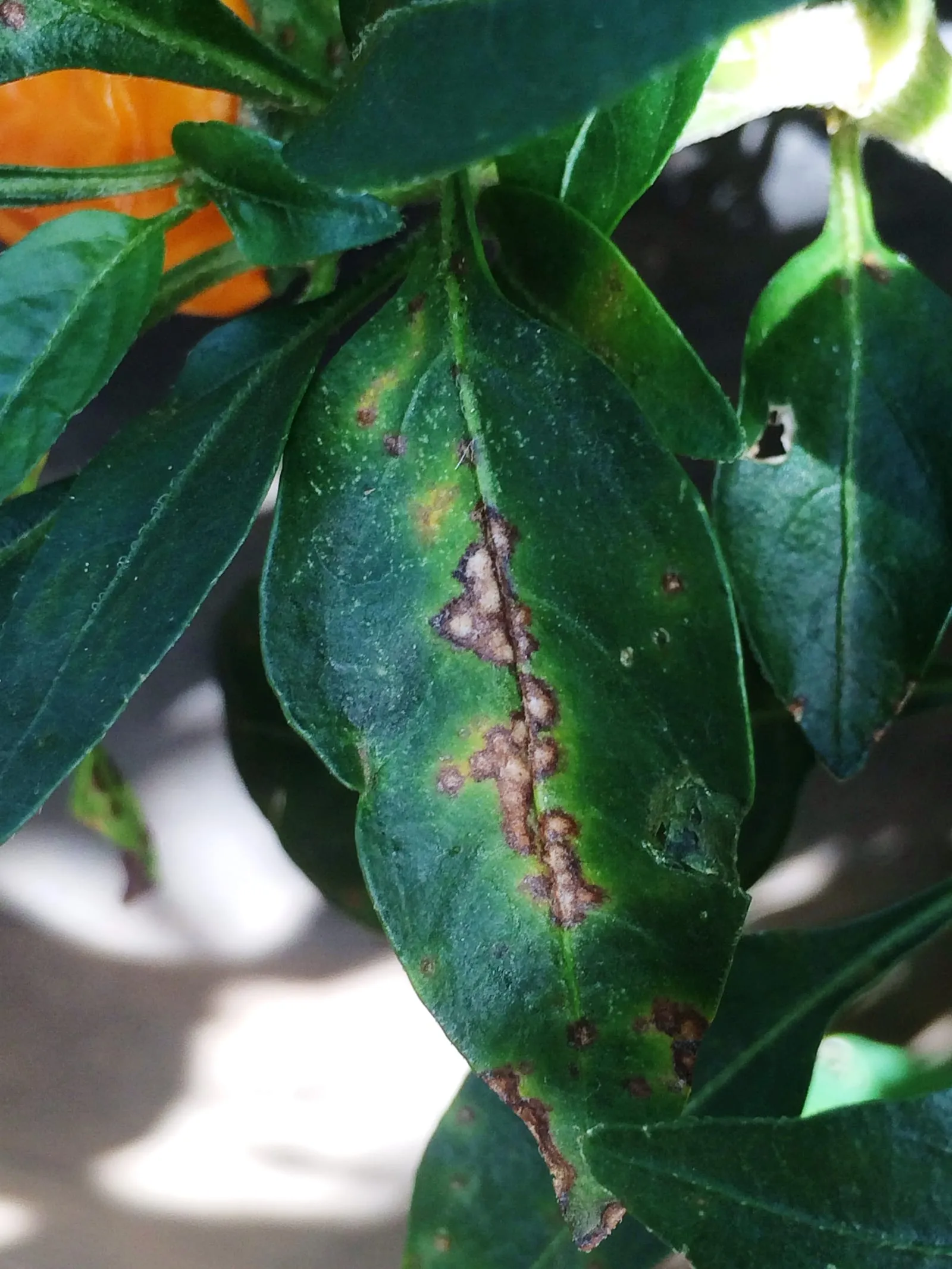
Xanthomonas euvesicatoria and X. perforans
Bacterial disease causing leaf spots and fruit blemishes on pepper and tomato. Severe in warm humid weather, transmitted via splashing water and seed.
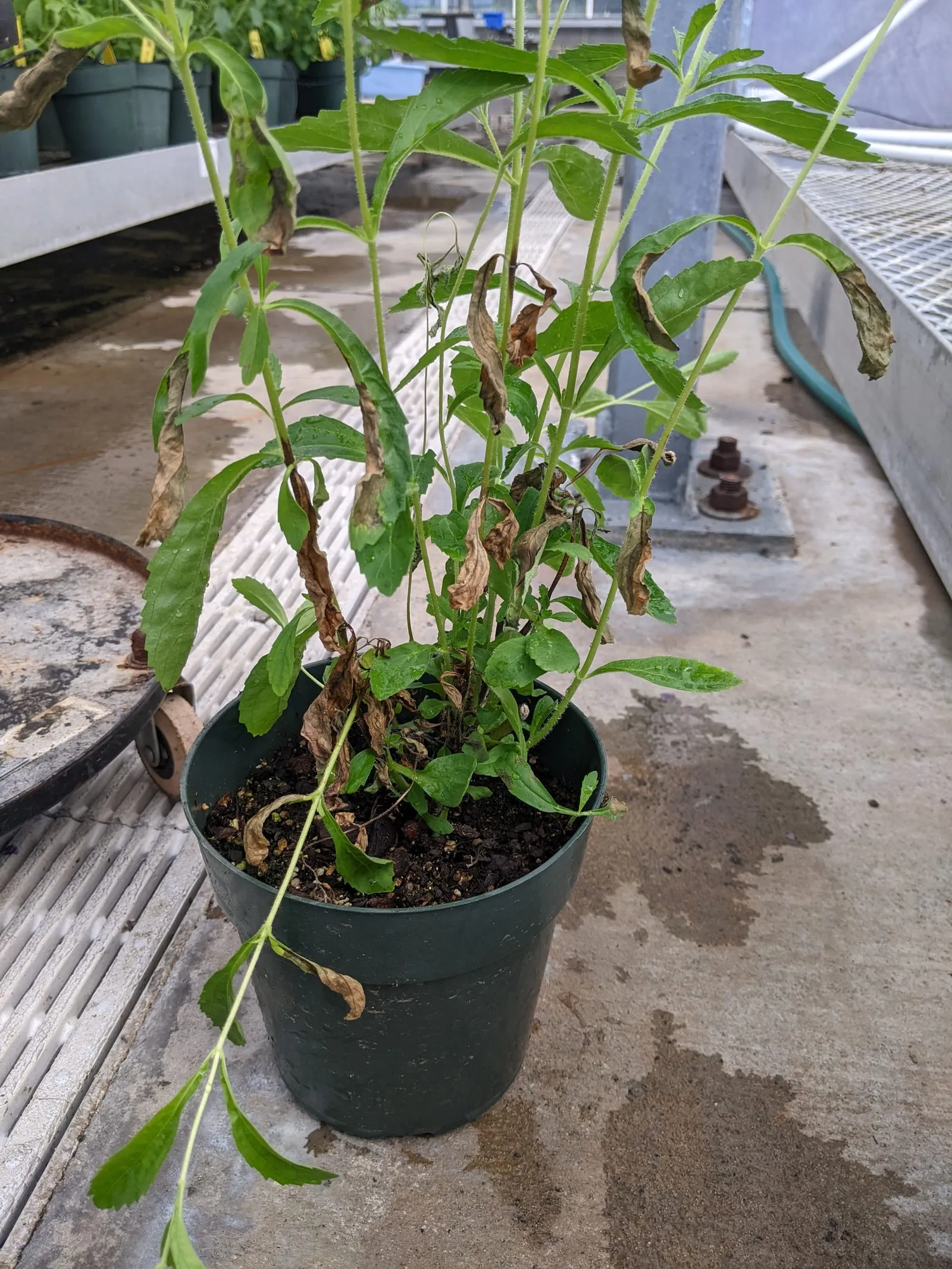
Tomato spotted wilt orthotospovirus (TSWV)
Virus vectored by thrips, particularly western flower thrips. Wide host range and growing global distribution. No cure once infected.
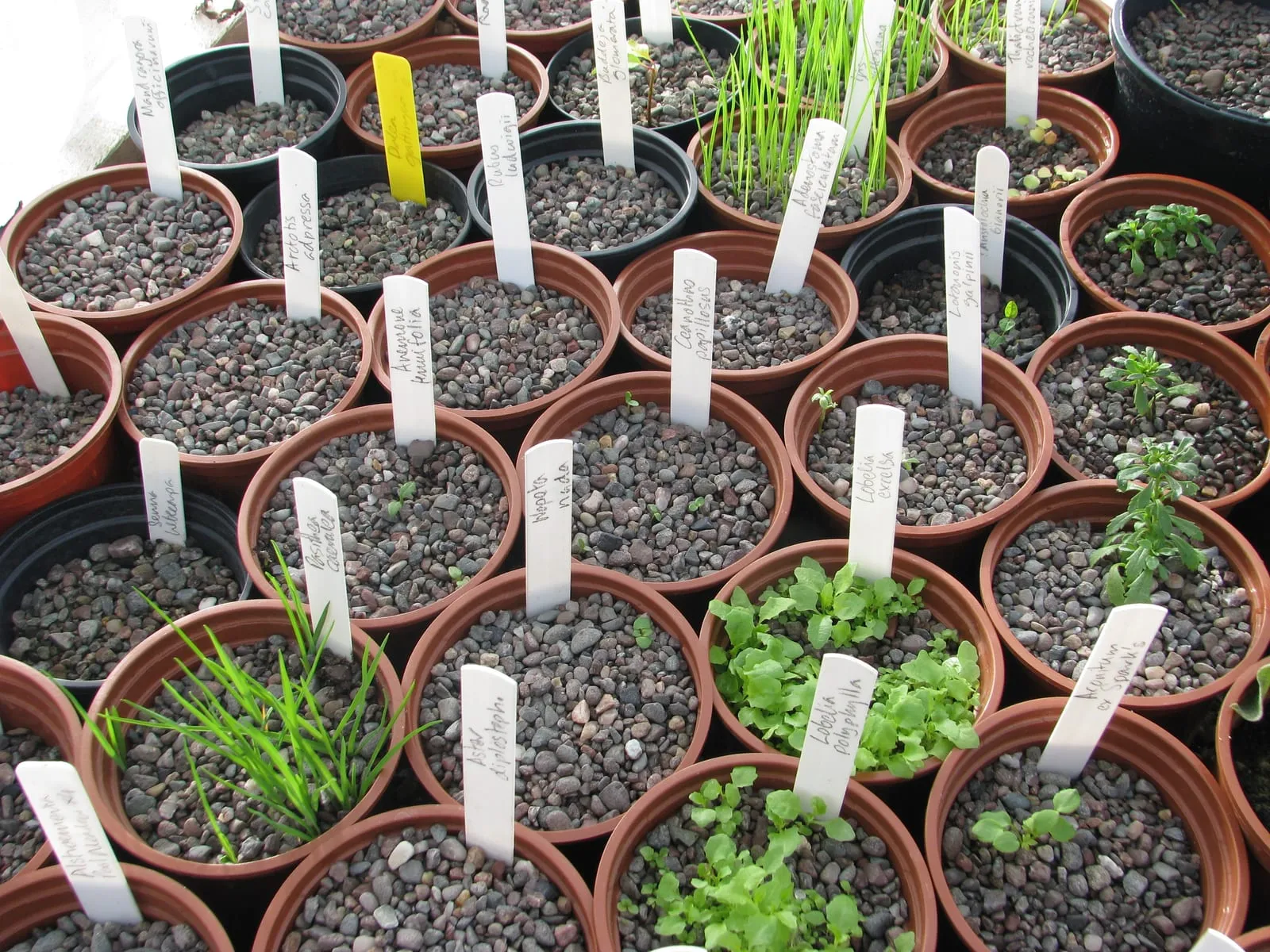
Pythium and Rhizoctonia species
Soil-borne complex of water molds and fungi that kill seedlings before or shortly after emergence. The single most common cause of seed-starting failures.
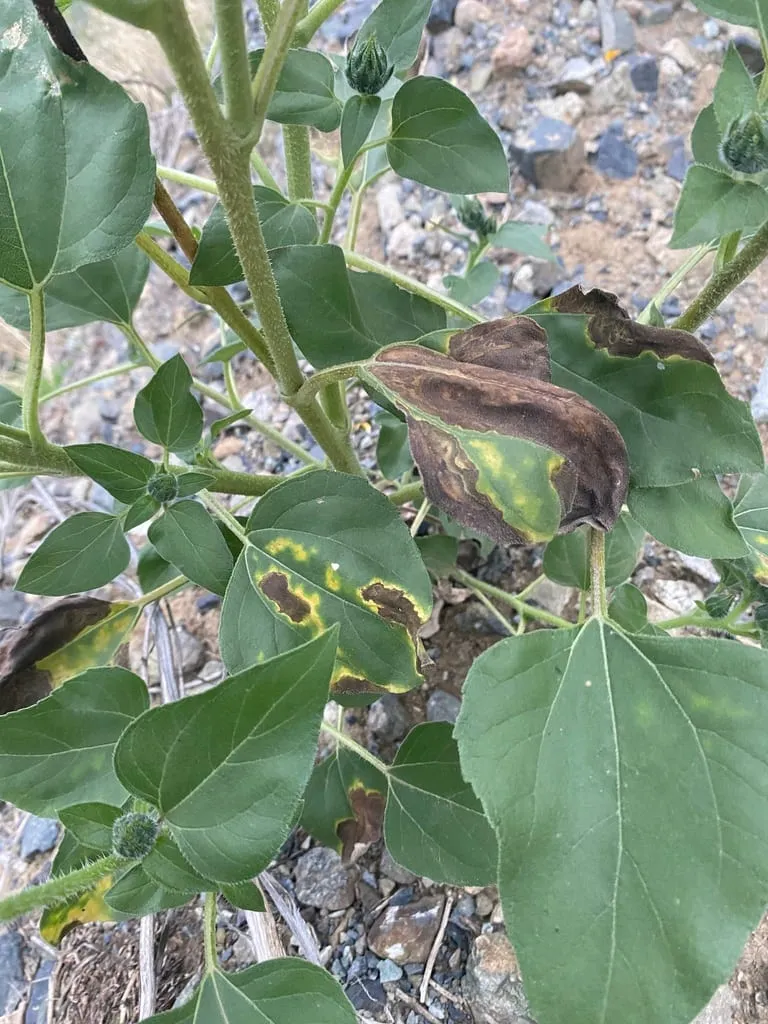
Verticillium dahliae
Soil-borne fungal disease similar to fusarium wilt but with broader host range and cooler temperature optimum. Persists in soil for 10+ years.
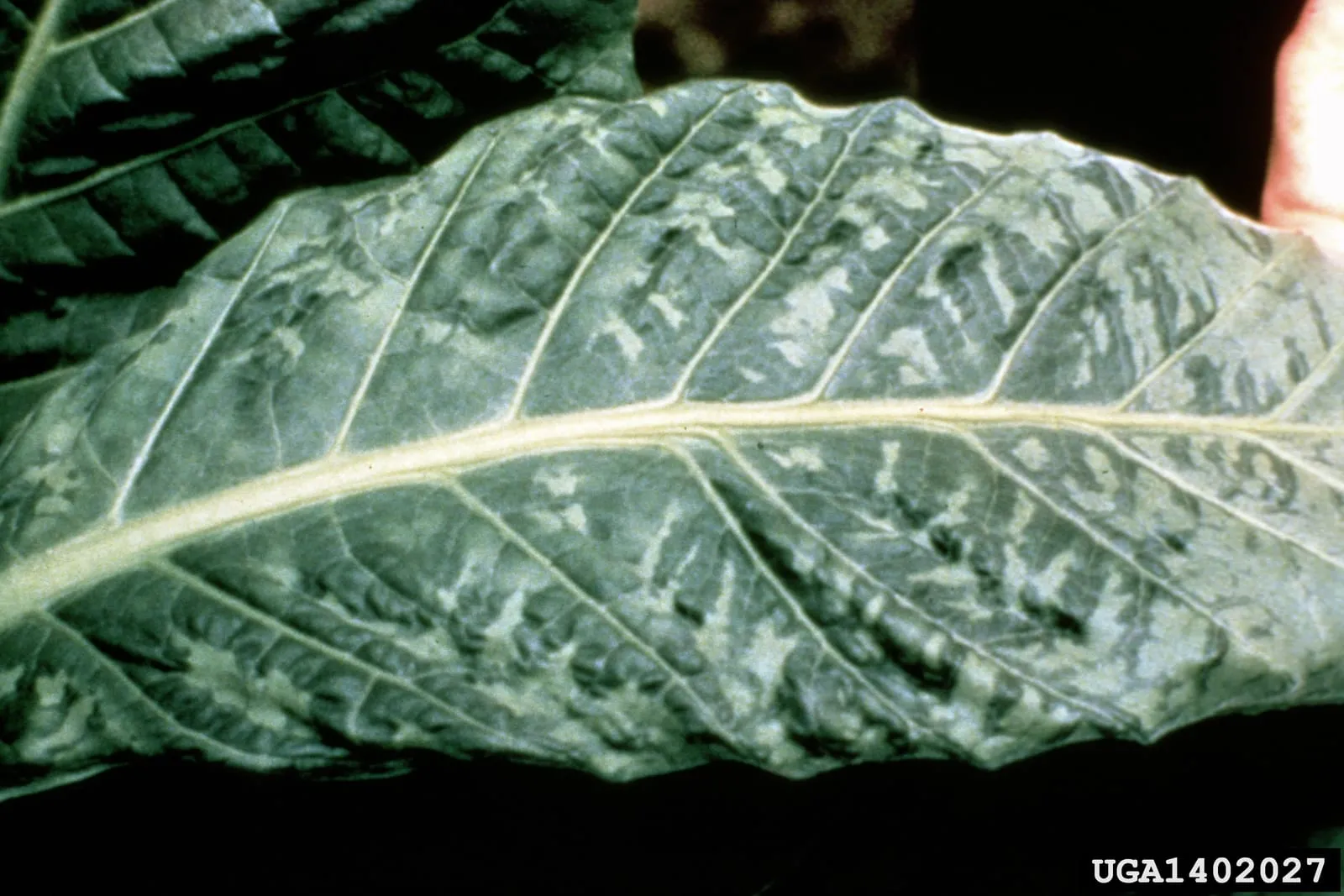
Cucumber mosaic virus, Tobacco mosaic virus, and others
Family of plant viruses producing mottled yellow-and-green leaf patterns. Vectored primarily by aphids; some are seed-transmitted or spread by handling tools and tobacco products.
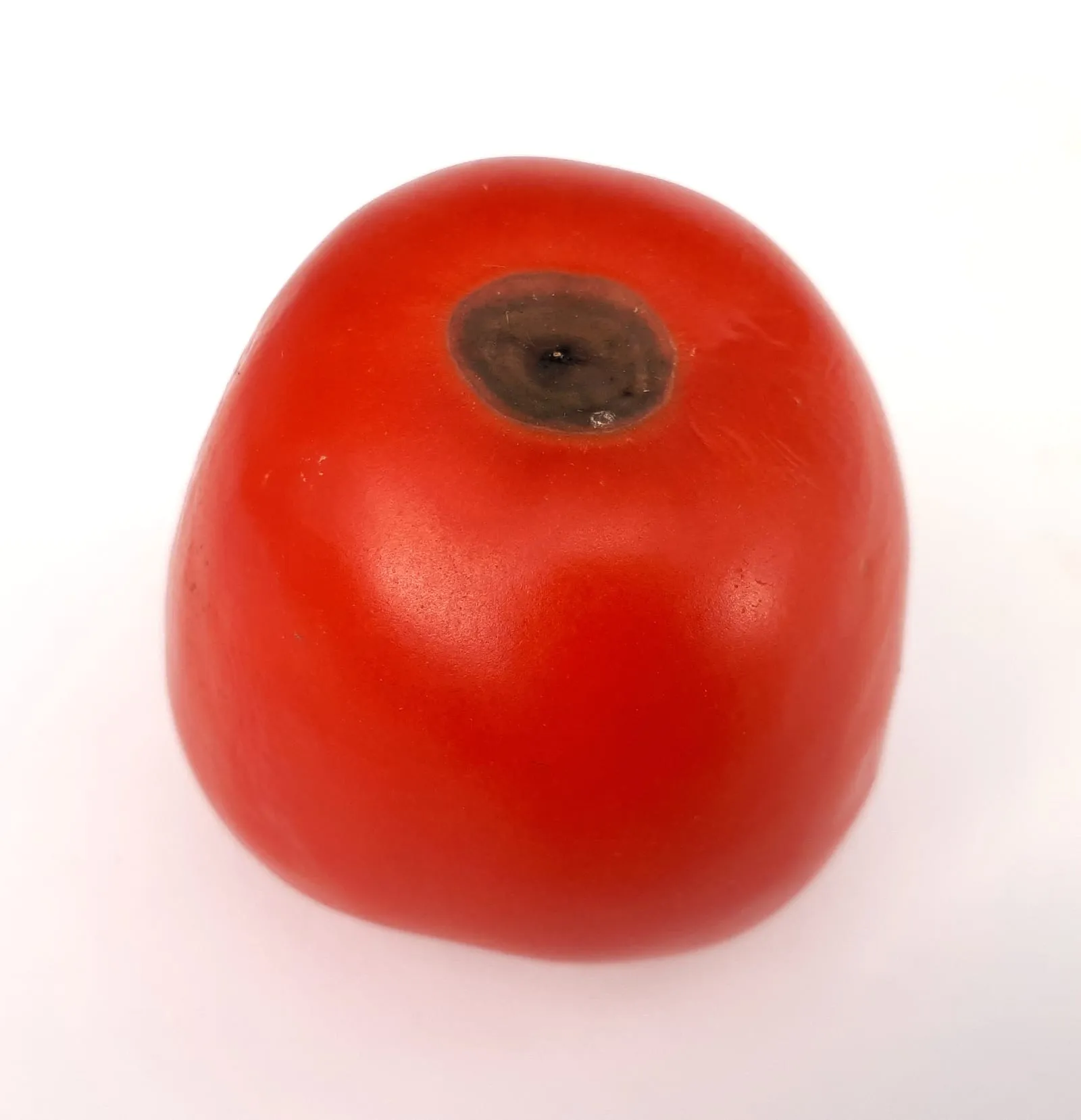
Calcium deficiency physiological disorder
Not a true disease but a calcium-uptake disorder caused by inconsistent soil moisture during fruit development. The dominant cause of damaged first-fruit on home tomato plantings.
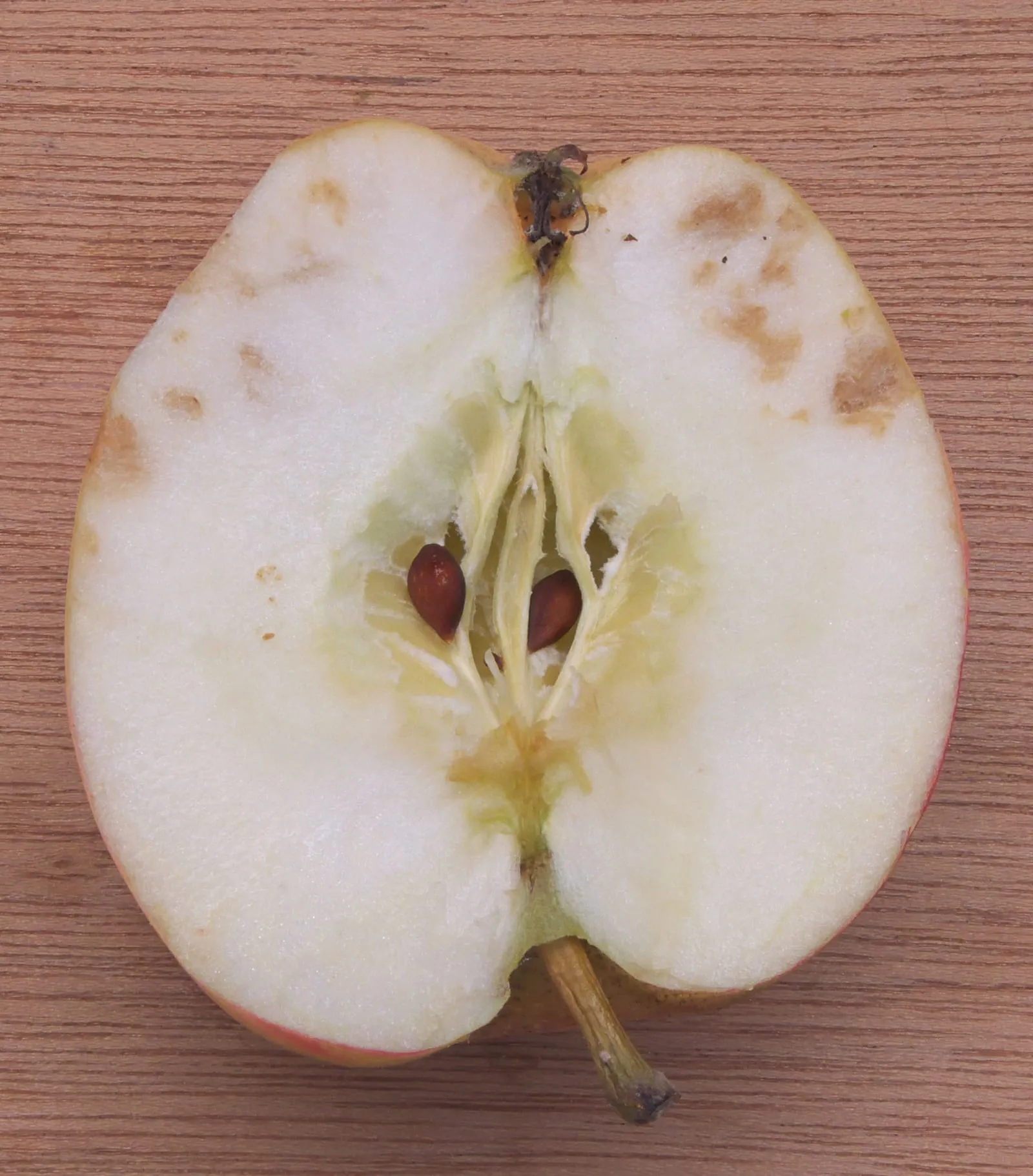
Physiological disorder
Damage from direct intense sun exposure on fruit or bark, particularly on plants suddenly exposed by pruning, defoliation, or hot weather. Distinct from sunburn (which is reversible).
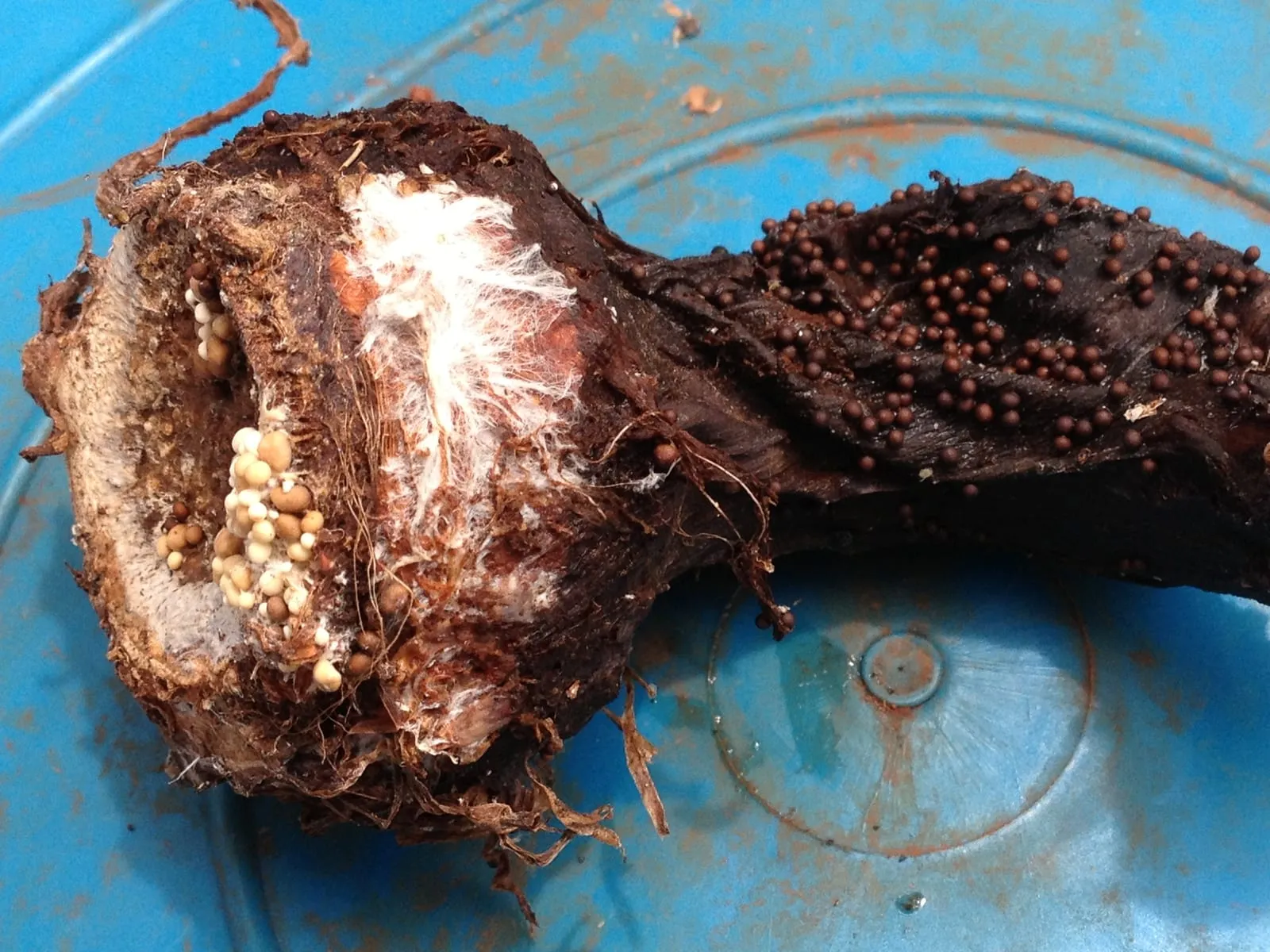
Sclerotium rolfsii
Soil-borne fungal disease most damaging in warm humid Southern conditions. White mycelial fans and small mustard-seed-sized sclerotia at the soil line are diagnostic.
Common pests
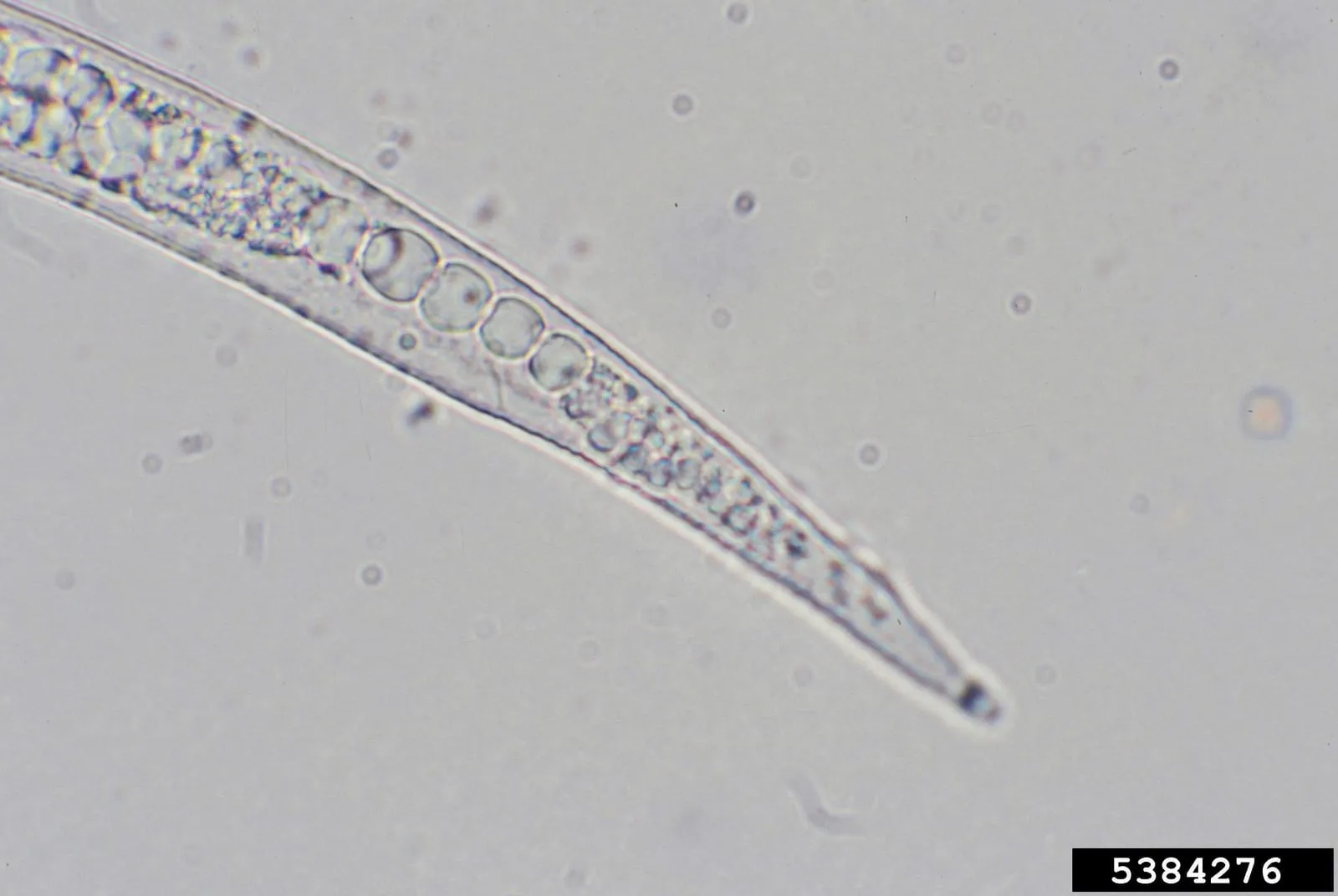
Meloidogyne species
Microscopic soil-dwelling worm that forms galls on roots, reducing vigor and yield.
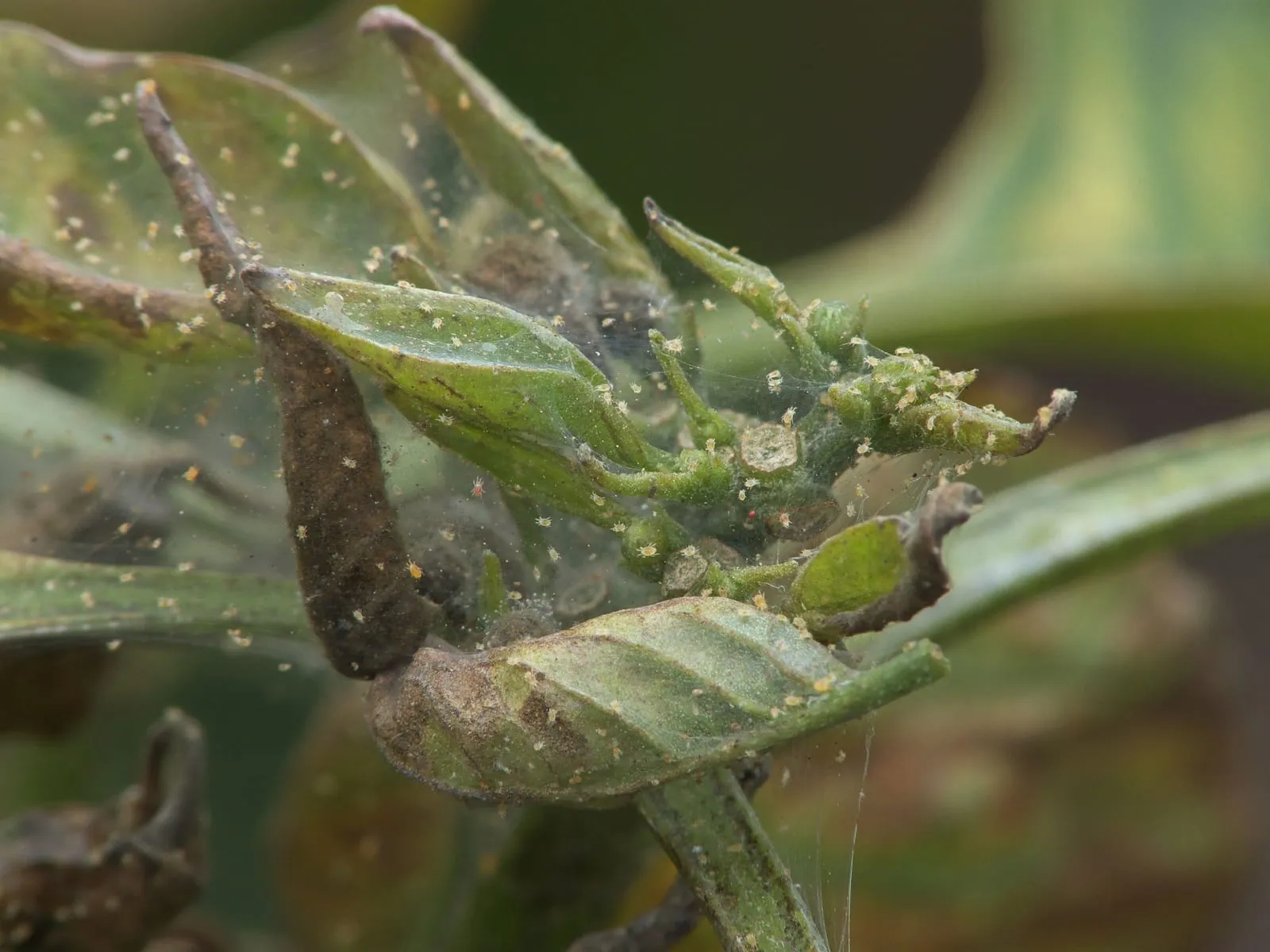
Tetranychus urticae
Tiny mite that feeds on leaf undersides, causing stippling and webbing during hot dry weather.
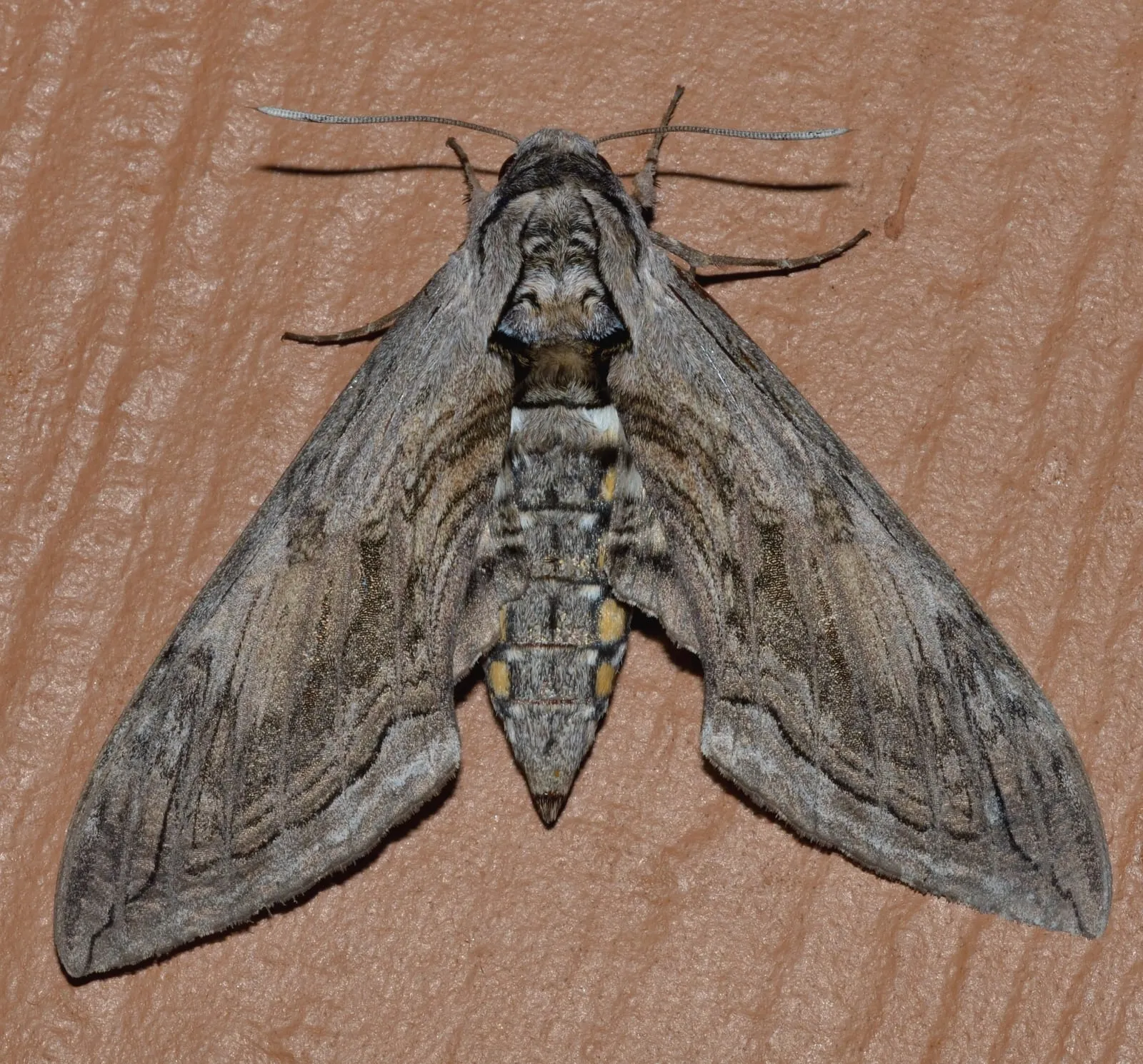
Manduca quinquemaculata
Large green caterpillar (up to 4 inches) that defoliates tomato and other Solanaceae plants rapidly. Mature larvae become five-spotted hawk moths.
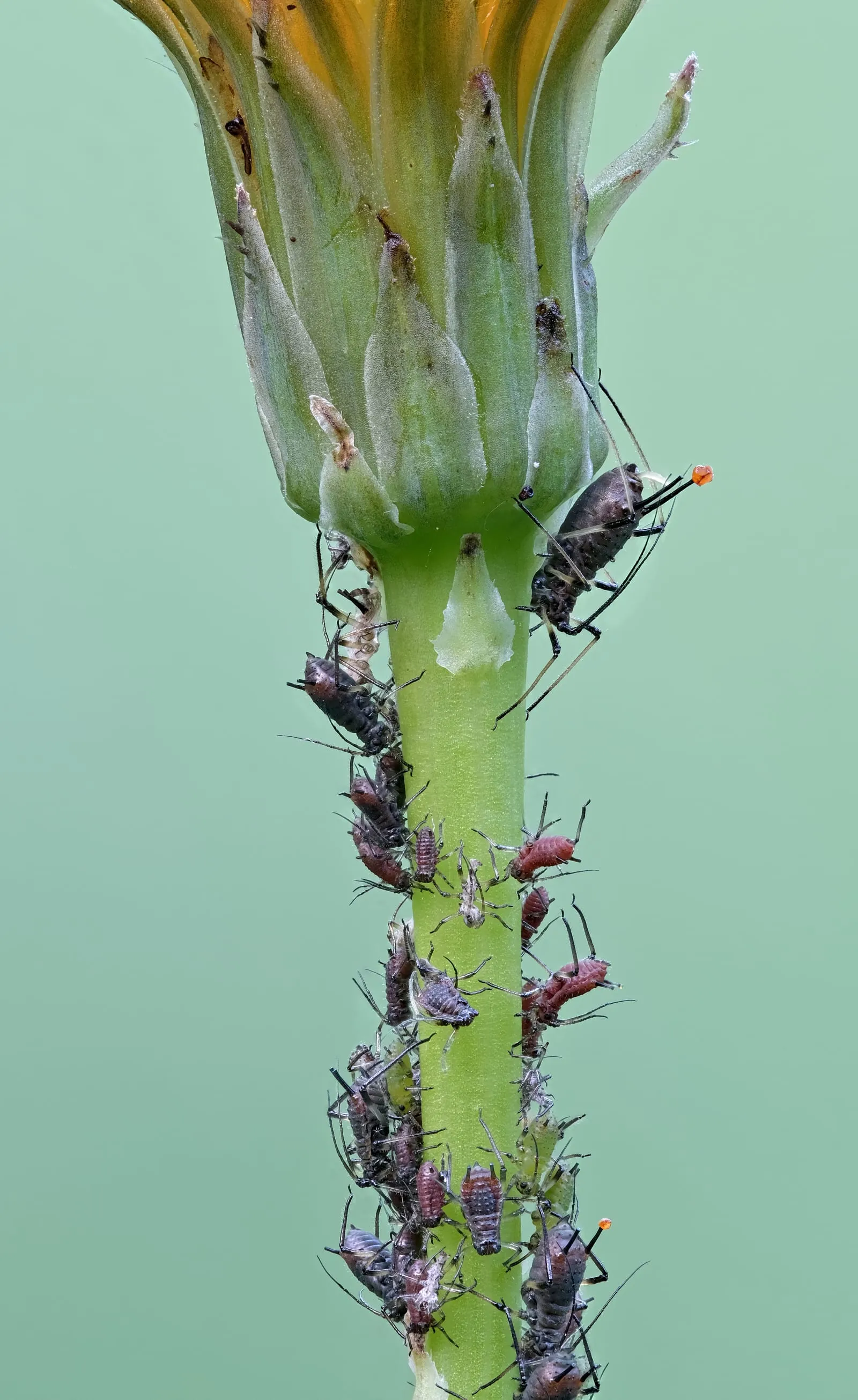
Multiple species (Aphididae)
Small soft-bodied sap-sucking insects that reproduce explosively in spring. Excrete honeydew that supports sooty mold and attracts ants. Transmit viral diseases.
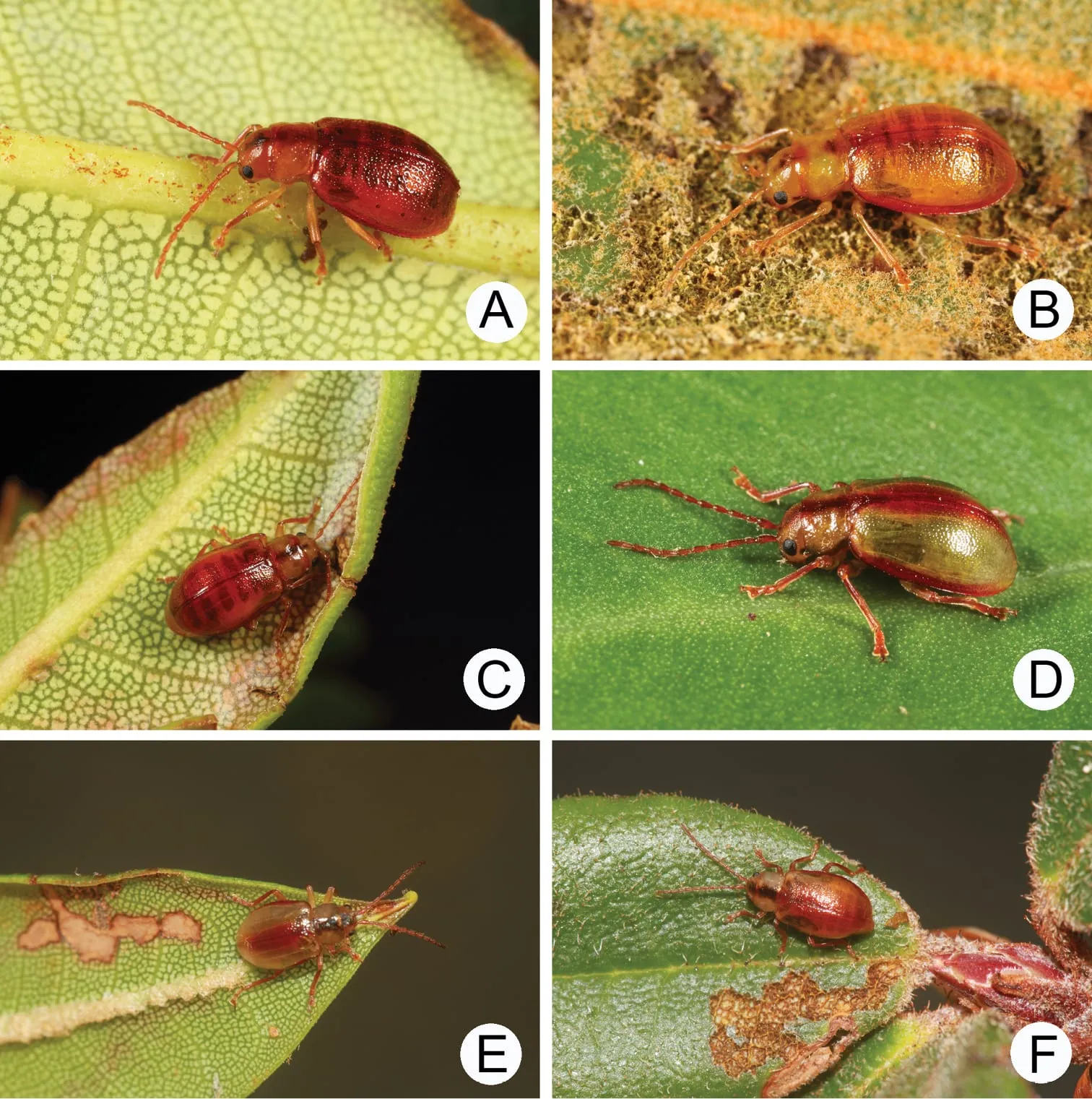
Multiple species (Chrysomelidae)
Tiny black or bronze jumping beetles that put hundreds of small holes in seedling leaves. Most damaging on direct-seeded brassicas and young eggplant.
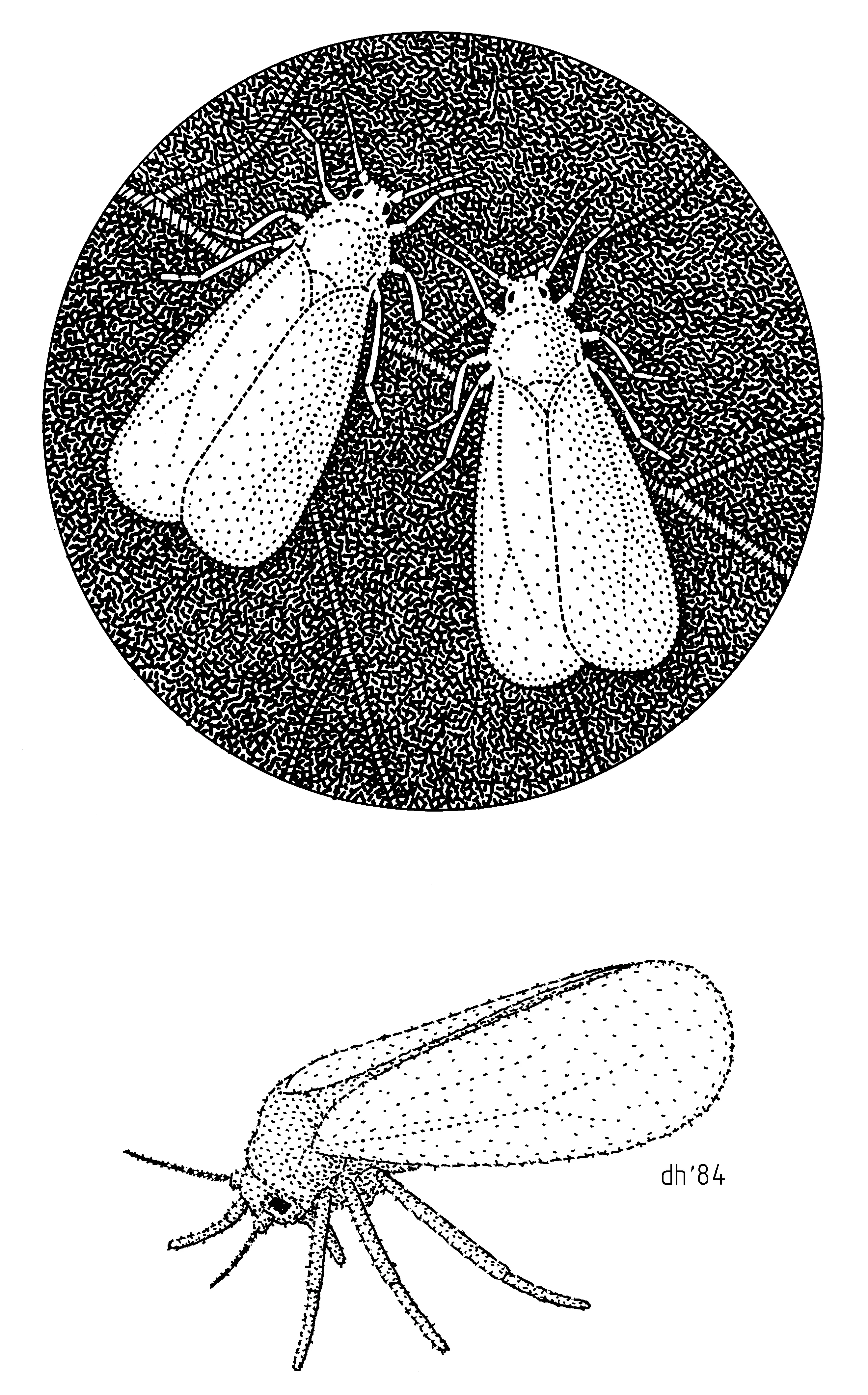
Multiple species (Aleyrodidae)
Tiny white moth-like flying insects that feed on plant sap and excrete honeydew. Transmit numerous viral diseases including tomato yellow leaf curl virus.
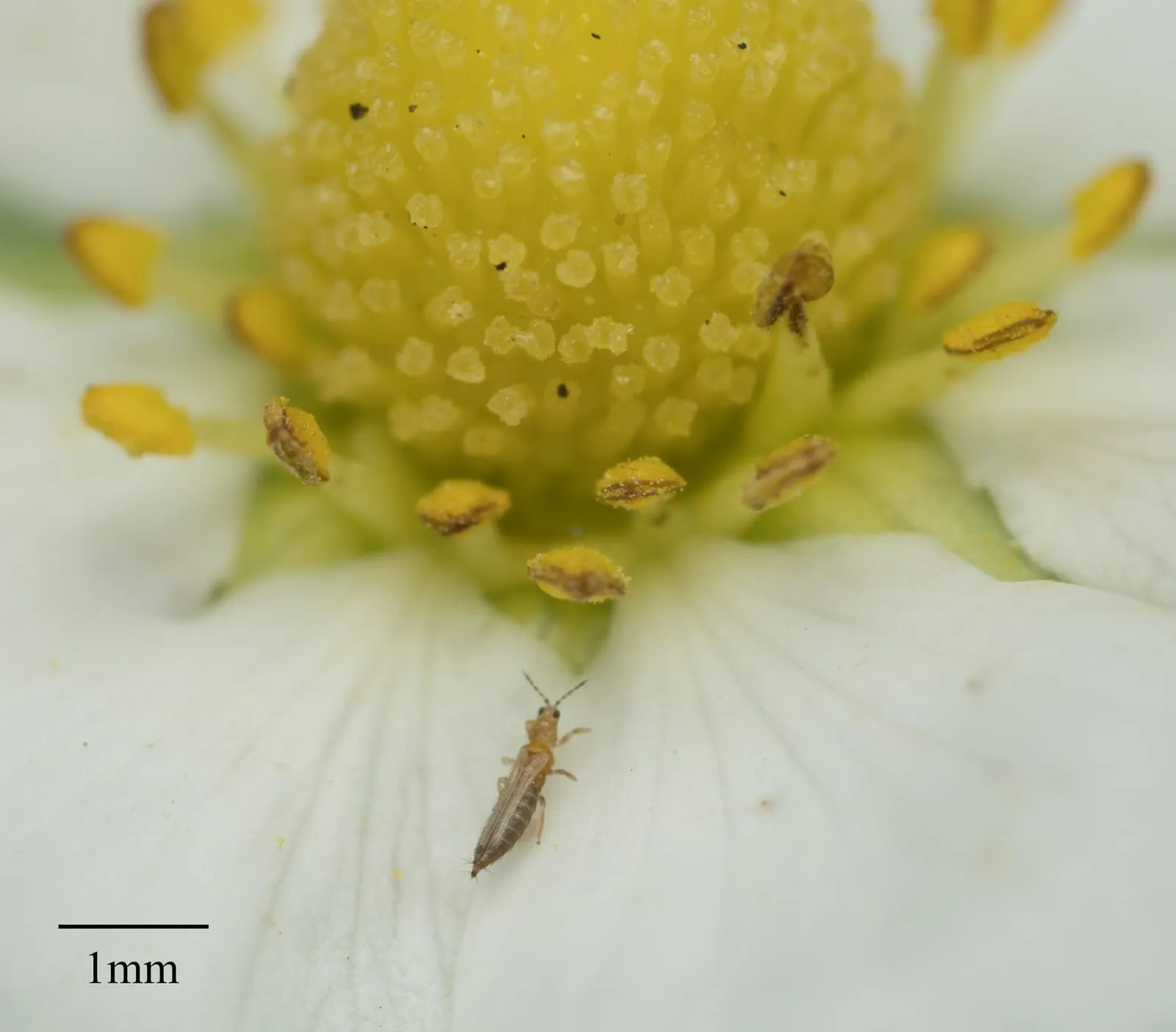
Frankliniella occidentalis
Tiny slender insect that rasps leaf and flower surfaces. The primary vector for Tomato Spotted Wilt Virus and Iris Yellow Spot Virus, which makes it more damaging through disease transmission than direct feeding.
Common challenges
The most common failure is transplanting into cold soil. Peppers set out before soil temperature reaches 60°F stall, develop yellow foliage, and lose weeks of effective growing time during the season's narrowest heat window. In zones 4 through 6, delaying transplant two weeks past the last average frost date, until soil has genuinely warmed, often produces better results than strict calendar-date planting.
Bacterial spot, caused by Xanthomonas campestris pv. vesicatoria, is the most persistent disease challenge across the hot pepper range. It spreads via splashing water in warm, wet conditions and produces water-soaked lesions on leaves, stems, and fruit. Severe infections cause defoliation and reduce fruit set significantly. Management depends on certified disease-free transplants, drip or furrow irrigation instead of overhead watering, and strict rotation out of the Solanaceae family. No curative treatment exists once infection is established.
Tomato Spotted Wilt Virus (TSWV), transmitted by western flower thrips, causes leaf bronzing, ring spots, and plant stunting. Infected plants cannot recover, and the only practical controls are thrips management through reflective mulches or insecticide programs and selection of TSWV-resistant varieties where available. Resistance ratings vary considerably by cultivar; the Chile Pepper Institute, NMSU maintains cultivar evaluations that are worth consulting before variety selection in high-pressure regions.
Aphids and whiteflies compound disease pressure through direct feeding and as potential virus vectors. Flea beetle damage to young transplants is a consistent early-season setback in most zones, particularly in cool springs when plant growth is already slow.
Companion plants
Frequently asked questions
- Do hot peppers require chill hours to produce fruit?
No. Chill-hour requirements apply to dormant perennial crops such as apples and peaches. Hot peppers are warm-season annuals with no chilling requirement. What they need is the opposite: sustained soil and air temperatures above 60 to 65°F from transplant through harvest. Cold, not warmth, is the limiting factor.
- How many days do hot peppers take from transplant to harvest?
Most cultivars reach harvestable size in 70 to 110 days from transplant, depending on variety and accumulated heat. Jalapeño typically matures in 70 to 75 days. Habanero, which requires more heat to develop full color and flavor, commonly takes 90 to 110 days and is a poor choice for zones with short growing seasons.
- What USDA zones can grow hot peppers?
Hot peppers can be grown as annuals in zones 4a through 10b. In zones 4 through 6, the effective heat window is tight and shorter-season cultivars such as jalapeño or cayenne are more reliable than large, slow-ripening varieties. In zones 9b and 10b, plants can be overwintered as perennials.
- Are hot peppers self-fertile, or do they require pollinators?
Hot peppers are self-fertile. Each flower contains both male and female parts and can set fruit without cross-pollination or insect visitors. Gentle wind movement or a light shake of the plant is usually sufficient to transfer pollen. Pollinator activity improves fruit set but is not required for a productive crop.
- What is the most common disease affecting hot peppers?
Bacterial spot, caused by Xanthomonas campestris pv. vesicatoria, is the most consistently damaging disease across the hot pepper range. It spreads rapidly under warm, wet conditions via splashing water and has no curative treatment once established. Drip irrigation, Solanaceae crop rotation, and certified disease-free transplants are the primary preventive measures.
- Why do hot pepper flowers drop without setting fruit?
Blossom drop most commonly results from temperature extremes. Flowers abort when daytime temperatures exceed 90°F or nighttime temperatures fall below 55°F. Inconsistent soil moisture and excess nitrogen late in the season can also shift plant energy toward vegetative growth at the expense of fruit set.
- Can hot peppers survive frost and overwinter?
Hot peppers are killed by frost and must be replanted annually in zones 4a through 9b. In zones 9b and 10b, where hard frost is rare, plants can persist as woody perennials for several years. In frost-prone zones, container plants can be overwintered indoors in a bright location and returned outside after the last frost date.
+−
+−
+−
+−
+−
+−
+−
Sources
Image: "Capsicum annuum var. Fiesta - MHNT", by PierreSelim, via Wikimedia Commons, licensed under CC-BY. Source.

Hot Pepper by zone
Related