vegetable in zone 10a
Growing hot pepper in zone 10a
Capsicum species
- Zone
- 10a 30°F to 35°F
- Growing season
- 340 days
- Suitable varieties
- 1
- Days to harvest
- 70 to 110
The verdict
Zone 10a is a genuine sweet spot for hot peppers, not a marginal case. Unlike temperate fruit crops, hot peppers carry no chill-hour requirement. The zone's 340-day growing season and sustained warmth align well with what this crop needs to produce prolifically. Minimum winter temperatures of 30 to 35°F are cold enough to damage exposed foliage, but brief enough that established plants often recover, and in many zone 10a locations frost events are infrequent enough to treat as occasional hazards rather than annual constraints.
Habanero, the variety most compatible with this zone, is specifically adapted to tropical and subtropical heat. It produces more reliably under sustained high temperatures than milder pepper types bred for temperate climates. The main limiting factors in zone 10a are not cold or season length but rather intense summer heat that can cause flower drop, high humidity that amplifies foliar disease pressure, and hurricane exposure during the core of the growing season.
Recommended varieties for zone 10a
1 cultivar suited to this zone, with disease-resistance and zone-fit annotations.
| Variety | Notes | Zone fit | Disease resistance |
|---|---|---|---|
| Habanero fits zone 10a | Searing heat (100,000-350,000 SHU) with tropical-fruit notes; lantern-shaped orange pepper. Hot sauces, salsas, drying. Slow to ripen, needs full season heat. | | none noted |
Critical timing for zone 10a
In zone 10a, hot peppers can be transplanted outdoors as early as late January or February, once overnight temperatures stabilize above 55°F consistently. With a 340-day growing season, growers have flexibility that most pepper-growing regions lack. First harvest typically arrives 70 to 90 days after transplant, depending on variety and heat accumulation.
Frost timing is rarely the binding constraint here. The more relevant seasonal boundary is hurricane season, which runs June through November and overlaps with peak production. A secondary planting in late summer, timed to mature in October through December, often yields the cleanest fruit, after peak storm exposure and before any winter cold events. Year-round production is possible in warmer parts of zone 10a with minimal protection.
Common challenges in zone 10a
- ▸ No chilling for traditional temperate fruit
- ▸ Hurricane exposure
- ▸ Heat-tolerant cultivars only
Disease pressure to watch for
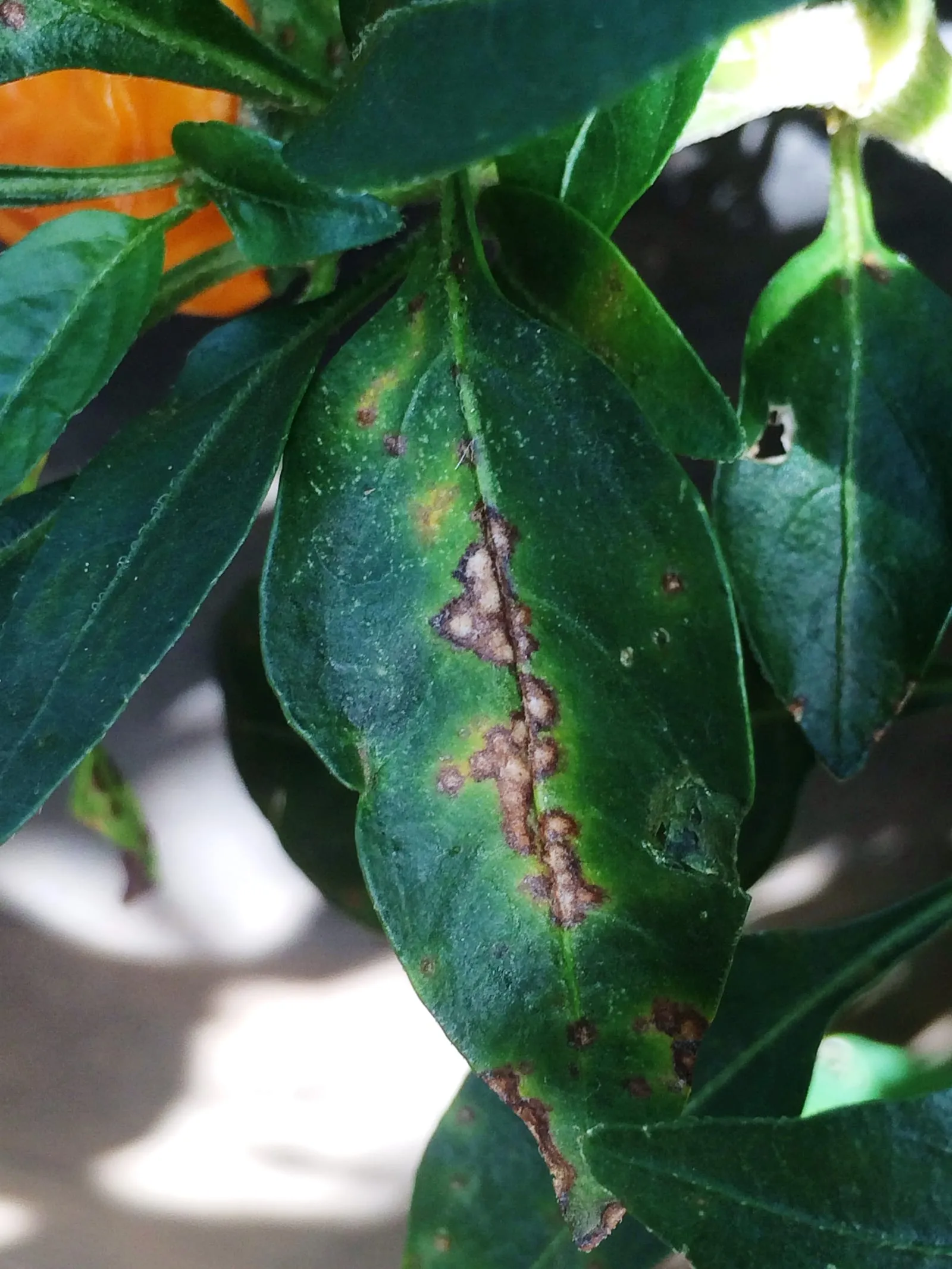
Xanthomonas euvesicatoria and X. perforans
Bacterial disease causing leaf spots and fruit blemishes on pepper and tomato. Severe in warm humid weather, transmitted via splashing water and seed.
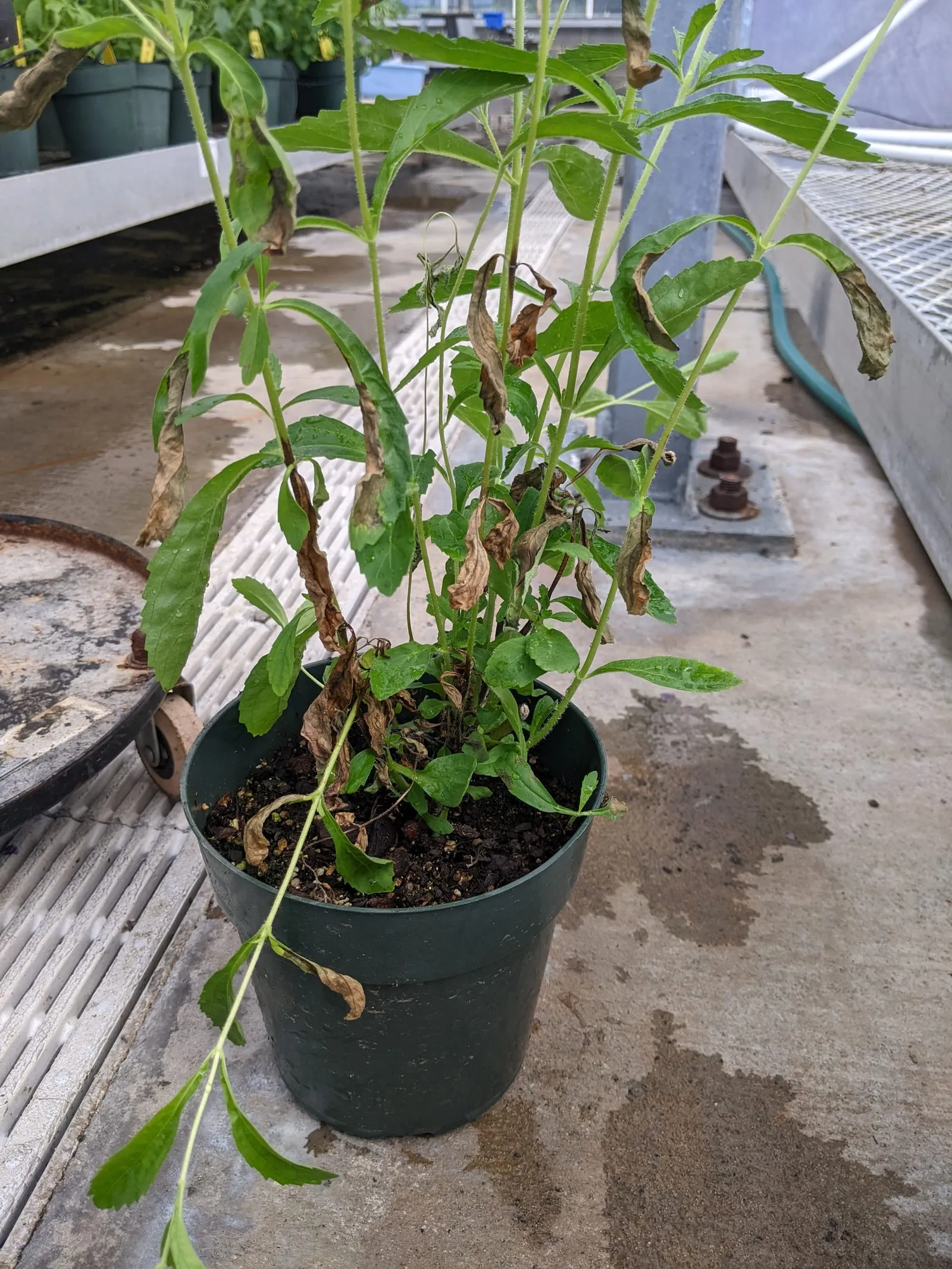
Tomato spotted wilt orthotospovirus (TSWV)
Virus vectored by thrips, particularly western flower thrips. Wide host range and growing global distribution. No cure once infected.
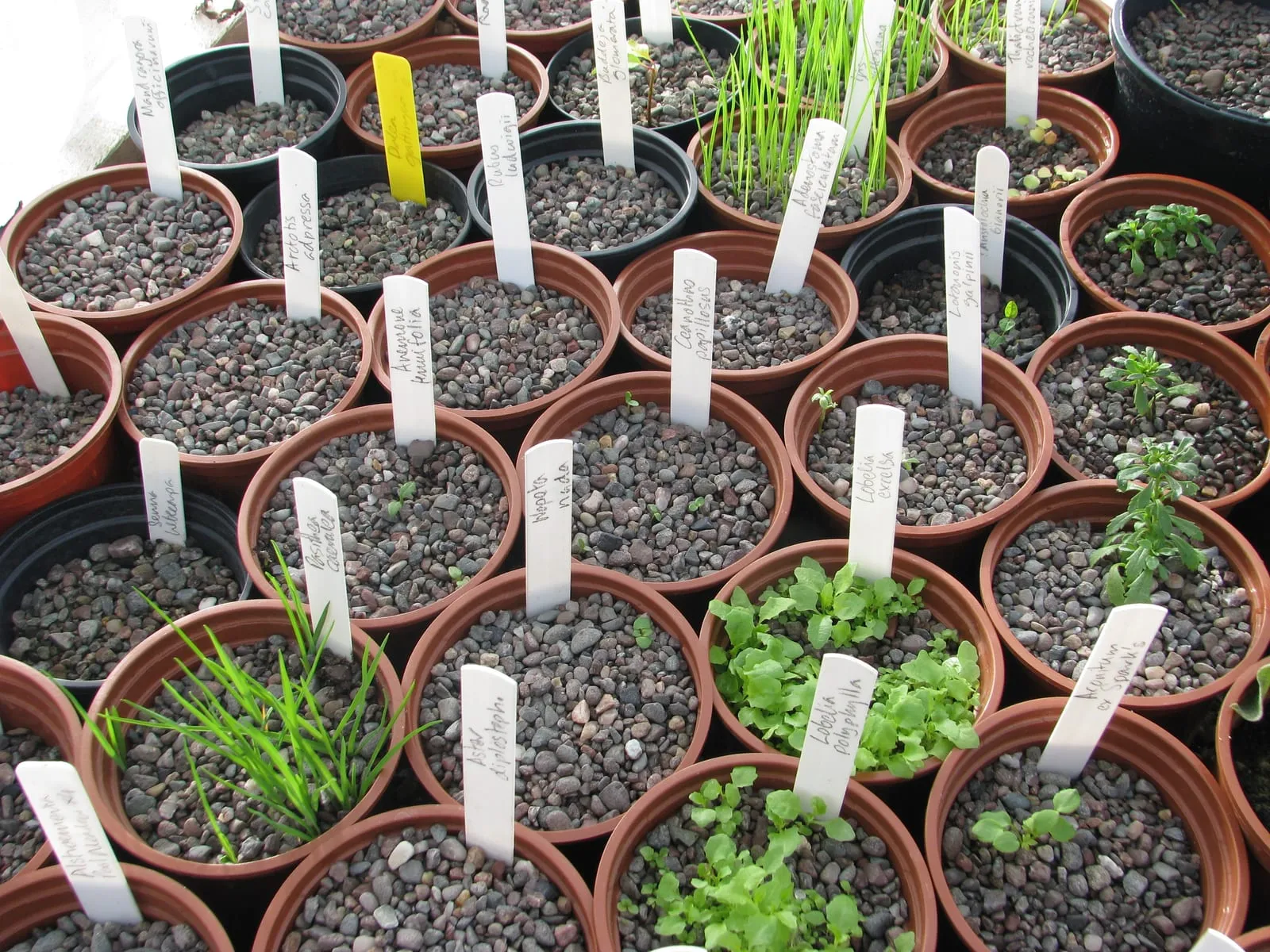
Pythium and Rhizoctonia species
Soil-borne complex of water molds and fungi that kill seedlings before or shortly after emergence. The single most common cause of seed-starting failures.
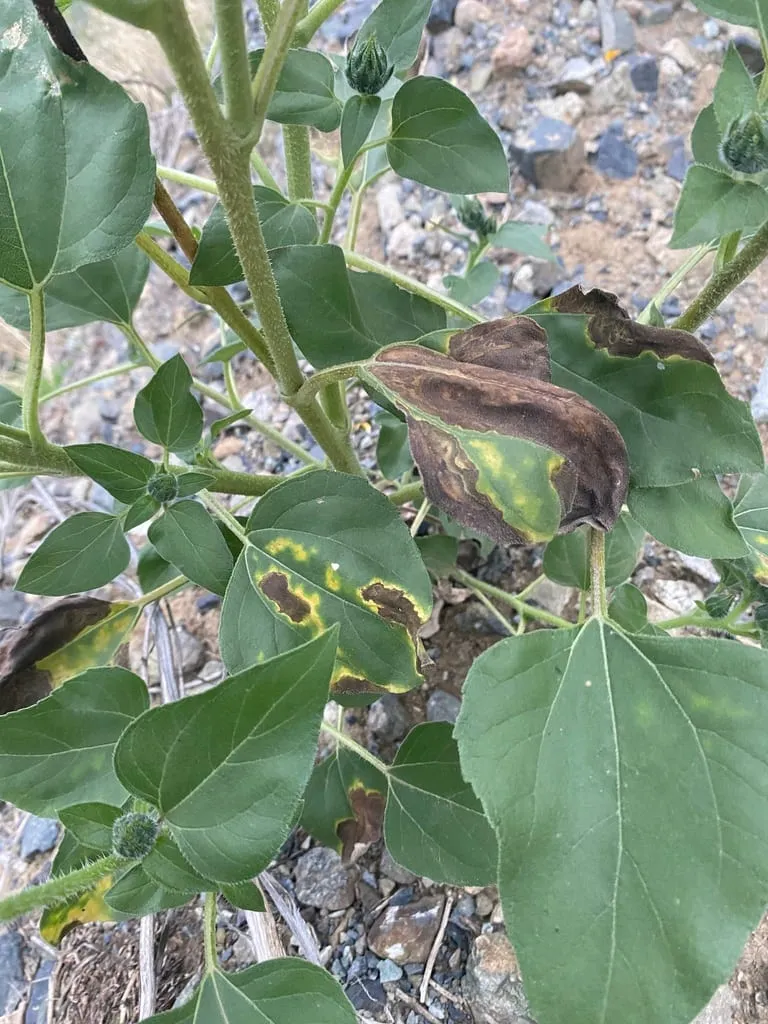
Verticillium dahliae
Soil-borne fungal disease similar to fusarium wilt but with broader host range and cooler temperature optimum. Persists in soil for 10+ years.
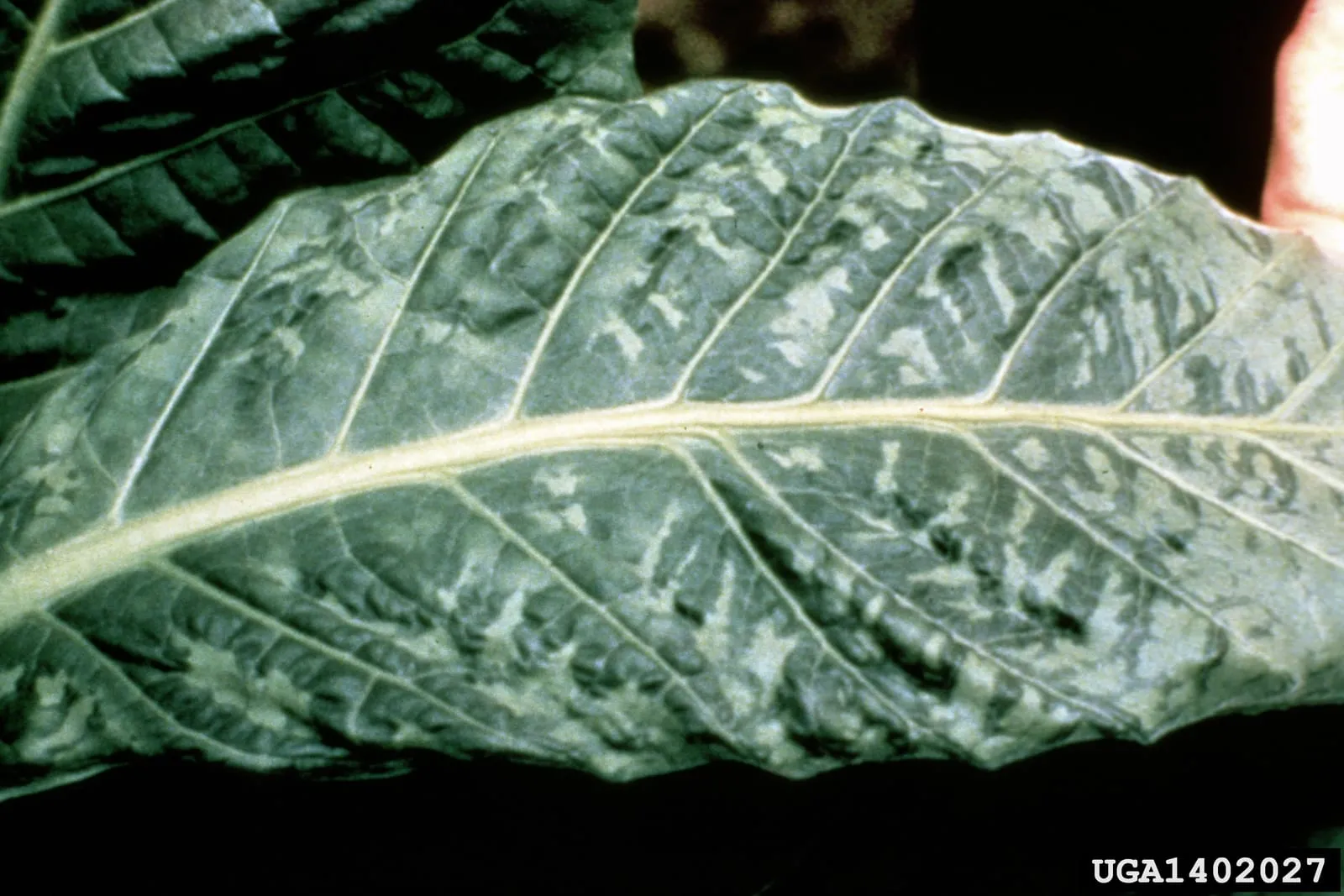
Cucumber mosaic virus, Tobacco mosaic virus, and others
Family of plant viruses producing mottled yellow-and-green leaf patterns. Vectored primarily by aphids; some are seed-transmitted or spread by handling tools and tobacco products.
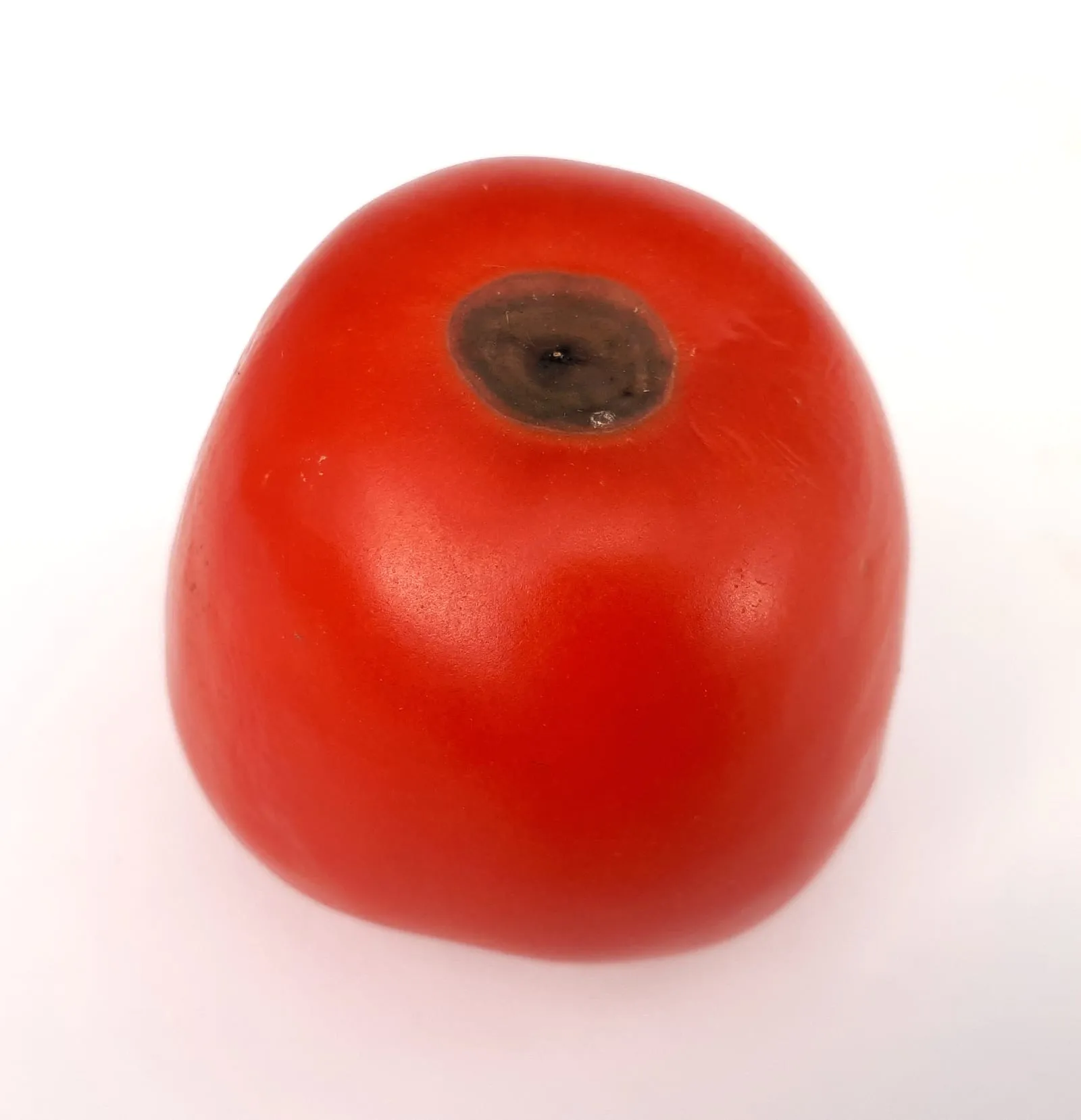
Calcium deficiency physiological disorder
Not a true disease but a calcium-uptake disorder caused by inconsistent soil moisture during fruit development. The dominant cause of damaged first-fruit on home tomato plantings.
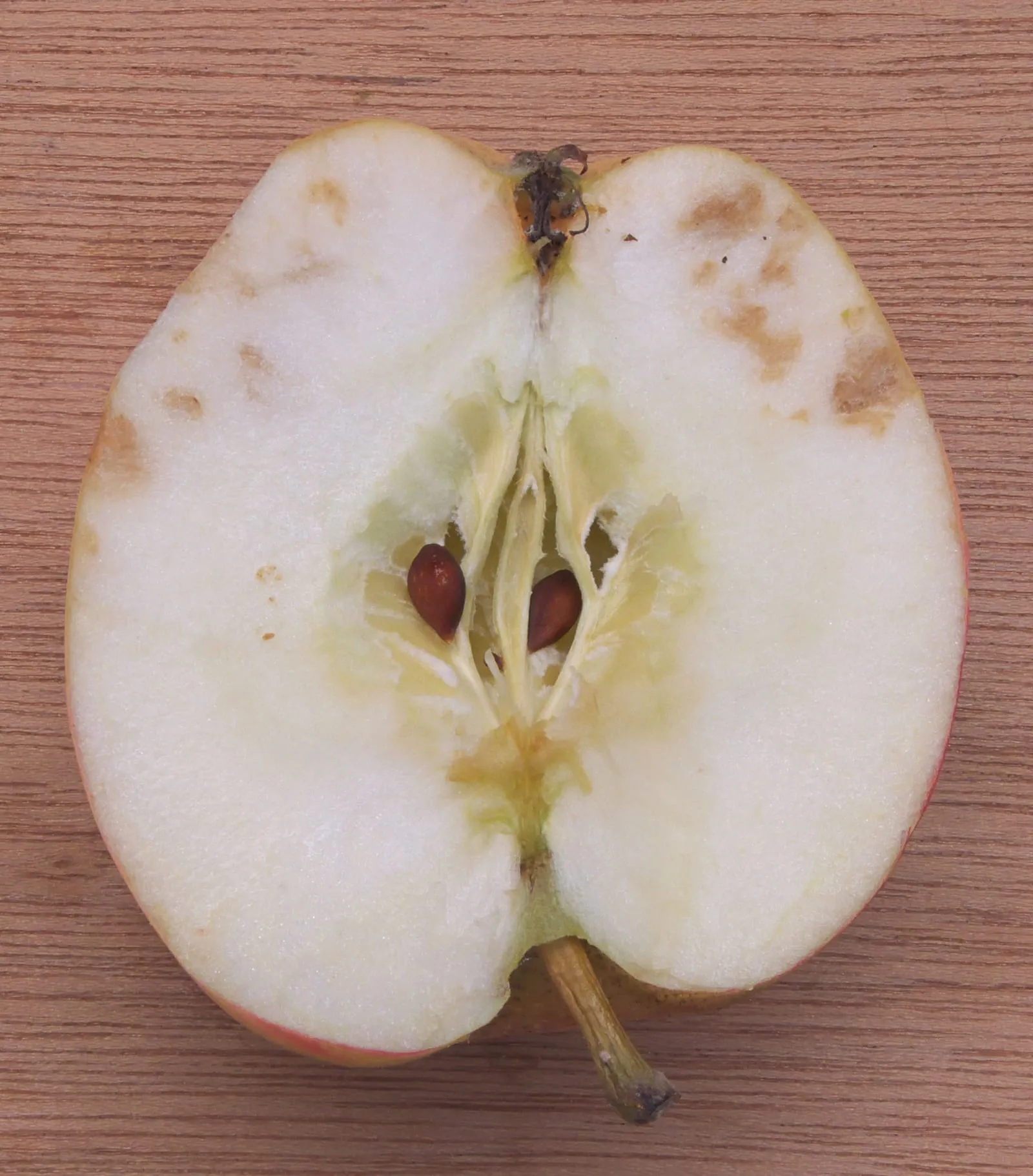
Physiological disorder
Damage from direct intense sun exposure on fruit or bark, particularly on plants suddenly exposed by pruning, defoliation, or hot weather. Distinct from sunburn (which is reversible).
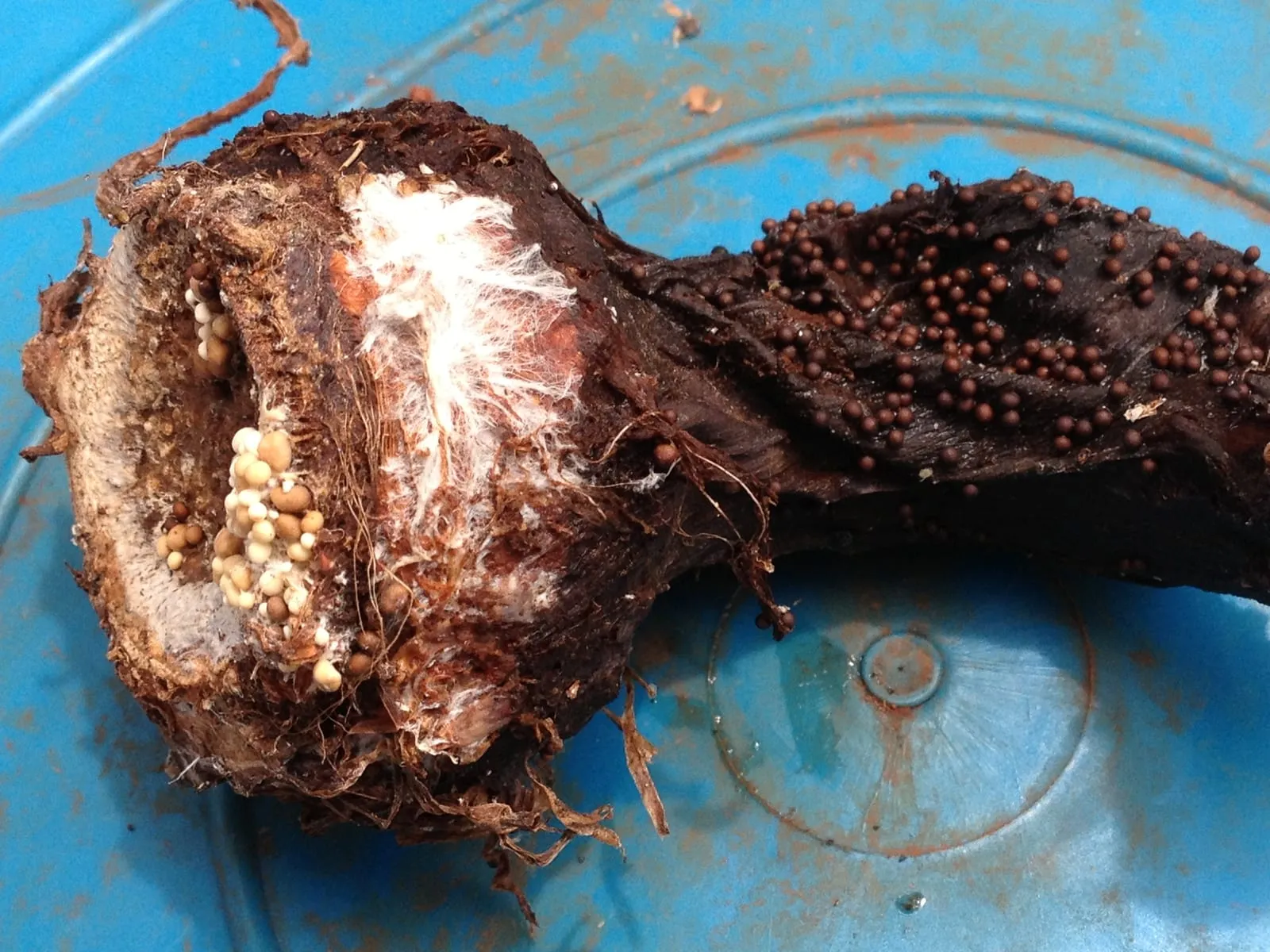
Sclerotium rolfsii
Soil-borne fungal disease most damaging in warm humid Southern conditions. White mycelial fans and small mustard-seed-sized sclerotia at the soil line are diagnostic.
Modified care for zone 10a
The primary care adjustments in zone 10a center on heat, humidity, and storm preparation rather than cold protection. When daytime temperatures consistently exceed 95°F, pepper plants drop flowers without setting fruit. Shade cloth at 30 to 40 percent during peak summer afternoon heat can improve fruit set without reducing plant vigor significantly.
Bacterial Spot of Pepper spreads aggressively in warm, wet conditions common to this zone. Drip irrigation instead of overhead watering reduces foliar moisture and slows disease spread. Tomato Spotted Wilt Virus, vectored by thrips, is a persistent risk; reflective mulch and early-season thrips management are more effective than reactive spraying. Before hurricane season, stake plants firmly and consider cutting back tall growth on exposed plants to reduce wind damage. Fruit left on the plant through a wind event is often lost to bruising and bacterial entry.
Frequently asked questions
- Can hot peppers survive winter in zone 10a?
In many zone 10a locations, established pepper plants survive mild winters with light frost protection and resume production the following season. However, brief dips to 30 to 32°F can kill foliage and damage stems. Treating peppers as short-lived perennials is worthwhile if plants are productive, but starting fresh transplants each season is the lower-risk approach.
- Why do my pepper flowers drop in summer?
Flower drop in zone 10a is most often caused by daytime temperatures above 95°F or nighttime temperatures above 75°F, both of which interfere with pollination. The plant is not failing; it is responding to heat stress. Shade cloth during peak afternoon heat and consistent soil moisture can reduce drop rates significantly.
- Is Habanero the only good hot pepper choice for zone 10a?
Habanero is the variety best documented for zone 10a performance, but other tropical-origin peppers, including Scotch Bonnet, Caribbean Red, and various rocotos, are also well-adapted. Avoid varieties bred specifically for short northern seasons, as they tend to underperform in extended heat.
- How do I manage Bacterial Spot of Pepper in a humid climate?
Bacterial Spot spreads through water splash and thrives in warm, wet conditions. Use drip irrigation, remove infected leaves promptly, avoid working plants when foliage is wet, and apply copper-based bactericides preventively before rainy periods. Resistant varieties, where available, provide the most durable control.
+−
+−
+−
+−
Hot Pepper in adjacent zones
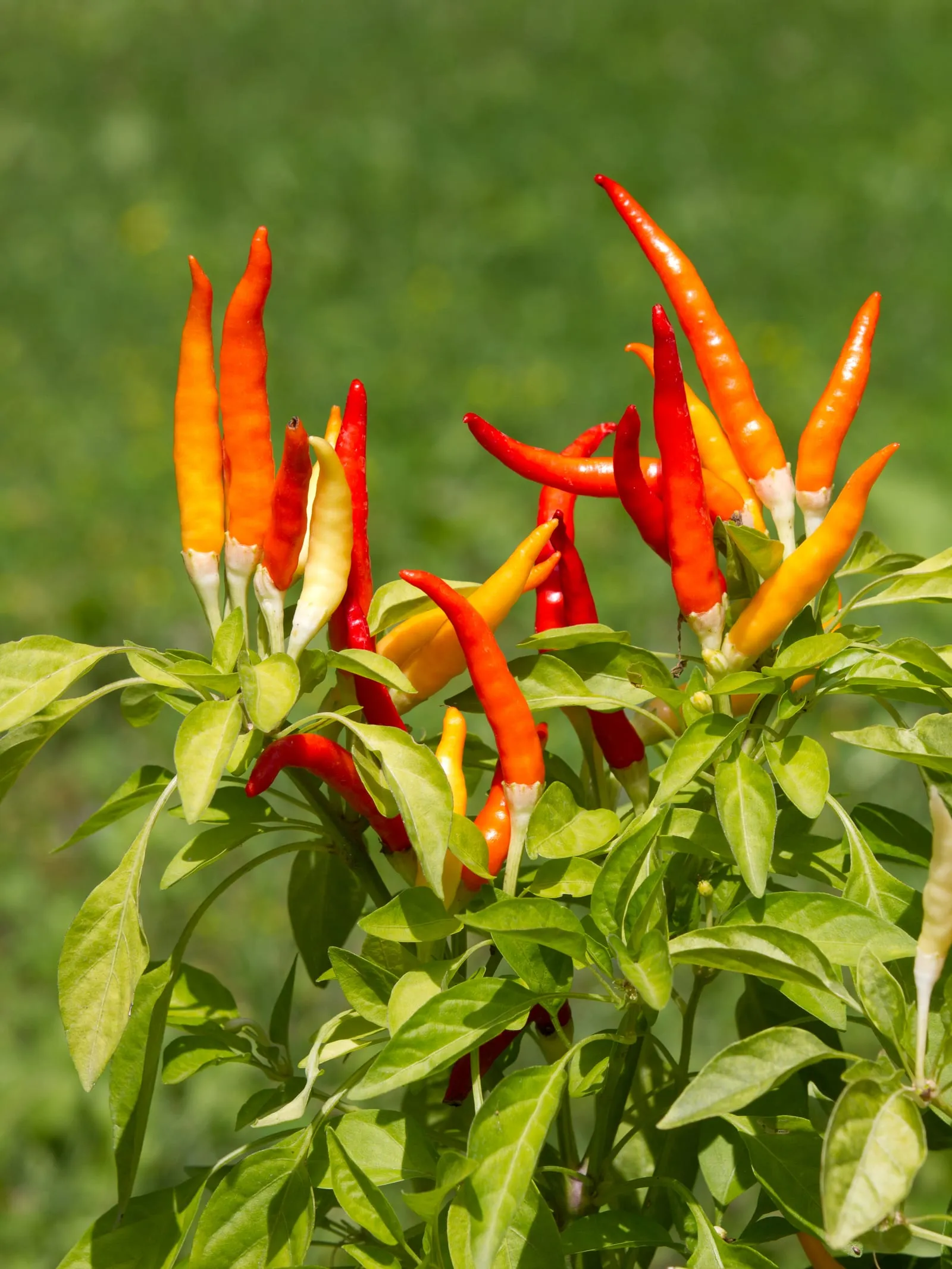
Image: "Capsicum annuum var. Fiesta - MHNT", by PierreSelim, via Wikimedia Commons, licensed under CC-BY Source.

Related