vegetable in zone 10b
Growing hot pepper in zone 10b
Capsicum species
- Zone
- 10b 35°F to 40°F
- Growing season
- 365 days
- Suitable varieties
- 1
- Days to harvest
- 70 to 110
The verdict
Hot pepper is a tropical crop with no chill-hour requirement, which makes zone 10b one of its strongest-performing environments rather than a marginal one. The zone's minimum temperatures of 35 to 40°F are rarely, if ever, reached for sustained periods, and the 365-day growing season means plants can be maintained as short-lived perennials rather than annuals. Habanero, the variety confirmed compatible here, originated in the tropical Caribbean and Yucatan regions and performs at its best under sustained heat and humidity, conditions that zone 10b delivers reliably.
The main limitation is not climate suitability but disease and pest pressure. Bacterial Spot of Pepper and Tomato Spotted Wilt Virus (TSWV) are both more aggressive in warm, humid climates where host plants and vectors persist year-round. Growers in zone 10b should expect these as recurring management challenges rather than occasional problems. Coastal sites also face saltwater intrusion in the soil profile, which constrains variety selection and irrigation practices.
Recommended varieties for zone 10b
1 cultivar suited to this zone, with disease-resistance and zone-fit annotations.
| Variety | Notes | Zone fit | Disease resistance |
|---|---|---|---|
| Habanero fits zone 10b | Searing heat (100,000-350,000 SHU) with tropical-fruit notes; lantern-shaped orange pepper. Hot sauces, salsas, drying. Slow to ripen, needs full season heat. | | none noted |
Critical timing for zone 10b
With no meaningful frost risk, zone 10b growers can transplant hot pepper seedlings at nearly any time of year, though the practical sweet spot is late winter through early spring, roughly February through April, to establish plants before peak summer heat stresses young transplants. Habanero typically reaches harvestable fruit 100 to 120 days after transplanting under favorable conditions.
Because the growing season does not end in winter, plants kept well-watered and fertilized often continue fruiting into a second and third year if cut back during cooler months. Bloom production tracks closely with temperature: sustained heat above 90°F can cause blossom drop, so the timing of planting to allow canopy establishment before midsummer is worth attention. Fall plantings also work well, capitalizing on moderating temperatures and reduced pest pressure.
Common challenges in zone 10b
- ▸ No winter chill
- ▸ Tropical pest and disease pressure
- ▸ Saltwater intrusion in coastal soils
Disease pressure to watch for
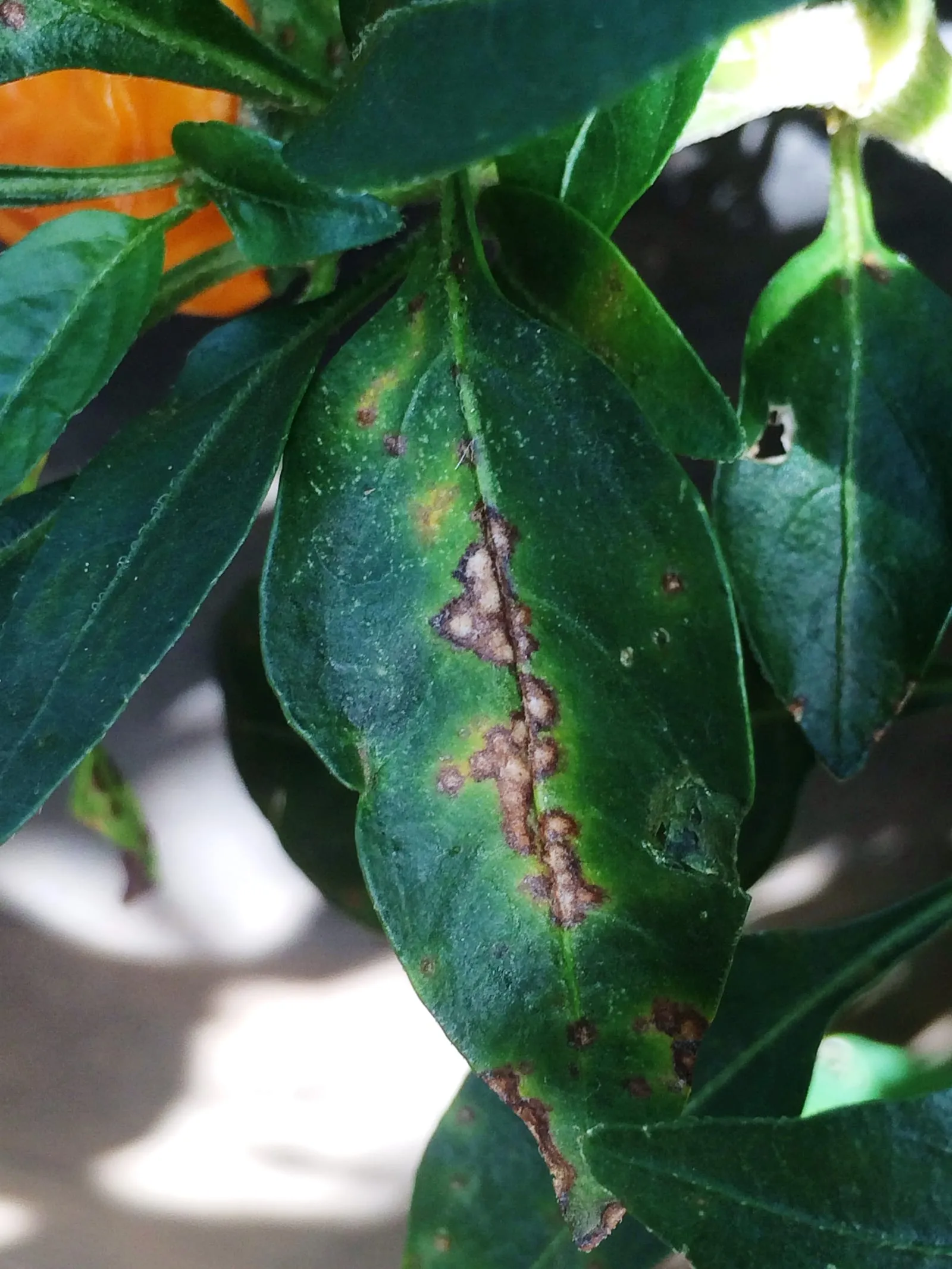
Xanthomonas euvesicatoria and X. perforans
Bacterial disease causing leaf spots and fruit blemishes on pepper and tomato. Severe in warm humid weather, transmitted via splashing water and seed.
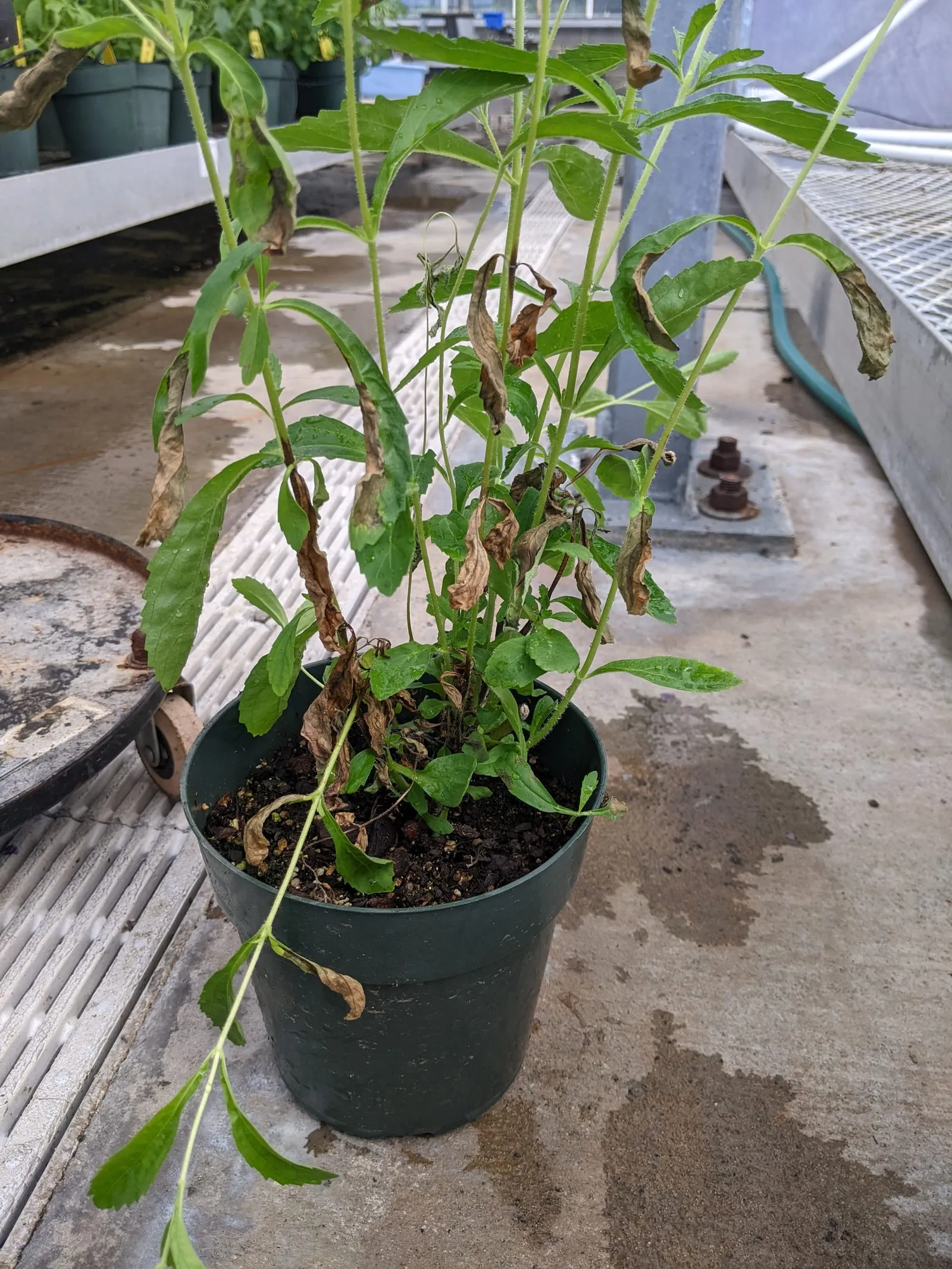
Tomato spotted wilt orthotospovirus (TSWV)
Virus vectored by thrips, particularly western flower thrips. Wide host range and growing global distribution. No cure once infected.
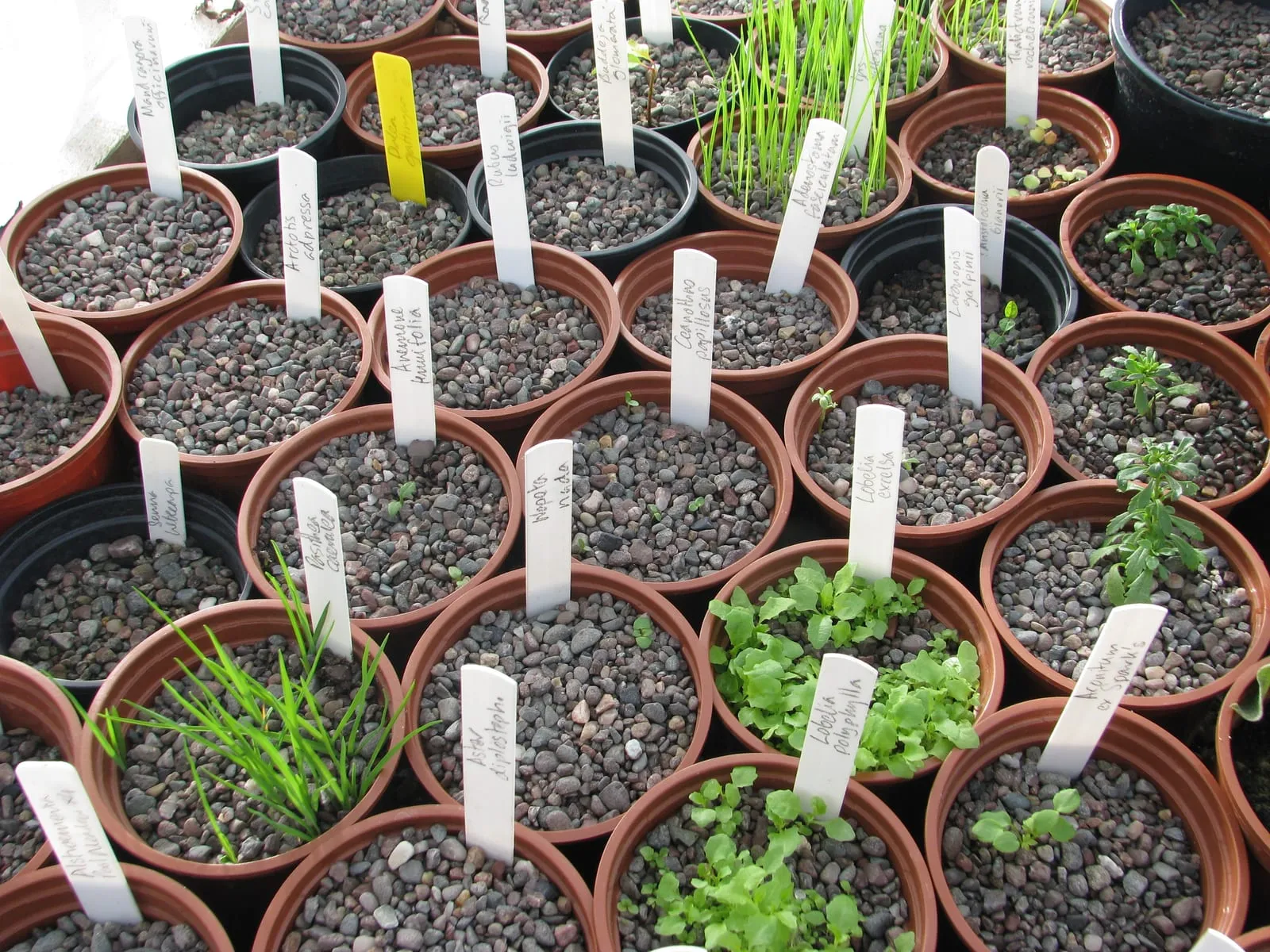
Pythium and Rhizoctonia species
Soil-borne complex of water molds and fungi that kill seedlings before or shortly after emergence. The single most common cause of seed-starting failures.
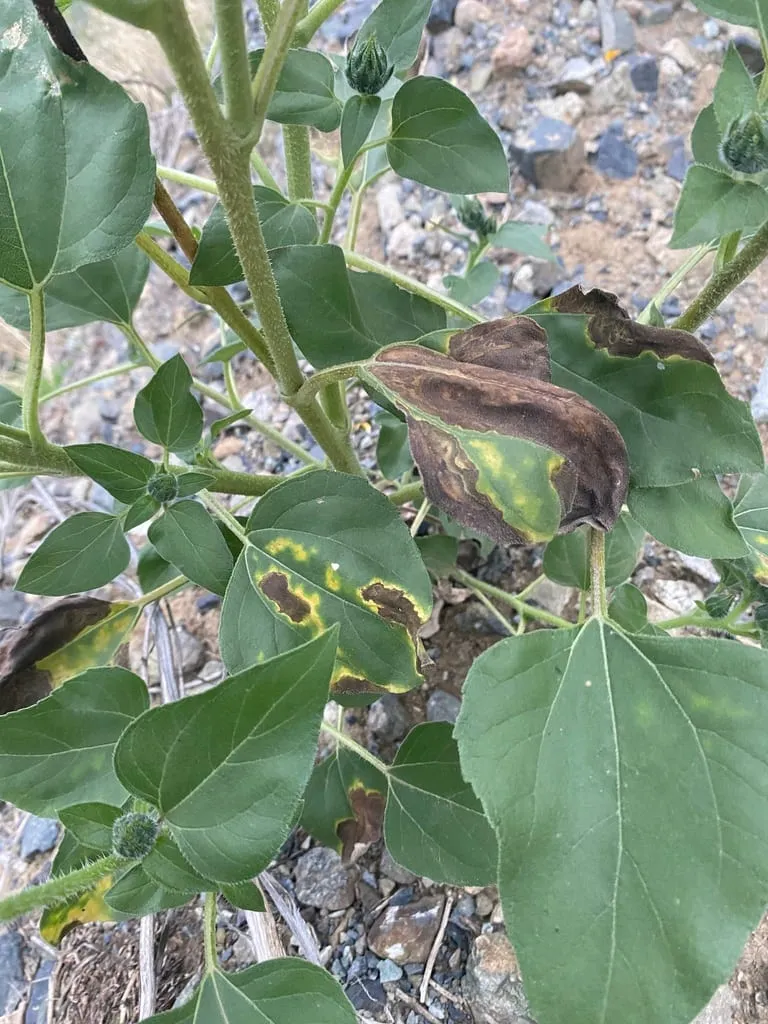
Verticillium dahliae
Soil-borne fungal disease similar to fusarium wilt but with broader host range and cooler temperature optimum. Persists in soil for 10+ years.
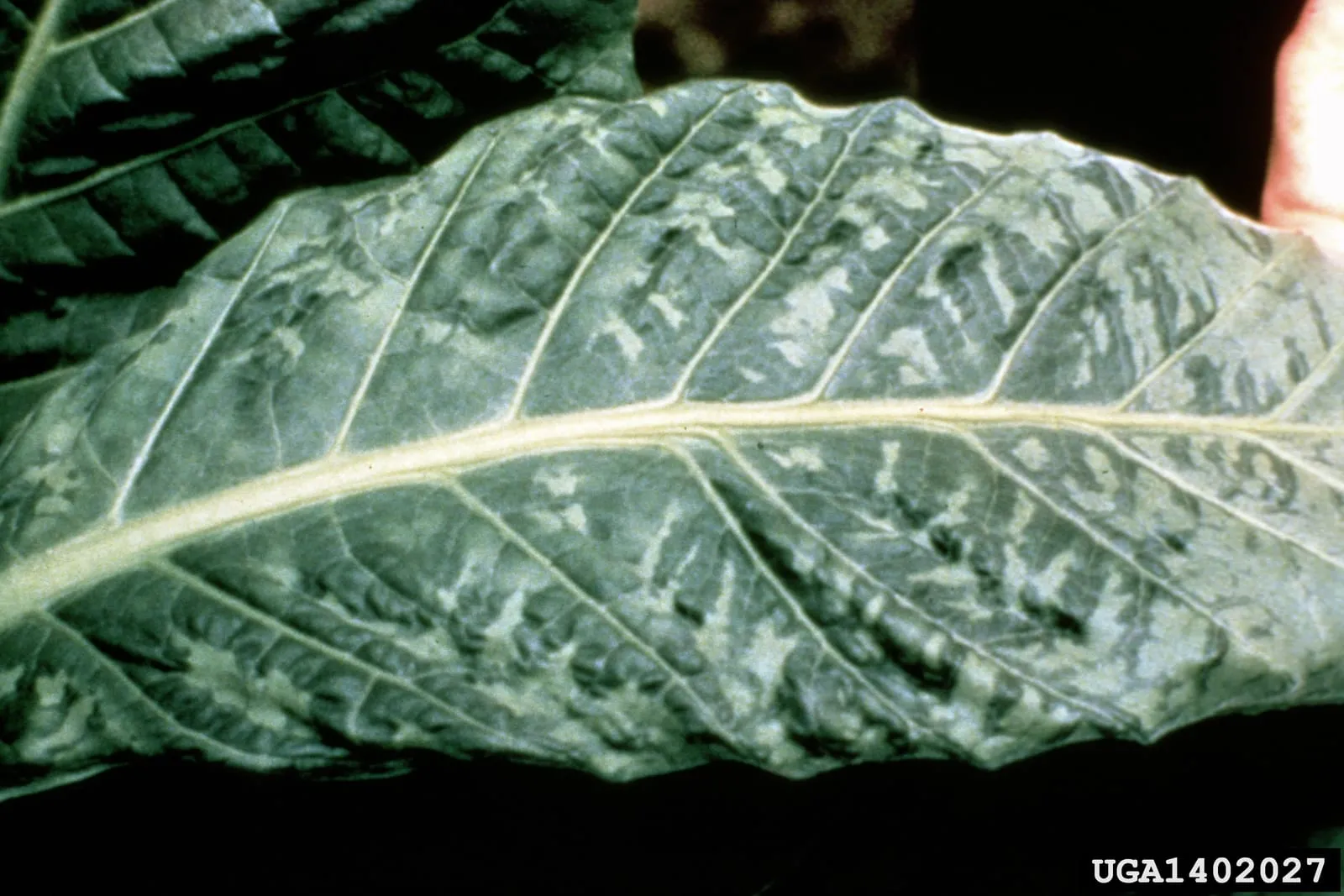
Cucumber mosaic virus, Tobacco mosaic virus, and others
Family of plant viruses producing mottled yellow-and-green leaf patterns. Vectored primarily by aphids; some are seed-transmitted or spread by handling tools and tobacco products.
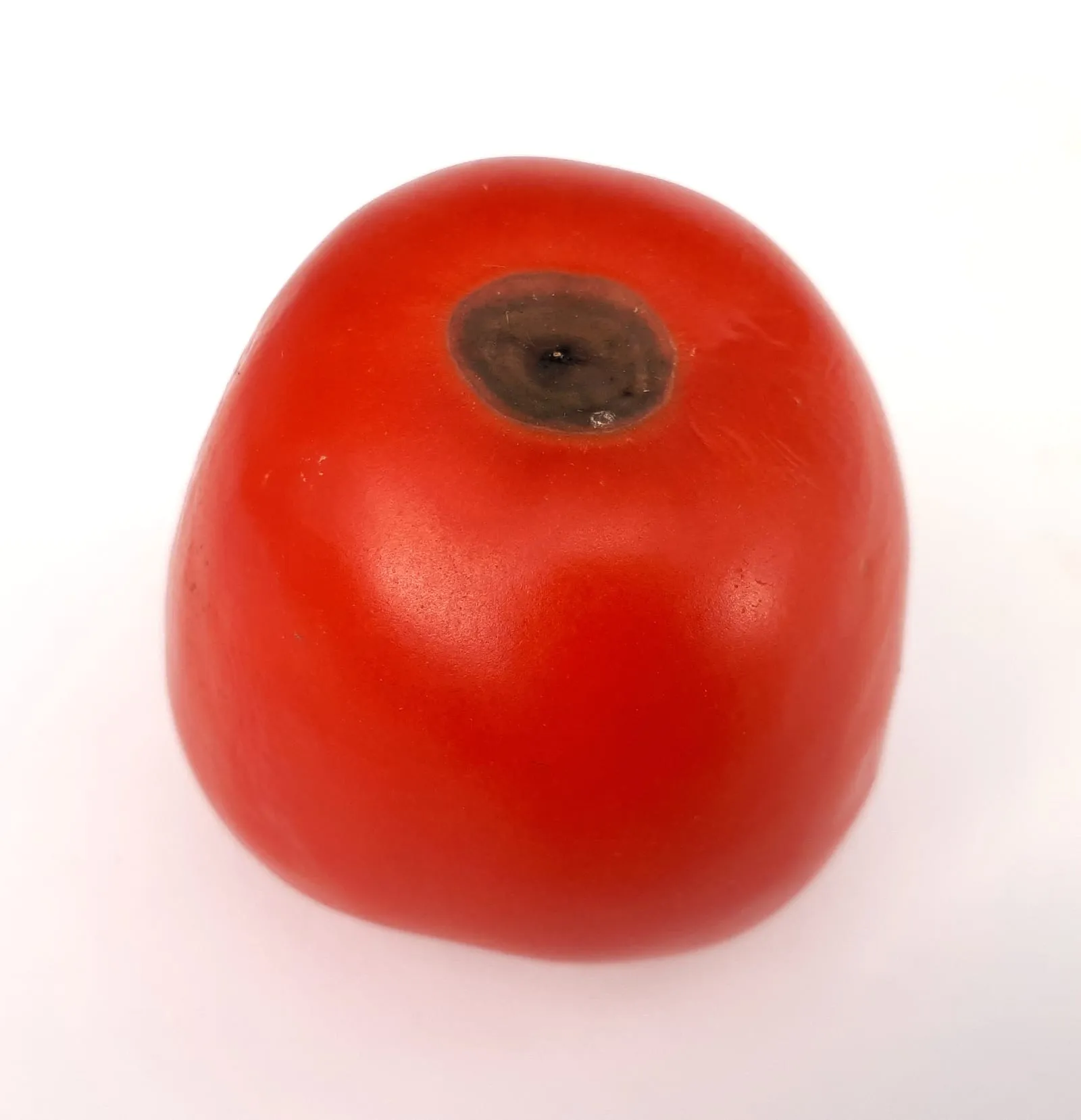
Calcium deficiency physiological disorder
Not a true disease but a calcium-uptake disorder caused by inconsistent soil moisture during fruit development. The dominant cause of damaged first-fruit on home tomato plantings.
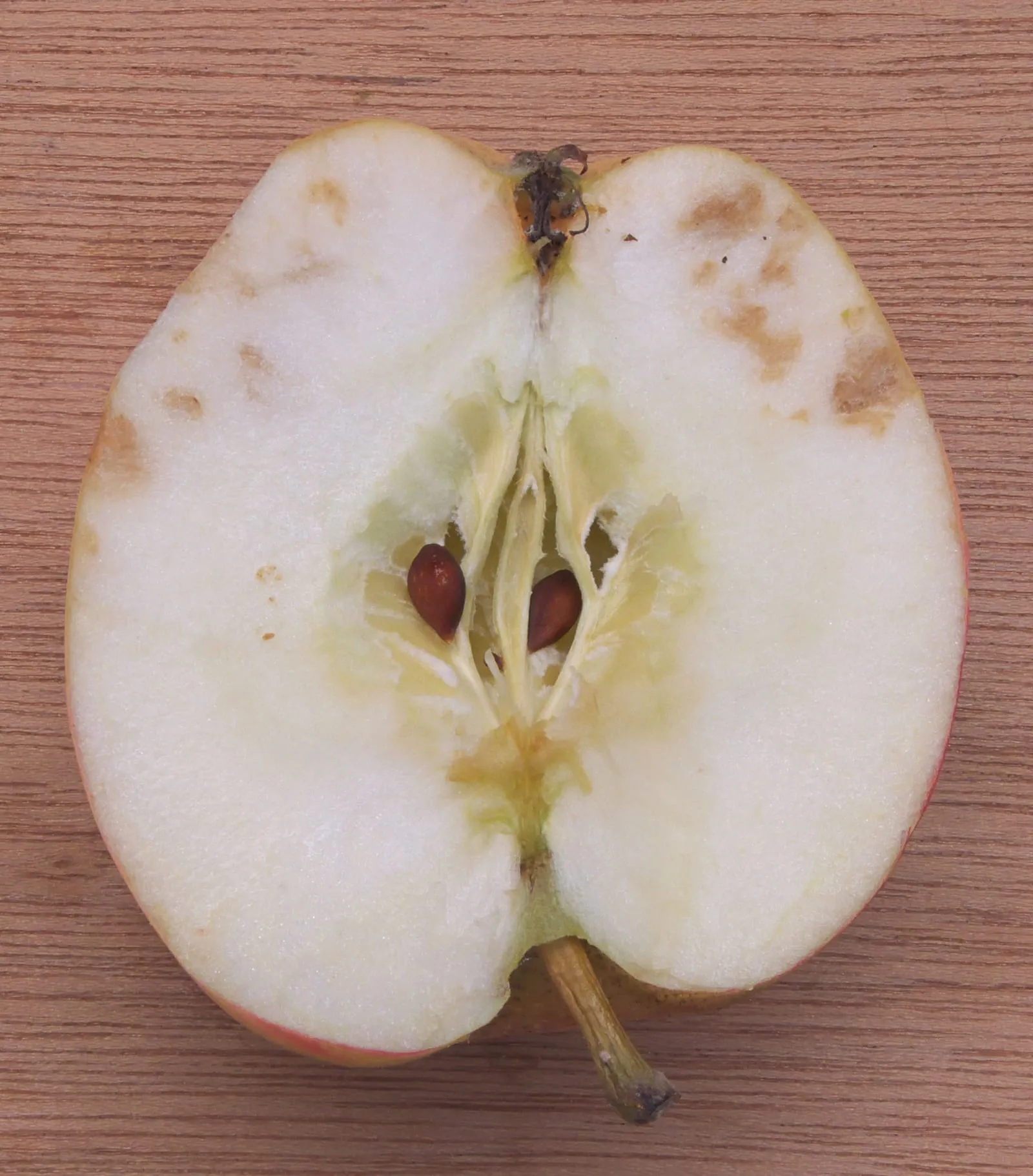
Physiological disorder
Damage from direct intense sun exposure on fruit or bark, particularly on plants suddenly exposed by pruning, defoliation, or hot weather. Distinct from sunburn (which is reversible).
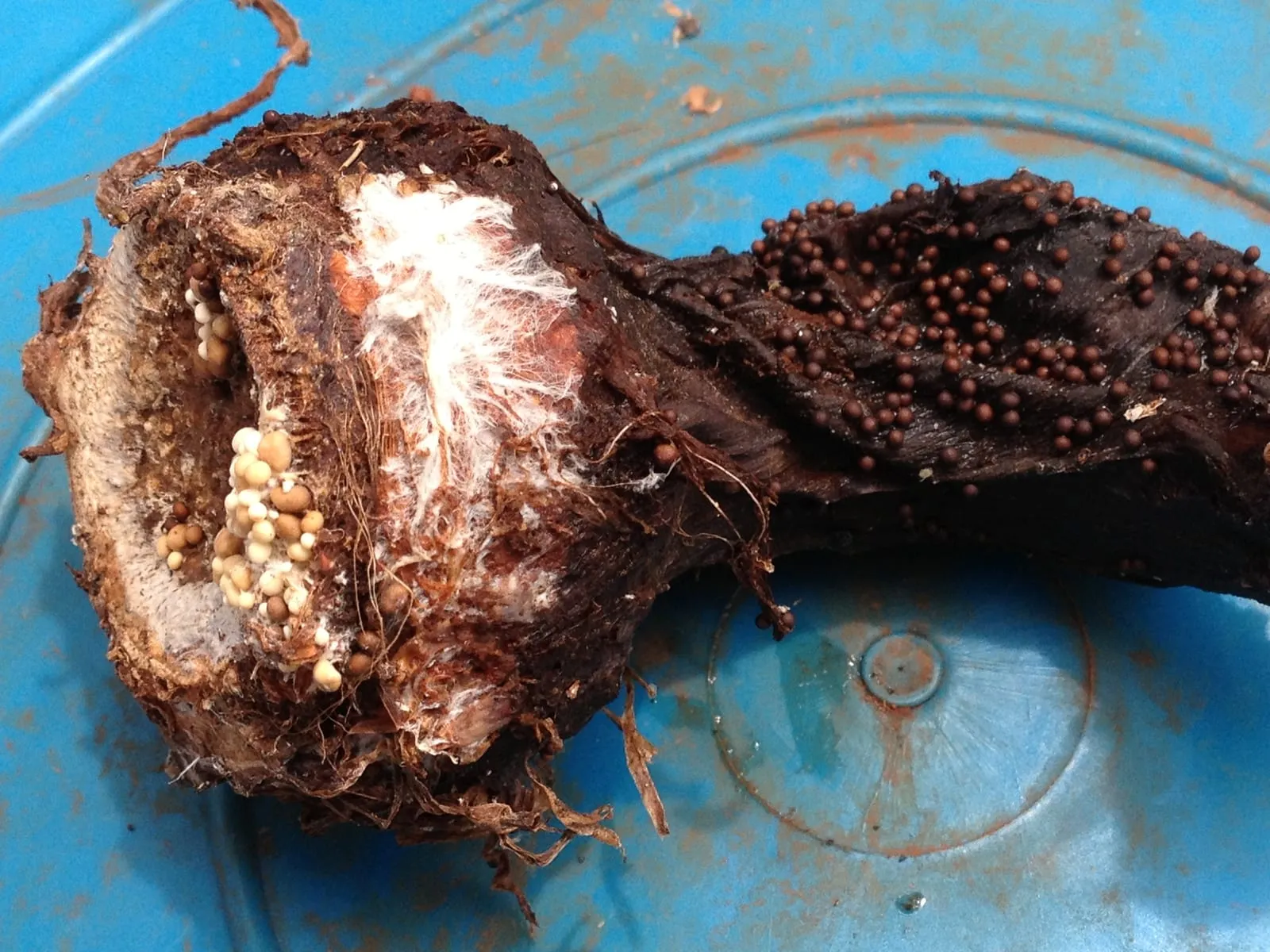
Sclerotium rolfsii
Soil-borne fungal disease most damaging in warm humid Southern conditions. White mycelial fans and small mustard-seed-sized sclerotia at the soil line are diagnostic.
Modified care for zone 10b
The primary management shift in zone 10b is disease prevention rather than cold protection. Bacterial Spot of Pepper spreads rapidly under wet, warm conditions; using drip irrigation instead of overhead watering, maintaining good air circulation through pruning, and sourcing certified disease-free transplants all reduce inoculum pressure. TSWV is thrips-vectored, so managing thrips populations early in the season with reflective mulches or targeted insecticides is more effective than attempting to treat infected plants once symptoms appear.
Saltwater intrusion in coastal soils calls for soil testing before planting and, where sodium levels are elevated, amending with gypsum and using raised beds with imported soil mix. Mulching heavily conserves moisture and moderates soil temperature during peak summer heat. In sheltered inland sites, established pepper plants can be cut back to 12 to 18 inches in the coolest months and will regenerate vigorously, effectively functioning as perennials and reducing replanting costs.
Hot Pepper in adjacent zones
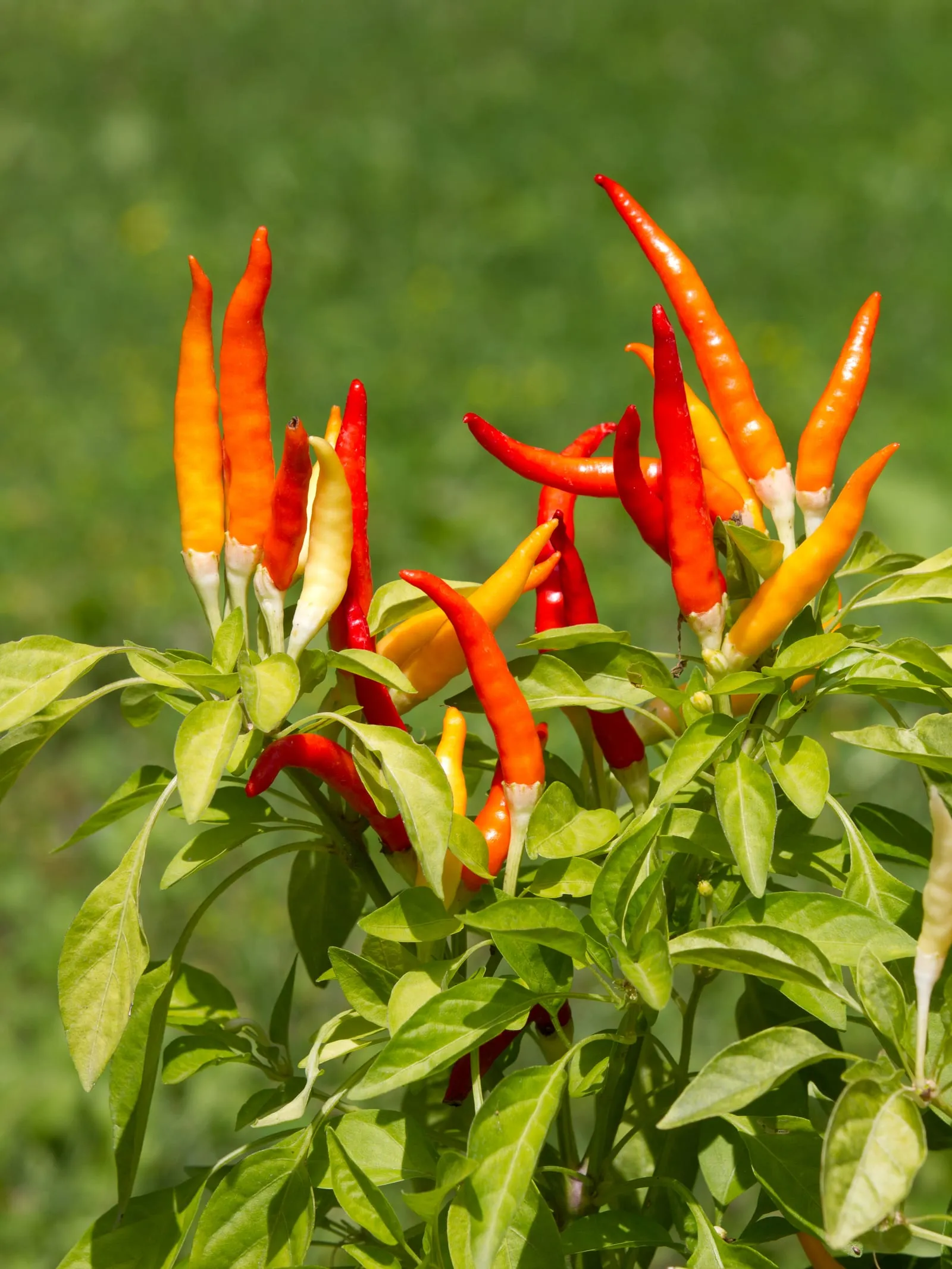
Image: "Capsicum annuum var. Fiesta - MHNT", by PierreSelim, via Wikimedia Commons, licensed under CC-BY Source.

Related