vegetable in zone 4b
Growing hot pepper in zone 4b
Capsicum species
- Zone
- 4b -25°F to -20°F
- Growing season
- 130 days
- Suitable varieties
- 1
- Days to harvest
- 70 to 110
The verdict
Zone 4b sits at the marginal end of hot pepper's viable range. Unlike fruit trees, hot peppers have no chill-hour requirement; the limiting factor is heat accumulation and frost-free days. At 130 days, zone 4b's growing season is workable but leaves little room for error. Most hot pepper types need 70 to 90 frost-free days from transplant to meaningful harvest, so the season is sufficient only when transplants go in promptly after last frost and the fall stays open.
Jalapeño is the most reliable choice in this zone, with shorter days-to-maturity than cayenne or habanero types. Longer-season varieties (90-plus days from transplant) are a gamble: a cool summer or an early September frost can cut the harvest short before pods fully ripen. Zone 4b growers should treat hot pepper as a high-effort crop that rewards careful timing rather than a reliable garden staple.
Recommended varieties for zone 4b
1 cultivar suited to this zone, with disease-resistance and zone-fit annotations.
| Variety | Notes | Zone fit | Disease resistance |
|---|---|---|---|
| Jalapeño fits zone 4b | Medium heat (2,500-8,000 SHU), grassy-bright flavor; thick-walled green pepper. Fresh, pickled, smoked into chipotle. The benchmark home-garden hot pepper, reliable across most US zones. | | none noted |
Critical timing for zone 4b
Last frost dates in zone 4b typically fall between mid-May and early June, depending on elevation and local topography. Hot pepper seeds should be started indoors 8 to 10 weeks before the anticipated transplant date, which puts seed starting in late February to mid-March.
Transplants go out after the last frost date once soil temperatures reach at least 60°F consistently. Harvest for Jalapeño runs from mid-August through September. The first fall frost in zone 4b arrives as early as mid-September in some locations, so growers should monitor forecasts closely and harvest or protect plants when frost threatens. Green-ripe pods are usable; waiting for full red color is risky in a compressed season.
Common challenges in zone 4b
- ▸ Spring frost timing
- ▸ Apple scab pressure
- ▸ Cane berry winter dieback
Disease pressure to watch for
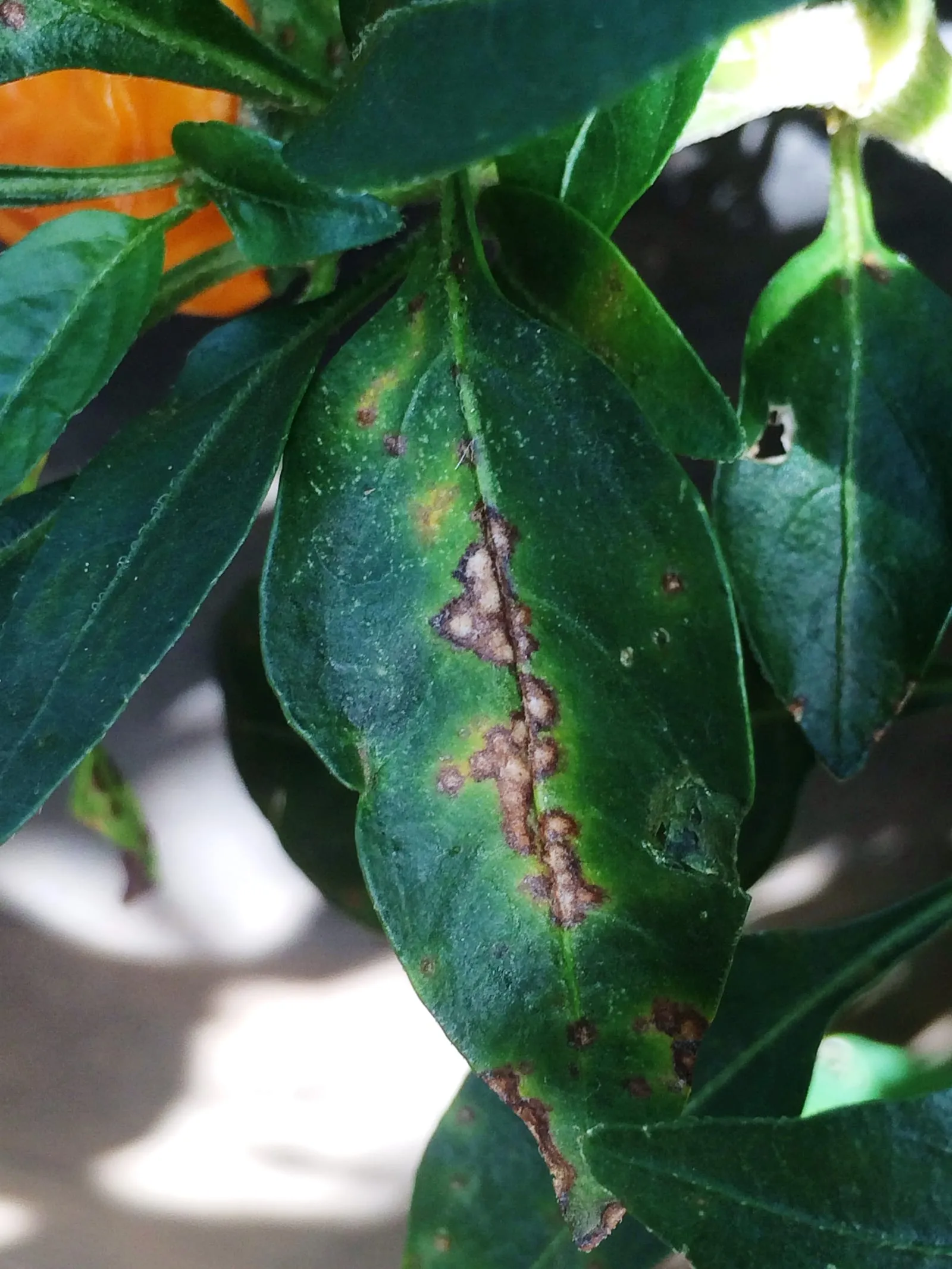
Xanthomonas euvesicatoria and X. perforans
Bacterial disease causing leaf spots and fruit blemishes on pepper and tomato. Severe in warm humid weather, transmitted via splashing water and seed.
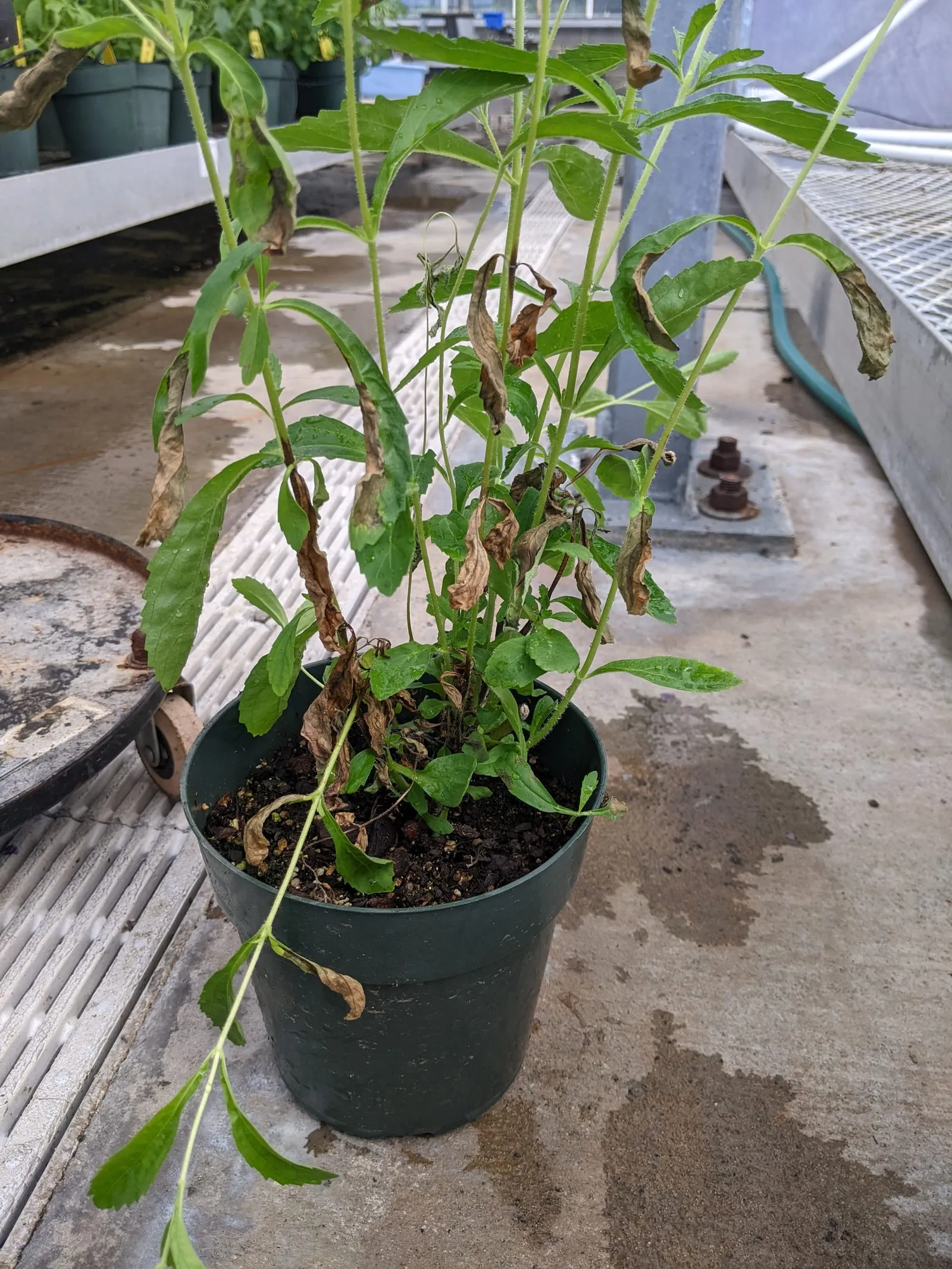
Tomato spotted wilt orthotospovirus (TSWV)
Virus vectored by thrips, particularly western flower thrips. Wide host range and growing global distribution. No cure once infected.
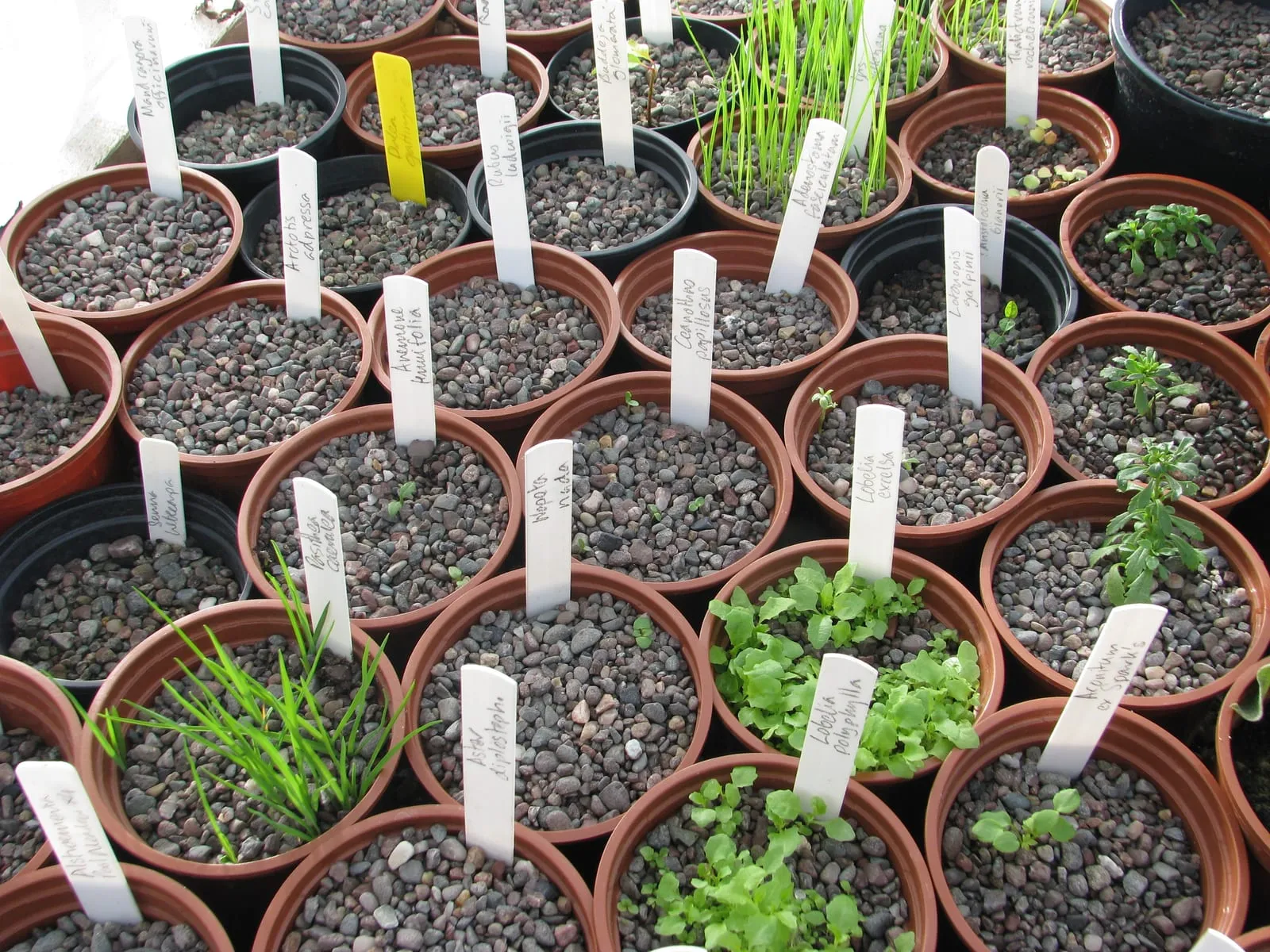
Pythium and Rhizoctonia species
Soil-borne complex of water molds and fungi that kill seedlings before or shortly after emergence. The single most common cause of seed-starting failures.
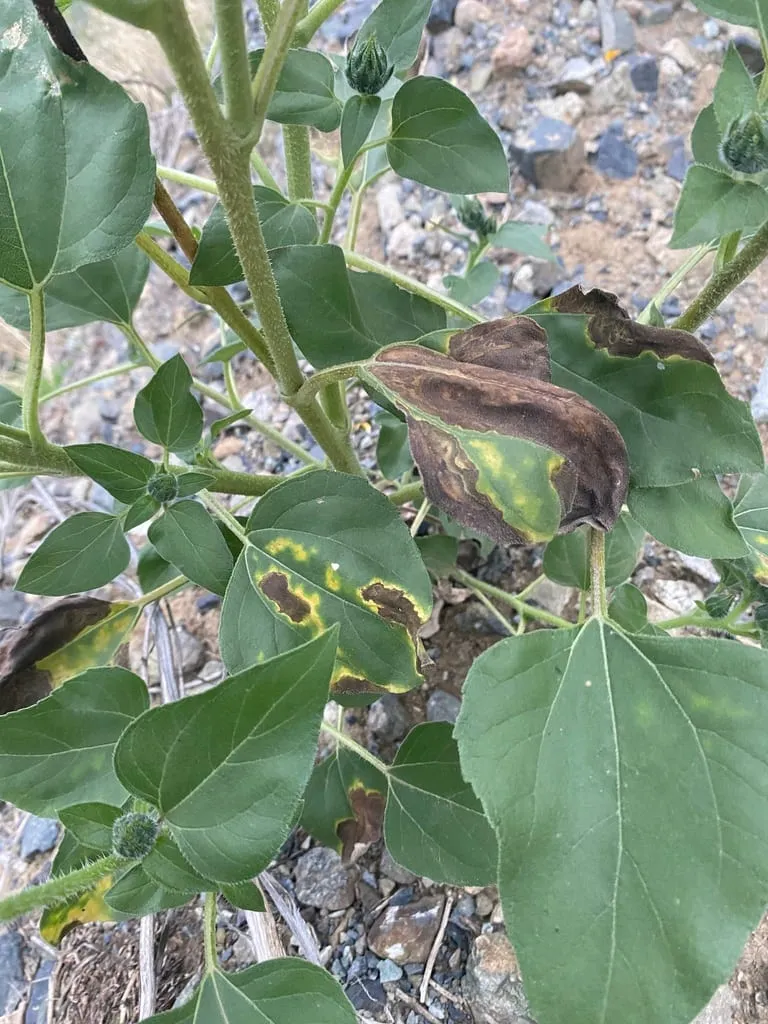
Verticillium dahliae
Soil-borne fungal disease similar to fusarium wilt but with broader host range and cooler temperature optimum. Persists in soil for 10+ years.
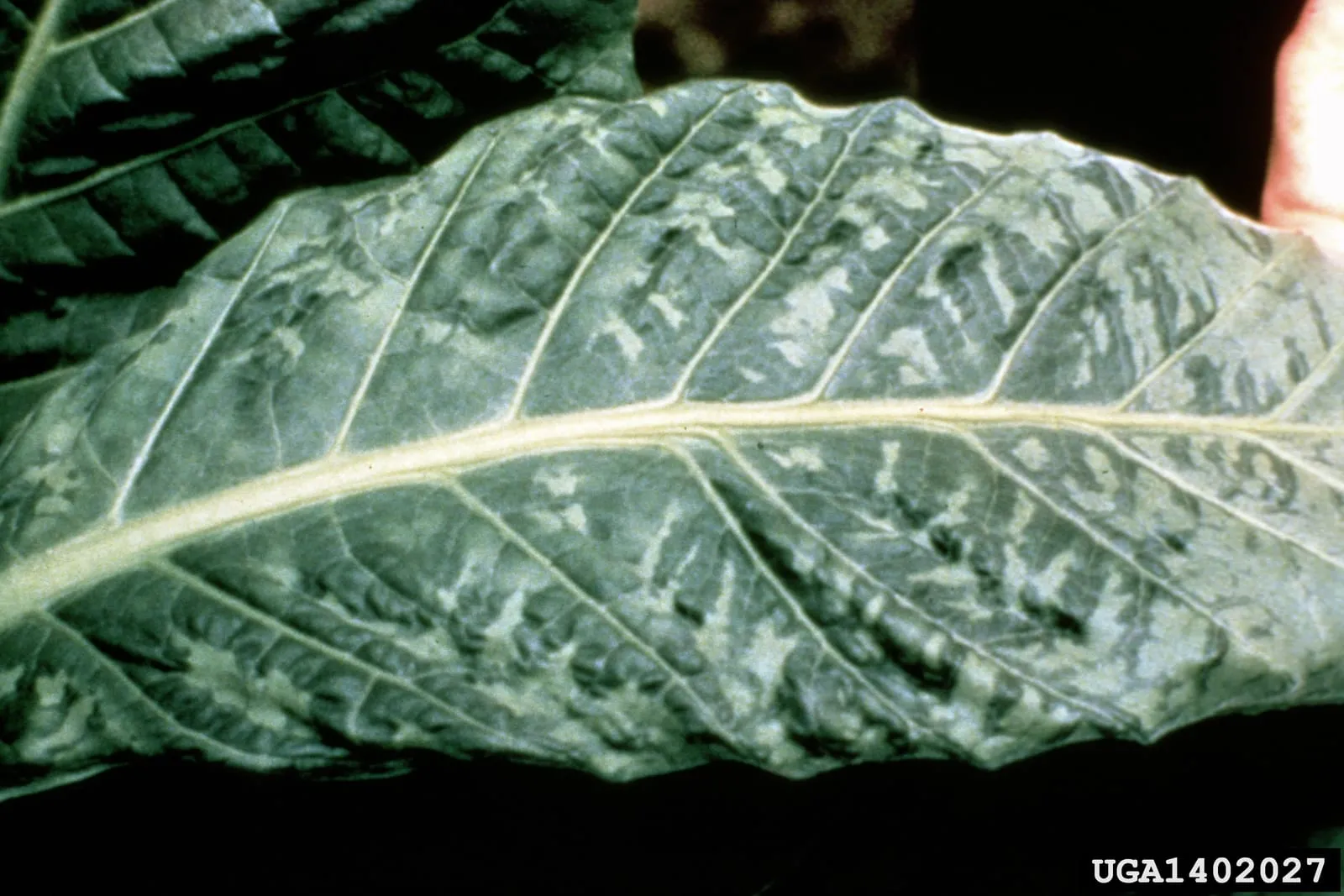
Cucumber mosaic virus, Tobacco mosaic virus, and others
Family of plant viruses producing mottled yellow-and-green leaf patterns. Vectored primarily by aphids; some are seed-transmitted or spread by handling tools and tobacco products.
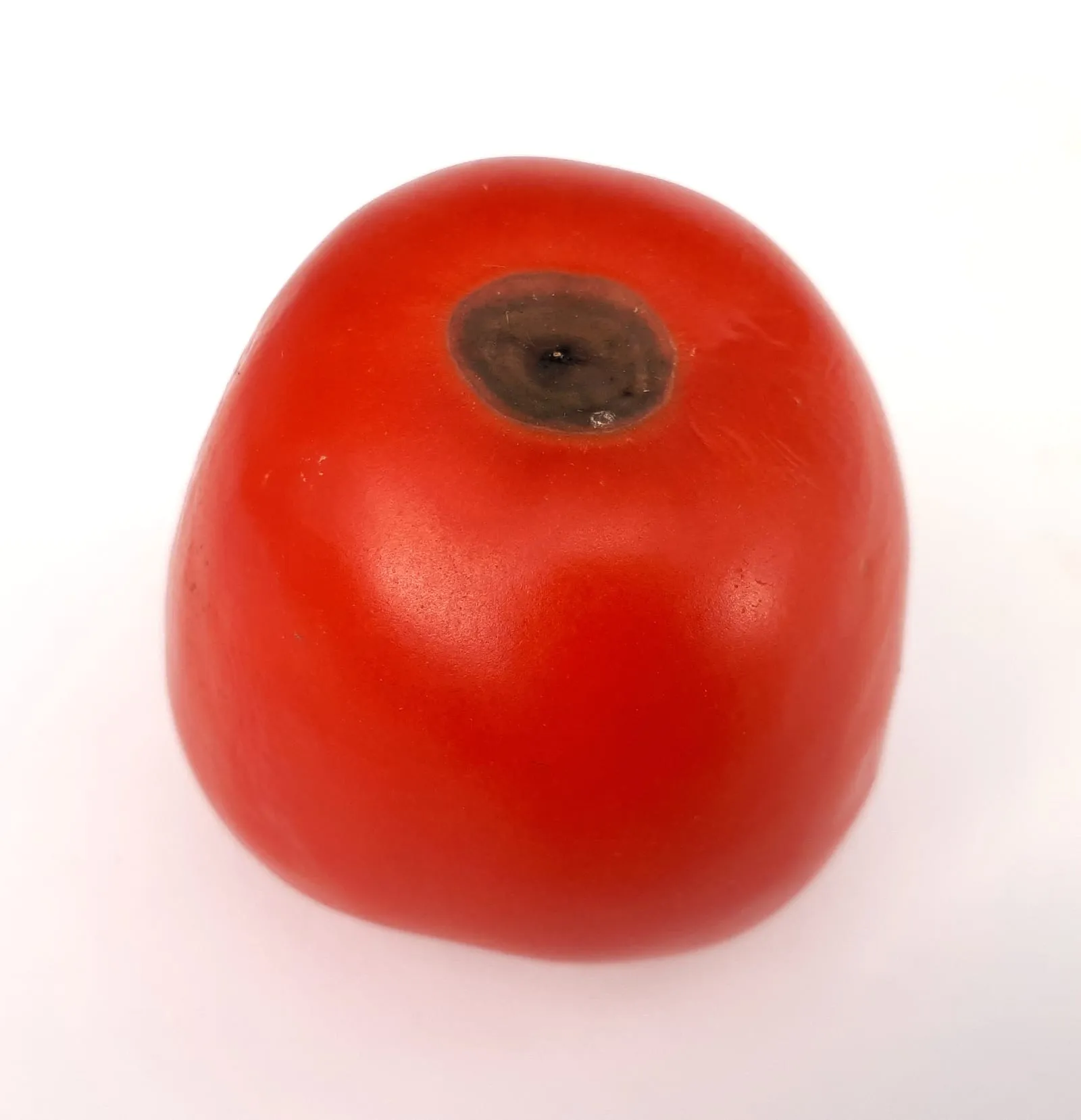
Calcium deficiency physiological disorder
Not a true disease but a calcium-uptake disorder caused by inconsistent soil moisture during fruit development. The dominant cause of damaged first-fruit on home tomato plantings.
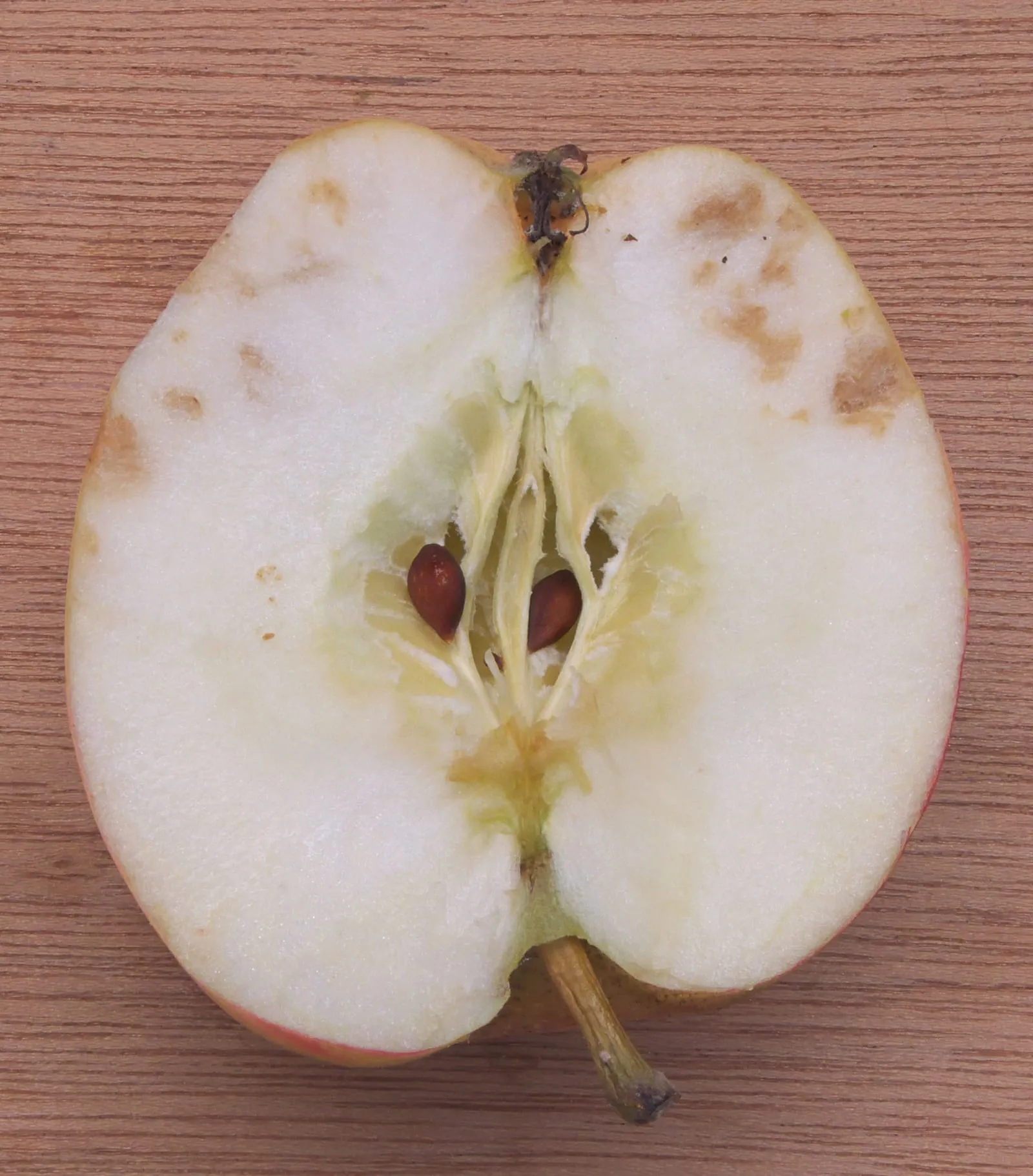
Physiological disorder
Damage from direct intense sun exposure on fruit or bark, particularly on plants suddenly exposed by pruning, defoliation, or hot weather. Distinct from sunburn (which is reversible).
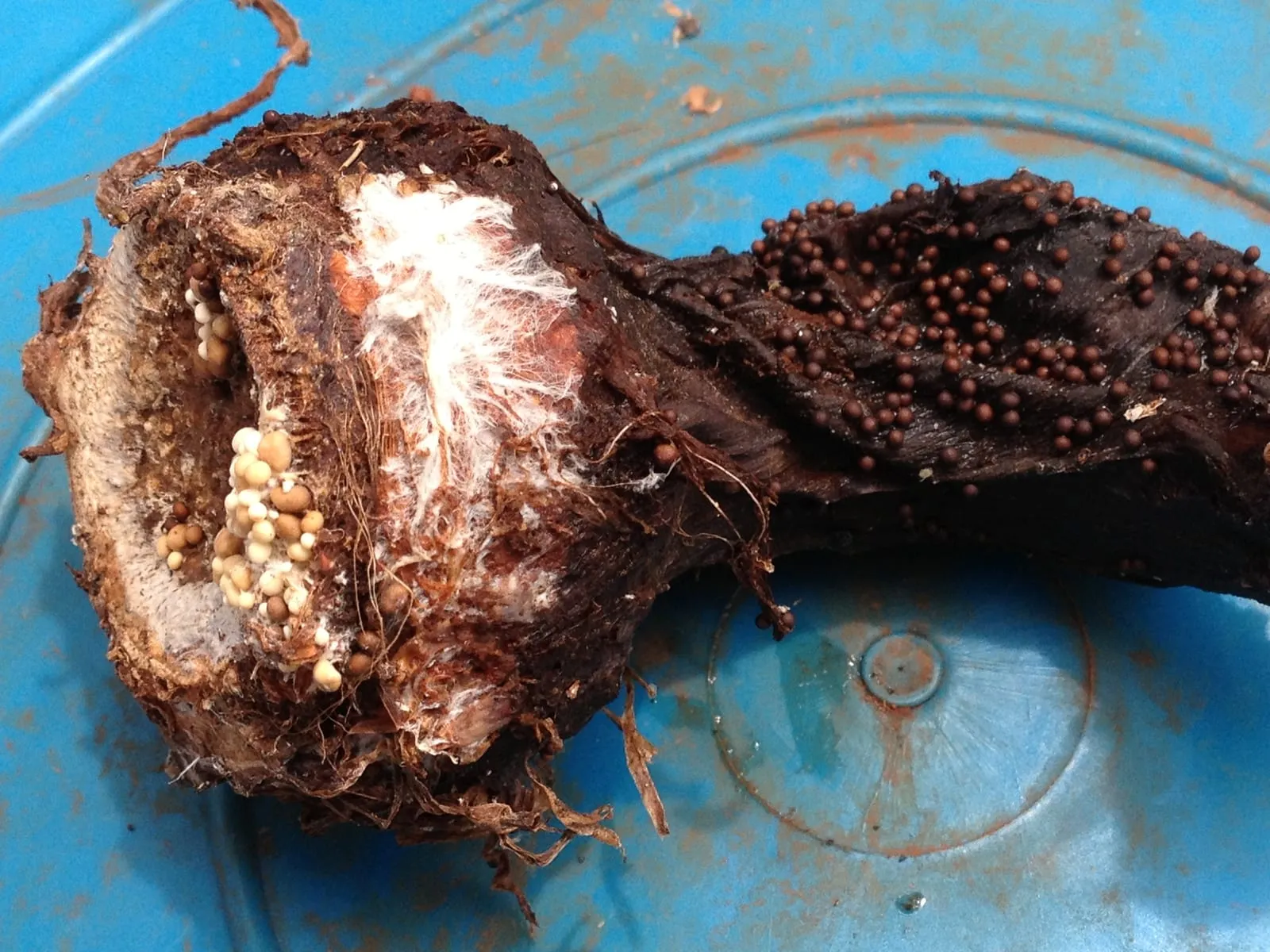
Sclerotium rolfsii
Soil-borne fungal disease most damaging in warm humid Southern conditions. White mycelial fans and small mustard-seed-sized sclerotia at the soil line are diagnostic.
Modified care for zone 4b
Starting transplants early and hardening them off carefully before outdoor planting is non-negotiable in zone 4b. Black plastic mulch is worth the effort: it warms soil faster in spring and helps maintain heat through cool nights, both of which translate to earlier fruit set and faster maturity.
Bacterial Spot of Pepper spreads readily in wet, humid conditions. Zone 4b summers can be cool and damp, which sustains the bacterium on foliage longer than in warmer climates. Avoid overhead irrigation and remove any spotted leaves promptly. Tomato Spotted Wilt Virus is thrips-vectored; managing thrips populations with reflective mulch or insecticidal soap reduces transmission risk. Row covers in early season suppress thrips and buffer cold nights, but must come off once flowering begins to allow pollination.
Hot Pepper in adjacent zones
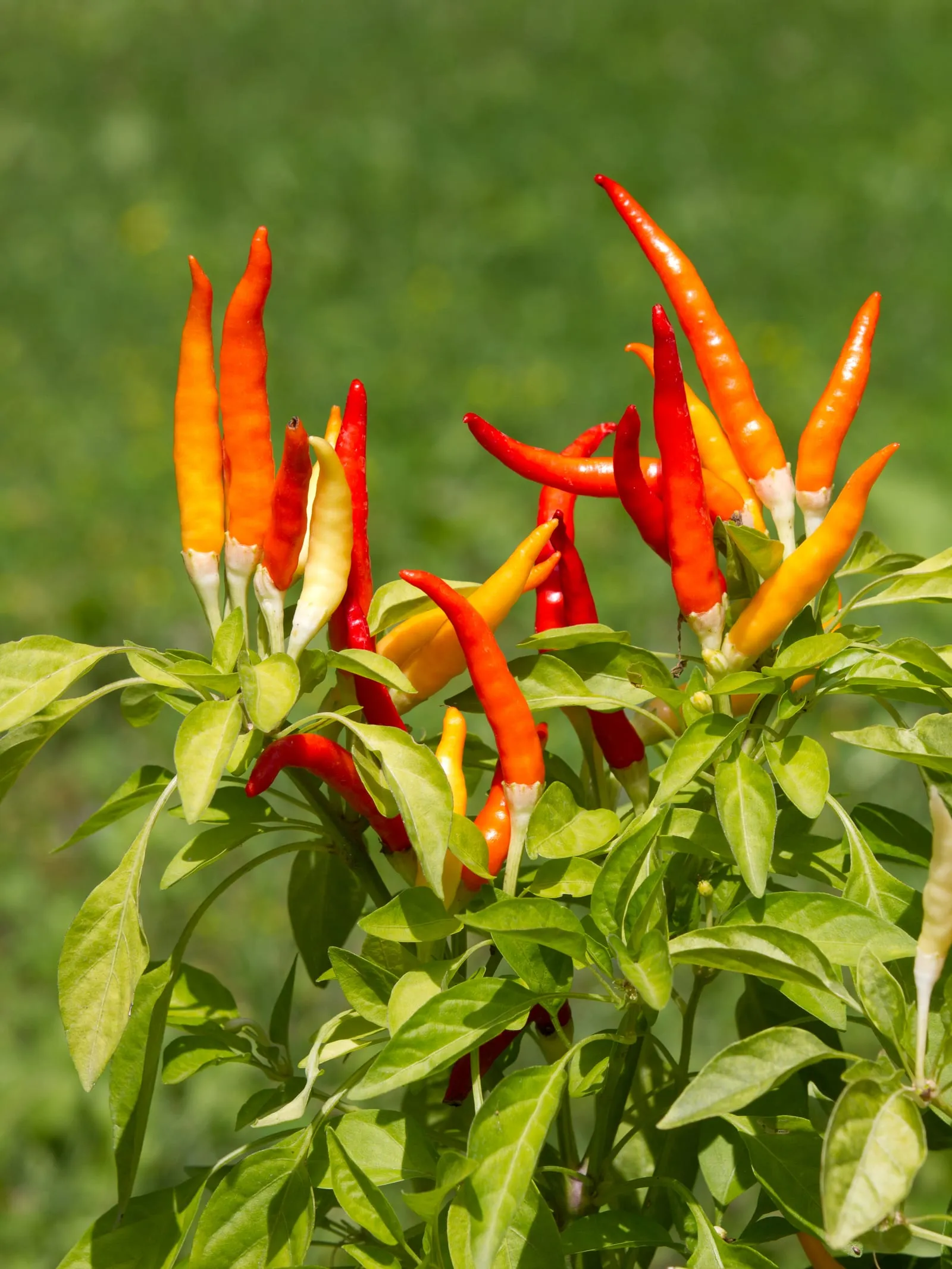
Image: "Capsicum annuum var. Fiesta - MHNT", by PierreSelim, via Wikimedia Commons, licensed under CC-BY Source.

Related