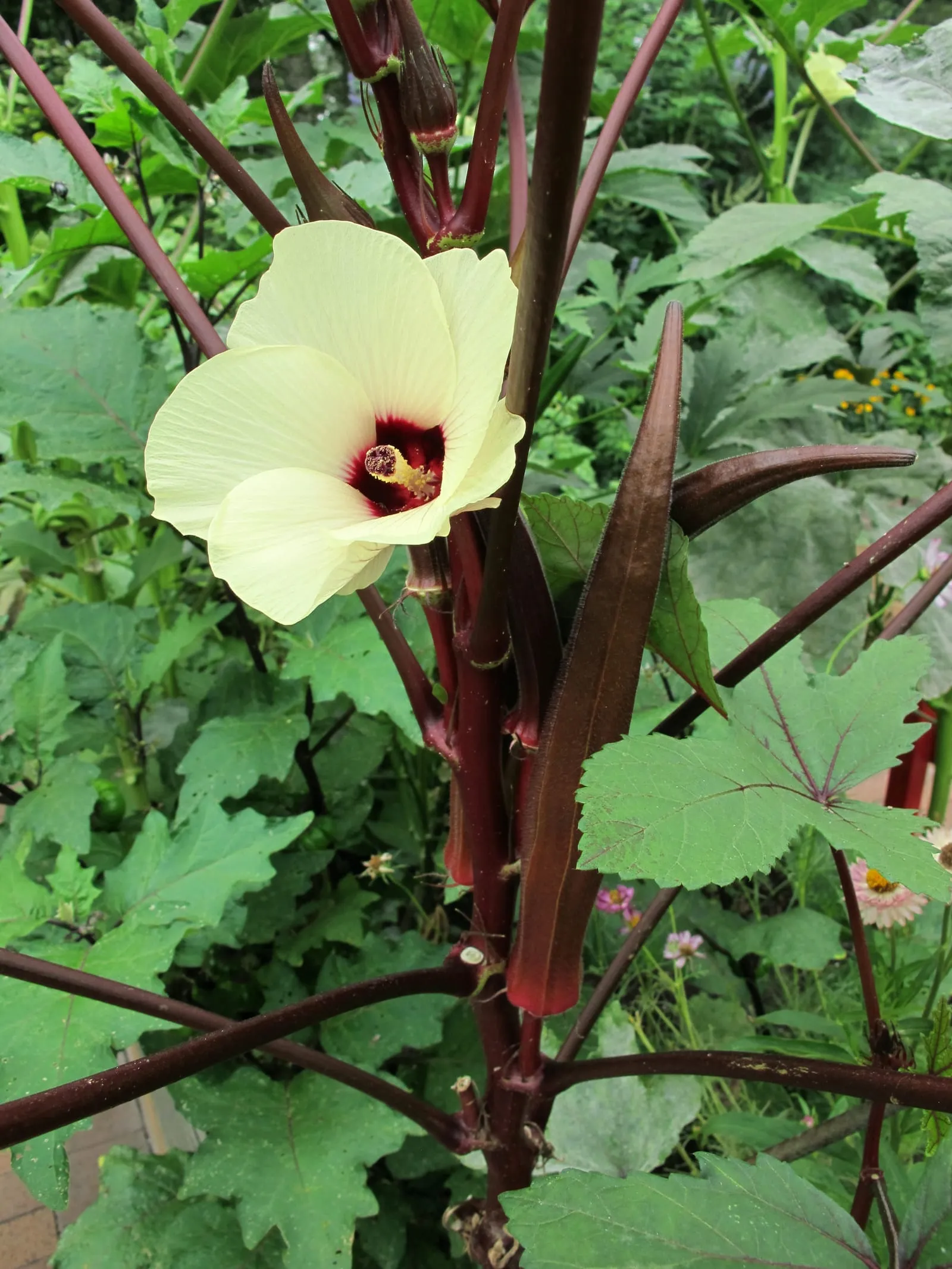
vegetable
Okra
Abelmoschus esculentus
USDA hardiness range
- Zones
- 6a–10b
- Days to harvest
- 55 to 75
- Sun
- Full
- Water
- Moderate
- Lifespan
- annual
Growing okra
Okra is a heat-demanding annual that performs well across zones 6a through 10b, though productive results at the northern edge of that range require careful timing and variety selection. The crop thrives where summers are long and reliably hot; zones 7b through 10b provide the most consistent harvests. In zones 6a through 7a, successful production is possible but depends on early indoor starts, warm soil at transplant time, and early-maturing varieties like Jambalaya, which reaches harvest in roughly 55 to 60 days.
The factor that most separates productive plantings from failed ones is soil temperature at planting time. Okra seed germinates poorly below 65°F and is prone to rot in cool, wet soil. Direct sowing into cold ground is one of the most reliable ways to lose an okra planting. Once soil temperatures stabilize above 65°F and plants are established, okra is comparatively tough, tolerating heat and moderate drought that stress other warm-season crops.
Productivity is also shaped by harvest discipline. Pods left on the plant past 4 to 5 inches become woody and fibrous, and the plant responds by reducing new flower production. During peak summer heat, a pod can go from ideal size (2 to 4 inches) to overmature in 24 to 48 hours. Checking plants every one to two days is standard practice for consistent tender pods, not an optional refinement. The 55- to 75-day harvest window in available varieties means most zones within the crop's range can find a selection that fits the local frost-free season.
Recommended varieties
See all 3 →3 cultivars for home growers, with notes on flavor, ripening, and disease resistance.
| Variety | Notes | Zone fit | Disease resistance |
|---|---|---|---|
| Clemson Spineless | Tender when small, classic okra flavor; long ribbed green pods. Gumbo, frying, pickling, roasting. AAS winner, productive, the home-garden standard. Pick at 2-4 inches for tenderness. | | none noted |
| Burgundy | Tender, mild, classic okra flavor; deep red pods that turn green when cooked. Frying, pickling, ornamental edible. AAS winner, productive, handsome in mixed beds. | | none noted |
| Jambalaya | Tender, mild; productive compact plants (3-4 ft) bred for shorter seasons and smaller gardens. Gumbo, frying, fresh. Earlier than Clemson Spineless, viable in zone 6. | | none noted |
Soil and site requirements
Okra performs best in well-drained loam or sandy loam with a pH between 6.0 and 6.8. Heavy clay soils that retain moisture around the root zone slow spring soil warm-up and create conditions favorable for crown rot. Raised beds or mounded rows improve drainage in clay-heavy sites and help soils reach planting temperature earlier.
Full sun is a firm requirement. Okra in partial shade produces fewer flowers and pods, and mature plants, which can exceed 6 feet on varieties like Clemson Spineless, cast significant shade themselves. Placement against a south-facing wall or fence benefits zone 6 and 7 growers; reflected heat can accelerate soil warming in spring and extend productive harvests into fall.
Spacing influences disease pressure more than most growers expect. Planting rows closer than 12 inches promotes humidity at the base of plants, increasing susceptibility to Fusarium wilt. Eighteen to 24 inches within the row and 36 inches between rows provides adequate air circulation and room for the canopy that develops on mature plants.
Okra does not require heavy fertility. Excess nitrogen shifts the plant toward foliar growth at the expense of pod production. Incorporating compost before planting and applying a balanced fertilizer at transplant time is sufficient in most garden soils. A modest side-dress when plants begin flowering addresses the higher nutrient demand of the fruiting stage without overdriving vegetative growth.
Common diseases
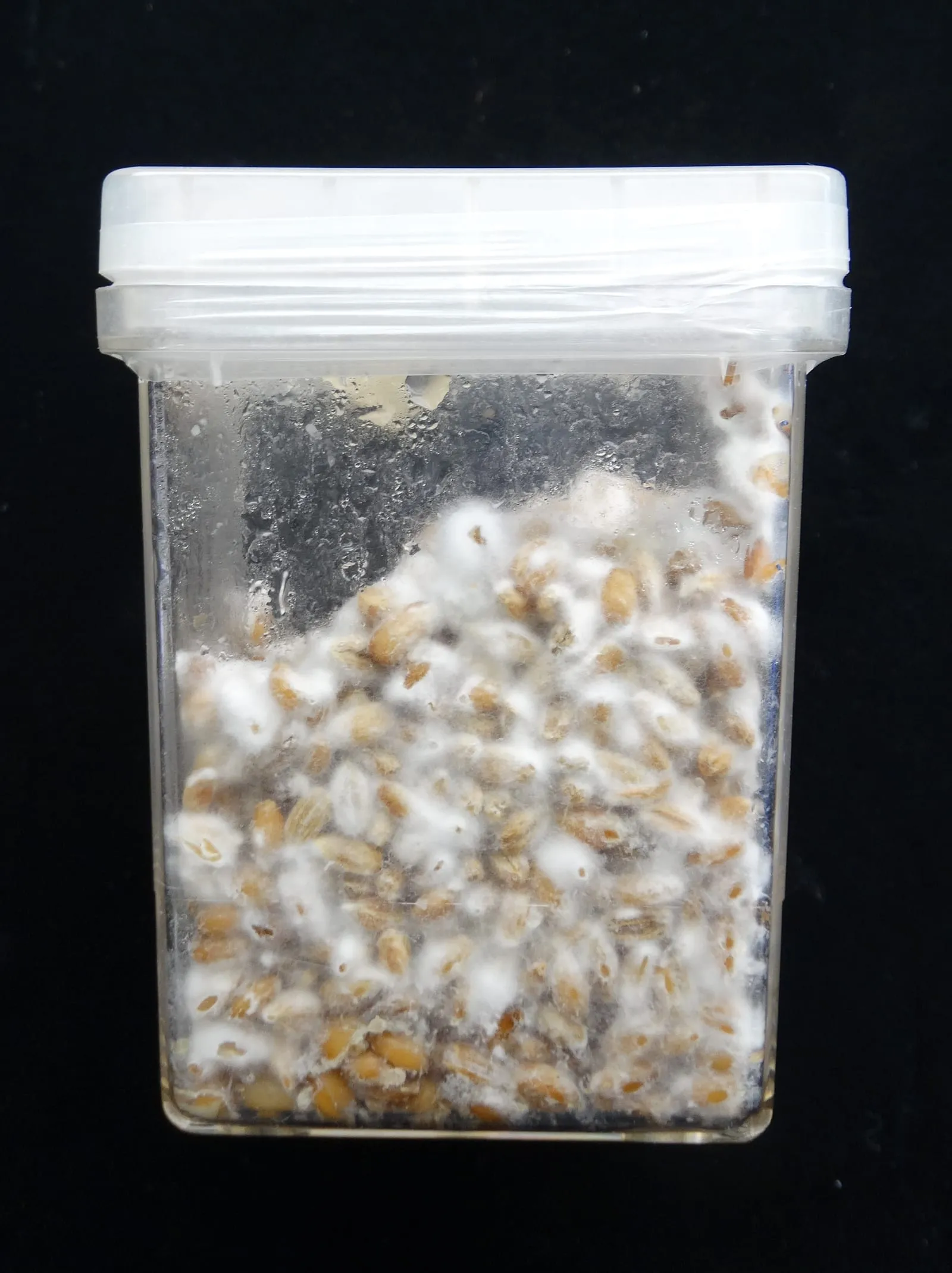
Fusarium oxysporum
Soil-borne fungal disease that plugs vascular tissue and kills affected plants. Persists in soil for many years; impossible to eliminate once established.
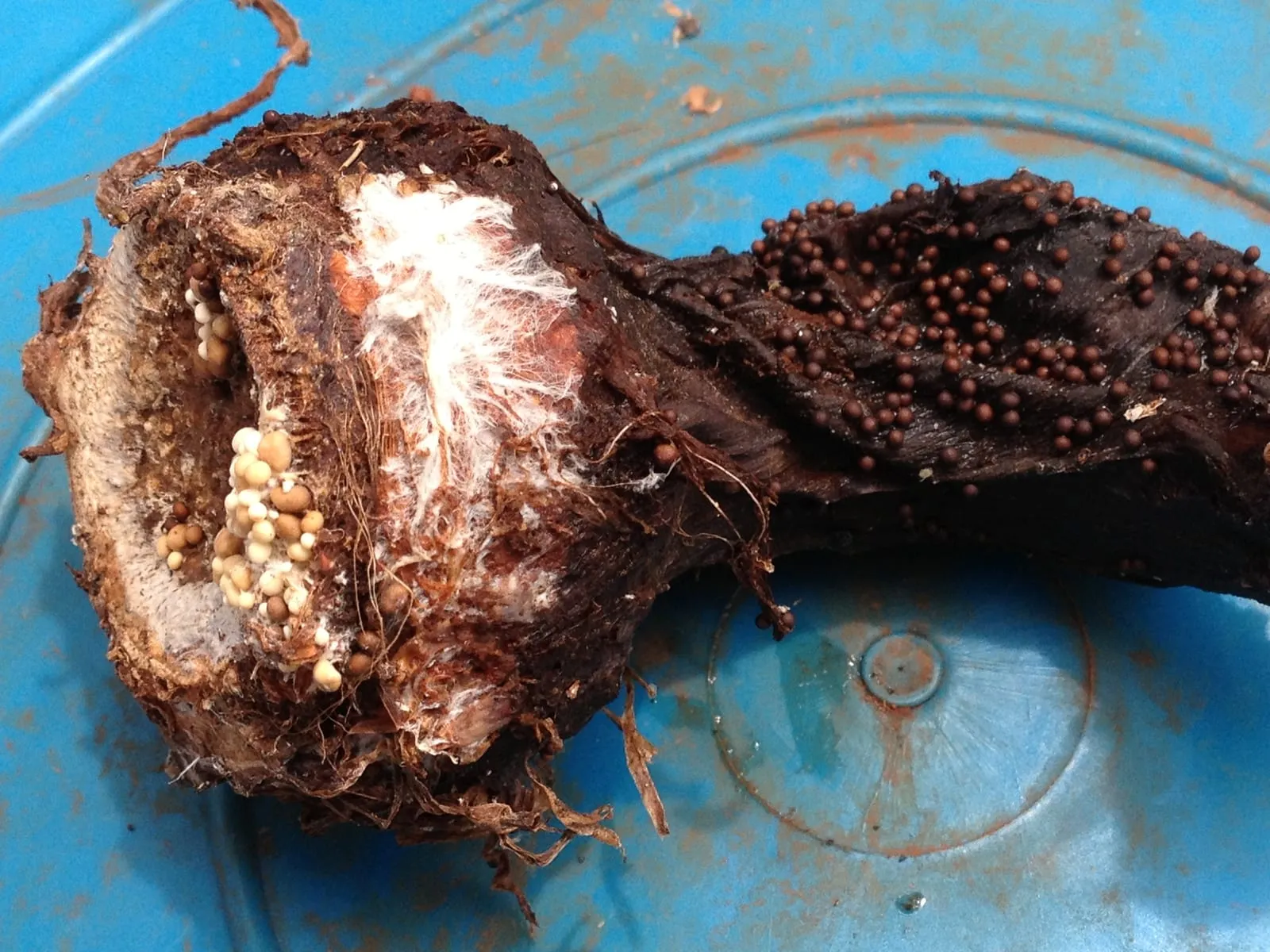
Sclerotium rolfsii
Soil-borne fungal disease most damaging in warm humid Southern conditions. White mycelial fans and small mustard-seed-sized sclerotia at the soil line are diagnostic.
Common pests
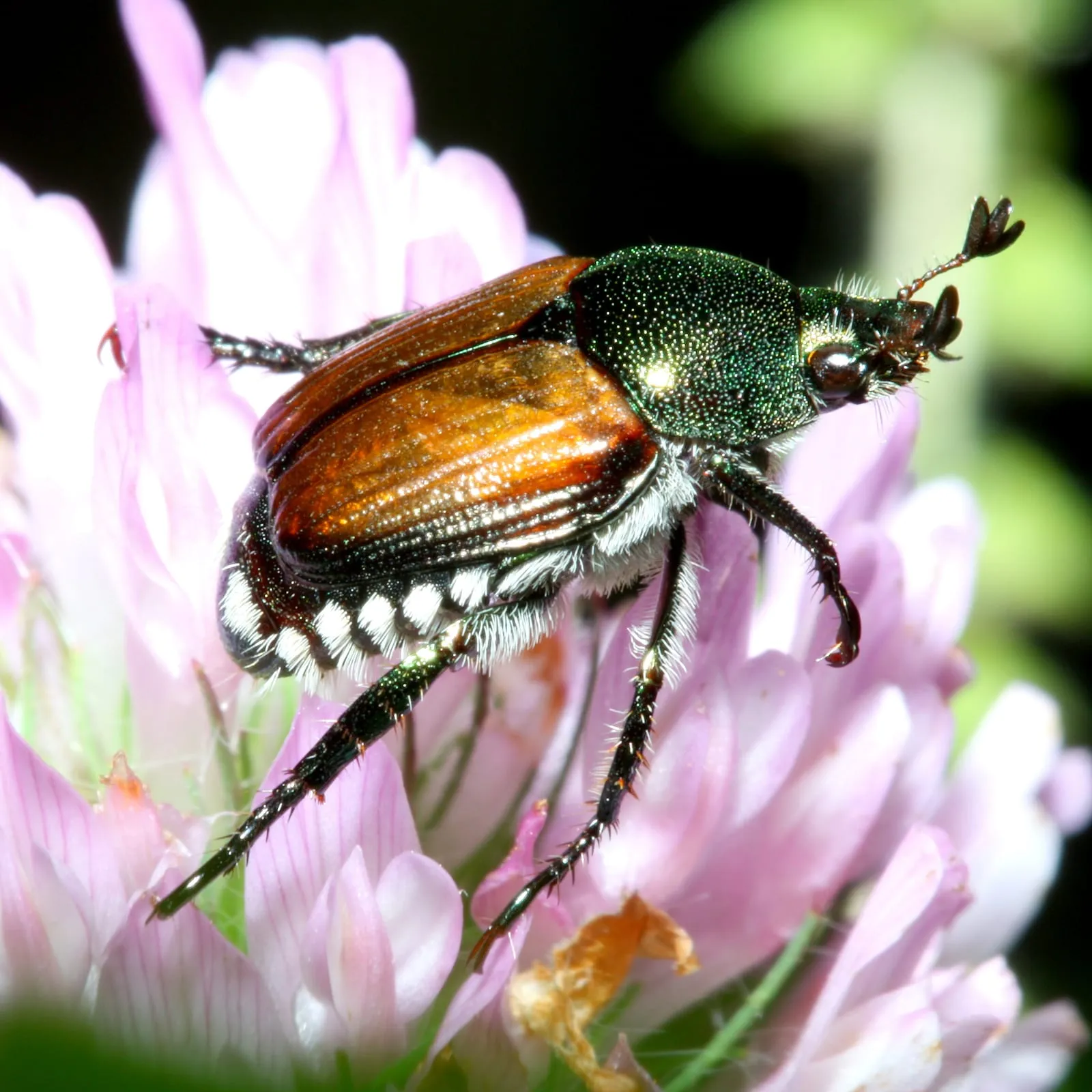
Popillia japonica
Defoliating beetle introduced to North America in 1916. Skeletonizes leaves of many fruit trees, berry canes, and pecan.
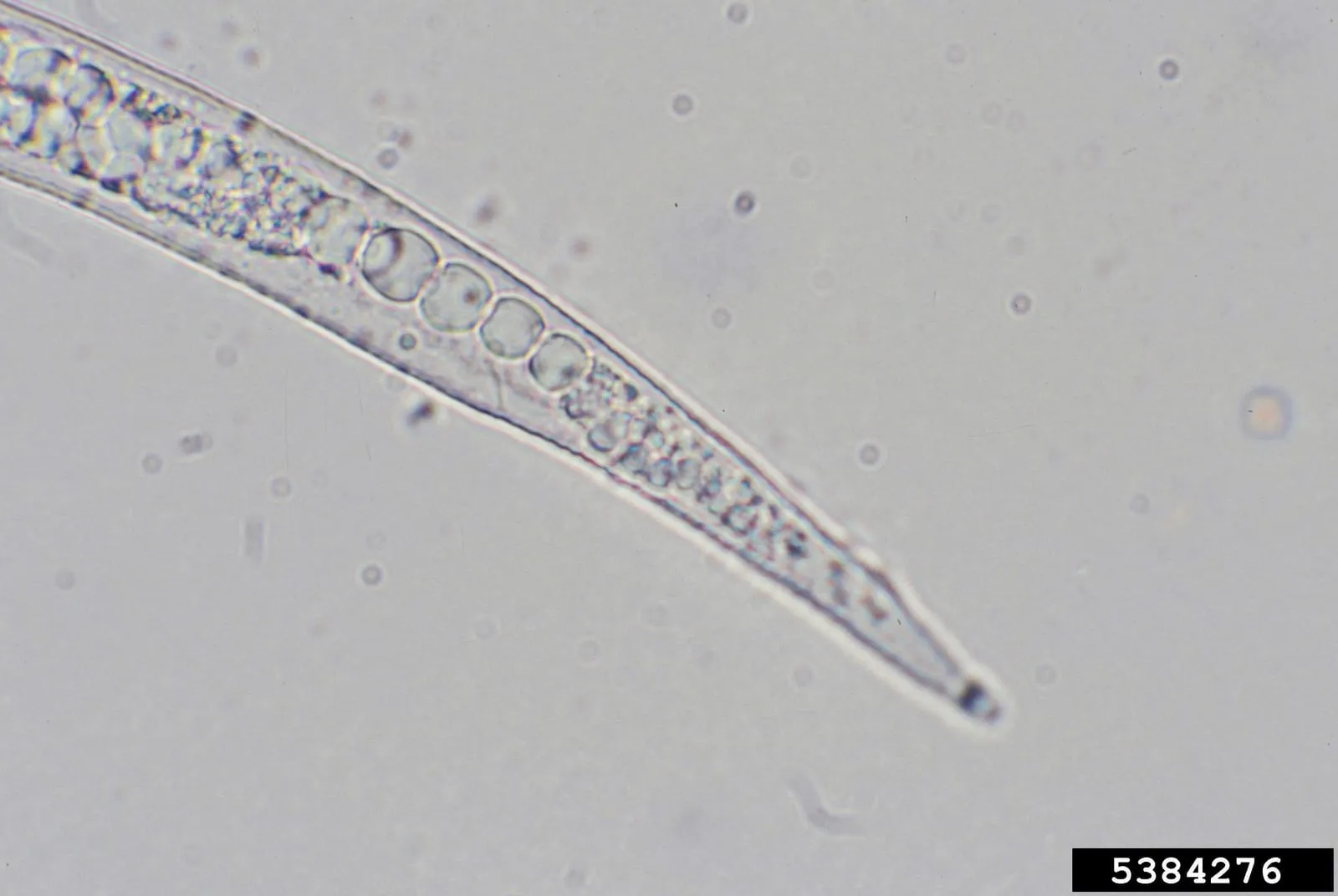
Meloidogyne species
Microscopic soil-dwelling worm that forms galls on roots, reducing vigor and yield.
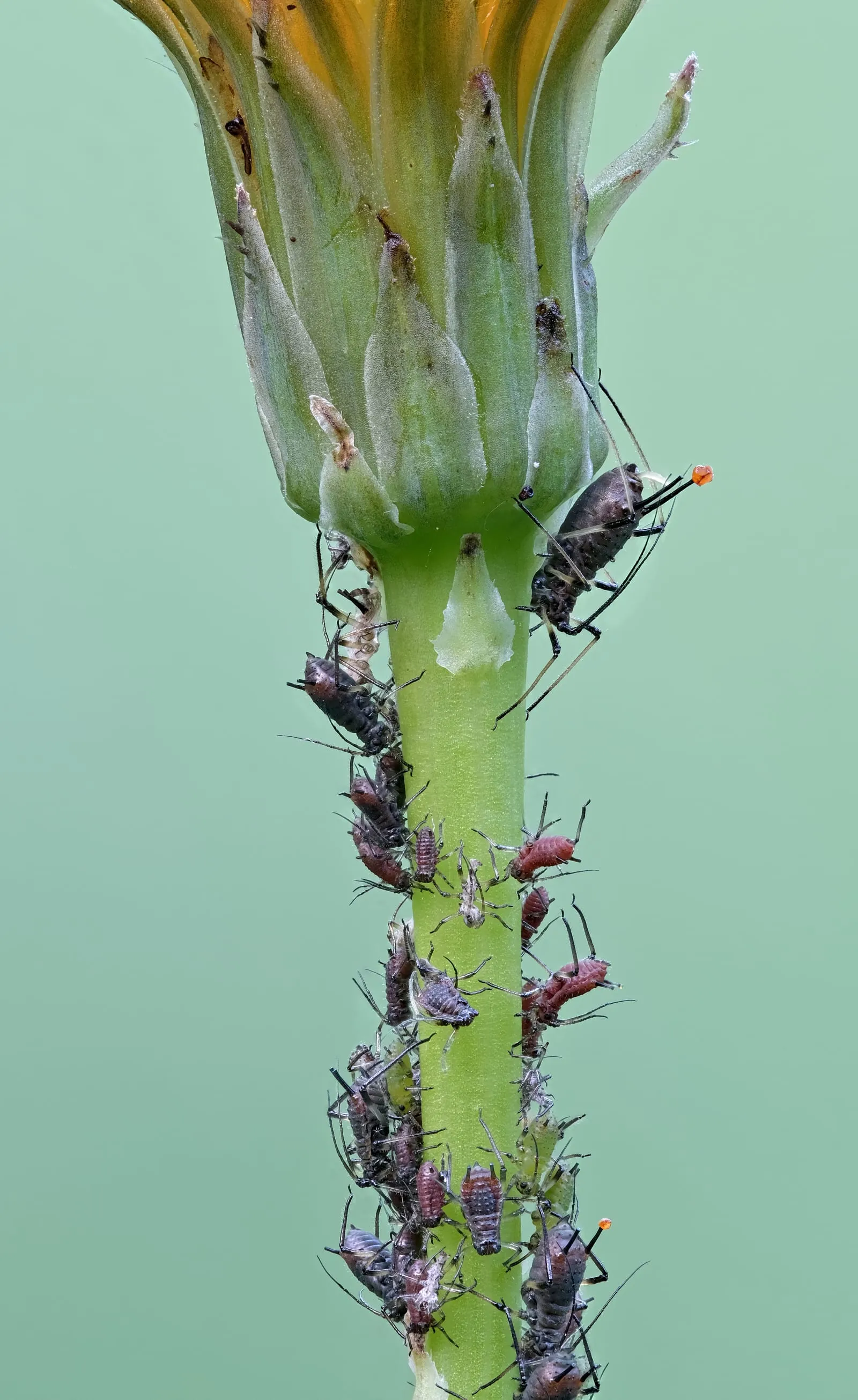
Multiple species (Aphididae)
Small soft-bodied sap-sucking insects that reproduce explosively in spring. Excrete honeydew that supports sooty mold and attracts ants. Transmit viral diseases.
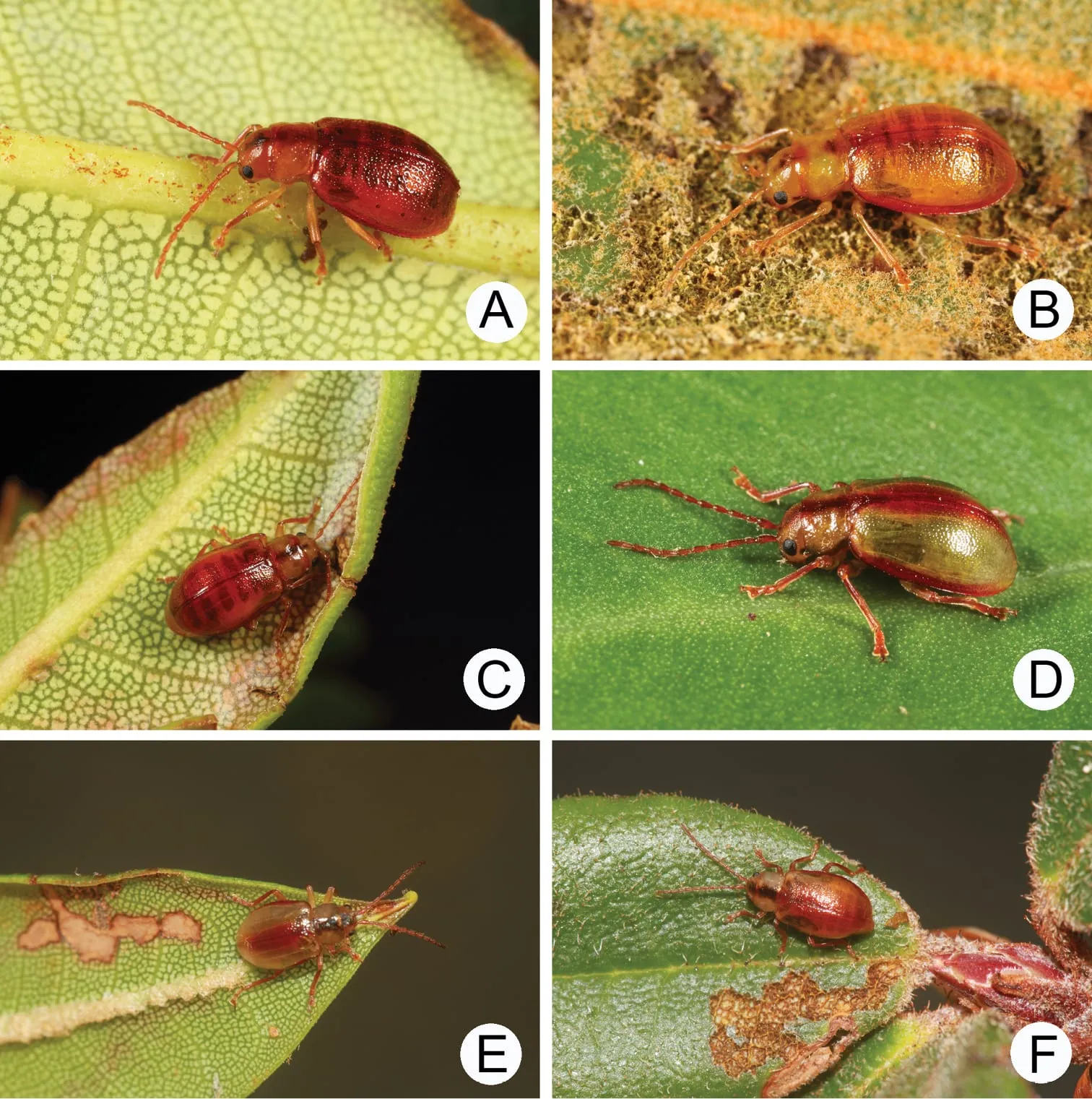
Multiple species (Chrysomelidae)
Tiny black or bronze jumping beetles that put hundreds of small holes in seedling leaves. Most damaging on direct-seeded brassicas and young eggplant.
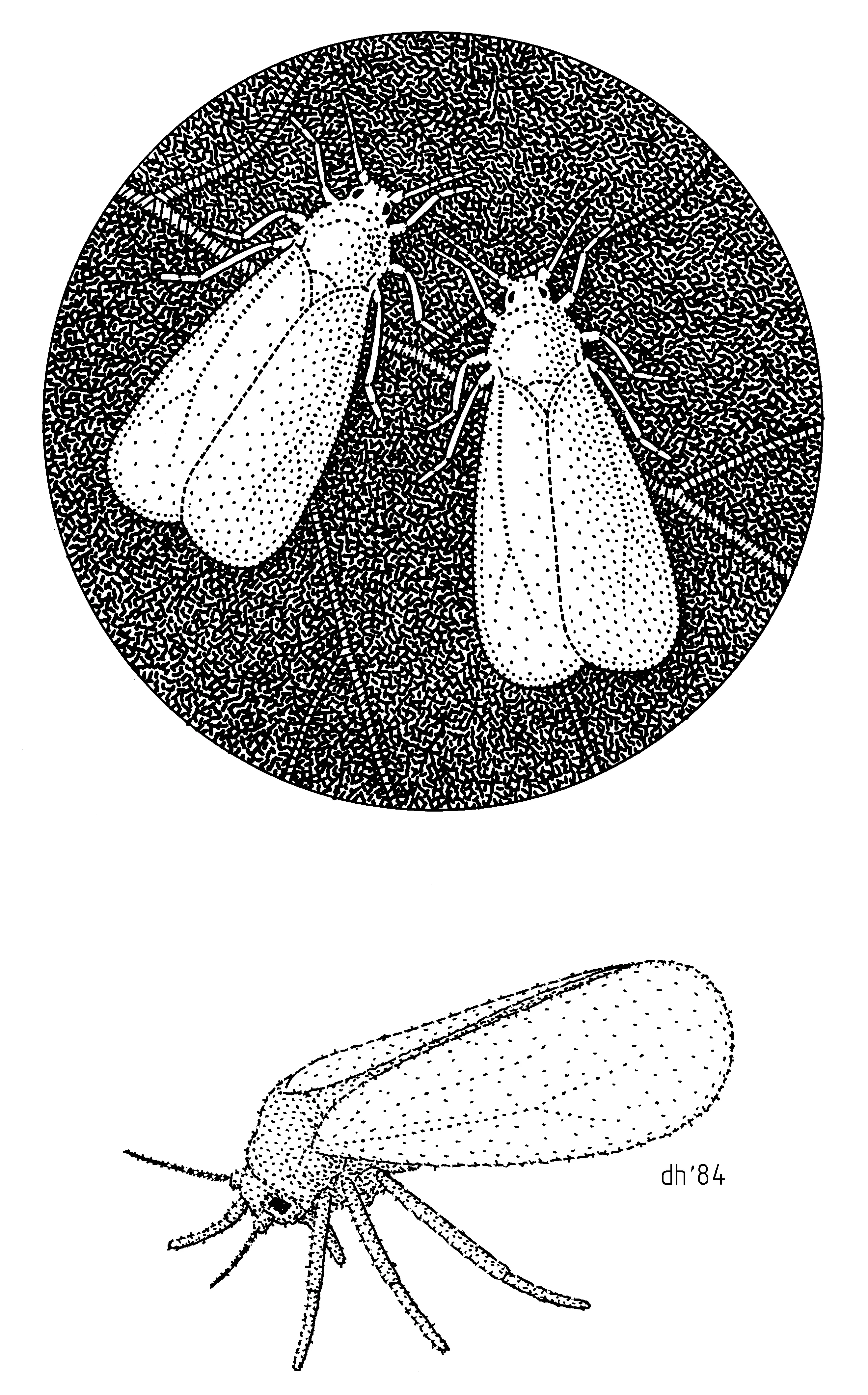
Multiple species (Aleyrodidae)
Tiny white moth-like flying insects that feed on plant sap and excrete honeydew. Transmit numerous viral diseases including tomato yellow leaf curl virus.
Common challenges
The most common failure mode is planting too early. Transplanting or direct-sowing before soil temperatures consistently reach 65°F results in slow germination, damping-off, and stunted plants that underperform even after soils warm. In zones 6 and 7, monitoring soil temperature with a probe thermometer rather than relying on calendar date is the more reliable approach. Many growers in these zones target two weeks after the last frost date as a minimum, then verify with a thermometer before committing transplants to the ground.
Fusarium wilt is the primary disease concern in established plantings. Infected plants wilt suddenly during hot weather, with yellowing progressing up the stem from the base; there is no cure once a plant is infected. The soilborne pathogen persists for years. Rotation of at least three years between okra and other susceptible crops, including tomatoes, peppers, and eggplant, is the main management strategy. The UGA Okra Production Guide addresses resistant variety selection and rotation planning in detail.
Flea beetles and aphids are the routine insect pressures. Flea beetles cause shot-hole leaf damage most severely on seedlings; established plants tolerate moderate feeding without significant yield loss. Row covers until plants reach 12 inches provide effective early-season protection. Aphids cluster on growing tips and distort young foliage; strong water jets or insecticidal soap handle most infestations without disrupting beneficial insects.
Harvest timing also functions as a productivity lever. Pods left beyond 4 to 5 inches suppress subsequent flowering, compounding yield losses if picking falls behind during peak season.
Companion plants
Frequently asked questions
- Does okra have a chill-hour requirement like fruit trees?
No. Okra is a heat-loving annual with no chill-hour requirement. The binding constraint is minimum heat, not cold accumulation. Soil temperatures below 65°F at planting time are far more likely to cause failure than any aspect of winter cold.
- How many days does okra take from planting to first harvest?
Depending on variety, 55 to 75 days from transplanting to first harvestable pods. Early-maturing selections like Jambalaya reach harvest in roughly 55 to 60 days, making them viable in shorter-season zone 6 gardens. Later-maturing varieties in the 70- to 75-day range suit the extended warm seasons of zones 8 and warmer.
- What USDA hardiness zones are suitable for growing okra?
Okra grows as a productive annual in zones 6a through 10b. Below zone 6, the frost-free season is typically too short to reach harvest. In zones 9b and 10, production can continue through much of the year, with timing adjusted around the most intensely hot midsummer weeks.
- Is okra self-fertile, or does it need cross-pollination?
Okra flowers are self-fertile and do not require a second plant or cross-pollination to set pods. Bee activity during flowering improves fruit set, particularly during very hot, still weather. Avoiding broad-spectrum insecticide applications while plants are in bloom protects the pollinators that support consistent production.
- What is the most common disease affecting okra?
Fusarium wilt is the primary disease concern. It causes sudden wilting and yellowing that moves up the stem from the base; infected plants do not recover. The fungus persists in soil for years, so rotation of at least three years between okra and other susceptible solanaceous crops is the standard management approach.
- Why do okra pods become tough and stringy so quickly?
Pods develop fibrous lignin rapidly after reaching full size, and high summer temperatures accelerate the process. At 90°F and above, a pod can go from ideal harvest size (2 to 4 inches) to overmature within 24 to 48 hours. Pods left on the plant also suppress new flower production, so missed harvests reduce both quality and total yield.
- Can okra succeed in zone 6 gardens?
Yes, with adjustments. Zone 6 growers should start seeds indoors three to four weeks before the last frost date and select a compact, early-maturing variety like Jambalaya. Soil temperature at transplanting should be 65°F or warmer; black plastic mulch and placement near a south-facing wall help warm soil and extend the effective season on both ends.
+−
+−
+−
+−
+−
+−
+−
Sources
Image: "Abelmoschus esculentus (1)", by Kristine Paulus from New York, United States, via Wikimedia Commons, licensed under CC-BY. Source.
.jpg)
Okra by zone
Related