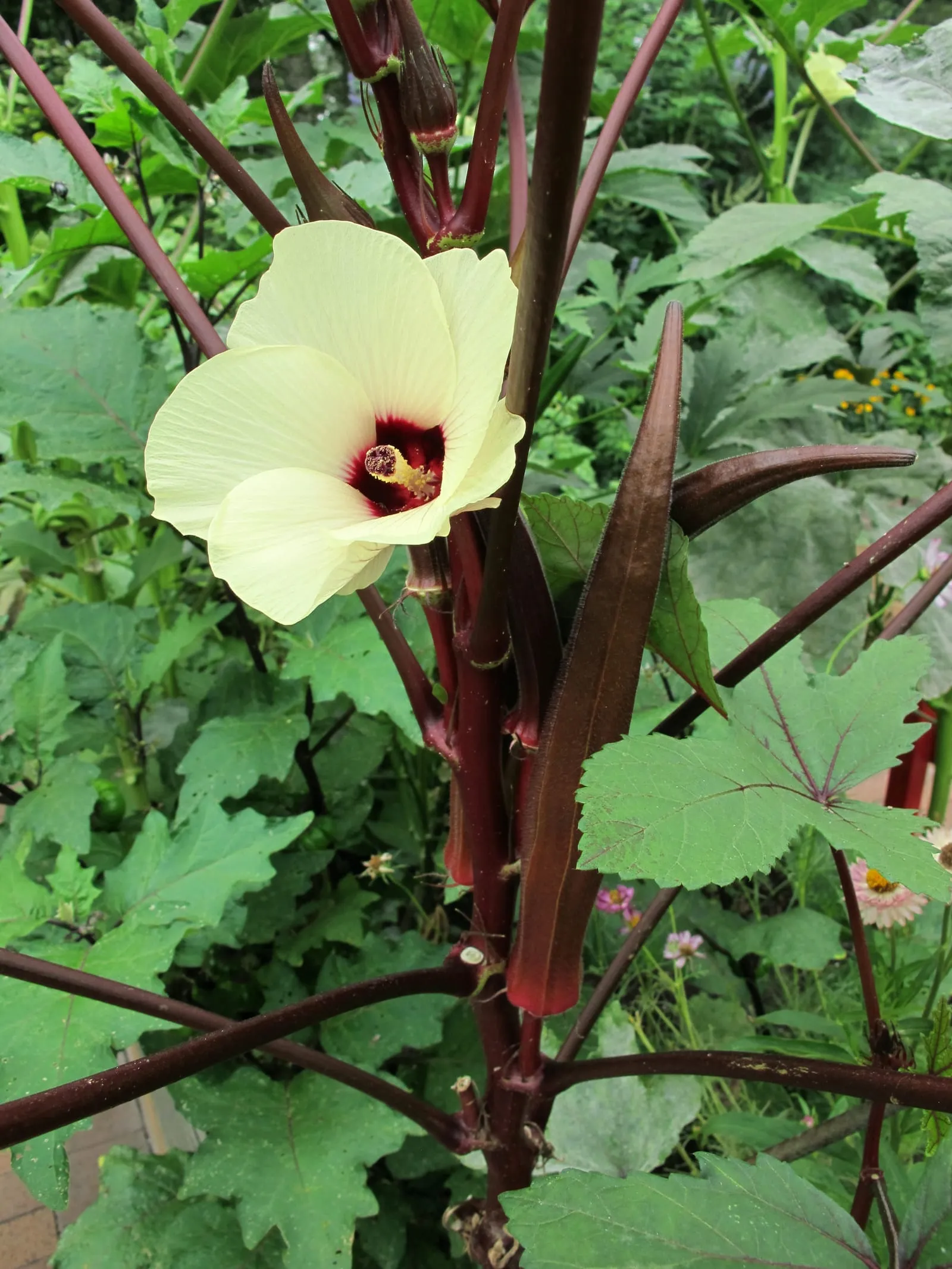
vegetable in zone 10a
Growing okra in zone 10a
Abelmoschus esculentus
- Zone
- 10a 30°F to 35°F
- Growing season
- 340 days
- Suitable varieties
- 0
- Days to harvest
- 55 to 75
The verdict
Okra is one of the few warm-season vegetables that genuinely improves in hotter climates, and zone 10a sits squarely in its sweet spot. Unlike temperate fruit crops, okra has no chilling requirement whatsoever, so the zone's mild winters are irrelevant to its performance. What matters is summer heat and a long frost-free window, and zone 10a delivers both: a 340-day growing season gives growers the ability to run multiple successions or maintain a near-continuous harvest.
The primary limitation is not cold but rather the zone's hurricane exposure, which can flatten or defoliate plants during peak pod production. Otherwise, okra is well-matched to this zone. Heat stress that would slow production in cooler regions is rarely a concern here, though soil moisture becomes critical when daytime temperatures push above 95°F for extended stretches.
Critical timing for zone 10a
In zone 10a, direct sowing can begin as early as late January or February once soil temperatures reliably exceed 65°F. Germination is faster when soil is above 70°F, which zone 10a soils typically reach by March. First bloom follows 50 to 65 days from germination depending on variety. Because frost is rare and brief, harvest can extend from early summer through late fall with proper succession planting. The practical limit on continuous harvest is not cold but heat-induced blossom drop, which can occur during sustained periods above 95°F. A second succession started in late July or August captures the more moderate fall temperatures and often yields well into November.
Common challenges in zone 10a
- ▸ No chilling for traditional temperate fruit
- ▸ Hurricane exposure
- ▸ Heat-tolerant cultivars only
Disease pressure to watch for
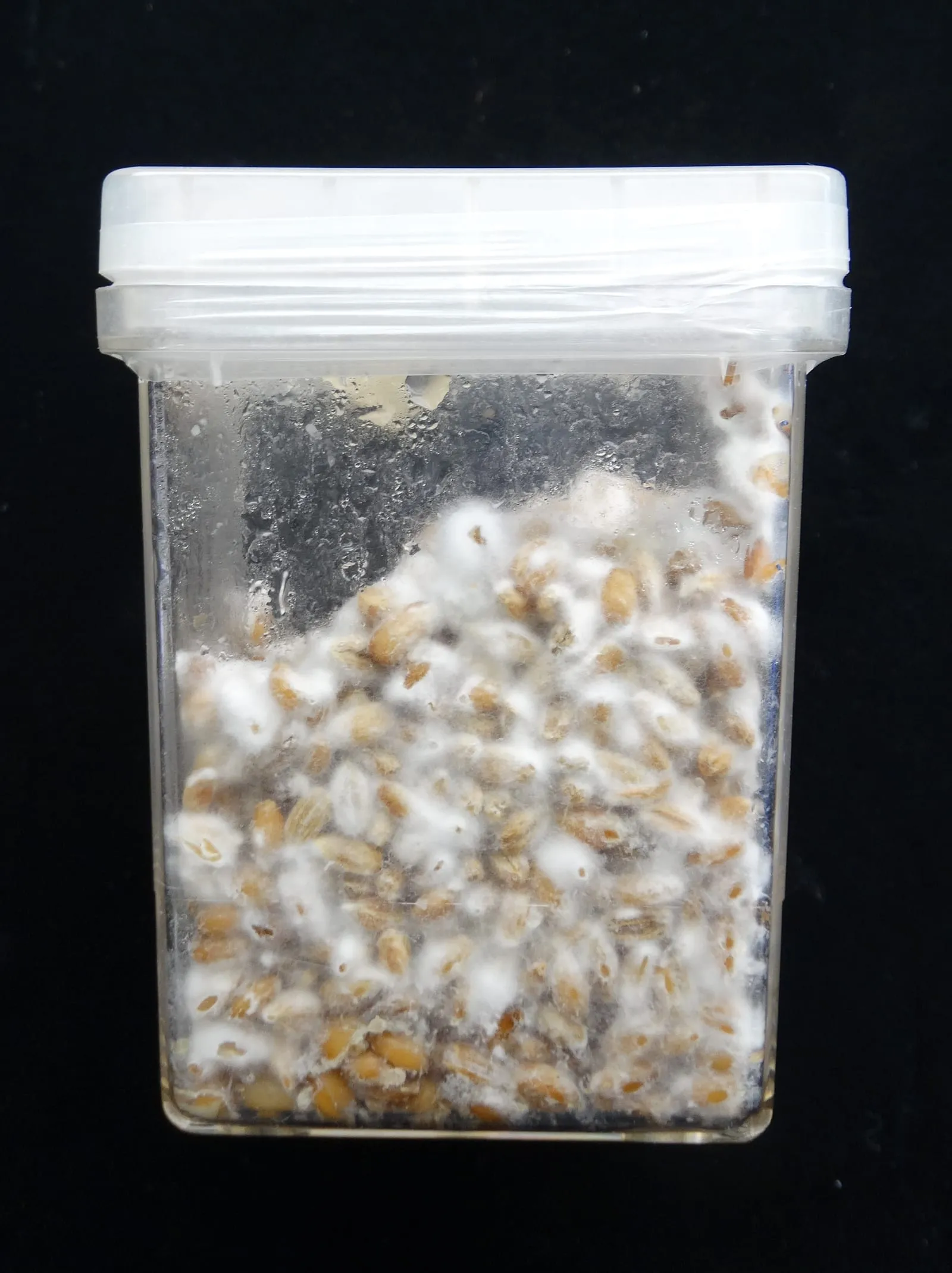
Fusarium oxysporum
Soil-borne fungal disease that plugs vascular tissue and kills affected plants. Persists in soil for many years; impossible to eliminate once established.
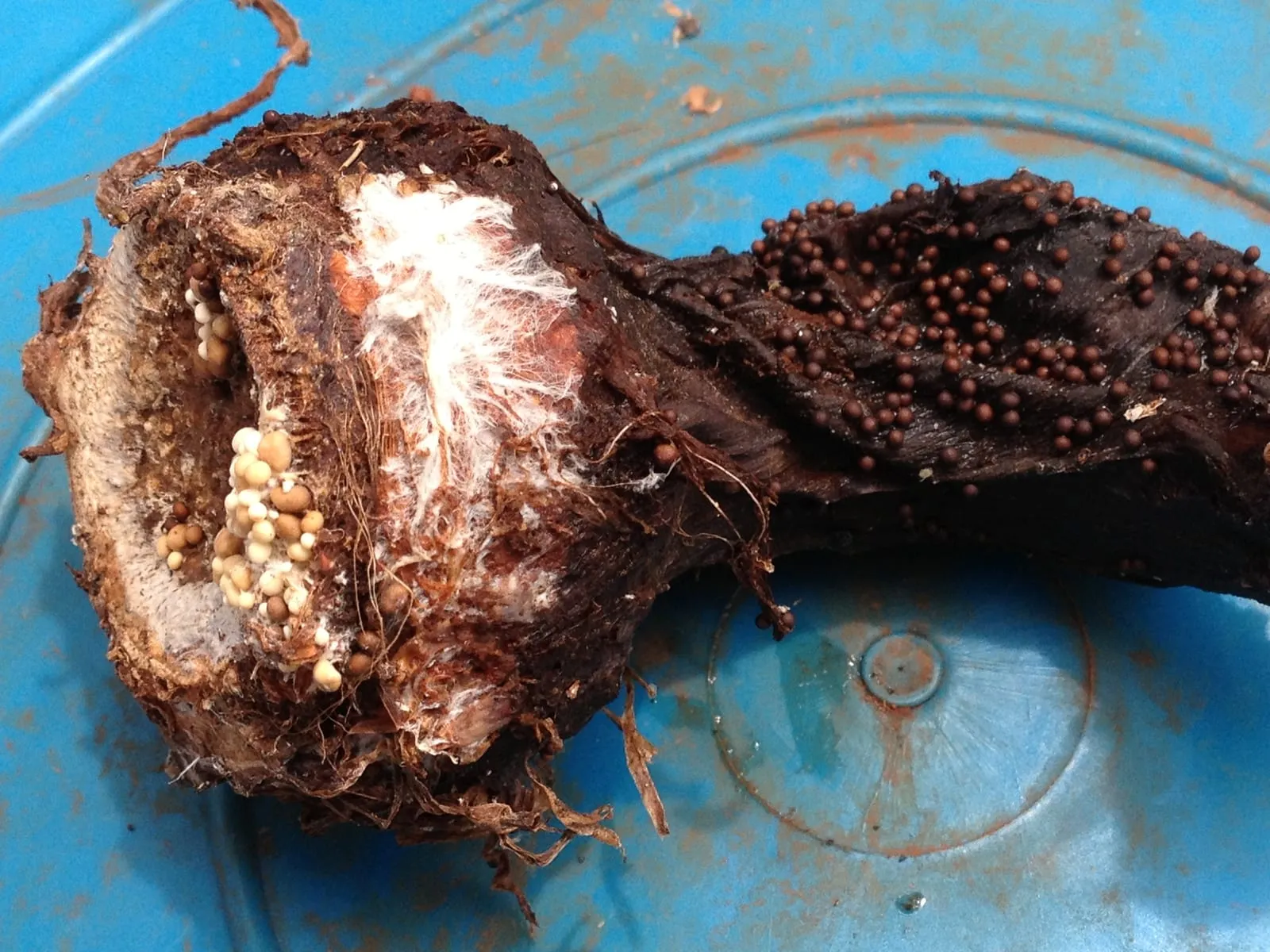
Sclerotium rolfsii
Soil-borne fungal disease most damaging in warm humid Southern conditions. White mycelial fans and small mustard-seed-sized sclerotia at the soil line are diagnostic.
Modified care for zone 10a
Fusarium wilt is the primary disease threat in zone 10a. The pathogen persists in warm soil for years, making crop rotation essential. Avoid replanting okra in the same bed within a three-year cycle. Where rotation is not possible, look for varieties with noted wilt tolerance, though input data does not specify resistant cultivars for this zone.
Hurricane season overlaps with peak production. Staking plants or growing compact varieties reduces storm damage risk. After a storm event, remove damaged tissue promptly to limit fungal entry points.
Watering discipline matters more here than in cooler zones. Consistent soil moisture, rather than erratic deep irrigation, keeps pod quality high during heat peaks. Mulching heavily reduces soil temperature fluctuations and slows moisture loss.
Frequently asked questions
- Can okra be grown year-round in zone 10a?
Near-year-round production is possible, but true winter dormancy is not typical. Production slows in the short cool season when soil temps dip. Most growers find two or three successions per year more practical than continuous planting, which helps break pest and disease cycles.
- What causes okra pods to be tough or fibrous in zone 10a?
High temperatures accelerate pod development, meaning pods pass the harvest window faster than in cooler climates. In zone 10a heat, check plants every one to two days rather than every three to four. Pods over four to five inches are typically too fibrous for eating.
- Is Fusarium wilt treatable once plants are infected?
No effective treatment exists once a plant shows wilt symptoms. Remove and discard infected plants rather than composting them. The pathogen lives in soil, so rotation and resistant varieties are the only reliable controls.
+−
+−
+−
Okra in adjacent zones
Image: "Abelmoschus esculentus (1)", by Kristine Paulus from New York, United States, via Wikimedia Commons, licensed under CC-BY Source.
.jpg)
Related