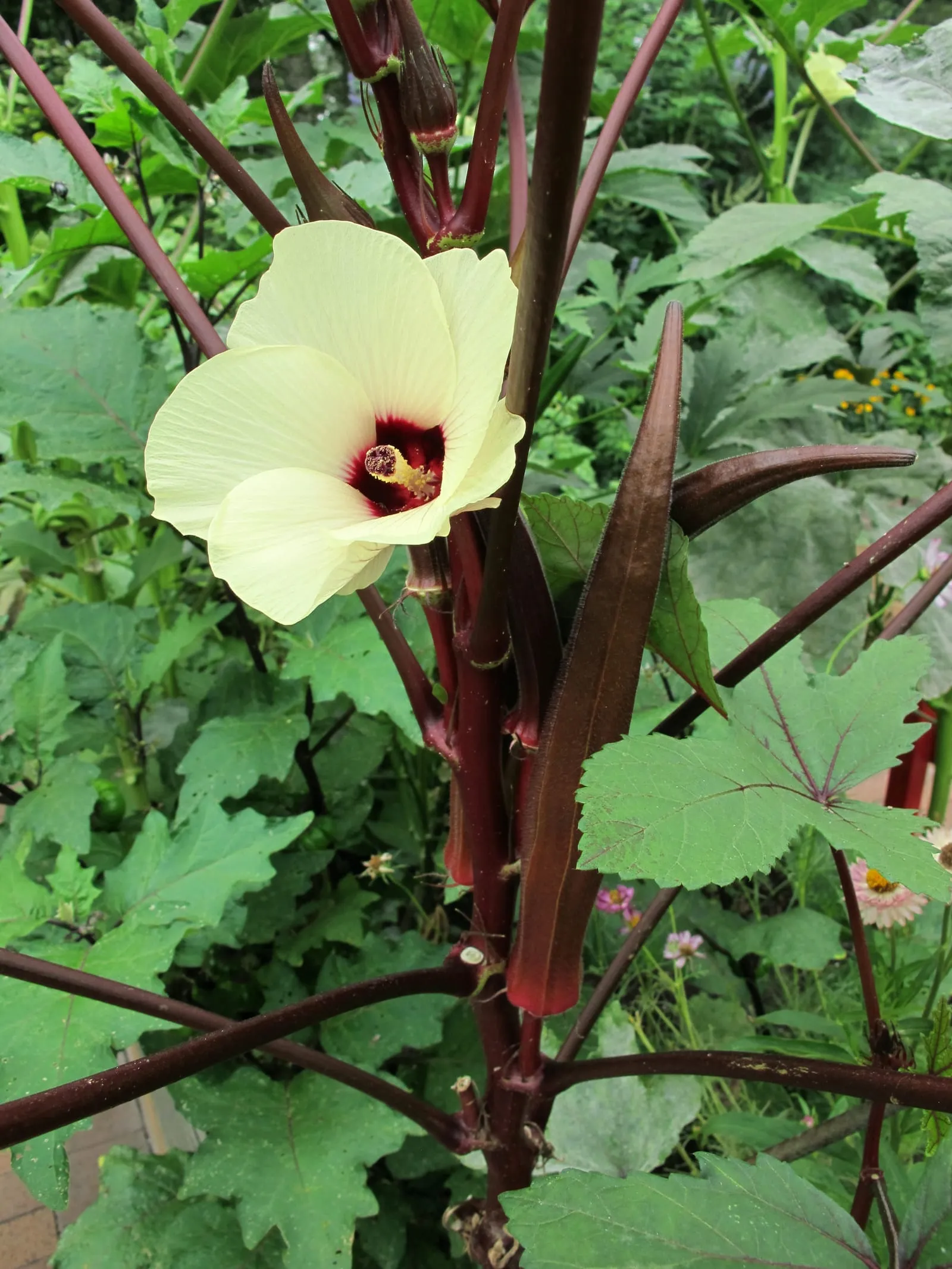
vegetable in zone 10b
Growing okra in zone 10b
Abelmoschus esculentus
- Zone
- 10b 35°F to 40°F
- Growing season
- 365 days
- Suitable varieties
- 0
- Days to harvest
- 55 to 75
The verdict
Okra is one of the best crops for zone 10b. It is a heat-loving, frost-sensitive annual that performs poorly anywhere cold lingers, which makes the zone's minimum temperatures of 35 to 40°F and its 365-day growing season genuinely favorable conditions rather than a compromise.
Unlike fruit trees or small fruits that require a winter chilling period to break dormancy, okra has no chill-hour requirement whatsoever. It germinates best when soil temperatures exceed 65°F and produces most aggressively when daytime highs are in the 85 to 95°F range, conditions that zone 10b delivers reliably for most of the year.
The primary constraint in zone 10b is not cold but sustained tropical heat above 95°F, which can cause blossom drop, and the elevated disease and pest pressure that accompanies year-round warmth. These are manageable. Overall, zone 10b is a sweet spot for okra production, not a marginal zone.
Critical timing for zone 10b
With no meaningful frost risk, okra can be direct-seeded or transplanted in zone 10b across a wide window. The practical limits are soil temperature (needs to be above 65°F at planting depth) and avoiding peak summer heat for new transplants if temperatures routinely exceed 95°F.
First bloom typically appears 50 to 65 days after seeding, depending on variety. In zone 10b, that means pods can be harvesting by late spring from a February or March planting, or by fall from a late-summer succession planting. Because the growing season is continuous, two full production cycles per year are achievable. Pods should be harvested at 2 to 4 inches to prevent the plant from setting seed and slowing production; at warm temperatures that means checking plants every one to two days.
Common challenges in zone 10b
- ▸ No winter chill
- ▸ Tropical pest and disease pressure
- ▸ Saltwater intrusion in coastal soils
Disease pressure to watch for
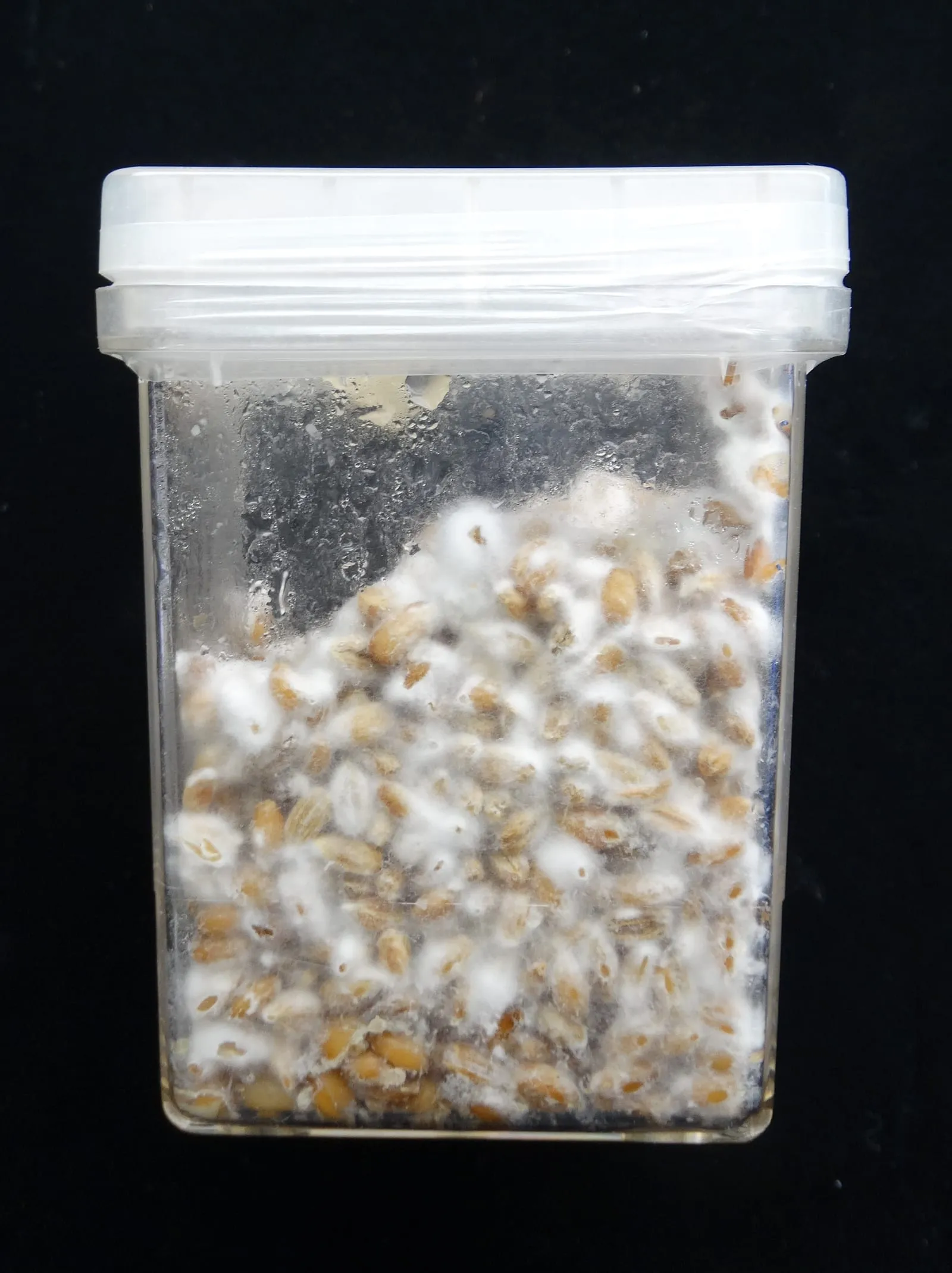
Fusarium oxysporum
Soil-borne fungal disease that plugs vascular tissue and kills affected plants. Persists in soil for many years; impossible to eliminate once established.
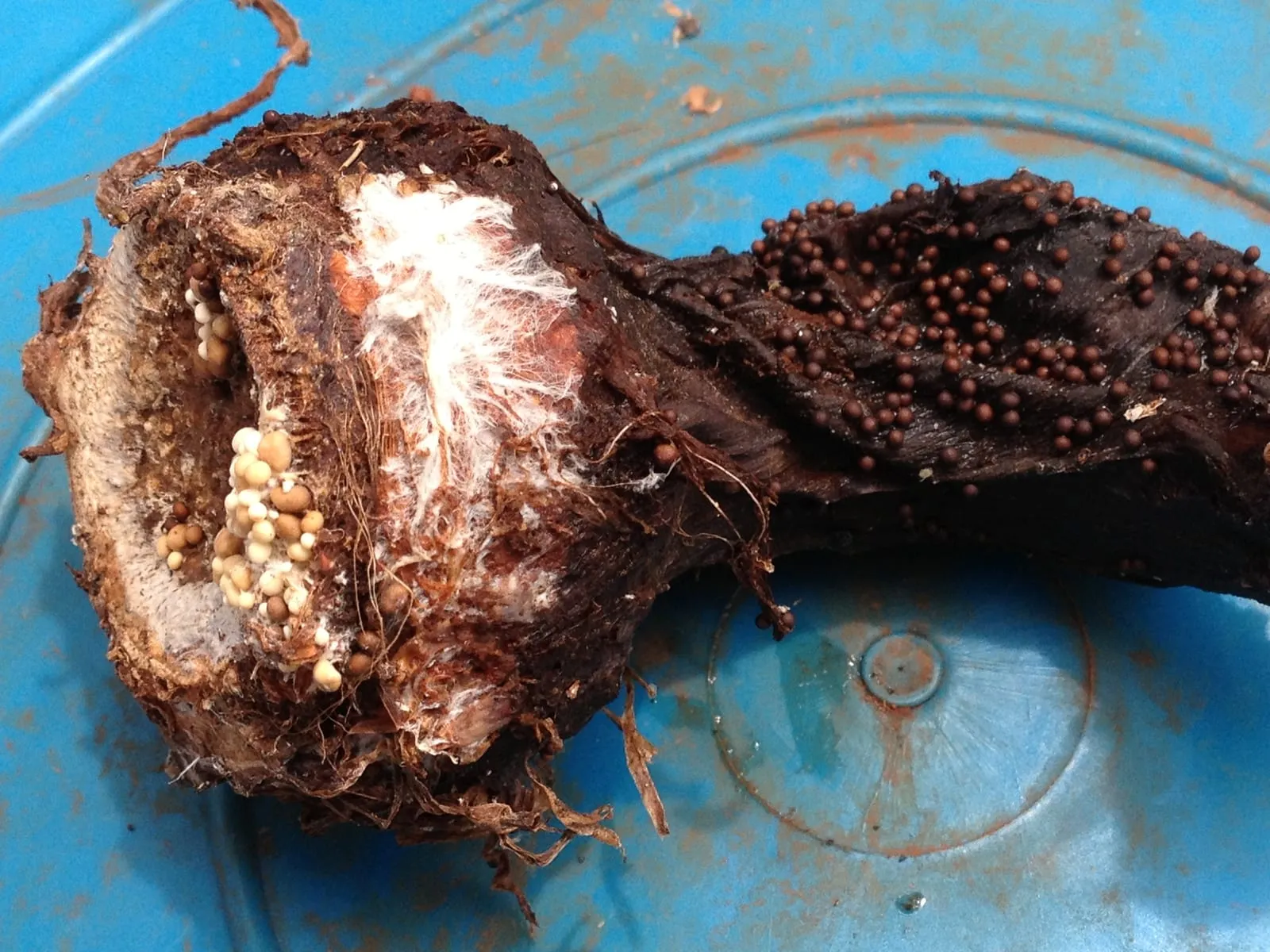
Sclerotium rolfsii
Soil-borne fungal disease most damaging in warm humid Southern conditions. White mycelial fans and small mustard-seed-sized sclerotia at the soil line are diagnostic.
Modified care for zone 10b
The main management adjustment in zone 10b is disease pressure. Fusarium wilt is the primary soil-borne threat; it persists in warm soils year-round and cannot be eradicated once established. Rotate okra to a different bed or container on a minimum three-year cycle. Where rotation is not practical, select resistant varieties if available, and avoid working wet soil, which spreads the pathogen mechanically.
Coastal soils in zone 10b may carry elevated salinity from saltwater intrusion. Okra tolerates mild salinity better than many vegetables, but prolonged exposure to sodium-saturated soil reduces yield. Amend with compost to improve drainage and dilute salt concentration, and irrigate consistently to leach surface accumulation.
Tropical insect pressure, including aphids, whiteflies, and corn earworm on pods, runs higher than in temperate zones. Monitor weekly and address infestations early, as populations build faster in warm conditions with no winter dieback to reset them.
Frequently asked questions
- Can okra be grown year-round in zone 10b?
Practically, yes. Zone 10b has no killing frost, so okra can be in the ground almost continuously. Most growers run two production cycles, a spring and a late-summer planting, and pull spent plants between them to reduce disease carryover.
- Does okra need any cold period to produce well?
No. Okra is a warm-season annual with no chill-hour requirement. It germinates and produces best when temperatures are consistently warm, making the absence of cold winters an advantage rather than a problem.
- How serious is Fusarium wilt for okra in zone 10b?
It is the crop's most significant soil-borne disease and is more persistent in zone 10b because warm soils never experience the freeze-thaw cycles that slow fungal activity elsewhere. Crop rotation is the most reliable control; there is no effective chemical cure once a planting is infected.
+−
+−
+−
Okra in adjacent zones
Image: "Abelmoschus esculentus (1)", by Kristine Paulus from New York, United States, via Wikimedia Commons, licensed under CC-BY Source.
.jpg)
Related