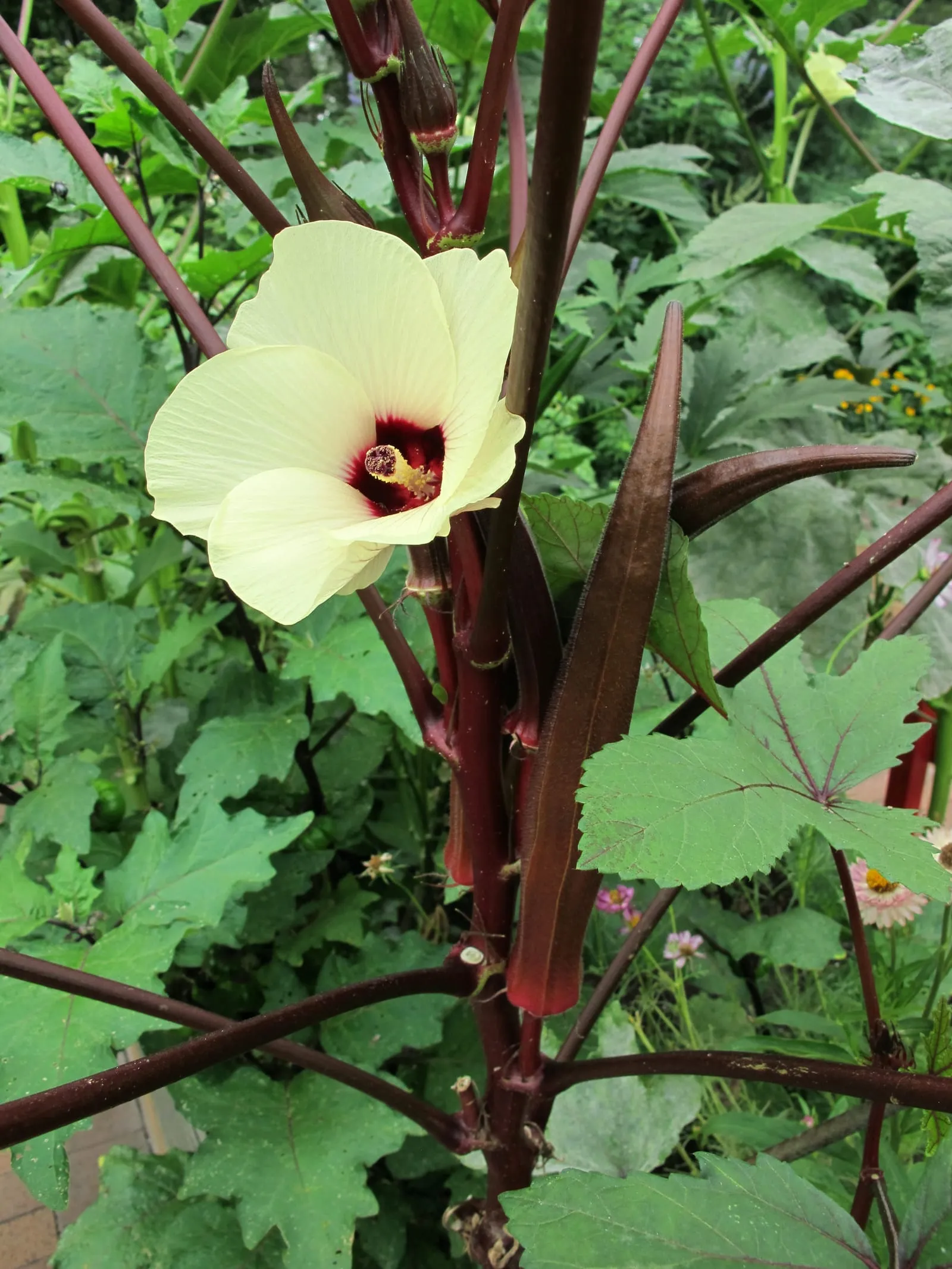
vegetable in zone 9b
Growing okra in zone 9b
Abelmoschus esculentus
- Zone
- 9b 25°F to 30°F
- Growing season
- 310 days
- Suitable varieties
- 0
- Days to harvest
- 55 to 75
The verdict
Zone 9b is one of the more favorable zones for okra production in the continental United States. Okra is a warm-season annual with no chill-hour requirement, so the zone challenges that constrain tree fruits simply don't apply here. The crop needs sustained soil warmth (above 65°F) to germinate and grow well, and zone 9b delivers that reliably from late winter through autumn.
The 310-day growing season allows for extended production windows that most of the country can't match. Okra tolerates sustained heat better than most vegetables, which makes it well-suited to zone 9b's summer conditions. The primary limiting factor is the other direction: occasional winter freezes in the 25 to 30°F range that define this zone can kill established plants, so okra is grown as a warm-season annual rather than a perennial here. Within that frame, this zone functions as a sweet spot for okra, not a marginal one.
Critical timing for zone 9b
In zone 9b, direct sow okra outdoors after the last frost date, typically in late February to mid-March depending on local microclimate and elevation. Soil temperature should consistently exceed 65°F before planting; germination stalls below that threshold. Plants begin flowering roughly 50 to 65 days from germination, meaning first blooms generally arrive in April or May.
Harvest runs from late spring through October or into November, often spanning five or more months. Pods reach ideal harvest size (3 to 4 inches) quickly in peak summer heat, sometimes within 2 to 3 days of flowering. During the hottest stretches, check plants every other day to prevent pods from becoming fibrous. The zone's long frost-free window means late-season planting in July is also viable for a fall flush of production.
Common challenges in zone 9b
- ▸ Heat stress in summer
- ▸ Insufficient chill for most apples
- ▸ Salt spray near coasts
Disease pressure to watch for
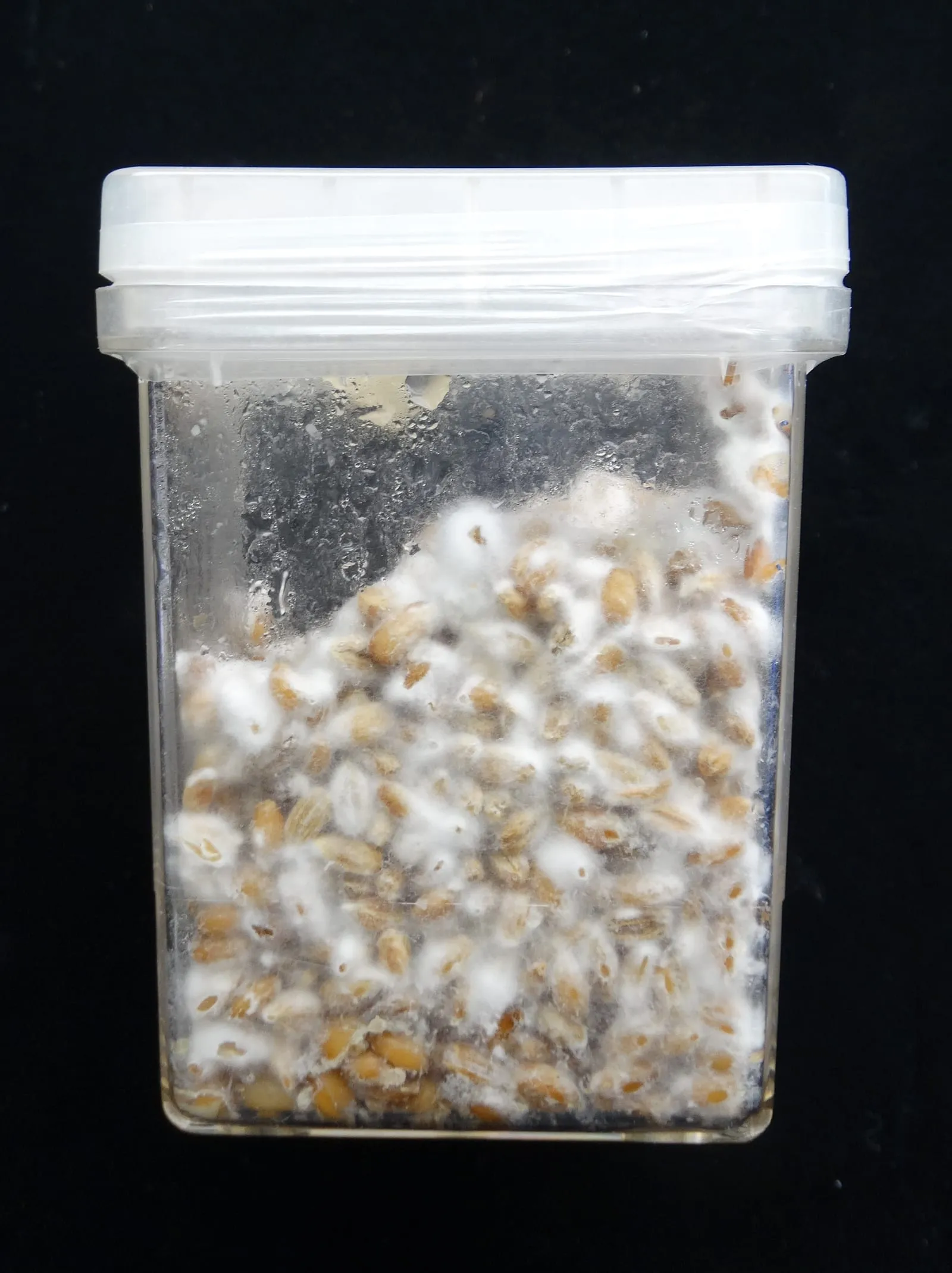
Fusarium oxysporum
Soil-borne fungal disease that plugs vascular tissue and kills affected plants. Persists in soil for many years; impossible to eliminate once established.
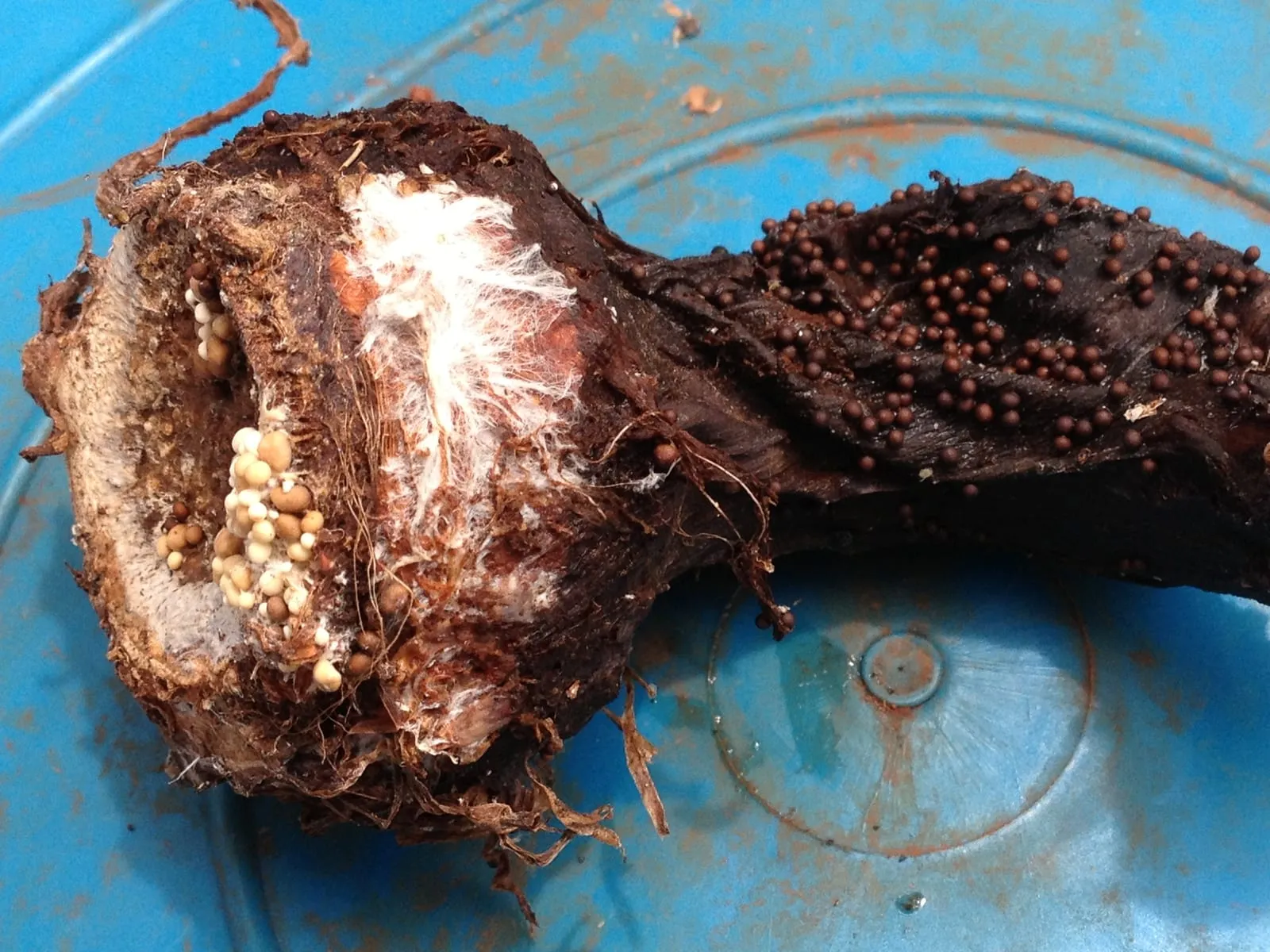
Sclerotium rolfsii
Soil-borne fungal disease most damaging in warm humid Southern conditions. White mycelial fans and small mustard-seed-sized sclerotia at the soil line are diagnostic.
Modified care for zone 9b
The main care adjustment in zone 9b is managing extreme summer heat. Okra tolerates high temperatures well, but sustained periods above 95°F can cause blossom drop and reduce pod set. Deep, consistent irrigation during peak heat months helps maintain production; uneven moisture also worsens Fusarium wilt pressure, the primary soilborne disease to watch in this region.
Fusarium wilt has no chemical cure once plants are infected. Rotate okra to a different bed every two to three years and select resistant varieties where available. In coastal areas of zone 9b, salt spray can damage foliage and should factor into variety and site selection.
Unlike growers in cooler zones, zone 9b growers don't need to rush planting or worry about early frost cutting the season short. The main risk is underwatering during summer, not cold. Mulching heavily around plants reduces soil temperature fluctuation and conserves moisture through the hottest months.
Frequently asked questions
- Can okra overwinter in zone 9b?
Not reliably. Zone 9b minimum temperatures of 25 to 30°F will kill okra tops and typically damage roots enough to prevent regrowth. Treat it as an annual and replant each spring.
- How many okra harvests can zone 9b support in a year?
One extended planting often runs from spring through fall, but a second direct-sown planting in July is feasible for a fall harvest. The 310-day growing season provides enough runway for both.
- What causes okra pods to turn woody before they reach full size in hot climates?
High temperatures accelerate pod development dramatically. In peak summer heat, pods that looked small yesterday can be overmature by harvest day. Check every one to two days and harvest pods at 3 to 4 inches to stay ahead of lignification.
- How do I manage Fusarium wilt in zone 9b okra beds?
Fusarium persists in soil for years. Rotate okra to a different location every two to three seasons, avoid waterlogged soil, and remove infected plants promptly. No fungicide controls established Fusarium wilt; prevention and rotation are the only practical tools.
+−
+−
+−
+−
Okra in adjacent zones
Image: "Abelmoschus esculentus (1)", by Kristine Paulus from New York, United States, via Wikimedia Commons, licensed under CC-BY Source.
.jpg)
Related