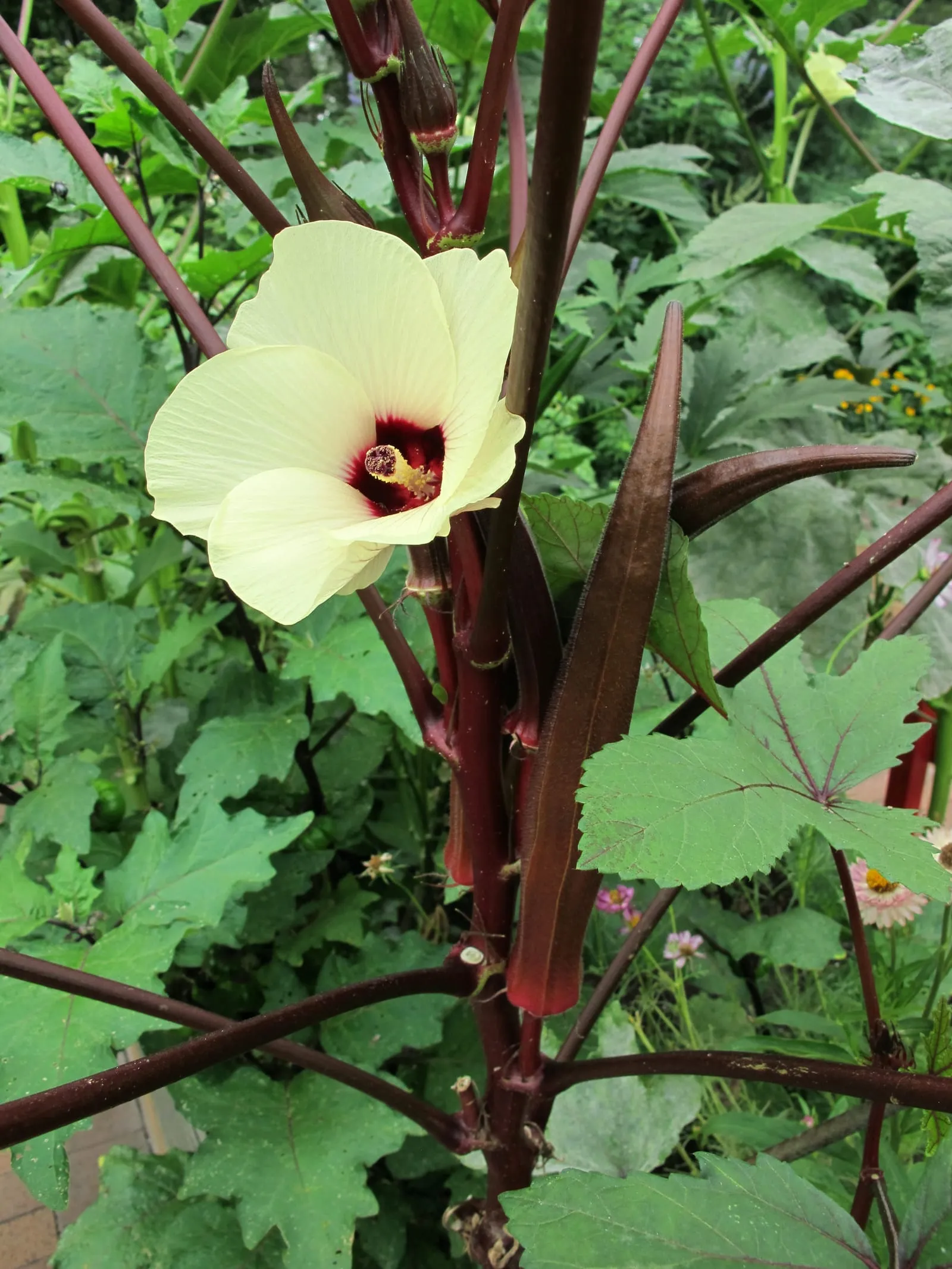
vegetable in zone 9a
Growing okra in zone 9a
Abelmoschus esculentus
- Zone
- 9a 20°F to 25°F
- Growing season
- 290 days
- Suitable varieties
- 2
- Days to harvest
- 55 to 75
The verdict
Zone 9a is a reliable sweet spot for okra, not a marginal zone. Okra is a heat-demanding crop with no chill-hour requirement, so the zone's 20 to 25°F minimum winter temperatures are largely irrelevant to production performance. What matters is summer heat accumulation, and zone 9a delivers consistently. The 290-day growing season allows for extended harvests well into fall, and the long frost-free window supports multiple succession plantings within a single season.
Clemson Spineless remains the workhorse variety here, performing reliably across the Gulf South and Southwest. Burgundy adds ornamental value and slightly more heat tolerance at the pod level, though it can revert to green under intense sun. Neither variety is a stretch in zone 9a; both are well-adapted without modification.
Recommended varieties for zone 9a
2 cultivars suited to this zone, with disease-resistance and zone-fit annotations.
| Variety | Notes | Zone fit | Disease resistance |
|---|---|---|---|
| Clemson Spineless fits zone 9a | Tender when small, classic okra flavor; long ribbed green pods. Gumbo, frying, pickling, roasting. AAS winner, productive, the home-garden standard. Pick at 2-4 inches for tenderness. | | none noted |
| Burgundy fits zone 9a | Tender, mild, classic okra flavor; deep red pods that turn green when cooked. Frying, pickling, ornamental edible. AAS winner, productive, handsome in mixed beds. | | none noted |
Critical timing for zone 9a
Direct sow okra seeds outdoors once soil temperature reaches 65°F, which typically occurs in mid-March through April across most zone 9a locations. Germination is faster and more uniform when soil is closer to 70°F. Pods are ready to harvest 50 to 65 days after planting depending on variety, placing first harvests in late May to June for early-season plantings.
Blooms appear roughly 6 to 8 weeks after germination. In zone 9a, the bloom window can extend from June through October without frost interference. Last frost dates in zone 9a generally fall between late January and mid-February, and first fall frost typically arrives in late November to December, leaving ample productive time on both ends of the season.
Common challenges in zone 9a
- ▸ Limited stone fruit options due to insufficient chill
- ▸ Hurricane and tropical storm exposure
- ▸ Citrus disease pressure
Disease pressure to watch for
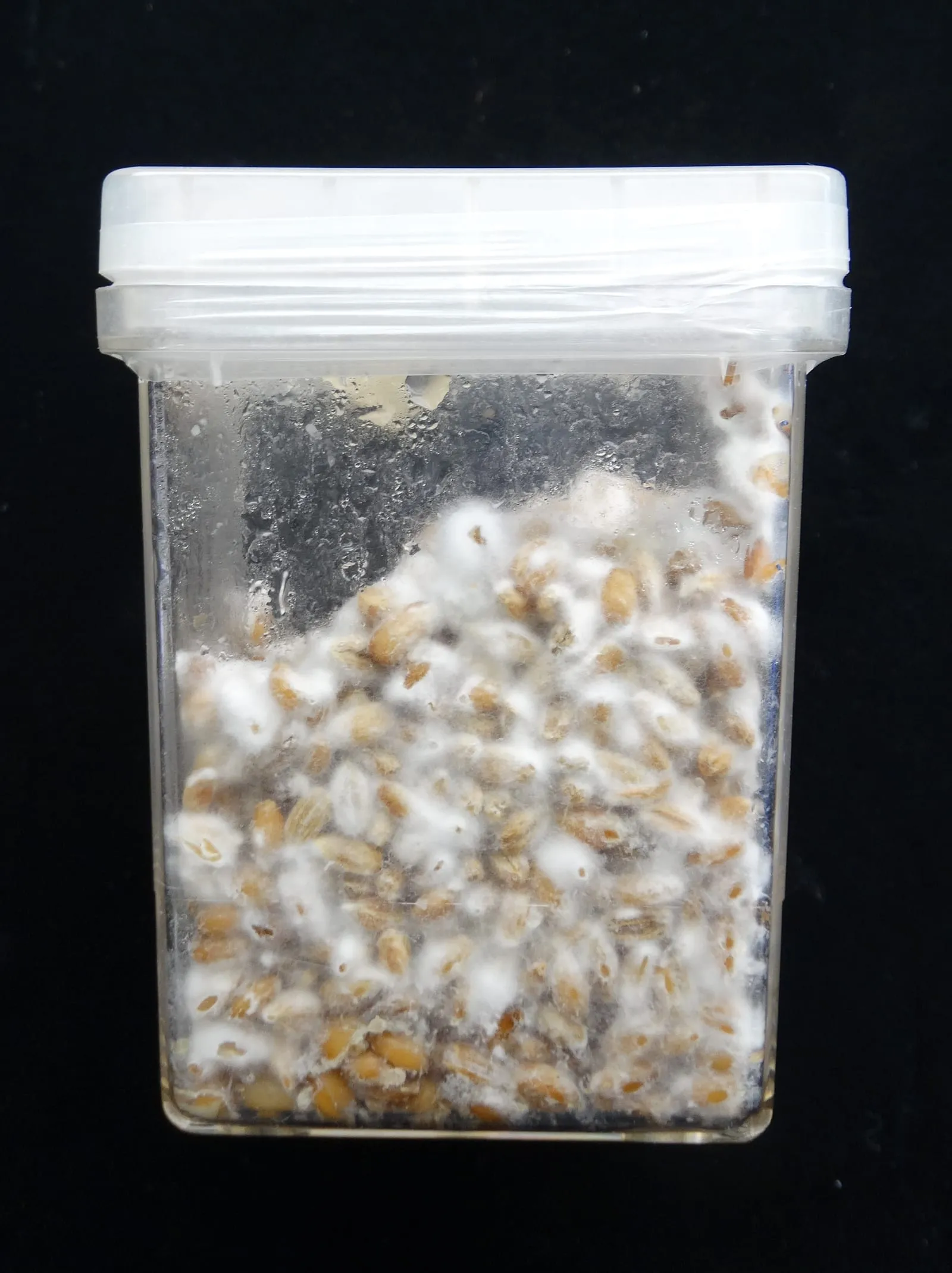
Fusarium oxysporum
Soil-borne fungal disease that plugs vascular tissue and kills affected plants. Persists in soil for many years; impossible to eliminate once established.
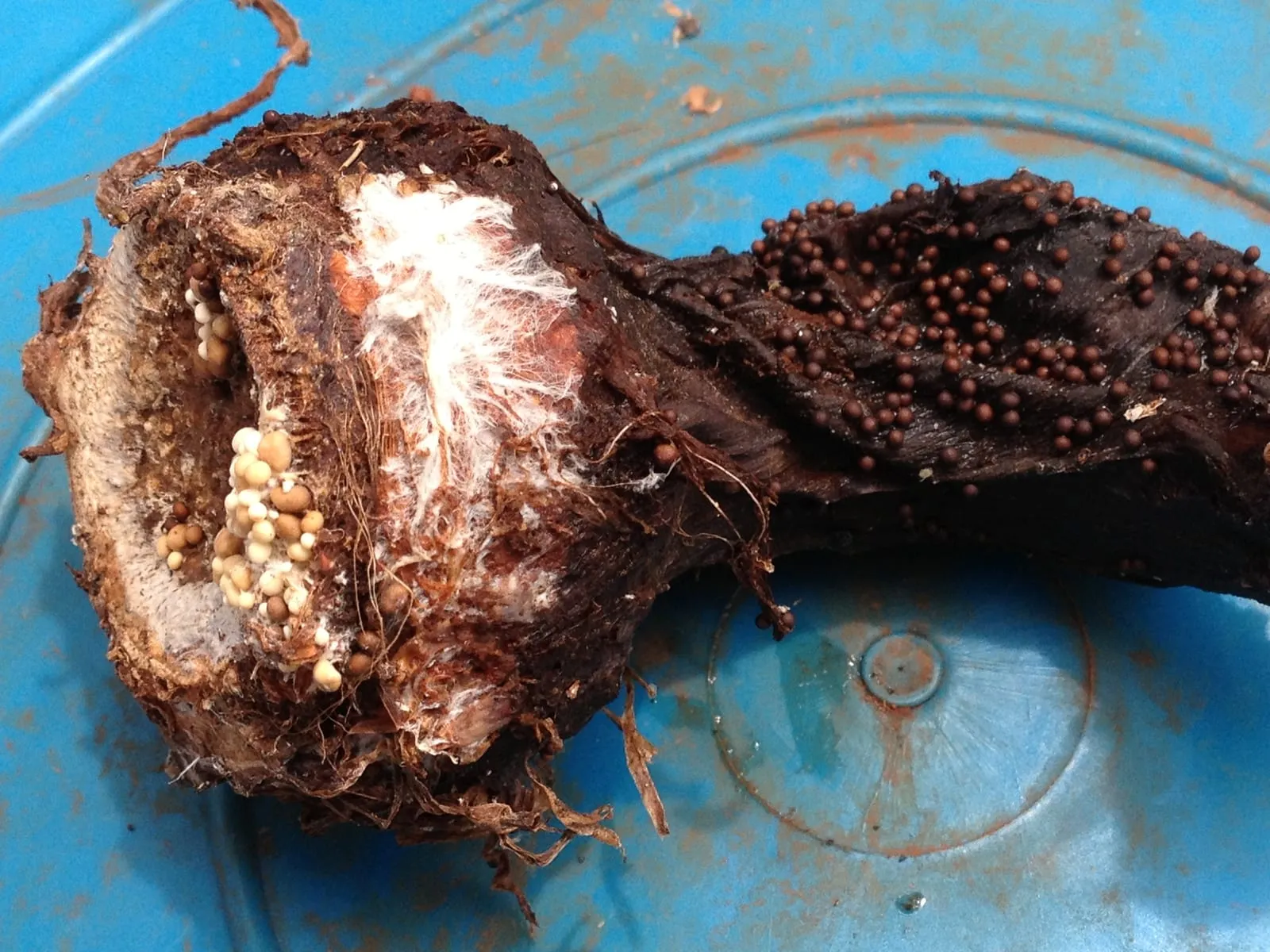
Sclerotium rolfsii
Soil-borne fungal disease most damaging in warm humid Southern conditions. White mycelial fans and small mustard-seed-sized sclerotia at the soil line are diagnostic.
Modified care for zone 9a
Fusarium wilt is the primary disease concern for okra in zone 9a. The pathogen persists in warm soils and builds over successive seasons in the same bed. Crop rotation on a 3 to 4 year cycle is the most reliable management strategy; there are no commercially available resistant varieties among standard home-garden selections. Avoid overhead irrigation that splashes soil onto lower stems.
Hurricane and tropical storm exposure is a real structural risk in coastal zone 9a. Okra stalks can reach 6 feet or more and become top-heavy by midsummer; staking or caging after plants reach 3 feet reduces wind snap losses. In areas with reliable summer temperatures above 95°F for extended stretches, afternoon shade cloth (30%) can reduce pod toughening and keep harvest windows open longer.
Frequently asked questions
- Can okra grow year-round in zone 9a?
Okra is frost-sensitive and goes dormant or dies back when temperatures drop below 50°F. Zone 9a's winter lows regularly reach 20 to 25°F, so true year-round production is not practical. The productive window runs from mid-spring through late fall, roughly 6 to 7 months.
- How do you manage Fusarium wilt in okra?
Fusarium wilt has no effective chemical treatment once established. Prevention through crop rotation is the standard approach: avoid planting okra or other susceptible crops (tomatoes, peppers) in the same bed for at least 3 years. Remove and dispose of infected plant material; do not compost it.
- When should okra be harvested to avoid tough pods?
Harvest pods at 2 to 4 inches for best texture. In zone 9a's summer heat, pods can go from tender to fibrous in 2 to 3 days. Check plants every other day during peak season. Pods left past 5 inches are typically only useful for seed saving.
+−
+−
+−
Okra in adjacent zones
Image: "Abelmoschus esculentus (1)", by Kristine Paulus from New York, United States, via Wikimedia Commons, licensed under CC-BY Source.
.jpg)
Related