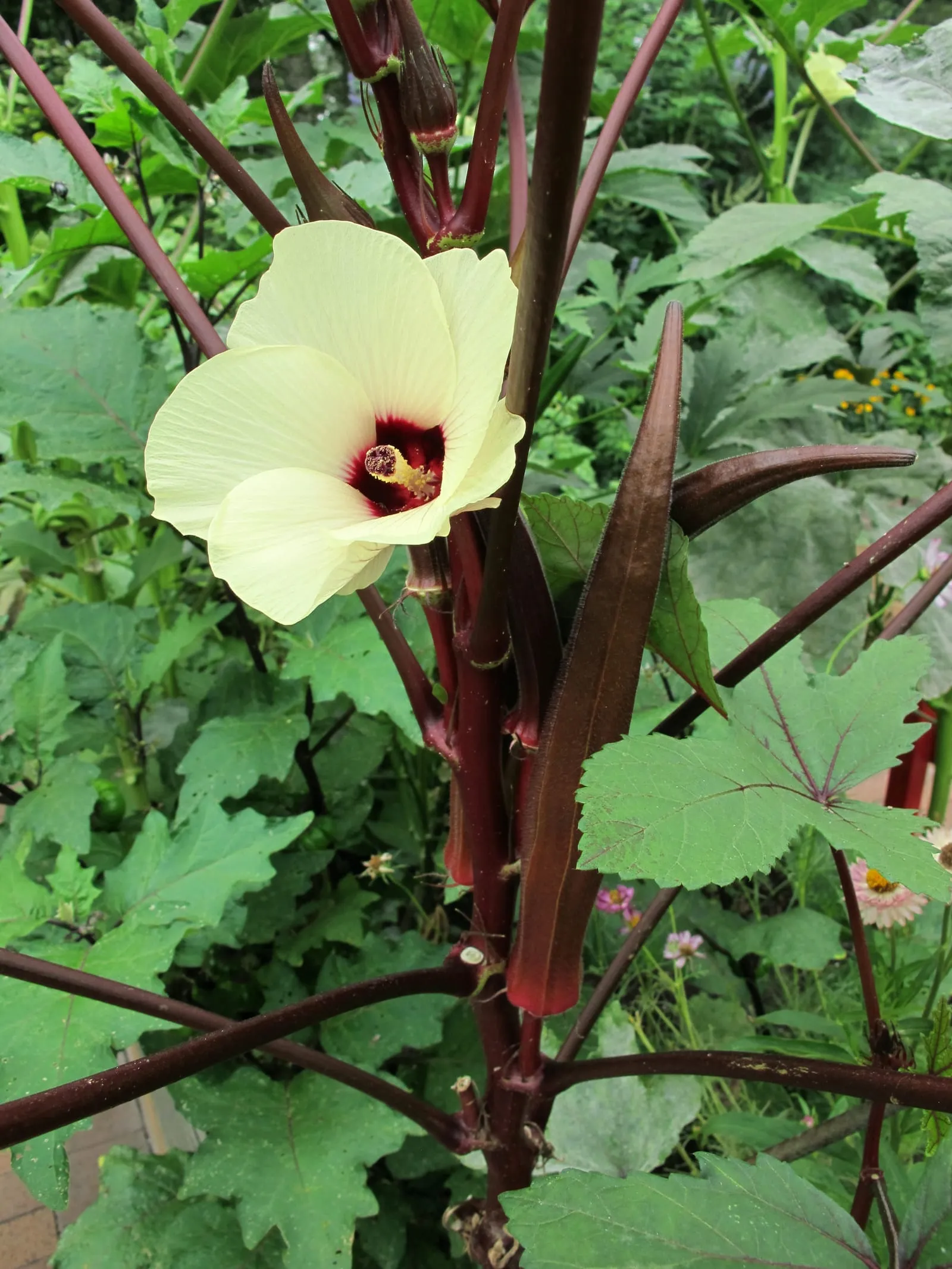
vegetable in zone 8b
Growing okra in zone 8b
Abelmoschus esculentus
- Zone
- 8b 15°F to 20°F
- Growing season
- 260 days
- Suitable varieties
- 3
- Days to harvest
- 55 to 75
The verdict
Zone 8b is well-suited to okra, arguably a better fit than most of the continental United States. Okra is a warm-season annual with origins in tropical Africa; it has no chilling requirement and performs best where summers are long, hot, and humid. The 260-day growing season in zone 8b removes the timing pressure that growers in zones 6 and 7 deal with, and sustained summer heat drives the aggressive pod production okra is capable of.
The listed zone challenges (low chill hours, citrus greening risk) apply to fruit crops, not to okra. The challenge that does matter here is nematodes in sandy soils, which is a real concern for okra in the Gulf Coast and Southeast regions that define much of zone 8b. Variety selection can partially address this. Clemson Spineless, Burgundy, and Jambalaya are all established producers in this zone, with Jambalaya particularly suited to container or raised-bed culture where soil composition can be managed.
Recommended varieties for zone 8b
3 cultivars suited to this zone, with disease-resistance and zone-fit annotations.
| Variety | Notes | Zone fit | Disease resistance |
|---|---|---|---|
| Clemson Spineless fits zone 8b | Tender when small, classic okra flavor; long ribbed green pods. Gumbo, frying, pickling, roasting. AAS winner, productive, the home-garden standard. Pick at 2-4 inches for tenderness. | | none noted |
| Burgundy fits zone 8b | Tender, mild, classic okra flavor; deep red pods that turn green when cooked. Frying, pickling, ornamental edible. AAS winner, productive, handsome in mixed beds. | | none noted |
| Jambalaya fits zone 8b | Tender, mild; productive compact plants (3-4 ft) bred for shorter seasons and smaller gardens. Gumbo, frying, fresh. Earlier than Clemson Spineless, viable in zone 6. | | none noted |
Critical timing for zone 8b
In zone 8b, direct sowing begins in late March to early April once soil temperatures reach 65°F. Germination is unreliable below that threshold and essentially stops below 60°F. With a last frost typically falling in mid-March, most zone 8b growers can start the first planting by the last week of March.
First harvest arrives roughly 55 to 65 days after germination, placing peak production in late May through June for the first planting. The 260-day season allows for a second succession planting in June or early July, which extends harvest through October. First fall frost, typically arriving in mid-November in zone 8b, terminates the planting rather than overlapping with the bloom window, so frost is rarely a limiting factor.
Common challenges in zone 8b
- ▸ Low chill hours limit apple variety selection
- ▸ Citrus greening risk
- ▸ Nematodes in sandy soils
Disease pressure to watch for
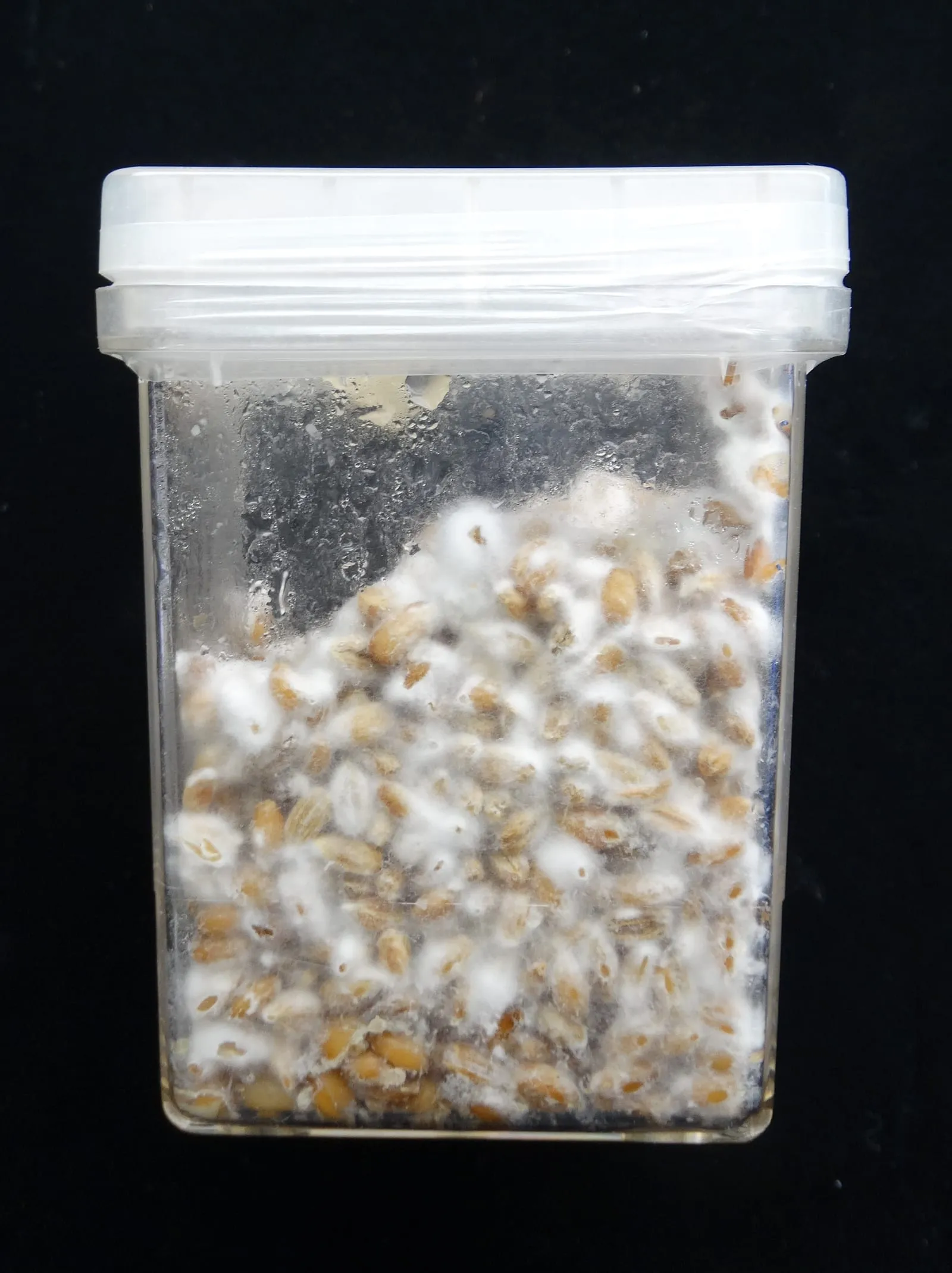
Fusarium oxysporum
Soil-borne fungal disease that plugs vascular tissue and kills affected plants. Persists in soil for many years; impossible to eliminate once established.
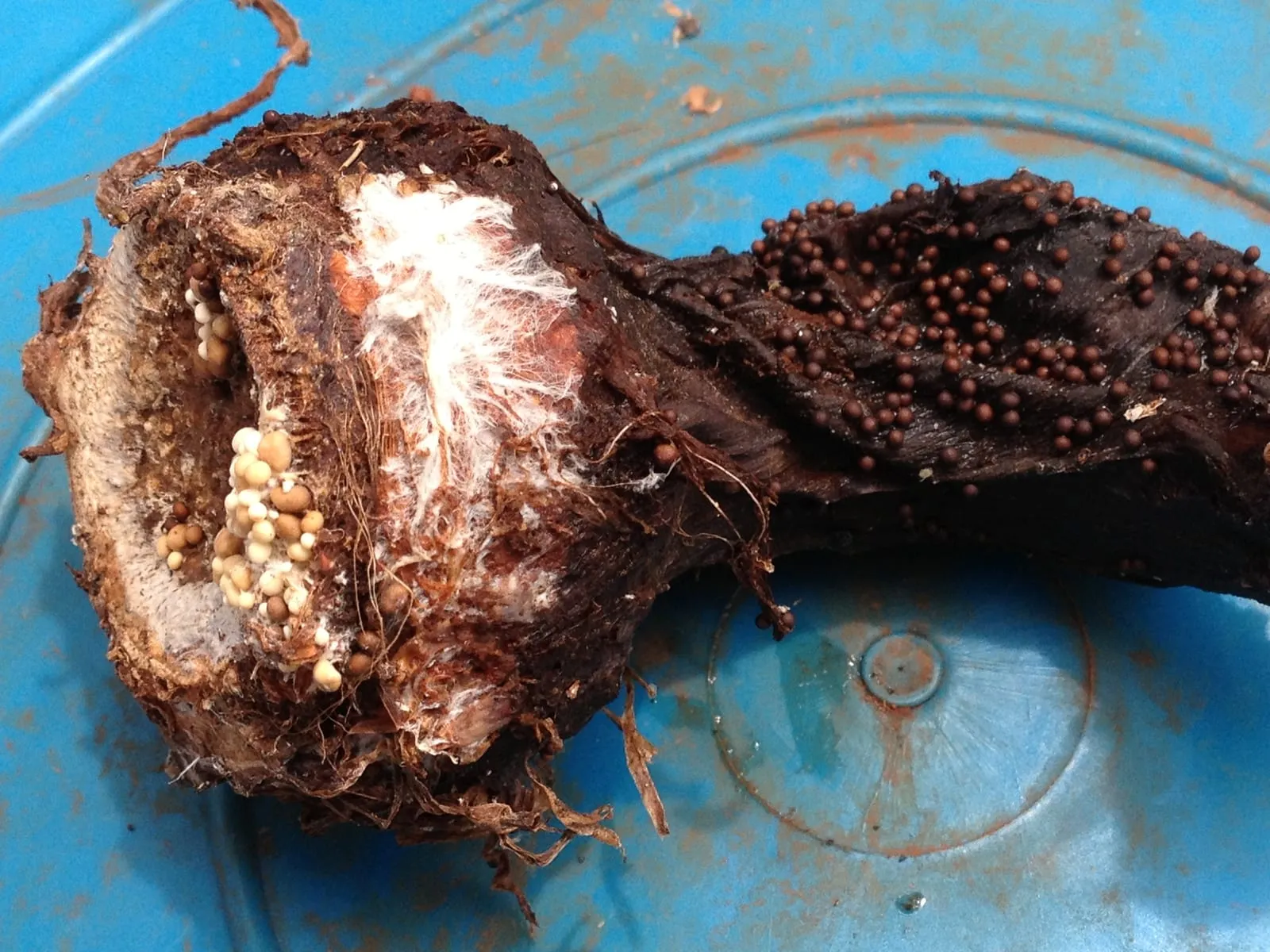
Sclerotium rolfsii
Soil-borne fungal disease most damaging in warm humid Southern conditions. White mycelial fans and small mustard-seed-sized sclerotia at the soil line are diagnostic.
Modified care for zone 8b
The primary management adjustment in zone 8b is nematode pressure, particularly in sandy or loamy soils common across the coastal Southeast. Root-knot nematodes (Meloidogyne spp.) can cause significant yield loss without obvious above-ground symptoms until the plants decline. Rotating okra away from other susceptible crops (tomato, pepper, sweet potato) on a two- to three-year cycle is the most practical non-chemical control. Where nematode history is known, raised beds with imported compost-based mix reduce exposure.
Fusarium wilt warrants attention: infected plants wilt despite adequate moisture and show vascular discoloration. There are no highly resistant commercial varieties, so the main tool is rotation and avoiding reuse of infected soil. In the hottest weeks of July and August, zone 8b heat can cause blossom drop at sustained temperatures above 95°F. Consistent moisture reduces drop frequency; mulching to stabilize soil temperature helps more than irrigation alone.
Frequently asked questions
- Is zone 8b too hot for okra in midsummer?
Okra tolerates high heat well, but sustained temperatures above 95°F can cause blossom drop and reduce pod set. Zone 8b summers regularly reach this range. Consistent moisture and organic mulch help maintain soil temperature stability, which reduces drop more effectively than irrigation alone.
- Can okra be grown in containers in zone 8b?
Yes. Compact varieties like Jambalaya are well-suited to large containers (5 gallons or more). Container culture also sidesteps nematode pressure, which is the most common yield-limiting problem in zone 8b ground soil.
- How long does the okra harvest window last in zone 8b?
With a single planting in late March, harvest typically runs from late May through October. A succession planting in June or July extends production through mid-November, just before the first frost. The 260-day growing season makes succession planting practical in zone 8b in a way it is not in shorter-season zones.
+−
+−
+−
Okra in adjacent zones
Image: "Abelmoschus esculentus (1)", by Kristine Paulus from New York, United States, via Wikimedia Commons, licensed under CC-BY Source.
.jpg)
Related