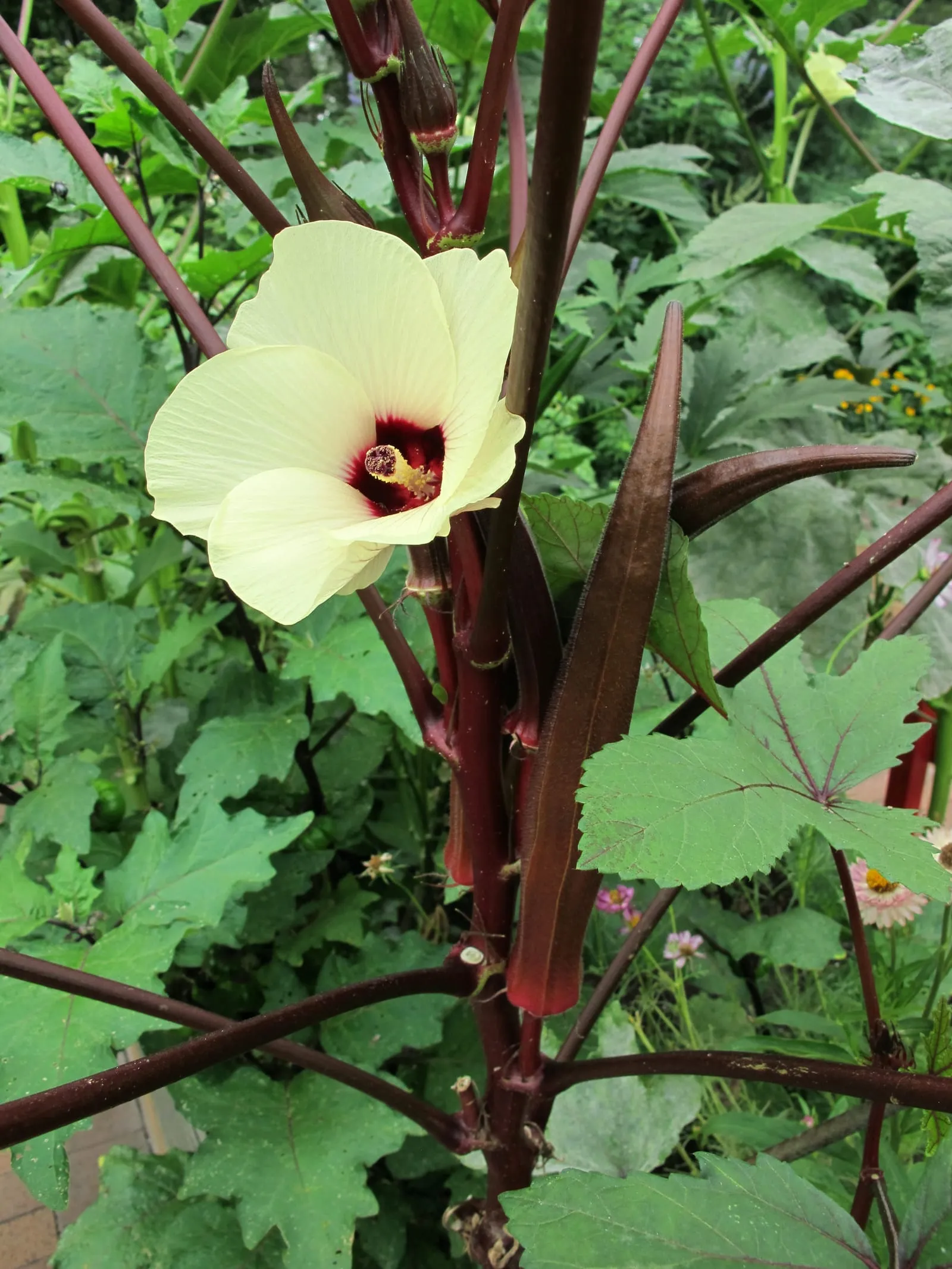
vegetable in zone 8a
Growing okra in zone 8a
Abelmoschus esculentus
- Zone
- 8a 10°F to 15°F
- Growing season
- 240 days
- Suitable varieties
- 3
- Days to harvest
- 55 to 75
The verdict
Zone 8a is a genuine sweet spot for okra, not a marginal case. Unlike stone fruits or apples, okra has no chill-hour requirement, so the zone's mild winters are irrelevant to performance. What matters for okra is heat accumulation and a long frost-free window, and zone 8a delivers both: a 240-day growing season and summer temperatures that routinely push past 90°F give okra exactly the conditions it needs to produce heavily.
All three compatible varieties for this zone, Clemson Spineless, Burgundy, and Jambalaya, are well-suited to the heat load and humidity common across zone 8a. Growers in the cooler microclimates within the zone, particularly at higher elevations, may see slightly shorter production windows, but the crop rarely struggles here. The primary limit on yield is not temperature but soil moisture management during dry stretches.
Recommended varieties for zone 8a
3 cultivars suited to this zone, with disease-resistance and zone-fit annotations.
| Variety | Notes | Zone fit | Disease resistance |
|---|---|---|---|
| Clemson Spineless fits zone 8a | Tender when small, classic okra flavor; long ribbed green pods. Gumbo, frying, pickling, roasting. AAS winner, productive, the home-garden standard. Pick at 2-4 inches for tenderness. | | none noted |
| Burgundy fits zone 8a | Tender, mild, classic okra flavor; deep red pods that turn green when cooked. Frying, pickling, ornamental edible. AAS winner, productive, handsome in mixed beds. | | none noted |
| Jambalaya fits zone 8a | Tender, mild; productive compact plants (3-4 ft) bred for shorter seasons and smaller gardens. Gumbo, frying, fresh. Earlier than Clemson Spineless, viable in zone 6. | | none noted |
Critical timing for zone 8a
In zone 8a, direct sow or transplant okra after the last frost has passed and soil temperatures have reached at least 65°F, typically between mid-March and early April depending on location. Okra germinates poorly in cold soil and will stall rather than establish if planted too early.
Flowering begins roughly 50 to 65 days after planting. With a 240-day growing season, zone 8a growers can expect pods from late June through October and sometimes into November before first fall frost. A second direct sowing in late June extends the harvest window and produces a fresh flush of pods when the first planting begins to slow in late summer heat.
Common challenges in zone 8a
- ▸ Insufficient chill hours for some apple varieties
- ▸ Pierce's disease in grapes
- ▸ Heat stress on cool-season crops
Disease pressure to watch for
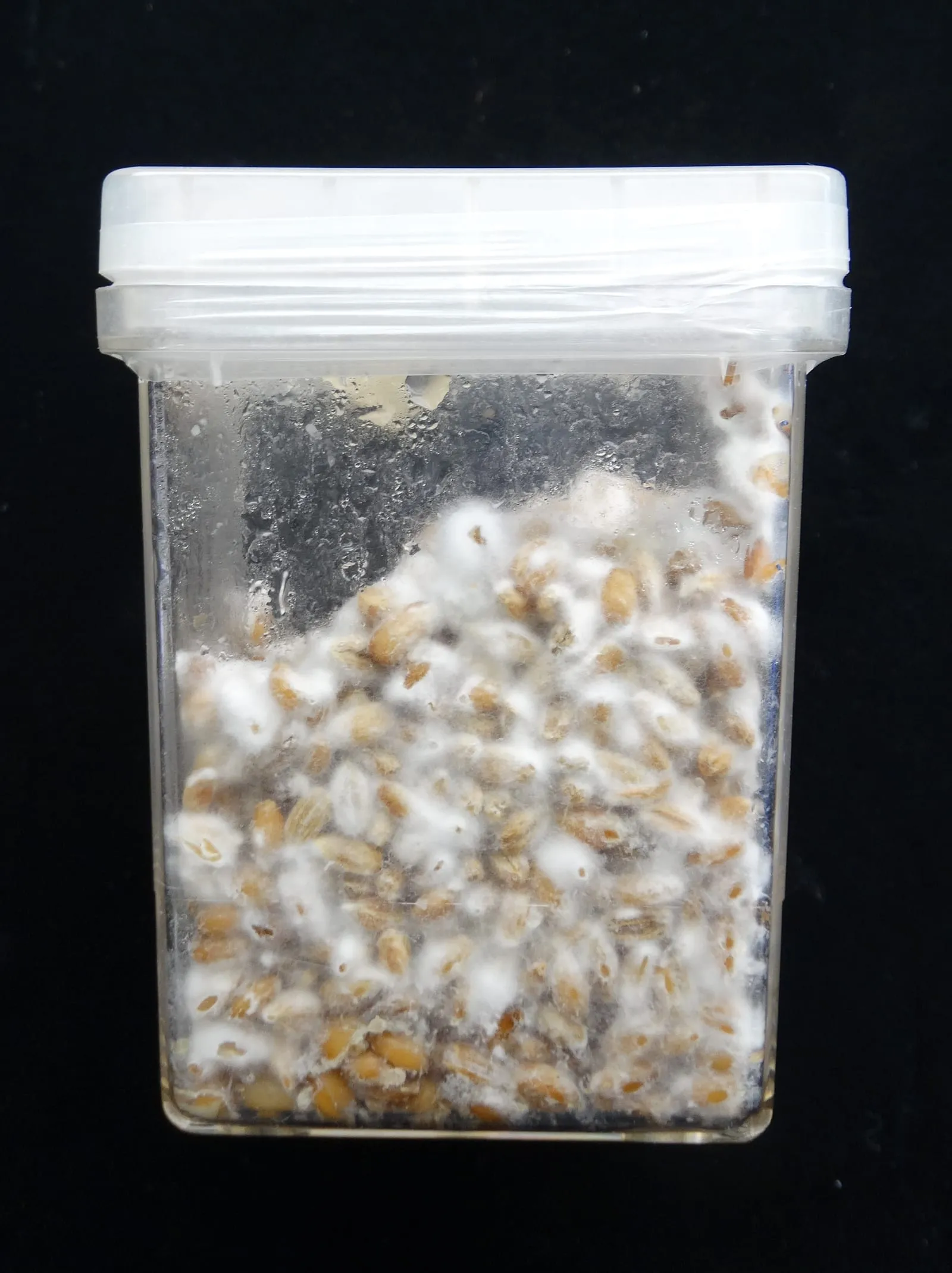
Fusarium oxysporum
Soil-borne fungal disease that plugs vascular tissue and kills affected plants. Persists in soil for many years; impossible to eliminate once established.
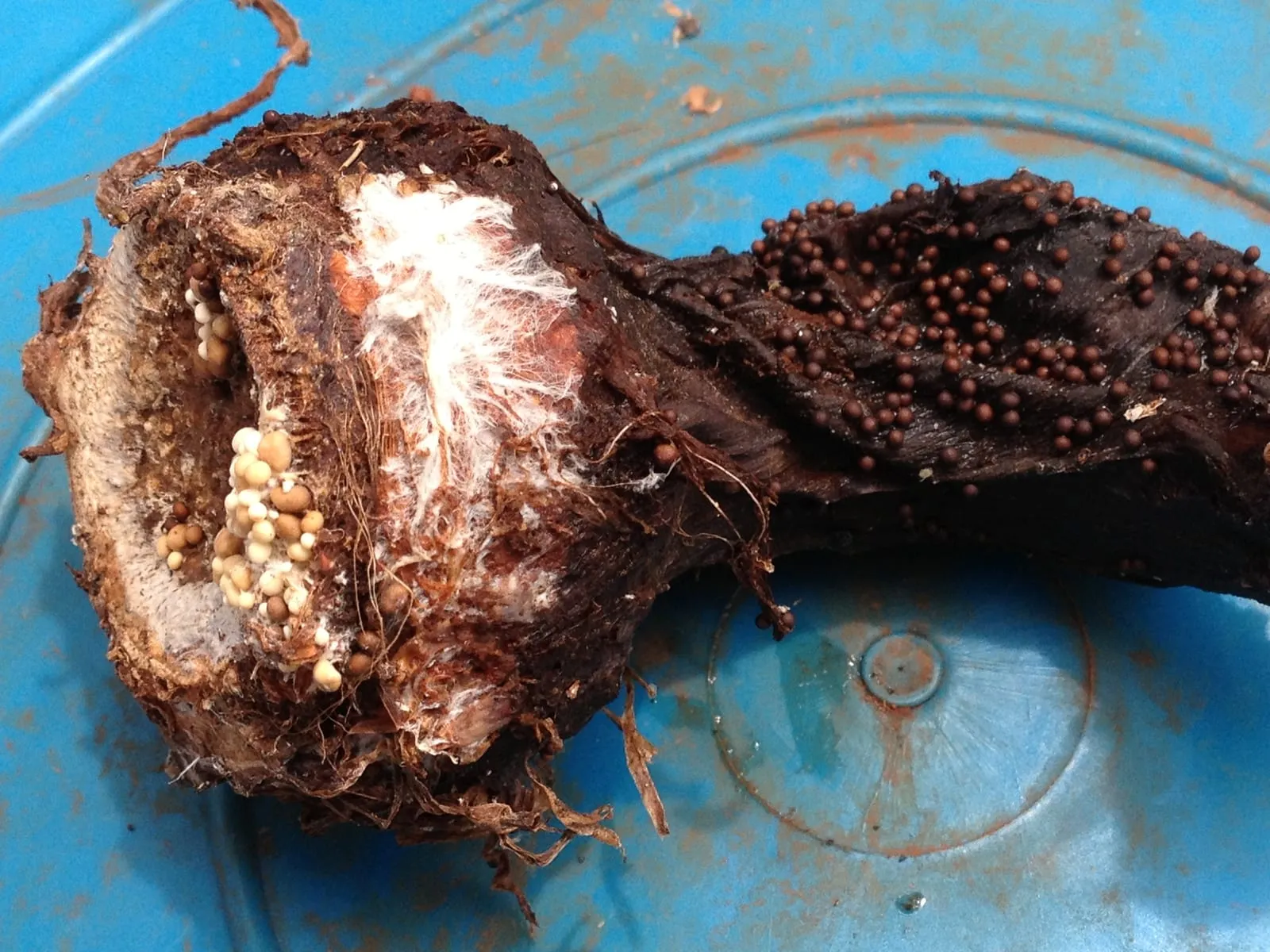
Sclerotium rolfsii
Soil-borne fungal disease most damaging in warm humid Southern conditions. White mycelial fans and small mustard-seed-sized sclerotia at the soil line are diagnostic.
Modified care for zone 8a
Fusarium wilt is the disease most likely to limit okra production in zone 8a. It persists in soil for years, so rotation is essential. Avoid planting okra in any bed that hosted okra, tomatoes, peppers, or eggplant within the past three seasons. Selecting resistant varieties, Clemson Spineless has moderate resistance, reduces but does not eliminate risk.
The long, humid summers common in zone 8a also favor fungal leaf spots. Space plants 18 to 24 inches apart to promote airflow and reduce canopy humidity. Mulch heavily to maintain consistent soil moisture and suppress weeds, since okra drops production quickly under drought stress. No supplemental winter protection is needed; the crop is grown as an annual and pulled after first frost.
Frequently asked questions
- Does okra need a certain number of chill hours to produce in zone 8a?
No. Okra is a warm-season annual with no chill-hour requirement. It needs heat and a long frost-free period, both of which zone 8a provides reliably. Chill hours are relevant to perennial fruit crops, not to okra.
- How long does okra produce in zone 8a?
With a 240-day growing season, okra can produce pods from late June through October on a spring planting. A second sowing in late June extends harvest into fall. Production slows when overnight temperatures drop below 55°F.
- What causes okra plants to wilt and die suddenly in zone 8a?
Sudden collapse of otherwise healthy plants is most often Fusarium wilt, a soilborne fungal pathogen that is common in warm, humid climates. There is no cure once plants are infected. Remove affected plants, rotate the crop out of that bed for at least three years, and choose varieties with documented resistance.
+−
+−
+−
Okra in adjacent zones
Image: "Abelmoschus esculentus (1)", by Kristine Paulus from New York, United States, via Wikimedia Commons, licensed under CC-BY Source.
.jpg)
Related