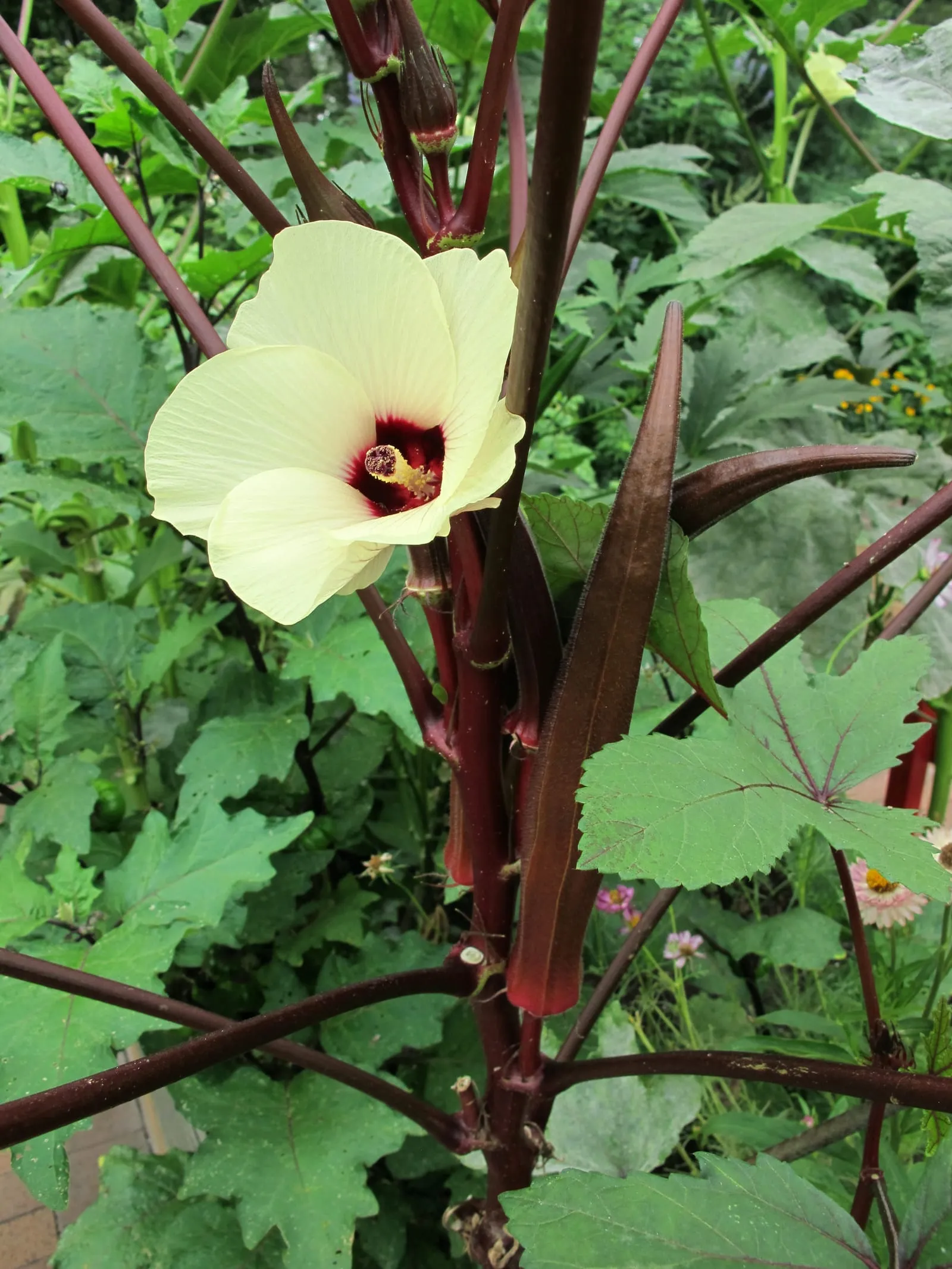
vegetable in zone 7b
Growing okra in zone 7b
Abelmoschus esculentus
- Zone
- 7b 5°F to 10°F
- Growing season
- 220 days
- Suitable varieties
- 3
- Days to harvest
- 55 to 75
The verdict
Zone 7b is a sweet spot for okra, not a marginal one. Okra is a subtropical warm-season annual with no chill-hour requirement whatsoever; the relevant metric is heat accumulation and frost-free days, and zone 7b delivers both. The 220-day growing season far exceeds the 55 to 65 frost-free days needed for a productive okra planting, leaving room for a long harvest window rather than a race to beat frost. The winter minimum of 5 to 10°F is irrelevant to the plant itself since okra is pulled at season's end. The real constraint in zone 7b is spring soil temperature: okra stalls and rots in cold ground. Direct seeding before soil reaches 65°F consistently underperforms. Given adequate warmth at planting, Clemson Spineless, Burgundy, and Jambalaya all perform reliably across the Piedmont and coastal plain portions of zone 7b, with Burgundy offering some visual interest alongside similar yields.
Recommended varieties for zone 7b
3 cultivars suited to this zone, with disease-resistance and zone-fit annotations.
| Variety | Notes | Zone fit | Disease resistance |
|---|---|---|---|
| Clemson Spineless fits zone 7b | Tender when small, classic okra flavor; long ribbed green pods. Gumbo, frying, pickling, roasting. AAS winner, productive, the home-garden standard. Pick at 2-4 inches for tenderness. | | none noted |
| Burgundy fits zone 7b | Tender, mild, classic okra flavor; deep red pods that turn green when cooked. Frying, pickling, ornamental edible. AAS winner, productive, handsome in mixed beds. | | none noted |
| Jambalaya fits zone 7b | Tender, mild; productive compact plants (3-4 ft) bred for shorter seasons and smaller gardens. Gumbo, frying, fresh. Earlier than Clemson Spineless, viable in zone 6. | | none noted |
Critical timing for zone 7b
Last frost in zone 7b falls roughly late March to mid-April, but soil temperature lags air temperature by two to four weeks. Transplants can go out once nighttime soil temperatures hold above 65°F, typically late April to early May. Direct seeding works well from early May onward when soil is reliably warm. First pods appear approximately 55 to 65 days after transplanting, placing the harvest window from early July through October. First fall frost in zone 7b generally arrives between late October and early November, so growers typically get 90 to 110 days of active harvest. The bloom window runs July through September, well clear of the zone's frost dates on both ends.
Common challenges in zone 7b
- ▸ Cedar-apple rust pressure heavy in piedmont
- ▸ Japanese beetles
- ▸ Brown marmorated stink bug
- ▸ Late summer disease pressure
Disease pressure to watch for
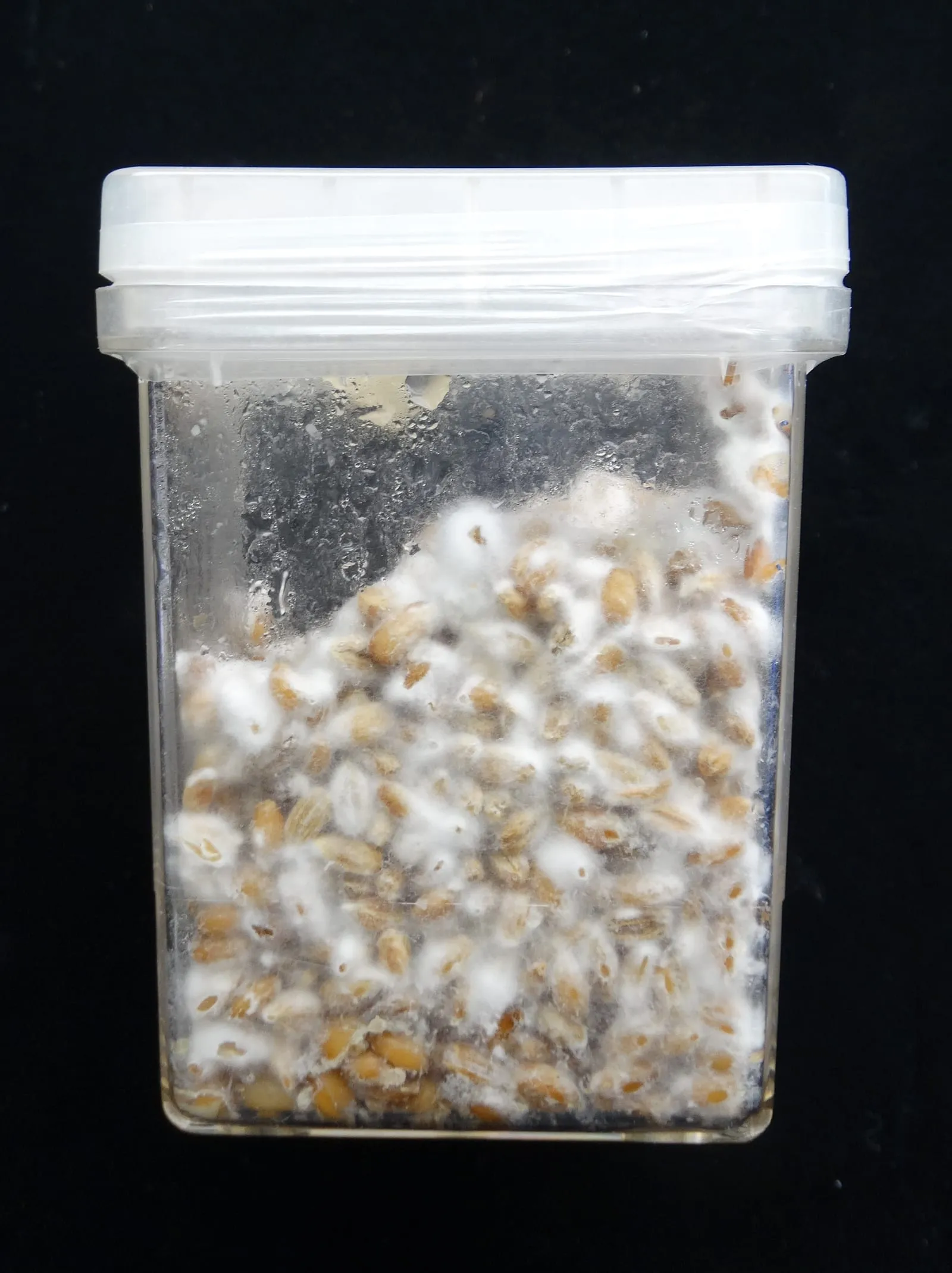
Fusarium oxysporum
Soil-borne fungal disease that plugs vascular tissue and kills affected plants. Persists in soil for many years; impossible to eliminate once established.
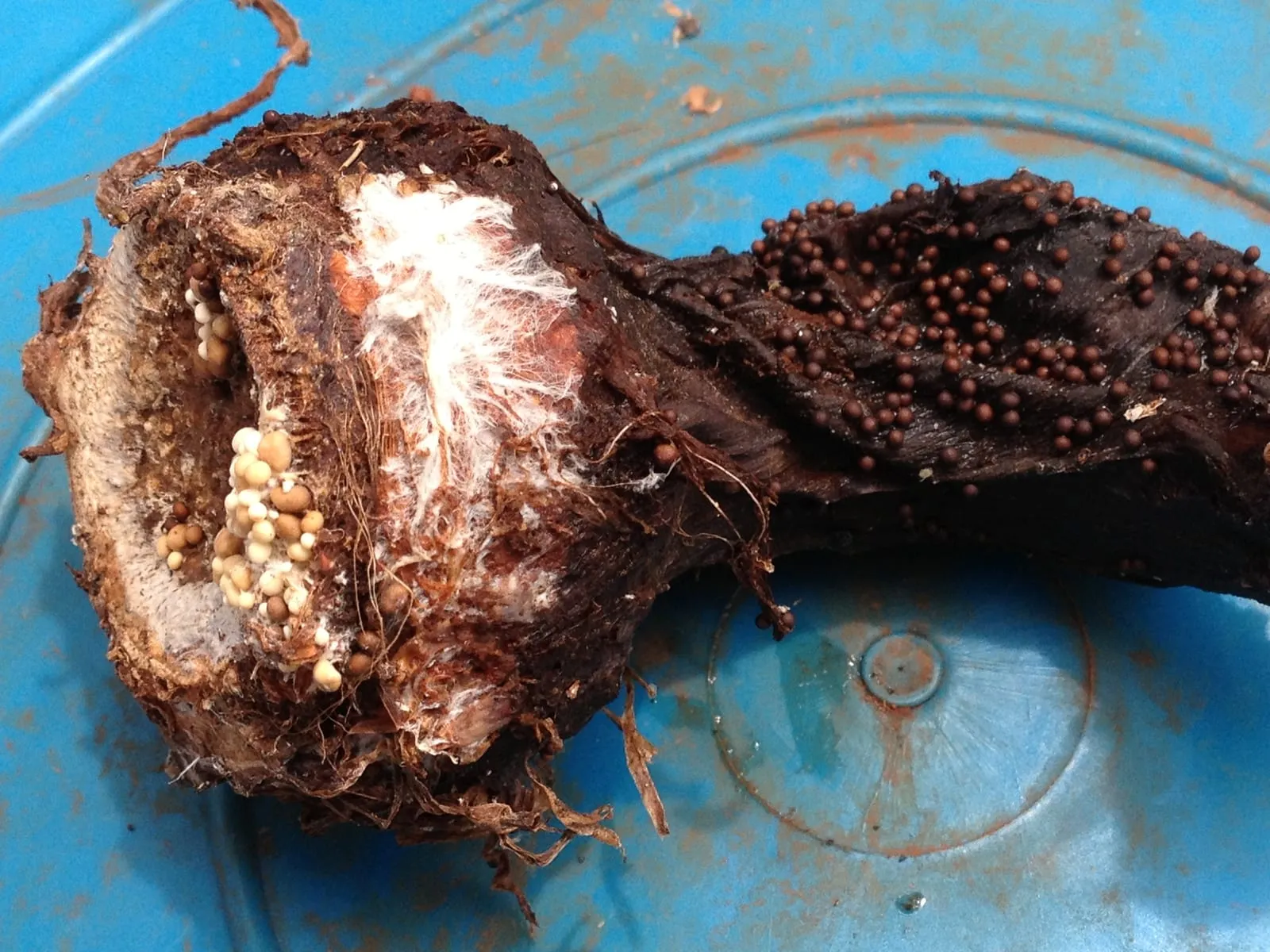
Sclerotium rolfsii
Soil-borne fungal disease most damaging in warm humid Southern conditions. White mycelial fans and small mustard-seed-sized sclerotia at the soil line are diagnostic.
Modified care for zone 7b
Zone 7b growers face heavier pest pressure than growers in drier parts of okra's range. Japanese beetles peak in June and July and will defoliate plants if populations are high; hand removal or row cover during peak emergence reduces damage without affecting late-season pollinators. Brown marmorated stink bug pressure intensifies from August onward, causing scarred and misshapen pods; early morning harvest and prompt removal of damaged fruit limits population buildup around the planting. Fusarium wilt is the primary disease concern; rotating okra out of any bed that has shown wilt symptoms for at least two seasons is more effective than fungicide applications. Late summer humidity amplifies foliage disease pressure generally, so spacing plants 18 to 24 inches apart improves airflow through the canopy. No winter protection is needed since the crop does not overwinter.
Okra in adjacent zones
Image: "Abelmoschus esculentus (1)", by Kristine Paulus from New York, United States, via Wikimedia Commons, licensed under CC-BY Source.
.jpg)
Related