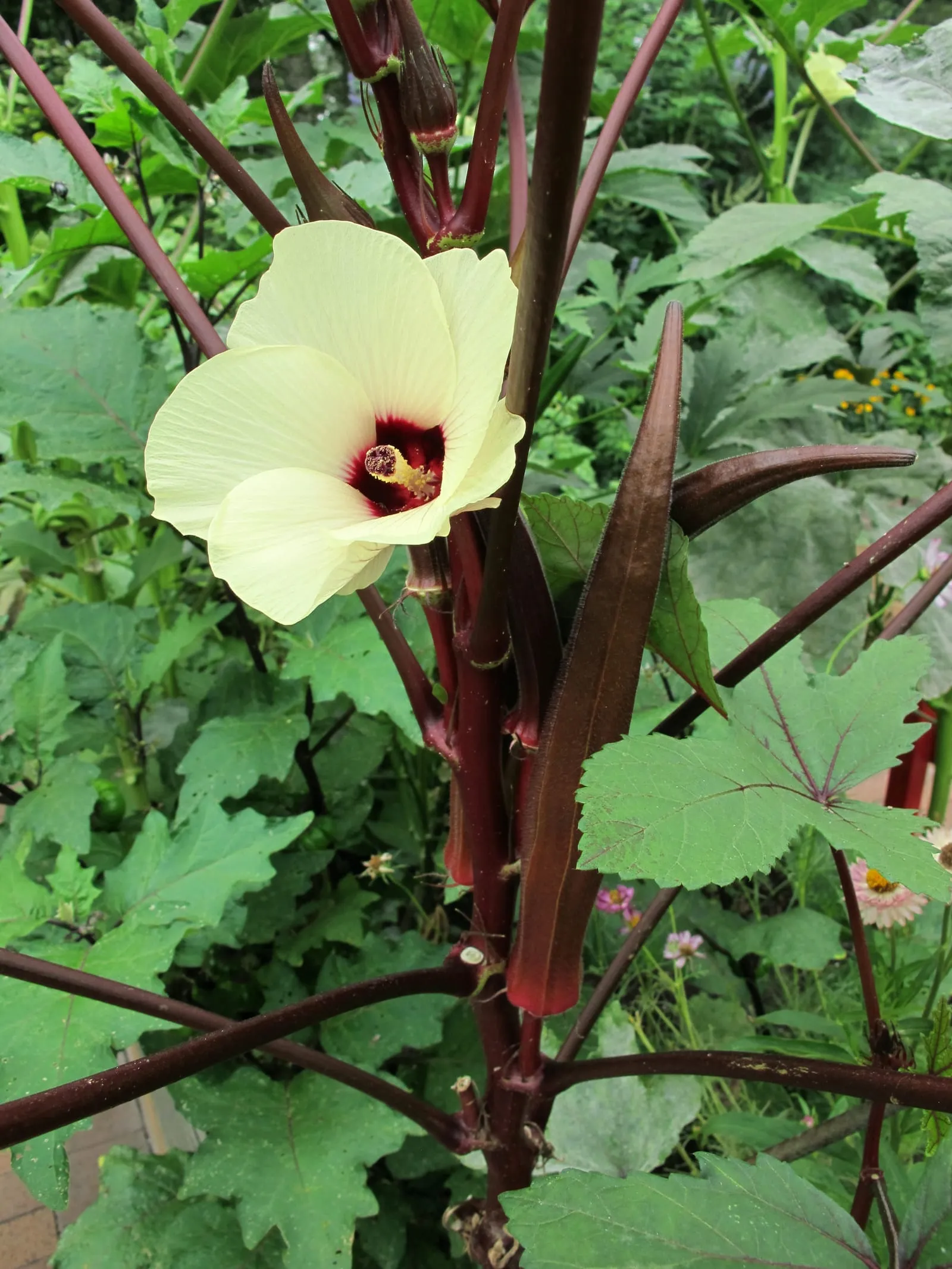
vegetable in zone 7a
Growing okra in zone 7a
Abelmoschus esculentus
- Zone
- 7a 0°F to 5°F
- Growing season
- 210 days
- Suitable varieties
- 3
- Days to harvest
- 55 to 75
The verdict
Okra is a strong performer in zone 7a. Unlike fruit crops, okra carries no chill-hour requirement; its limiting factors are heat accumulation and frost-free days. Zone 7a's 210-day growing season comfortably exceeds the 50 to 65 days most varieties need from direct sow to first harvest, leaving room for multiple successive cuts before fall frost. The minimum winter temperatures of 0 to 5°F are irrelevant to an annual crop started fresh each spring.
The primary suitability question in zone 7a is whether summers are hot enough for consistent pod set. Okra flowers best when daytime highs run 85 to 95°F, conditions common across zone 7a from June through August. Growers in the cooler, higher-elevation pockets of zone 7a (parts of the southern Appalachians, for example) may see slower flowering in cool June years, but the warm core of the zone produces reliably. This is not a marginal zone for okra; it is well within the crop's preferred range.
Recommended varieties for zone 7a
3 cultivars suited to this zone, with disease-resistance and zone-fit annotations.
| Variety | Notes | Zone fit | Disease resistance |
|---|---|---|---|
| Clemson Spineless fits zone 7a | Tender when small, classic okra flavor; long ribbed green pods. Gumbo, frying, pickling, roasting. AAS winner, productive, the home-garden standard. Pick at 2-4 inches for tenderness. | | none noted |
| Burgundy fits zone 7a | Tender, mild, classic okra flavor; deep red pods that turn green when cooked. Frying, pickling, ornamental edible. AAS winner, productive, handsome in mixed beds. | | none noted |
| Jambalaya fits zone 7a | Tender, mild; productive compact plants (3-4 ft) bred for shorter seasons and smaller gardens. Gumbo, frying, fresh. Earlier than Clemson Spineless, viable in zone 6. | | none noted |
Critical timing for zone 7a
Soil temperature is the gating factor for okra in zone 7a. Germination is erratic below 65°F and improves markedly above 70°F. In most of zone 7a, soil at 2-inch depth reaches 65°F around late April to early May, but waiting until mid-May is common practice to avoid slow, patchy stands. Last frost in zone 7a typically falls between late March and mid-April depending on elevation and local topography.
Flowering begins 45 to 55 days after germination. First pods are ready to cut around 50 to 65 days from sowing. In zone 7a, that places peak harvest from mid-July through September. First fall frost typically arrives in late October to early November, ending production. The full harvest window runs 10 to 14 weeks in most zone 7a locations.
Common challenges in zone 7a
- ▸ Cedar-apple rust
- ▸ Brown rot
- ▸ Fire blight
- ▸ High humidity disease pressure
Disease pressure to watch for
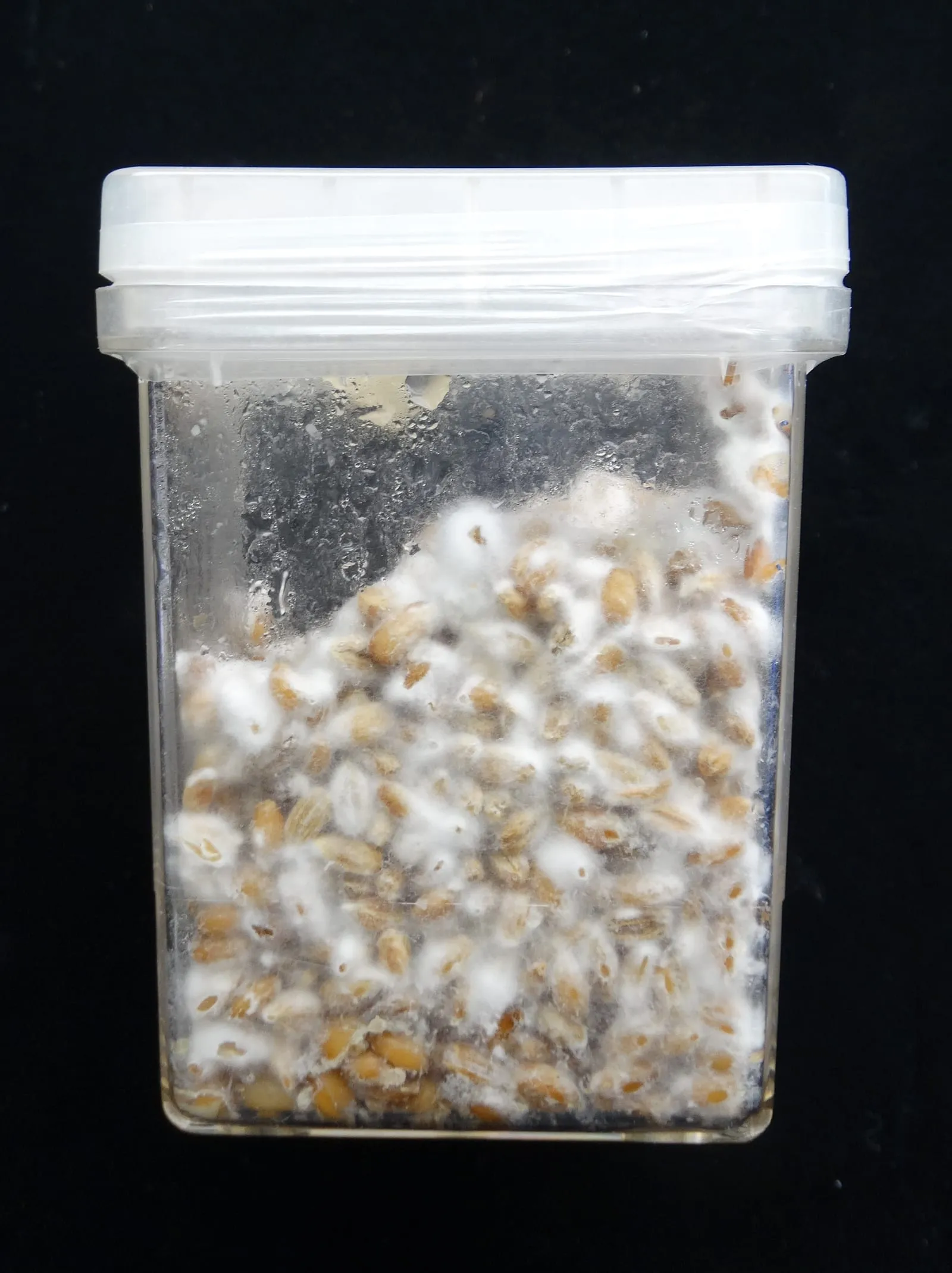
Fusarium oxysporum
Soil-borne fungal disease that plugs vascular tissue and kills affected plants. Persists in soil for many years; impossible to eliminate once established.
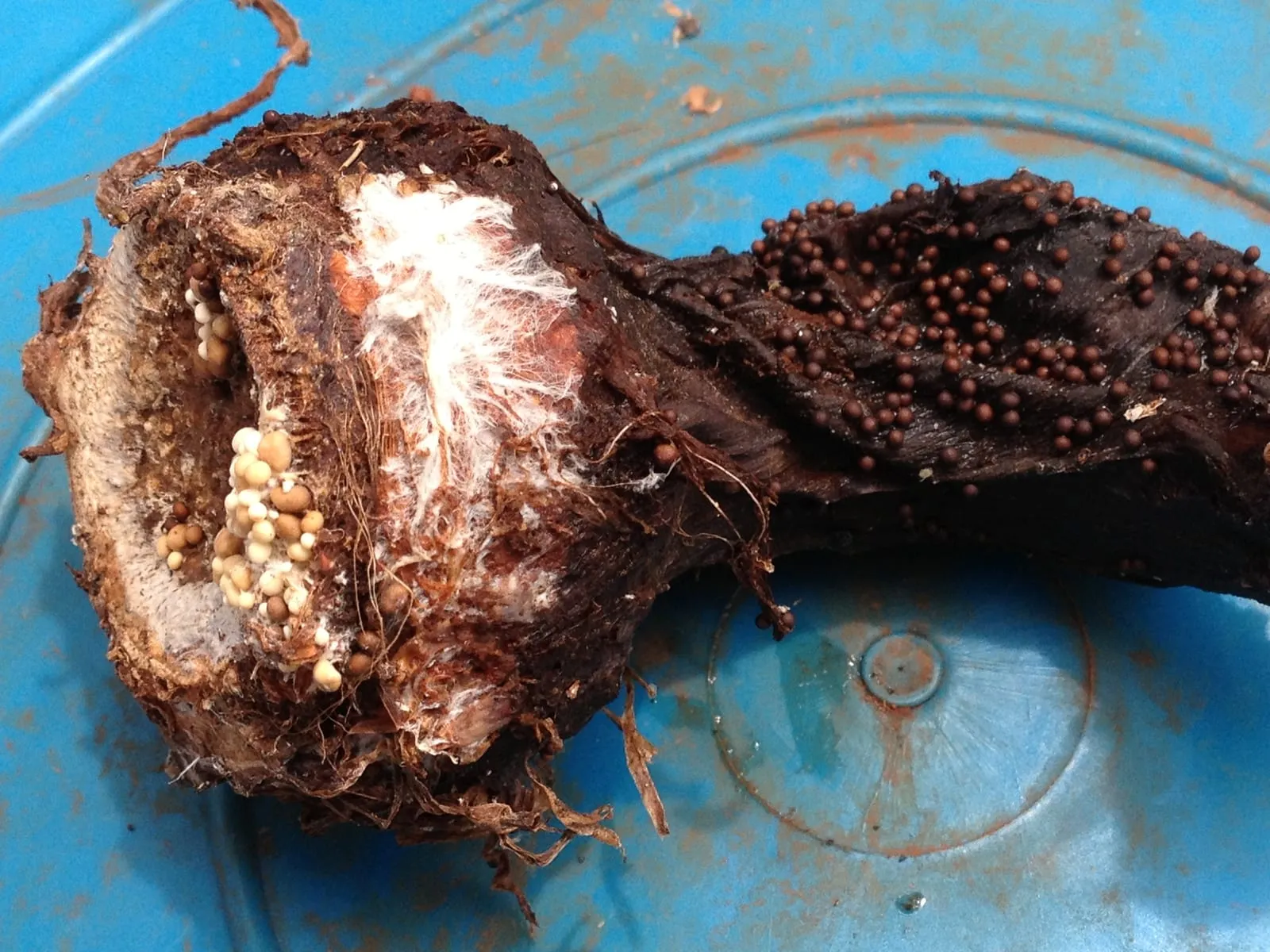
Sclerotium rolfsii
Soil-borne fungal disease most damaging in warm humid Southern conditions. White mycelial fans and small mustard-seed-sized sclerotia at the soil line are diagnostic.
Modified care for zone 7a
The main adjustment for zone 7a growers is managing Fusarium wilt, which builds in warm, humid soils and can devastate successive plantings in the same bed. Rotating okra to a fresh site every two to three years is the most effective control; there are no widely available resistant varieties among the standard zone 7a selections. Raised beds or well-amended beds with sharp drainage reduce wilt incidence by preventing the waterlogged conditions the pathogen favors.
Zone 7a's combination of summer humidity and warm nights also encourages foliar fungal issues. Spacing plants 18 to 24 inches apart improves airflow. Mulching suppresses soil splash, which spreads soilborne pathogens to lower leaves. No winter protection is needed; okra is grown as a warm-season annual and does not overwinter in zone 7a. Starting seeds indoors 3 to 4 weeks before transplant date is optional but can extend the harvest window by two to three weeks.
Frequently asked questions
- When should okra be direct-seeded in zone 7a?
Mid-May is the most reliable target in zone 7a. Soil temperatures at 2-inch depth should reach at least 65°F before sowing. Earlier plantings are possible after last frost if soil is warm enough, but germination in cold soil is slow and inconsistent.
- Which okra varieties perform well in zone 7a?
Clemson Spineless is the standard benchmark and handles zone 7a summers reliably. Burgundy adds ornamental value and performs similarly in heat. Jambalaya is a compact variety suited to smaller gardens or containers, with good heat tolerance.
- Is Fusarium wilt a serious problem for okra in zone 7a?
It can be. Fusarium wilt persists in soil for years and is more active in warm, moist conditions common to zone 7a summers. Crop rotation every two to three years is the primary management tool. Improving drainage and avoiding overwatering also reduces risk.
- How long does okra produce in zone 7a?
Most zone 7a growers can expect 10 to 14 weeks of harvest, from roughly mid-July through late October. Regular cutting every two to three days keeps pods at edible size and extends the production period until frost ends the season.
+−
+−
+−
+−
Okra in adjacent zones
Image: "Abelmoschus esculentus (1)", by Kristine Paulus from New York, United States, via Wikimedia Commons, licensed under CC-BY Source.
.jpg)
Related