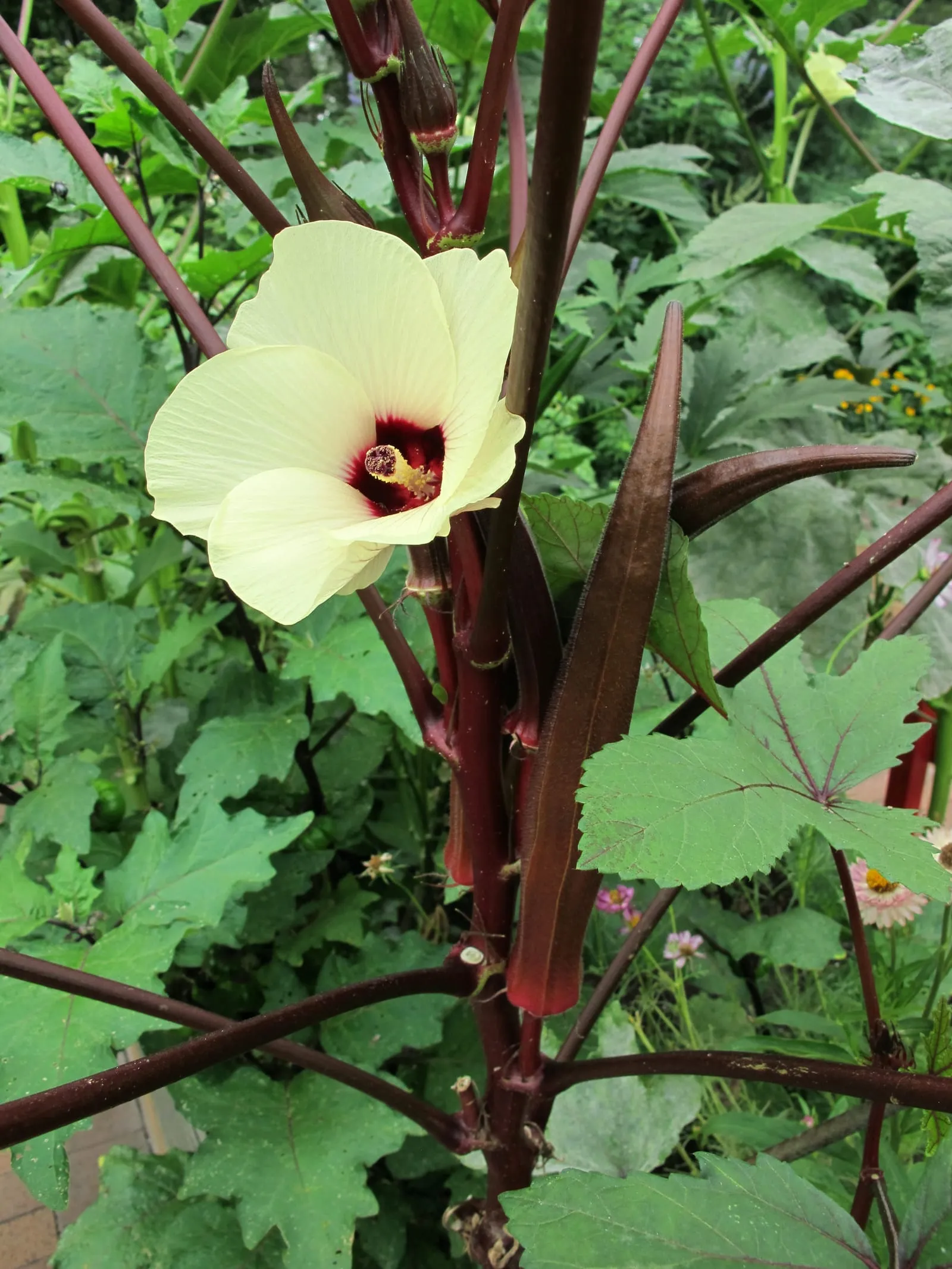
vegetable in zone 6b
Growing okra in zone 6b
Abelmoschus esculentus
- Zone
- 6b -5°F to 0°F
- Growing season
- 190 days
- Suitable varieties
- 3
- Days to harvest
- 55 to 75
The verdict
Okra is a heat-demanding crop that performs best in USDA zones 7 through 11, where long, hot summers allow it to reach full production. Zone 6b sits at the northern edge of reliable okra culture. Winter minimums of -5 to 0°F are not the limiting factor here; okra is a warm-season annual that dies at first frost regardless of zone. The real constraint is heat accumulation. Okra wants sustained soil temperatures above 65°F and air temperatures consistently in the 80s to set pods efficiently. Zone 6b's 190-day frost-free season is adequate on paper, but cool springs often compress the productive window to 90 to 110 days in practice.
This is a workable zone for okra with the right variety selection and site preparation, not a sweet spot. Gardeners in the warmer, south-facing microclimates of zone 6b will see better results than those in low-lying or shaded sites. Short-season varieties are not optional here; they are the baseline.
Recommended varieties for zone 6b
3 cultivars suited to this zone, with disease-resistance and zone-fit annotations.
| Variety | Notes | Zone fit | Disease resistance |
|---|---|---|---|
| Clemson Spineless fits zone 6b | Tender when small, classic okra flavor; long ribbed green pods. Gumbo, frying, pickling, roasting. AAS winner, productive, the home-garden standard. Pick at 2-4 inches for tenderness. | | none noted |
| Burgundy fits zone 6b | Tender, mild, classic okra flavor; deep red pods that turn green when cooked. Frying, pickling, ornamental edible. AAS winner, productive, handsome in mixed beds. | | none noted |
| Jambalaya fits zone 6b | Tender, mild; productive compact plants (3-4 ft) bred for shorter seasons and smaller gardens. Gumbo, frying, fresh. Earlier than Clemson Spineless, viable in zone 6. | | none noted |
Critical timing for zone 6b
The last spring frost in zone 6b typically falls between late April and mid-May depending on elevation and local topography. Okra should not be transplanted outdoors until soil temperature at 4-inch depth reaches at least 65°F, which often pushes planting into late May or even early June in cooler corners of the zone. Direct sowing into cold soil results in rotted seed, not delayed germination.
Pod production begins roughly 55 to 65 days after transplanting, placing first harvest in mid-July to early August for most zone 6b sites. The harvest window runs until the first fall frost, which arrives in late September to mid-October. That leaves a productive window of 6 to 10 weeks, enough for a useful yield but substantially shorter than the 14-plus weeks that southern growers expect.
Common challenges in zone 6b
- ▸ Cedar-apple rust
- ▸ Fire blight
- ▸ Stink bugs
Disease pressure to watch for
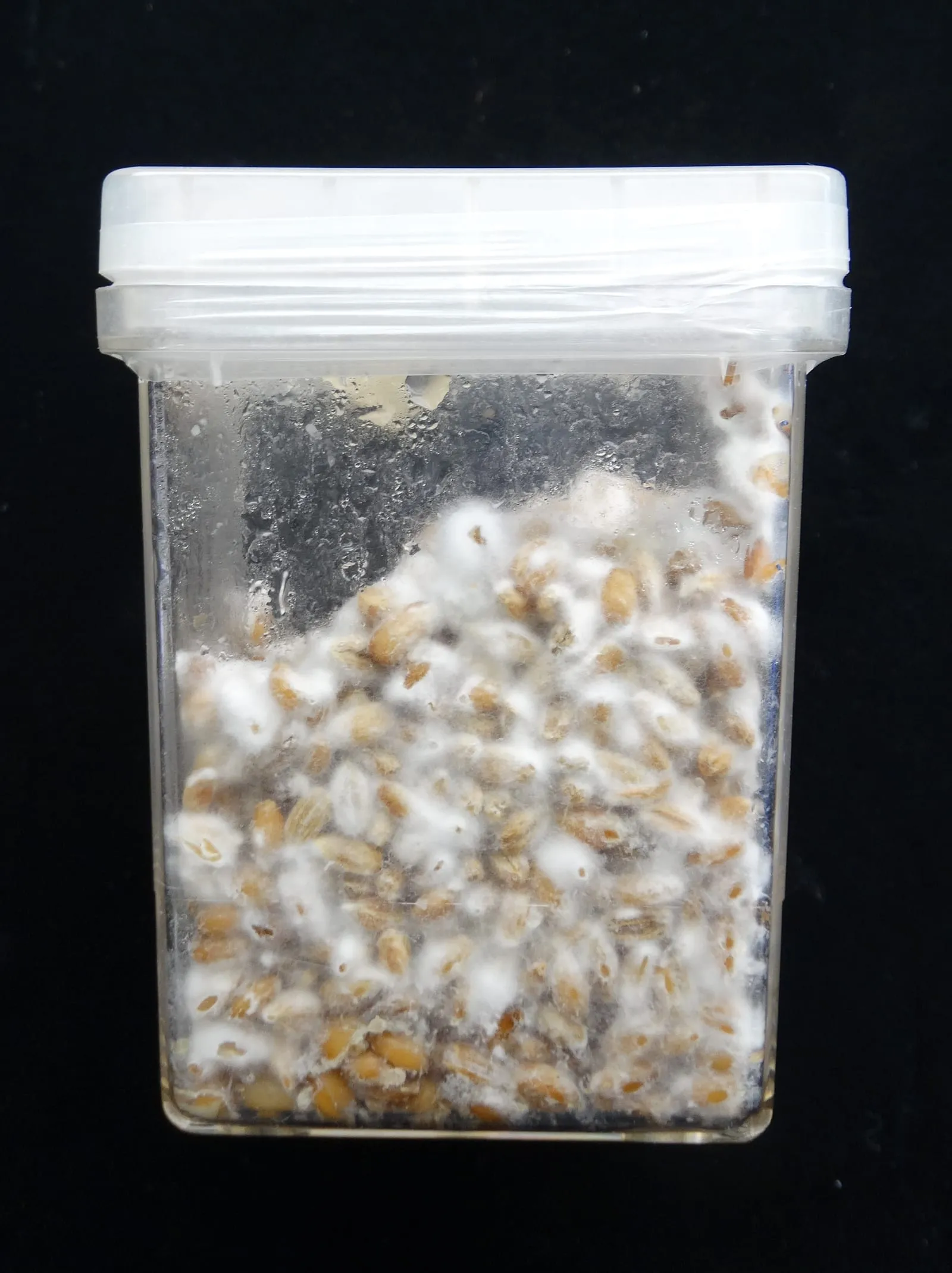
Fusarium oxysporum
Soil-borne fungal disease that plugs vascular tissue and kills affected plants. Persists in soil for many years; impossible to eliminate once established.
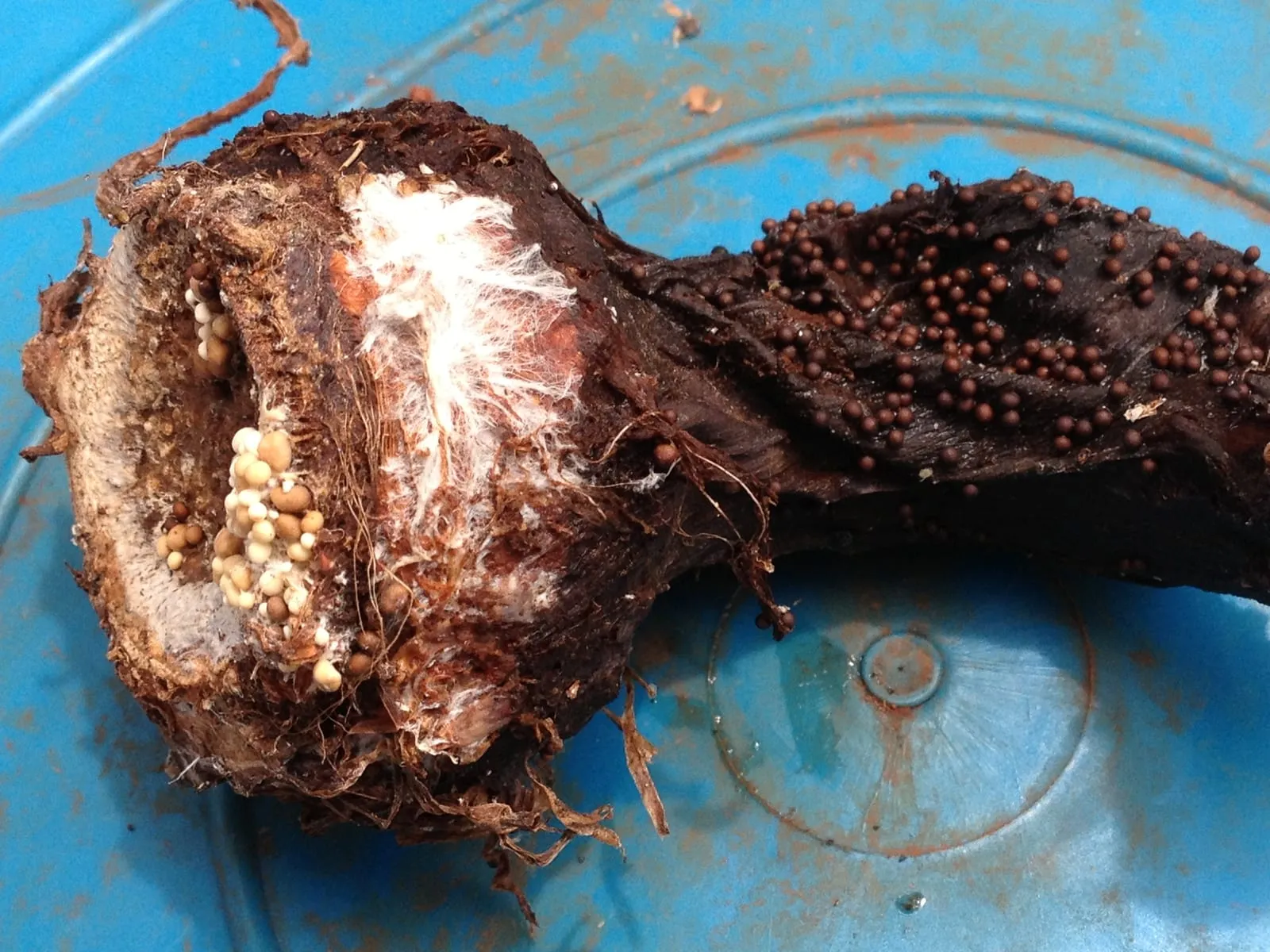
Sclerotium rolfsii
Soil-borne fungal disease most damaging in warm humid Southern conditions. White mycelial fans and small mustard-seed-sized sclerotia at the soil line are diagnostic.
Modified care for zone 6b
The primary adjustment in zone 6b is soil warming. Black plastic mulch laid 2 to 3 weeks before planting can raise soil temperature by 5 to 8°F and meaningfully extend the productive season. Starting transplants indoors 3 to 4 weeks before the outdoor planting date gives a head start without risking root disturbance, which okra handles poorly. Peat pots or soil blocks reduce transplant shock.
Variety selection matters more here than in warmer zones. Jambalaya's compact habit and 50-day maturity suit the compressed season. Clemson Spineless at 55 to 60 days is a reliable fallback. Fusarium wilt pressure increases when soils stay cool and wet in early summer, so avoid sites with poor drainage and rotate away from any bed where wilt appeared the prior season. Stink bug feeding causes scarring and deformed pods in midsummer; scout weekly once plants begin flowering and manage populations before they peak.
Frequently asked questions
- Is zone 6b too cold to grow okra successfully?
Zone 6b is at the northern edge of reliable okra production, not beyond it. The limiting factor is heat accumulation, not winter cold. With soil-warming techniques and short-season varieties like Jambalaya, growers in zone 6b can expect 6 to 10 weeks of harvest.
- Which okra variety works best in zone 6b?
Jambalaya (approximately 50 days to harvest) is the best fit for zone 6b's compressed season. Clemson Spineless at 55 to 60 days is a solid alternative and widely available. Burgundy performs similarly to Clemson Spineless and offers visual interest in the garden.
- When should okra be planted outdoors in zone 6b?
Transplant or direct sow only after soil temperature at 4-inch depth reaches 65°F, which typically falls in late May to early June in zone 6b. Planting into cool soil causes seed rot and poor establishment. Starting transplants indoors 3 to 4 weeks before the outdoor date is recommended.
- What is fusarium wilt and how does it affect okra?
Fusarium wilt is a soilborne fungal disease that causes yellowing, wilting, and eventual plant death. It is most problematic in poorly drained or compacted soils. There is no chemical cure once a plant is infected; prevention relies on crop rotation and selecting well-drained sites.
+−
+−
+−
+−
Okra in adjacent zones
Image: "Abelmoschus esculentus (1)", by Kristine Paulus from New York, United States, via Wikimedia Commons, licensed under CC-BY Source.
.jpg)
Related