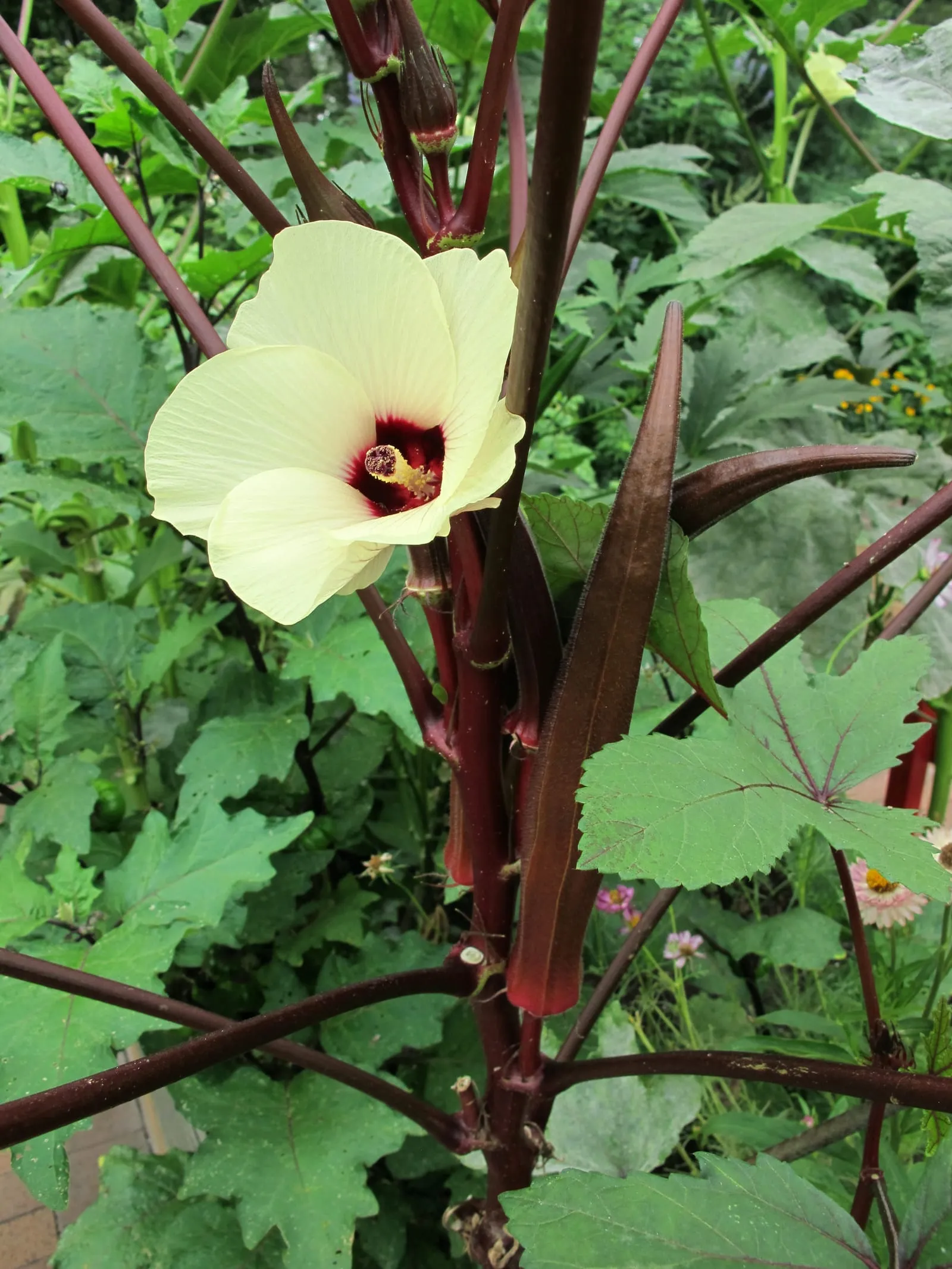
vegetable in zone 6a
Growing okra in zone 6a
Abelmoschus esculentus
- Zone
- 6a -10°F to -5°F
- Growing season
- 180 days
- Suitable varieties
- 2
- Days to harvest
- 55 to 75
The verdict
Okra is a marginal crop in zone 6a. The plant is native to tropical Africa and performs most reliably in zones 7 through 11, where summer heat is sustained and the warm season runs long. Zone 6a's 180-day growing season is workable, but the limiting factor is not cold tolerance in winter (okra is grown as an annual) but accumulated heat. Okra needs soil temperatures above 65°F to germinate reliably and air temperatures consistently above 75°F for strong pod production. In zone 6a, those conditions typically don't arrive until late May or early June, compressing the productive window to roughly 10 to 12 weeks before fall cooling sets in.
Variety selection matters more here than in warmer zones. Jambalaya, a compact early-producer, and Burgundy, which tends to set pods even under uneven heat, both favor the shorter warm season. Growers who choose a slow-maturing variety risk a light harvest in a cool summer.
Recommended varieties for zone 6a
2 cultivars suited to this zone, with disease-resistance and zone-fit annotations.
| Variety | Notes | Zone fit | Disease resistance |
|---|---|---|---|
| Burgundy fits zone 6a | Tender, mild, classic okra flavor; deep red pods that turn green when cooked. Frying, pickling, ornamental edible. AAS winner, productive, handsome in mixed beds. | | none noted |
| Jambalaya fits zone 6a | Tender, mild; productive compact plants (3-4 ft) bred for shorter seasons and smaller gardens. Gumbo, frying, fresh. Earlier than Clemson Spineless, viable in zone 6. | | none noted |
Critical timing for zone 6a
In zone 6a, the last spring frost typically falls between April 15 and May 10, depending on local topography and elevation. Direct-sowing okra seed into the ground is not practical until soil temperature at 2-inch depth reaches 65°F, which usually happens in late May. Starting transplants indoors 4 to 6 weeks before last frost (roughly late March to mid-April) and setting them out after frost risk passes gives plants a meaningful head start.
First bloom typically appears 45 to 55 days after transplanting, putting it in mid to late July. Pods are ready to harvest 4 to 6 days after bloom. The first fall frost in zone 6a arrives around mid-October, leaving a productive harvest window of roughly 8 to 10 weeks if plants establish well. A cool, wet August can shorten that window considerably.
Common challenges in zone 6a
- ▸ Brown rot in stone fruit
- ▸ Japanese beetles
- ▸ Spring frost damage to peach buds
Disease pressure to watch for
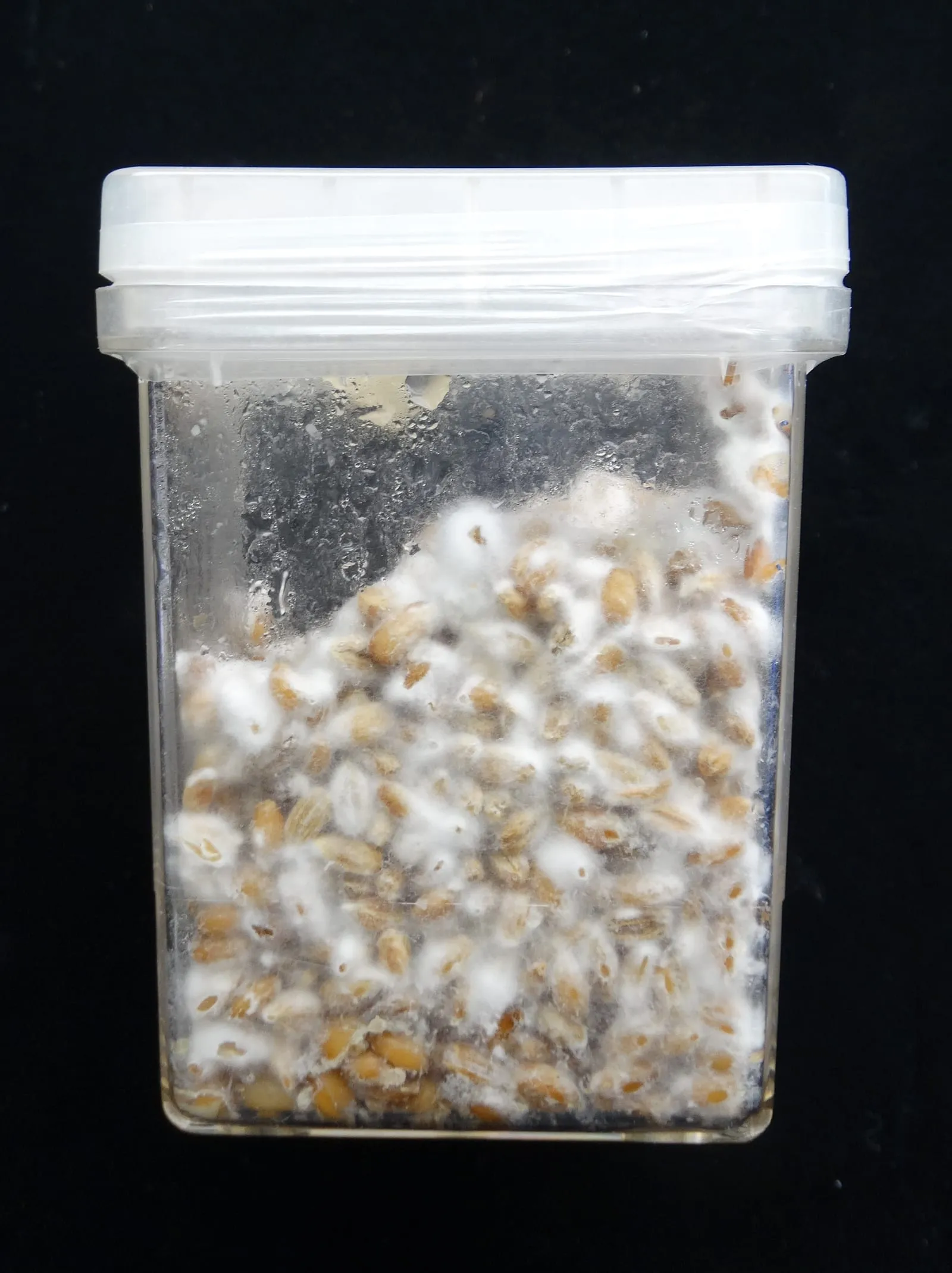
Fusarium oxysporum
Soil-borne fungal disease that plugs vascular tissue and kills affected plants. Persists in soil for many years; impossible to eliminate once established.
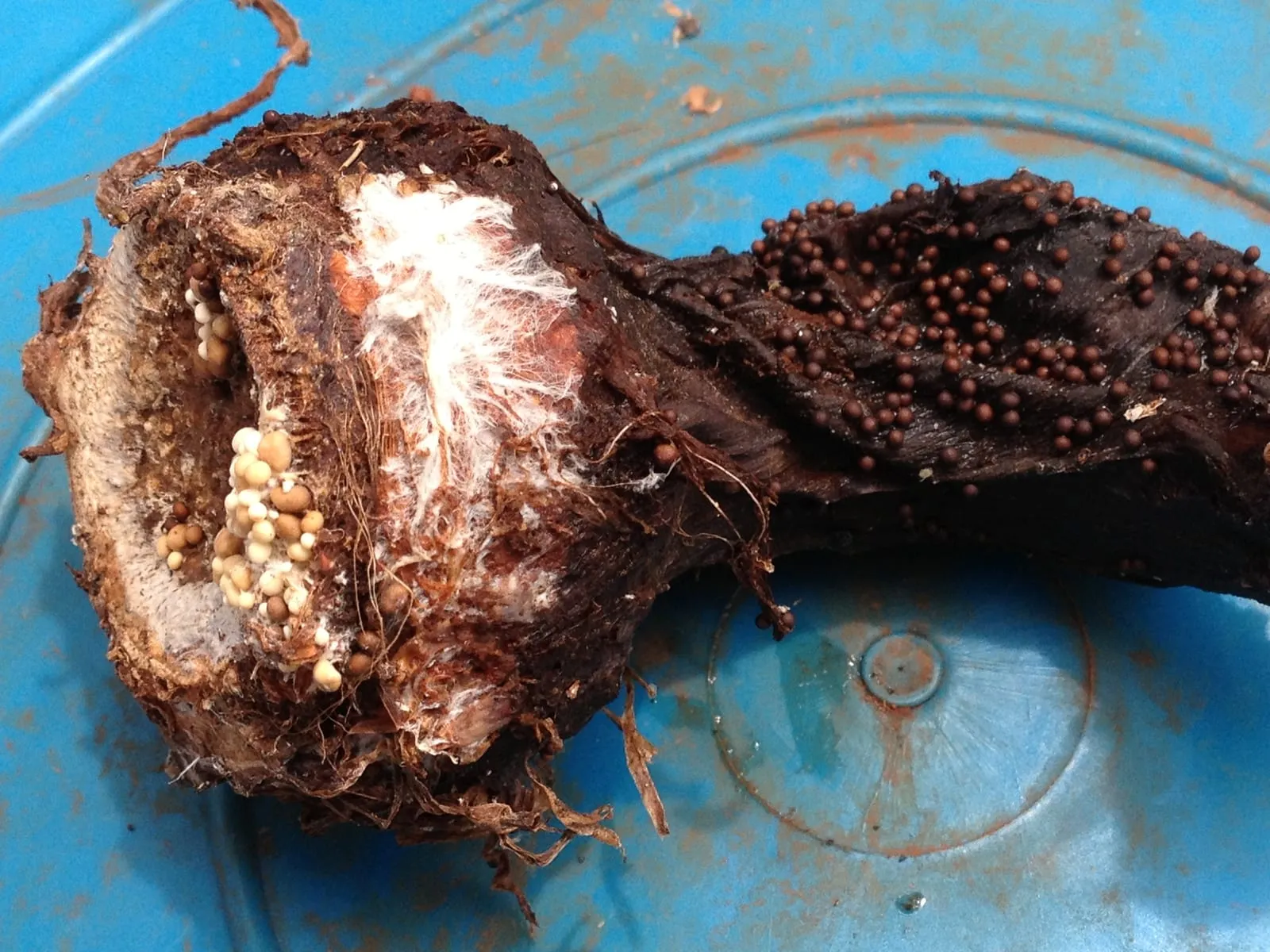
Sclerotium rolfsii
Soil-borne fungal disease most damaging in warm humid Southern conditions. White mycelial fans and small mustard-seed-sized sclerotia at the soil line are diagnostic.
Modified care for zone 6a
The primary adaptation in zone 6a is soil warming. Laying black plastic mulch two weeks before transplanting raises soil temperature by 5 to 10°F and keeps it there through cool stretches. This alone can extend the effective growing window by two to three weeks. Avoid planting okra where Fusarium Wilt has been a problem; the pathogen persists in soil for multiple seasons and there is no curative treatment once plants are infected. A minimum three-year rotation out of okra (and out of other susceptible crops in the same family) is the standard recommendation from land-grant extension programs.
Okra in zone 6a rarely faces the heat stress that growers in the Gulf South manage, so summer shade is not a concern. The bigger risk is a cool, overcast July that slows pod development. Row cover in early summer, removed once temperatures stabilize above 75°F, can protect transplants from cold nights and accelerate early growth.
Frequently asked questions
- Can okra survive in zone 6a?
Okra can produce a reasonable harvest in zone 6a with the right approach: early transplanting, soil-warming mulch, and early-maturing varieties like Jambalaya. It is a marginal zone for the crop. Cool summers or a late spring frost will noticeably reduce yield.
- What is the best way to start okra in zone 6a?
Start seeds indoors 4 to 6 weeks before the last frost date (roughly late March to mid-April in most of zone 6a). Transplant after frost risk passes and soil has warmed to at least 65°F. Direct seeding into cold soil leads to poor germination and wastes the short warm season.
- How do I prevent Fusarium Wilt in okra?
Fusarium Wilt is soil-borne and has no effective in-season treatment. Rotate okra to a new bed on a three- to four-year cycle, remove and dispose of infected plants promptly, and avoid working wet soil where the fungus spreads easily.
+−
+−
+−
Okra in adjacent zones
Image: "Abelmoschus esculentus (1)", by Kristine Paulus from New York, United States, via Wikimedia Commons, licensed under CC-BY Source.
.jpg)
Related