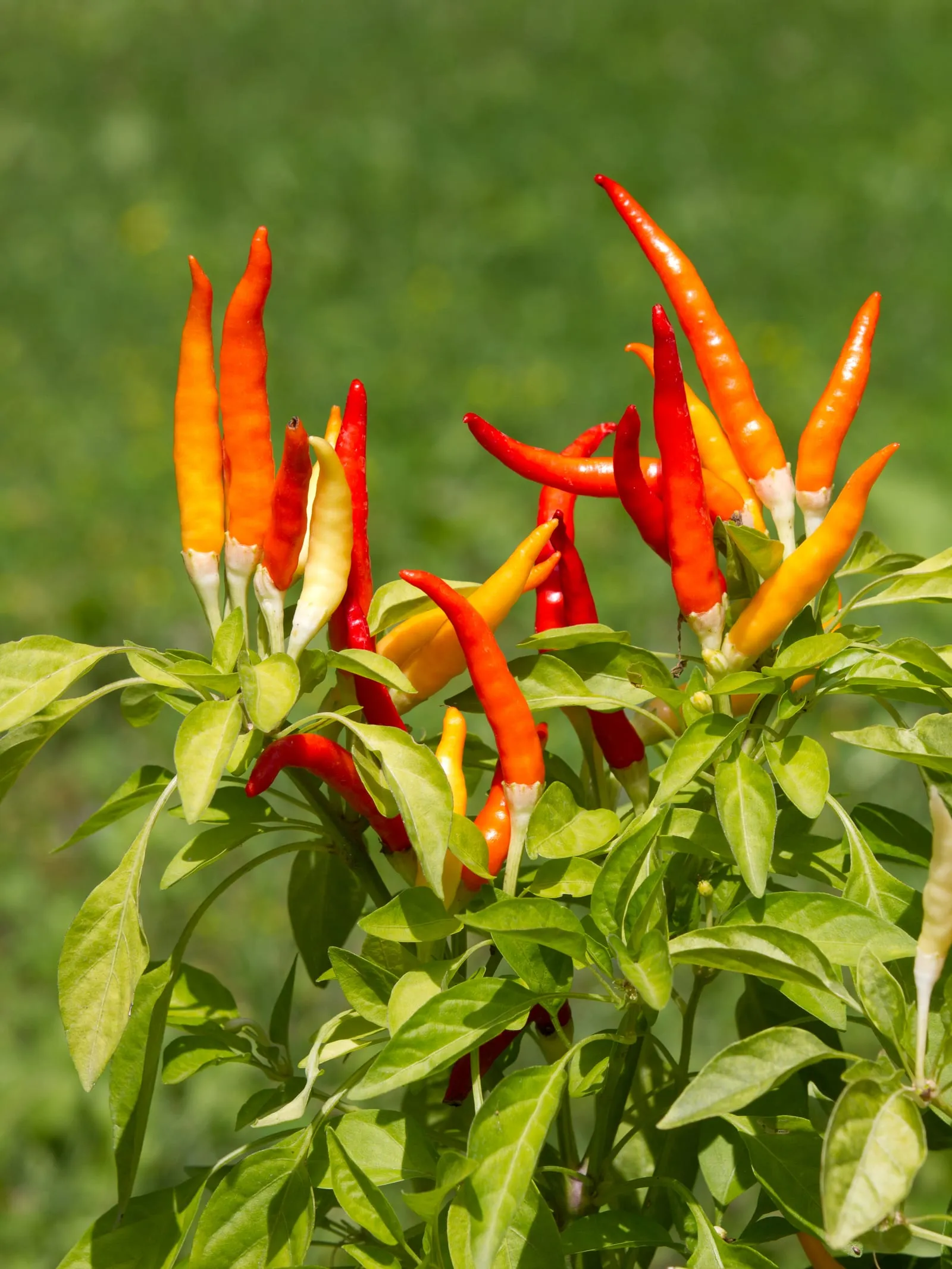
vegetable in zone 8a
Growing hot pepper in zone 8a
Capsicum species
- Zone
- 8a 10°F to 15°F
- Growing season
- 240 days
- Suitable varieties
- 5
- Days to harvest
- 70 to 110
The verdict
Zone 8a is a strong fit for hot peppers. Unlike tree fruits, peppers require no chill hours, so the zone's mild winters impose no compatibility ceiling. The 240-day growing season comfortably accommodates even slow-maturing varieties like Habanero, which can take 90 to 110 days from transplant to full ripeness. The warm summers that create heat stress for cool-season crops actually benefit capsaicin development, since heat and moderate drought stress during fruit maturation concentrate pungency. Jalapeño and Cayenne are reliable producers here; Habanero and Thai Hot reach full heat potential in ways that shorter-season zones rarely allow. Poblano performs consistently as well, though its thicker walls make it more susceptible to bacterial spot during humid stretches. Zone 8a sits near the center of hot pepper's productive range in North America, not on the margins.
Recommended varieties for zone 8a
5 cultivars suited to this zone, with disease-resistance and zone-fit annotations.
| Variety | Notes | Zone fit | Disease resistance |
|---|---|---|---|
| Jalapeño fits zone 8a | Medium heat (2,500-8,000 SHU), grassy-bright flavor; thick-walled green pepper. Fresh, pickled, smoked into chipotle. The benchmark home-garden hot pepper, reliable across most US zones. | | none noted |
| Habanero fits zone 8a | Searing heat (100,000-350,000 SHU) with tropical-fruit notes; lantern-shaped orange pepper. Hot sauces, salsas, drying. Slow to ripen, needs full season heat. | | none noted |
| Cayenne fits zone 8a | Sharp clean heat (30,000-50,000 SHU), thin red pod; drying, ground powder, sauces. Productive, easy to dry on the plant or strung in ristras. | | none noted |
| Poblano fits zone 8a | Mild-medium heat (1,000-2,000 SHU) with rich earthy flavor; large dark green wall. Stuffed (chiles rellenos), roasted, dried as ancho. Productive, large plant. | | none noted |
| Thai Hot fits zone 8a | Sharp clean heat (50,000-100,000 SHU), small red upright pods; drying, fresh in stir-fry, infused oils. Compact plant, ornamental as well as productive. | | none noted |
Critical timing for zone 8a
In zone 8a, start hot pepper seeds indoors 8 to 10 weeks before the average last frost date, which falls between late February and mid-March across most of the zone. Transplant outdoors once nighttime temperatures reliably stay above 55°F, typically April. Flowering begins in June for early-started transplants. Fruit set continues through summer, with peak harvest running August through October. The first fall frost in zone 8a typically arrives in mid to late November, leaving a long harvest window after the main summer flush. Habanero and other late-maturing types benefit from this extended season, often producing a second wave of fruit in September after summer's peak heat passes.
Common challenges in zone 8a
- ▸ Insufficient chill hours for some apple varieties
- ▸ Pierce's disease in grapes
- ▸ Heat stress on cool-season crops
Disease pressure to watch for
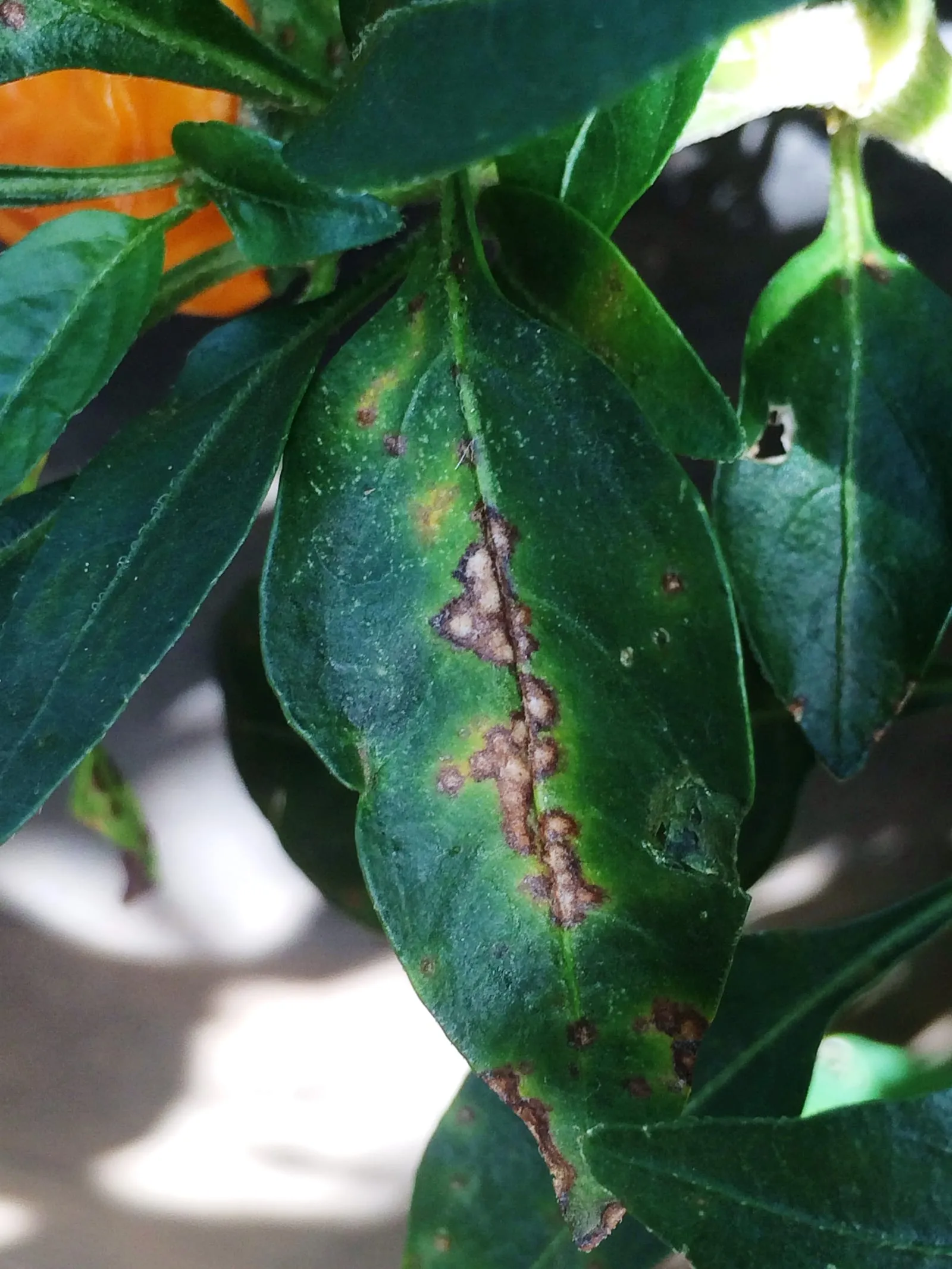
Xanthomonas euvesicatoria and X. perforans
Bacterial disease causing leaf spots and fruit blemishes on pepper and tomato. Severe in warm humid weather, transmitted via splashing water and seed.
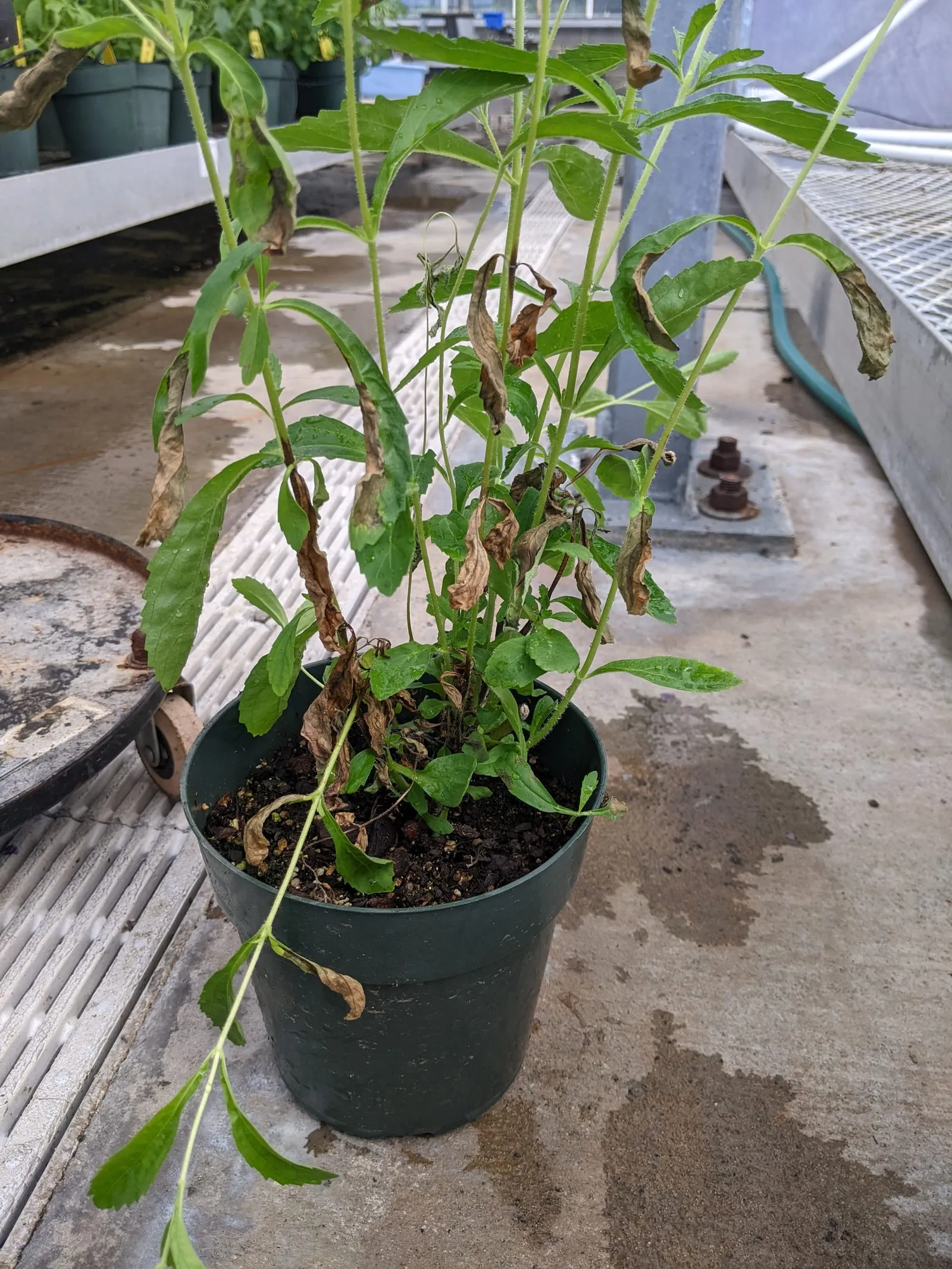
Tomato spotted wilt orthotospovirus (TSWV)
Virus vectored by thrips, particularly western flower thrips. Wide host range and growing global distribution. No cure once infected.
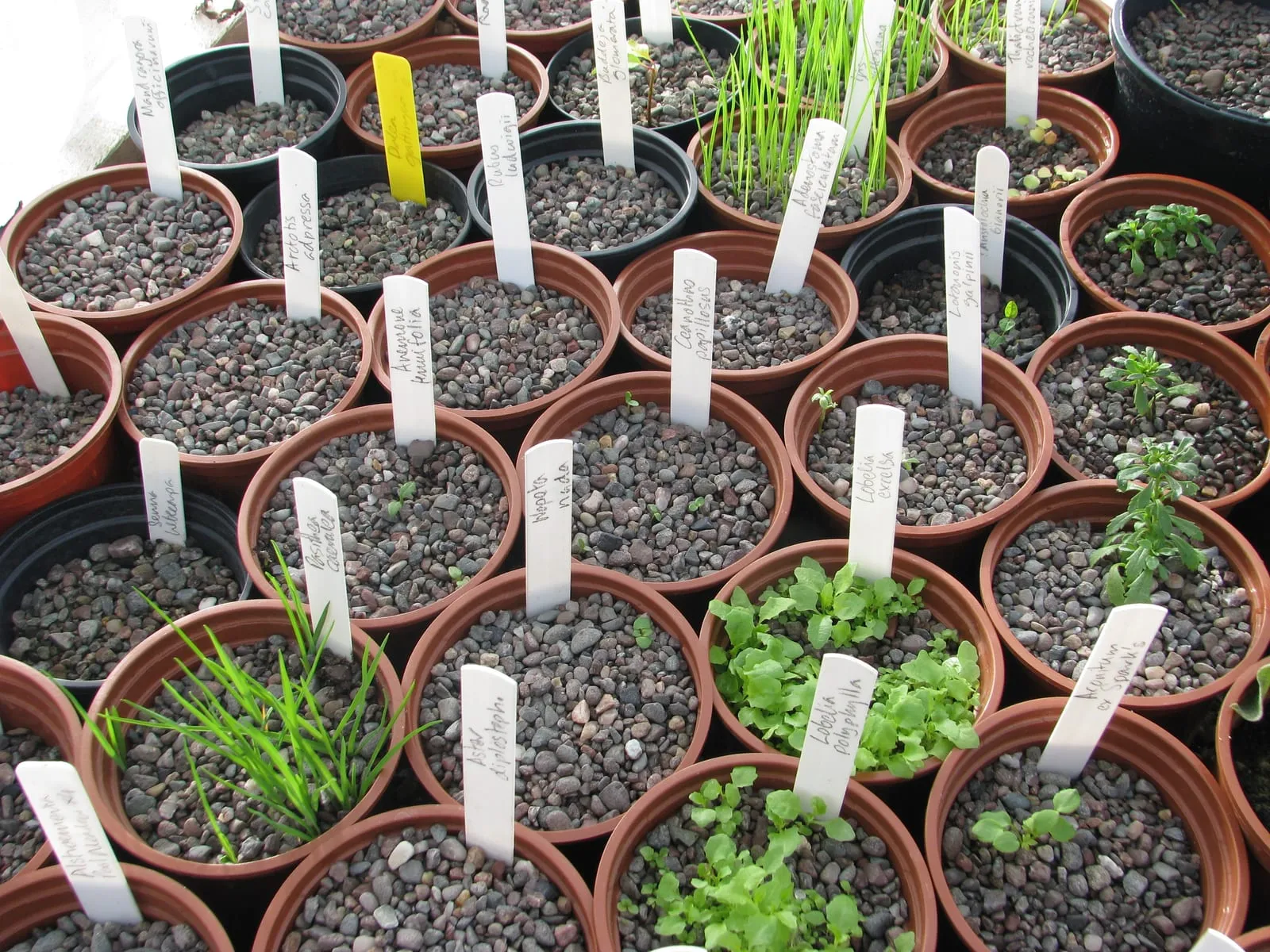
Pythium and Rhizoctonia species
Soil-borne complex of water molds and fungi that kill seedlings before or shortly after emergence. The single most common cause of seed-starting failures.
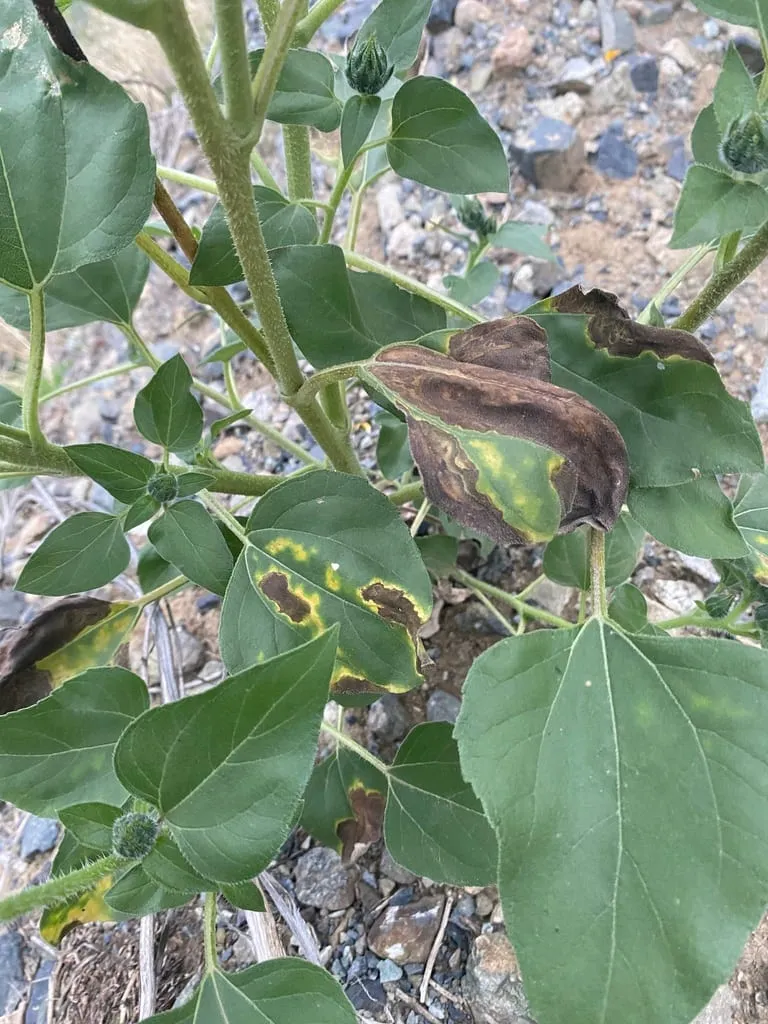
Verticillium dahliae
Soil-borne fungal disease similar to fusarium wilt but with broader host range and cooler temperature optimum. Persists in soil for 10+ years.
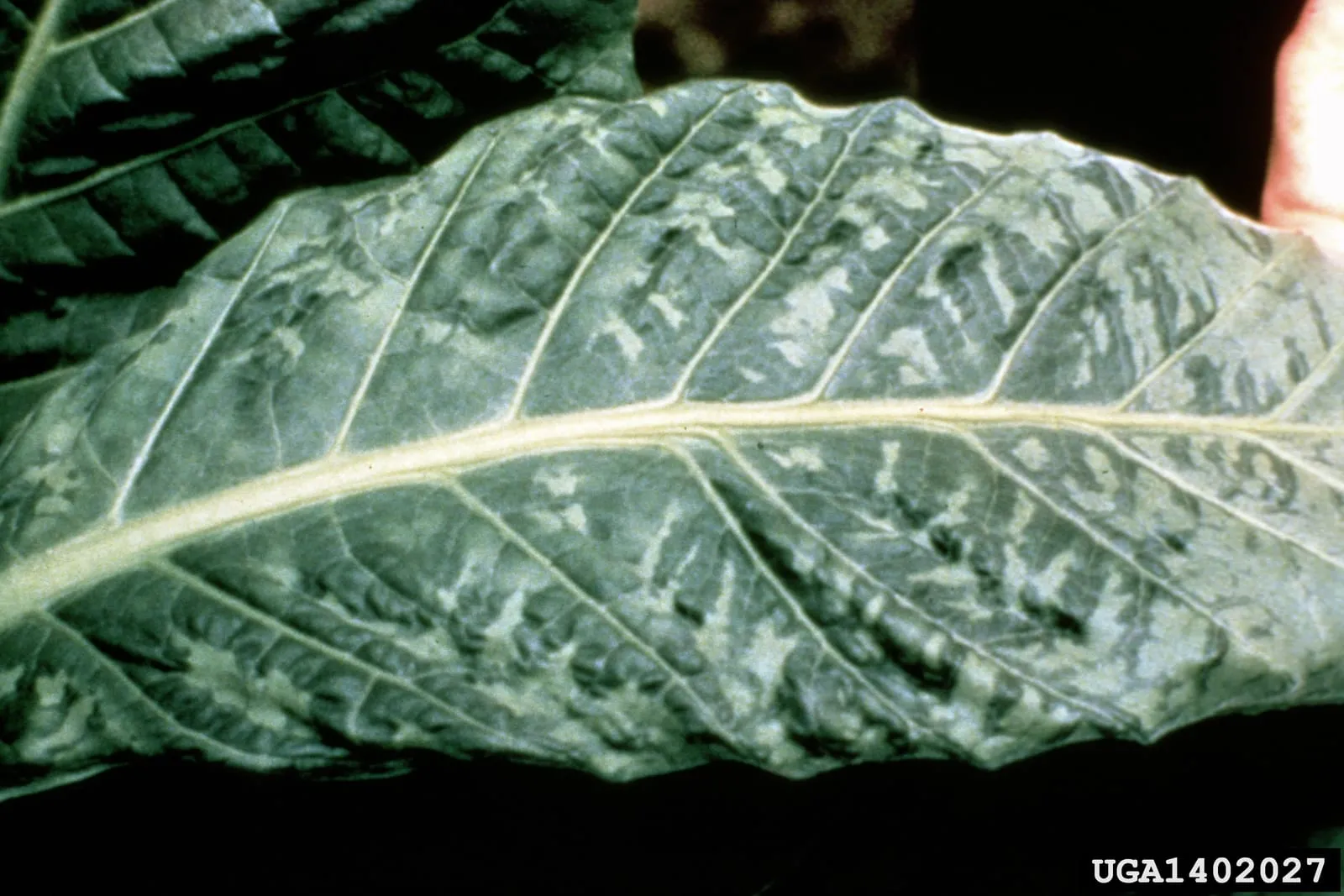
Cucumber mosaic virus, Tobacco mosaic virus, and others
Family of plant viruses producing mottled yellow-and-green leaf patterns. Vectored primarily by aphids; some are seed-transmitted or spread by handling tools and tobacco products.
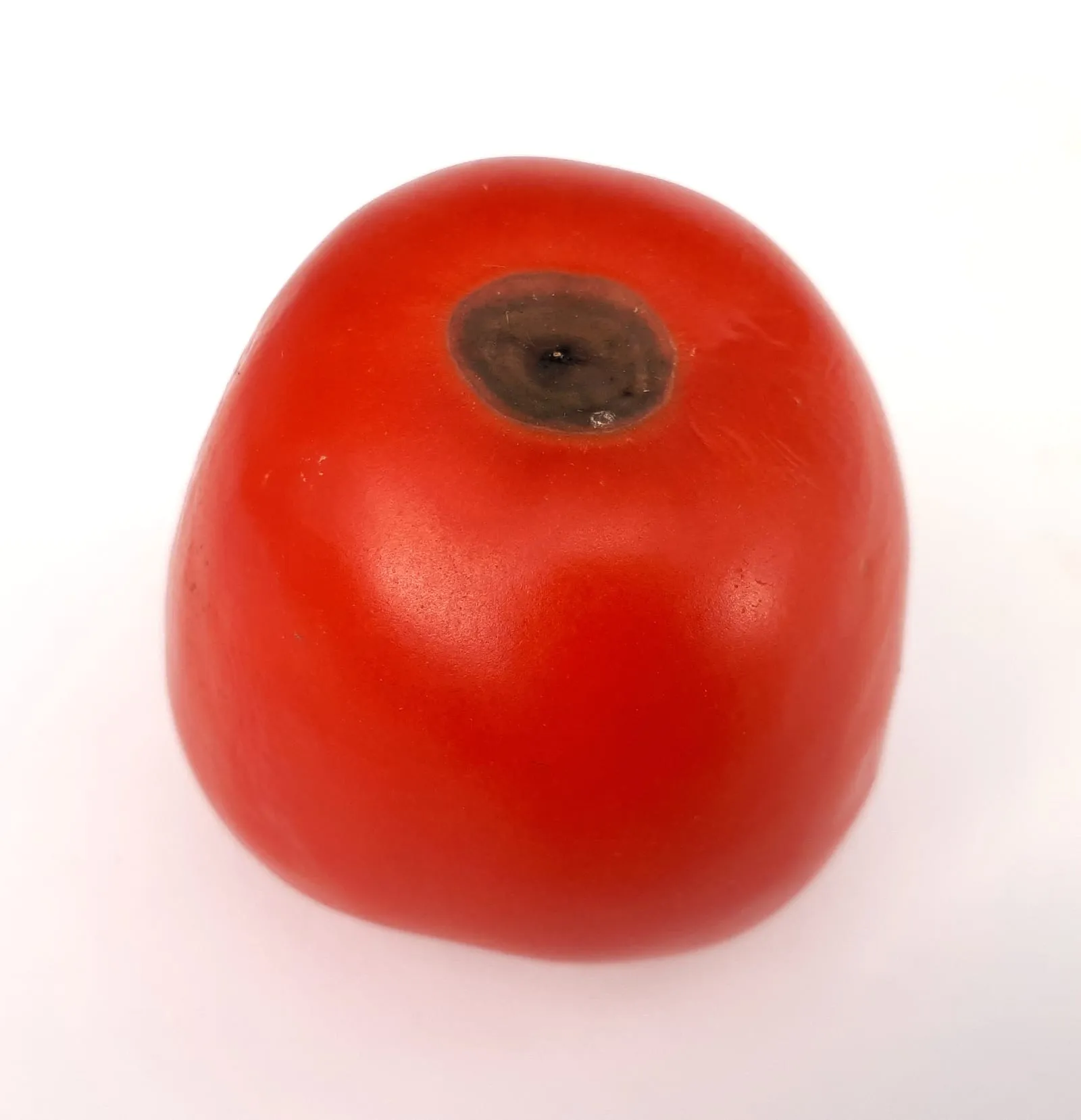
Calcium deficiency physiological disorder
Not a true disease but a calcium-uptake disorder caused by inconsistent soil moisture during fruit development. The dominant cause of damaged first-fruit on home tomato plantings.
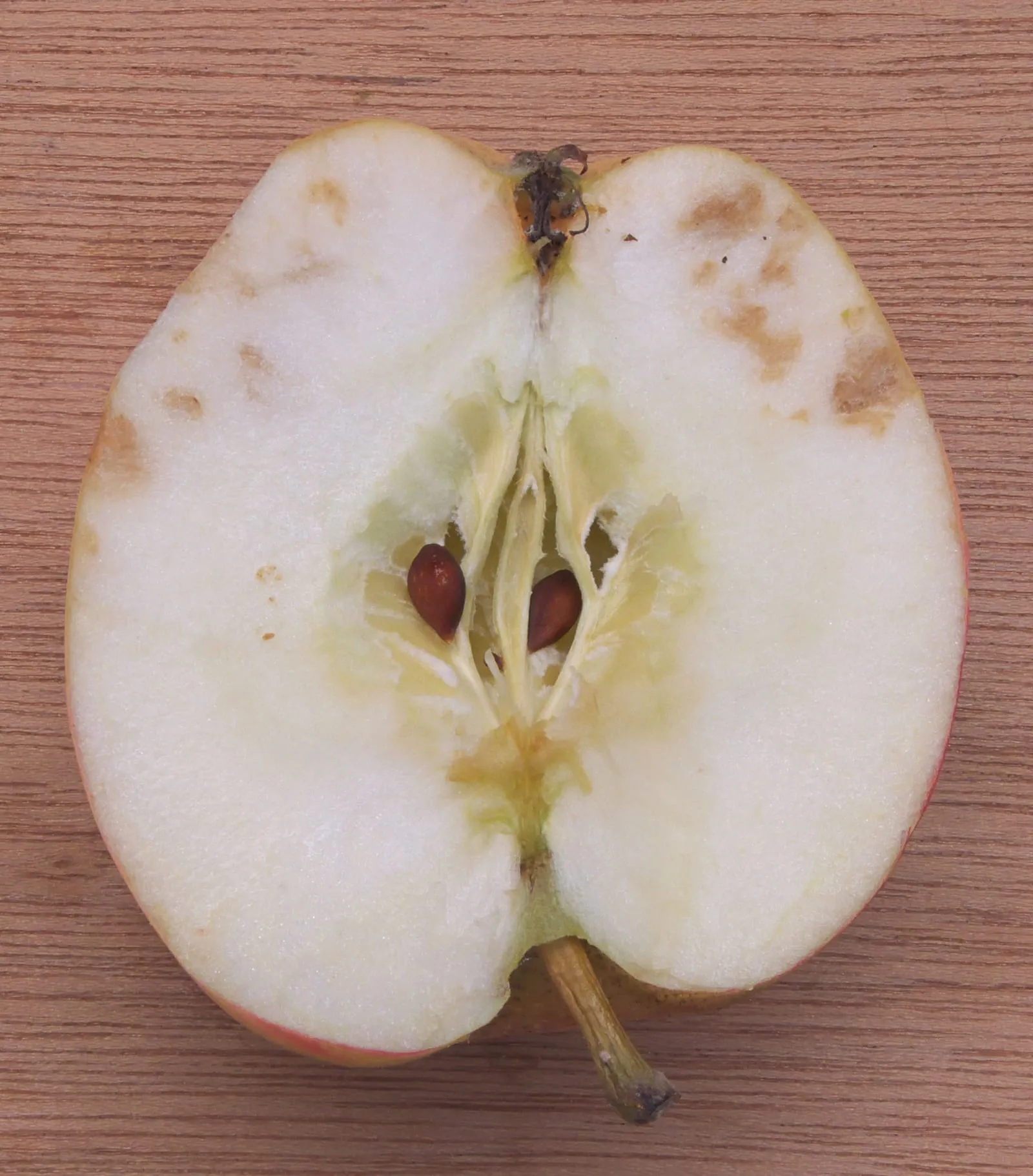
Physiological disorder
Damage from direct intense sun exposure on fruit or bark, particularly on plants suddenly exposed by pruning, defoliation, or hot weather. Distinct from sunburn (which is reversible).
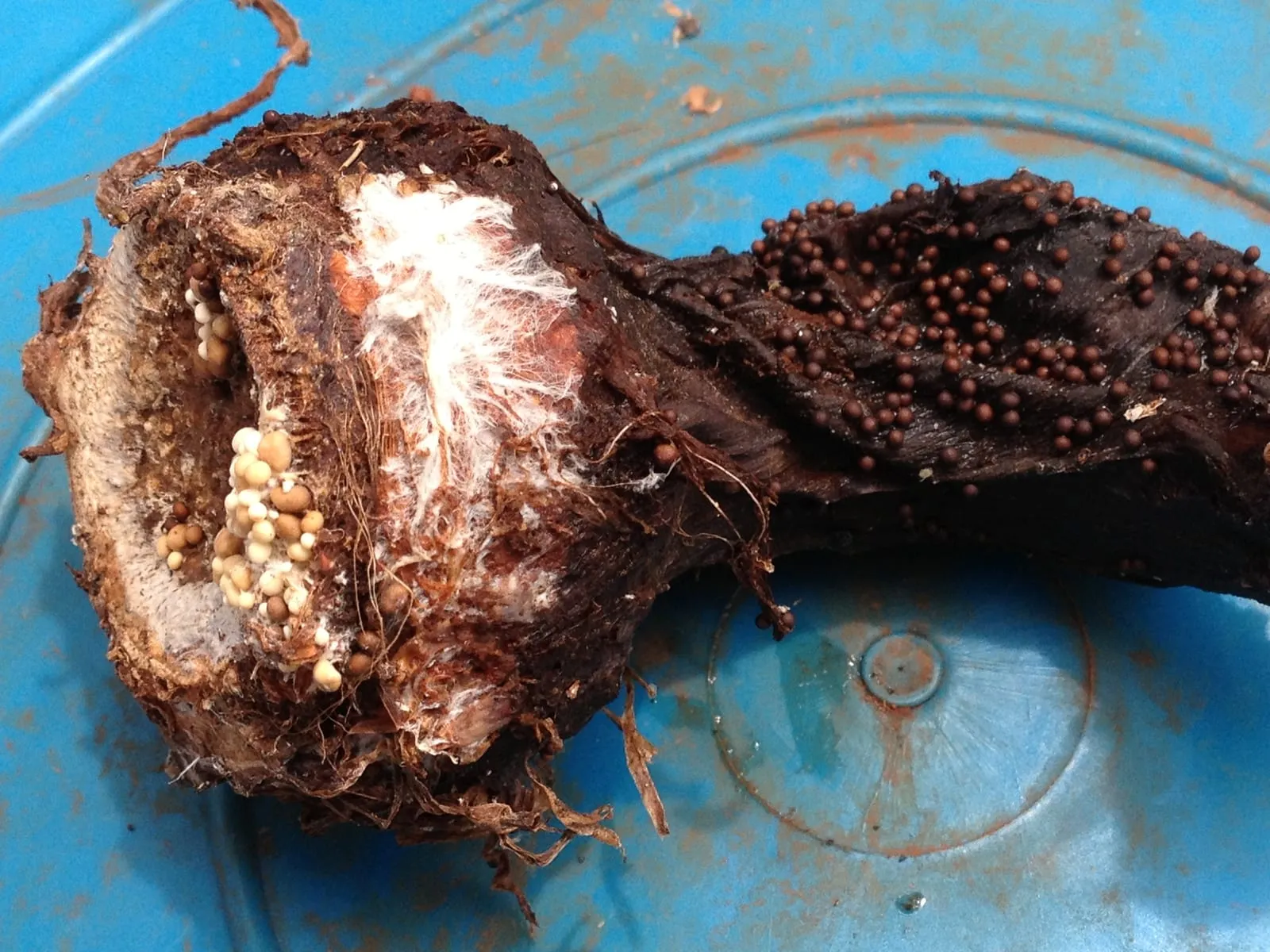
Sclerotium rolfsii
Soil-borne fungal disease most damaging in warm humid Southern conditions. White mycelial fans and small mustard-seed-sized sclerotia at the soil line are diagnostic.
Modified care for zone 8a
The primary adaptation in zone 8a is managing summer heat rather than cold. Extended periods above 95°F can cause blossom drop, so consistent soil moisture through July and August becomes critical. A 3-inch layer of organic mulch reduces soil temperature and limits moisture loss between watering cycles. Bacterial spot pressure increases in humid summers, particularly on Poblano and thick-walled varieties. Reduce leaf wetness by irrigating at the base rather than overhead, and scout weekly once temperatures climb above 85°F. Tomato Spotted Wilt Virus, transmitted by thrips, is a recurring concern in the Southeast and lower South. Managing thrips populations with reflective mulch early in the season and removing infected plants promptly limits spread. No winter protection is needed in most of zone 8a; plants may survive a mild winter as short-lived perennials, though replanting annually produces more reliable yields.
Frequently asked questions
- Can hot peppers overwinter in zone 8a?
In most of zone 8a, hot pepper plants can survive mild winters if temperatures stay above 28°F, but they rarely produce reliably in their second year. Most growers treat them as annuals and replant each spring for more predictable yields.
- Why are my hot pepper flowers dropping in July?
Blossom drop during peak summer heat is common when daytime temperatures exceed 95°F or nighttime temperatures stay above 75°F. The plant is not failing; it will typically resume fruit set once temperatures moderate in late August.
- Which hot pepper variety matures fastest in zone 8a?
Jalapeño and Cayenne are among the quickest to produce, reaching harvest in 70 to 80 days from transplant. Habanero and Thai Hot take 90 to 110 days but benefit from zone 8a's long season.
+−
+−
+−
Hot Pepper in adjacent zones
Image: "Capsicum annuum var. Fiesta - MHNT", by PierreSelim, via Wikimedia Commons, licensed under CC-BY Source.

Related