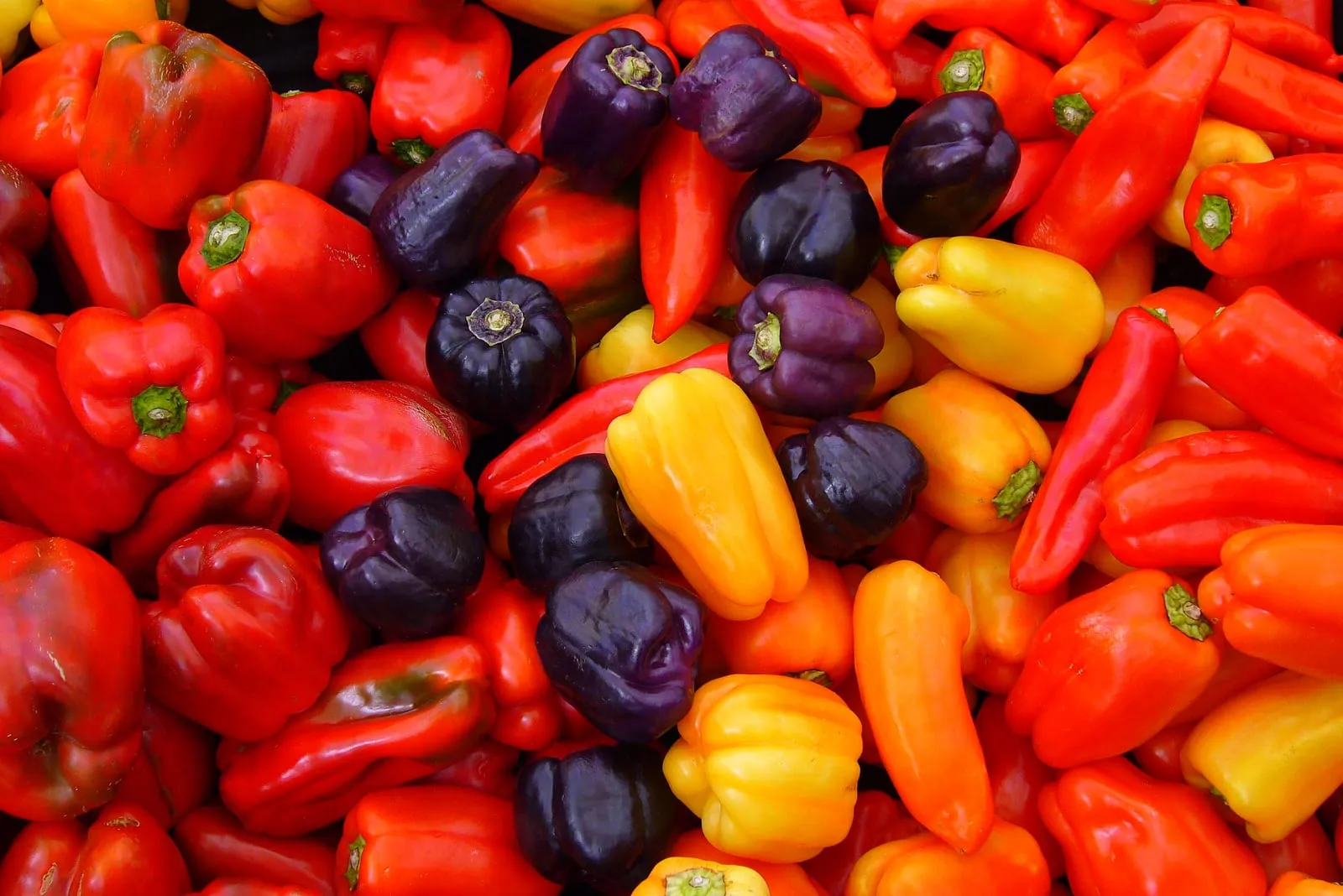
vegetable
Sweet Pepper
Capsicum annuum
USDA hardiness range
- Zones
- 4a–10b
- Days to harvest
- 60 to 90
- Sun
- Full
- Water
- Moderate
- Lifespan
- annual
Growing sweet pepper
Sweet pepper (Capsicum annuum) is a warm-season annual grown across USDA zones 4a through 10b, though productive crops depend on consistently warm temperatures and a growing season long enough to carry fruits from transplant to full color. Days to harvest range from 60 to 90 depending on variety and the target ripeness stage: green bell-type fruits can be harvested at 60 to 75 days after transplant, while fully ripened red, yellow, or orange fruits typically need 80 to 90 days of warm growing conditions.
In zones 4 through 6, season length is the binding constraint. Soil must reach at least 65°F before transplants will establish without stalling, and a late frost that sets back young plants can eliminate weeks of progress. Starting transplants 8 to 10 weeks before the last frost date indoors is not optional in the northern end of the range. In zones 9 and 10, the opposite problem appears: extended heat above 95°F causes blossom drop and interrupts fruit set. Production typically pauses in midsummer and resumes when temperatures moderate in early fall.
Zones 6b through 8b represent the most reliably productive range, where adequate warmth, manageable summer extremes, and sufficient season length allow most varieties to produce heavily without special intervention. Varieties like Carmen and Lipstick were developed specifically for shorter or cooler seasons, making them better choices than the standard California Wonder at the northern end of the zone range. See the Cornell Pepper Production Guide for variety-by-region performance data.
Recommended varieties
See all 5 →5 cultivars for home growers, with notes on flavor, ripening, and disease resistance.
| Variety | Notes | Zone fit | Disease resistance |
|---|---|---|---|
| California Wonder | Mild, sweet, classic green-then-red bell pepper; thick crisp walls. Fresh slicing, stuffing, roasting. Open-pollinated heritage standard, reliable in most home gardens. | | none noted |
| Carmen | Sweet, fruity, slightly smoky; long red Italian frying pepper. Sauteing, roasting, fresh slicing. AAS winner, productive, ripens reliably even in short seasons. | | none noted |
| Lipstick | Very sweet, juicy, thick-walled red conical pepper; outstanding fresh-eating quality. Salads, fresh, roasting. Productive even in cooler short-season areas. | | none noted |
| Sweet Banana | Mild-sweet, tangy, pale yellow tapered pepper turning red; Hungarian-style. Fresh, pickling, frying. Heavy producer, easy beginner variety. | | none noted |
| Shishito | Mildly sweet with occasional spicy surprise (~1 in 10); thin-walled green Japanese pepper. Blistered in oil, tempura, fresh. Compact plant, prolific picking through fall. | | none noted |
Soil and site requirements
Sweet pepper performs best in well-drained, loamy soil with a pH between 6.0 and 6.8. Compact or poorly drained soil invites verticillium wilt and root stress; raised beds or ridged rows are straightforward corrections where drainage is questionable. Avoid low-lying areas where cold air pools in spring and fall, as peppers are sensitive to temperature fluctuations and even a few nights near 50°F can visibly slow growth and fruit development.
Full sun is necessary. Plants grown in partial shade tend to produce lush foliage but thin-walled, slow-ripening fruits with reduced sweetness. South- or southeast-facing exposures warm earliest in spring and accumulate the most heat units through the season.
Spacing at 18 to 24 inches within rows and 24 to 30 inches between rows supports adequate airflow, which reduces the humidity conditions that favor bacterial spot. Wider spacing is worth the trade-off in climates with humid summers. Black or red plastic mulch in zones 4 through 6 measurably raises soil temperature and advances harvest timing; organic mulch in zones 7 and warmer conserves moisture during midsummer dry spells.
Consistent soil moisture through fruit development matters more than total water volume. Irregular watering during the fruiting period contributes to blossom-end rot and uneven fruit sizing. Drip irrigation or soaker hoses are preferable to overhead watering, which wets foliage and elevates foliar disease risk.
Common diseases
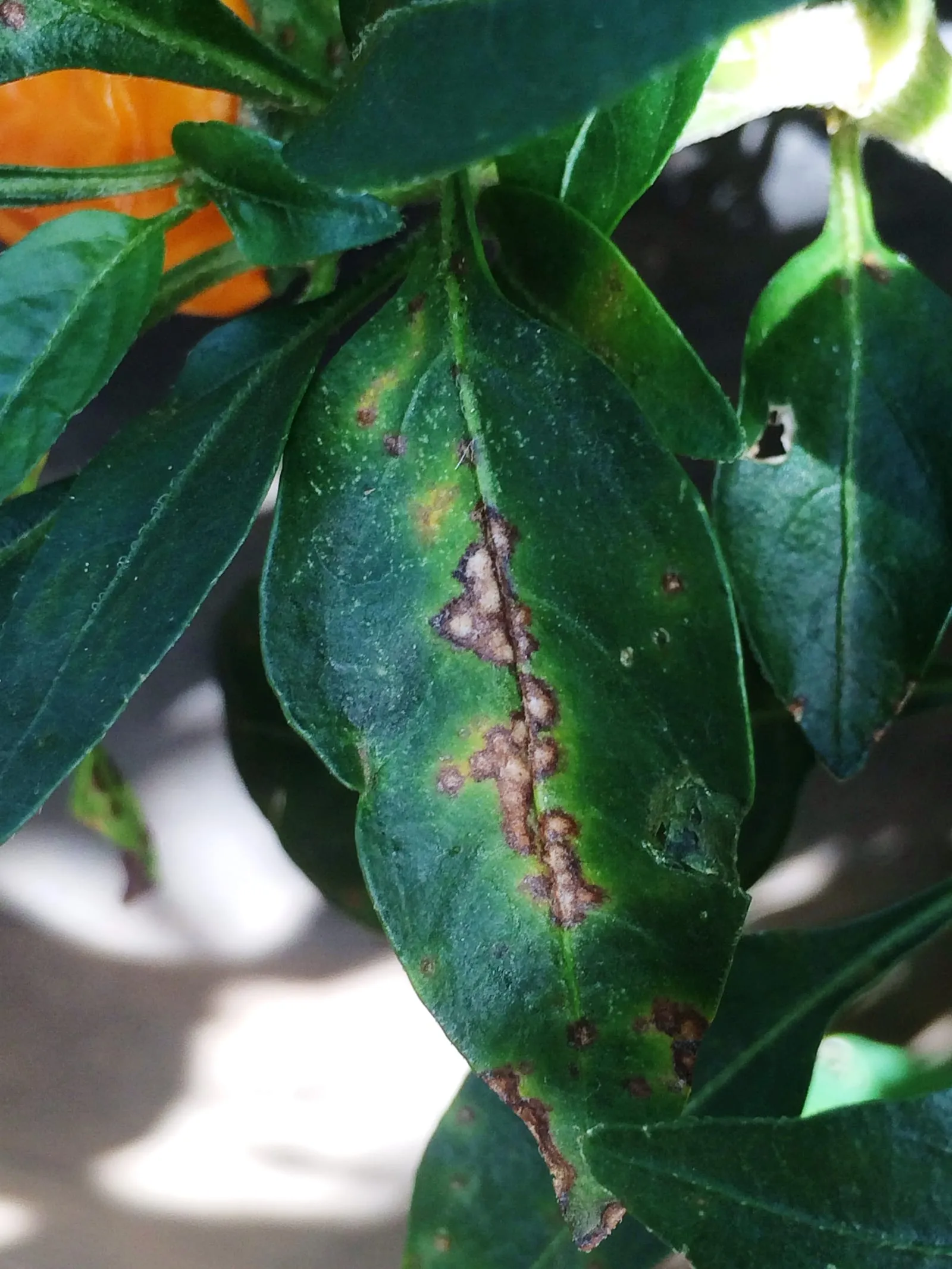
Xanthomonas euvesicatoria and X. perforans
Bacterial disease causing leaf spots and fruit blemishes on pepper and tomato. Severe in warm humid weather, transmitted via splashing water and seed.
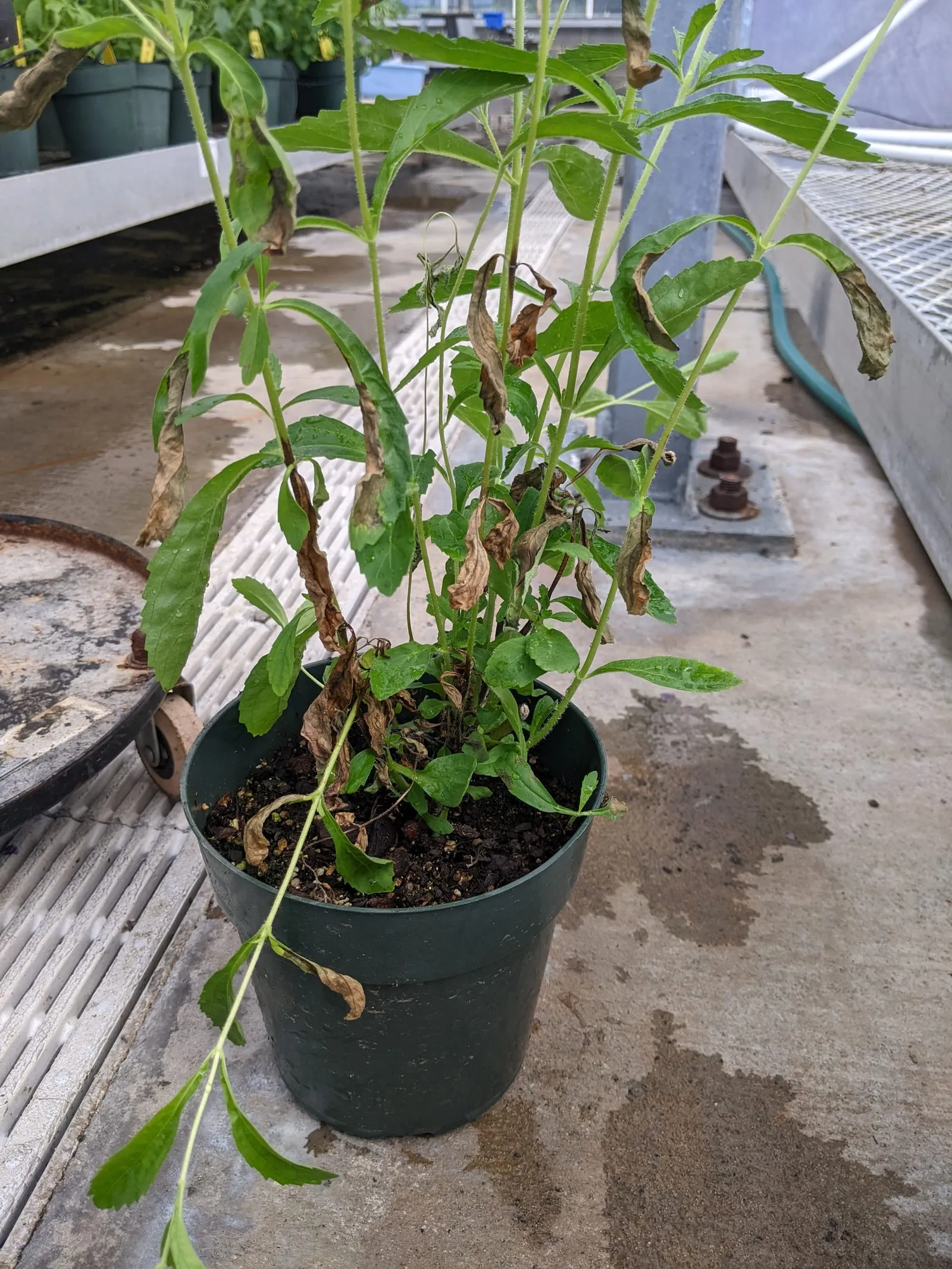
Tomato spotted wilt orthotospovirus (TSWV)
Virus vectored by thrips, particularly western flower thrips. Wide host range and growing global distribution. No cure once infected.
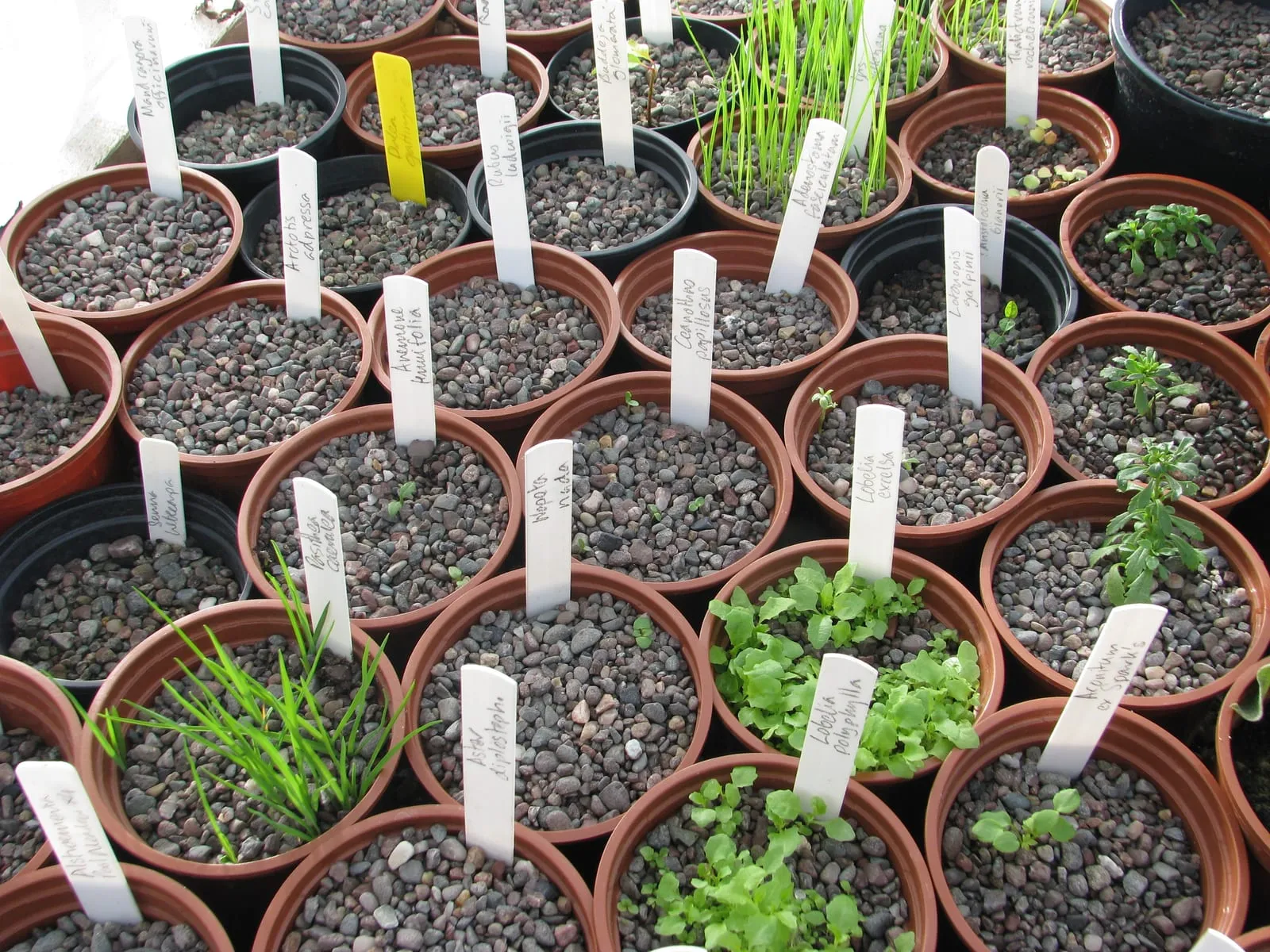
Pythium and Rhizoctonia species
Soil-borne complex of water molds and fungi that kill seedlings before or shortly after emergence. The single most common cause of seed-starting failures.
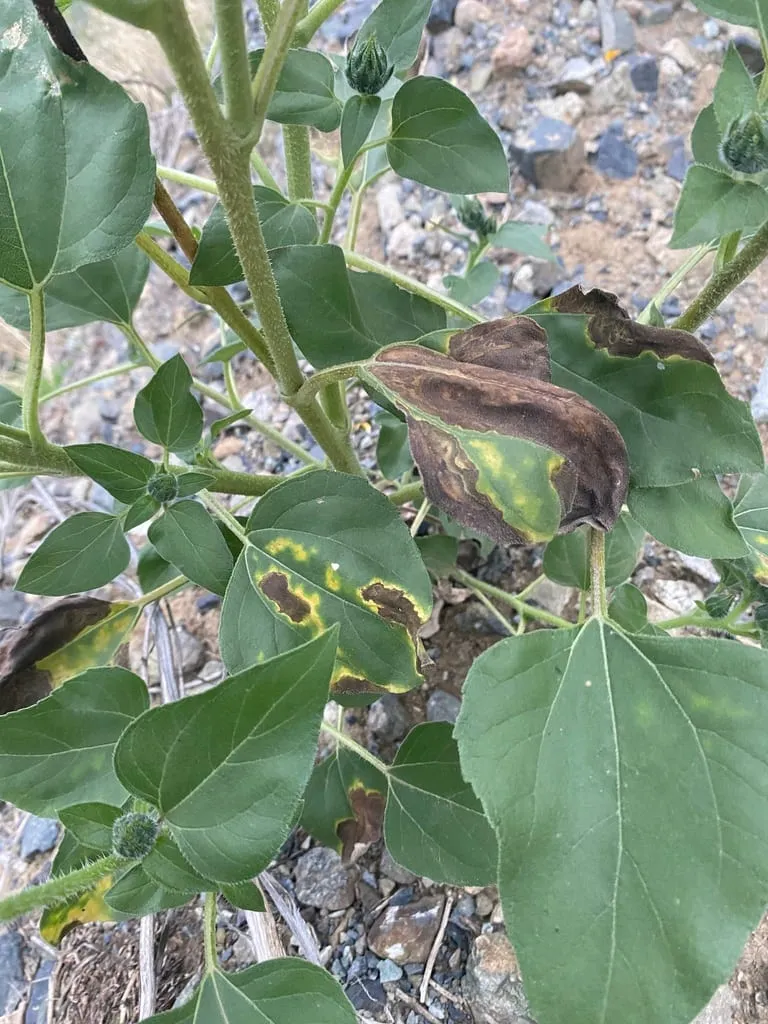
Verticillium dahliae
Soil-borne fungal disease similar to fusarium wilt but with broader host range and cooler temperature optimum. Persists in soil for 10+ years.
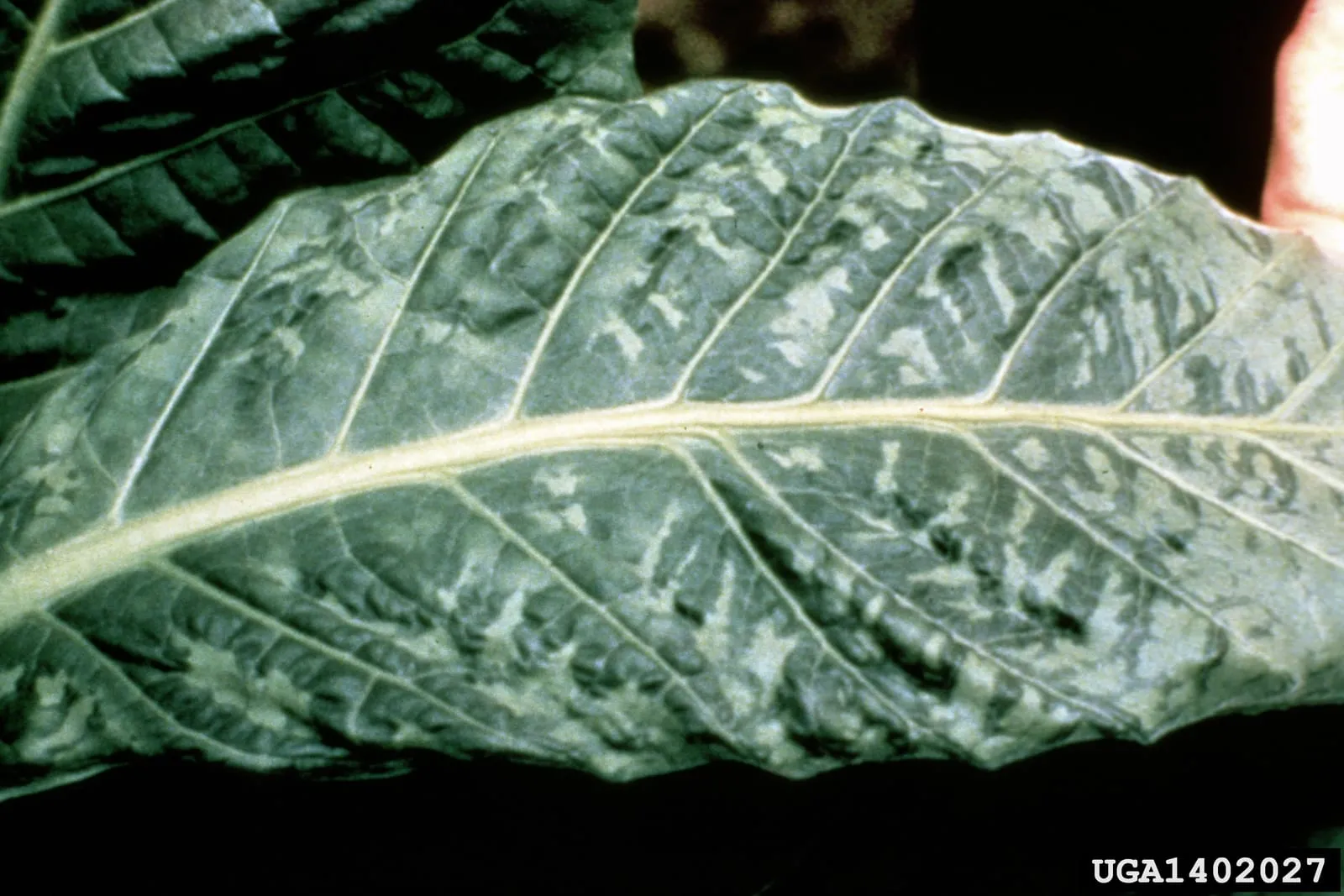
Cucumber mosaic virus, Tobacco mosaic virus, and others
Family of plant viruses producing mottled yellow-and-green leaf patterns. Vectored primarily by aphids; some are seed-transmitted or spread by handling tools and tobacco products.
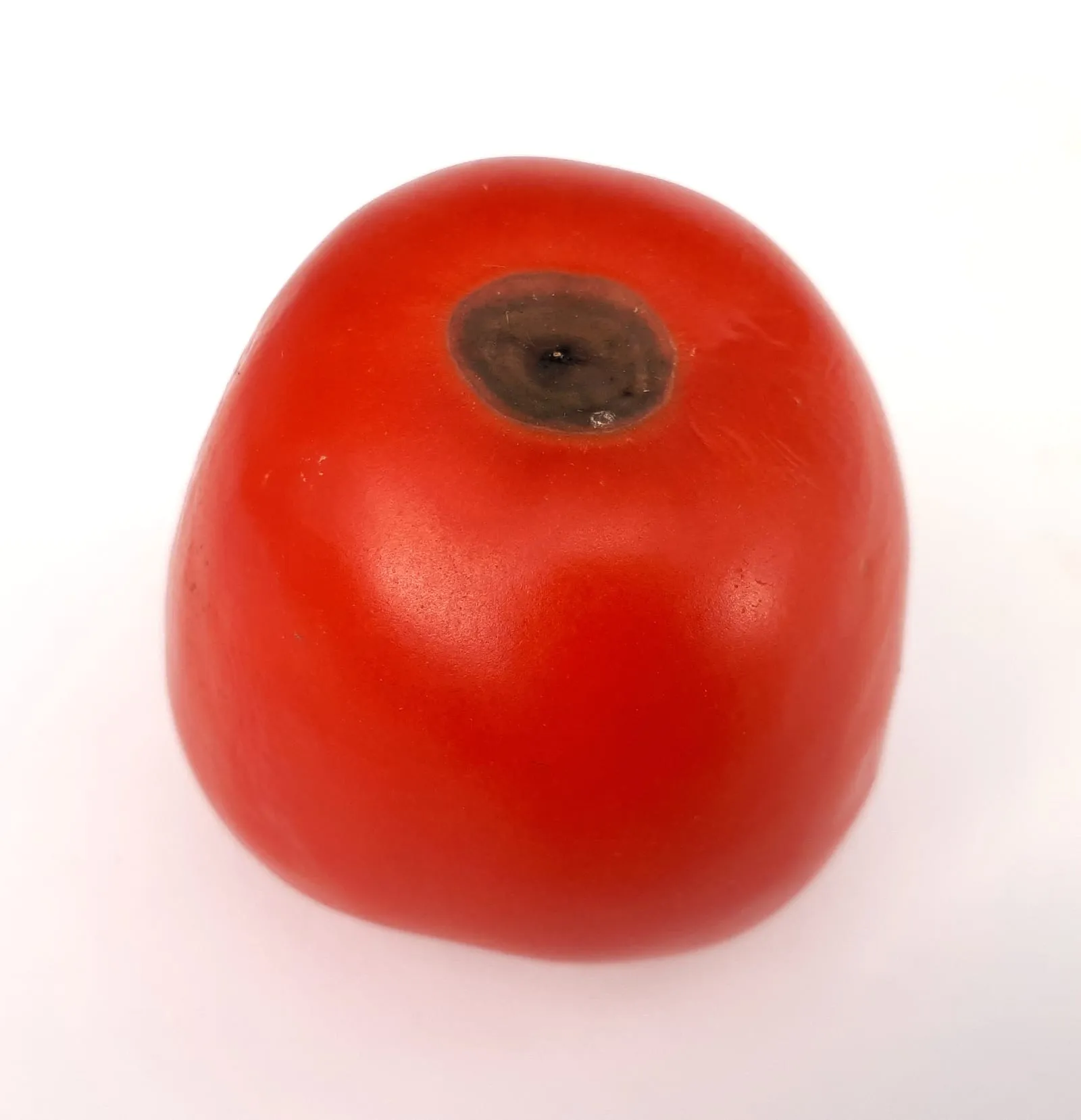
Calcium deficiency physiological disorder
Not a true disease but a calcium-uptake disorder caused by inconsistent soil moisture during fruit development. The dominant cause of damaged first-fruit on home tomato plantings.
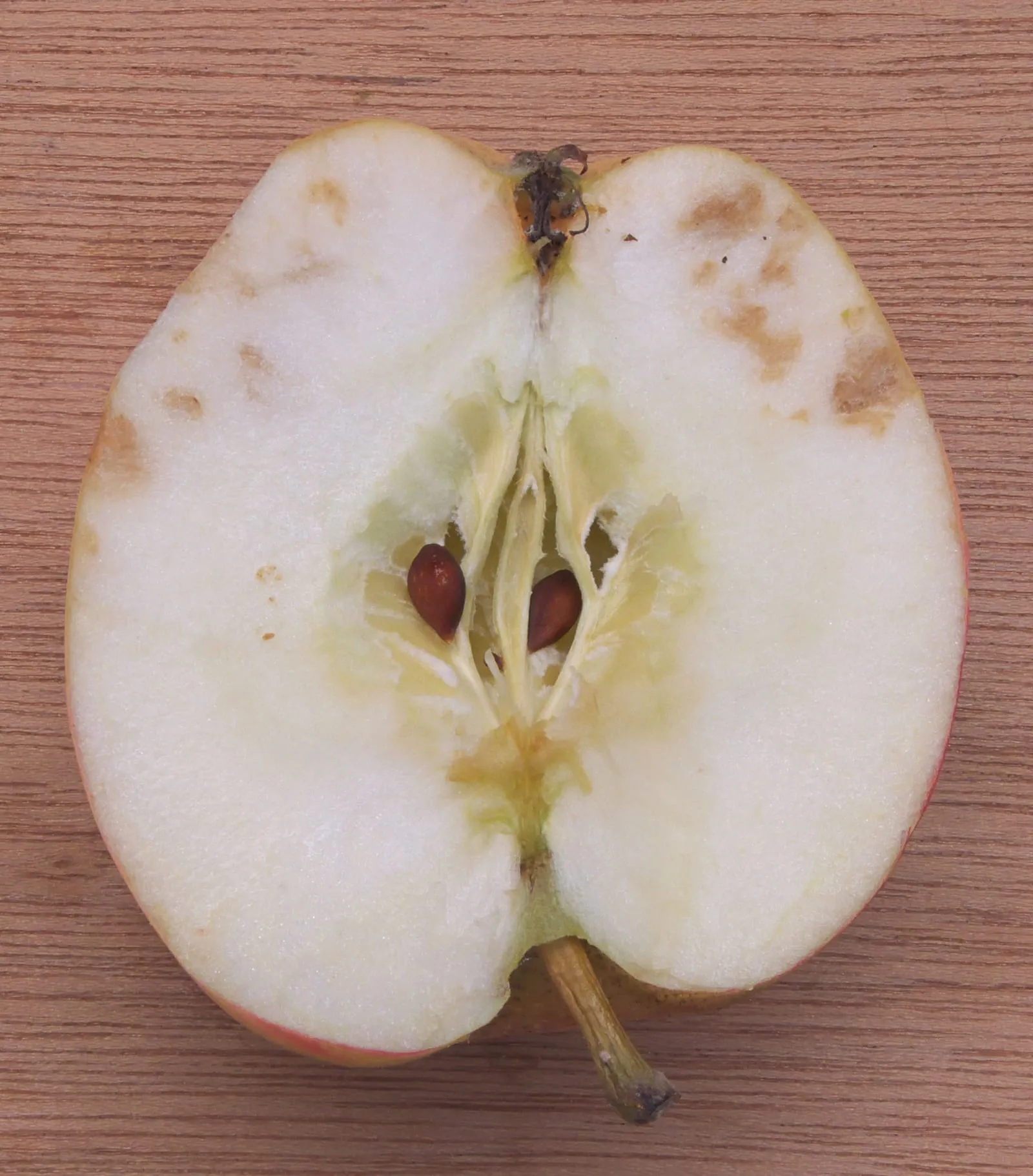
Physiological disorder
Damage from direct intense sun exposure on fruit or bark, particularly on plants suddenly exposed by pruning, defoliation, or hot weather. Distinct from sunburn (which is reversible).
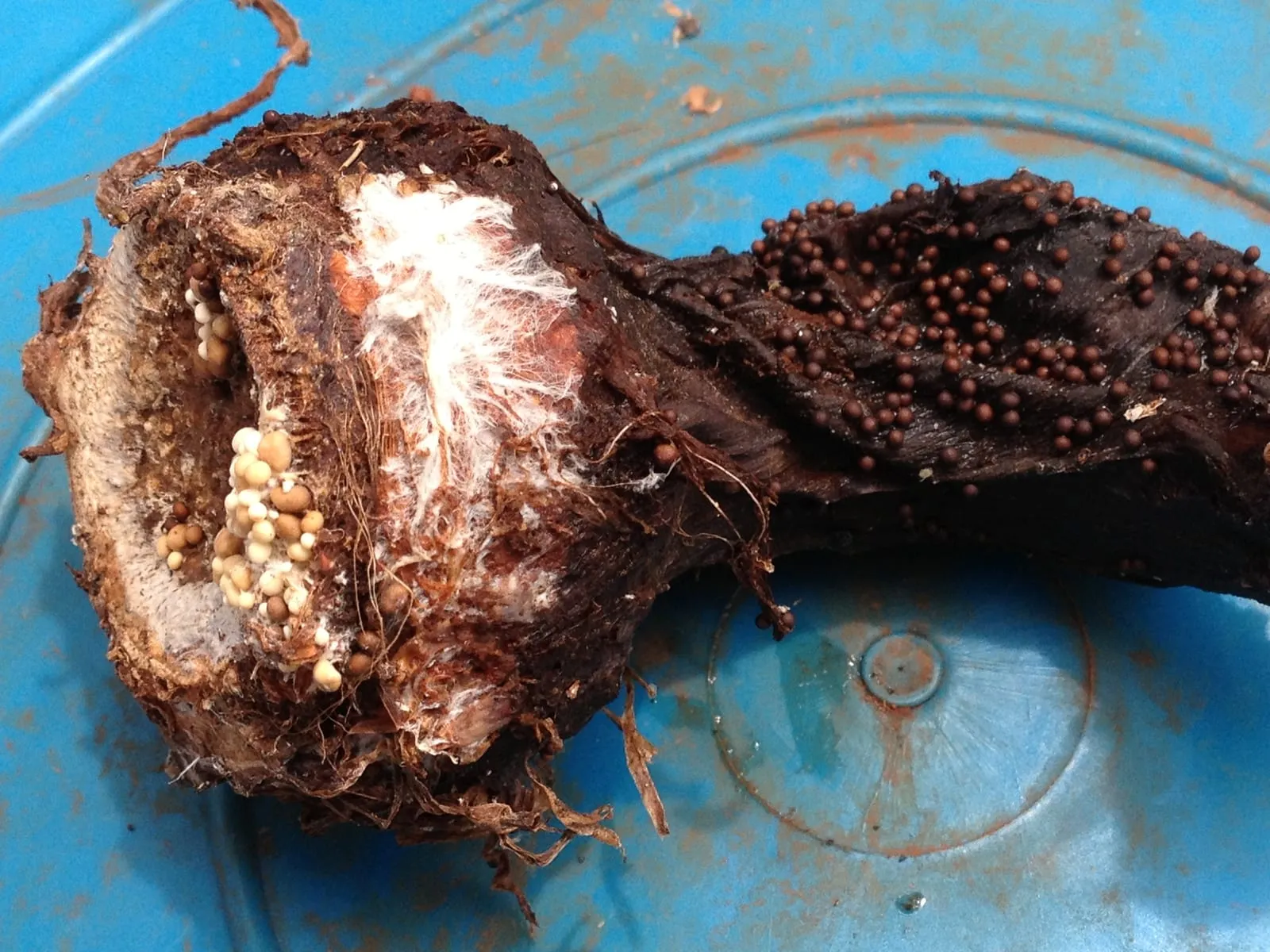
Sclerotium rolfsii
Soil-borne fungal disease most damaging in warm humid Southern conditions. White mycelial fans and small mustard-seed-sized sclerotia at the soil line are diagnostic.
Common pests
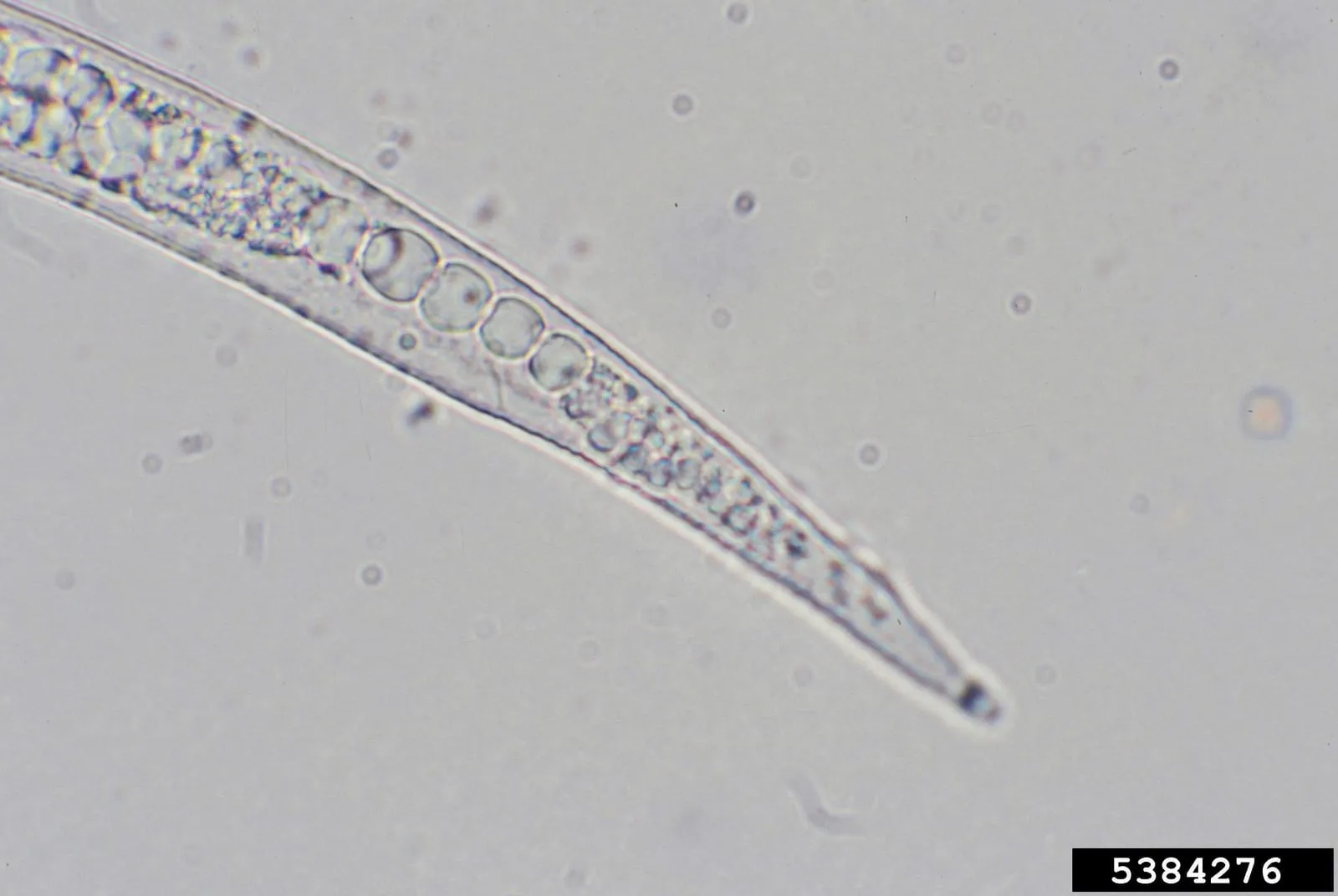
Meloidogyne species
Microscopic soil-dwelling worm that forms galls on roots, reducing vigor and yield.
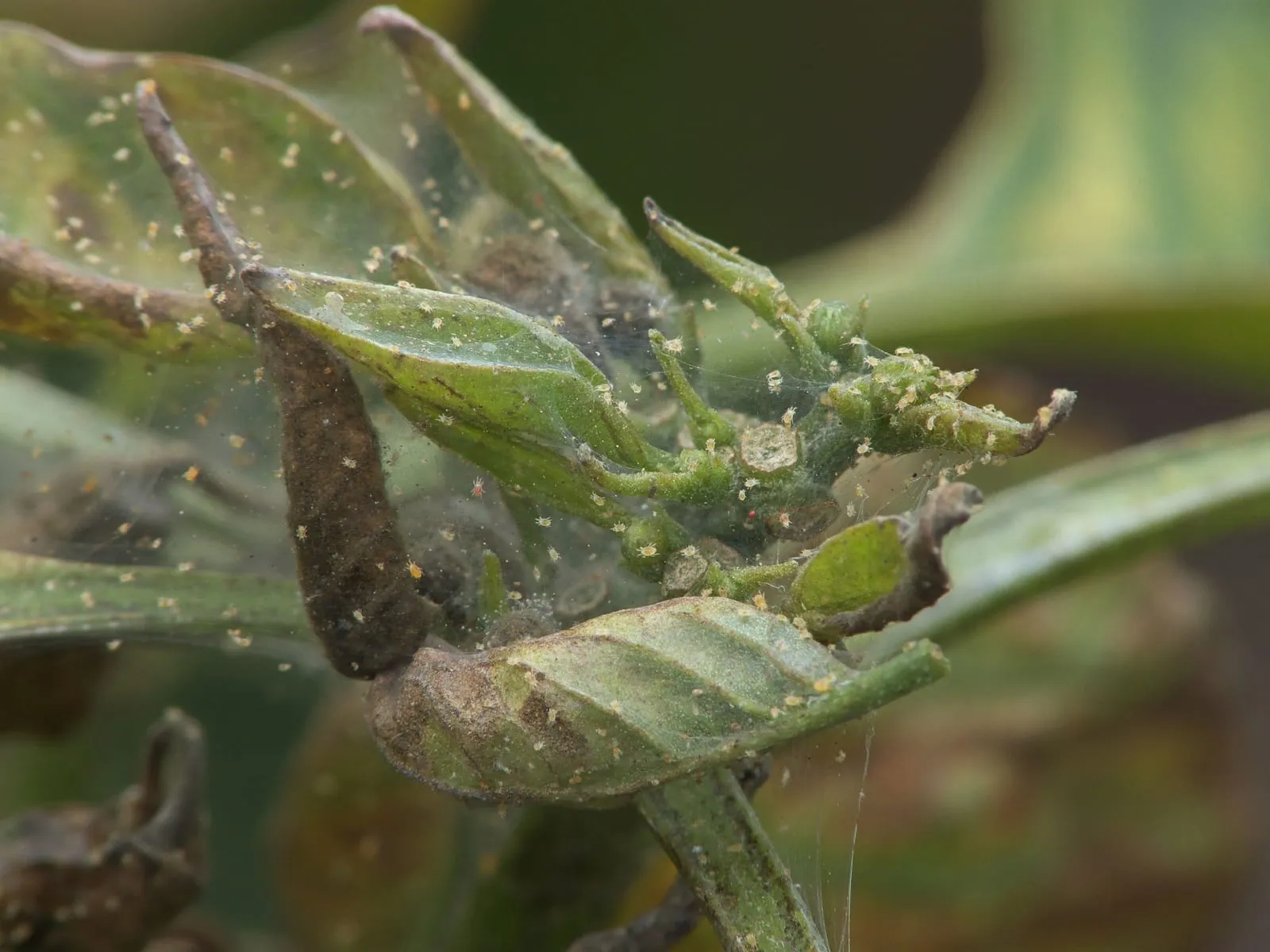
Tetranychus urticae
Tiny mite that feeds on leaf undersides, causing stippling and webbing during hot dry weather.
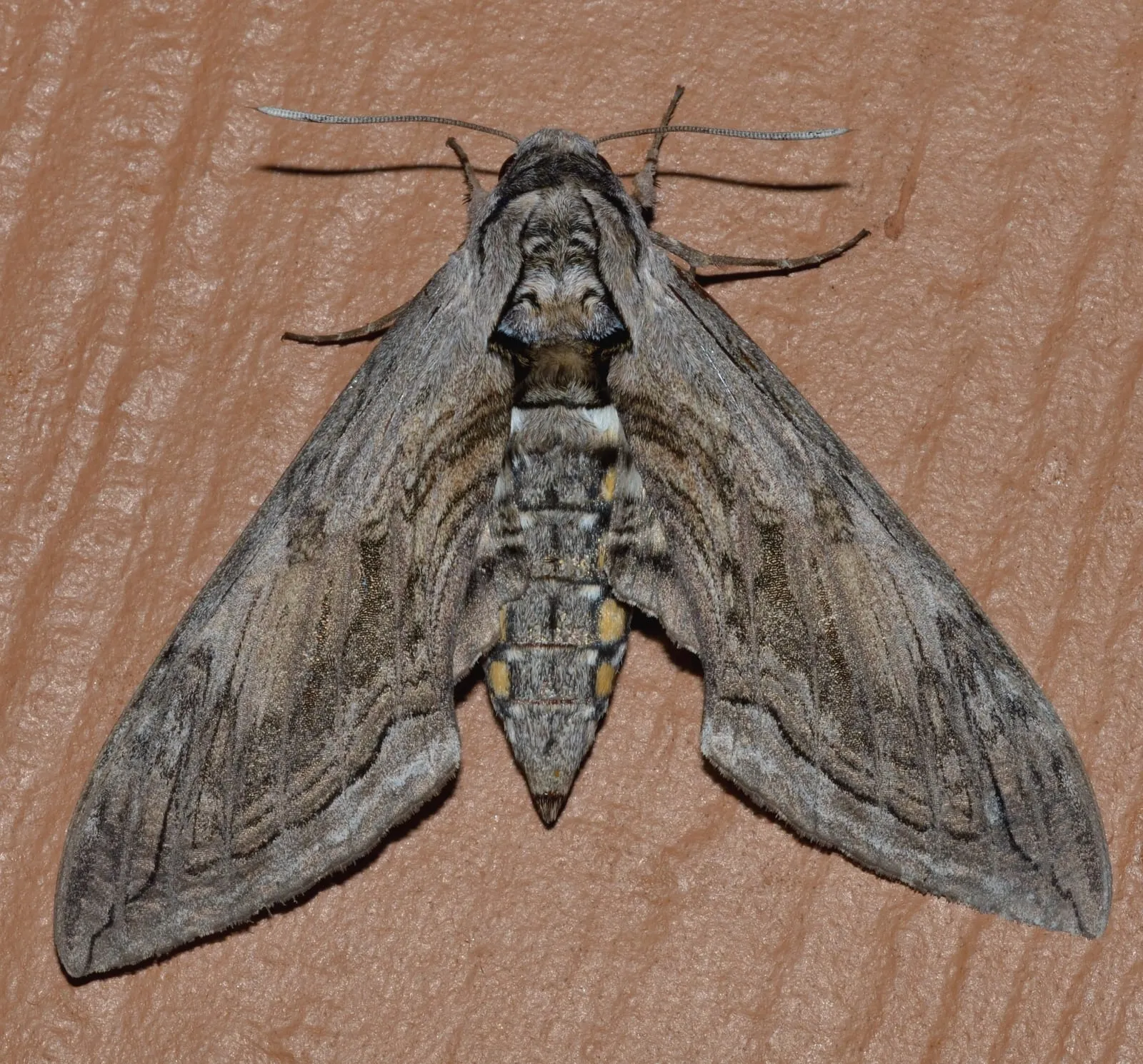
Manduca quinquemaculata
Large green caterpillar (up to 4 inches) that defoliates tomato and other Solanaceae plants rapidly. Mature larvae become five-spotted hawk moths.
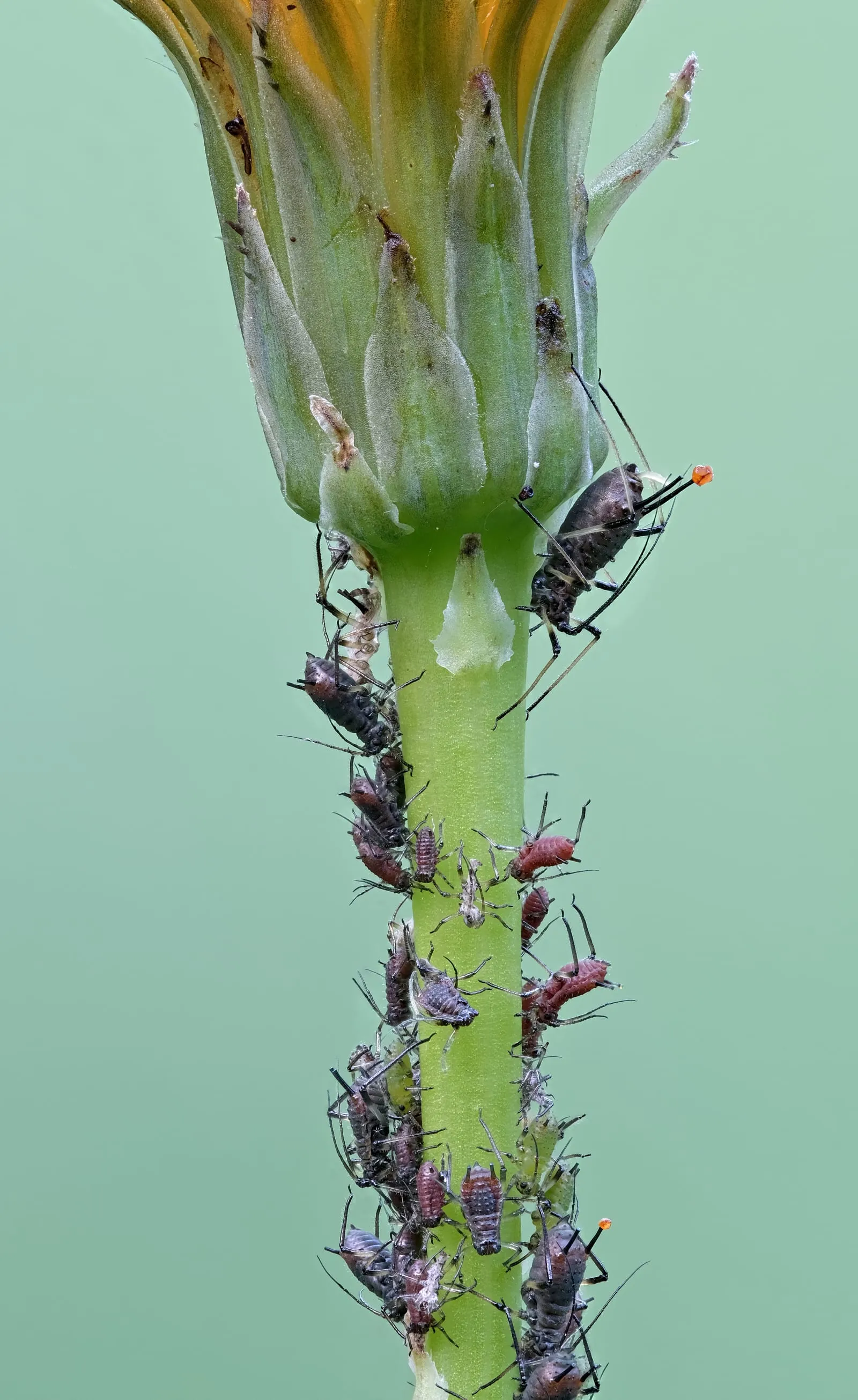
Multiple species (Aphididae)
Small soft-bodied sap-sucking insects that reproduce explosively in spring. Excrete honeydew that supports sooty mold and attracts ants. Transmit viral diseases.
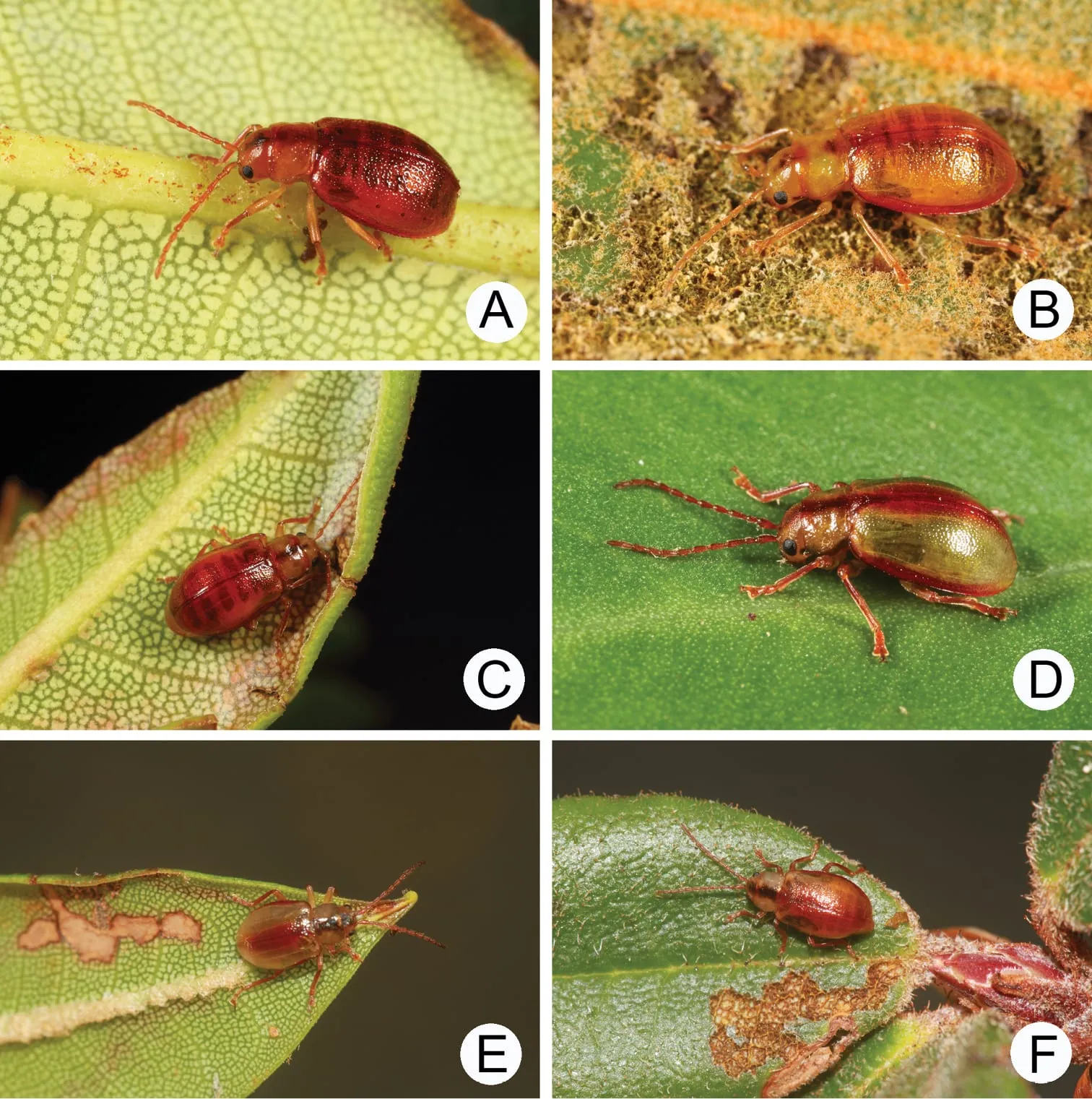
Multiple species (Chrysomelidae)
Tiny black or bronze jumping beetles that put hundreds of small holes in seedling leaves. Most damaging on direct-seeded brassicas and young eggplant.
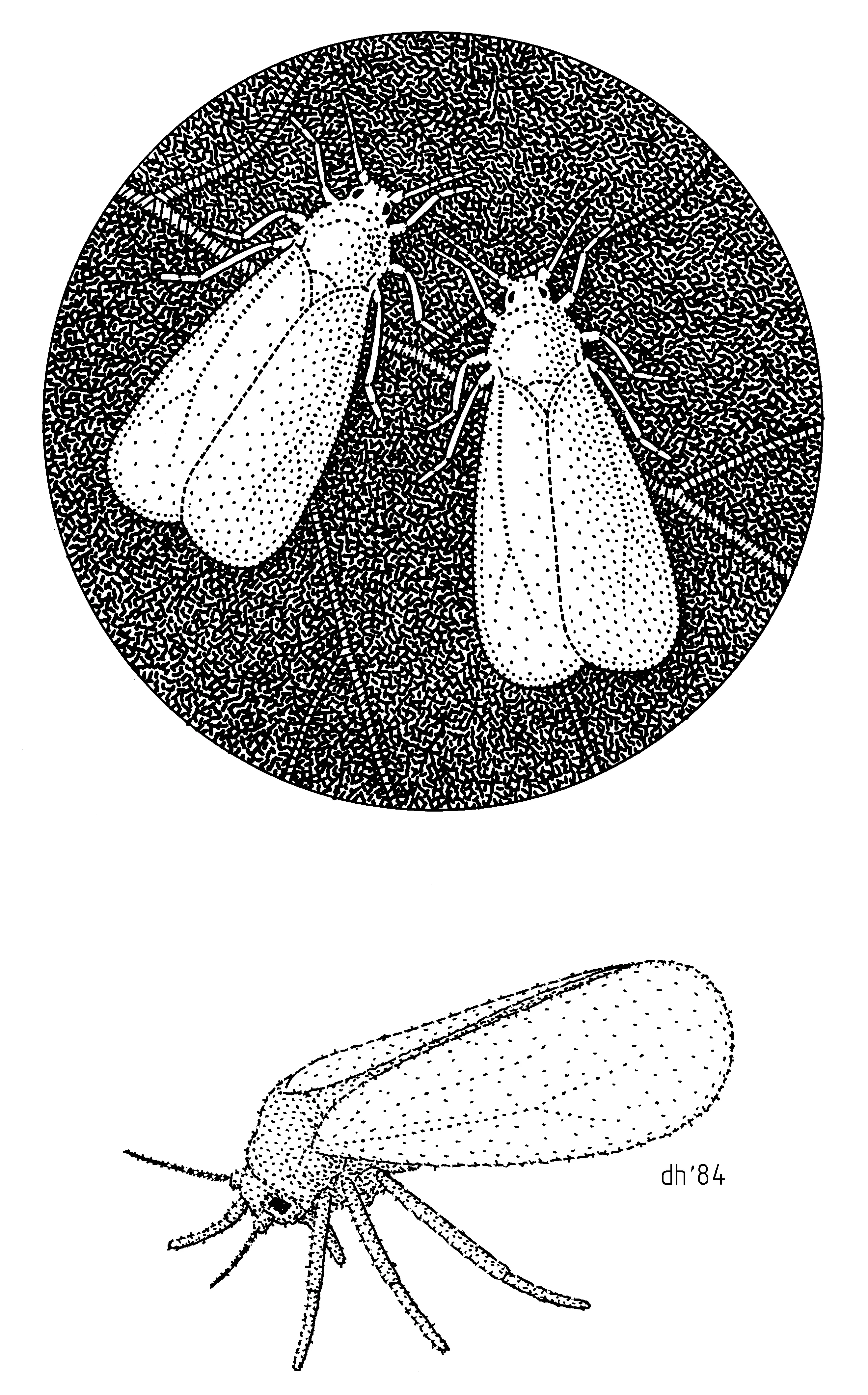
Multiple species (Aleyrodidae)
Tiny white moth-like flying insects that feed on plant sap and excrete honeydew. Transmit numerous viral diseases including tomato yellow leaf curl virus.
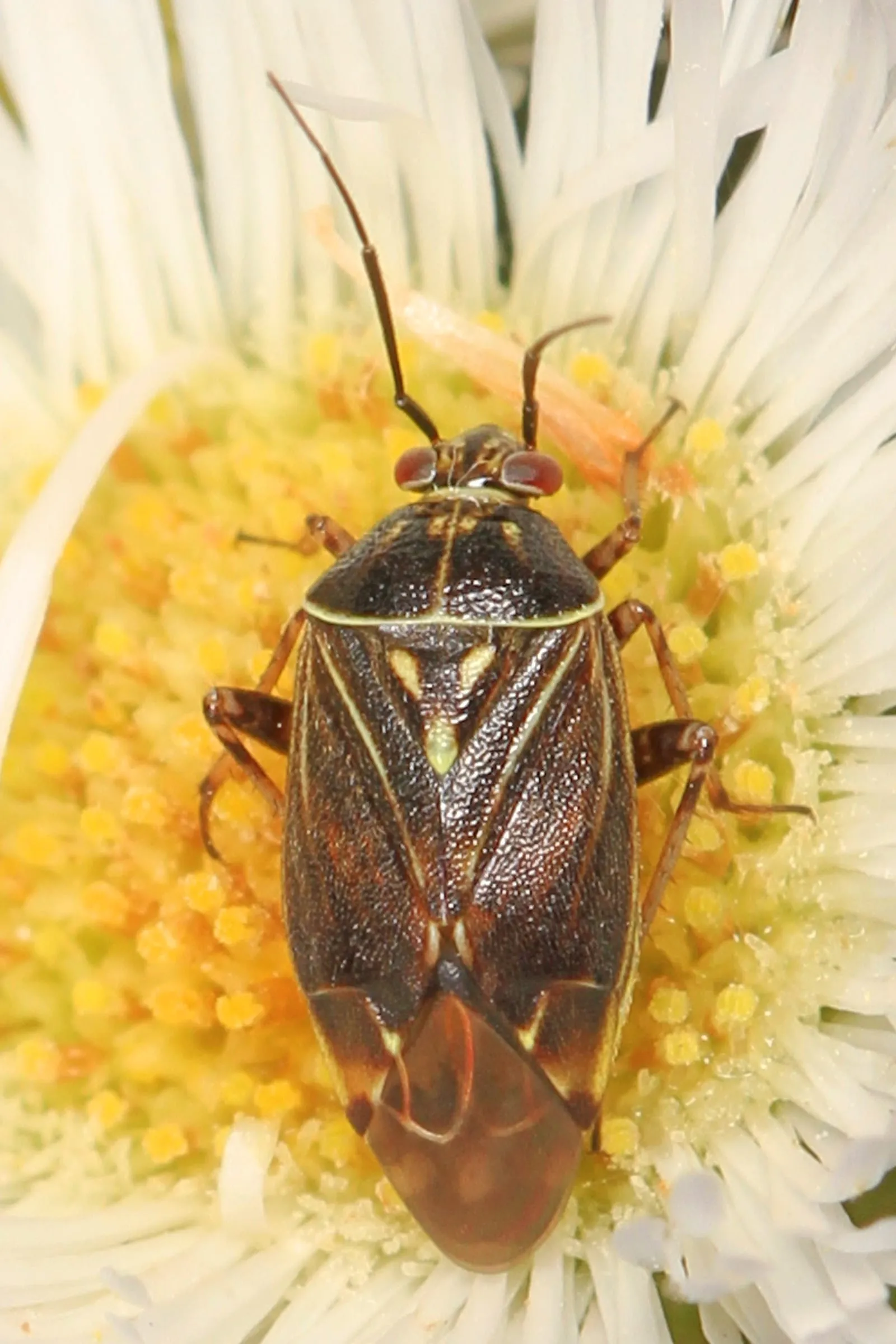
Lygus lineolaris
Mottled brown sucking bug that probes flower buds and developing fruit, causing 'cat-facing' deformities on tomato, peach, and strawberry. Wide host range and rapid generations.
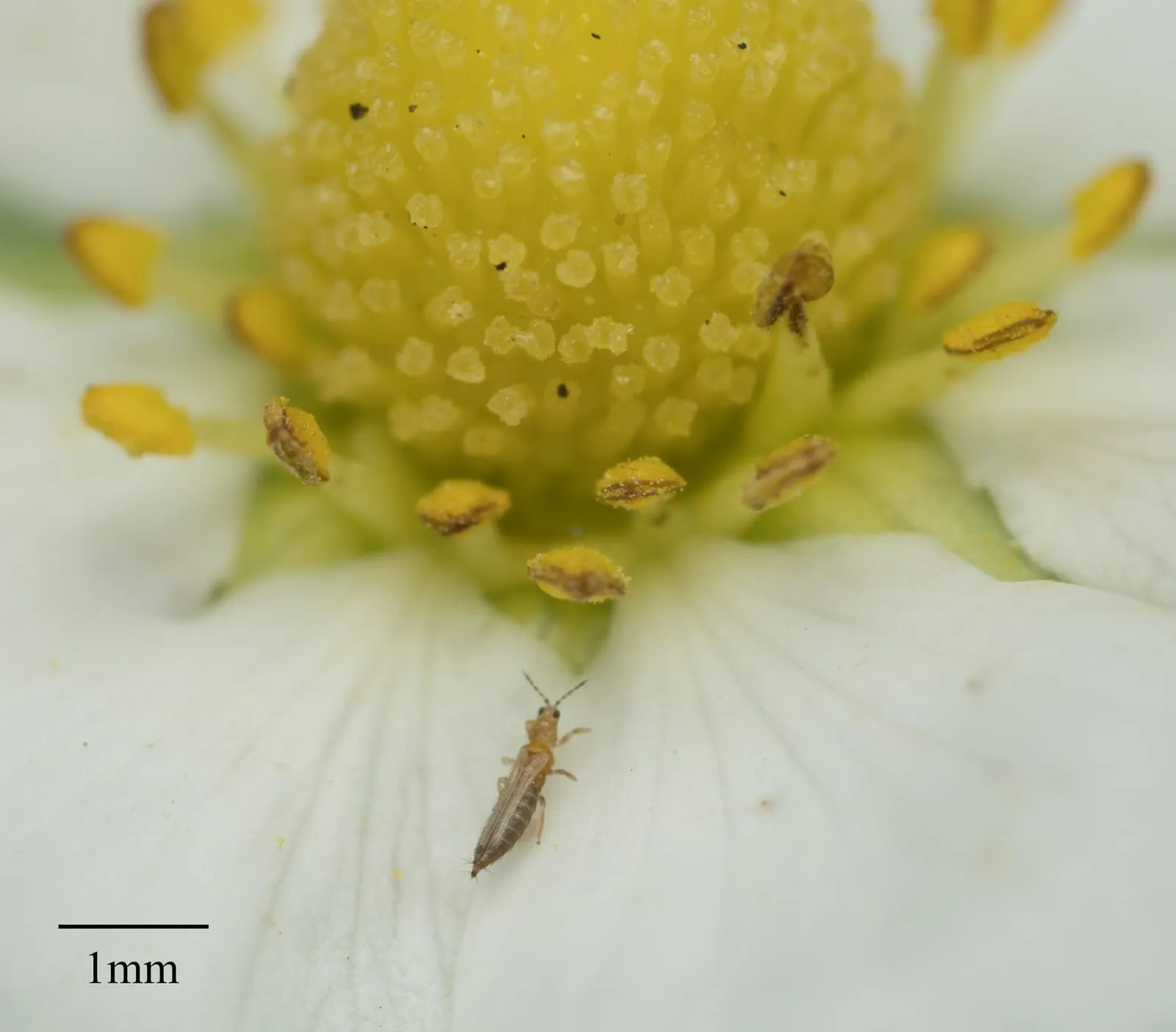
Frankliniella occidentalis
Tiny slender insect that rasps leaf and flower surfaces. The primary vector for Tomato Spotted Wilt Virus and Iris Yellow Spot Virus, which makes it more damaging through disease transmission than direct feeding.
Common challenges
The three most consistent failure modes with sweet pepper are cold soil at transplant, irregular watering during fruit set, and bacterial spot pressure in humid or wet seasons.
Cold soil is the most common early-season mistake. Pepper roots are sensitive to soil temperatures below 60°F; transplanting into cold ground produces plants that sit without establishing, turning yellow and stunted before eventually recovering or declining. Soil temperature should reach at least 65°F before transplanting, which in zones 4 through 6 often means waiting two to three weeks past the average last frost date. A soil thermometer is more reliable than a calendar for this call.
Bacterial spot (caused by Xanthomonas campestris pv. vesicatoria) is the most damaging foliar disease in wet or humid seasons. It spreads rapidly through rain splash and overhead irrigation, producing dark water-soaked lesions on leaves, stems, and fruit surfaces. Copper-based bactericides offer partial suppression but are not curative. Cultural management is more reliable: keep foliage dry, space plants for airflow, start with certified disease-free transplants, and remove infected lower leaves early in an outbreak to slow spread.
Blossom drop during heat events is expected in zones 8b and warmer when daytime temperatures exceed 90 to 95°F. It is temporary. Plants typically resume fruit set when temperatures moderate, and attempting to correct the pause with fertilizer or irrigation adjustments usually causes more harm than waiting.
Companion plants
Frequently asked questions
- Does sweet pepper require chill hours?
Sweet pepper has no chill-hour requirement. Chill hours are a measure relevant to deciduous fruit trees that need winter dormancy to flower and fruit reliably. What sweet pepper requires instead is warm soil at planting (at least 65°F) and sustained warm air temperatures through the growing season for reliable fruit set.
- How many days to harvest for sweet pepper?
Days to harvest range from 60 to 90 after transplant, depending on variety and harvest stage. Green or immature fruits can often be picked at 60 to 75 days. Full color change to red, orange, or yellow typically requires an additional 2 to 4 weeks on the plant beyond the green-mature stage, and flavor improves markedly with that extra time.
- What USDA zones can grow sweet pepper?
Sweet pepper grows as an annual across zones 4a through 10b. In zones 4 through 6, success requires early indoor transplant starts and, in many cases, plastic mulch or row cover to accumulate adequate heat. In zones 9 and 10, midsummer heat can interrupt fruit set, and fall plantings started in late July are often more productive than peak-summer crops.
- Is sweet pepper self-fertile, or does it need pollinators?
Sweet pepper is self-fertile. Each flower contains both male and female parts, and wind or light physical movement is typically sufficient to transfer pollen within and between flowers. Pollinator visits can marginally improve fruit set but are not required. Tapping plant stems gently during flowering can help in enclosed spaces like greenhouses.
- What is the most common disease affecting sweet pepper?
Bacterial spot, caused by Xanthomonas campestris pv. vesicatoria, is the most common and damaging disease in humid regions. It spreads readily through rain splash and overhead irrigation, causing dark lesions on leaves, stems, and fruit. Copper-based bactericides offer suppression; consistent dry foliage and good plant spacing are the more reliable long-term defenses.
- Which varieties perform best in shorter or cooler seasons?
Carmen (an All-America Selections winner) and Lipstick are the most reliably productive options for zones 4 through 6, where season length is limited. Both ripen earlier than standard bell types and perform well even when summer warmth is modest. California Wonder, the classic heritage bell, is better suited to zones 6b and warmer where it has adequate time to develop its characteristically thick walls.
- Why do sweet pepper blossoms drop in midsummer?
Blossom drop in midsummer is typically a heat response. When daytime temperatures exceed 90 to 95°F, sweet pepper flowers abort rather than set fruit. This is a temporary pause, not a crop failure. Plants resume fruit set when temperatures moderate, usually in late summer or early fall in zones 7 and warmer. No fertilizer or watering adjustment reliably overrides heat-triggered drop.
+−
+−
+−
+−
+−
+−
+−
Sources
Image: "Capsicum annuum", by Eric Hunt, via Wikimedia Commons, licensed under CC-BY. Source.

Sweet Pepper by zone
Related