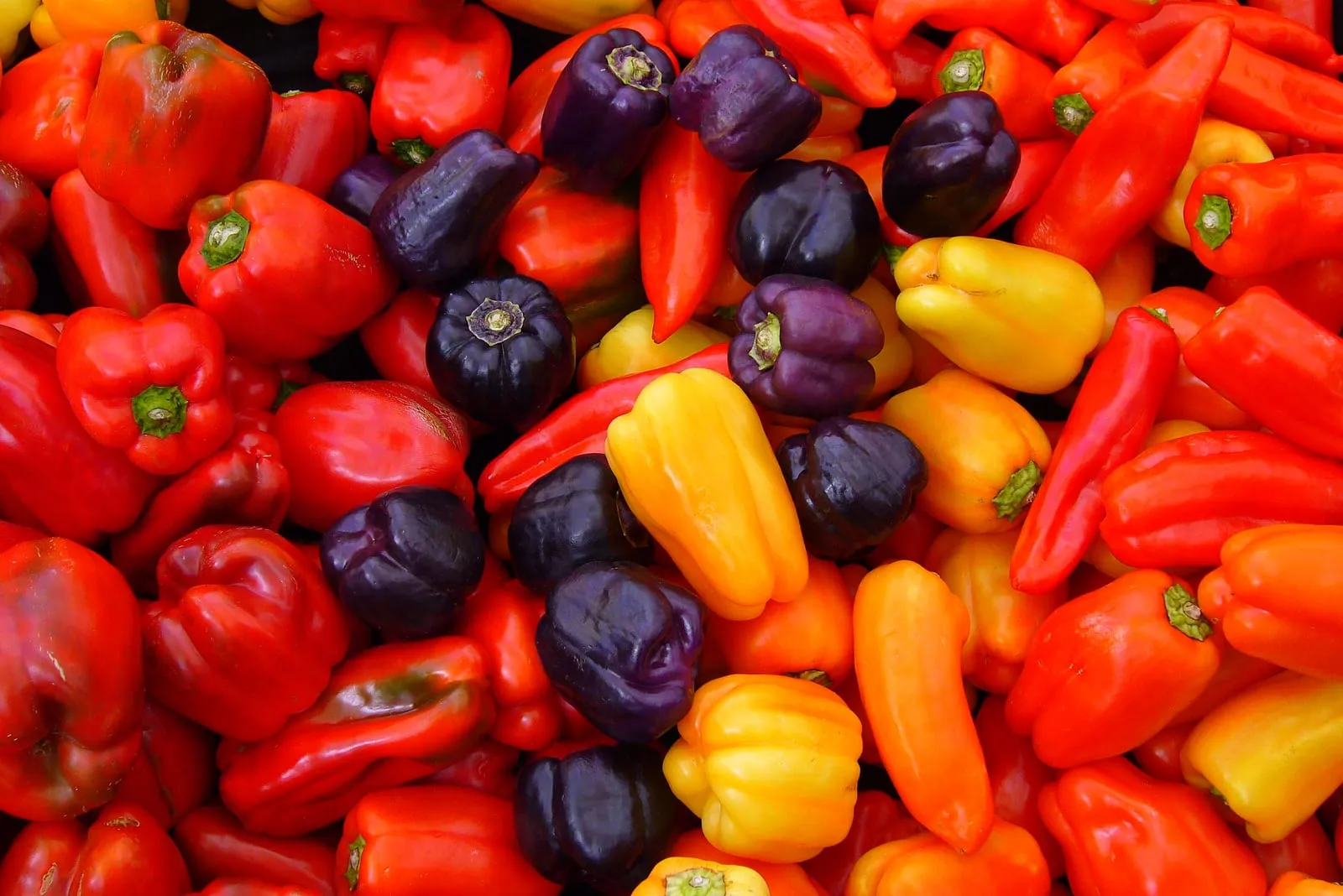
vegetable in zone 6a
Growing sweet pepper in zone 6a
Capsicum annuum
- Zone
- 6a -10°F to -5°F
- Growing season
- 180 days
- Suitable varieties
- 5
- Days to harvest
- 60 to 90
The verdict
Zone 6a supports sweet peppers reliably, though it sits at the cooler edge of the crop's preferred range. Chill hours are not a relevant metric here: sweet peppers are warm-season annuals, not perennial fruit crops, and they have no dormancy requirement. The operative constraint is accumulated heat and days to maturity measured from transplant. Zone 6a's 180-day growing season provides sufficient time for all five listed varieties, which mature in 60 to 75 days from transplant. The binding limit is the late last-frost date, typically late April to mid-May across zone 6a, combined with the relatively short window of sustained high heat before fall nights cool below 55°F and fruit set slows. Shishito (approximately 60 days) and Carmen (approximately 70 days) carry the most margin. California Wonder, at 75 days, is achievable but leaves less buffer for a slow establishment. Zone 6a is not a marginal zone for sweet peppers; it is a workable one, provided seeds are started indoors 8 to 10 weeks before the last frost date and transplants go out only after soil temperatures stabilize at 65°F.
Recommended varieties for zone 6a
5 cultivars suited to this zone, with disease-resistance and zone-fit annotations.
| Variety | Notes | Zone fit | Disease resistance |
|---|---|---|---|
| California Wonder fits zone 6a | Mild, sweet, classic green-then-red bell pepper; thick crisp walls. Fresh slicing, stuffing, roasting. Open-pollinated heritage standard, reliable in most home gardens. | | none noted |
| Carmen fits zone 6a | Sweet, fruity, slightly smoky; long red Italian frying pepper. Sauteing, roasting, fresh slicing. AAS winner, productive, ripens reliably even in short seasons. | | none noted |
| Lipstick fits zone 6a | Very sweet, juicy, thick-walled red conical pepper; outstanding fresh-eating quality. Salads, fresh, roasting. Productive even in cooler short-season areas. | | none noted |
| Sweet Banana fits zone 6a | Mild-sweet, tangy, pale yellow tapered pepper turning red; Hungarian-style. Fresh, pickling, frying. Heavy producer, easy beginner variety. | | none noted |
| Shishito fits zone 6a | Mildly sweet with occasional spicy surprise (~1 in 10); thin-walled green Japanese pepper. Blistered in oil, tempura, fresh. Compact plant, prolific picking through fall. | | none noted |
Critical timing for zone 6a
Seed starting in zone 6a falls in late February to early March, targeting a transplant date of mid-May when soil has warmed and frost risk is past. Peppers do not bloom in a concentrated spring window the way tree fruits do; instead, flowering begins as the plant matures and continues through the season, with fruit set tracking ambient temperatures. First harvests from faster varieties like Shishito arrive in mid-July. California Wonder and Lipstick follow in late July to early August, ripening to red by late August if conditions hold. The fall frost window in zone 6a closes in late September to mid-October, which cuts the season short enough that growers should harvest continuously from green-to-color stage onward rather than waiting for full red ripeness late in the season. Holding fruit on the plant into October courts loss to frost with minimal payoff in a typical zone 6a year.
Common challenges in zone 6a
- ▸ Brown rot in stone fruit
- ▸ Japanese beetles
- ▸ Spring frost damage to peach buds
Disease pressure to watch for
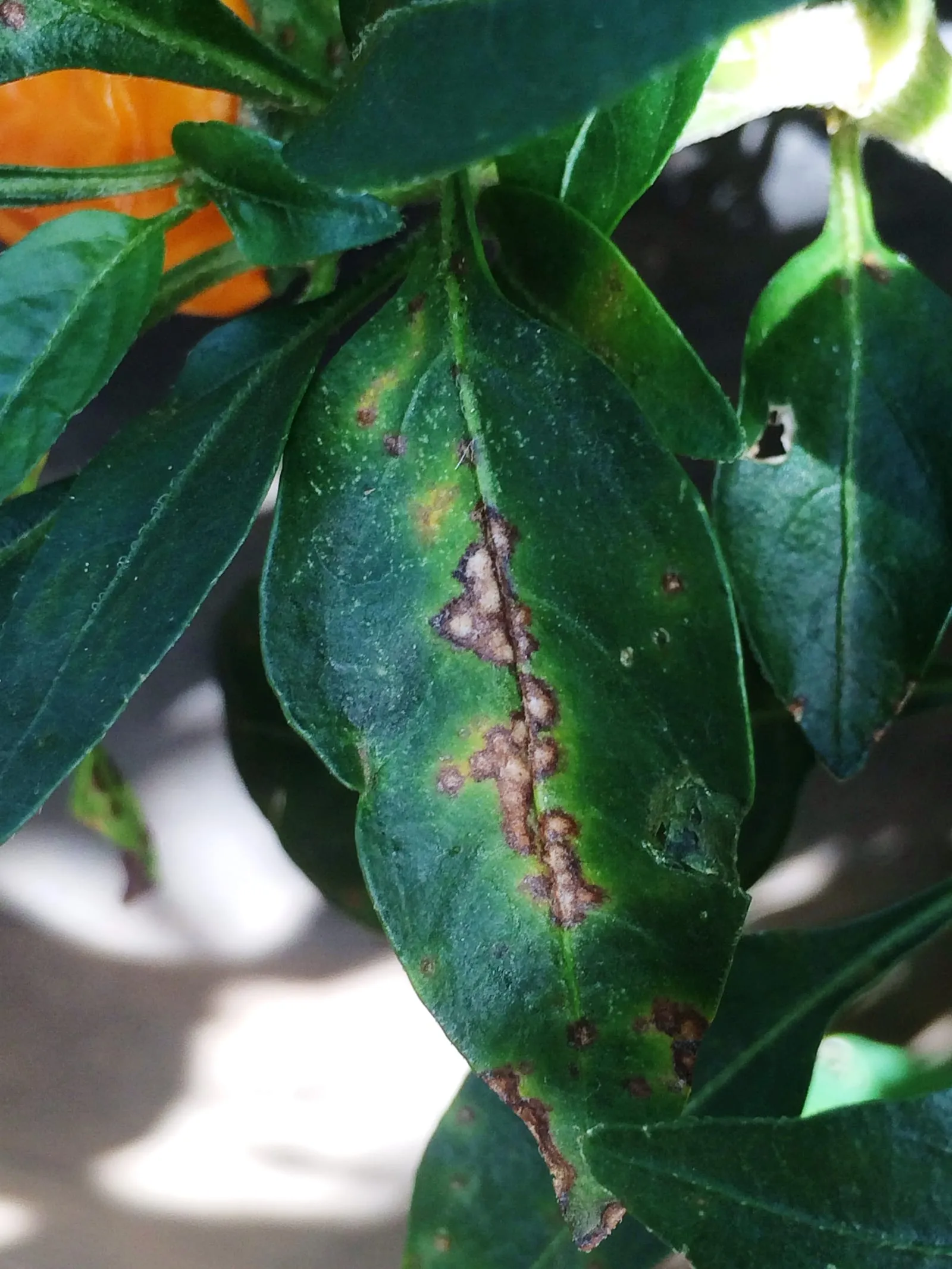
Xanthomonas euvesicatoria and X. perforans
Bacterial disease causing leaf spots and fruit blemishes on pepper and tomato. Severe in warm humid weather, transmitted via splashing water and seed.
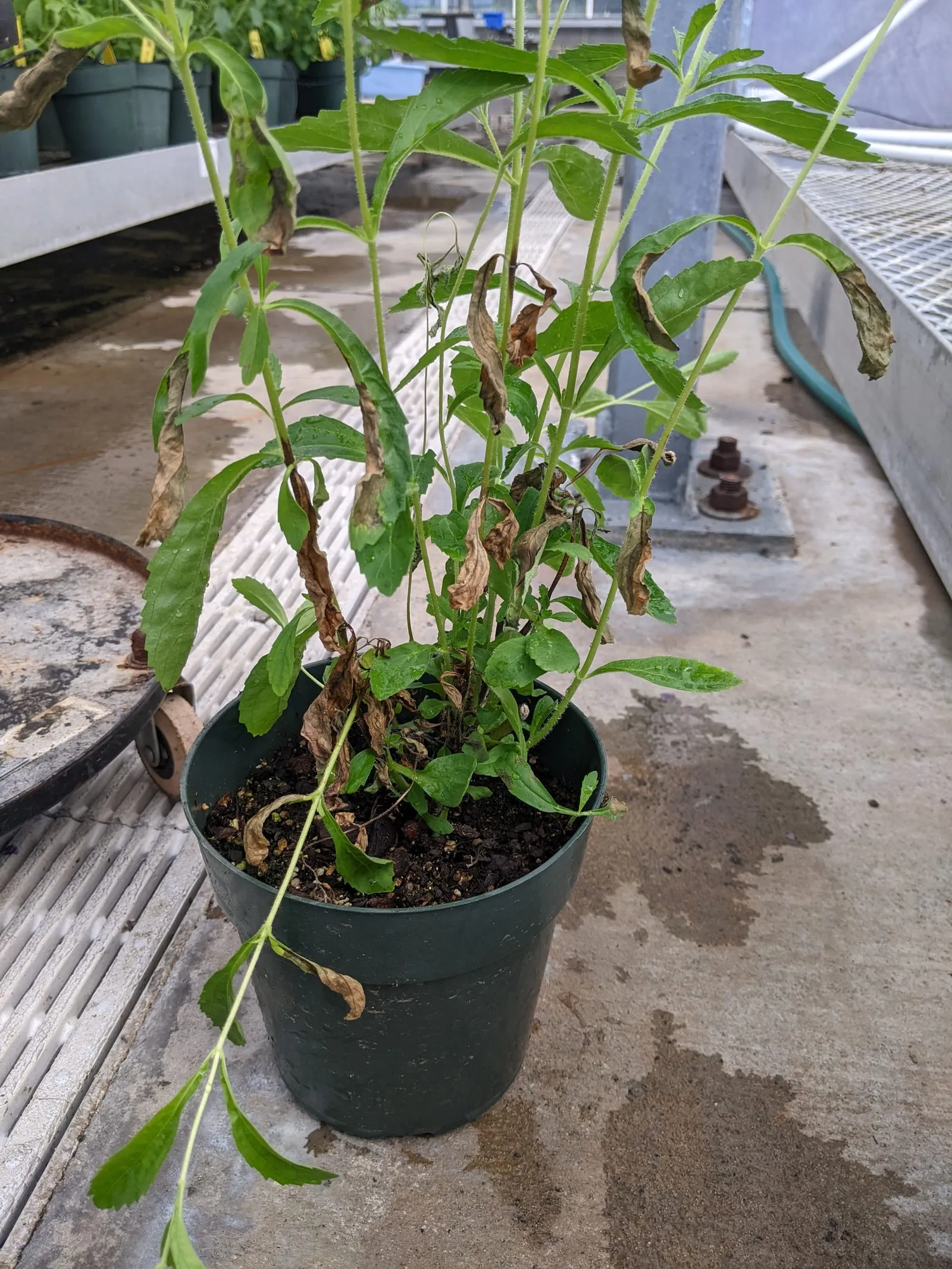
Tomato spotted wilt orthotospovirus (TSWV)
Virus vectored by thrips, particularly western flower thrips. Wide host range and growing global distribution. No cure once infected.
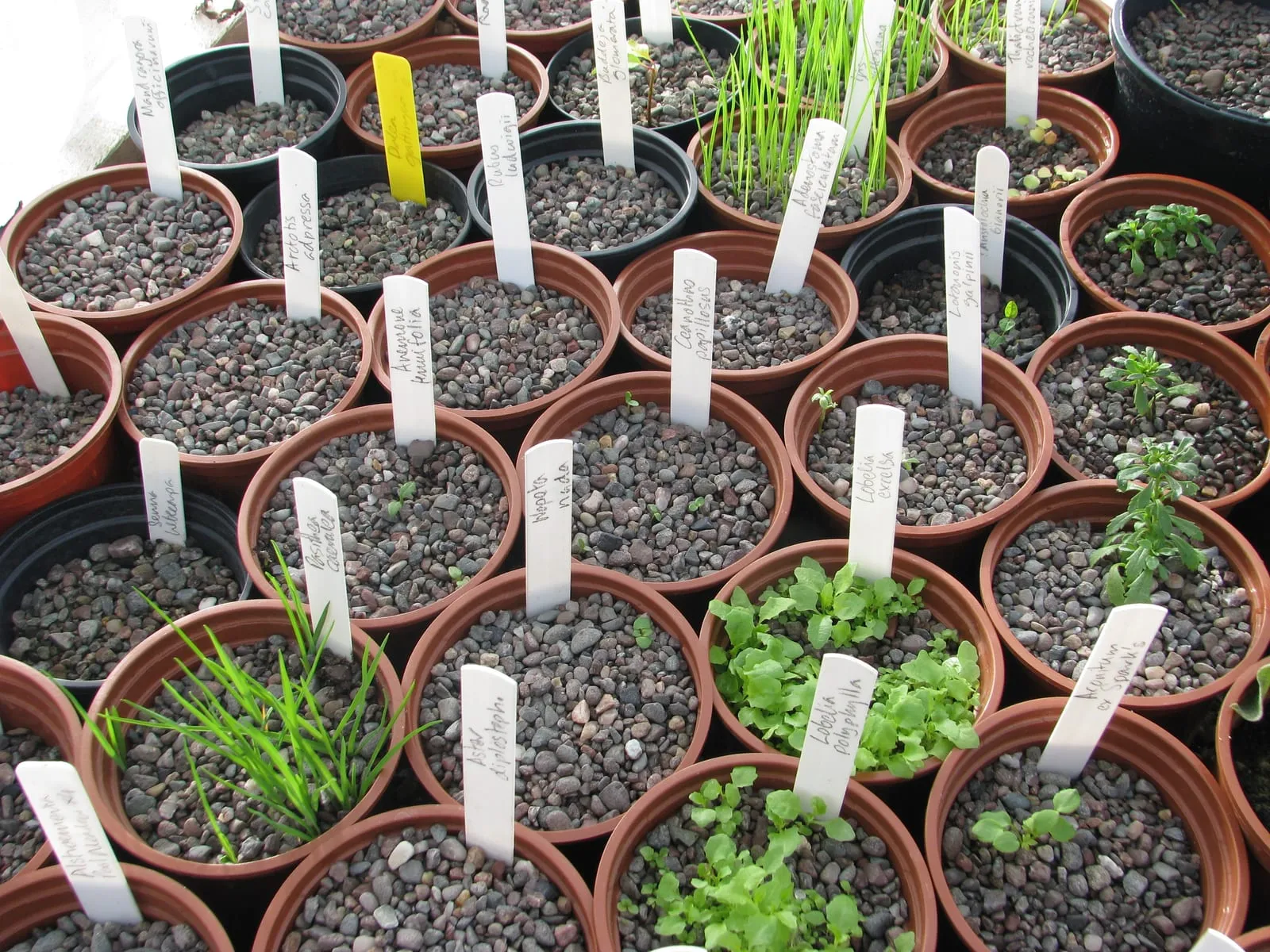
Pythium and Rhizoctonia species
Soil-borne complex of water molds and fungi that kill seedlings before or shortly after emergence. The single most common cause of seed-starting failures.
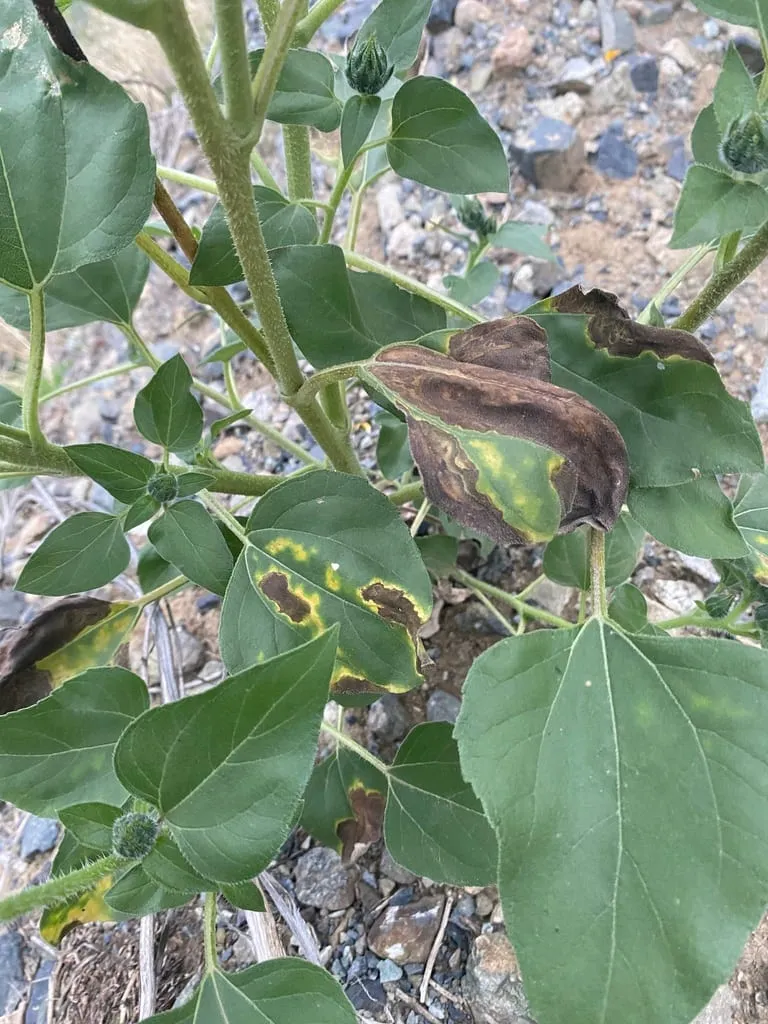
Verticillium dahliae
Soil-borne fungal disease similar to fusarium wilt but with broader host range and cooler temperature optimum. Persists in soil for 10+ years.
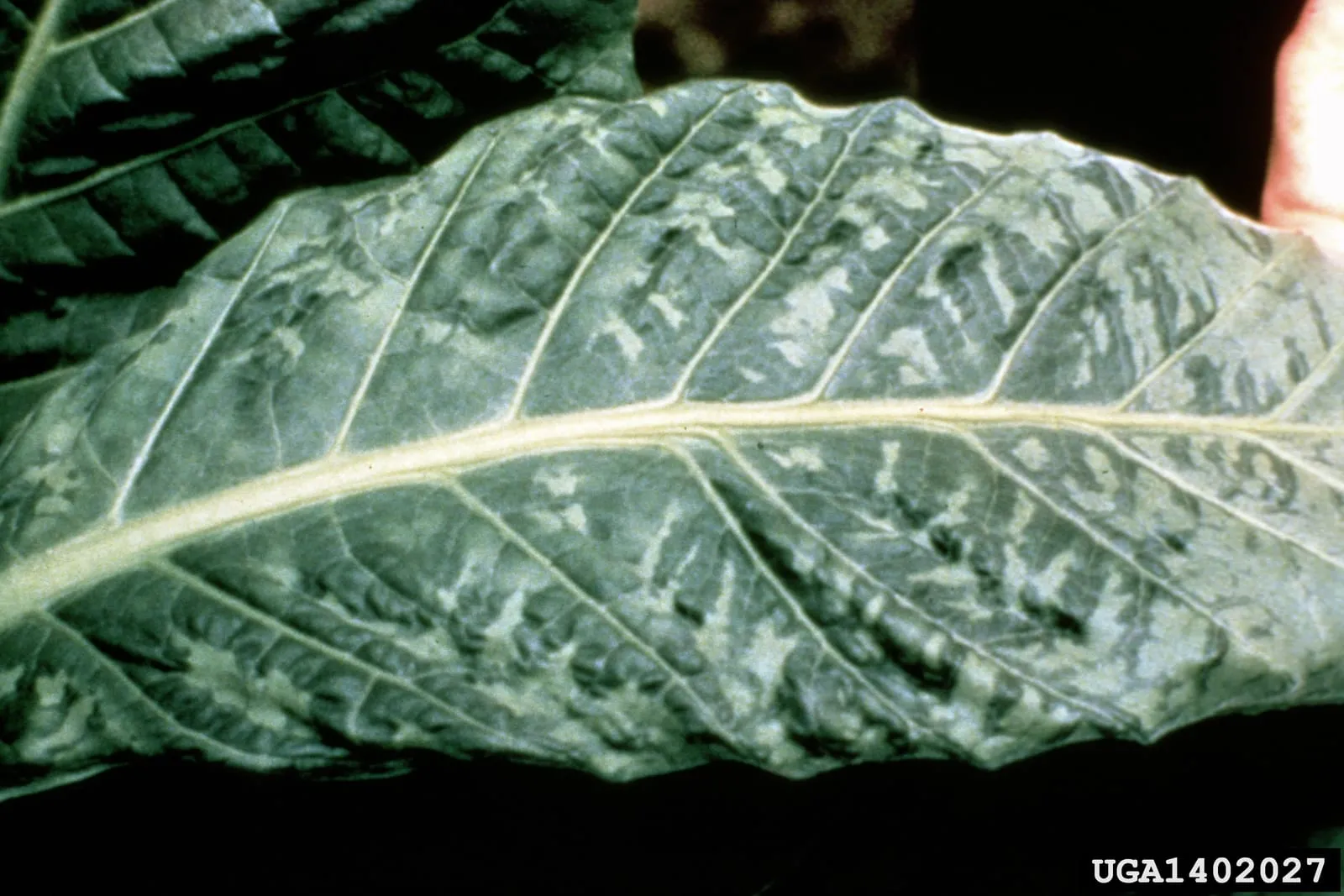
Cucumber mosaic virus, Tobacco mosaic virus, and others
Family of plant viruses producing mottled yellow-and-green leaf patterns. Vectored primarily by aphids; some are seed-transmitted or spread by handling tools and tobacco products.
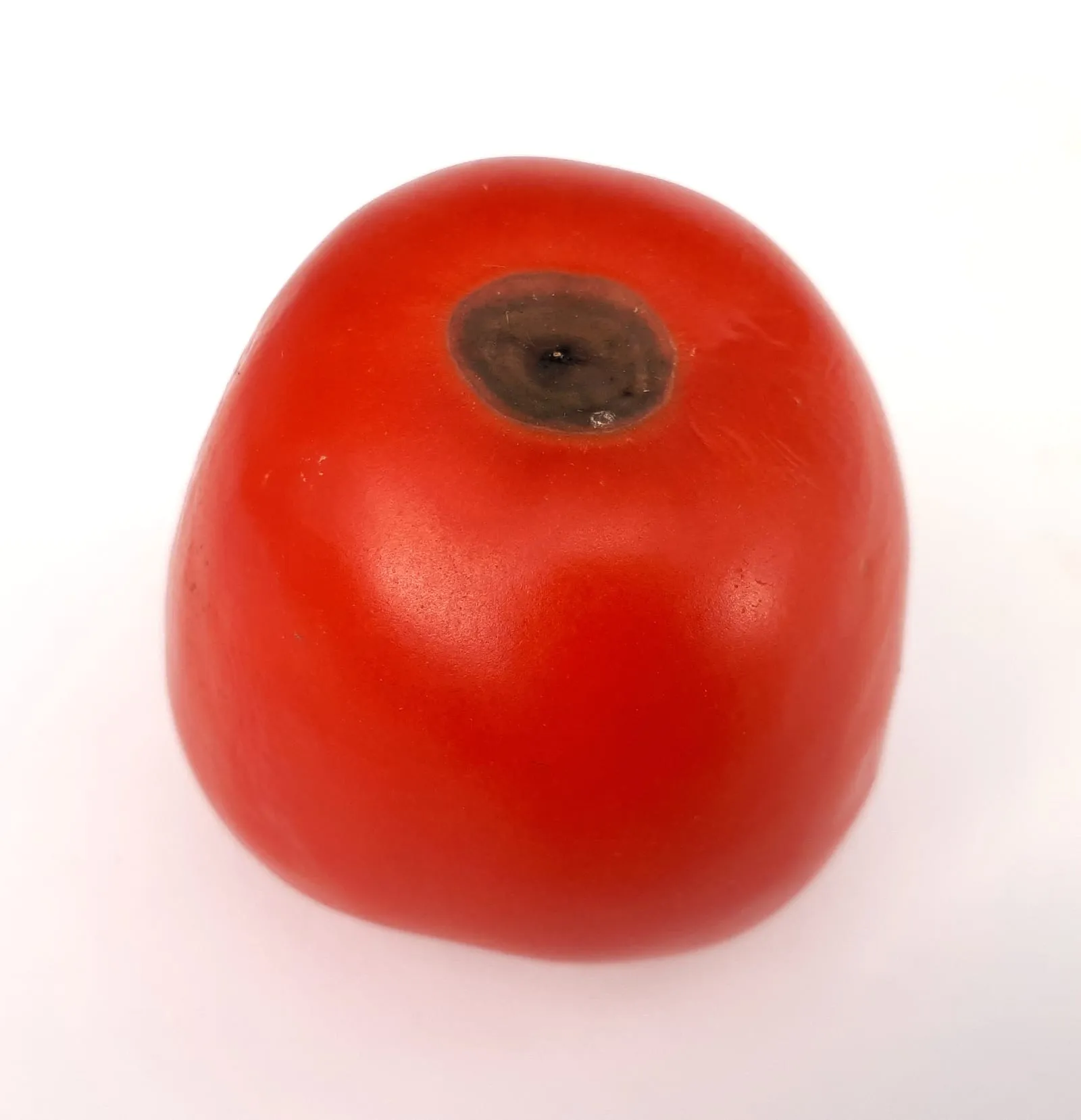
Calcium deficiency physiological disorder
Not a true disease but a calcium-uptake disorder caused by inconsistent soil moisture during fruit development. The dominant cause of damaged first-fruit on home tomato plantings.
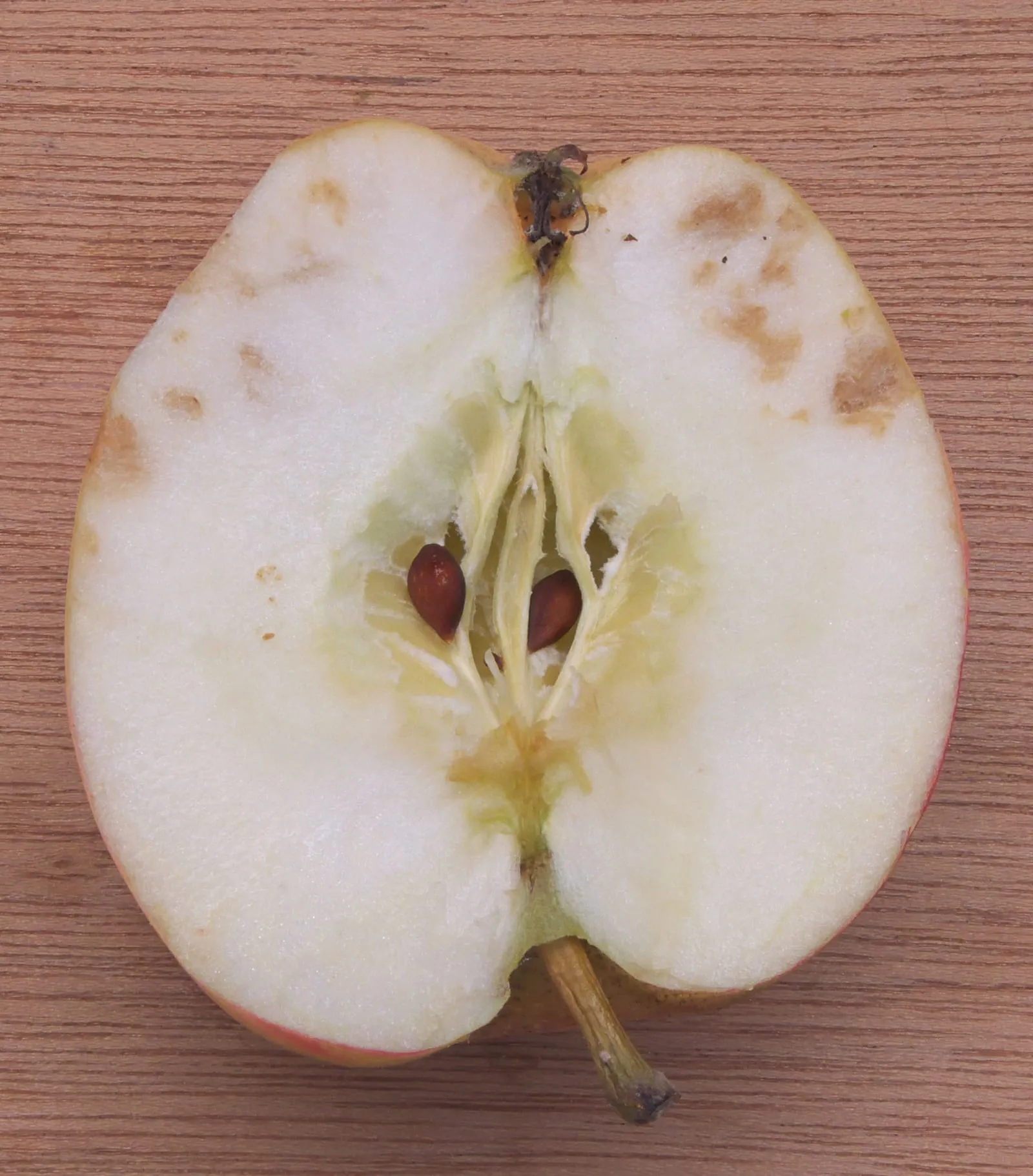
Physiological disorder
Damage from direct intense sun exposure on fruit or bark, particularly on plants suddenly exposed by pruning, defoliation, or hot weather. Distinct from sunburn (which is reversible).
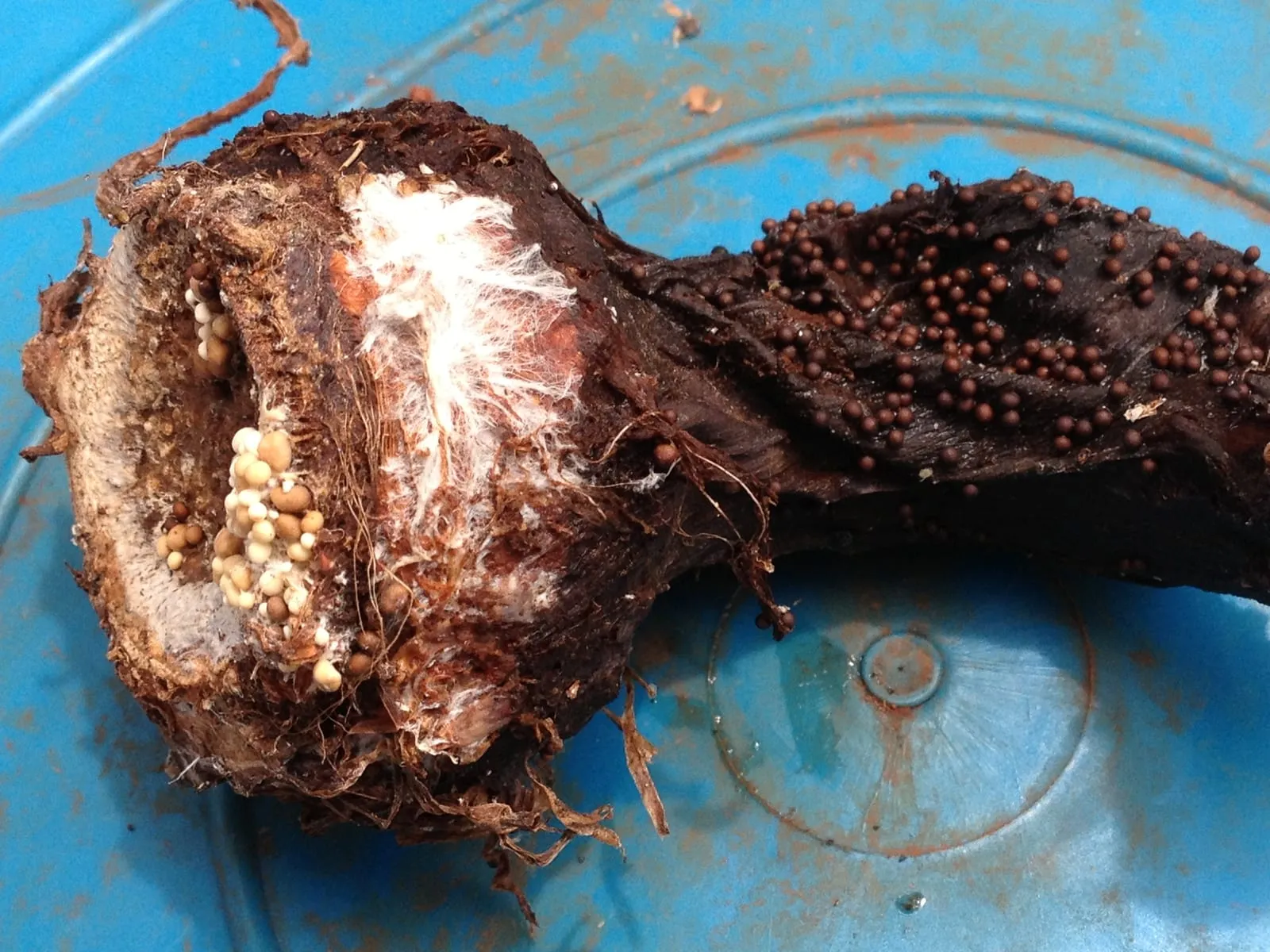
Sclerotium rolfsii
Soil-borne fungal disease most damaging in warm humid Southern conditions. White mycelial fans and small mustard-seed-sized sclerotia at the soil line are diagnostic.
Modified care for zone 6a
The primary adaptation in zone 6a is accelerating soil warming before transplanting. Black plastic mulch laid two to three weeks ahead of the transplant date raises soil temperatures by 8 to 12°F, reducing establishment lag and improving early fruit set. Row covers during the first two weeks after transplanting buffer against late cold snaps, which can damage young transplants even after the nominal last-frost date.
Bacterial Spot and Tomato Spotted Wilt Virus are the most consequential disease risks in this zone; both spread readily during wet springs. Replacing overhead irrigation with drip or soaker lines limits leaf wetness and reduces infection pressure substantially. Verticillium Wilt persists in zone 6a soils after solanaceous crops; rotating peppers away from beds that held tomatoes or eggplant in the prior two years is the most practical preventive measure. Japanese beetles, a documented pressure in zone 6a, will feed on foliage; hand-picking and targeted neem oil applications during peak beetle season (July) keep damage within acceptable limits without broad-spectrum intervention.
Sweet Pepper in adjacent zones
Image: "Capsicum annuum", by Eric Hunt, via Wikimedia Commons, licensed under CC-BY Source.

Related