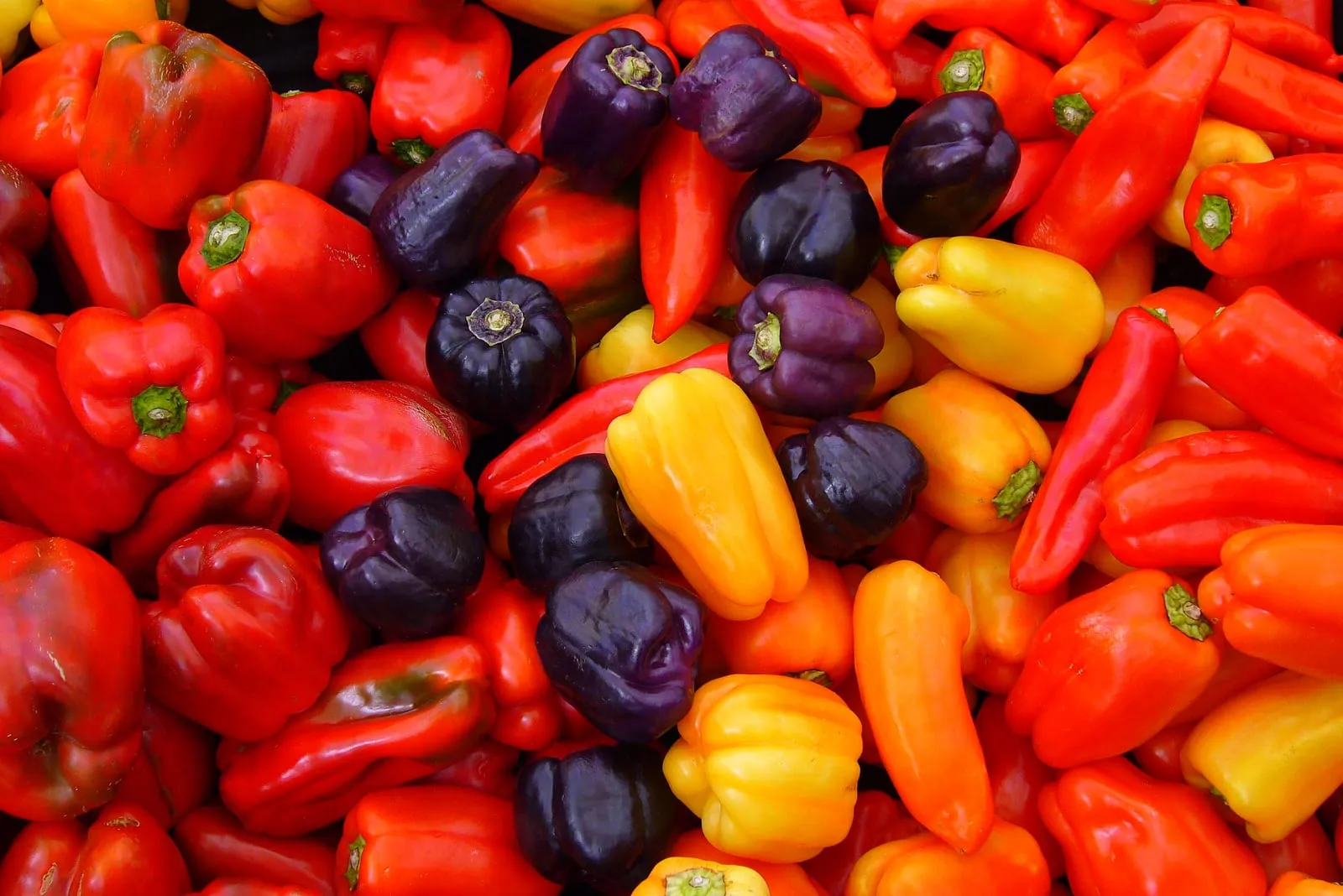
vegetable in zone 6b
Growing sweet pepper in zone 6b
Capsicum annuum
- Zone
- 6b -5°F to 0°F
- Growing season
- 190 days
- Suitable varieties
- 5
- Days to harvest
- 60 to 90
The verdict
Zone 6b sits at the cooler margin of sweet pepper's preferred range, but the 190-day growing season is generally sufficient for full-season varieties given proper timing. Unlike fruit trees, sweet peppers carry no chill-hour requirement; the operative constraint is heat accumulation over the growing season. Peppers stall below 55°F and produce best when daytime highs run 70 to 85°F consistently. Zone 6b winters reach -5 to 0°F, which precludes any overwintering of plants, but those temperatures are irrelevant to summer crops grown as annuals.
This zone is not marginal in terms of season length, but it is on the cooler edge of the crop's preferred temperature band. Early-season establishment is the main friction point: zone 6b springs warm slowly, and soil temperatures often lag air temperatures by two to three weeks. Varieties that set fruit at cooler temperatures, such as Carmen and Lipstick, perform more reliably here than large-fruited blocky types that need extended heat to size up. California Wonder and Shishito are workable with attentive timing; Sweet Banana, with its shorter days-to-harvest, is a good hedge against a short warm season.
Recommended varieties for zone 6b
5 cultivars suited to this zone, with disease-resistance and zone-fit annotations.
| Variety | Notes | Zone fit | Disease resistance |
|---|---|---|---|
| California Wonder fits zone 6b | Mild, sweet, classic green-then-red bell pepper; thick crisp walls. Fresh slicing, stuffing, roasting. Open-pollinated heritage standard, reliable in most home gardens. | | none noted |
| Carmen fits zone 6b | Sweet, fruity, slightly smoky; long red Italian frying pepper. Sauteing, roasting, fresh slicing. AAS winner, productive, ripens reliably even in short seasons. | | none noted |
| Lipstick fits zone 6b | Very sweet, juicy, thick-walled red conical pepper; outstanding fresh-eating quality. Salads, fresh, roasting. Productive even in cooler short-season areas. | | none noted |
| Sweet Banana fits zone 6b | Mild-sweet, tangy, pale yellow tapered pepper turning red; Hungarian-style. Fresh, pickling, frying. Heavy producer, easy beginner variety. | | none noted |
| Shishito fits zone 6b | Mildly sweet with occasional spicy surprise (~1 in 10); thin-walled green Japanese pepper. Blistered in oil, tempura, fresh. Compact plant, prolific picking through fall. | | none noted |
Critical timing for zone 6b
Zone 6b last frost dates typically fall between April 15 and May 1, varying by local elevation and cold-air drainage patterns. First fall frost arrives around October 10 to 20 in most of the zone. That defines a roughly 160 to 170 frost-free window, though sweet peppers also need soil temperatures at or above 65°F before transplants establish well, which narrows the effective planting window further.
Transplants should go into the garden no earlier than two weeks after the average last frost date, once nighttime lows are reliably above 50°F. For most of zone 6b, that means late April to mid-May. From transplant, days to first harvest run 70 to 90 days for most sweet pepper varieties, placing peak harvest between late July and September. Extended harvest into October is possible in years when the first frost holds past mid-month.
Common challenges in zone 6b
- ▸ Cedar-apple rust
- ▸ Fire blight
- ▸ Stink bugs
Disease pressure to watch for
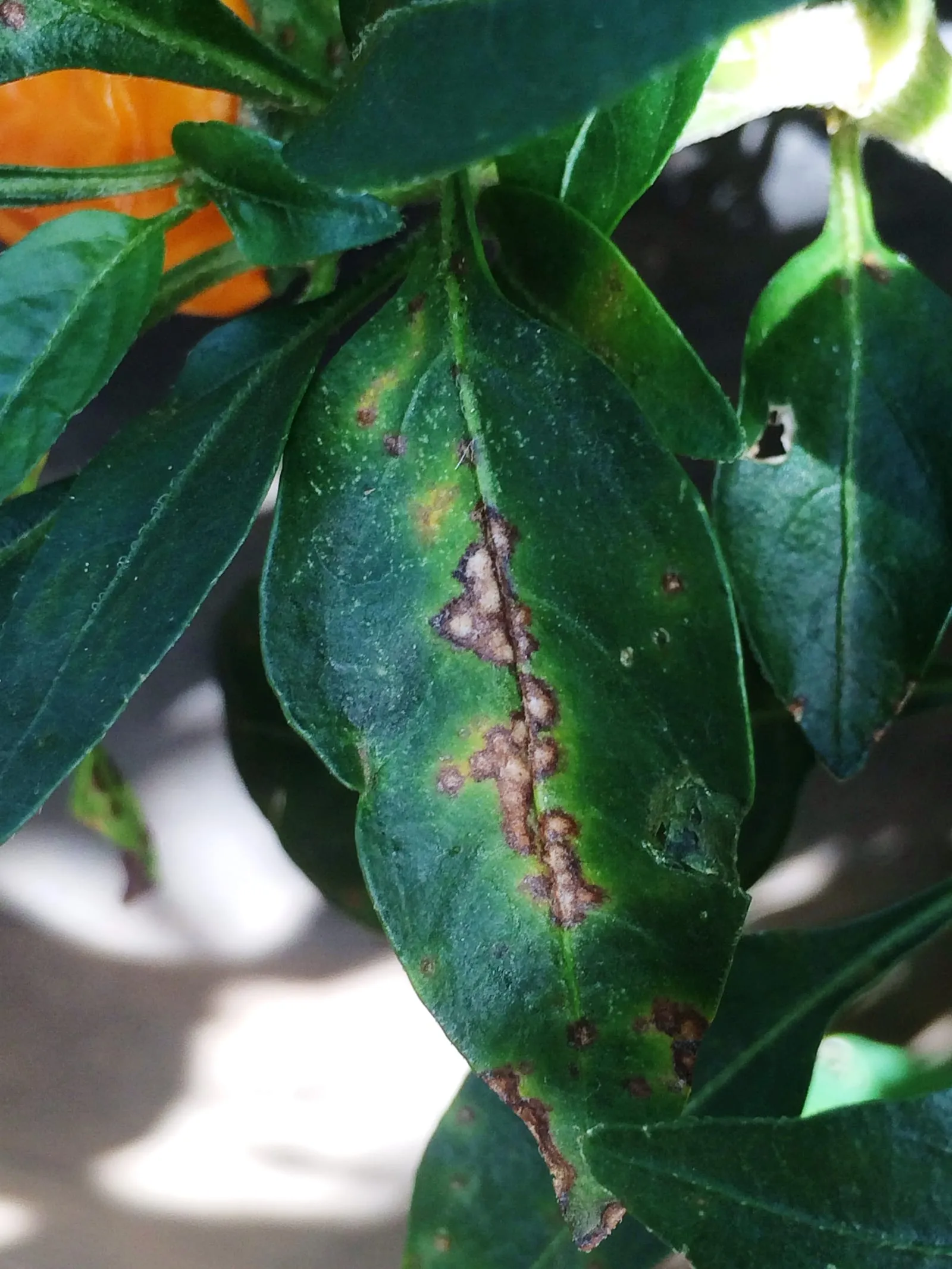
Xanthomonas euvesicatoria and X. perforans
Bacterial disease causing leaf spots and fruit blemishes on pepper and tomato. Severe in warm humid weather, transmitted via splashing water and seed.
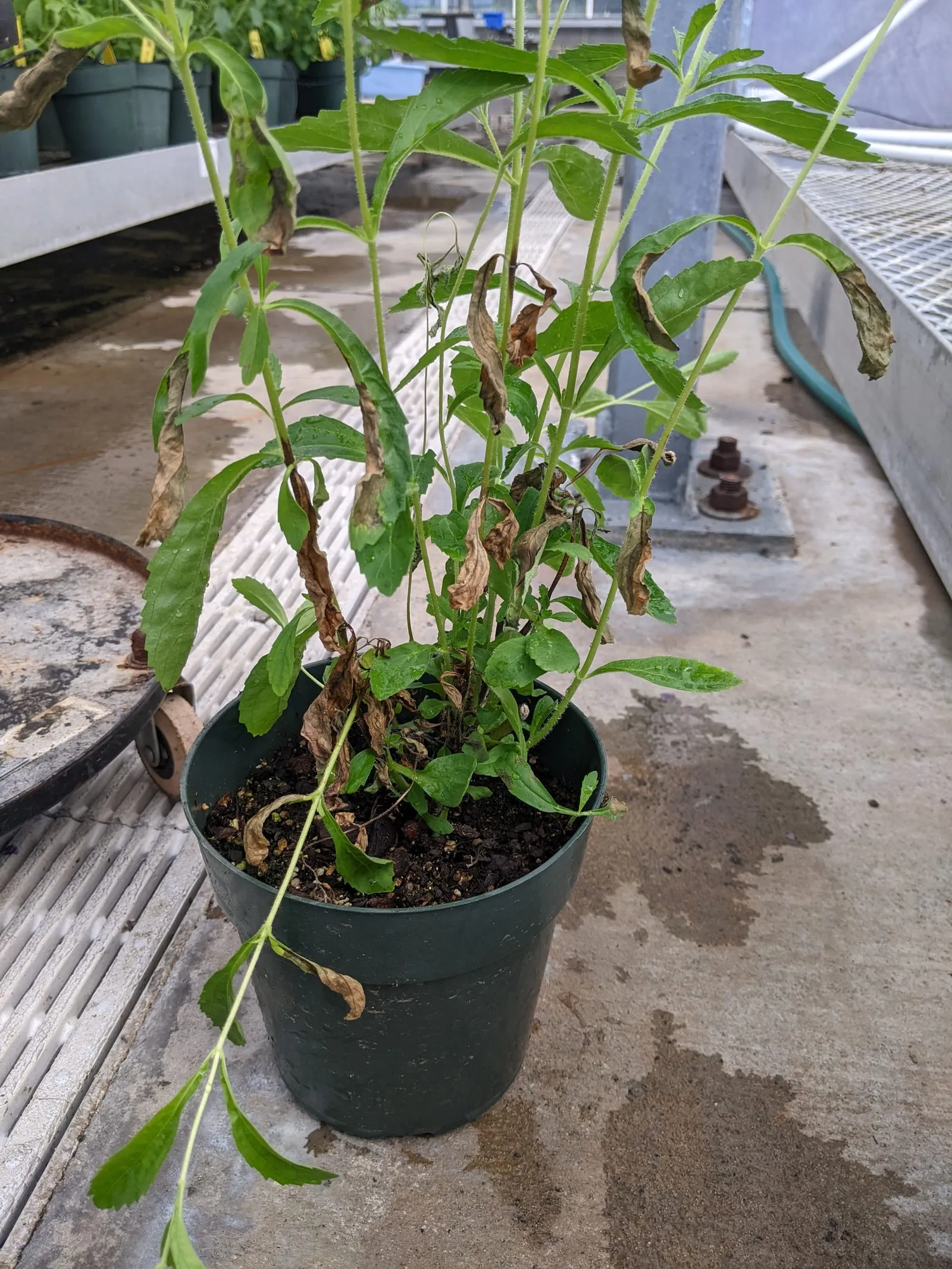
Tomato spotted wilt orthotospovirus (TSWV)
Virus vectored by thrips, particularly western flower thrips. Wide host range and growing global distribution. No cure once infected.
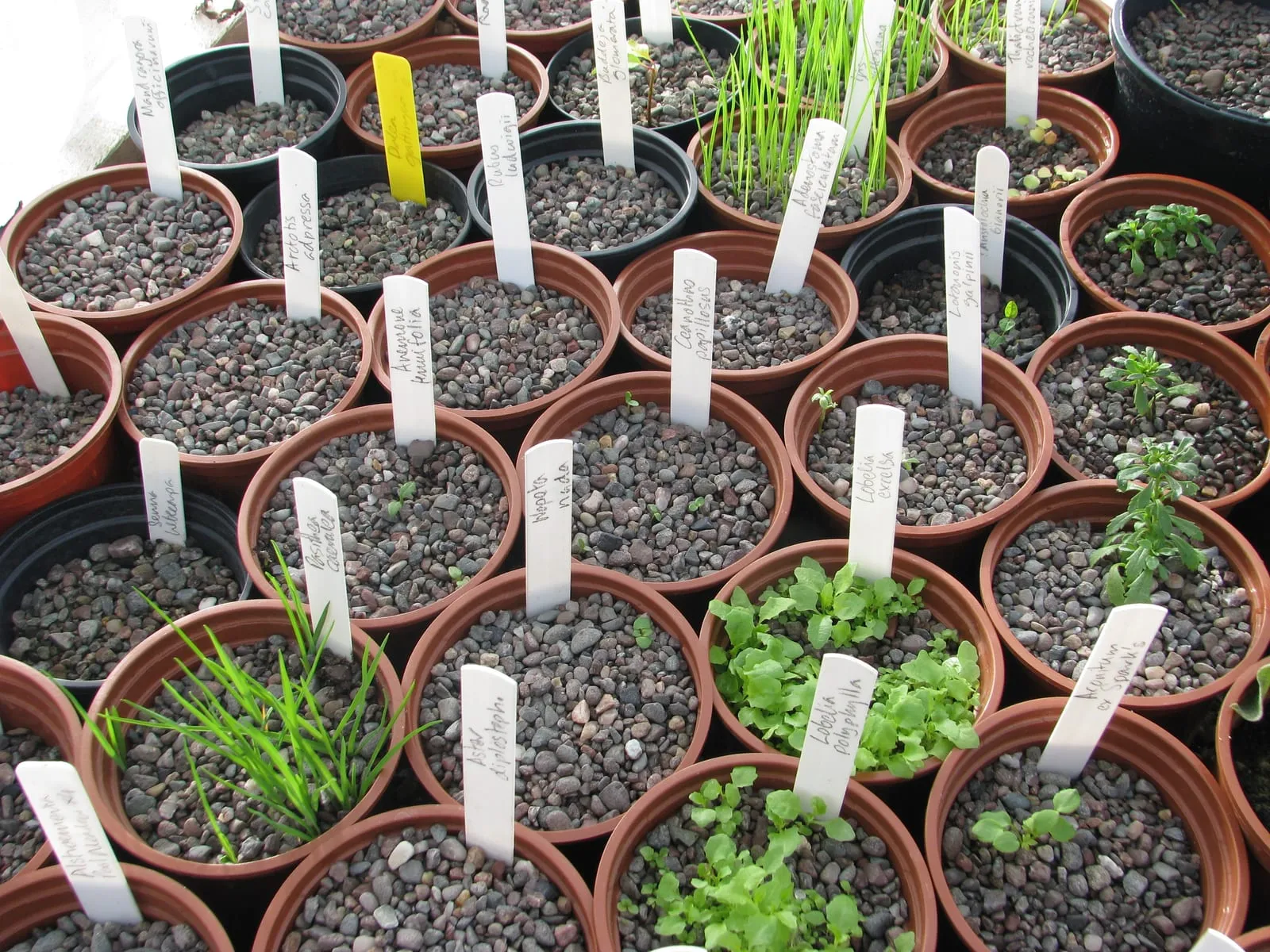
Pythium and Rhizoctonia species
Soil-borne complex of water molds and fungi that kill seedlings before or shortly after emergence. The single most common cause of seed-starting failures.
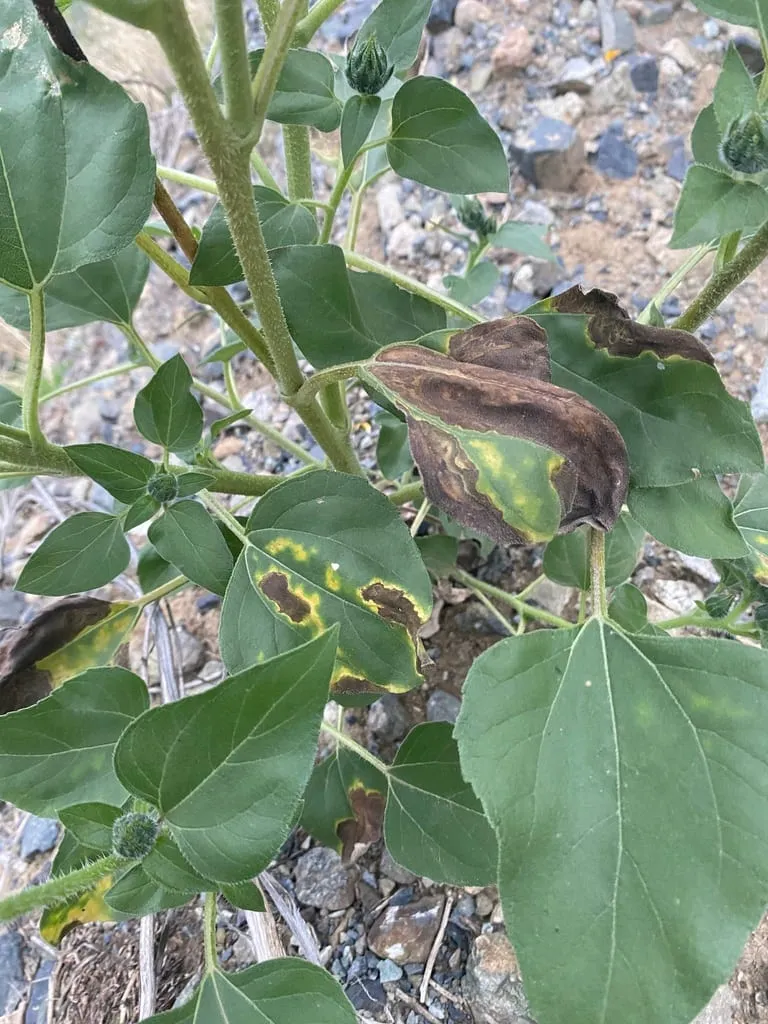
Verticillium dahliae
Soil-borne fungal disease similar to fusarium wilt but with broader host range and cooler temperature optimum. Persists in soil for 10+ years.
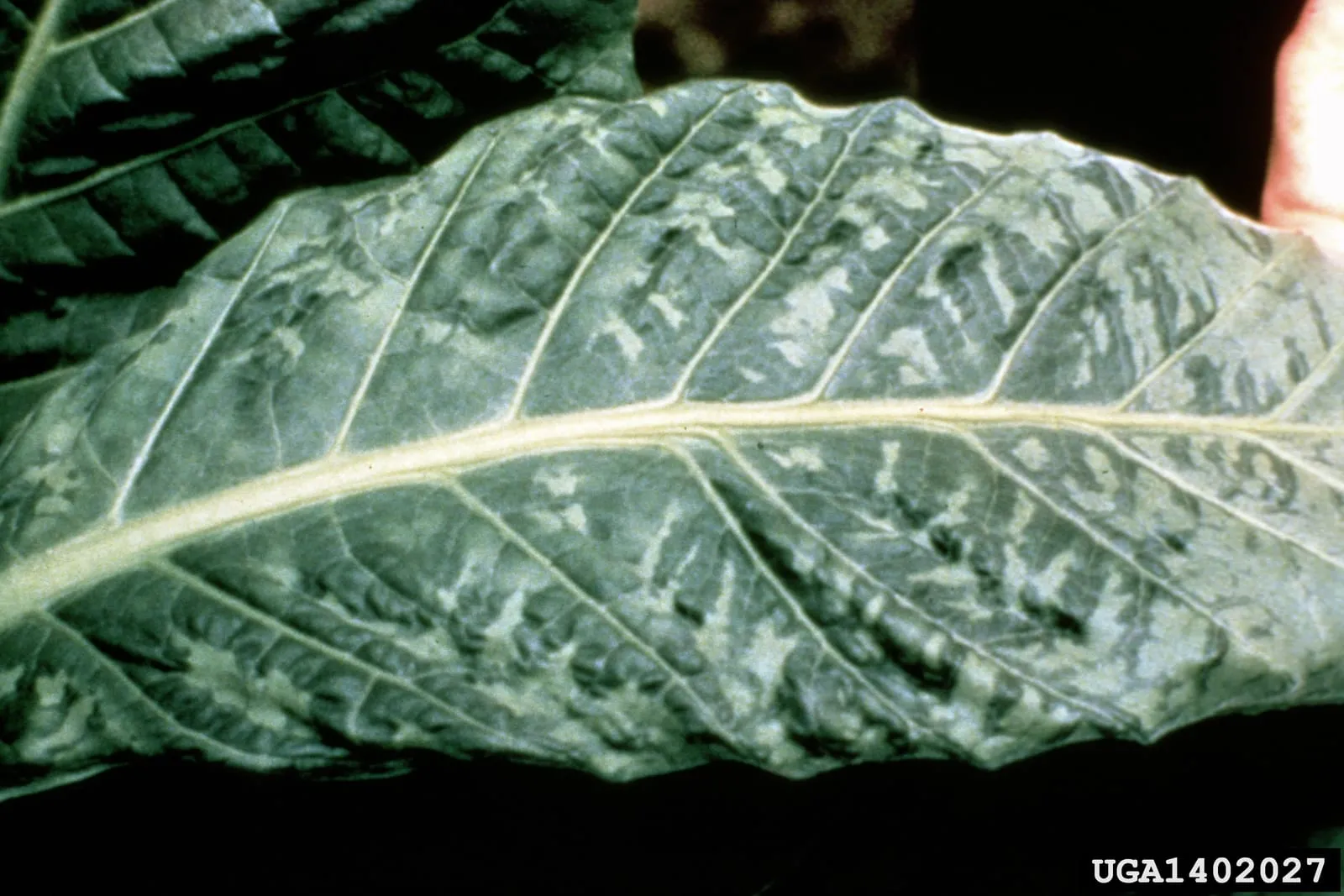
Cucumber mosaic virus, Tobacco mosaic virus, and others
Family of plant viruses producing mottled yellow-and-green leaf patterns. Vectored primarily by aphids; some are seed-transmitted or spread by handling tools and tobacco products.
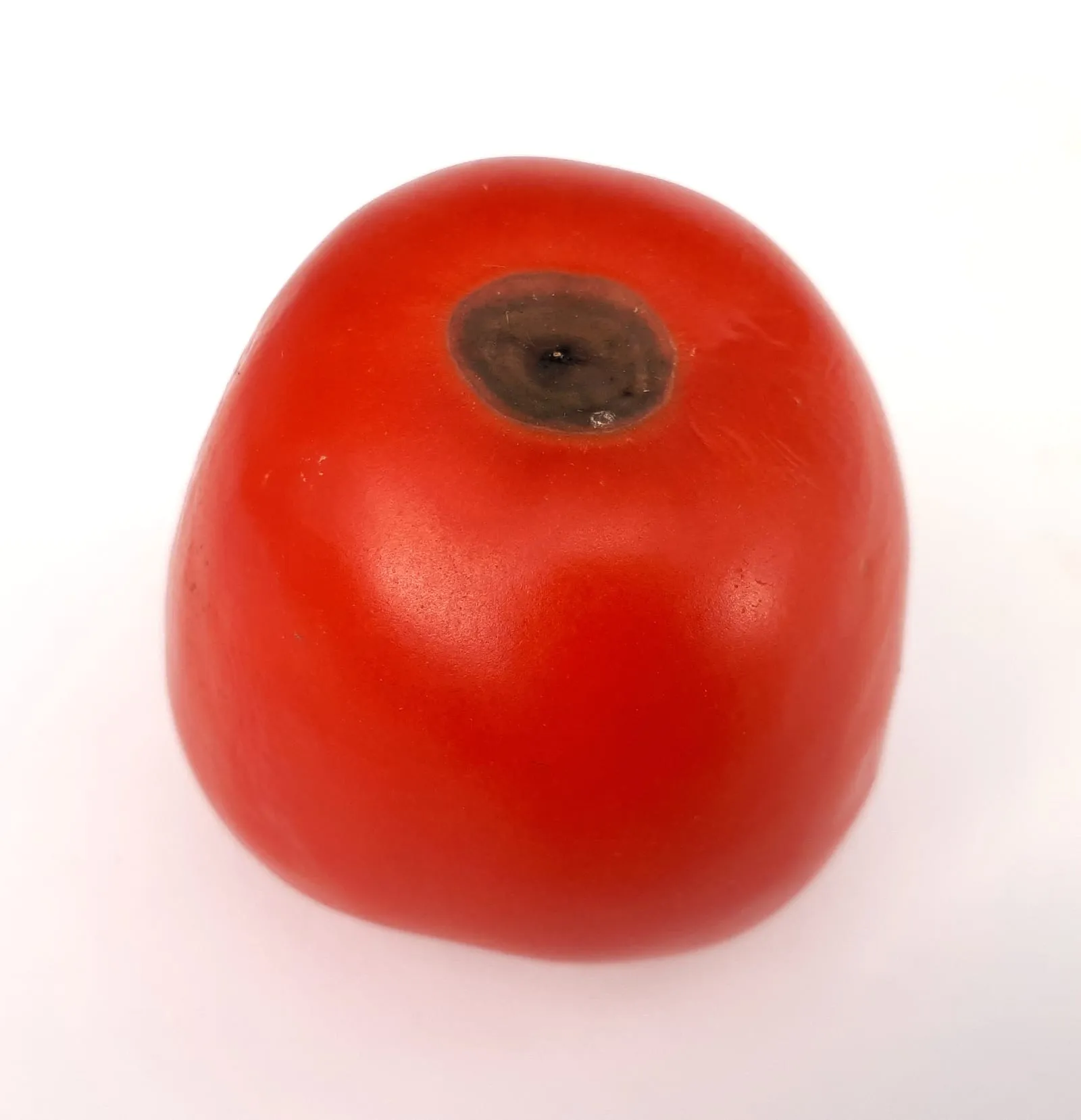
Calcium deficiency physiological disorder
Not a true disease but a calcium-uptake disorder caused by inconsistent soil moisture during fruit development. The dominant cause of damaged first-fruit on home tomato plantings.
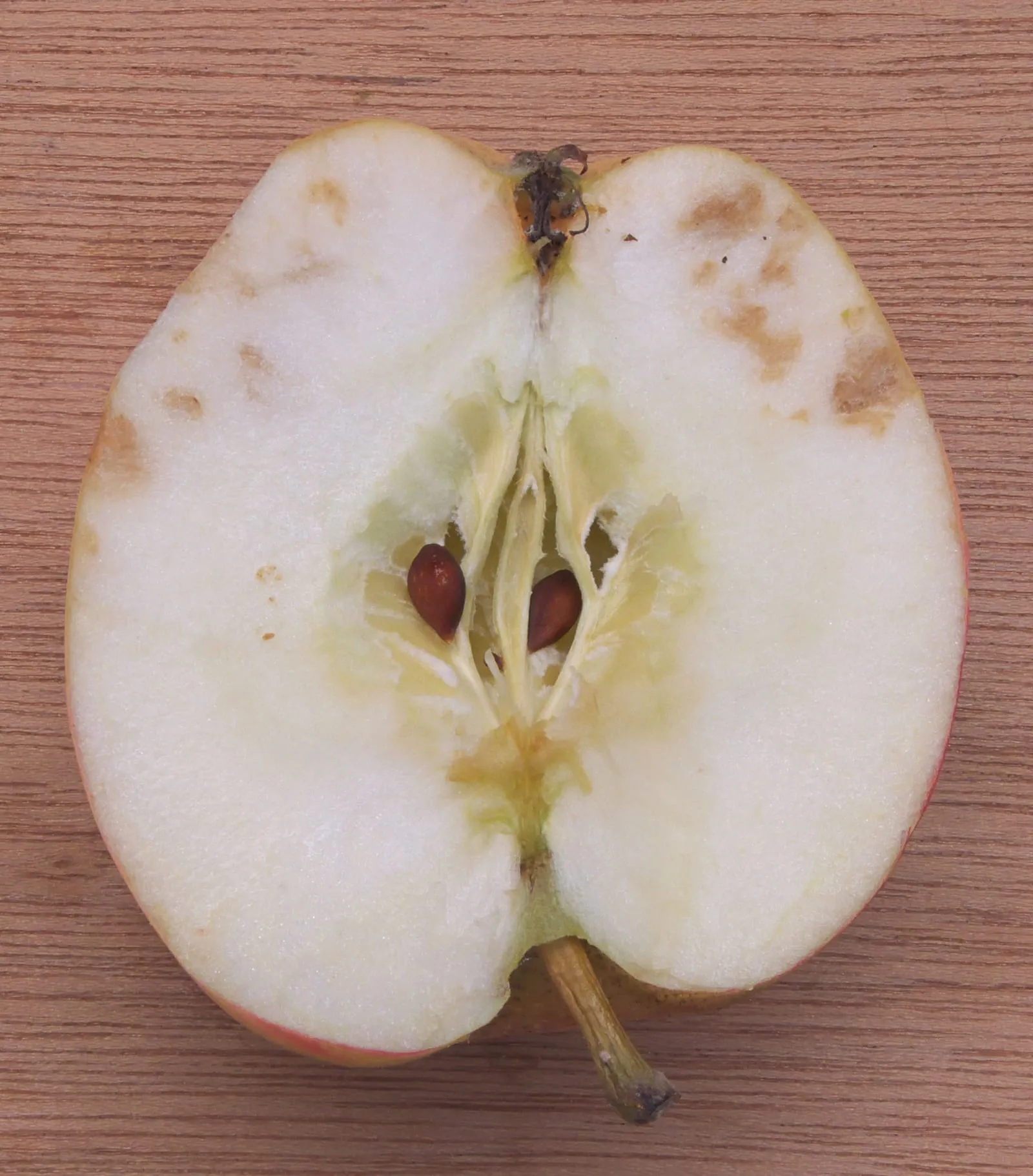
Physiological disorder
Damage from direct intense sun exposure on fruit or bark, particularly on plants suddenly exposed by pruning, defoliation, or hot weather. Distinct from sunburn (which is reversible).
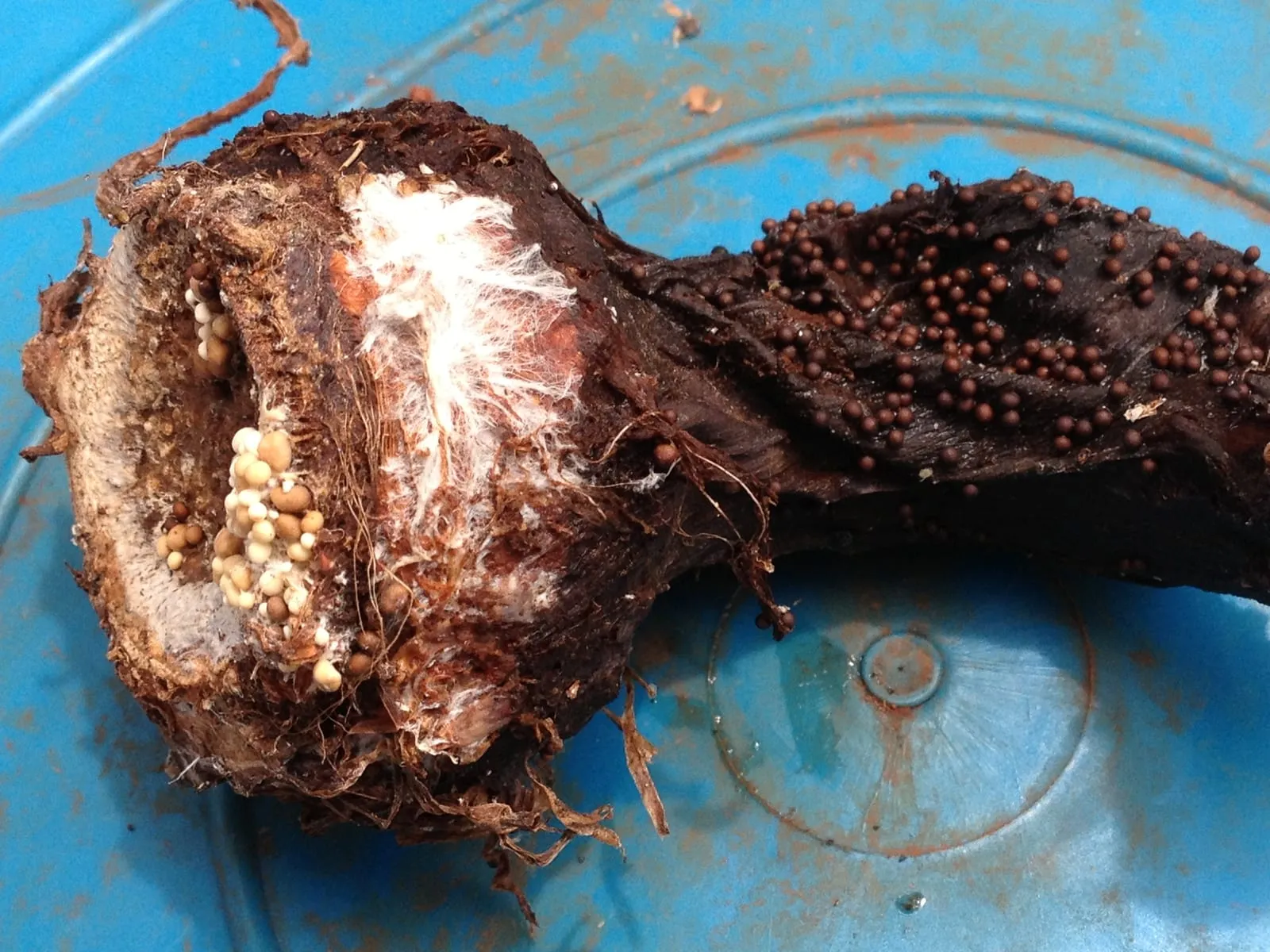
Sclerotium rolfsii
Soil-borne fungal disease most damaging in warm humid Southern conditions. White mycelial fans and small mustard-seed-sized sclerotia at the soil line are diagnostic.
Modified care for zone 6b
The primary adjustment in zone 6b is season extension at both ends. Starting transplants 8 to 10 weeks indoors (late February to early March) is necessary to capture enough warm days before fall arrives. Black plastic mulch warms soil 5 to 8°F above ambient, which improves early root development noticeably and can accelerate first harvest by one to two weeks.
Stink bugs are a documented pressure across much of zone 6b, particularly in mid-Atlantic and lower Midwest regions. They pierce fruit and introduce secondary bacterial infections; exclusion netting or kaolin clay applications reduce feeding damage during peak populations in late summer.
Bacterial Spot of Pepper intensifies during warm, wet spells common in zone 6b summers. Drip irrigation rather than overhead watering, paired with copper-based preventive applications timed to rainy periods, reduces disease spread. Verticillium Wilt persists in soil; rotating pepper planting beds on a three to four year cycle is the most reliable management approach available to home growers.
Sweet Pepper in adjacent zones
Image: "Capsicum annuum", by Eric Hunt, via Wikimedia Commons, licensed under CC-BY Source.

Related