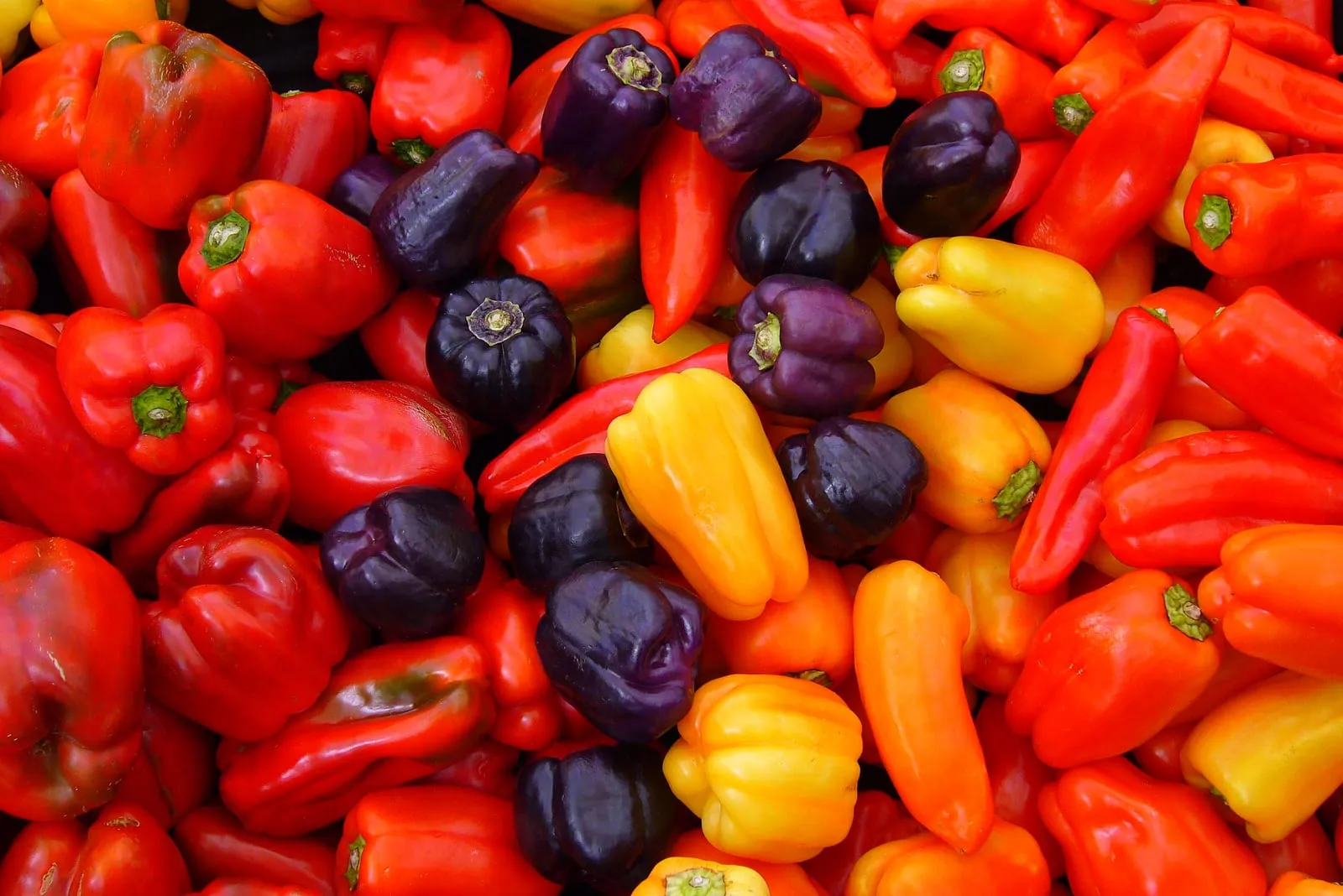
vegetable in zone 7a
Growing sweet pepper in zone 7a
Capsicum annuum
- Zone
- 7a 0°F to 5°F
- Growing season
- 210 days
- Suitable varieties
- 5
- Days to harvest
- 60 to 90
The verdict
Zone 7a is a comfortable fit for sweet pepper production, not a marginal case. Sweet peppers are warm-season annuals with no chill-hour requirement; what they need is a long frost-free window and reliably warm summer temperatures. Zone 7a's 210-day growing season delivers both. Soil temperatures climb into the 65 to 70°F range that peppers prefer by late April or early May, and the season stretches far enough into autumn for full fruit development on even later-setting cultivars like Carmen and Lipstick.
The winter minimum range of 0 to 5°F is irrelevant for a crop that is replanted from transplant each spring. The meaningful constraint in zone 7a is not cold but humidity: the region's warm, moist summers create sustained pressure from bacterial spot and foliar pathogens. Growers who manage disease proactively will find zone 7a productive; those who skip that step will see yield losses regardless of variety selection.
Recommended varieties for zone 7a
5 cultivars suited to this zone, with disease-resistance and zone-fit annotations.
| Variety | Notes | Zone fit | Disease resistance |
|---|---|---|---|
| California Wonder fits zone 7a | Mild, sweet, classic green-then-red bell pepper; thick crisp walls. Fresh slicing, stuffing, roasting. Open-pollinated heritage standard, reliable in most home gardens. | | none noted |
| Carmen fits zone 7a | Sweet, fruity, slightly smoky; long red Italian frying pepper. Sauteing, roasting, fresh slicing. AAS winner, productive, ripens reliably even in short seasons. | | none noted |
| Lipstick fits zone 7a | Very sweet, juicy, thick-walled red conical pepper; outstanding fresh-eating quality. Salads, fresh, roasting. Productive even in cooler short-season areas. | | none noted |
| Sweet Banana fits zone 7a | Mild-sweet, tangy, pale yellow tapered pepper turning red; Hungarian-style. Fresh, pickling, frying. Heavy producer, easy beginner variety. | | none noted |
| Shishito fits zone 7a | Mildly sweet with occasional spicy surprise (~1 in 10); thin-walled green Japanese pepper. Blistered in oil, tempura, fresh. Compact plant, prolific picking through fall. | | none noted |
Critical timing for zone 7a
In zone 7a, sweet pepper transplants typically go into the ground from mid-April through early May, after the average last frost has passed and nighttime temperatures stay reliably above 50°F. Starting seeds indoors 8 to 10 weeks before transplant puts seed-start in late January to mid-February.
Flowering begins in earnest by mid-June, with the first green fruits sizing up through July. Full color development on bell-type varieties such as California Wonder requires an additional 2 to 3 weeks beyond green-ripe stage. Harvest runs July through mid-October. The zone's first fall frost, typically arriving in late October to early November, closes the season. Succession planting is generally unnecessary; a single transplant set provides a long enough harvest window.
Common challenges in zone 7a
- ▸ Cedar-apple rust
- ▸ Brown rot
- ▸ Fire blight
- ▸ High humidity disease pressure
Disease pressure to watch for
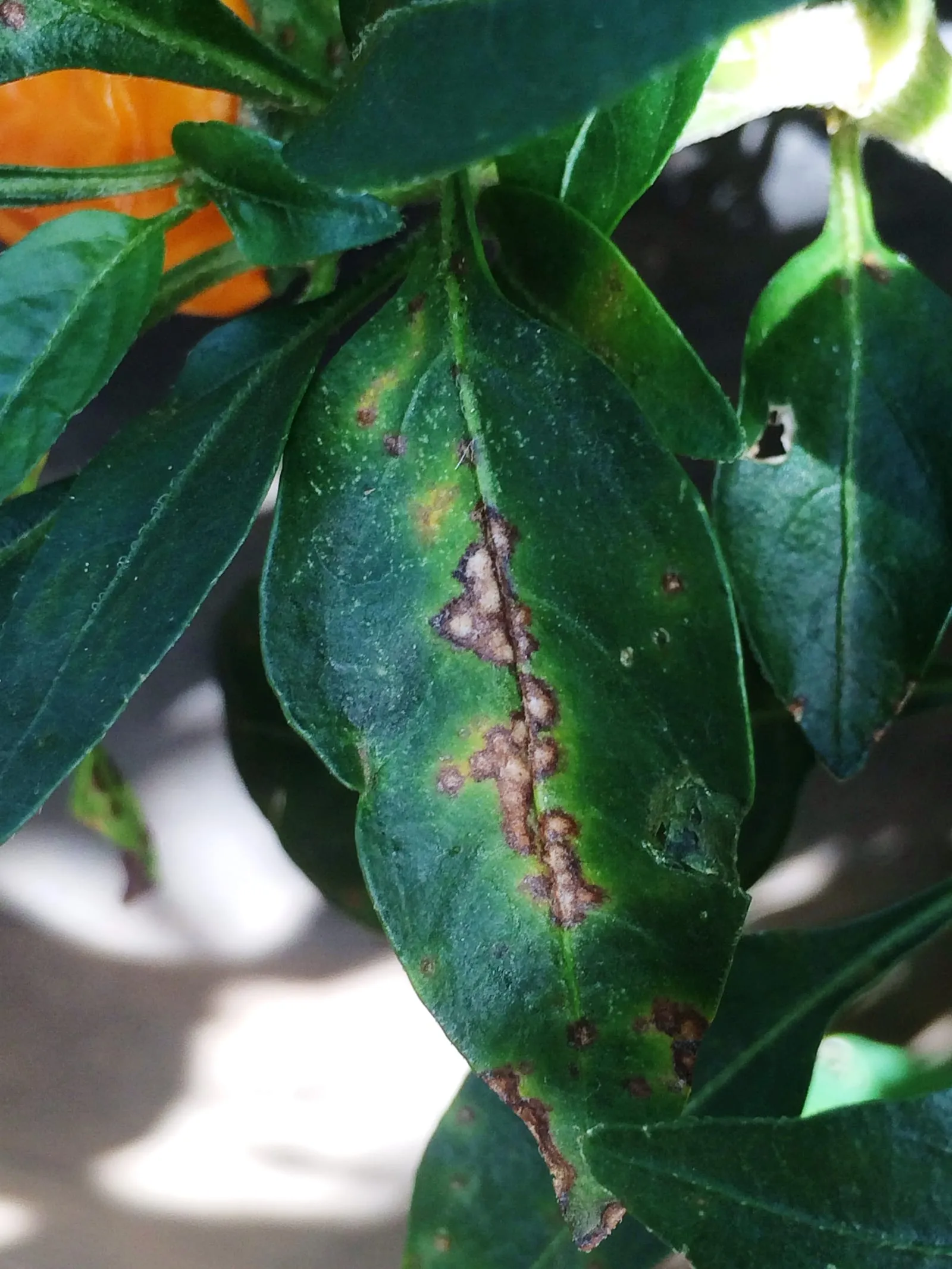
Xanthomonas euvesicatoria and X. perforans
Bacterial disease causing leaf spots and fruit blemishes on pepper and tomato. Severe in warm humid weather, transmitted via splashing water and seed.
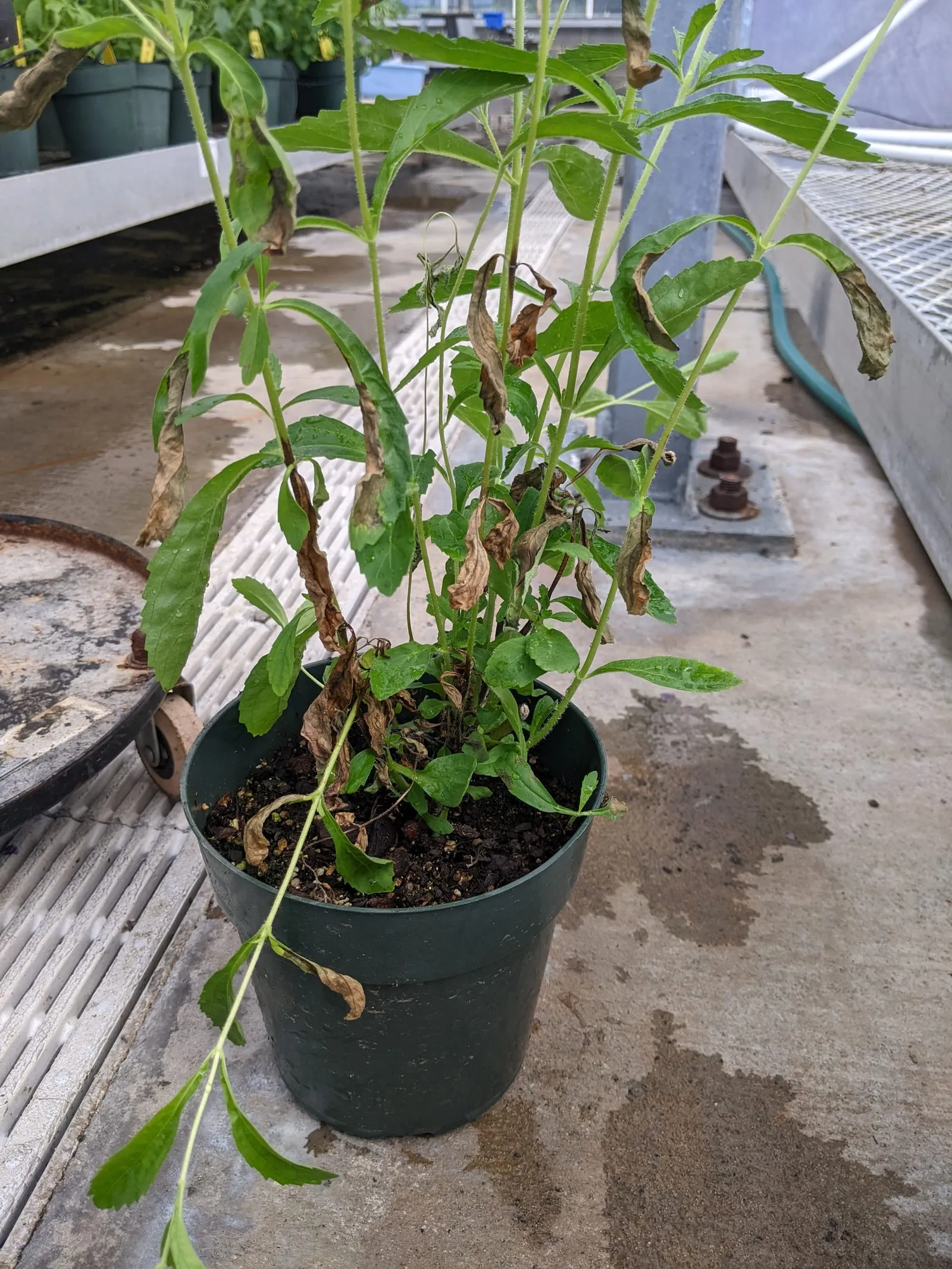
Tomato spotted wilt orthotospovirus (TSWV)
Virus vectored by thrips, particularly western flower thrips. Wide host range and growing global distribution. No cure once infected.
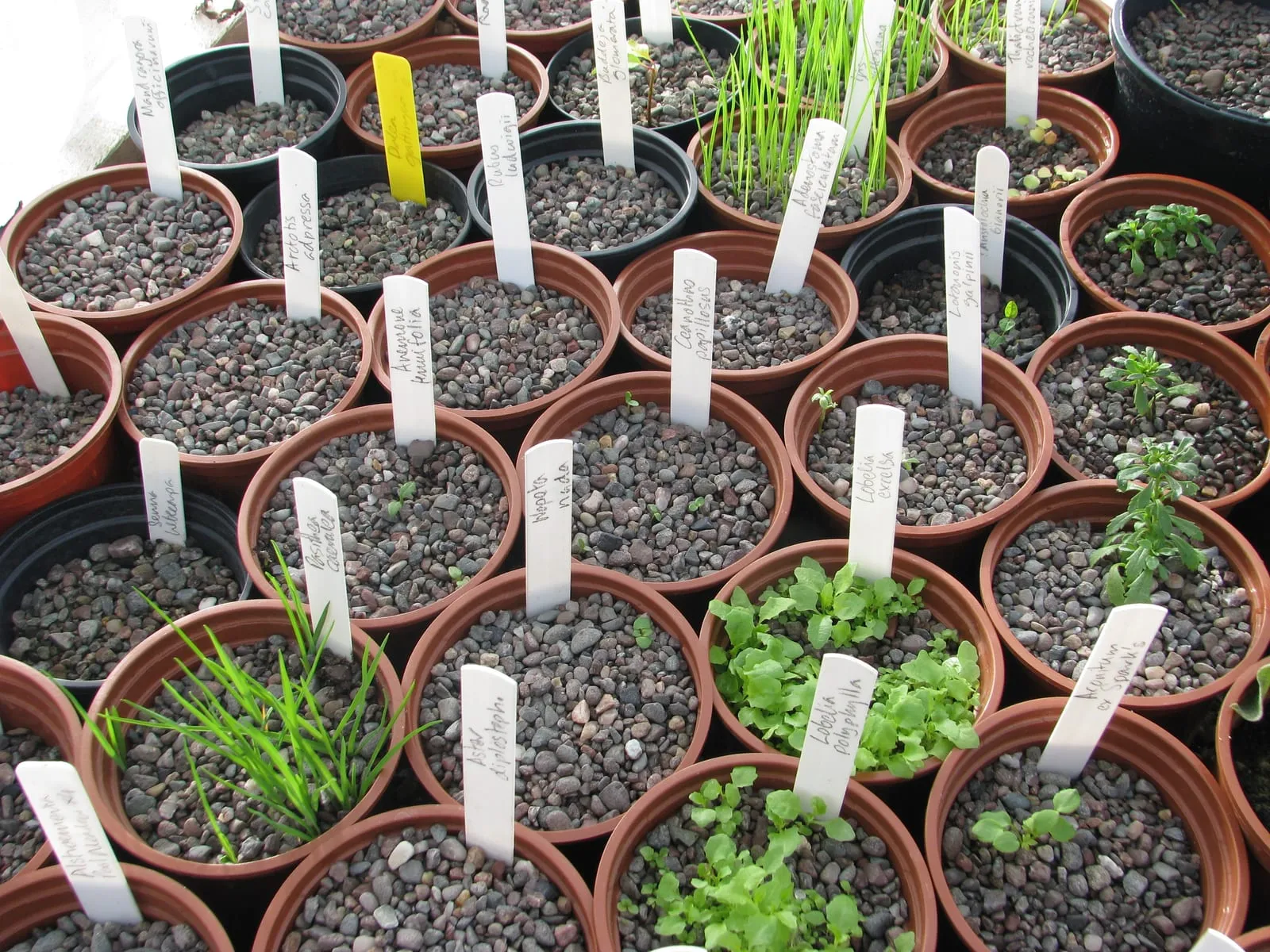
Pythium and Rhizoctonia species
Soil-borne complex of water molds and fungi that kill seedlings before or shortly after emergence. The single most common cause of seed-starting failures.
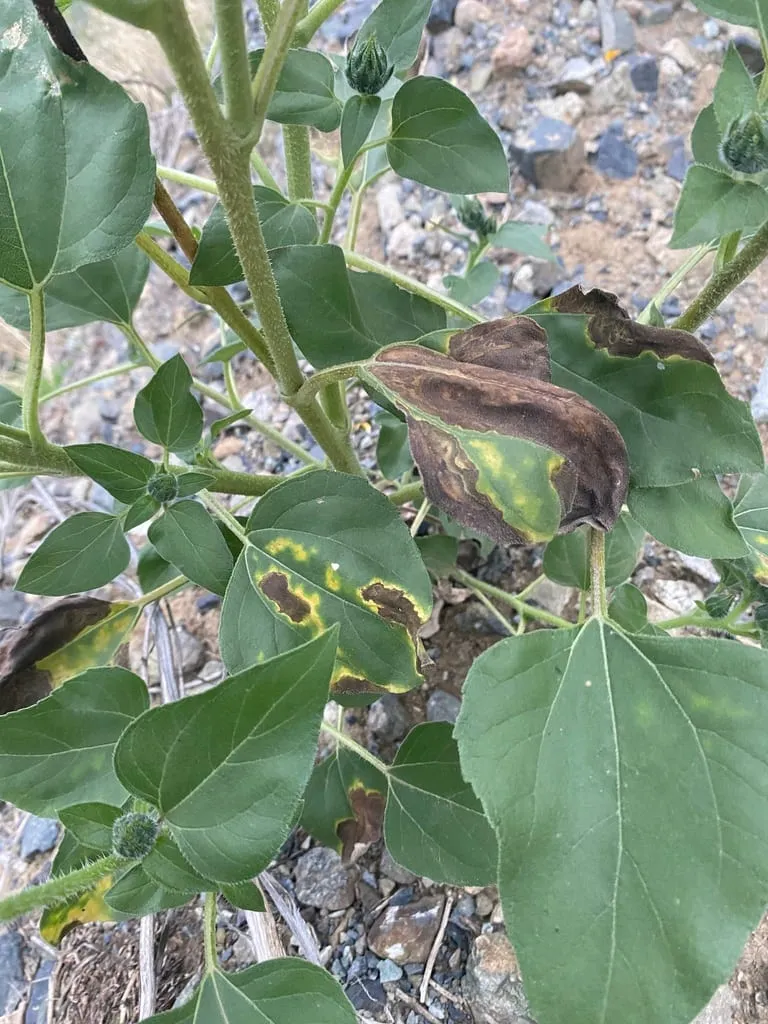
Verticillium dahliae
Soil-borne fungal disease similar to fusarium wilt but with broader host range and cooler temperature optimum. Persists in soil for 10+ years.
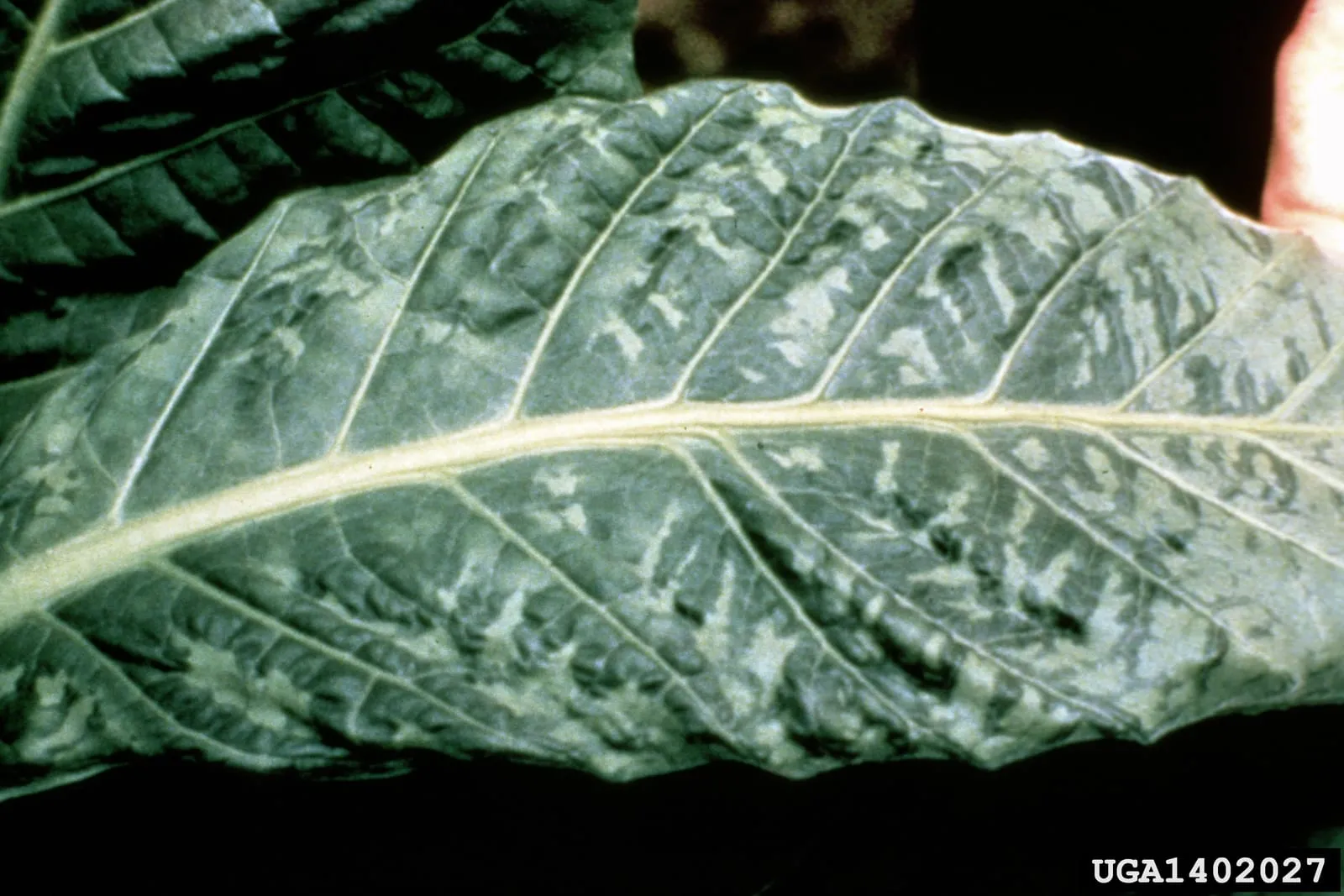
Cucumber mosaic virus, Tobacco mosaic virus, and others
Family of plant viruses producing mottled yellow-and-green leaf patterns. Vectored primarily by aphids; some are seed-transmitted or spread by handling tools and tobacco products.
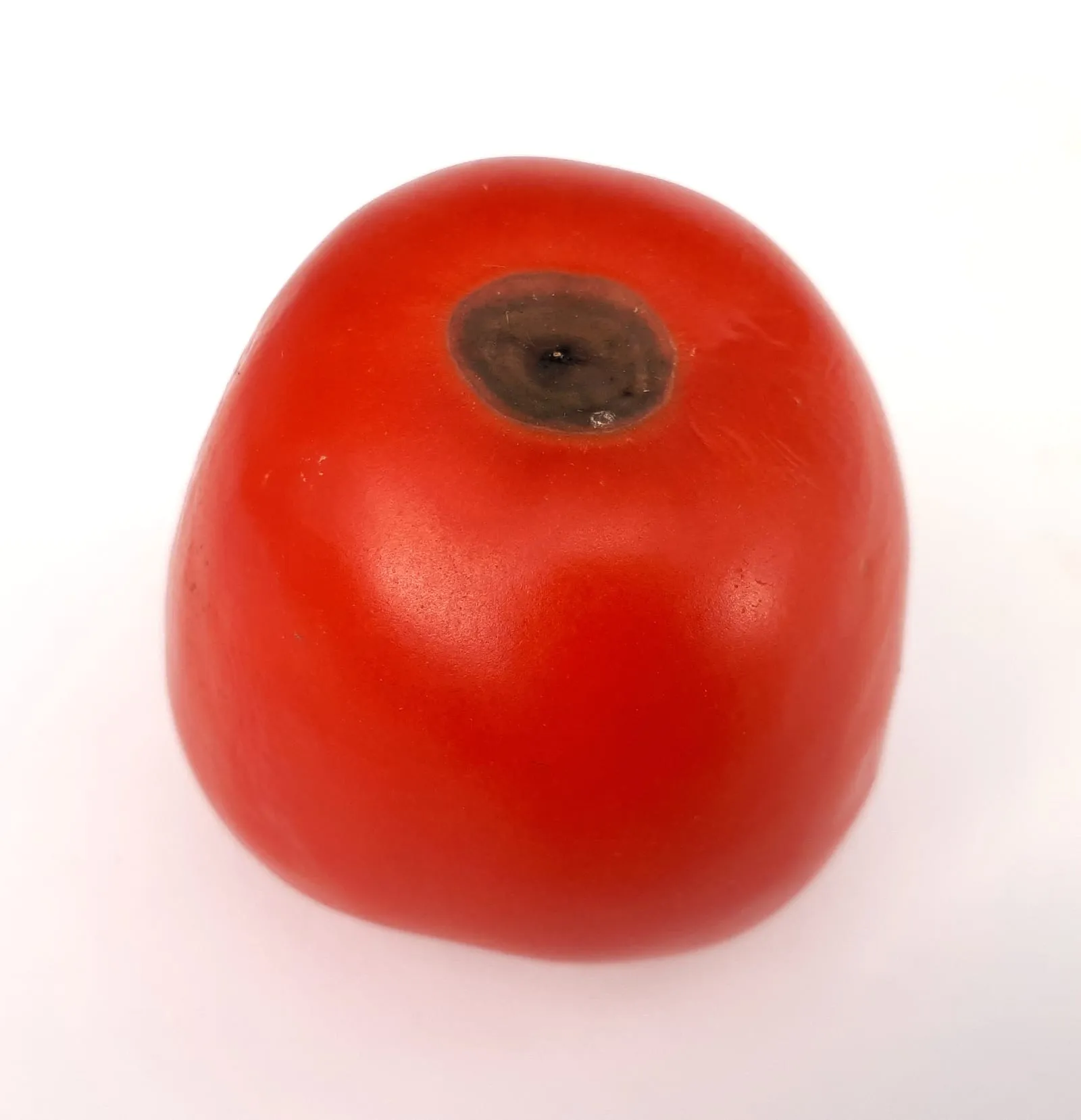
Calcium deficiency physiological disorder
Not a true disease but a calcium-uptake disorder caused by inconsistent soil moisture during fruit development. The dominant cause of damaged first-fruit on home tomato plantings.
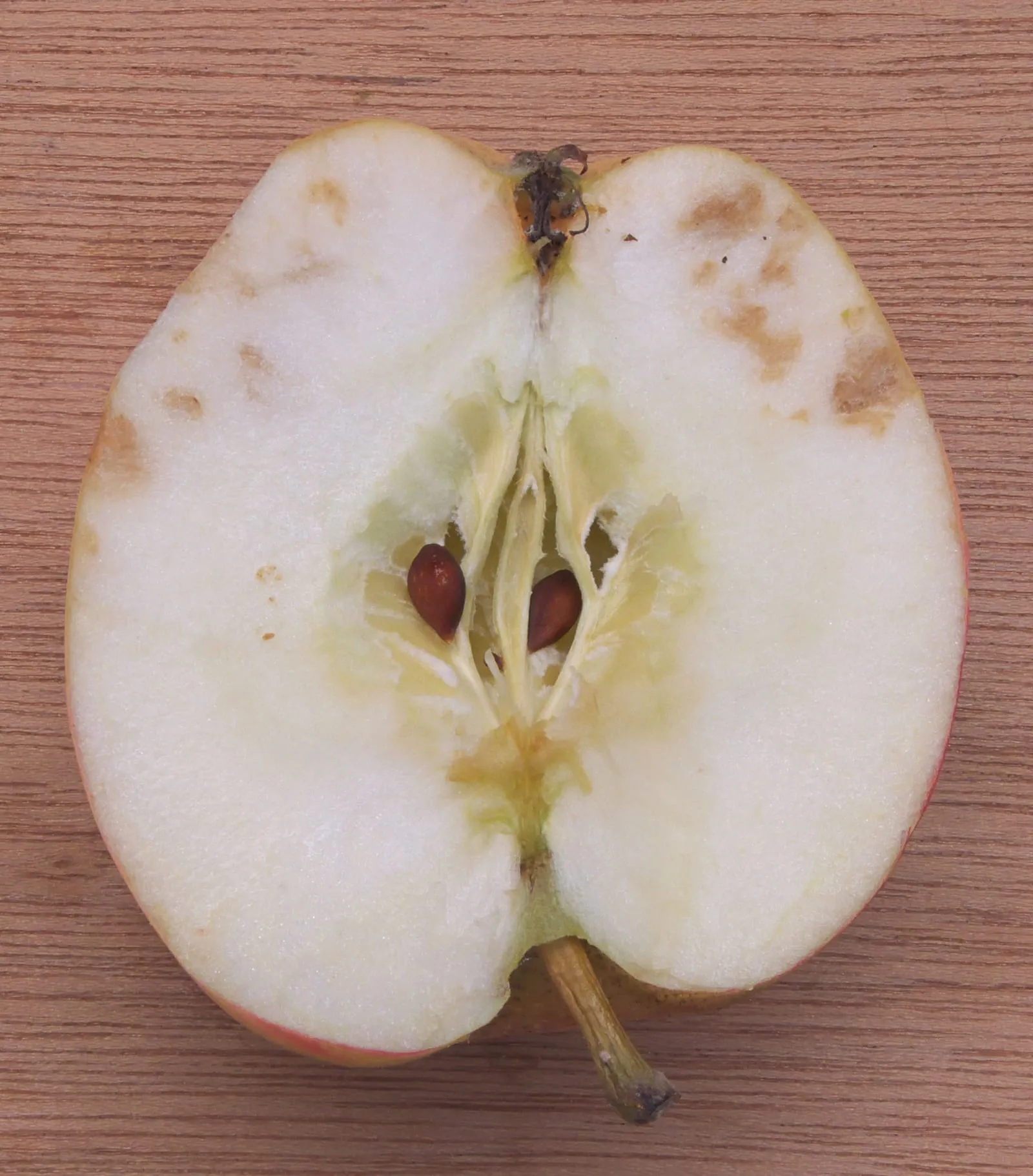
Physiological disorder
Damage from direct intense sun exposure on fruit or bark, particularly on plants suddenly exposed by pruning, defoliation, or hot weather. Distinct from sunburn (which is reversible).
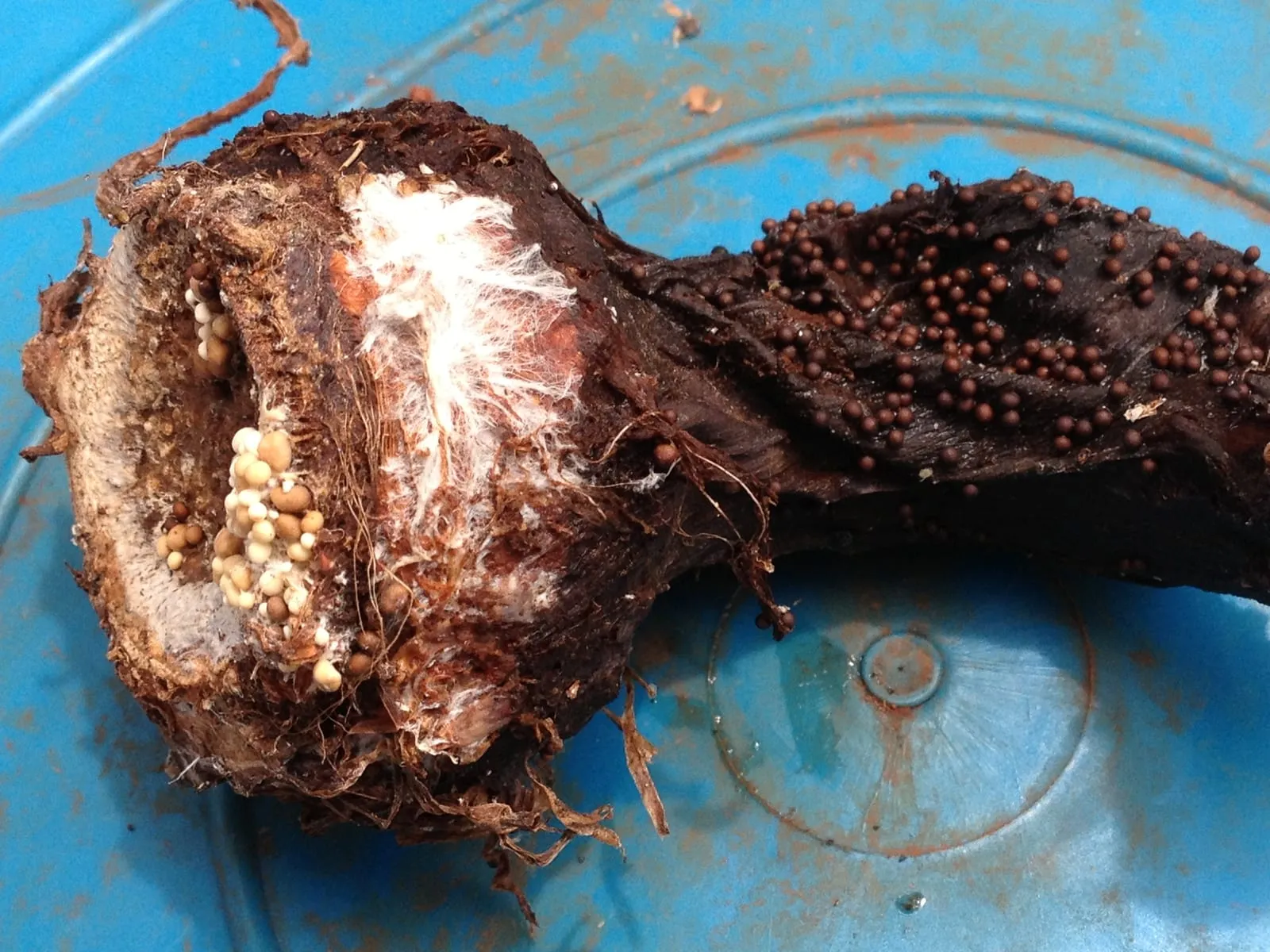
Sclerotium rolfsii
Soil-borne fungal disease most damaging in warm humid Southern conditions. White mycelial fans and small mustard-seed-sized sclerotia at the soil line are diagnostic.
Modified care for zone 7a
The primary adjustment for zone 7a is disease management. Bacterial Spot of Pepper thrives in warm, humid conditions and spreads rapidly during rainy periods; copper-based sprays applied preventively (before symptoms appear) are more effective than reactive treatment. Tomato Spotted Wilt Virus, transmitted by thrips, warrants monitoring from transplant through midsummer, since there is no treatment once a plant is infected. Row covers at transplant can reduce early thrips feeding.
Spacing plants at 18 to 24 inches with rows 30 to 36 inches apart improves airflow and slows foliar disease spread. Drip irrigation reduces leaf wetness compared to overhead watering. Where Verticillium Wilt has been a recurring soil problem, rotating peppers to a different bed for at least two seasons before returning is the most effective control. Mulching with straw or wood chips reduces soil splash, a common infection route for bacterial pathogens.
Frequently asked questions
- Do sweet peppers need chill hours in zone 7a?
No. Sweet peppers are warm-season annuals with no chill-hour requirement. Chill hours apply to deciduous fruit trees. Peppers need warm soil, adequate moisture, and a long frost-free season, all of which zone 7a provides.
- Which sweet pepper varieties perform best in zone 7a's humidity?
Carmen and Lipstick tend to set fruit reliably in humid conditions and are good starting points for zone 7a. California Wonder is widely available but more susceptible to bacterial spot. Shishito produces prolifically even when conditions are warm and wet, making it a lower-maintenance option.
- When should sweet pepper transplants go in the ground in zone 7a?
Mid-April through early May is the typical window, after the average last frost has passed and nighttime lows stay above 50°F consistently. Planting too early into cold soil stunts growth and delays the harvest window without extending it.
- How serious is Tomato Spotted Wilt Virus for zone 7a pepper growers?
It is a genuine concern. TSWV has no cure once a plant is infected; infected plants should be removed and discarded, not composted. The virus is transmitted by thrips, so managing thrips populations early in the season, especially with row covers at transplant, is the most practical protective step.
+−
+−
+−
+−
Sweet Pepper in adjacent zones
Image: "Capsicum annuum", by Eric Hunt, via Wikimedia Commons, licensed under CC-BY Source.

Related